Anti-Poaching in Kenya 2026: Rangers, Technology & Results
Kenya's anti-poaching operations combine elite ranger units, drone surveillance, and community involvement across 60,000+ km² of protected land. In 2020, Kenya achieved its first zero-rhino-poaching year in 20 years—but organized wildlife crime and habitat loss remain critical threats.

Quick Answer: Kenya's Anti-Poaching Status in 2026
Kenya operates one of Africa's most coordinated anti-poaching systems, anchored by the Kenya Wildlife Service (KWS) and supported by NGOs including the Sheldrick Wildlife Trust, Big Life Foundation, and the Mara Elephant Project. The country has made landmark progress—including zero rhino poaching in 2020—but faces persistent threats from organized wildlife crime networks, poaching gangs armed with automatic weapons, and bushmeat hunting that endangers elephants, rhinos, and other species across Tsavo, the Maasai Mara, and community conservancies.
Why Anti-Poaching Matters in Kenya
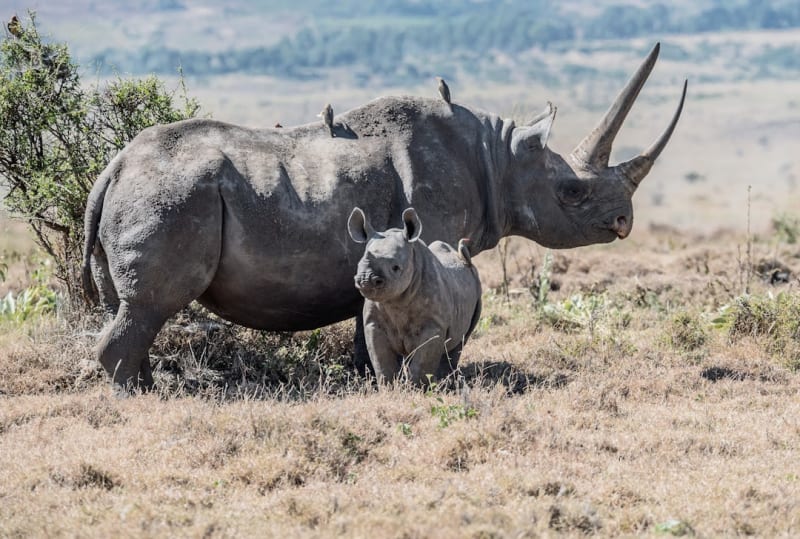
Kenya is home to some of Africa's most iconic wildlife: African elephants, black rhinos, lions, and endangered Eastern black rhinos. The country's ecosystems—from the vast Tsavo Conservation Area (covering approximately 60,000 square kilometres and housing Kenya's largest elephant population) to the Maasai Mara and Amboseli—attract thousands of international visitors annually and generate critical revenue for conservation. Yet poaching threatens all of this. Between 2009 and 2014, Kenya was a primary exit point for illegal ivory trafficking from across Africa, earning it a place in the infamous "Gang of Eight"—countries identified as primary drivers of illegal wildlife trade. Today, despite significant progress, the threat persists.
The Poaching Threat: Scale, Types, and Drivers
Wildlife crime in Kenya takes multiple forms, each with distinct impacts on species and ecosystems.
Bushmeat Poaching and Commercial Hunting
Bushmeat poaching—the commercial hunting and sale of wild animals for food—has "exploded in recent years" and is now "one of the greatest threats to wildlife" in Kenya. Unlike subsistence hunting by individuals or families, commercial bushmeat operations are industrial-scale and profit-driven. This threat affects herbivores, carnivores, and primates across both protected areas and community lands.
Snaring and Wire Traps
Wire snares are among the most common poaching tools. These cheap, concealed nooses trap and kill indiscriminately—snaring zebras, kudu, wildebeest, and other species. In the Maasai Mara alone, anti-poaching teams removed 36 snares in a single operational period, rescuing trapped animals including wildebeests caught in wire and trees.
Elephant and Rhino Poaching
Elephants remain the species most impacted by wildlife crime in Kenya. The illegal ivory trade, driven by Asian demand, continues to fuel poaching despite Kenya's 2013 Wildlife Conservation and Management Act, which introduced enhanced penalties and new offences. Rhino poaching, though dramatically reduced in recent years, remains a threat in some reserves.
Seasonal Patterns and Organized Crime
Wildlife crimes—including poaching, illegal grazing, and extraction offences—peak during dry seasons and decrease in wet seasons. More concerning, poaching networks are increasingly linked to organized crime, involving corrupt security agents, porous borders, and weapons trafficking. Gangs operating in northern Kenya exploit endemic conflict and poor border security to acquire firearms used in poaching.
Kenya's Anti-Poaching Infrastructure and Organisations
Kenya Wildlife Service (KWS)
Established in 1989, the Kenya Wildlife Service is the state corporation mandated to conserve and manage Kenya's wildlife and enforce conservation laws. KWS operates ranger units, the Aerial and Canine Units, and mobile veterinary teams in partnership with NGOs. The service employs hundreds of trained rangers who have graduated from the KWS law enforcement academy in Manyani, where they receive training in mitigating human-wildlife conflict, ecosystem management, field survival, weaponry use, and capture and arrest procedures.
Sheldrick Wildlife Trust (SWT)
The Sheldrick Wildlife Trust operates the largest network of directly managed anti-poaching teams in Kenya. The majority are based in the greater Tsavo Conservation Area, securing Kenya's largest national park and surrounding wilderness. SWT also funds partner-operated units across the Mau Forest, Mount Kenya, the Mara ecosystem, Mwaluganje Elephant Sanctuary, Nasaru Olosho Conservancy, and Amu Ranch. Teams are armed, accompanied by KWS Rangers, and supported by aerial and canine units. Each team conducts regular patrols and has deep local knowledge, enabling rapid detection and response to illegal activity.
Big Life Foundation
Big Life operates 46 ranger units organized into 390 trained rangers across 32 permanent outposts and 12 mobile units in the Amboseli and Tsavo regions. Rangers conduct daily patrols on foot and by vehicle, use night-vision and GPS technology, and work with local informants to prevent poaching and apprehend offenders. The organization also supports local prosecutors to ensure poachers are convicted and sentenced.
Mara Elephant Project (MEP)
MEP rangers and drone pilots protect elephants and other wildlife in the Mara ecosystem. In Q1 2026, MEP rangers supported Kenya Wildlife Service and WildLandscapes East Africa in protecting Kenya's last remaining wild roan antelope population in Ruma National Park using structured drone surveys to map habitat use, identify predators, and detect sick or injured animals. MEP also provided aerial support for wildlife rescues, including assisting a giraffe entangled in wire fencing and treating an elephant with an arrow wound.
Community Ranger Networks
The Northern Rangelands Trust (NRT), supported by USAID funding, coordinates anti-poaching efforts across 39 community conservancies spanning 4.48 million hectares. Each conservancy operates a sophisticated ranger network with regular patrols and shared radio communication. These units work closely with KWS, police, and private ranchers. In Amboseli, IFAW has supported 77 community rangers within the Olgulului Ololarashi Group Ranch and 17 rangers from the Ilkimpa Community Conservation Area, who patrol community lands surrounding Amboseli National Park and the Loita Forest. Between August 2020 and July 2021, IFAW provided equipment—six motorbikes, five printers, and five desktop computers (totalling USD 17,941)—to help KWS process enforcement data and generate actionable intelligence.
Kenya Wildlife Task Force (KWTF)
Established in 2021 through collaboration between Focused Conservation, the U.S. Department of Interior ITAP, and the U.S. Fish and Wildlife Service Office of Law Enforcement, the KWTF combines law enforcement expertise with conservation knowledge to dismantle wildlife trafficking networks. The task force has achieved significant seizures: nearly 200 kg of elephant ivory and over 47,213 kg of illegal sandalwood.
Technology and Innovation in Anti-Poaching
Thermal Imaging and Drones
The "Kifaru Rising" project, launched in January 2019 as a partnership between WWF and FLIR (thermal imaging technology), with funding from the U.S. Department of State's Bureau of International Narcotics and Law Enforcement (INL), deployed thermal imaging systems across 11 of Kenya's highest-priority wildlife reserves by 2022. These areas collectively contain more than 80% of Kenya's rhinos—including critically endangered black rhinos. Thermal cameras enable rangers to detect poachers and wildlife at night, improving ranger safety and reducing poaching incidents. In Q1 2026, MEP rangers led drone refresher training for Mara Conservancy rangers using new Matrice 4T thermal drones to enhance monitoring and rhino protection across challenging terrain, day and night.
Real-Time Connectivity and Data
WWF has partnered with Cisco Systems to improve real-time connectivity for rapid response to poaching incidents, enabling rangers in the field to communicate directly with command centres and coordinate interdiction efforts.
Community Involvement and Reformed Poachers
One of Kenya's most innovative anti-poaching strategies involves integrating reformed poachers into conservation efforts. In the Aberdare Range ecosystem—home to endangered black rhinos, bongos, and the rare African golden cat—former poachers have become conservation advocates, providing on-air and on-the-ground surveillance. Their insider knowledge of tactics, pathways, and tools used by poaching networks has proven invaluable. Environmentalists report a significant reduction in poaching incidents and stronger, more empowered communities following this integration. As one conservation leader noted, "Community involvement means 'more eyes' are keeping vigil on resources in the ecosystem and therefore we are able to gather actionable intelligence information."
Results: Progress and Setbacks
Landmark Achievement: Zero Rhino Poaching in 2020
Despite the COVID-19 pandemic's impact on tourism funding and anti-poaching patrols, Kenya achieved its first year of zero rhino poaching in 20 years in 2020—a landmark victory. At Lewa Wildlife Conservancy, under the leadership of Edward Ndiritu (head of anti-poaching), no rhino has been killed by poachers since 2020. This success resulted from intensive anti-poaching programmes, investment in ranger training and equipment, and community engagement.
Prosecution and Sentencing
Kenya's legal framework has strengthened enforcement. Analysis of prosecuted wildlife crimes shows that 90% of wildlife crime offences brought to court resulted in guilty verdicts. Average sentences for endangered species offences include 4 years 11 months imprisonment or a fine of USD 340; for non-endangered species, 1 year 3 months or USD 126. This deterrent effect, combined with ranger operations, has contributed to reduced poaching in some areas.
Ongoing Threats and Challenges
Despite these successes, challenges remain severe:
- Organized Crime Networks: Increasingly sophisticated poaching syndicates linked to organized crime pose "ever greater challenges to the security of wildlife and the people that manage and protect it." Corrupt security agents and porous borders facilitate the flow of illegal weapons.
- Funding Constraints: As Lewa's anti-poaching chief noted, "In conservation, our biggest challenge is funding, because protecting wildlife is very expensive." The COVID-19 pandemic reduced tourism revenue, which funds many conservation programmes.
- Habitat Loss: Beyond poaching, illegal logging, charcoal burning, and encroachment continue to degrade ecosystems like the Aberdare Range, compounding threats to wildlife.
- Human-Wildlife Conflict: As communities and wildlife compete for scarce water and food, and as elephants crop-raid agricultural land, conflict can undermine conservation efforts. Programmes like IFAW's 55 local wildlife conservancies have helped reduce or eliminate conflict and protected the livelihoods of over 90,000 people without harming wildlife.
How Tourism and Safari Visitors Support Anti-Poaching
International tourism is essential to Kenya's anti-poaching success. Safari revenue funds ranger salaries, equipment, training, and community incentives for conservation. When you visit Kenya's national parks and conservancies—whether the Maasai Mara, Tsavo, Amboseli, or community-managed reserves—your fees directly support anti-poaching operations. Choosing a reputable safari operator ensures your money reaches conservation organizations and ranger units. Many operators partner directly with KWS, SWT, Big Life, and community conservancies, creating transparent funding streams.
When booking a safari, ask your operator which conservation organizations they support and request details of their anti-poaching partnerships. SafariFind enables travellers to book safaris with operators committed to wildlife protection and community benefit.
What Travellers Can Do to Support Anti-Poaching Efforts
- Book with Conservation-Minded Operators: Choose a safari operator with a transparent commitment to anti-poaching funding and community conservation programmes.
- Support Community Conservancies: Stay in community-managed conservancies and lodges that directly employ rangers and fund anti-poaching patrols. Examples include Amboseli conservancies and northern Kenya community reserves.
- Respect Park Rules: Stay on designated roads, do not approach wildlife, and follow ranger instructions. Your compliance reduces stress on animals and rangers.
- Advocate Against Wildlife Trafficking: Never purchase ivory, rhino horn, bushmeat, or other illegal wildlife products. Report suspected trafficking to local authorities or IFAW and WWF hotlines.
- Donate to Verified Organizations: Organizations like the Sheldrick Wildlife Trust, Big Life Foundation, and Mara Elephant Project accept direct donations. Check their financial transparency (e.g., Charity Navigator ratings) before giving.
- Spread Awareness: Share accurate information about Kenya's anti-poaching successes and challenges with your networks. Reducing demand for illegal wildlife products globally is crucial.
The Road Ahead: Challenges and Opportunities
Kenya's anti-poaching achievements in the 2020s—especially the zero-rhino-poaching milestone and thermal imaging technology deployment—demonstrate what sustained investment and multi-stakeholder collaboration can achieve. However, Dr. Richard Leakey, Chairman of KWS, has cautioned that "the considerable challenges that lie ahead" require continued mobilization of human and financial resources, partnership with conservation NGOs, international bodies, and targeted dialogue to reduce demand for illegal wildlife products, especially in Asia.
Critically, since the majority of Kenya's wildlife lives outside formal protected areas, incentives for community-led conservation are essential to the nation's natural heritage. Programmes like the Northern Rangelands Trust, community conservancies, and reformed-poacher integration represent proven models that must be expanded and sustained.
Last Reviewed July 2026
Conservation data changes rapidly. For the latest anti-poaching statistics, ranger deployment numbers, and funding updates, see the cited sources below and contact the Kenya Wildlife Service, Sheldrick Wildlife Trust, or Big Life Foundation directly.
Frequently Asked Questions
What is the current poaching situation in Kenya in 2026?
Kenya achieved a historic zero-rhino-poaching year in 2020 and has maintained strong anti-poaching operations through 2026. However, bushmeat poaching, snaring, and elephant poaching remain persistent threats, particularly in dry seasons. Organized crime networks linked to wildlife trafficking continue to pose challenges despite increased enforcement, training, and technology deployment.
Which organizations run anti-poaching operations in Kenya?
The Kenya Wildlife Service (KWS) is the primary government agency. Major NGOs include the Sheldrick Wildlife Trust (operating across Tsavo and partner ecosystems), Big Life Foundation (Amboseli and Tsavo regions), Mara Elephant Project (Mara ecosystem), and the Northern Rangelands Trust (39 community conservancies across 4.48 million hectares). The Kenya Wildlife Task Force combines law enforcement and conservation expertise to dismantle trafficking networks.
How many rangers does Kenya deploy in anti-poaching operations?
Exact current numbers vary by organization and season. Big Life Foundation alone operates 390 trained rangers across 46 units. The Sheldrick Wildlife Trust funds teams across Tsavo, Meru, and partner ecosystems. The Northern Rangelands Trust coordinates rangers across 39 community conservancies. In 2020, 886 rangers in Kenya applied improved law enforcement practices as a result of U.S. government assistance.
What technology does Kenya use to fight poaching?
The "Kifaru Rising" project deployed thermal imaging systems (FLIR technology) across 11 high-priority reserves containing over 80% of Kenya's rhinos. Drones, including Matrice 4T thermal drones, enable day-and-night monitoring and rapid rescue response. Real-time connectivity systems (partnered with Cisco) link rangers in the field to command centres for coordinated interdiction. GPS, night-vision equipment, and canine units are also deployed.
Can reformed poachers help reduce poaching in Kenya?
Yes. In the Aberdare Range and other ecosystems, reformed poachers integrated into conservation efforts have significantly reduced poaching incidents. Their insider knowledge of poaching tactics, pathways, and tools is invaluable. Community involvement and ex-poacher advocacy create 'more eyes' monitoring ecosystems and generate actionable intelligence, while empowering local communities to own conservation efforts.
What are the most common types of poaching in Kenya?
Bushmeat poaching (commercial hunting for sale as food) is the most prevalent threat, followed by snaring (wire traps that indiscriminately catch wildlife), and trophy/ivory poaching targeting elephants and rhinos. Illegal grazing and habitat extraction also occur. Poaching peaks during dry seasons and decreases in wet seasons.
What penalties do poachers face in Kenya?
Kenya's 2013 Wildlife Conservation and Management Act introduced enhanced penalties. For endangered species, average sentences are 4 years 11 months imprisonment or a USD 340 fine. For non-endangered species, sentences average 1 year 3 months or USD 126. Court data shows 90% of wildlife crime prosecutions result in guilty verdicts.
How does safari tourism support anti-poaching in Kenya?
Safari revenue funds ranger salaries, equipment, training, and community conservation incentives. When you book a safari with a conservation-minded operator, fees support anti-poaching organizations like SWT, Big Life, and community conservancies. Choosing operators with transparent partnerships with KWS and NGOs ensures your money directly funds ranger operations and wildlife protection.
Which Kenya wildlife reserves have the strongest anti-poaching protection?
Tsavo (the largest national park, protected by SWT and KWS), the Maasai Mara (supported by Mara Elephant Project and Mara Conservancy), and Amboseli (supported by Big Life, IFAW, and community rangers) are among the most heavily protected. Lewa Wildlife Conservancy achieved zero rhino poaching since 2020. Community conservancies in northern Kenya (39 coordinated by NRT) also have robust ranger networks.
What is the Kenya Wildlife Task Force and what has it achieved?
The Kenya Wildlife Task Force (KWTF), established in 2021, combines law enforcement from Kenya's Directorate of Criminal Investigations with conservation expertise from Focused Conservation and U.S. agencies. It targets wildlife traffickers and dismantles trafficking networks. Achievements include seizure of nearly 200 kg of elephant ivory and over 47,213 kg of illegal sandalwood, raising global awareness of illegal logging and wildlife crime.
What challenges do anti-poaching rangers face in Kenya?
Rangers face organized crime networks armed with automatic weapons, corrupt security agents, porous borders enabling weapons trafficking, and funding constraints (especially post-COVID-19 when tourism revenue declined). Habitat loss from illegal logging and encroachment, human-wildlife conflict, and the sophistication of poaching syndicates linked to international crime are ongoing challenges.
How can I responsibly book a safari that supports anti-poaching?
Ask your operator which conservation organizations they partner with and request transparency on how safari fees support anti-poaching operations. Research operators with verified commitments to wildlife protection. Choose community-managed conservancies and lodges that directly employ rangers. Verify the organization's financial transparency through Charity Navigator or GuideStar ratings before booking.
Sources
- Wildlife Crime Technology Project | WWF
- Frontiers | Profiling prosecuted wildlife crimes in Kenya
- Drivers and trends of transnational wildlife crime in Kenya - TRAFFIC
- SWT Anti-Poaching Operations | Sheldrick Wildlife Trust
- Anti-Poaching Efforts in Maasai Mara, Kenya | Greater Good Charities
- Anti-Poaching | Big Life Foundation
- Q1 2026 Ranger Report - Mara Elephant Project
- 2020 END Wildlife Trafficking Strategic Review | U.S. Department of State(official)
- New equipment helps rangers fight wildlife crime in Kenya | IFAW
- Kenya Wildlife Task Force | Focused Conservation
- Poachers turned conservationists | FairPlanet
- How Kenya is fighting illegal animal poaching | National Geographic
Related to
Ready to start your safari adventure?
Explore curated safari packages and find your perfect African adventure with verified operators.