Conservation Organisations Protecting Kenya's Wildlife 2026
Kenya's wildlife depends on partnerships between government agencies, NGOs, community conservancies, and the private sector. Over 230 community-led conservancies now cover 16% of Kenya's landmass, while international organisations mobilise millions in funding and technology to combat poaching, habitat loss, and human-wildlife conflict.
Quick Answer: Kenya's Conservation Network in 2026
Kenya's wildlife is protected through a multi-stakeholder model: the Kenya Wildlife Service (KWS) holds the legal mandate, but its capacity is limited, making partnerships with NGOs, community conservancies, and private reserves essential. As of 2023, Kenyans have established over 230 conservancies, covering millions of acres and approximately 16% of the country's landmass, with the majority community-led . In June 2026, Kenya hosted the 11th Our Ocean Conference in Mombasa, where 104 governments, businesses and civil society organisations announced 320 new commitments valued at $6.4 billion for ocean conservation, sustainable fisheries, and blue economy initiatives .
Why Conservation Partnerships Matter in Kenya
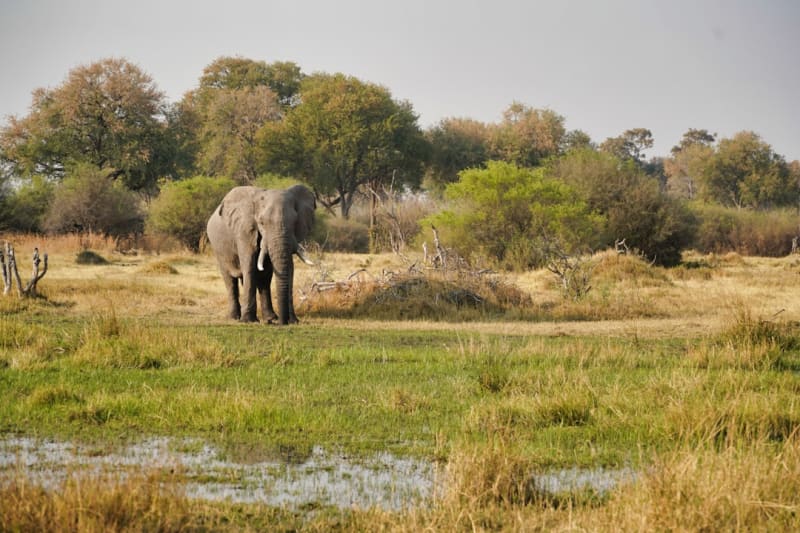
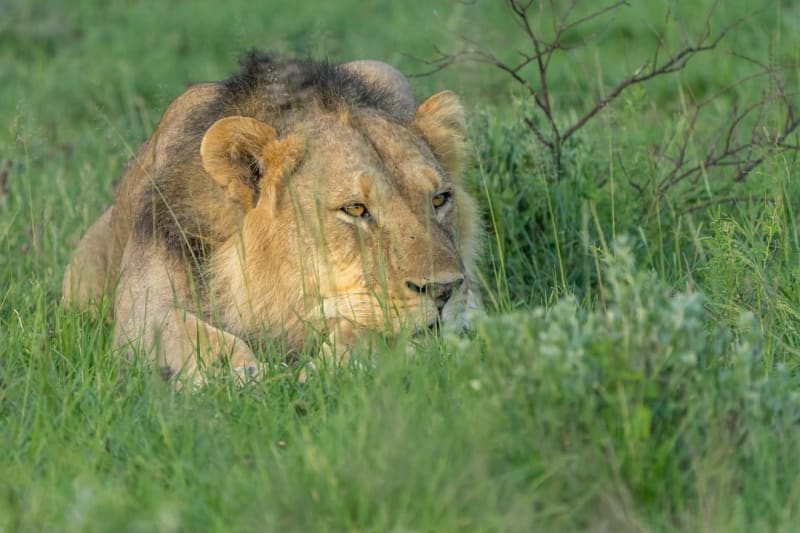
Kenya is home to iconic wildlife—elephants, lions, cheetahs, giraffes, zebras, hippos, and rhinos—across more than 50 national parks, game reserves, and protected areas . Yet the Kenyan government faces significant resource and capacity constraints. The Kenya Wildlife Service, established by an Act of Parliament and mandated to conserve and manage wildlife resources, must rely on a network of partners to extend its reach across protected areas, wildlife corridors, and dispersal lands where communities live alongside wildlife .
This partnership model has become the backbone of Kenya's conservation strategy. The Mount Kenya Trust (MKT), for example, explicitly recognises in its 2026–2030 Strategic Plan that "collaboration is central to the long-term conservation of the Mt. Kenya ecosystem," and aims to strengthen relationships with KWS, the Kenya Forest Service (KFS), Community Forest Associations (CFAs), Water Resource Users Associations (WRUAs), the private sector, and other conservation organisations . Half of Kenya's Key Biodiversity Areas (KBAs) remain unprotected, underscoring the urgency of coordinated action beyond reserve boundaries .
Key Threats to Kenya's Wildlife
Kenya's wildlife faces multiple, interconnected pressures:
- Habitat loss and fragmentation: Development, agricultural expansion, and climate change reduce available space for wildlife, forcing species into closer contact with human settlements.
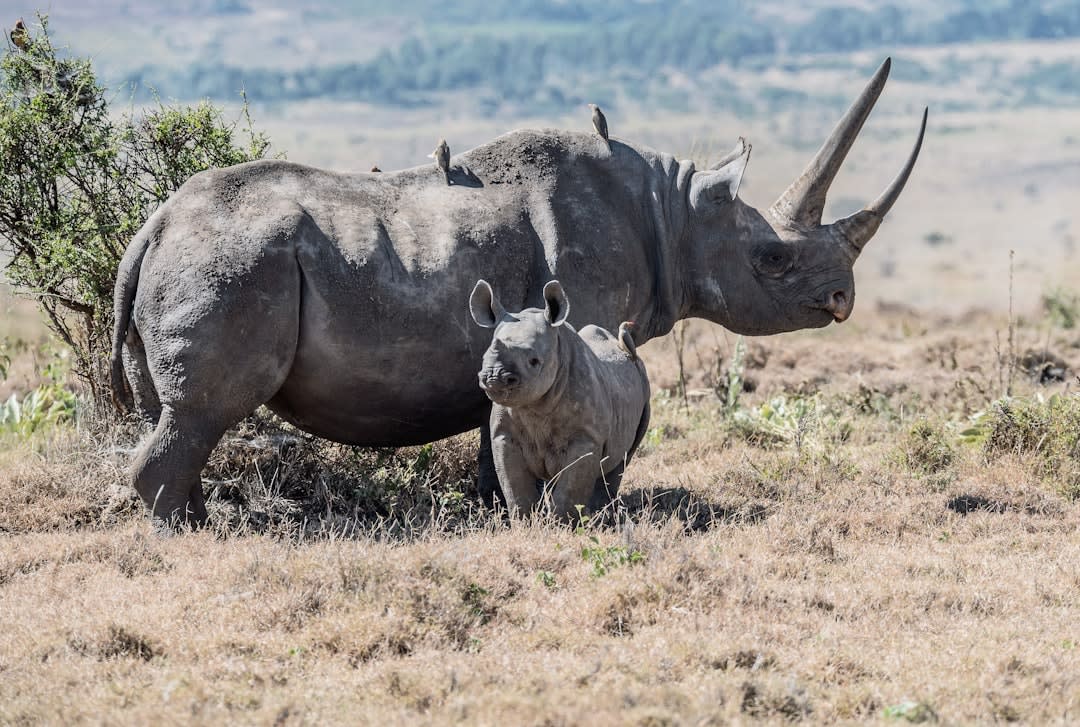
- Poaching and wildlife trafficking: Illegal hunting and cross-border trafficking of endangered species, including rhinos and pangolins, remain persistent threats despite law enforcement efforts.
- Human-wildlife conflict: Human–wildlife conflict in Kenya occurs when predators threaten livestock, elephants crop-raid agricultural land, and communities and animals compete for scarce water and food resources.
- Climate variability: Droughts and changing rainfall patterns affect both wildlife populations and the livelihoods of pastoral communities, increasing pressure on natural resources.
Conservation organisations report that single strategies—such as protecting areas within reserve boundaries alone—are insufficient. Threats operate beyond park borders, and general biodiversity interventions prove inadequate without targeted strategies for habitat specialists and climate-sensitive species .
Government & Mandate: The Kenya Wildlife Service and Kenya Forest Service
The Kenya Wildlife Service (KWS) is the primary government agency responsible for conserving and managing Kenya's wildlife. KWS undertakes conservation and management across all protected area systems in collaboration with stakeholders and operates a community wildlife programme that encourages biodiversity conservation by communities living on land essential to wildlife, such as wildlife corridors and dispersal lands outside parks and reserves .
Similarly, the Kenya Forest Service (KFS) manages forest ecosystems that are critical habitat for countless species. Both agencies are co-leading spatial planning initiatives for transboundary conservation areas, including the Kenya-Tanzania Marine TransBoundary Conservation Area (TBCA), working with the Marine Planning and Research Unit (MPRU) to coordinate stakeholder input from government, private sector, NGOs, academic institutions, and community groups .
NGOs and International Conservation Organisations
International and local NGOs play a crucial role in bridging capacity gaps and mobilising resources. Key organisations active in Kenya include:
- The Nature Conservancy (TNC): Works across the Tsavo landscape and nationwide to empower communities and support wildlife conservation. Through the Enduring Earth programme, TNC collaborates with the Government of Kenya and community partners to support people and wildlife coexistence .
- Nature Kenya: Founded in 1997, Nature Kenya operates through Site Support Groups, such as the Friends of Kinangop Plateau, which coordinate habitat conservation, biodiversity research, environmental education, and community empowerment. Nature Kenya has acquired four Nature Reserves to safeguard grasslands in perpetuity, implementing controlled grazing systems that maintain habitat for species like Sharpe's Longclaw while generating income for local communities through wool sales .
- Wildlife Conservation Network (WCN): A top-rated conservation charity (Charity Navigator, Candid, BBB Wise Giving Alliance) that supports conservation partners across Africa's savannas, including Kenya-based programmes on hirola, giraffes, and lions. WCN maintains the Lion Recovery Fund and is expanding support for wildlife conservation in partnership with field organisations .
- Zoological Society of London (ZSL): Supports Kenya conservation through partner organisations including KWS, Wildlife Works, Tsavo Trust, and the South Rift Association of Landowners (SORALO). ZSL has trained over 500 rangers in SMART (Spatial Monitoring and Reporting Tool) technology and supports 16 partner organisations implementing SMART across 20,036 km² of Kenyan conservation areas. ZSL also runs the EDGE programme to train grassroots conservationists and works with the Kenya Wildlife Research and Training Institute to develop wildlife health training for East African professionals .
- International Fund for Animal Welfare (IFAW): Works in collaboration with Big Life Foundation, Amboseli Ecosystem Trust (AET), Taita Taveta Wildlife Conservancies Association (TTWCA), and Tsavo Trust to create local wildlife conservancies. IFAW's work has protected the livelihoods of over 90,000 people without harming wildlife, reducing or eliminating human-wildlife conflict. IFAW also combats wildlife trafficking in partnership with the African Wildlife Foundation and KWS, using DNA evidence and digital technologies to improve law enforcement capabilities .
- Lewa Wildlife Conservancy (LWC): A private conservancy established in the 1980s in Laikipia that has pioneered integrated conservation and community benefit models. LWC received Ford Foundation grants in 2001 (US $100,000) and a second phase grant (US $150,000) to establish the Ngare Ndare Forest Trust and develop ecotourism partnerships with surrounding communities, alongside funding from the European Union, the Global Environment Facility, and Safaricom .
Community Conservancies: The Frontline of Conservation
Community-led conservancies represent a transformative shift in Kenya's conservation model. As of 2023, Kenyans have established over 230 conservancies, covering millions of acres and approximately 16% of the country's landmass, with the majority being community-led . These conservancies work because they align conservation incentives with community livelihoods.
By ensuring communities see tangible benefits from conservation—through ecotourism revenue, sustainable livestock grazing, revenue-sharing models, wildlife compensation programmes, and access to practical conflict-mitigation solutions (metal fencing, stone walls, traditional bomas, and animal-movement tracking technology)—conservancies foster a sense of ownership. In some cases, they have transformed former poachers into rangers and herders into stewards of the land .
However, community conservancies remain underutilised. Strengthening and expanding their reach requires navigating challenges such as land tenure, legal frameworks, and increasing pressure from development. The Kenyan government is working with TNC and conservation stakeholders to develop a Project Finance for Permanence (PFP) initiative to provide the long-term funding and commitments needed to sustain conservation while benefiting communities .
Ecosystem-Specific Conservation Initiatives
Mount Kenya Ecosystem: The Mount Kenya Trust Model
The Mount Kenya Trust (MKT) exemplifies the partnership approach. MKT's 2026–2030 Strategic Plan identifies three core goals: strengthened collaborations and partnerships towards a unified conservation strategy; strengthened community forest management, well-being, and livelihoods; and increased forest cover in the Mt. Kenya Ecosystem .
MKT aims to partner with at least four new national and international conservation organisations to co-develop and implement conservation initiatives, create and operationalise four multi-stakeholder conservation projects focusing on restoration, sustainable livelihoods, and climate resilience, and mobilise US $5 million in funding from collaborative partnerships to support Mount Kenya ecosystem conservation activities. MKT also plans to secure three private sector partnerships to fund conservation initiatives such as reforestation, eco-tourism, and sustainable livelihoods .
Kinangop Grasslands: Nature Kenya's Reserve Strategy
In the Kinangop Grasslands, a Key Biodiversity Area in Kenya's highlands, conservation organisations, researchers, local landowners, and government agencies work collaboratively to integrate biodiversity safeguards into land-use planning. The Friends of Kinangop Plateau, a Nature Kenya Site Support Group founded in 1997, has been instrumental in habitat conservation, restoration, biodiversity research and monitoring, environmental education, and community empowerment .
Nature Kenya has acquired four Nature Reserves in the region to safeguard grasslands in perpetuity. In these reserves, a controlled grazing system using sheep maintains grassland structure suitable for Sharpe's Longclaw, a globally threatened bird species. Wool from the sheep is purchased by the Njabini Wool Crafters Cooperative Society, generating income for local communities whilst preserving habitat. One reserve hosts a resource centre that serves as a hub for environmental education and conservation outreach, demonstrating that people and grassland biodiversity can thrive together .
Marine Conservation: The Our Ocean Conference and Transboundary Initiatives
In June 2026, Kenya hosted the 11th Our Ocean Conference in Mombasa and Kilifi Counties, marking a historic milestone as the first Our Ocean Conference held in Africa. The conference convened over 100 governments, businesses, and civil society organisations, which announced 320 new commitments valued at $6.4 billion to advance ocean conservation, sustainable fisheries, climate resilience, and the blue economy .
Key commitment areas included Ocean-Climate Nexus (57 commitments, $1,180 million), Marine Pollution (45 commitments, $223 million), Marine Protected Areas (67 commitments, $355 million), Sustainable Blue Economy (86 commitments, $2,864 million), and Sustainable Fisheries (51 commitments, $1,750 million) .
Kenya is also a founding member of the High Level Panel for a Sustainable Ocean Economy, host of the United Nations Environment Programme (UNEP), and an advocate for ambitious action on marine pollution and ocean sustainability . At the conference, side events emphasised community-led marine protection across Africa, with sessions hosted by Wildlands Conservation Trust (WILDTRUST), Oceana, Blue Ventures, and Bloomberg Philanthropies Ocean Initiative, spotlighting how African coastal states and local communities are turning global commitments into real-world conservation outcomes .
For the Kenya-Tanzania Marine TransBoundary Conservation Area (TBCA), the KWS and MPRU are co-leading spatial planning initiatives, liaising with stakeholders from government, private sector, NGOs, academic institutions, and community groups to ensure different kinds of data and stakeholder values are considered and to secure legal and political support from government officials for formal establishment of the TBCA .
Technology, Monitoring & Ranger Training
Modern conservation in Kenya relies on technology and professional capacity-building. ZSL has trained over 500 rangers to use SMART (Spatial Monitoring and Reporting Tool), a technology that enables real-time ecological monitoring and enforcement coordination. SMART is now implemented by 16 partner organisations across 20,036 km² of Kenyan conservation areas, helping rangers detect and respond to poaching, habitat degradation, and other threats more effectively .
In March 2026, the Global Conservation Tech and Drone Forum was held in Nairobi, convening a global community of conservation practitioners, technologists, policymakers, researchers, and grassroots organisations to explore how drones, data, and artificial intelligence can support biodiversity and ecosystem protection . WeRobotics and the Flying Labs Network represented conservation technology innovation at the forum, demonstrating Kenya's growing role as a hub for conservation innovation.
ZSL also supports conservation training through its EDGE programme, which develops young, grassroots conservationists in Kenya, and through the Wildlife Health Bridge consortium, which works with the Kenya Wildlife Research and Training Institute to develop practical training courses on wildlife health for East African professionals, increasing the number of wildlife health professionals able to monitor disease threats to wildlife and improve rehabilitation responses .
Ranger Support and Community Welfare
Rangers are the frontline of wildlife protection, yet historically they have faced inadequate support, equipment, and welfare. IFAW provides non-lethal supplies and equipment to community wildlife rangers, such as the Olgulului Community Wildlife Rangers within the Amboseli-Tsavo-Kilimanjaro landscape, and supports ranger welfare and that of their families, including housing, supplies, and education. IFAW also supports rangers from the Ilkimpa Community Conservation Association (ICCA) in Loita, Kenya .
ZSL's Universal Ranger Support Alliance (URSA) and the Conservation Alliance Kenya (CAK) work to strengthen ranger capacity, retention, and morale across Kenya's protected areas. These initiatives recognise that sustainable conservation depends on rangers who are trained, equipped, fairly compensated, and supported in their professional development.
Funding Mechanisms and Private Sector Engagement
Conservation funding in Kenya comes from multiple sources: government budgets (limited), international donors (bilateral and multilateral), NGO grants, private philanthropy, and innovative financing mechanisms.
Payment for Ecosystem Services (PES) schemes have emerged as a new funding strategy. In a pilot project funded and coordinated by WWF and CARE Kenya, 514 farmers living upstream of Kenya's Lake Naivasha received US $20,000 in payments from water users downstream to restore and maintain riparian forests, improving flood control and water purification services . This model demonstrates how market-based mechanisms can align conservation with livelihood security.
The World Bank and its partner organisations, including the Global Environment Facility (GEF) and the Forest Carbon Partnership Facility, have allocated significant resources to conservation in Sub-Saharan Africa. From 1991 to 2016, the World Bank-GEF partnership allocated over US $4 billion to more than 1,000 projects across Sub-Saharan Africa, with an additional $25 billion acquired through co-financing partnerships .
Private sector partnerships are increasingly important. MKT aims to secure three private sector partnerships to fund conservation initiatives such as reforestation, eco-tourism, and sustainable livelihoods . Organisations like Safaricom, Kenya's largest telecom company, have funded conservation initiatives, including the Ngare Ndare Forest Trust project at Lewa Wildlife Conservancy .
The Role of Safari Tourism in Conservation Funding
Safari tourism is both a conservation driver and a potential threat. When managed responsibly, tourism generates revenue that funds conservation, creates employment for rangers and guides, and provides economic incentives for communities to protect wildlife rather than exploit it. Ecotourism enterprises, community conservancies, and private reserves depend on healthy ecosystems and abundant wildlife to attract visitors.
However, uncontrolled tourism can degrade habitats, disturb wildlife, and benefit local communities unevenly. Responsible safari operators—those that prioritise wildlife welfare, community benefit-sharing, and habitat protection—are essential partners in conservation. When you book a safari on SafariFind, you can select operators and lodges committed to conservation standards, ensuring your visit supports wildlife protection while you experience Kenya's natural heritage.
Successes and Ongoing Challenges
Documented Successes
- Conservancy expansion: The growth to over 230 community conservancies covering 16% of Kenya's landmass represents a fundamental shift towards community-led conservation .
- Human-wildlife conflict reduction: IFAW and partners have created 55 local wildlife conservancies that have reduced or eliminated conflict and protected the livelihoods of over 90,000 people without harming wildlife .
- Ranger capacity: Over 500 rangers trained in SMART technology, with 16 organisations implementing the system across 20,036 km² .
- International ocean commitments: The 2026 Our Ocean Conference mobilised $6.4 billion in commitments across 320 new initiatives, signalling strong global support for marine conservation in Kenya .
- Private conservation reserves: Lewa Wildlife Conservancy and other private reserves have pioneered integrated conservation-community models and protected endangered species like Grevy's zebras and black rhinos .
Remaining Challenges
- Funding gaps: Community conservancies and government agencies remain under-resourced. MKT's 2026–2030 plan identifies the need to mobilise US $5 million just for Mount Kenya ecosystem conservation . Lewa Wildlife Conservancy's case study noted that in 2004, only 4% of budgeted expenditure was allocated to community benefit initiatives, restricting support for expanding community programmes .
- Unprotected biodiversity areas: Approximately half of Kenya's Key Biodiversity Areas remain unprotected, and protected areas alone cannot safeguard species threatened by climate change and habitat loss beyond reserve boundaries .
- Land tenure and governance: Community conservancies face challenges navigating land tenure issues, legal frameworks, and competing development pressures .
- Wildlife trafficking: Despite efforts by IFAW, KWS, and the African Wildlife Foundation, wildlife trafficking across the Kenya-Tanzania border persists, requiring sustained law enforcement and innovation in detection technologies .
- Climate vulnerability: Droughts and changing rainfall patterns threaten both wildlife populations and pastoral livelihoods, requiring adaptive conservation strategies .
How Travellers Can Support Conservation
When planning a safari in Kenya, you can directly support conservation:
- Choose responsible operators: Select safari companies and lodges that are certified or recognised for conservation practices, community benefit-sharing, and habitat protection.
- Stay in community conservancies: Accommodation in community-run or community-benefit conservancies ensures your fees directly fund local conservation and livelihoods.
- Support conservation-focused tourism: Some lodges and operators donate portions of revenue to conservation organisations or run their own protection programmes.
- Respect wildlife: Follow guide instructions, maintain safe distances from animals, and avoid supporting unethical practices like animal interactions or habitat disturbance.
- Learn and advocate: Understanding Kenya's conservation challenges helps you advocate for stronger protection policies and support for conservation organisations when you return home.
- Donate directly: Consider contributing to organisations like Nature Kenya, The Nature Conservancy, IFAW, or ZSL, which operate transparent, evidence-based programmes in Kenya.
Looking Ahead: 2026–2030 Conservation Priorities
Kenya's conservation organisations have identified clear priorities for the coming years:
- Unified conservation strategies: MKT and other organisations are deepening multi-stakeholder partnerships to align conservation efforts across government, NGOs, communities, and the private sector.
- Climate resilience: Conservation initiatives increasingly integrate climate adaptation, recognising that species and ecosystems must become more resilient to changing rainfall and temperature patterns.
- Sustainable livelihoods: Integrating conservation with community economic development—through ecotourism, sustainable grazing, and payment for ecosystem services—remains central to long-term success.
- Technology and innovation: Drones, AI, SMART monitoring, and DNA forensics are expanding conservation capacity, particularly for anti-poaching and species monitoring.
- Marine protection: Kenya's commitment to the 30×30 goal (protecting 30% of the ocean by 2030) requires substantial funding, community-led management, and transboundary cooperation with Tanzania and other Indian Ocean states.
Conclusion
Kenya's wildlife is protected by a complex, evolving network of government agencies, international and local NGOs, community conservancies, private reserves, and tourism enterprises. While significant challenges remain—funding gaps, unprotected habitats, climate vulnerability, and persistent wildlife trafficking—the expansion of community conservancies, the mobilisation of international resources, and innovations in monitoring and enforcement offer hope.
Success depends on sustained partnership, adequate funding, and recognition that conservation benefits communities as much as wildlife. As you plan your safari to Kenya, you become part of this conservation story. By choosing responsible operators and supporting organisations like those profiled here, you help ensure that Kenya's wildlife—and the ecosystems they depend on—endure for generations to come.
Last reviewed July 2026. Conservation data changes — see the cited sources for the latest figures.
Frequently Asked Questions
What is the Kenya Wildlife Service (KWS) and what is its role?
The Kenya Wildlife Service is a state corporation established by an Act of Parliament with the legal mandate to conserve and manage wildlife in Kenya and enforce related laws and regulations. KWS manages wildlife across all protected area systems in collaboration with stakeholders and operates a community wildlife programme that encourages biodiversity conservation by communities living on land essential to wildlife, such as wildlife corridors and dispersal lands outside parks and reserves. However, KWS has limited capacity and resources, which is why partnerships with NGOs, community organisations, and private reserves are essential to its conservation mission.
How many community conservancies are there in Kenya and how much land do they cover?
As of 2023, Kenyans have established over 230 conservancies, covering millions of acres and approximately 16% of the country's landmass. The majority of these are community-led. Community conservancies represent a transformative shift in Kenya's conservation model, aligning conservation incentives with community livelihoods through ecotourism, sustainable livestock grazing, revenue-sharing, and wildlife compensation programmes. However, community conservancies remain underutilised, and strengthening and expanding them requires navigating challenges such as land tenure, legal frameworks, and increasing development pressure.
Which international conservation organisations work in Kenya?
Major international conservation organisations active in Kenya include The Nature Conservancy (TNC), which works across the Tsavo landscape and nationwide; Nature Kenya, which operates through Site Support Groups and has acquired four Nature Reserves; Wildlife Conservation Network (WCN), a top-rated conservation charity supporting Kenya-based programmes on hirola, giraffes, and lions; Zoological Society of London (ZSL), which trains rangers in SMART technology and supports community conservation; International Fund for Animal Welfare (IFAW), which works to reduce human-wildlife conflict and combat wildlife trafficking; and Lewa Wildlife Conservancy, a pioneering private reserve in Laikipia. These organisations work in partnership with the Kenya Wildlife Service, government agencies, and community institutions.
What is SMART technology and how is it used in Kenya?
SMART stands for Spatial Monitoring and Reporting Tool. It is a technology system that enables real-time ecological monitoring and enforcement coordination. ZSL has trained over 500 rangers to use SMART, and the system is now implemented by 16 partner organisations across 20,036 km² of Kenyan conservation areas. SMART helps rangers detect and respond to poaching, habitat degradation, and other threats more effectively, making conservation enforcement more efficient and data-driven.
What is the Mount Kenya Trust (MKT) and what are its conservation goals?
The Mount Kenya Trust is a conservation organisation focused on protecting the Mt. Kenya ecosystem. MKT's 2026–2030 Strategic Plan identifies three core goals: strengthened collaborations and partnerships towards a unified conservation strategy; strengthened community forest management, well-being, and livelihoods; and increased forest cover. MKT aims to partner with at least four new national and international conservation organisations, create four multi-stakeholder conservation projects focusing on restoration and climate resilience, mobilise US $5 million in funding, and secure three private sector partnerships to fund conservation initiatives such as reforestation and eco-tourism.
How do community conservancies reduce human-wildlife conflict?
Community conservancies reduce human-wildlife conflict by providing practical, community-centred solutions such as metal fencing, stone walls, traditional bomas (livestock enclosures reinforced with thorny branches), and animal-movement tracking technology. By ensuring communities see tangible benefits from conservation—through ecotourism revenue, sustainable livestock grazing, revenue-sharing models, and wildlife compensation programmes—conservancies foster a sense of ownership and reduce the incentive to harm wildlife. IFAW and partners have created 55 local wildlife conservancies that have reduced or eliminated conflict and protected the livelihoods of over 90,000 people without harming wildlife.
What was Kenya's role in the 2026 Our Ocean Conference?
Kenya hosted the 11th Our Ocean Conference in Mombasa and Kilifi Counties in June 2026, marking a historic milestone as the first Our Ocean Conference held in Africa. The conference convened over 100 governments, businesses, and civil society organisations, which announced 320 new commitments valued at $6.4 billion to advance ocean conservation, sustainable fisheries, climate resilience, and the blue economy. Kenya is a founding member of the High Level Panel for a Sustainable Ocean Economy, host of the United Nations Environment Programme (UNEP), and an advocate for ambitious action on marine pollution and ocean sustainability.
How can safari tourists support wildlife conservation in Kenya?
Safari tourists can support conservation by choosing responsible operators and lodges that prioritise wildlife welfare, community benefit-sharing, and habitat protection; staying in community conservancies where fees directly fund local conservation; respecting wildlife by following guide instructions and maintaining safe distances; learning about conservation challenges to advocate for stronger protection policies; and donating directly to transparent, evidence-based conservation organisations like Nature Kenya, The Nature Conservancy, IFAW, or ZSL. When managed responsibly, safari tourism generates revenue that funds conservation, creates employment for rangers and guides, and provides economic incentives for communities to protect wildlife.
What funding mechanisms support conservation in Kenya?
Conservation funding in Kenya comes from multiple sources: government budgets (though limited), international donors (bilateral and multilateral), NGO grants, private philanthropy, and innovative financing mechanisms. Payment for Ecosystem Services (PES) schemes have emerged as a new strategy—for example, 514 farmers living upstream of Lake Naivasha received US $20,000 in payments to restore riparian forests. The World Bank and Global Environment Facility allocated over US $4 billion to more than 1,000 projects in Sub-Saharan Africa from 1991 to 2016, with an additional $25 billion acquired through co-financing partnerships. Private sector partnerships, such as funding from Safaricom, also support conservation initiatives.
What are the main threats to Kenya's wildlife?
Kenya's wildlife faces multiple interconnected threats: habitat loss and fragmentation due to development, agricultural expansion, and climate change; poaching and wildlife trafficking, particularly of rhinos and other endangered species; human-wildlife conflict when predators threaten livestock, elephants crop-raid agricultural land, and communities and animals compete for scarce water and food; and climate variability, including droughts and changing rainfall patterns that affect both wildlife populations and pastoral livelihoods. Conservation organisations report that single strategies, such as protecting areas within reserve boundaries alone, are insufficient, and that threats operate beyond park borders.
What is the Friends of Kinangop Plateau and what does it do?
The Friends of Kinangop Plateau is a Nature Kenya Site Support Group founded in 1997. It operates in the Kinangop Grasslands, a Key Biodiversity Area in Kenya's highlands, coordinating habitat conservation and restoration, biodiversity research and monitoring, environmental education, and community empowerment. Nature Kenya has acquired four Nature Reserves in the region to safeguard grasslands in perpetuity. In these reserves, a controlled grazing system using sheep maintains grassland structure suitable for Sharpe's Longclaw, a globally threatened bird species, while wool from the sheep is purchased by the Njabini Wool Crafters Cooperative Society, generating income for local communities.
How does Lewa Wildlife Conservancy integrate conservation with community benefit?
Lewa Wildlife Conservancy, a private reserve established in the 1980s in Laikipia, has pioneered integrated conservation-community benefit models. LWC received Ford Foundation grants in 2001 (US $100,000) and a second-phase grant (US $150,000) to establish the Ngare Ndare Forest Trust and develop ecotourism partnerships with surrounding communities. LWC also received funding from the European Union, the Global Environment Facility, and Safaricom. By combining wildlife protection with community partnerships and ecotourism revenue, LWC demonstrates how private reserves can contribute to both species conservation and local economic development.
Sources
- Conservation for People & Nature: Kenyan Communities Lead the Way
- RELEASE: Global Leaders Announce $6.4 Billion for Ocean Action at First African Our Ocean Conference
- Kenya | National Geographic Kids
- Partners – The Kenya-Tanzania Marine TransBoundary Conservation Area (TBCA)
- STRATEGIC PLAN 2026–2030
- January 2026 – Nature Kenya
- Conservation for People & Nature: Kenyan Communities Lead the Way
- Homepage • Wildlife Conservation Network
- Kenya Conservation Work | ZSL
- Wildlife conservation in Kenya
- RAC RESEARCH REPORTS
- Reflections from the Global Conservation Tech and Drone Forum 2026
- 15.3: Funding Conservation Activities - Biology LibreTexts
Related to
Ready to start your safari adventure?
Explore curated safari packages and find your perfect African adventure with verified operators.