Eswatini Safari in July 2026: 7 Wildlife-Spotting Tips
Discover Eswatini Safari in July 2026: 7 Wildlife-Spotting Tips - Expert guide to safari tourism and wildlife destinations.

Eswatini Safari in July 2026: 7 Wildlife-Spotting Tips
Last updated: July 2026
Eswatini Safari in July 2026: 7 Wildlife-Spotting Tips focuses on early drives, dry-season visibility, animal tracks, and quiet observation. July is a strong month for wildlife viewing because dry conditions improve sight lines. Current listed activities range from $155 for a two-day Hlane camping tour to $245 for a one-day open-vehicle safari from Maputo.
At a Glance
- Cost: Listed activities start at $155 for two days, $160 for four hours, and $245 for one day.
- Best time: July through October, when dry-season conditions can improve visibility.
- Duration: Choose a four-hour activity, one-day safari, or two-day camping tour.
- Best for: First-time safari guests, birders, families, and travelers seeking short wildlife trips.
- Wildlife highlights: Rhinos, elephants, zebras, impalas, giraffes, hippos, lions, and leopards occur in specific areas.
- Birdlife: Eswatini has more than 400 reported bird species.
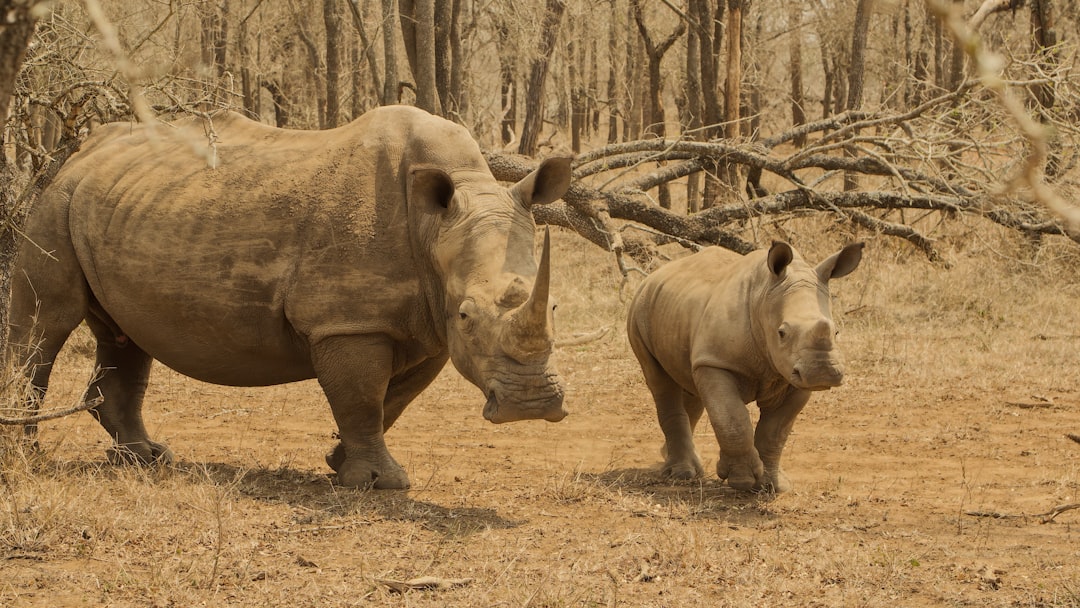
More than 400 bird species share Eswatini’s parks with elephants, rhinos, lions, and hippos.
Eswatini Safari in July 2026: 7 Wildlife-Spotting Tips helps you turn that rich wildlife list into better sightings. The guide covers when to go, where to look, what to carry, and how to read the bush.
July rewards patience. Dry-season vegetation is often thinner, and animals may stand out more clearly across open areas. July through October are widely identified as strong wildlife-viewing months in several African safari destinations.
This guide does not promise a sighting on every drive. Instead, it gives you a simple plan. You will learn how to use dawn and dusk, follow tracks, choose a viewing position, and stay safe near large animals.
Quick answer: The best Eswatini safari approach in July 2026 is to plan dawn or late-afternoon outings, carry binoculars, and watch tracks and other signs. Hlane Royal National Park is important for lion viewing, while Eswatini’s wider wildlife areas support elephants, rhinos, zebras, giraffes, hippos, and many birds.
What Is an Eswatini Safari in July 2026?
An Eswatini safari in July 2026 is a dry-season wildlife trip built around clear views, cooler outings, and focused game watching. The month suits travelers who prefer short drives, guided walks, and small safari plans. Current listed options include a two-day Hlane camping tour from $155 and a four-hour Lobamba wildlife walk with horse riding from $160.
Overview
Eswatini is a compact destination with several ways to see wildlife. You can join an open-vehicle drive, walk with a guide, camp near a reserve, or combine wildlife viewing with cultural travel.
Known for: Eswatini is known for rhinos, elephants, zebras, impalas, giraffes, hippos, lions, and leopards in specific areas. The country also supports more than 400 bird species, including eagles, kingfishers, and other wetland and woodland birds.
Hlane Royal National Park is especially important for visitors hoping to see lions. It is described as the only Eswatini park where lions can be seen, and the lions remain in a separate enclosure for visitor safety.
Key Features
July offers a useful mix of wildlife focus and simple travel planning. Dry conditions can reduce thick plant cover, which helps you scan open ground and water points. However, animals still move, hide, and change their routines.
- Dawn drives: Start early, when temperatures are cooler and animals are active.
- Dusk drives: Watch the light change and look for animals leaving cover.
Search for footprints, droppings, nests, scrapes, and broken plants. - Binoculars: Scan tree lines, distant slopes, and bird movement.
- Guided interpretation: Ask your guide why an animal uses a certain area.
Explore Eswatini safari packages for July 2026 to compare trip lengths, activities, and current package details on SafariFind.
Why It Matters
Good wildlife spotting depends on more than luck. A guide can explain tracks, calls, feeding marks, and fresh movement. That information helps you understand the landscape even when animals stay hidden.
Hlane National Park also shows why location matters. Visitors seeking lions need a plan that includes the correct reserve and follows its safety rules. Meanwhile, birders may prefer slower walks, open viewpoints, and time near water.
Best for: Eswatini safari trips in July are best for travelers who enjoy patient viewing, cooler mornings, short travel routes, and a mix of mammals and birds. They also suit guests who want a shorter African safari rather than a long cross-border itinerary.
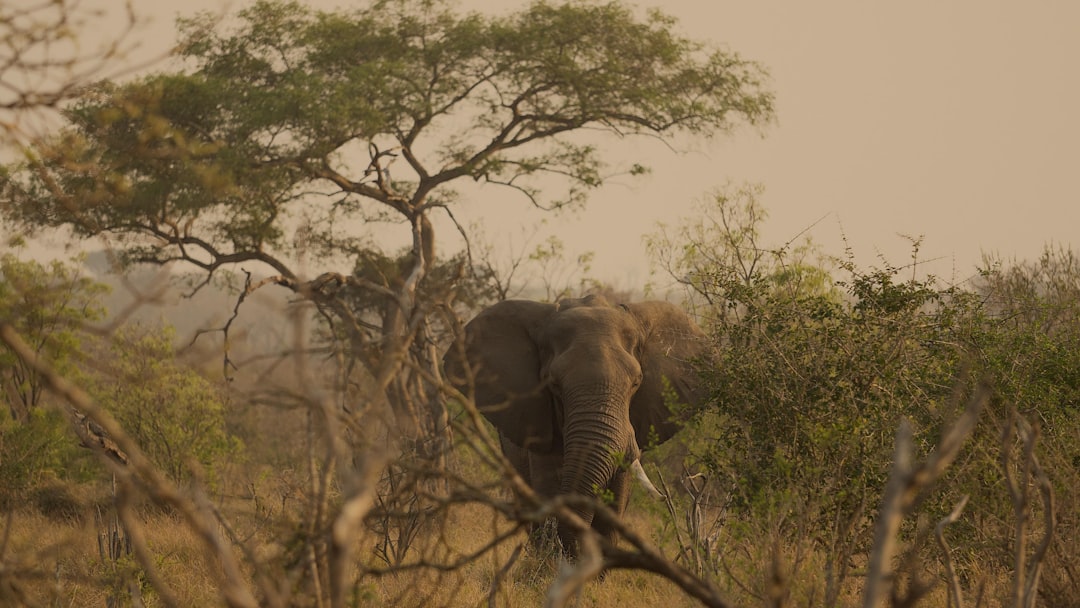
What Wildlife Can You See in Eswatini in July?
July wildlife viewing in Eswatini is strongest when you match the animal to its habitat and daily routine. Elephants, rhinos, zebras, impalas, giraffes, hippos, lions, and leopards appear in specific areas, while more than 400 bird species add variety to every drive.
Key Details
Elephants often draw attention because their size makes them easier to notice. Look near water, feeding areas, and woodland edges. Do not judge a sighting by distance alone. A quiet, distant elephant group can offer a better experience than a close encounter that disturbs the animals.
Rhinos are another major highlight. Scan open grassland and the edges of thicker bush. Your guide may spot a pale shape, ear movement, or a fresh track before you see the animal itself.
Zebras and impalas often use open ground. Their movement can also alert you to danger. Watch for sudden staring, raised heads, or a quick change in direction. These small signals may point toward a predator nearby.
Giraffes are easier to find when you scan above the tree line. Their height gives them away, but their colors can blend into dry woodland. Move your eyes slowly across the horizon instead of searching too quickly.
Hippos need a different approach. Look for calm water, rounded backs, ears, and ripples. Keep a safe distance and follow your guide’s instructions near water. Hippos can move quickly on land despite their heavy appearance.
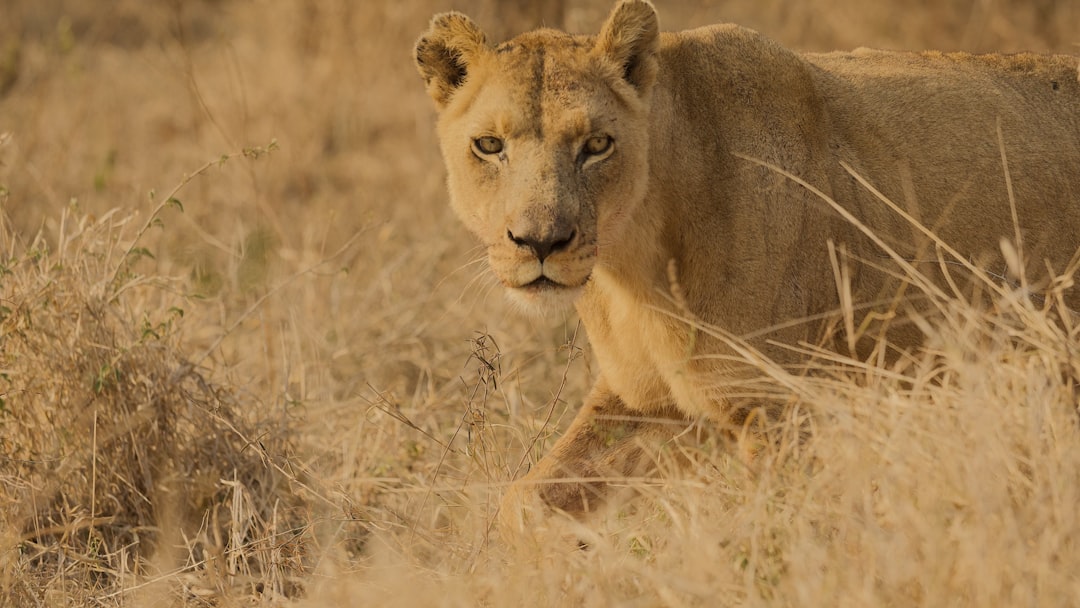
Lions and leopards require more patience. Hlane Royal National Park is described as Eswatini’s only park for lion viewing, with lions kept in a separate enclosure for safety. Leopards are more secretive, so tracks, alarm calls, and guide knowledge become especially useful.
Important Considerations
Birding can fill quiet periods between mammal sightings. Eswatini’s reported total of more than 400 bird species means you should keep binoculars ready, even during a large-animal search.
Look for flashes of color, repeated calls, and movement near water. Eagles may circle above open ground. Kingfishers often draw attention with quick flight and bright color. Your guide can help identify calls that sound unfamiliar.
Wildlife viewing is not a checklist race. A fresh elephant track, a rhino feeding mark, or a bird call can become a valuable sighting lesson. The bush often rewards people who slow down.
| Name | Price | Duration | Rating | Best For |
|---|---|---|---|---|
| Hlane National Park camping tour | From $155 | 2 days | Not provided | Travelers wanting an overnight wildlife stay |
| Lobamba wildlife walk and horse riding | From $160 | 4 hours | Not provided | Guests seeking a short active experience |
| Open-vehicle Hlane safari from Maputo | From $245 | 1 day | Not provided | Visitors adding Hlane to a Maputo trip |
These listed prices and durations were available in the July 2026 research data. They are starting prices, so check the final inclusions before booking.
Request a quote from verified safari operators for your July budget and compare transport, guiding, meals, and accommodation before you choose.
For a wider planning view, read Eswatini safari tours for August 2026, including routes, weather, and cost. August can help travelers who need a later dry-season date.
How Do You Spot More Wildlife on Safari?
The best way to spot more wildlife is to combine timing, quiet behavior, careful scanning, and local knowledge. Dawn and dusk give you strong viewing chances, while tracks and signs reveal animals that stay out of sight. A guide, binoculars, and a wildlife book make each outing more useful.
Tip 1: Start at Dawn
Dawn is one of the most useful times for a July safari. Cooler air can support animal activity before the day becomes warmer. Leave your lodge or camp on time, and keep your camera ready before the first light.
Do not spend the first drive talking loudly or checking your phone. Let your eyes adjust. Scan slowly from the road edge to the distant bush.
Tip 2: Return at Dusk
Dusk creates a second strong viewing window. Animals may leave shade, move toward water, or cross open ground. The changing light can make small movements easier to notice.
Stay with your guide as visibility falls. Do not walk away from the vehicle or leave a marked route without permission. Safety remains more important than a photograph.
Tip 3: Read Tracks and Signs
Tracks and signs often tell a story before the animal appears. Look for footprints, droppings, nests, scrapes, broken stems, feeding marks, and disturbed soil.
Ask your guide three simple questions: What made this sign? How fresh is it? Which direction did the animal travel? These questions turn a quiet road into an active search.
Tip 4: Carry Binoculars
Binoculars help you see animals without moving closer. They are useful for distant giraffes, birds in tree branches, and small movement near water. Choose a pair that feels light enough to carry for several hours.
Keep binoculars within reach. A case buried under clothing will not help when a bird crosses the sky or an animal appears beyond the grass.
Tip 5: Scan in Sections
Scan the landscape in small sections. Start close to the vehicle, then move toward the middle distance and horizon. This method reduces missed movement and helps your eyes notice shape and color.
Use natural lines as guides. Check behind bushes, along water edges, below trees, and beside open tracks. Predators may rest in shade, while herds often stand out in open ground.
Tip 6: Stay Quiet and Patient
Quiet behavior improves your chance of hearing birds, alarm calls, and movement in dry grass. Keep voices low and avoid sudden gestures. Animals may remain nearby even when you cannot see them.
Patience also protects the experience. A ten-minute wait can reveal a herd crossing the road or a bird returning to a branch. Your guide may ask you to wait because they have seen a useful sign.
Tip 7: Follow Safety Rules
Follow every guide instruction around elephants, rhinos, hippos, and lions. Never approach wildlife on foot without an approved guide. Never feed animals or call them toward a vehicle.
Hlane’s lion area uses a separate enclosure for safety. That detail shows why park rules matter. Responsible viewing protects both travelers and wildlife.
Getting Started
- Choose a four-hour, one-day, or two-day activity.
- Ask whether the price includes transport, meals, guiding, and park access.
- Plan at least one dawn or dusk outing.
- Pack binoculars, a wildlife guide, water, sun protection, and warm layers.
- Read recent traveler reviews before selecting an operator.
SafariFind connects travelers with verified tour operators and authentic reviews. You can compare package details instead of relying on one short description.
Travelers who need health planning can also read the 2026 Eswatini vaccination guide for French travelers. Australian visitors can review Eswatini vaccination information for Australians.
How Should You Plan an Eswatini Safari in July?
Plan an Eswatini safari in July by matching your time, budget, and wildlife goals. Short activities suit travelers with limited time, while a two-day camping trip creates more chances for dawn and dusk viewing. Confirm the route, inclusions, safety rules, and meeting point before payment.
Choose the Right Length
A four-hour Lobamba wildlife walk and horse-riding tour starts at $160 in the listed July 2026 activity data. This format suits travelers who want movement and a short schedule.
A one-day open-vehicle Hlane safari from Maputo starts at $245. It fits visitors who want a full wildlife day without booking an overnight stay in Eswatini.
A two-day Hlane camping tour starts at $155. This option gives you more time for different light conditions and a slower pace. Check what the starting price includes before comparing it with day trips.
Pack for July Conditions
July mornings can feel cold before the sun rises. Pack layers that you can remove later. Bring neutral clothing, closed shoes, sunglasses, sunscreen, and a light hat.
Carry binoculars and a small wildlife guide. Add spare batteries or a power bank for cameras and phones. Keep water close, especially during long drives and walks.
Avoid strong perfume and noisy plastic bags. Simple choices can reduce distractions inside the vehicle. They also help you focus on calls, tracks, and movement.
Check Travel Details
Confirm the meeting point and transfer plan. The listed open-vehicle Hlane safari starts from Maputo, while other activities may use a different pickup location. Ask for the exact start time because dawn departures require early travel.
Check whether your activity includes park fees, food, drinks, transport, equipment, and a guide. A low starting price may not include every part of your trip.
Travel documents also matter. French citizens can read the Eswatini visa guide for 2026. Australian citizens can check whether Australia requires a visa for Eswatini.
Use Reviews Wisely
Reviews can show how an operator handles early starts, guide quality, transfers, and wildlife stops. Look for repeated comments rather than one dramatic story. Pay attention to recent reviews that mention the exact activity you want.
SafariFind listings help you compare operators, package details, and traveler feedback in one place. This makes it easier to ask clear questions before you book.
Responsible Viewing
Responsible safari travel means keeping a safe distance, staying quiet, and following guide instructions. Never pressure a guide to drive off-road or approach an animal too closely.
Choose operators that respect park rules and wildlife space. A good sighting does not need to create stress for the animal. Your patience supports better conservation habits.
Key Takeaways
- Book a dawn drive in July 2026 to use the cooler, active early hours.
- Choose a two-day Hlane camping tour from $155 if you want more viewing time.
- Compare the $160 four-hour Lobamba activity and $245 Hlane day safari against your schedule.
- Carry binoculars and a wildlife guide to improve distant mammal and bird sightings.
- Study tracks, droppings, nests, and scrapes because signs can reveal hidden animals.
Frequently Asked Questions
Is July a good month for an Eswatini safari?
July is a strong month for an Eswatini safari because dry-season conditions can improve visibility. July through October are identified as good wildlife-viewing months across several African safari destinations. Plan early or late outings for the best light and cooler conditions.
How much does an Eswatini safari cost in July 2026?
An Eswatini safari activity starts at $155 for a listed two-day Hlane camping tour. A four-hour Lobamba wildlife walk starts at $160, while a one-day open-vehicle Hlane safari from Maputo starts at $245. Confirm inclusions before booking.
What animals can you see in Eswatini?
Eswatini wildlife areas include rhinos, elephants, zebras, impalas, giraffes, hippos, lions, and leopards in specific areas. The country also has more than 400 reported bird species. Sightings depend on the park, habitat, season, guide, and time of day.
Where can you see lions in Eswatini?
Hlane Royal National Park is described as the only Eswatini park where lions can be seen. The lions are kept in a separate enclosure for safety. Follow all guide and park rules during lion viewing.
What should I bring on an Eswatini safari in July?
Bring binoculars, a wildlife guide, layered clothing, closed shoes, water, sunscreen, sunglasses, and spare camera power. July mornings can feel cold, so layers are useful. Neutral clothing and quiet bags also help you stay focused.
How can I book a reliable Eswatini safari?
Use SafariFind to compare verified tour operators, package prices, trip lengths, and authentic traveler reviews. Check the meeting point, inclusions, safety rules, and cancellation terms before you request a quote or book.
Conclusion
An Eswatini safari in July 2026 is a practical choice for clear wildlife viewing, cooler outings, and varied activities. Start with dawn or dusk. Carry binoculars. Study tracks and signs. Then give each sighting time.
Hlane offers a listed two-day camping tour from $155 and a one-day open-vehicle option from Maputo from $245. Lobamba offers a four-hour wildlife walk and horse-riding activity from $160. These options suit different schedules and budgets.
Hlane Royal National Park is the key choice for lion viewing, while other wildlife areas support elephants, rhinos, zebras, giraffes, hippos, leopards, and more than 400 bird species.
Compare verified safari packages on SafariFind, read authentic reviews, and request a quote from a verified operator before your July trip. With careful planning, 2026 can bring you closer to Eswatini’s wildlife while keeping the experience safe and respectful.
Image Alt Text Suggestions
- “Elephant herd in a dry Eswatini wildlife reserve during a July safari”
- “Rhinoceros standing in open grassland at Hlane Royal National Park”
- “Safari guide examining animal tracks during an Eswatini wildlife walk”
- “Lion viewing enclosure at Hlane Royal National Park in Eswatini”
- “Birdwatcher using binoculars during a July Eswatini safari”
References
- The Best Eswatini Safaris and Wildlife Activities 2026, GetYourGuide
- Our 7 Top Safari Wildlife Spotting Tips, Flashpacking Family
- Wildlife Spotting on Safari: 7 Tips for Better Wildlife Spotting, Safaris Africana
- Eswatini: A Complete Guide to Safaris and Culture, Elephant Safaris Africa
- Best Time for an African Safari: July–December 2026, African Budget Safaris
- Top Game Reserves in Eswatini: Comparing the Best Safari Spots, Scratch Your Mapa
- Eswatini, Kruger and Wild Pafuri Walking Safari, Mountain Kingdoms
- Family South Africa Safari and Beach Adventure, Explore
Sources
- The Best Eswatini Safaris and Wildlife Activities 2026, GetYourGuide
- Our 7 Top Safari Wildlife Spotting Tips, Flashpacking Family
- Wildlife Spotting on Safari: 7 Tips for Better Wildlife Spotting, Safaris Africana
- Eswatini: A Complete Guide to Safaris and Culture, Elephant Safaris Africa
- Best Time for an African Safari: July–December 2026, African Budget Safaris
- Top Game Reserves in Eswatini: Comparing the Best Safari Spots, Scratch Your Mapa
- Eswatini, Kruger and Wild Pafuri Walking Safari, Mountain Kingdoms
- Family South Africa Safari and Beach Adventure, Explore
Related to
Ready to start your safari adventure?
Explore curated safari packages and find your perfect African adventure with verified operators.


