Eswatini Safari Season Guide: Dry vs Green Season Costs 2026
Discover Eswatini Safari Season Guide: Dry vs Green Season Costs 2026 - Expert guide to safari tourism and wildlife destinations.

Eswatini Safari Season Guide: Dry vs Green Costs 2026
Last updated: July 2026
Eswatini Safari Season Guide: Dry vs Green Costs 2026 compares dry, shoulder, and green-season travel in Eswatini. Budget safari trips cost about US$120–$180 per person per day, while mid-range trips cost US$200–$300 and luxury trips cost US$350–$500. May to September brings the best dry-season wildlife viewing, while November to March offers greener scenery, strong birding, and lower demand.
Eswatini Safari at a Glance
- Cost: US$120–$500 per person per day, based on travel style
- Best time: May to September for dry weather and easier wildlife viewing
- Shoulder season: April and October, with prices about 15–20% below peak rates
- Green season: November through March, with the heaviest rain from December to February
- Best for: Couples, families, first-time safari travelers, birdwatchers, and road trippers
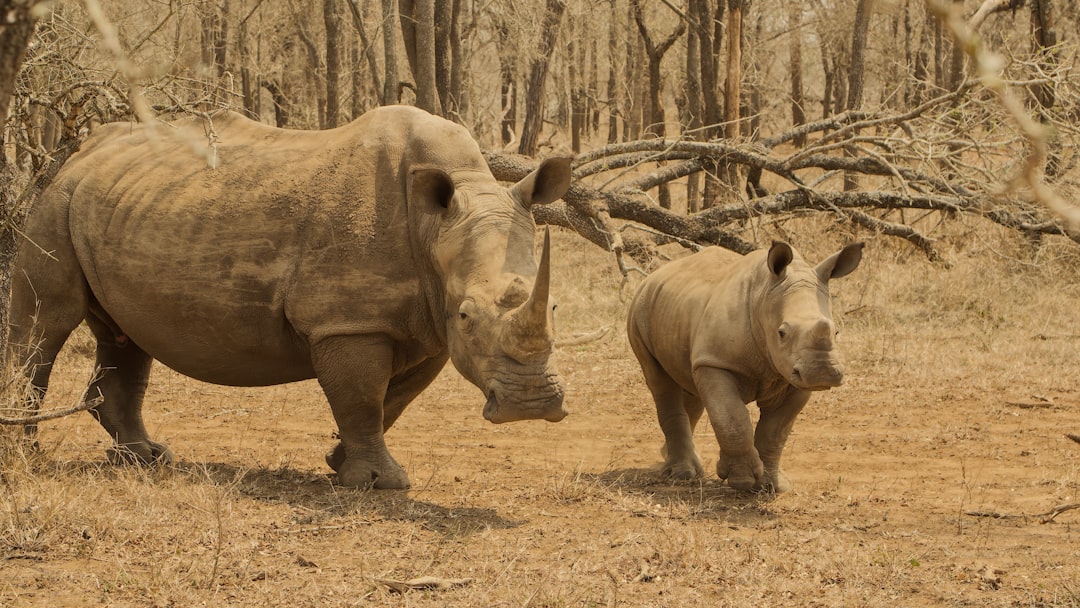
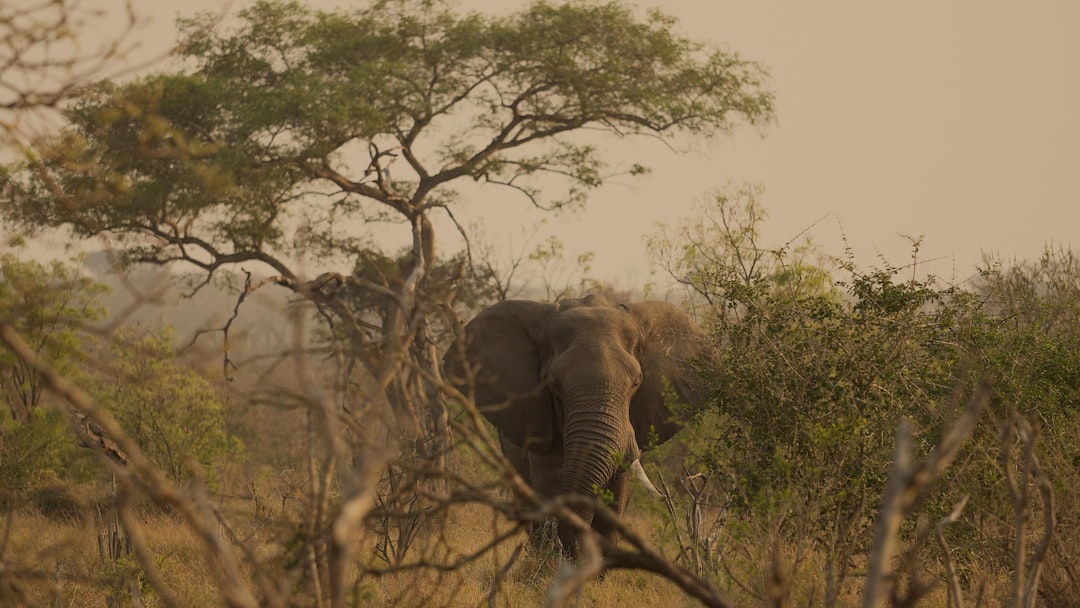
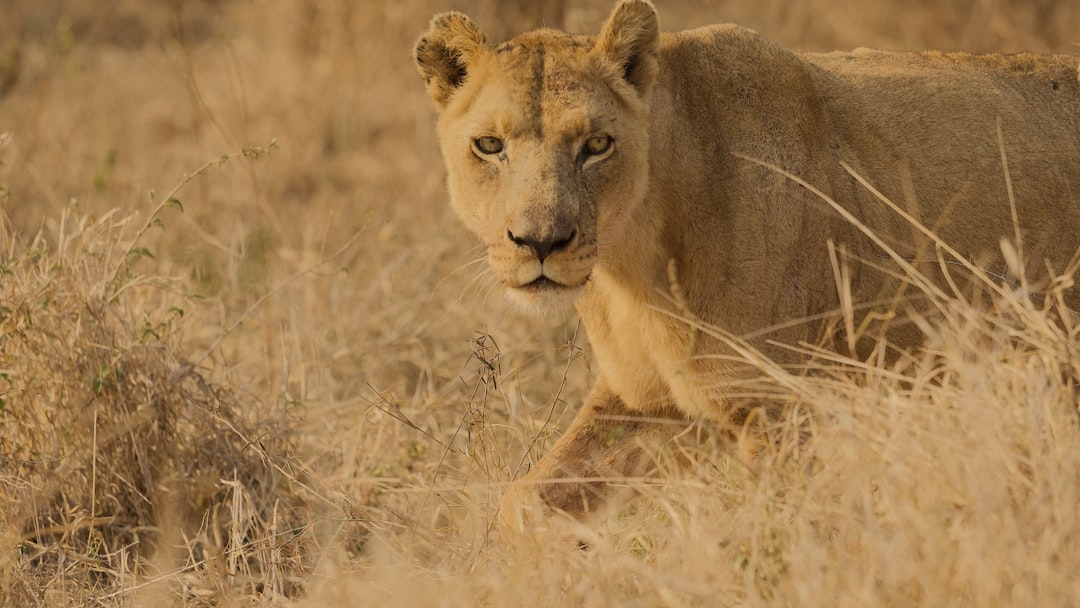
- Wildlife highlights: Rhino viewing, varied game reserves, birds, walking safaris, and horse safaris
Eswatini safari costs can drop 15–20% below peak rates when you travel in the shoulder season. That simple shift can change your daily budget, lodge choice, and access to popular activities. Dry months bring clearer roads and more predictable animal sightings. Green months bring lush views, fewer visitors, and better value.
Eswatini is a compact Southern African destination with several distinct wildlife areas. Its smaller size makes it easy to combine a game reserve with mountain scenery, cultural sites, or a South Africa road trip. You can also choose between guided drives, walking safaris, and horse-based wildlife tours.
Quick answer: The best value comes in April and October, when shoulder-season rates sit about 15–20% below peak prices. Visit May to September for dry landscapes and strong game viewing. Visit November to March for green scenery and birds. In 2026, budget trips cost US$120–$180 daily, before any private upgrades .
This guide explains the seasons, costs, trade-offs, and booking steps. It also shows how to compare accommodation and activity choices without treating every safari as the same product.
What Is the Eswatini Safari Season Guide for 2026?
Eswatini’s safari season guide divides the year into dry, shoulder, and green periods. The dry season runs mainly from May or June through October. The green season runs from November through March. April and October often work as shoulder months, with a useful balance between weather, wildlife, and price.
Overview of the three travel seasons
Known for: Eswatini offers dry-season game viewing, green-season birding, and a range of small reserve experiences. The country also works well as an add-on to South Africa. High-season travel generally costs more because demand rises and lodge space becomes tighter .
| Name | Price | Duration | Rating | Best For |
|---|---|---|---|---|
| Dry season | Peak rates | 3–7 days | Not applicable | Predictable wildlife viewing |
| Shoulder season | About 15–20% below peak | 3–7 days | Not applicable | Value and lighter crowds |
| Green season | Often lower demand rates | 3–7 days | Not applicable | Birdwatching and green landscapes |
The dry season is the most popular period for classic game drives. Water becomes less spread out, and animals often gather near remaining water sources. Roads can also become easier to use. However, higher demand can raise lodge prices and reduce last-minute availability .
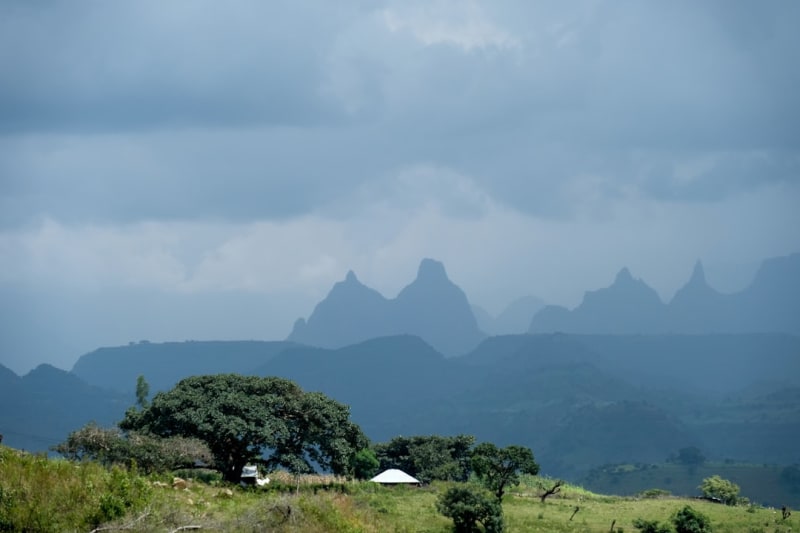
The green season is not a closed season. November through March brings fresh plant growth and changing landscapes. December through February brings the heaviest rainfall, but those months can deliver strong birdwatching conditions. Rain can arrive in short bursts, so a wet forecast does not define every hour of your trip .
Why the season matters
Season affects more than the view outside your vehicle. It changes room rates, road conditions, crowd levels, packing needs, and the activities that feel most comfortable. A dry-season trip suits travelers who want simple logistics. A green-season trip suits travelers who value quiet reserves and vivid scenery.
South African school holidays can create extra demand during high season. That demand can make popular lodges harder to secure. Therefore, families should check holiday dates before choosing a July, August, or October itinerary .
Read the Eswatini safari lodge guide for seven bases in 2026 before selecting a reserve. The right base can reduce driving time and help you match the season to your preferred activities.
Compare Eswatini safari packages by season, duration, and travel style.
How Much Does an Eswatini Safari Cost in 2026?
An Eswatini safari costs about US$120–$180 per person per day for budget travel, US$200–$300 for mid-range travel, and US$350–$500 for luxury travel in 2026. These guide prices cover broad travel styles. Your final quote depends on lodging, transport, park activities, meals, and whether you choose private services .
Eswatini safari price ranges
Price range: Budget travel costs US$120–$180 per person per day. Mid-range travel costs US$200–$300. Luxury travel costs US$350–$500. These figures help you set a starting budget, but they do not replace a detailed operator quote .
| Name | Price | Duration | Rating | Best For |
|---|---|---|---|---|
| Budget safari | US$120–$180 per person daily | 3–7 days | Not provided | Value-focused travelers |
| Mid-range safari | US$200–$300 per person daily | 3–7 days | Not provided | Comfort and flexibility |
| Luxury safari | US$350–$500 per person daily | 3–7 days | Not provided | Private service and premium lodges |
Shoulder-season lodging is reported at about US$150–$250 per night. Some operators also offer specials during quieter months to fill rooms. Those offers can make April and October useful for travelers who want lodge comfort without full peak pricing .
Peak-season prices usually rise from May or June through October. Demand grows because dry weather supports classic wildlife viewing. South African school holidays can add further pressure to room supply and transport availability .
What changes the daily price?
- Accommodation: A simple camp costs less than an all-inclusive luxury lodge.
- Transport: Shared transfers usually cost less than private vehicles.
- Activities: Walking, horse, and private game drives may add separate fees.
- Season: Shoulder dates can reduce lodge costs by 15–20% .
- Trip length: Longer stays spread arrival and transport costs across more days.
Regional comparisons need care. Private African safaris can range from about US$300 per person per day in budget South Africa trips to US$2,500 or more per person per night in exclusive Botswana concessions. Those figures are regional benchmarks, not Eswatini prices .
A South Africa-and-Eswatini tour departing October 1–10, 2026, was listed at US$2,120 per person after a discount from US$2,670. That example shows why departure dates, route length, and promotions matter when comparing a combined itinerary .
Request quotes from verified Eswatini safari operators and compare 2026 prices.
How to read a safari quote
Ask whether the quote includes park entry, meals, transfers, guiding, and activities. Also ask about single-room supplements and seasonal surcharges. Two trips with the same daily price may offer very different value if one includes private transport and more guided activities.
SafariFind connects travelers with verified tour operators and authentic reviews. Use those details to compare inclusions, not just the headline rate.
How Should You Choose Between Dry and Green Season?
Choose the dry season for easier wildlife viewing and simpler road travel. Choose the green season for lower demand, fresh landscapes, and strong birdwatching. Choose April or October when you want a middle path between peak conditions and peak prices.
Dry-season travel from May to September
May to September is best for travelers who want dry weather and clear wildlife-viewing goals. Animals often become easier to find near water as the land dries. The season also supports early drives, walking activities, and road-based trips with fewer weather delays.
Known for: Dry-season Eswatini safaris provide strong conditions for travelers who want a classic game-viewing plan. The trade-off is price. Demand is usually higher, and availability can fall during school holidays or popular departure weeks .
July is a popular choice for dry-season travel. Travelers who prefer July should reserve lodges early and compare several room types. The Eswatini safari in July 2026 guide provides more detail on dry-season wildlife and pricing.
Green-season travel from November to March
November through March is best for travelers who enjoy green scenery, fewer visitors, and birdwatching. Rainfall is heaviest from December through February. Pack a waterproof layer, protect cameras, and allow extra time for wet roads when planning daily activities .
Green season can also suit photographers. Fresh plant growth adds color, while young animals and migratory birds can create different viewing goals. However, dense vegetation may make some animals harder to spot than during the dry months.
Shoulder-season travel in April and October
April and October are best for travelers who want value without giving up every dry-season benefit. Shoulder-season prices are reported at about 15–20% below peak rates. Lodges may also promote open rooms during quieter periods .
April often follows the wetter part of the year, while October can sit near the start of hotter weather. Conditions vary by location. Ask your operator how the chosen reserve handles rain, heat, and road access.
Match the season to your travel style
- First-time safari travelers: Choose May to September for simple planning and predictable conditions.
- Budget travelers: Choose April or October for reported 15–20% shoulder-season savings.
- Birdwatchers: Choose November to March, especially when green landscapes matter.
- Families: Choose dry months and confirm school-holiday availability early.
- Adventure travelers: Compare walking and horse safaris across seasons.
Walking safaris add a close, active way to experience the bush. Review the Eswatini safari walking routes and operator costs guide if you want more time outside a vehicle.
What Is the Best Way to Plan an Eswatini Safari?
The best plan starts with a season, daily budget, and activity choice. Next, select a reserve and lodge that fit those priorities. Finally, compare the full package details, read verified reviews, and confirm what the operator includes before you pay.
Step 1: Set your budget
Start with the 2026 guide ranges. A budget trip begins around US$120–$180 per person per day. A mid-range trip begins around US$200–$300. Luxury travel begins around US$350–$500. Add a buffer for transfers, tips, drinks, and optional activities .
Step 2: Pick your main experience
Game drives suit travelers who want broad wildlife coverage. Walking safaris suit active travelers who want tracks, plants, and smaller signs of wildlife. Horse safaris suit riders who want a quiet way to move through open areas.
Horse safaris need careful planning around riding experience, safety rules, and lodge location. Compare options in the Eswatini horse safari cost and lodge guide before booking that activity.
Step 3: Choose a base
Getting there: Many visitors reach Eswatini by road from South Africa, then continue to a reserve by transfer or rental vehicle. Your operator can confirm the best route for your arrival point. Build in extra time if rain may affect rural roads during the green season.
Eswatini’s reserves offer different wildlife and activity mixes. Some work well for rhino viewing. Others suit walking, birds, or scenic mountain travel. The Eswatini safari parks and entry-fee guide can help you compare reserve locations and access costs.
Step 4: Compare inclusions
- Check the number of nights and daily activities.
- Confirm meals, drinks, transfers, and park fees.
- Ask whether the vehicle is shared or private.
- Review cancellation terms and seasonal price changes.
- Read authentic traveler reviews before choosing an operator.
Best practice: Compare like with like. A low daily price may exclude park fees or transfers. A higher price may include private guiding, all meals, and more activities. Ask for a written quote that lists every inclusion.
Best for: SafariFind is useful for travelers who want to compare packages, tour operators, prices, and authentic reviews in one place. Use the marketplace to narrow your choices before requesting a detailed quote.
Pack light layers, a rain jacket for November through March, and neutral clothing for game drives. Carry insect protection, sun protection, and a small dry bag for electronics. Your operator can provide the final packing advice for your selected reserve.
Key Takeaways
- Choose May to September for dry weather and more predictable wildlife viewing.
- Book April or October to target reported shoulder-season savings of 15–20% .
- Set a daily budget of US$120–$180 for a budget Eswatini safari in 2026 .
- Allow US$200–$300 daily for mid-range comfort, guiding, and lodge services .
- Pack rain protection from November through March because December to February brings the heaviest rainfall .
Frequently Asked Questions
What is the best month for an Eswatini safari?
May to September is the best period for dry-season wildlife viewing in Eswatini. The land is drier, animals can be easier to locate near water, and road travel is often simpler. April and October offer a useful balance between wildlife conditions and lower shoulder-season prices.
How much does an Eswatini safari cost in 2026?
An Eswatini safari costs about US$120–$180 per person daily for budget travel, US$200–$300 for mid-range travel, and US$350–$500 for luxury travel in 2026. The final rate depends on the lodge, transport, activities, meals, and season .
Is the green season worth visiting in Eswatini?
The green season is worth visiting if you want lush scenery, fewer visitors, and strong birdwatching. It runs from November through March. December through February brings the heaviest rainfall, so travelers should pack waterproof layers and allow flexible road time .
When are Eswatini safari prices lowest?
April and October often provide the best balance of price and conditions. Shoulder-season prices are reported at about 15–20% below peak rates. Some lodges and operators may also offer specials during quieter periods, subject to availability .
What is included in an Eswatini safari package?
An Eswatini safari package may include lodging, meals, guided drives, park fees, and transfers. Inclusions differ by operator, so request a written quote. Check private-vehicle costs, activities, drinks, tips, and airport or border transfers before booking.
How can I book a verified Eswatini safari operator?
SafariFind connects travelers with verified tour operators, safari packages, and authentic reviews. Compare package details and prices, then request a quote from a suitable operator before making your 2026 booking.
Conclusion: Which Eswatini Safari Season Is Best?
The best Eswatini safari season depends on your budget and wildlife goals. Choose May to September for dry conditions and classic game viewing. Choose November to March for green landscapes and birdwatching. Choose April or October for reported savings of 15–20% below peak rates .
A budget traveler should plan around US$120–$180 per person per day. A mid-range traveler should plan around US$200–$300. Luxury travelers should expect about US$350–$500 daily in the 2026 guide range . These figures give you a clear starting point before comparing real package inclusions.
Compare reserve access, lodge style, transport, and activities. Then read authentic reviews before choosing a tour operator. Compare verified safari packages on SafariFind and request a quote that matches your dates, season, and budget. With careful planning, your Eswatini safari can deliver strong value throughout 2026.
Image Alt Text Suggestions
- “Rhino walking through an Eswatini game reserve during the dry season”
- “Green-season landscape and birdlife in Eswatini from November to March”
- “Safari vehicle viewing wildlife in Eswatini during July 2026”
- “Horse safari group riding through an Eswatini wildlife reserve”
- “Eswatini safari lodge room and game-viewing landscape”
References
- A Guide to Taking a Safari in Southern Africa — Lonely Planet
- Private Safaris in Africa — African Tour Operators Association
- Eswatini Safari Tours: Complete Cost Breakdown 2026 — SafariFind
- Eswatini Travel Budget Guide: Daily Costs and Money Tips
- African Safari Pricing 2026: Affordable Costs from $150/Day
- How Much Does an African Safari Cost in 2026?
- Eswatini vs Seattle (2026) — Tripbase
- South Africa & Eswatini by Explore! — TourRadar
Sources
- A Guide to Taking a Safari in Southern Africa — Lonely Planet
- Private Safaris in Africa
- Eswatini Safari Tours: Complete Cost Breakdown 2026
- Eswatini Travel Budget Guide: Daily Costs and Money Tips
- African Safari Pricing 2026: Affordable Costs from $150/Day
- How Much Does an African Safari Cost in 2026?
- Eswatini vs Seattle (2026) — Tripbase
- South Africa & Eswatini by Explore! — TourRadar
Related to
Ready to start your safari adventure?
Explore curated safari packages and find your perfect African adventure with verified operators.