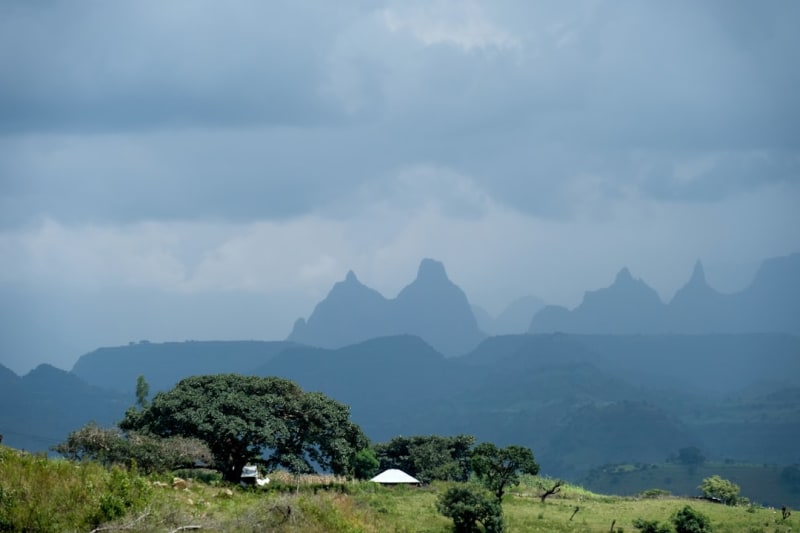
Ethiopia National Park Fees & Availability 2026
Ethiopia's national parks charge $5–$20 per day for international visitors—significantly cheaper than Kenya or Tanzania. Entry to Bale Mountains, Simien, and Awash parks requires advance booking through local operators; fees are paid in Ethiopian Birr or USD at gates.

Quick Answer: Ethiopia National Park Fees at a Glance
International visitors to Ethiopia's national parks pay $10–$20 USD per day for park entry, with children (5–15 years) charged $5–$10 and under-5s admitted free. Major parks include Bale Mountains ($20 USD/adult/day), Simien Mountains ($10 USD/adult/day), and Awash National Park ($15 USD/adult/day). Fees are typically paid in Ethiopian Birr or USD at park gates; advance booking through accredited tour operators is strongly recommended, especially for trekking routes in Simien and Bale. Unlike Kenya or Tanzania, Ethiopia does not charge extra for photography permits in most parks.
Major Ethiopia National Parks: Entry Fees by Park (2026)
| Park Name | Foreign Tourist (USD/day) | Child 5–15 yrs (USD/day) | Under 5 (USD/day) | Vehicle Fee (USD/24h) |
|---|---|---|---|---|
| Bale Mountains National Park | $20 (90 Birr) | $10 (10 Birr) | Free | $20–$40 (12–40 seat vehicle) |
| Simien Mountains National Park | $10 | $5–$10 | Free | Included in guide package |
| Awash National Park | $15 | $5–$10 | Free | $20–$40 |
| Omo Valley Parks | $5–$15 | $5 | Free | $20–$40 |
| Abijatta-Shalla National Park | $10–$15 | $5 | Free | $20–$40 |
Note: Fees shown are per 24 hours of park entry. All prices exclude 18% VAT where applicable. Currency exchange: 1 USD ≈ 55–65 Ethiopian Birr (confirm current rates at entry).
Park-by-Park Breakdown & Availability
Bale Mountains National Park
Located 400km southeast of Addis Ababa, Bale Mountains is the premier destination for spotting the endangered Ethiopian wolf on the Sanetti Plateau. Entry fees for foreign tourists are $20 USD per adult per 24-hour period, or 90 Ethiopian Birr; children (5–15 years) pay $10 or 10 Birr. Vehicle entrance fees range from $15–$20 Birr for small vehicles (up to 12 seats) to $30–$40 Birr for larger vehicles (>12 seats) per 24 hours.
Camping: Overnight camping costs $40–$60 USD per tent (4–6 persons) for foreign tourists; tents accommodating up to 4 persons cost $40 per night. Most visitors book 3–5 day trekking packages through operators like Bale Trek Ethiopia Tours, which include guides, camping, and meals at $150–$200 per person per day.
Availability & Booking: Bale Mountains is open year-round, but the dry season (September–November, January–February) offers the best wildlife viewing and hiking conditions. Advance booking (2–4 weeks) is essential; book through SafariFind-listed operators or the official Bale Mountains National Park website.
Simien Mountains National Park (UNESCO World Heritage Site)
Simien Mountains, a UNESCO World Heritage Site 120km north of Gondar, is famed for gelada baboons, walia ibex, and dramatic cliff scenery. Park entry for foreign tourists is $10 USD per adult per day; children aged 5–15 pay $5–$10. This fee covers access to all trekking trails, including Ras Dashen (4,543m, Ethiopia's third-highest peak).
Trekking & Guides: All treks require a licensed guide ($60–$100 USD per day including scout and mules). A typical 3–4 day trek costs $200–$400 USD total (guide + park fees + accommodation in basic mountain camps). Mule rental ($15–$30 per day) and porters ($20–$40 per day) are separate charges.
Availability & Booking: Open September–May; June–August roads become impassable due to heavy rains. Book guides through Addis Ababa tour operators or directly at the Debark park office. Advance notice (1–2 weeks) is recommended to arrange mules and porters.
Awash National Park
Ethiopia's oldest and most accessible national park, Awash lies 225km east of Addis Ababa and straddles the Addis Ababa–Djibouti highway. Entry for foreign tourists is approximately $15 USD per adult per 24 hours, with children (5–15) paying $5–$10. The park protects 756 square kilometres of volcanic and acacia savanna habitat, recording over 460 bird species—making it a premier birding destination in East Africa.
Activities & Permits: Game drives, guided walks, and visits to the 15-metre Awash Falls and Mount Fantale crater are included in park entry. No separate photography permit is required. Most day-visitors arrive from Addis Ababa on half-day or full-day tours ($80–$150 USD per person, including transport and guide).
Availability & Booking: Open year-round; however, wildlife viewing is best during the dry season (October–March). Accommodation ranges from basic campsites ($10–$20 USD/night) to mid-range lodges ($50–$100 USD/night). Book lodges in advance through SafariFind or major tour operators.
Omo Valley Parks (Mago & Omo National Parks)
The remote Omo Valley in southwestern Ethiopia is home to the Mursi, Surma, and other indigenous pastoralist cultures. Mago National Park charges foreign tourists $5–$15 USD per day; Omo National Park (one of Africa's largest and least-visited wilderness areas) charges similar rates. Vehicle fees are $20–$40 USD per 24 hours.
Cultural & Wildlife Activities: Village visits and cultural guides cost $50–$100 USD per day (separate from park fees). Wildlife viewing focuses on white-eared kob, Nile lechwe, and buffalo; predators are less common than in northern parks.
Availability & Booking: Accessible October–May only; roads are impassable June–September. Omo Valley requires experienced operators; book 4–6 week tours through established agencies. SafariFind partners can arrange 7–10 day Omo Valley cultural safaris starting at $1,200 USD per person (all-inclusive).
Abijatta-Shalla National Park (Rift Valley)
Located in Ethiopia's Rift Valley, Abijatta-Shalla is a prime birdwatching destination with two lakes (Abijatta and Shalla) hosting thousands of flamingos and pelicans. Foreign tourist entry is $10–$15 USD per day; children pay $5 USD. Vehicle fees are $20–$40 USD per 24 hours.
Availability & Booking: Open year-round; best for birding December–March. Most visitors combine a half-day visit with trips to nearby Langano Lake or the Awash Valley. Day tours from Addis Ababa cost $100–$150 USD including transport and guide.
Vehicle Entry & Concession Fees Explained
In addition to per-person park entry, Ethiopia charges vehicle entrance fees based on seating capacity. A standard 4×4 safari vehicle (4–12 seats) costs $15–$20 Birr ($0.25–$0.35 USD) per 24-hour period, while larger vehicles (>12 seats) cost $30–$40 Birr per day. These fees are separate from guide fees and are due at the park gate upon arrival.
Unlike Tanzania or Kenya, Ethiopia does not charge mandatory concession (lodge) fees on top of park entry for overnight stays in park accommodations. However, basic campsites and mountain lodges charge their own nightly rates ($10–$100 USD depending on comfort level).
How & Where to Pay Park Fees
Payment Methods at Park Gates
- Cash (USD or Ethiopian Birr): Most park gates accept both currencies. USD is preferred for simplicity; 1 USD ≈ 55–65 Birr (confirm rates locally).
- Card Payments: Major parks (Bale, Simien, Awash) increasingly accept Visa/Mastercard, but connectivity is unreliable. Bring cash as backup.
- Tour Operator Advance Payment: Most accredited operators (Bale Trek Ethiopia, Vowland Ethiopia Tour, SafariDeal partners) collect fees upfront and pay parks on your behalf, simplifying the process.
Gate Procedures & Timing
Park gates typically open 6 AM–6 PM. Arrive early to avoid delays. You will receive a dated entry slip valid for 24 hours from issue time. If you re-enter the same park within 24 hours, present your slip to avoid double-charging. Multi-day trekking permits (Simien, Bale) are issued for the full trek duration and do not expire daily.
Advance Booking & Permit Requirements
Trekking & Mountaineering Permits
Simien Mountains: All trekkers must hire a licensed guide through the Debark park office or a tour operator. Book guides 1–2 weeks in advance. No separate mountaineering permit is required for Ras Dashen (4,543m), as it is not a technical climb.
Bale Mountains: The Ethiopian Wolf trekking route (Sanetti Plateau) requires a guide. Book through operators or the park office 2–4 weeks ahead. Mountain climbing (Tullu Demtu, 4,377m) does not require additional permits beyond park entry and guide hire.
Cultural & Photography Permits
Unlike Kenya or Tanzania, Ethiopia does not charge separate photography fees for personal or professional photography in national parks. However, cultural photography in indigenous communities (Omo Valley, Mursi villages) may require village permission and a guide fee ($50–$100 USD per day), which is separate from park entry.
Gorilla & Chimpanzee Permits
Ethiopia does not have resident gorilla or chimpanzee populations. If you wish to see these species, consider combining your Ethiopia safari with a visit to Uganda or Rwanda, which charge $500–$1,500 USD per gorilla permit.
Seasonal Considerations & Availability
Dry Season (September–November, January–February)
Peak wildlife viewing and hiking season. Roads are passable, weather is cool, and animals concentrate around water sources. Park fees remain standard; however, accommodation may fill quickly. Book 4–6 weeks in advance.
Wet Season (June–September)
Most highland parks (Simien, Bale) become inaccessible due to heavy rains and mud. Lowland parks (Awash, Omo Valley) remain open but with reduced wildlife visibility. Park fees are unchanged, but some lodges may close. Budget tours offer discounts of 20–30% during this period.
Shoulder Seasons (April–May, October)
Moderate crowds, good weather, and lower prices. October is ideal for balancing affordability with wildlife viewing. Park fees are standard; accommodation is cheaper than peak season.
Money-Saving Tips for Park Fees & Safari Costs
- Book Multi-Day Packages: Operators offering 5–7 day trekking packages (e.g., Bale, Simien) negotiate bulk rates with parks, reducing per-day costs to $150–$200 USD (all-inclusive) versus $250–$350 USD for day-by-day visits.
- Travel During Shoulder Seasons: Visit in April–May or late September–October to save 20–30% on lodging while maintaining good weather and wildlife viewing.
- Use SafariFind to Compare Operators: Independent travelers can compare transparent pricing from 20+ accredited operators on SafariFind, ensuring no hidden markups on park fees.
- Combine Parks: A 7–10 day safari visiting Awash, Bale, and Abijatta-Shalla costs $1,200–$1,800 USD per person (all-inclusive), versus $200–$350 USD per day for shorter, single-park visits.
- Skip Peak Migration Months: Unlike Kenya's Masai Mara, Ethiopia's parks do not have dramatic seasonal migrations. Visit anytime September–May to avoid inflated peak-season prices.
- Negotiate Guide Rates: Licensed guides in Simien and Bale charge $60–$100 USD per day; in low season, negotiate for $50–$70 USD, especially for groups of 4+.
Comparison: Ethiopia vs. Kenya & Tanzania National Park Fees
Ethiopia's national park fees are significantly lower than neighboring East African countries. International visitors to Ethiopia's parks pay $10–$20 USD per day, while Kenya's Masai Mara charges $200 USD per 12-hour entry (high season) and Tanzania's Serengeti charges $70 USD per adult per 24 hours. This 75–95% cost difference makes Ethiopia one of Africa's most budget-friendly safari destinations. However, Kenya and Tanzania offer more established Big Five viewing and tourism infrastructure; Ethiopia excels in cultural immersion, endemic wildlife (Ethiopian wolf, gelada baboon), and untouched wilderness.
Health & Visa Requirements for Ethiopia Travel
International visitors require an Ethiopian E-Visa (30-day single entry: $82 USD; 90-day single entry: $202 USD), applied online at the official Ethiopian E-Visa portal. Yellow fever vaccination is recommended for entry to most national parks, particularly Awash and Omo Valley; malaria prophylaxis is advised for lowland parks. Check current requirements with your healthcare provider or the CDC 4–6 weeks before travel.
Frequently Asked Questions
Do I need to book Ethiopia national parks in advance?
Advance booking is strongly recommended for trekking routes (Simien, Bale) and remote parks (Omo Valley), as guides must be arranged 2–4 weeks ahead. Day visits to accessible parks (Awash, Abijatta-Shalla) can often be arranged through Addis Ababa tour operators with 1–2 days' notice, though booking earlier ensures better pricing and guide availability.
Can I visit Ethiopia national parks without a guide?
Self-guided visits are not permitted in trekking parks (Simien, Bale). However, day visits to Awash and Abijatta-Shalla National Parks can be done with a private vehicle and driver (hired separately from the park). Licensed park guides are compulsory for wildlife walks and mountain routes and cost $60–$100 USD per day.
What is the best time to visit Ethiopia's national parks?
The dry season (September–November and January–February) offers the best weather, wildlife viewing, and trekking conditions. October is ideal for balancing affordability with peak season amenities. The wet season (June–September) closes highland parks and reduces visibility, though discounts of 20–30% are available.
Are photography permits required in Ethiopia's national parks?
No. Ethiopia does not charge separate photography permits for personal or professional photography in national parks, unlike Kenya or Tanzania. However, cultural photography in indigenous villages (Omo Valley) may require village consent and a guide fee ($50–$100 USD per day).
How much does a typical 7-day Ethiopia safari cost?
A mid-range 7-day safari (2 parks, 4×4 vehicle, licensed guide, mid-range lodge accommodation) costs $1,200–$1,800 USD per person all-inclusive. Budget safaris cost $800–$1,200 USD; luxury safaris range $2,000–$3,500 USD. Park fees alone ($10–$20 USD/day) represent only 5–10% of total costs; accommodation and guides are the largest expenses.
Do children pay reduced park entry fees?
Yes. Children aged 5–15 years pay 50% of the adult rate ($5–$10 USD per day depending on park); children under 5 enter free. Camping and trekking fees follow the same age structure.
Can I pay park fees in Ethiopian Birr instead of USD?
Yes. Most park gates accept both USD and Ethiopian Birr (1 USD ≈ 55–65 Birr in 2026). However, USD is preferred for transparency and to avoid exchange rate disputes. Always confirm current exchange rates at the gate before paying.
What is included in park entry fees, and what costs extra?
Park entry fees cover access to trails, viewpoints, and basic facilities (toilets, picnic areas). Not included: guide hire ($60–$100 USD/day), accommodation ($10–$100 USD/night), meals, mule rental ($15–$30/day), and porter fees ($20–$40/day). Most operators bundle these into all-inclusive packages to simplify budgeting.
Are there group discounts for large safari parties?
Yes. Groups of 6+ can negotiate 10–20% discounts with operators on guide fees and accommodation; park entry fees are fixed and non-negotiable. Book through SafariFind to compare group rates across operators.
Do park fees include vehicle entry, or is that charged separately?
Vehicle fees ($15–$40 Birr per 24 hours) are charged separately from per-person park entry at the gate. Most tour operators include vehicle fees in their quoted package price, but confirm this when booking.
Final Verification Note
Last checked July 2026 — park fees, visa costs, and regulations are subject to change. Always confirm current fees directly with the park office, your tour operator, or the official Ethiopian tourism portal before finalizing your safari dates. SafariFind partners maintain up-to-date pricing; booking through accredited operators ensures you receive accurate, current fee information.
Frequently Asked Questions
How much do Ethiopia national parks cost for international visitors?
International visitors pay $10–$20 USD per day for park entry, depending on the park. Bale Mountains charges $20 USD/adult/day; Simien Mountains $10 USD/day; Awash National Park $15 USD/day. Children (5–15) pay 50% of adult rates; under-5s enter free. Vehicle fees ($15–$40 Birr per 24 hours) are charged separately at the gate.
Do I need a guide to visit Ethiopia's national parks?
Guides are mandatory for trekking routes (Simien, Bale Mountains) and wildlife walks. Licensed guides cost $60–$100 USD per day and must be booked 2–4 weeks in advance. Day visits to accessible parks like Awash can be done with a private driver, though a park guide is still recommended for wildlife interpretation.
Can I book Ethiopia national parks without a tour operator?
Yes, but with limitations. You can arrange guides directly at park offices (Debark for Simien, Bale park office) with 1–2 weeks' notice. However, most visitors book through accredited tour operators, which simplifies logistics, ensures licensed guides, and often provides better rates on accommodation and vehicle hire.
What is the best season to visit Ethiopia's national parks?
The dry season (September–November, January–February) offers the best weather, wildlife viewing, and trekking conditions. October is ideal for balancing affordability with peak-season amenities. The wet season (June–September) closes highland parks and reduces wildlife visibility, though discounts of 20–30% are available.
Are photography permits required in Ethiopia's national parks?
No. Ethiopia does not charge separate photography permits for personal or professional photography in national parks, unlike Kenya or Tanzania. However, cultural photography in indigenous villages (Omo Valley) may require village consent and a guide fee ($50–$100 USD per day).
How much does a 7-day Ethiopia safari cost in total?
A mid-range 7-day safari costs $1,200–$1,800 USD per person all-inclusive (guide, vehicle, mid-range lodging, meals). Budget safaris cost $800–$1,200 USD; luxury safaris $2,000–$3,500 USD. Park fees alone ($10–$20 USD/day) represent only 5–10% of total costs; accommodation and guides are the largest expenses.
Do children pay reduced entry fees at Ethiopia's national parks?
Yes. Children aged 5–15 pay 50% of adult rates ($5–$10 USD per day); children under 5 enter free. Camping, trekking, and vehicle fees follow the same age structure. Confirm child rates with your operator when booking.
Can I pay park fees in Ethiopian Birr or only USD?
Most park gates accept both USD and Ethiopian Birr (1 USD ≈ 55–65 Birr in 2026). USD is preferred for simplicity and to avoid exchange-rate disputes. Always confirm current exchange rates at the gate and bring both currencies as backup.
What costs are included in park entry fees, and what costs extra?
Park entry covers access to trails, viewpoints, and basic facilities. Not included: guide hire ($60–$100 USD/day), accommodation ($10–$100 USD/night), meals, mule rental ($15–$30/day), and porter fees ($20–$40/day). Most operators bundle these into all-inclusive packages.
Are there discounts for large groups visiting Ethiopia's national parks?
Yes. Groups of 6+ can negotiate 10–20% discounts with operators on guide fees and accommodation; park entry fees are fixed. Book through accredited operators (available on SafariFind) to compare group rates and ensure transparent pricing.
Do I need vaccinations to visit Ethiopia's national parks?
Yellow fever vaccination is recommended for entry to most national parks, particularly Awash and Omo Valley. Malaria prophylaxis is advised for lowland parks. Check current CDC requirements 4–6 weeks before travel and consult your healthcare provider.
How do I book guides and permits for trekking in Simien or Bale Mountains?
Book through accredited tour operators (2–4 weeks ahead) or directly at park offices: Debark office for Simien, Bale Mountains park office for Bale. Operators handle logistics, including guide hire, mule arrangement, and camping permits. Direct bookings require fluency in Amharic and advance coordination.
Sources
Related to
Ready to start your safari adventure?
Explore curated safari packages and find your perfect African adventure with verified operators.