Ethiopia Safari in July–September 2026: Dry-Season Routes
Discover Ethiopia Safari in July–September 2026: Dry-Season Routes - Expert guide to safari tourism and wildlife destinations.
Ethiopia Safari in July–September 2026: Dry-Season Routes
Last updated: July 2026
Ethiopia Safari in July–September 2026: Dry-Season Routes need careful planning because most of Ethiopia is in its wet season from June through September. Choose Bale Mountains, Simien Mountains, or the southern Omo region based on wildlife goals and road conditions. Safari prices are quote-based in this guide, so compare current verified packages on SafariFind before booking.
At a Glance
- Cost: Quote-based in this guide; compare current 2026 packages and inclusions before booking
- Best time: July to September for green landscapes and selected southern routes; October to May is drier across most regions
- Duration: Seven days suits a first route; longer trips allow Bale, Simien, or Omo extensions
- Best for: Hikers, birders, wolf watchers, photographers, and travelers seeking unusual wildlife
- Weather: July and August can still receive several hours of sunshine each day
- Wildlife highlights: Ethiopian wolves, wetland birds, hippos, Nile crocodiles, and highland species
Ethiopia Safari in July–September 2026: Dry-Season Routes is a useful planning topic, but the season needs one clear correction. Most of Ethiopia has its wet season from June through the end of September. The country’s main dry season generally runs from October through May, with short rains in March .
That does not make July, August, and September impossible. It changes the route. Some roads become harder after rain, while highland scenery turns green and dramatic. The southern Omo and Mago areas also follow a different rainfall pattern, with main rains from March to June and shorter rains in November .
Quick answer: July to September works best for flexible Ethiopia safari trips focused on mountain scenery, rare wildlife, and selected southern routes. Plan for rain, cloud, and changing roads. October to March offers drier conditions across most regions, while July and August can still bring sunshine between showers .
This guide explains what to expect in 2026. It covers routes, weather, wildlife, transport, permits, packing, and booking choices. It also shows why a local operator matters during a season with changing road conditions.
SafariFind connects travelers with verified tour operators and authentic traveler reviews. Use the marketplace to compare routes, ask about weather plans, and check what each package includes before you pay.
What Is Ethiopia Safari in July–September 2026: Dry-Season Routes?
Ethiopia Safari in July–September 2026: Dry-Season Routes is a flexible travel plan for a season that is wet across much of the country. It is not a classic dry-season safari window. Instead, it combines highland walks, rare wildlife searches, green scenery, and carefully chosen southern routes.
Overview of the season
Ethiopia has two broad seasons across most of the country. The Ethiopian Embassy describes October through May as the general dry season. It describes June through September as the general wet season, with short rains in March .
The wet season does not bring the same weather everywhere. Addis Ababa has an average annual temperature of 16°C. Average daily maximum temperatures generally sit between 20°C and 25°C . Higher parks can feel much cooler, especially before sunrise and after rain.
July and August can still offer several hours of sunshine each day. Rain may arrive later, leaving clear breaks for driving, hiking, and photography . September often brings a gradual shift toward drier weather, but conditions still vary by region and altitude.
Key features of a July to September route
- Highland wildlife: Bale Mountains routes focus on Ethiopian wolf sightings and mountain landscapes.
- Scenic hiking: Simien Mountains routes suit travelers who value cliffs, valleys, and high-altitude walks.
- Wetland wildlife: Gambella National Park features hippos, Nile crocodiles, and migratory birds .
- Southern culture and nature: Omo and Mago routes offer a different seasonal pattern from northern highlands.
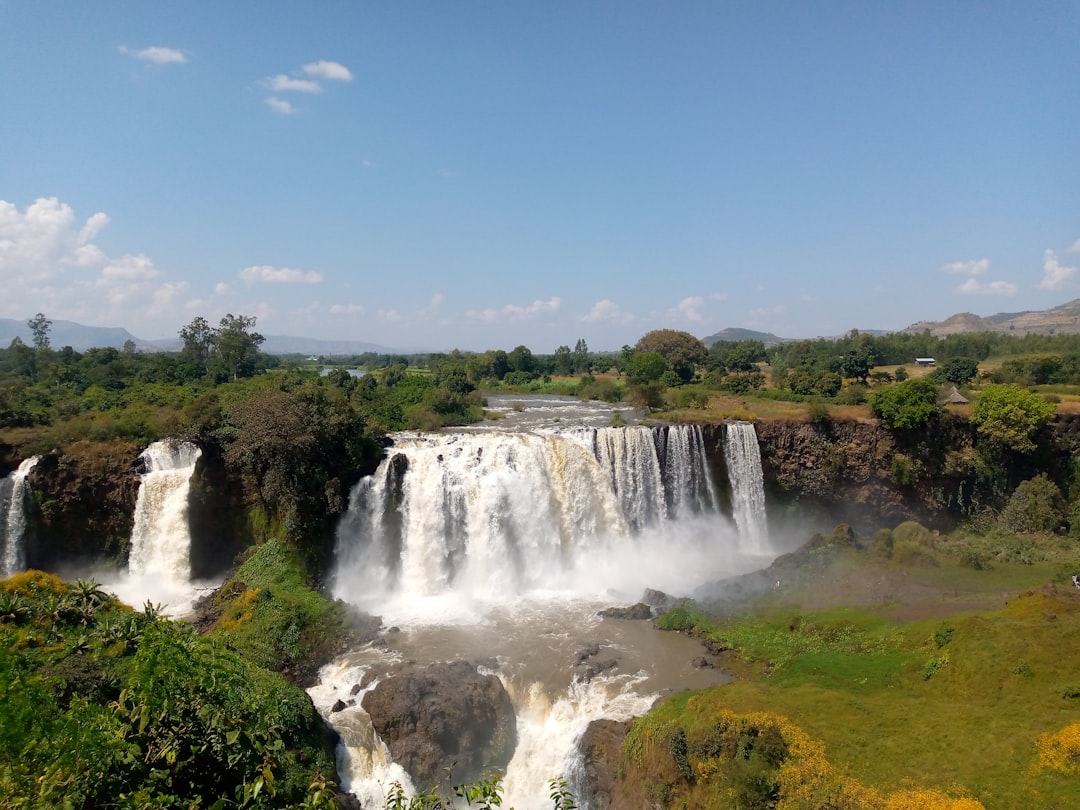
- Green photography: Rain can create rich colors, mist, and stronger contrast across the hills.
Bale Mountains are known for Ethiopian wolf searches. One provided wildlife source estimates that about 500 Ethiopian wolves remain. Sightings are never guaranteed, but a skilled guide improves your chances and helps you follow safe wildlife practices .
Simien Mountains are best for active travelers who want wildlife and long walks. The route suits hikers who can handle steep paths, changing temperatures, and wet trails. It also works well for photographers who want wide views rather than only vehicle-based game drives.
Gambella National Park is known for wetland habitats. Hippos, Nile crocodiles, and migratory birds create a different safari experience from the dry grasslands found in East Africa . Water levels, access, and local guidance matter during the rainy months.
Read the guide to Ethiopia’s five hidden wildlife gems in 2026 if you want more ideas beyond the best-known parks.
Compare Ethiopia safari packages for July–September 2026 with verified operators and ask which routes remain practical after seasonal rain.
What Are the Main Ethiopia Safari Routes in July–September?
The best Ethiopia safari route in July to September depends on your main goal. Choose Bale Mountains for Ethiopian wolves, Simien Mountains for hiking, Gambella for wetlands, or Omo and Mago for a southern itinerary with a different rain pattern.
Bale Mountains: the rare-wolf route
Bale Mountains National Park is known for Ethiopian wolf searches and highland scenery. The route is best for wildlife photographers, conservation-minded travelers, and hikers who want a focused experience.
Rain can affect tracks and access roads. Build extra time into the plan rather than scheduling every transfer tightly. A local guide can adjust the day around cloud, rain, and recent wildlife movement.
Simien Mountains: the hiking route
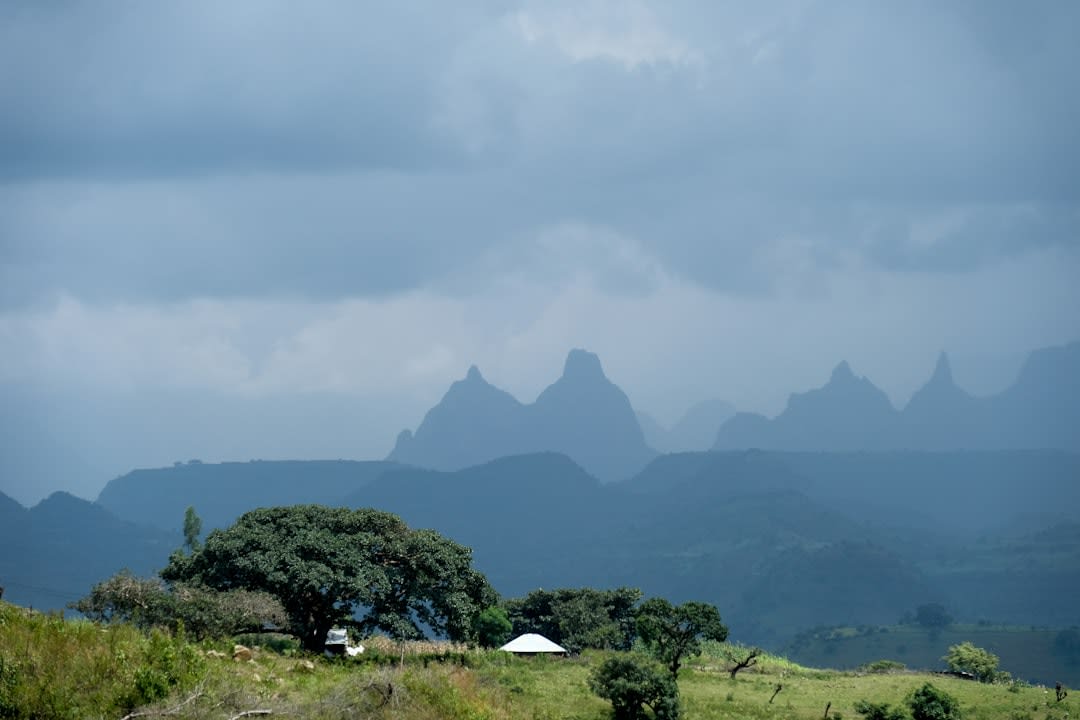
Simien Mountains are best for travelers who want dramatic views and active days. The landscape features high ridges, deep valleys, and steep paths. July to September can bring mist and rain, but the same weather can make the scenery vivid.
Pack waterproof layers and protect cameras during sudden showers. Your operator should explain walking distances, altitude, campsite conditions, and vehicle access before departure.
Gambella: the wetland route
Gambella National Park is known for wetland wildlife, including hippos, Nile crocodiles, and migratory birds . The park offers a strong contrast to Ethiopia’s mountain routes.
Wetland travel needs careful planning. Ask about boats, vehicle access, river conditions, local guides, and safe viewing distances. Never approach hippos or crocodiles without professional guidance.
Omo and Mago: the southern route
Omo and Mago parks follow a different seasonal pattern. Their main rains usually fall from March to June, while shorter rains arrive in November . That pattern can make July to September worth considering for travelers who want a southern route.
However, weather is only one part of the decision. Roads, local events, permits, and guide availability also shape the trip. Confirm each transfer with your operator before booking flights.
Route comparison
| Name | Price | Duration | Rating | Best For |
|---|---|---|---|---|
| Bale Mountains | Quote-based | 3–5 days | Check current SafariFind listings | Ethiopian wolf searches and hiking |
| Simien Mountains | Quote-based | 3–5 days | Check current SafariFind listings | Mountain walks and landscape photography |
| Gambella | Quote-based | 3–5 days | Check current SafariFind listings | Hippos, crocodiles, and wetland birds |
| Omo and Mago | Quote-based | 4–7 days | Check current SafariFind listings | Southern wildlife and flexible route planning |
Safari package prices depend on transport, lodging, permits, guide services, and trip length. No verified package prices were supplied for this article, so this guide does not invent a range. Request a written quote that lists every inclusion.
Compare Ethiopia tour operators and request quotes for weather-ready routes before choosing a package. Ask each company about backup roads, private vehicles, park fees, and cancellation terms.
For a short trip, a seven-day plan can combine Addis Ababa with one major wildlife region. Longer journeys allow two regions but add road time and weather risk. Travelers should choose depth over too many rushed stops.
How Should You Plan an Ethiopia Safari in July–September?
Planning an Ethiopia safari in July to September starts with route flexibility. Book an operator that can change daily plans after rain. Confirm roads, park access, lodging, permits, and internal flights before you make non-refundable arrangements.
Getting started
- Set one main goal. Choose wolves, hiking, wetlands, birds, or southern wildlife first.
- Select the region. Match your goal with Bale, Simien, Gambella, Omo, or Mago.
- Request a detailed quote. Check transport, meals, permits, lodging, guide fees, and park charges.
- Check travel documents. Review entry rules early and confirm passport requirements.
- Build a weather buffer. Keep at least one flexible day for delays or route changes.
Canadian travelers can review the 2026 Ethiopia visa guide for Canadian citizens. German travelers can use the Ethiopia visa guide for German citizens.
What to pack
- Waterproof jacket and trousers for sudden rain.
- Fleece or warm layer for highland mornings.
- Strong walking shoes with good grip.
- Dry bags for phones, passports, and cameras.
- Binoculars for mountain and wetland wildlife.
- Hat, sunscreen, and sunglasses for bright breaks.
- Small first-aid kit and any regular medicine.
Health planning should begin before departure. Canadians can read the guide to Ethiopia vaccinations for Canadians in 2026. German travelers should check the separate vaccination guidance for German visitors to Ethiopia.
Best practices on safari
Follow your guide’s safety instructions near wildlife and water. Hippos and crocodiles need wide viewing distances. Keep quiet during wildlife stops, avoid sudden movement, and never leave the vehicle without permission.
Rain also affects photography. Use a lens cloth, waterproof cover, and spare batteries. Cloudy skies can soften harsh light, while short sunny periods can create strong colors across green mountain slopes.
Road conditions deserve equal attention. Ask whether the vehicle has high clearance, whether spare tires are included, and how the operator handles a blocked road. A reliable plan includes contact details for the driver and local office.
First-time visitors can also read the seven-day Ethiopia safari planning guide for first-timers. It helps you compare trip length, route pace, and practical planning needs.
Key Takeaways
- Choose Bale Mountains for Ethiopian wolf searches and conservation-focused wildlife viewing.
- Plan for wet conditions from June through September because this is Ethiopia’s general wet season .
- Use Omo and Mago for a southern route with main rains from March to June .
- Pack waterproof layers, strong shoes, and dry bags for July and August showers.
- Request a detailed 2026 quote that lists permits, transport, lodging, guides, and backup plans.
Frequently Asked Questions
Is July to September a dry season for Ethiopia safaris?
July to September is generally Ethiopia’s wet season across most regions. The Ethiopian Embassy places the main dry season from October through May and the wet season from June through September . Some southern areas follow a different rainfall pattern.
What is the best Ethiopia safari route in July?
The best July route depends on your goal. Bale Mountains suits Ethiopian wolf searches, Simien Mountains suits hiking, and Gambella suits wetland wildlife. Omo and Mago can also work because their main rains usually fall earlier, from March to June .
Can I see Ethiopian wolves in July or August?
You can search for Ethiopian wolves in the Bale Mountains during July and August. Sightings are not guaranteed, but guided tours focus on this rare species. One provided source estimates that about 500 Ethiopian wolves remain .
How rainy is Ethiopia in July and August?
July and August are rainy months across much of Ethiopia, but they can still include several hours of sunshine each day . Rain varies by region and altitude. Plan flexible drives and carry waterproof protection for people and equipment.
What wildlife can I see in Gambella National Park?
Gambella National Park is known for wetland wildlife, including Nile crocodiles, hippos, and migratory birds . The park differs from Ethiopia’s highland routes, so travelers should ask about water access, boats, guides, and current road conditions.
How do I book an Ethiopia safari for September 2026?
Book by comparing current SafariFind listings from verified tour operators. Request a quote, read authentic traveler reviews, and confirm weather plans, permits, transport, and cancellation terms before paying.
Conclusion: Is July to September Right for You?
Ethiopia Safari in July–September 2026: Dry-Season Routes are best for travelers who accept rain and value rare wildlife, green scenery, and flexible planning. July to September is not the main dry season across most of Ethiopia. October to May is generally drier, while southern Omo and Mago routes follow a different rainfall pattern .
Choose Bale Mountains if Ethiopian wolves are your top goal. Choose Simien Mountains if hiking and mountain views matter more. Choose Gambella for hippos, Nile crocodiles, and migratory birds . Keep at least one flexible day for weather or road changes.
SafariFind helps you compare verified operators, package details, and authentic reviews in one place. Ask for a clear 2026 quote before you book. Compare verified Ethiopia safari packages for July–September 2026 and request a route that matches your wildlife goals.
With the right guide and a flexible schedule, Ethiopia offers a rewarding alternative to standard safari routes in 2026. Your best trip will be the one built around honest seasonal advice.
Plan Your Safari with SafariFind
These recommendations use real data from SafariFind, where you can compare operators, browse packages, and read verified traveler reviews before you book.
Recommended Safari Operators from SafariFind
Recommended Safari Packages from SafariFind
What Travelers Say (SafariFind Reviews)
References
- BBC News: Ethiopia country profile
- Lonely Planet: Ethiopia travel guide
- Embassy of Ethiopia: Overview About Ethiopia and climate seasons
- Ethiopia climate summary
- Uyaphi: Best places to go on safari in 2026
- Safari Deal: Ethiopia safari hidden wildlife gems
- Paradise Africa Safari: Best time to visit East Africa
- Duma Explorer: East Africa itinerary, routes, and permits
Image alt text suggestions:
- Alt text: Ethiopian wolf standing in the Bale Mountains during a July safari
- Alt text: Hiker viewing misty valleys in Ethiopia’s Simien Mountains
- Alt text: Hippo and Nile crocodile habitat in Gambella National Park
Sources
- BBC News: Ethiopia country profile
- Lonely Planet: Ethiopia travel guide
- Embassy of Ethiopia: Overview About Ethiopia and climate seasons(official)
- Ethiopia climate summary
- Uyaphi: Best places to go on safari in 2026
- Safari Deal: Ethiopia safari hidden wildlife gems
- Paradise Africa Safari: Best time to visit East Africa
- Duma Explorer: East Africa itinerary, routes, and permits
Related to
Ready to start your safari adventure?
Explore curated safari packages and find your perfect African adventure with verified operators.