Ethiopia Safari Wildlife: 21 Animals & Peak Viewing Months 2026
Discover Ethiopia's 31 endemic wildlife species including Ethiopian wolves and gelada baboons. Peak viewing: July & October–March 2026. 7-day safaris from $1,500.
Ethiopia Safari Wildlife: 21 Animals & Peak Months
Last updated: July 2026
Ethiopia's safaris showcase 31 endemic animal species including Ethiopian wolves, gelada baboons, and mountain nyalas. The best viewing months are July and October–March. A 7-day Ethiopia safari costs $1,500–$3,500 per person in 2026. Compare verified packages on SafariFind to find your perfect wildlife adventure.
At a Glance
- Cost: $1,500–$3,500 per person for 7 days
- Best time to visit: July (dry season) and October–March (cool, diverse wildlife)
- Duration: 7–10 days recommended
- Peak viewing months: July, September, October, November, December, January, February, March
- Best for: Travelers seeking unique wildlife beyond the Big Five
- Endemic species: 31 animal species found only in Ethiopia
What is Ethiopia Safari Wildlife: 21 Animals & Peak Viewing Months 2026?
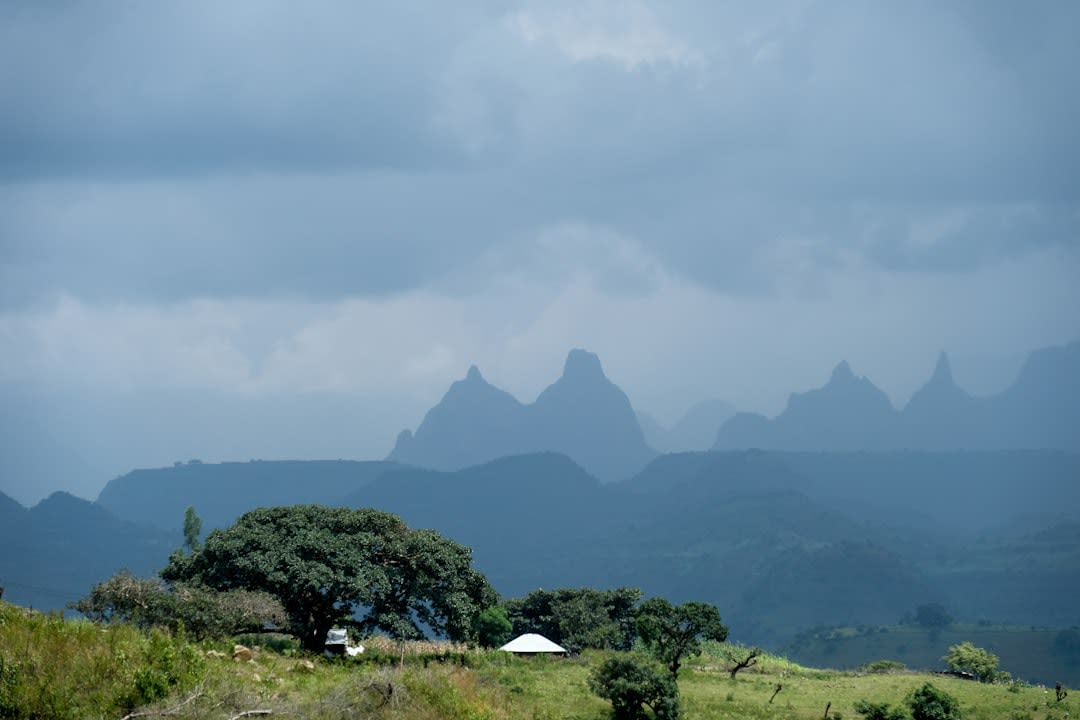
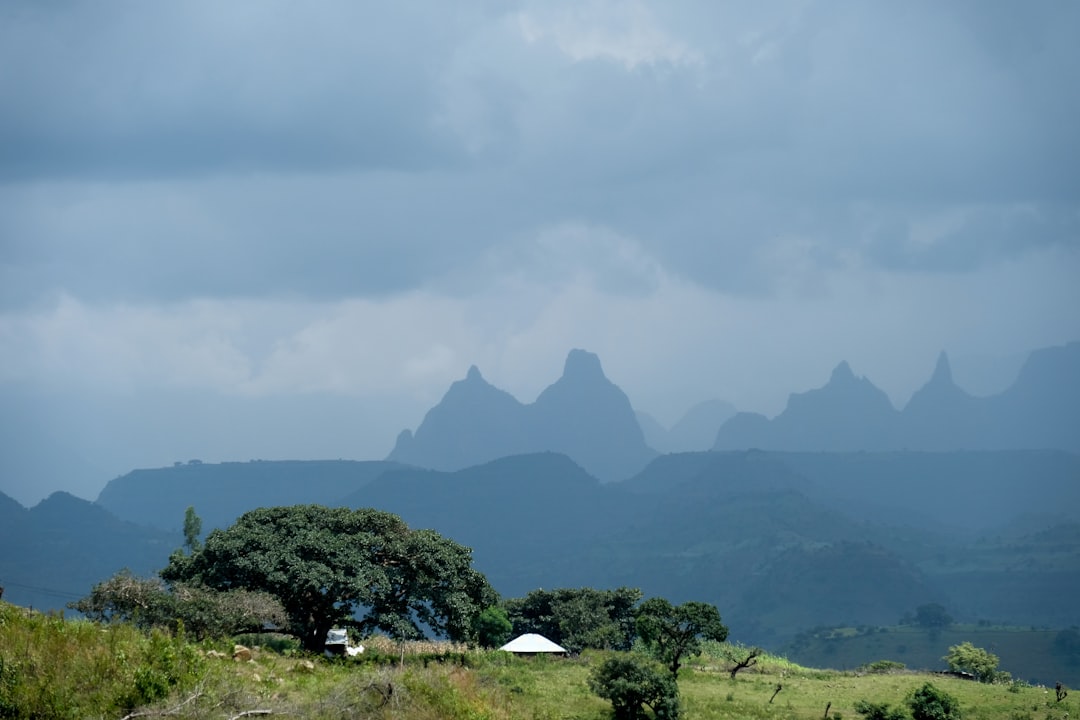
Ethiopia safari wildlife in 2026 offers one of Africa's most distinctive and affordable wildlife experiences. Unlike the crowded Big Five destinations, Ethiopia features over 1,000 mammal species, including 31 endemic animals found nowhere else on Earth. The country's diverse landscapes—from the Bale Mountains to the Omo Valley—create perfect habitats for rare wildlife viewing. Peak viewing months in 2026 are July and October through March, when animals congregate near water sources and cooler temperatures.
An Ethiopia safari is ideal for adventurous travelers who want something different. You'll see Ethiopian wolves, gelada baboons, mountain nyalas, and rich birdlife. The experience costs significantly less than Kenya or Tanzania safaris. A 7-day package runs $1,500–$3,500 per person, making Ethiopia an excellent budget option. The best parks include Bale Mountains National Park, Simien Mountains National Park, and the Omo Valley. Each offers unique animal species and stunning scenery.
Ethiopia safaris combine wildlife viewing with cultural experiences. You can visit ancient churches, tribal villages, and historical sites alongside game drives. This blend makes Ethiopia safaris special and memorable. The country's tourism infrastructure has grown significantly in 2026, offering more lodge options and professional guides than ever before.
The 21 Most Common Ethiopia Safari Animals
Endemic Species You Won't See Elsewhere
Ethiopian wolves are Africa's rarest carnivore, with only 400–500 remaining in the wild. You'll find them in the Bale Mountains National Park, where they hunt at dawn and dusk. The Bale Mountains National Park protects these endangered animals and offers excellent viewing opportunities during your 2026 safari.
Gelada baboons are unique to Ethiopia and live in the Simien Mountains. These remarkable primates have distinctive red chest patches and live in groups of up to 700 individuals. Watching geladas interact is one of Ethiopia's most unforgettable wildlife experiences. The Simien Mountains National Park is the best place to see them during cool months from October to February.
Mountain nyalas inhabit the Bale Mountains and are found only in Ethiopia. These shy antelopes are larger than typical antelope species and have striking spiral horns. You'll need patience and a skilled guide to spot them, but the effort is worthwhile. July and September offer the best mountain nyala viewing as animals move to lower elevations.
Common Large Animals
Lions are present in Ethiopia but less common than in East Africa. You may see them in Omo Valley National Park and Awash National Park. Buffalo herds roam the same parks and are easier to spot. Hippos congregate in rivers and lakes throughout Ethiopia's park system, especially visible during dry months when water sources concentrate animals.
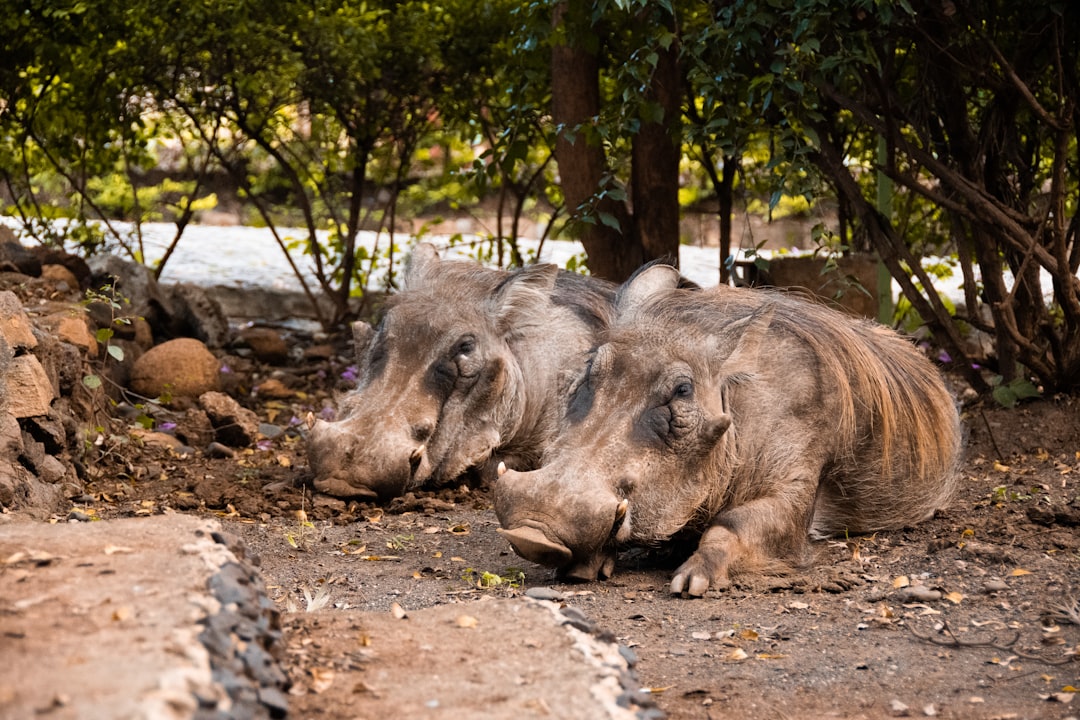
Zebras and wildebeest inhabit Ethiopia's grasslands and savannah areas. These animals migrate seasonally, making July and October–March ideal viewing months. Giraffes are present but not abundant in Ethiopia compared to other African countries. Warthogs are commonly seen near water sources and are active during early morning and late afternoon game drives.
Antelope and Smaller Herbivores
Dik-diks, small antelopes standing only 12–16 inches tall, are adorable and frequently seen near lodges. Kudus are larger antelopes with impressive spiral horns and shy temperament. Gazelles, including the rare Swayne's hartebeest, inhabit Ethiopia's protected areas. Each species requires different habitats, so your guide will take you to the right locations based on animal distribution maps.
Walia ibex is another endemic species found only in the Simien Mountains. These wild goats cling to steep mountain cliffs and are thrilling to observe through binoculars. Oribi, tiny antelopes weighing only 12–16 pounds, blend into grasslands and are challenging to spot. Patient observers during early morning drives have the best success seeing these elusive animals.
Primates and Smaller Mammals
Hamadryas baboons live in groups and inhabit rocky areas near Addis Ababa and other regions. These large primates are impressive to observe in their natural habitat. Colobus monkeys swing through forest canopies and are easily heard before seen. Their distinctive black and white coloring makes them beautiful subjects for wildlife photography during 2026 safaris.
Hyenas hunt nightly and scavenge during daylight hours in Ethiopia's parks. Night game drives offer excellent chances to spot these powerful predators. Jackals are smaller canines that hunt alone or in pairs and are commonly seen in early morning. Porcupines emerge at night and are occasionally spotted near safari lodges.
Birds and Specialized Species
Ethiopia is a birder's paradise with over 850 bird species, including many endemics. The Wattled Crane, Black Eagle, and Lammergeier are among the most sought-after species. Birdwatching is excellent year-round, but July and October–March offer the best opportunities. Many safari packages include dedicated birdwatching guides who specialize in identifying rare species.
Reptiles including the Nile monitor lizard and various snake species inhabit Ethiopia's parks. While less prominent than mammals, reptiles are important ecosystem indicators. Crocodiles inhabit rivers and lakes, particularly in Omo Valley and Awash regions. These prehistoric predators are fascinating to observe from a safe distance during boat excursions.
Peak Viewing Months for Ethiopia Safari Wildlife in 2026
July: The Dry Season Peak
July is the best month for Ethiopia safari wildlife viewing in 2026 due to dry conditions and animal concentration near water sources. Rainfall decreases dramatically, forcing animals to gather at remaining water points. This natural concentration makes spotting wildlife easier and more reliable. Your guide can predict animal locations based on water availability, increasing your sighting success rate.
July temperatures are cooler than other months, making game drives more comfortable. Vegetation is still green from previous rains, creating scenic backdrops for wildlife photography. Prices in July are mid-range, not as high as peak season but reasonable compared to shoulder months. Book your July 2026 safari 3–4 months in advance for the best lodge availability and guide selection.
September: Hidden Gem Month
September offers excellent wildlife viewing with fewer tourists than July or October. Short rains begin in September, but mornings remain dry—ideal for game drives. Animals start dispersing as water becomes available throughout the landscape. This dispersal actually improves viewing diversity as you encounter different species in varied locations.
September prices are lower than peak months, saving you 15–25% on safari packages. Lodges are less crowded, offering more personalized service and attention from guides. The landscape transitions from dry to green, creating dramatic photography opportunities. September is perfect for travelers seeking authentic wildlife experiences without peak season crowds.
October–March: Cool Season Excellence
October through March represents the peak cool, dry season for Ethiopia safari wildlife viewing. These months offer the most comfortable temperatures and most consistent animal sightings. October marks the start of the dry season when animals concentrate near water sources once again. November through January are the coldest months, requiring light jackets for early morning drives.
February and March remain excellent but slightly warmer as temperatures rise before the rains. This extended season gives travelers maximum flexibility for planning 2026 safaris. All major parks are accessible during these months with excellent road conditions. Compare Ethiopia safari packages for these peak months to secure the best rates.
April–June: Rainy Season Considerations
April through June bring heavy rains, making some park roads impassable. Wildlife disperses widely as water becomes abundant everywhere, making sightings more challenging. Lodges offer significant discounts during rainy season, saving budget-conscious travelers 30–40%. Birdwatching remains excellent as migratory species arrive and breeding season begins.
Rainy season suits adventurous travelers willing to trade convenience for savings and solitude. Fewer tourists mean more personal attention from guides and staff. The landscape transforms into lush green paradise, creating stunning photography opportunities. However, most travelers should plan their 2026 Ethiopia safaris for July or October–March for optimal wildlife viewing.
Where to See Ethiopia Safari Wildlife: Top Parks and Locations
Bale Mountains National Park
Bale Mountains National Park is home to Ethiopian wolves, mountain nyalas, and Walia ibex. Located in southeastern Ethiopia, this park protects Africa's rarest carnivores and endemic ungulates. The park covers 2,200 square kilometers of pristine wilderness. Peak viewing for endemic species occurs July and September through December when animals are most active.
Bale Mountains offers incredible trekking alongside game drives, combining wildlife viewing with mountain adventure. The park's high elevation creates cool temperatures perfect for July visits. Gelada baboons inhabit the highlands alongside unique bird species found nowhere else. Most safari packages include 2–3 days in Bale Mountains for comprehensive wildlife viewing.
Simien Mountains National Park
Simien Mountains National Park protects gelada baboons, Walia ibex, and endemic birds. The park's dramatic escarpments and deep valleys create stunning scenery alongside wildlife viewing. Located in northern Ethiopia, Simien Mountains is accessible year-round but best visited October through March. The cool mountain climate makes hiking and game drives comfortable during these months.
Gelada baboon colonies number in the hundreds within Simien Mountains, guaranteeing excellent viewing. You'll witness complex social behaviors and feeding patterns up close. The park's unique ecosystem supports species found nowhere else on Earth. Ethiopia safari tours from Addis frequently include Simien Mountains as a highlight destination.
Omo Valley National Park
Omo Valley National Park is famous for large mammal populations including lions, buffalo, and hippos. Located in southwestern Ethiopia, the park encompasses diverse habitats from grasslands to woodland. The park is less developed than Bale or Simien, offering authentic wilderness experiences. Peak viewing occurs July and October–February when water sources concentrate wildlife.
Omo Valley combines wildlife viewing with visits to indigenous tribes including the Mursi, Hamar, and Karo peoples. This integration of cultural and wildlife experiences makes Omo Valley unique among Ethiopia safari destinations. The park's remote location means fewer tourists and more pristine wildlife encounters. Plan 3–4 days in Omo Valley for comprehensive exploration and animal sightings.
Awash National Park
Awash National Park features lions, zebras, gazelles, and numerous bird species. Located near Addis Ababa, Awash is easily accessible and perfect for shorter safaris. The park surrounds the Awash River, which concentrates wildlife during dry months. Awash is ideal for travelers with limited time or budget constraints.
Awash's proximity to Addis Ababa makes it an excellent first destination for arriving travelers. You can visit Awash in 2–3 days before traveling to more remote parks. The park's accessibility means good road infrastructure and comfortable lodge options. Ethiopia safari lodges range from luxury to budget near Awash National Park.
Planning Your Ethiopia Safari Wildlife Trip in 2026
Best Time to Book Your Safari
Book your 2026 Ethiopia safari 3–6 months in advance for peak season (July and October–March). Early booking secures the best lodges and experienced guides. Last-minute bookings are possible but offer limited lodge selection and higher prices. For July 2026 safaris, book by April. For October 2026 safaris, book by July.
Rainy season safaris (April–June) can be booked 4–6 weeks ahead with no advance notice required. Off-season flexibility allows spontaneous trip planning with significant cost savings. Most travelers should plan 2026 safaris during peak viewing months for optimal wildlife encounters. Ethiopia safari costs for 7-day budgets under $2,000 require early booking and flexible dates.
Preparing for Wildlife Viewing
Bring binoculars, camera with zoom lens, and neutral-colored clothing for optimal wildlife viewing. Early morning game drives (5–7 AM) offer the best animal activity. Afternoon drives (3–5 PM) are secondary but still productive. Night game drives reveal nocturnal species like hyenas, jackals, and porcupines.
Your safari guide is crucial for wildlife spotting success. Request experienced guides who know animal behavior and habitat preferences. Guides can identify sounds indicating nearby animals and predict movement patterns. Tipping your guide $5–10 daily is customary and encourages extra effort in finding rare species.
Physical Requirements and Safety
Ethiopia safaris require moderate fitness for hiking and game drives lasting 6–8 hours daily. Pack sunscreen, insect repellent, and a wide-brimmed hat for sun protection. Malaria prevention is recommended for lower-elevation parks like Omo Valley and Awash. Consult your doctor about antimalarial medications before travel.
Ethiopia's safari roads are improving but remain rough in remote areas. Expect bumpy rides and bring motion sickness medication if needed. Travel insurance covering evacuation is essential for remote park visits. Ethiopia safari safety in 2026 has improved significantly with better infrastructure and trained guides.
Comparing Operators and Packages
Ethiopia safari operators vary widely in experience, equipment, and customer service quality. Compare multiple operators on SafariFind to find verified companies with authentic reviews. Read recent traveler feedback about guide quality, vehicle condition, and lodge standards. Request quotes from 3–5 operators before deciding.
Package inclusions differ significantly between operators regarding meals, drinks, and park fees. Some packages include flights between parks while others require additional payments. Confirm what's included before booking to avoid surprise costs. Budget-friendly packages ($1,500–$2,000) offer basic comfort, while premium packages ($3,000–$3,500) include luxury lodges and private vehicles.
Key Takeaways
- Book your Ethiopia safari 3–6 months ahead during July and October–March peak seasons to secure the best lodges and experienced guides for optimal wildlife viewing.
- Expect to see 31 endemic animal species including Ethiopian wolves, gelada baboons, and mountain nyalas found nowhere else on Earth during your 2026 safari.
- Plan 7–10 days to visit multiple parks (Bale Mountains, Simien Mountains, Omo Valley) and maximize your chances of spotting rare and unique wildlife species.
- Budget $1,500–$3,500 per person for 7 days in 2026, significantly less than Kenya or Tanzania safaris while offering more authentic and less crowded experiences.
- Choose September or off-season months (April–June) to save 15–40% on safari packages and enjoy fewer tourists while still experiencing excellent wildlife viewing opportunities.
Frequently Asked Questions
What is the best month to visit Ethiopia for safari wildlife viewing?
July is the best month for Ethiopia safari wildlife in 2026 due to dry conditions and concentrated animal populations near water sources. October through March are also excellent, offering cool temperatures and diverse wildlife sightings. July and October–March combine optimal viewing conditions with reasonable weather for game drives.
How much does an Ethiopia safari cost in 2026?
A 7-day Ethiopia safari costs $1,500–$3,500 per person in 2026, depending on lodge quality and park locations. Budget packages ($1,500–$2,000) include basic lodges and shared vehicles. Premium packages ($3,000–$3,500) feature luxury lodges and private game drive vehicles. Off-season safaris cost 15–40% less than peak season packages.
What animals are unique to Ethiopia that I won't see elsewhere?
Ethiopia has 31 endemic animal species found nowhere else on Earth, including Ethiopian wolves, gelada baboons, mountain nyalas, and Walia ibex. Ethiopian wolves are Africa's rarest carnivore with only 400–500 remaining. Gelada baboons live only in Ethiopia's highlands and are fascinating to observe in large social groups.
Is Ethiopia safari safe compared to Kenya or Tanzania?
Ethiopia safaris are safe with proper precautions and travel during stable periods. The country's tourism infrastructure and guide training have improved significantly in 2026. Travel insurance and antimalarial medications are recommended, particularly for lower-elevation parks. Check current Ethiopia safari safety information before booking your trip.
How does Ethiopia safari compare to Kenya or Tanzania safaris?
Ethiopia safaris cost 20–30% less than Kenya or Tanzania safaris for comparable 7-day packages in 2026. Ethiopia offers unique endemic wildlife instead of the Big Five, appealing to adventurous travelers. Ethiopia safari vs Kenya comparisons show Ethiopia provides better value with fewer tourists and more authentic experiences.
How do I book an Ethiopia safari with verified operators?
Use SafariFind to compare verified Ethiopia safari operators with authentic customer reviews and ratings. Request quotes from multiple operators and compare package inclusions, lodge quality, and guide experience. Read recent traveler reviews to assess service quality. SafariFind makes it easy to find trusted operators and book your perfect 2026 safari adventure.
Conclusion
Ethiopia safari wildlife in 2026 offers an unforgettable adventure featuring 31 endemic species and authentic African experiences. The country's unique animals—Ethiopian wolves, gelada baboons, and mountain nyalas—exist nowhere else on Earth, making Ethiopia a truly special destination. Peak viewing months are July and October through March, when animals concentrate near water sources and cooler temperatures create comfortable safari conditions. A 7-day Ethiopia safari costs $1,500–$3,500 per person, significantly less than comparable East African safaris while delivering more authentic, less crowded wildlife encounters.
Planning your 2026 Ethiopia safari requires 3–6 months advance booking during peak season to secure the best lodges and experienced guides. Visit multiple parks including Bale Mountains National Park for endemic carnivores, Simien Mountains for gelada baboons, and Omo Valley for large mammal populations. Each destination offers distinct wildlife species and unforgettable experiences. The combination of wildlife viewing, cultural encounters with indigenous tribes, and dramatic mountain scenery makes Ethiopia safaris uniquely rewarding.
Start planning your 2026 Ethiopia safari today by comparing verified operators on SafariFind. Browse safari packages, read authentic reviews from previous travelers, and request quotes from multiple companies. SafariFind helps you find the perfect balance between budget, wildlife viewing opportunities, and lodge quality. Your Ethiopian safari adventure awaits—book your package now and experience Africa's most unique and affordable wildlife destination.
Plan Your Safari with SafariFind
These recommendations use real data from SafariFind, where you can compare operators, browse packages, and read verified traveler reviews before you book.
Recommended Safari Operators from SafariFind
Recommended Safari Packages from SafariFind
What Travelers Say (SafariFind Reviews)
References
- Wildlife Viewing - Machu Picchu Official Site
- Is Ethiopia Good for Safari? 2026 Parks, Prices and Wildlife - SafariFind
- Wildlife Vacations in Ethiopia 2026 & 2027 - Responsible Travel
- Ethiopia Safari Hidden Wildlife Gems: Why 2026 is the Year for an Unconventional African Safari - Safari Deal
- Wildlife Holidays in Ethiopia 2026/27 - Naturetrek
- Ethiopia Animals – Wildlife in Ethiopia - Safari Bookings
- Ethiopia Tours & Travel Packages 2026 - African Budget Safaris
- Ethiopia Wildlife Tours - Brilliant Ethiopia
Sources
- Wildlife Viewing - Machu Picchu Official Site
- Is Ethiopia Good for Safari? 2026 Parks, Prices and Wildlife - SafariFind
- Wildlife Vacations in Ethiopia 2026 & 2027 - Responsible Travel
- Ethiopia Safari Hidden Wildlife Gems: Why 2026 is the Year for an Unconventional African Safari - Safari Deal
- Wildlife Holidays in Ethiopia 2026/27 - Naturetrek
- Ethiopia Animals – Wildlife in Ethiopia - Safari Bookings
- Ethiopia Tours & Travel Packages 2026 - African Budget Safaris
- Ethiopia Wildlife Tours - Brilliant Ethiopia
Related to
Ready to start your safari adventure?
Explore curated safari packages and find your perfect African adventure with verified operators.


