To scale affiliate income travel creators need more than more links. They need a repeatable system that attracts travelers with buying intent, matches them with relevant offers, and measures which content actually leads to completed bookings.
Many creators begin by earning occasional commissions from hotel links, travel gear, or booking platforms. That is useful proof of concept, but it rarely becomes dependable income on its own. Full-time affiliate income comes from improving four levers: qualified traffic, conversion rate, booking value, and repeatable distribution.
In travel, the strongest opportunity is often not the broadest destination content. It is content that helps someone make a decision: choosing a safari itinerary, comparing regions, understanding costs, selecting dates, or finding an operator that fits their travel style. These readers may be smaller in number than general inspiration audiences, but they are much closer to booking.
Start with the affiliate income math
Before setting a full-time income goal, calculate the number of referred bookings, sales, or leads you would need each month. This turns an ambitious target into an operating plan.
Use this simple formula:
Monthly affiliate income = qualified clicks × conversion rate × average commission per conversion
For example, if a creator earns an average of $150 per qualifying safari booking, then 20 completed referrals would produce approximately $3,000 in affiliate income. That does not mean every creator will reach that volume, and travel bookings can be cancelled or delayed. It does show why higher-consideration products can require fewer conversions than low-priced items.
Track these numbers by partner and content type:
- Clicks: How many people reach the affiliate destination?
- Click-through rate: Which pages, videos, emails, or Stories motivate action?
- Conversion rate: How often do referred visitors book or buy?
- Average earnings per conversion: Which offers make a meaningful contribution?
- Time to commission: Does payment depend on confirmation, travel completion, or a return window?
- Cancellation rate: Are expected commissions being clawed back?
Do not use gross clicks as your primary success metric. A small guide that sends 100 highly relevant people to a safari specialist can be more valuable than a viral Reel that sends 10,000 casual viewers to a generic booking page.
Choose offers with enough booking value to scale
A common growth trap is promoting only products with low order values. Small commissions can add up, but they demand large traffic volumes. A balanced travel affiliate portfolio includes offers at different points in the traveler journey.
Build a three-layer offer mix
- Planning-stage offers: eSIMs, luggage, guidebooks, travel insurance, airport transfers, and gear. These can serve early planners and generate frequent, smaller transactions.
- Booking-stage offers: hotels, tours, car rentals, rail passes, activities, and flights. These are useful when your audience is comparing practical trip options.
- High-value, specialist offers: custom tours, expedition cruises, group trips, and safaris. These have longer decision cycles but can create stronger earnings per completed booking.
Diversification matters because travel demand is seasonal and travelers do not buy every product at once. However, avoid joining dozens of programs simply to have more links. Start with a small group of partners you can genuinely explain, test, and support with useful content.
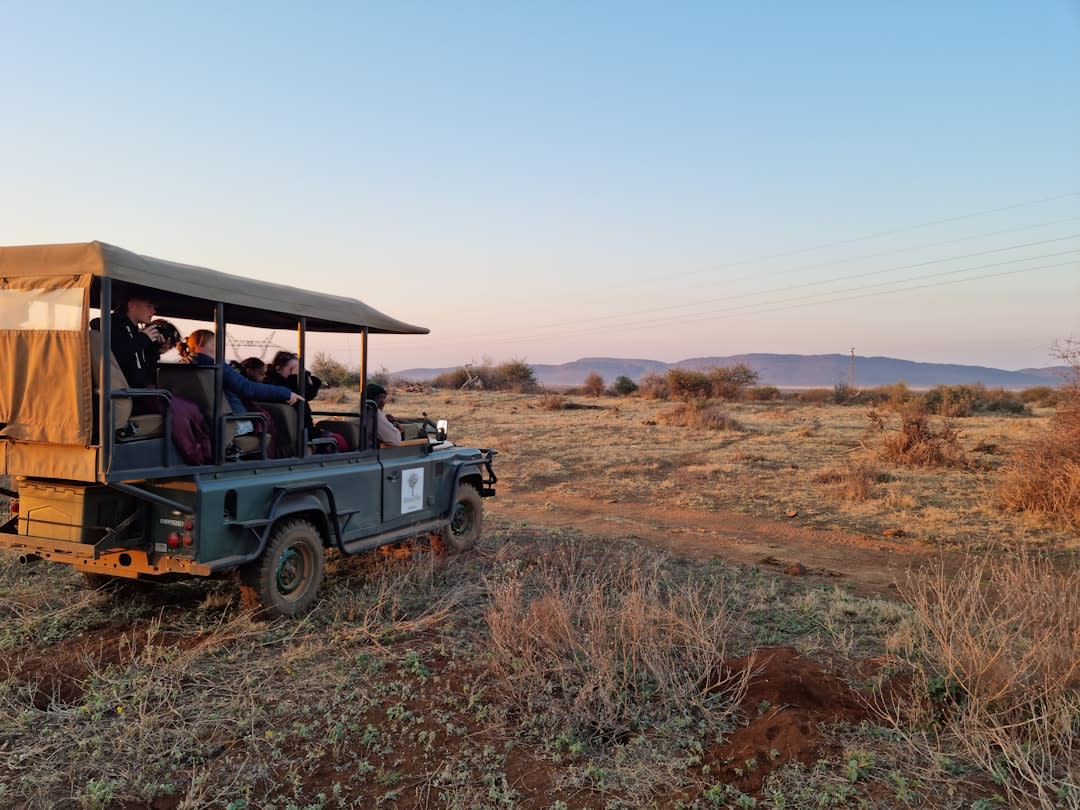
African safaris are one of the more compelling high-ticket categories for creators with an audience interested in wildlife, photography, conservation, luxury travel, family trips, honeymoons, or once-in-a-lifetime experiences. Safari bookings often range from $1,000 to $10,000 or more, while the online content landscape remains less saturated than general hotel or city-break content.
SafariFind is a practical featured option for creators serving that audience. Its Partner Program is free to join, welcomes content creators, influencers, and affiliates, and typically approves applications within 12 hours. Partners earn a 30% revenue share on safari bookings they refer. That is a 30% share of SafariFind’s revenue on the booking, not 30% of the traveler’s booking price. As an illustration, a $3,000 safari booking may earn a creator around $150, depending on the booking and revenue generated.
If safari content is a fit for your audience, you can join the SafariFind Partner Program and begin testing trackable links against your existing destination guides, videos, and email content.
Create content for travelers who are deciding
Travel inspiration still has a role: it builds reach and introduces people to a destination. But affiliate revenue often concentrates later, when travelers are comparing options and looking for reassurance before they spend.
Prioritize pages and videos that answer the questions your audience asks immediately before booking:
- How much does a Kenya safari cost for a couple?
- Is Tanzania or South Africa better for a first safari?
- What is the best month for the Great Migration?
- Which safari works for families with teenagers?
- How many days do you need for Kruger National Park?
- What is included in a safari package, and what costs extra?
- How do you choose between a lodge safari and a mobile camp?
These topics work because they reduce uncertainty. They also give you natural opportunities to recommend a relevant booking option without forcing a link into unrelated content.
Use the decision-content framework
For every commercial travel guide, include the information a careful traveler needs to evaluate an option:
- Who it is for: Define the traveler, budget range, mobility needs, group type, and travel style.
- What it costs: Use realistic ranges and explain what affects the price, such as season, park fees, flights, accommodation, and private versus shared vehicles.
- What to compare: Explain meaningful trade-offs rather than declaring one option universally best.
- What can go wrong: Cover weather, long drives, visa rules, baggage limits, wildlife unpredictability, and cancellation terms where relevant.
- What to do next: Give readers a clear route to compare suitable itineraries or request more information.
First-hand reporting is especially valuable. Use your own photographs, route notes, conversations with guides, packing lessons, and honest observations. If you have not personally visited a destination or used a product, say so. You can still create a researched guide, but do not imply personal experience you do not have.
Turn one travel topic into a conversion path
Scaling does not mean producing entirely new ideas every day. It means building a content cluster that supports one high-intent topic across search, social, video, and email.
Take a Tanzania safari as an example:
- Pillar article: “How to Plan a First Tanzania Safari: Budget, Parks, and Itineraries.”
- Comparison article: “Serengeti vs Ngorongoro Crater: Which Should You Choose?”
- Video: A seven-day itinerary breakdown with practical footage, maps, and costs.
- Short-form posts: “Three mistakes first-time safari travelers make” or “What a safari day actually looks like.”
- Email lead magnet: A safari planning checklist or sample budget worksheet.
- Newsletter sequence: Advice on timing, accommodation styles, packing, and itinerary selection.
Each asset should link naturally to the next helpful resource. The pillar guide might send readers to a comparison page; the comparison page can direct qualified readers to an itinerary search or booking partner. This creates multiple chances to help the traveler without repeating the same sales message.
Own an audience channel, not just a social feed
Short-form video can introduce your work to new people, particularly when you show specific travel knowledge in a compact format. But platform reach changes, links can be limited, and viral views are not the same as purchase intent.
Build an owned channel alongside social distribution. For most creators, that means an email list, a searchable website, or both. Email is particularly useful for expensive, researched purchases because people may need weeks or months to decide.
Create a simple opt-in that solves a real planning problem: a safari budget calculator, a country comparison sheet, a seasonal wildlife calendar, or a packing list. Then send useful follow-up emails that answer questions and disclose affiliate relationships clearly.
Rather than sending one generic promotional email, segment subscribers when possible. Someone downloading a Botswana luxury safari guide needs different advice from someone researching a budget-friendly family trip to South Africa.
Improve conversion before chasing more traffic
If a useful page already ranks or receives steady views, optimize it before creating ten more articles. Small improvements to a page with existing traffic can produce faster results than starting from zero.
Run a monthly optimization review
- Check which pages generate outbound affiliate clicks and which do not.
- Compare the wording, placement, and context of calls to action on your best-performing pages.
- Add recent pricing context, seasonal details, maps, FAQs, and original visuals where they improve usefulness.
- Replace broad calls to action such as “Book now” with specific next steps such as “Compare family-friendly safari itineraries.”
- Confirm that every link works on mobile and opens the most relevant destination page.
- Review tracking data by source so you know whether search, YouTube, Instagram, Pinterest, or email produces qualified clicks.
SafariFind provides trackable links, real-time analytics, a low payout threshold, and embeddable widgets that can match your site’s visual style. A widget can be useful inside a relevant planning guide because it gives readers a direct way to explore options without making your page feel like a list of text links.
Use the data to make editorial decisions. If a “best safari for couples” guide drives more qualified bookings than a broad wildlife listicle, expand that cluster with honeymoon budgets, seasonal advice, and lodge-style comparisons.
Protect trust as revenue grows
Trust is the asset that makes affiliate marketing sustainable. Travelers are spending meaningful amounts of money and may be planning a trip for years. A recommendation that feels vague, misleading, or poorly disclosed can damage a relationship that took years to build.
Follow these practices:
- Place a clear affiliate disclosure near relevant links and in your site footer or disclosure page.
- Explain why you recommend an option and who should not choose it.
- Never present estimates, availability, wildlife sightings, or prices as guarantees.
- Update articles when entry rules, prices, routes, or partner terms change.
- Do not hide limitations, such as long travel times, age restrictions, or seasonal weather.
- Use nofollow or sponsored link attributes where appropriate for your platform and comply with local advertising disclosure rules.
Trust also improves conversions. Readers are more likely to use a link when the creator has already answered the difficult questions and made the commercial relationship clear.
Build a 90-day plan to scale travel affiliate income
Days 1–30: Audit and focus
Review your existing content, traffic sources, and affiliate dashboard. Identify the five pages or videos closest to a booking decision. Choose one or two high-value categories to prioritize, then set a realistic monthly target based on average commission rather than impressions.
Days 31–60: Publish a decision-stage cluster
Create one comprehensive guide, two comparison pieces, and several short-form assets around the same trip type. Add contextual links, clear disclosures, and an email opt-in. Refresh older related content so it points into the new cluster.
Days 61–90: Measure, improve, and repeat
Review clicks, conversions, earnings per click, email sign-ups, and top referral sources. Improve the pages that attract relevant clicks. Double down on the topic, format, and channel that produce the highest-quality traffic, not simply the most traffic.
For creators ready to add a higher-value niche, join the SafariFind Partner Program. You can use its tracking links, customizable widgets, and analytics to test whether African safari planning content can become a durable part of your revenue mix.
Start building income that fits your expertise
Full-time affiliate income is usually the result of focused publishing, patient measurement, and trustworthy recommendations—not a single viral post. Pick a travel category where your knowledge helps people make an expensive or complicated decision, create the content they need before booking, and improve it using real performance data.
A focused safari content library can give wildlife, Africa, photography, luxury, family, and adventure travel creators a credible route into a high-value, underserved category. Start with one useful guide, one clear audience need, and one measurable next step.
Frequently Asked Questions
How much can travel creators earn with affiliate marketing?
Travel creator earnings vary widely based on audience intent, traffic, conversion rates, commission terms, and booking value. Smaller offers may pay modest commissions but convert frequently, while specialist trips can produce higher earnings per completed booking. Calculate your target using qualified clicks, conversion rate, and average commission rather than relying on follower count.
How do I scale affiliate income from side money to full-time?
Focus on decision-stage content, choose offers with meaningful earnings per conversion, build an email list or website you control, and review performance data monthly. Scaling usually comes from improving proven content and conversion paths before increasing publishing volume.
What travel affiliate content converts best in 2026?
Comparison guides, itinerary planning articles, cost breakdowns, seasonal advice, packing guides, and audience-specific recommendations often convert well because they help travelers make decisions. Content should answer practical questions about price, suitability, timing, inclusions, and trade-offs.
Is African safari affiliate marketing a good niche?
It can be a strong niche for creators with relevant audiences because safari bookings are often high value and the category is less crowded than general travel booking content. It is best suited to creators who can provide useful planning guidance on destinations, budgets, wildlife, travel styles, or itineraries.
How does the SafariFind Partner Program pay creators?
SafariFind partners earn a 30% revenue share on every safari booking they refer. This is a share of SafariFind's revenue on the booking, not 30% of the traveler’s booking price. For example, a $3,000 safari booking may earn around $150, depending on the revenue generated.
Is the SafariFind Partner Program free to join?
Yes. The SafariFind Partner Program is free to join and is open to content creators, influencers, and affiliates. Applications are typically approved within 12 hours.
What tools do SafariFind partners receive?
Partners receive trackable links, embeddable widgets that can match their site style, real-time analytics, and a low payout threshold. These tools help creators measure which content and traffic sources produce qualified referrals.
Do travel creators need a large following to earn affiliate income?
No. A smaller audience with strong trust and a clear travel need can outperform a large general audience. Search traffic, email subscribers, YouTube viewers, and niche community members can all convert when the content matches a real booking decision.