Human–Wildlife Conflict in Botswana 2026: Status & Solutions
Botswana's human–wildlife conflict—driven by habitat loss, elephant dispersal, and climate change—threatens both communities and conservation. Integrated programmes combining land-use planning, non-lethal deterrents, and community engagement are reducing livestock losses and retaliatory killings.
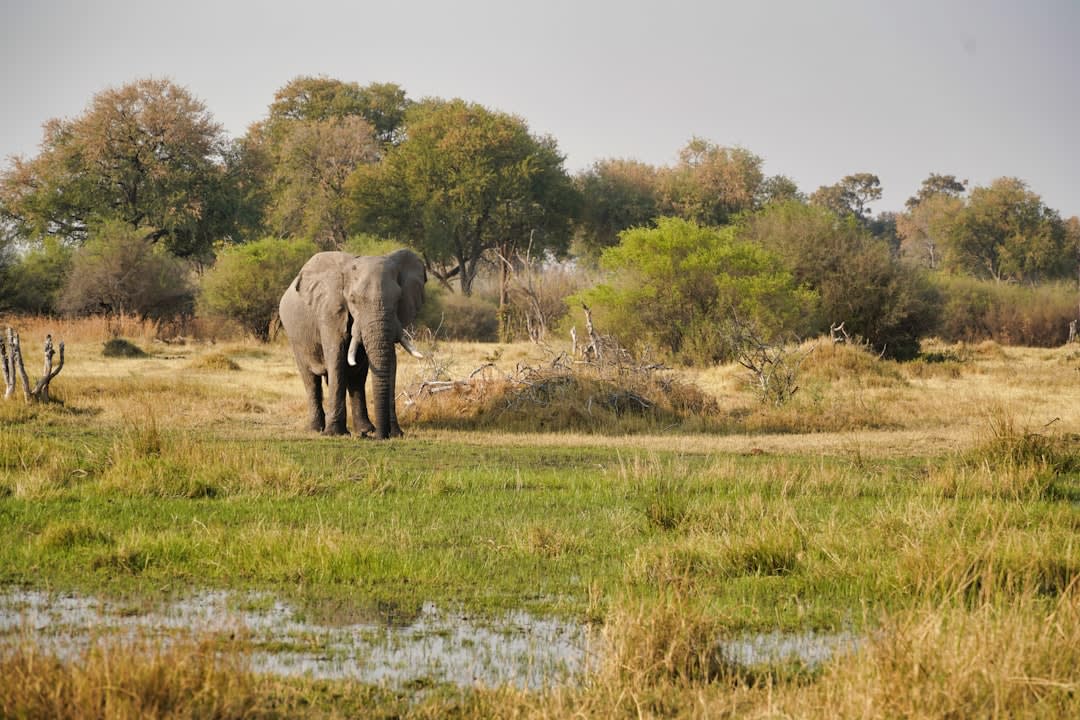
Quick Answer: The Current State of Human–Wildlife Conflict in Botswana
Human–wildlife conflict (HWC) in Botswana is escalating as expanding human settlements and agriculture fragment habitats, pushing large predators and elephants into farmland and villages. Elephants, lions, hyaenas, and African wild dogs cause the most significant livestock losses and property damage, particularly in Chobe District, Kgalagadi, and Ghanzi districts. The primary drivers are habitat loss, high elephant populations, weak land-use planning, and climate-related changes in animal movement patterns. However, innovative programmes—including the Long Shields Lion Guardian Programme, Ecoexist Trust's Land Use Conflict Identification Strategy (LUCIS) modelling, and non-lethal deterrent testing—are demonstrating that livestock losses can be halved when communities and conservation organisations work together.
Why Human–Wildlife Conflict Matters in Botswana
Botswana has designated over 40% of its land surface to national parks and game reserves, making it a global conservation priority. Yet this conservation success creates a paradox: as wildlife populations recover and human populations expand, the boundary between protected areas and farming communities becomes increasingly porous. Rural communities in Wildlife Management Areas (WMAs)—particularly in Kgalagadi (southwest), Chobe, and Ghanzi districts—live in proximity to the Central Kalahari Game Reserve, Kalahari Transfrontier Park, and Chobe National Park. For smallholder herders like Gadiphimolwe Kenekare, who tends 60 cattle in Kgalagadi, the threat is immediate: lions and leopards hunt livestock after dark, eroding livelihoods and deepening resentment toward wildlife conservation.
HWC is not merely an ecological problem—it is a social and economic one. Crop raiding, livestock predation, property damage, and threats to human safety reduce community tolerance for wildlife and drive retaliatory killings. Without addressing the underlying drivers and needs of local people, conservation goals become unattainable. This is why the United Nations Sustainable Development Cooperation Framework for Botswana (2022–2026) and the Ministry of Environment, Natural Resource, Conservation and Tourism prioritise integrated human–wildlife coexistence strategies.
The Core Drivers of Human–Wildlife Conflict in Botswana
Habitat Loss and Land-Use Change
Habitat destruction and conversion are the primary structural drivers of HWC in Botswana. Expansion of human settlements, livestock grazing into Wildlife Management Areas, and arable agriculture in wildlife-rich habitats have directly increased predator depredations on livestock. Veterinary disease control fences historically restricted wildlife movement; in the past decade, the policy to allocate fenced ranches in communal areas has accelerated these barriers, fragmenting critical wildlife corridors.
A 2026 study published in Integrative Conservation by Adams, Leggett, Chase, and Tucker investigated wildlife use of corridors in Chobe District, where human development has intensified. Using camera traps to monitor wildlife presence in pathways connecting habitats through farmland and towns, the researchers found that baboons, hyaenas, antelope, and sable responded differently depending on the species and landscape type. Species that shared temporal space with people in farming areas faced greater conflict risk. These findings underscore how poor land-use planning—insufficient enforcement and inadequate consideration of wildlife movement—exacerbates HWC.
Escalating Elephant Populations and Dispersal
Elephant conflict is the prevailing issue in contemporary Botswana. The dispersal of elephants into new ranges brings them into direct conflict with expanding human populations. Elephants frequently attack homes, buildings, and people—not merely raiding crops. The elephant population has expanded to levels the ecosystem cannot support, creating both ecological and safety hazards for communities.
Conflict significantly increased after Botswana's hunting moratorium in 2014, but due to mounting community needs and wildlife management imperatives, the moratorium was lifted in 2019. Research led by Bouwman and colleagues (2026) in the Journal of Animal Ecology examined 19 years of GPS data from African elephants to understand how they respond to drought across different timescales. The study found that droughts—increasingly frequent and intense globally—drive elephants to alter their space use and habitat selection, pushing them into areas where they overlap with human settlements and agriculture. This behaviour change is a direct result of climate stress, illustrating how climate change compounds HWC pressures.
Predator–Livestock Conflict
Lions and hyaenas are the species most commonly responsible for livestock predation in Botswana and adjacent areas. In Kgalagadi, herders face nightly threats as predators hunt cattle. The Long Shields Lion Guardian Programme, operating since 2013 across over 50 villages in the region, has demonstrated that structured community monitoring and patrols can halve livestock losses. However, without such programmes, retaliatory killing of predators remains common, undermining conservation goals.
Emerging research on African wild dogs and cheetah conflicts is expanding. University of Washington researchers, including Briana Abrahms, have been collecting data in Botswana on how African wild dogs and other predators interact with communities, particularly as climate change alters animal behaviour and movement patterns. This research aims to develop "Rosetta stones"—predictive frameworks—to anticipate when conflicts will occur and enable proactive policy interventions.
Climate Change and Shifting Animal Behaviour
Climate change is fundamentally altering when and where wildlife moves, increasing human–wildlife encounters. Seasonal changes, extended droughts, and altered precipitation patterns shift the timing of animal life cycles and migration routes. When wildlife behaviour changes, animals may enter human-dominated landscapes at unexpected times, surprising communities and increasing conflict risk. The research by Bouwman et al. (2026) and Abrahms' ongoing work in Botswana both highlight this dynamic: understanding how animals respond to climate variability is essential to developing effective mitigation strategies.
What Is Being Done: Programmes, Organisations, and Technology
The Long Shields Lion Guardian Programme
The Long Shields Lion Guardian Programme, launched in 2013 by WildCRU's Wildlife and Community Action Trust (WildCAT) in collaboration with local communities around Hwange National Park and into Botswana, represents a landmark community-based approach. Over 50 villages now participate, using a combination of:
- Lion monitoring and patrols
- Deterring detected predators
- Reacting to conflict incidents
- Recovering lost livestock
- Mobile livestock communal enclosures
The results are striking: livestock losses have halved, and significantly fewer lions have been killed in retaliation. This success was recognised by the IUCN SSC Human–Wildlife Conflict and Coexistence Specialist Group as a case study in 2023, showcasing how understanding, innovation, and collaborative problem-solving can address HWC at scale.
Ecoexist Trust and Land-Use Conflict Identification Strategy (LUCIS)
To address human–elephant conflict, Ecoexist Trust—an ECF (Elephant Crisis Fund) grantee—is employing a holistic approach that balances the needs of both elephants and people. Using Land Use Conflict Identification Strategy (LUCIS) modelling, Ecoexist combines GIS mapping with stakeholder participation to identify the most suitable zones for different land uses, preventing overlap between people and elephants and thus avoiding conflict before it occurs. This proactive, spatial planning approach is a significant departure from reactive conflict management, and it explicitly protects elephant corridors from future development.
Non-Lethal Deterrent Research and Testing
Nelson Institute PhD student Gabi Fleury, in collaboration with Cheetah Conservation Botswana (CCB) and Botswana Predator Conservation (BPC), is designing a carnivore–livestock conflict mitigation project in Ghanzi District, Western Botswana. The project tests new non-lethal deterrents—tactics using sound, light, scent, or other methods to scare carnivores away from farms without harming them. By creating evidence for which deterrents work best in Botswana's specific ecological and social context, this research will provide practical tools for communities to reduce conflict while maintaining predator populations.
Real-Time Monitoring with EarthRanger Technology
A US$7.2 million GEF-funded project (July 2022–March 2026) is deploying EarthRanger software to improve management of 4.9 million hectares of Protected Areas across three African countries, including Botswana's Chobe National Park. EarthRanger combines real-time data from ranger patrols, remote imaging, and sensors to provide monitoring information that helps keep wildlife, habitats, and communities safe. The system enables Protected Area managers and rangers to detect and respond to poaching, human–wildlife conflict incidents, and habitat threats more rapidly and effectively. This technology enhances law enforcement capacity and supports proactive conflict prevention, particularly in border areas like Chobe's 150-kilometre boundary with communal lands.
Community Engagement and Monitoring Programmes
BirdLife Botswana has been working with local communities in rural areas to build understanding of wildlife ecology and the value of conservation. Training programmes have equipped community members—such as Kerapetse Xaasane in Kgalagadi—with skills to monitor and conserve birds, particularly vultures, and to collect natural resource data using the Management Orientated Monitoring System. By making communities active participants in data collection and resource management, these programmes foster both conservation outcomes and local stewardship.
International Funding and Capacity Building
International support has bolstered Botswana's conflict mitigation capacity. The Wildlife Conservation Fund's Lion Recovery Fund granted US$300,000 over three years to Kalahari Research and Conservation to develop projects preventing critical habitat loss, increasing wildlife management capacity, and addressing human–lion conflict. The Chinese Embassy donated US$1.7 million in goods for wildlife protection in 2015, including support for wildlife translocations into the Central Kalahari Game Reserve. USAID finances Forest Conservation Botswana, an US$8 million conservation project providing grants to NGOs for forest conservation across the country. These investments underscore the international recognition of Botswana's conservation challenges and opportunities.
The Role of Tourism and Safari Operations in Funding Protection
Botswana's high-value, low-volume tourism model—centred on iconic destinations like the Okavango Delta and Chobe—generates revenue that funds conservation and community development. Protected area fee reforms have been particularly impactful: in collaboration with BIOFIN (UNDP Biodiversity Finance Initiative), Botswana revised its protected area fee structure, increasing annual revenue from a projected US$1.8 million to US$7.8 million in the first year alone. These funds are reinvested into conservation infrastructure, ranger support, and community programmes that directly reduce human–wildlife conflict.
Responsible safari tourism—booked through operators committed to conservation—funds anti-poaching patrols, ranger training, and community engagement. Travellers visiting Chobe, the Central Kalahari, or other reserves support the rangers, researchers, and community monitors working to mitigate conflict daily. SafariFind enables travellers to book conservation-supporting safaris that directly contribute to these protection efforts.
Results, Progress, and Remaining Challenges
Documented Successes
Livestock loss reduction: The Long Shields Lion Guardian Programme has halved livestock losses in over 50 participating villages, demonstrating that structured community engagement works.
Retaliatory killing decline: Significantly fewer lions are being killed in retaliation in areas where the Long Shields Programme operates, protecting apex predator populations.
Revenue growth for conservation: Protected area fee reforms have increased annual conservation funding from US$1.8 million to US$7.8 million, directly supporting conflict mitigation infrastructure and ranger salaries.
Snare removal and anti-poaching: In the Tuli area, conservation volunteers removed over 1,500 snares in 2017 alone, with sustained efforts reducing poaching activity and supporting wildlife recovery.
Research-informed policy: University of Washington and WildCRU research is generating evidence on animal behaviour, climate impacts, and effective deterrents, enabling governments to develop proactive, context-specific policies.
Persistent Challenges
Elephant overpopulation: Despite mitigation efforts, elephant populations remain at unsustainable levels in many areas, with conflict continuing to rise. The 2019 lifting of the hunting moratorium has not yet fully addressed the scale of human–elephant coexistence challenges.
Weak land-use planning enforcement: While LUCIS modelling and spatial planning are advancing, enforcement of land-use restrictions and protection of wildlife corridors remains inconsistent across districts.
Climate variability: Increasing drought frequency and intensity are pushing animals into human areas unpredictably, outpacing the ability of current deterrent and monitoring systems to respond.
Limited community income alternatives: Livestock herding remains a primary livelihood in rural areas; without viable economic alternatives, communities cannot easily abandon farming practices that conflict with wildlife.
Scaling challenges: While programmes like Long Shields work in over 50 villages, vast areas of Botswana remain without structured conflict mitigation support. Funding and technical capacity gaps limit expansion.
How Travellers and Visitors Can Support Human–Wildlife Coexistence
- Choose conservation-certified operators: Book safaris with lodges and tour companies that fund anti-poaching, ranger training, and community programmes. SafariFind features operators committed to these standards.
- Support community-based tourism: Visit conservancies and WMAs where tourism revenue directly benefits local communities, creating economic incentives for wildlife protection over retaliation.
- Engage respectfully with research: If you encounter UW, WildCRU, or other researchers in the field, support their work—their findings directly improve conflict mitigation policies.
- Donate to vetted organisations: Wildlife Conservation Network, Ecoexist Trust, Botswana Predator Conservation, and Cheetah Conservation Botswana all work on HWC mitigation and welcome support.
- Advocate for climate-informed conservation: Climate change is amplifying HWC. Support conservation organisations that address both wildlife and climate resilience.
- Respect protected area boundaries: Adhere to park regulations and ranger guidance; this supports law enforcement and reduces human pressure on wildlife.
Looking Ahead: 2026 and Beyond
By 2026, Botswana's human–wildlife conflict landscape will be shaped by the success or failure of current initiatives. The EarthRanger deployment in Chobe will demonstrate whether real-time technology can scale HWC response. LUCIS modelling outcomes in elephant conflict zones will test whether spatial planning can prevent future conflicts. Non-lethal deterrent research will provide practical tools for communities. And the Long Shields programme's expansion will show whether community engagement can be replicated across more villages and species.
The underlying drivers—habitat loss, climate change, and the pressure of human population growth—will continue unless integrated, landscape-level solutions are implemented. The UN Sustainable Development Cooperation Framework and Botswana's protected area revenue reforms signal political will. What is needed now is sustained funding, technical capacity, and genuine partnership between government, NGOs, researchers, and communities.
Human–wildlife coexistence in Botswana is not inevitable. It is a deliberate, ongoing process of adaptation that requires data, innovation, and commitment to both ecological protection and community needs. The programmes and people working on this challenge today—from the herders of Kgalagadi to the researchers at the University of Washington and WildCRU—are demonstrating that coexistence is possible. The next chapter depends on scaling these successes and ensuring no community or species is left behind.
Last reviewed July 2026. Conservation data changes — see the cited sources for the latest figures.
Frequently Asked Questions
What is the main cause of human–wildlife conflict in Botswana?
Habitat loss and land-use change are the primary drivers. Expansion of human settlements, livestock grazing in Wildlife Management Areas, and arable agriculture in wildlife-rich habitats force predators and elephants into farmland and villages, increasing conflict. Climate change also alters animal movement patterns, pushing wildlife into human areas unpredictably.
Which animals cause the most conflict in Botswana?
Elephants, lions, hyaenas, and African wild dogs are the main conflict species. Elephants are the prevailing issue, attacking homes and people, not just crops. Lions and hyaenas are the most common livestock predators.
What is the Long Shields Lion Guardian Programme?
Launched in 2013 by WildCRU's Wildlife and Community Action Trust, the Long Shields Programme operates across over 50 villages, using lion monitoring, patrols, deterrence, and mobile livestock enclosures. It has halved livestock losses and significantly reduced retaliatory lion killings.
How has Botswana's hunting moratorium on elephants affected conflict?
Conflict significantly increased after the 2014 hunting moratorium. Due to mounting community needs and wildlife management pressures, the moratorium was lifted in 2019. Elephant populations have grown to unsustainable levels, intensifying human–elephant coexistence challenges.
What is LUCIS modelling, and how does it help with human–elephant conflict?
LUCIS (Land Use Conflict Identification Strategy) combines GIS mapping with stakeholder participation to identify suitable zones for different land uses, preventing overlap between people and elephants. Ecoexist Trust uses LUCIS to protect elephant corridors from development and anticipate conflict hotspots.
How much revenue does Botswana's protected area system generate for conservation?
After fee reforms in partnership with BIOFIN, Botswana increased protected area revenue from a projected US$1.8 million to US$7.8 million in the first year alone. These funds are reinvested in conservation infrastructure, ranger support, and community programmes.
What role does climate change play in human–wildlife conflict in Botswana?
Climate change alters the timing and location of animal movement patterns, causing wildlife to enter human areas unpredictably. Droughts push elephants to shift their habitat use and space use, increasing overlap with human settlements. This compounds conflict risks and makes mitigation harder.
Are non-lethal deterrents being tested in Botswana?
Yes. Nelson Institute PhD student Gabi Fleury, in collaboration with Cheetah Conservation Botswana and Botswana Predator Conservation, is testing non-lethal deterrents (sound, light, scent) in Ghanzi District to reduce carnivore–livestock conflict while protecting predator populations.
What is EarthRanger, and how is it being used in Botswana?
EarthRanger is software that combines real-time ranger patrol data, remote imaging, and sensors to improve Protected Area management. A US$7.2 million GEF-funded project is deploying it in Chobe National Park (2022–2026) to enhance detection and response to poaching and human–wildlife conflict incidents.
How can safari tourists support human–wildlife conflict mitigation in Botswana?
Book safaris with conservation-certified operators that fund anti-poaching, ranger training, and community programmes. Support community-based tourism in WMAs, donate to vetted NGOs (Wildlife Conservation Network, Ecoexist Trust, Botswana Predator Conservation), and advocate for climate-informed conservation.
What districts in Botswana experience the most human–wildlife conflict?
Kgalagadi (southwest), Chobe, and Ghanzi districts face the highest conflict, particularly in Wildlife Management Areas near the Central Kalahari Game Reserve, Kalahari Transfrontier Park, and Chobe National Park.
Is human–wildlife coexistence possible in Botswana?
Yes, but it requires sustained effort. The Long Shields Lion Guardian Programme, LUCIS modelling, non-lethal deterrent research, and community engagement are demonstrating that livestock losses can be halved and retaliatory killing reduced when people and conservation organisations work together. Success depends on scaling these approaches and addressing underlying drivers like habitat loss and climate change.
Sources
- UNSDCF-BW2022-2026.pdf — United Nations Sustainable Development Cooperation Framework for Botswana 2022–2026
- Scene of change | Be Boundless — University of Washington research on human–wildlife conflict and climate change in Botswana
- Human-Wildlife Coexistence in Botswana and Beyond — The Nature Conservancy / TFC Portal
- What is human-wildlife conflict? | WWF
- Addressing human-wildlife conflict in Botswana & Zimbabwe — WildCRU (Wildlife Conservation Research Unit, Oxford)
- Addressing the Root Causes of Human-Elephant Conflict in Botswana — Wildlife Conservation Network
- Botswana | BIOFIN — UNDP Biodiversity Finance Initiative
- Tackling human-wildlife conflict through community engagement — BirdLife International
- Scientific Publications — Elephants Without Borders (Adams et al. 2026, Bouwman et al. 2026, Garvin 2017)
- Adams, T. S. F., K. Leggett, M. J. Chase, and M. A. Tucker. 2026. Impacts of human development on wildlife use of corridors in Botswana. Integrative Conservation 5: 164–171.
- Human Wildlife Conflict and Coexistence, AWCF Host Botswana — Safari Club International
- Bouwman, I., Claassen, T., Chase, M. J., Landen, K., Huijbregts, M. A. J., & Tucker, M. A. (2026). Elephant space use and habitat selection change across drought timescales. Journal of Animal Ecology, 00, 1–12.
- Mitigating Wildlife Conflict in Botswana — Nelson Institute for Environmental Studies, University of Wisconsin
- New GEF-Funded Project to Deploy EarthRanger to Strengthen Protected Areas in Africa — Conservation International
- Central Kalahari Game Reserve | Indigenous Rights and Protected Areas — University of Arizona
- Africa's Big 5 and Wilderness Conservation in Botswana | Projects Abroad
Related to
Ready to start your safari adventure?
Explore curated safari packages and find your perfect African adventure with verified operators.


