Is Botswana Safari Safe in 2026? Risks, Rules and Tips
Discover Is Botswana Safari Safe in 2026? Risks, Rules and Tips - Expert guide to safari tourism and wildlife destinations.

Is a Botswana Safari Safe in 2026? Risks and Tips
Last updated: July 2026
Is a Botswana safari safe in 2026? Yes. Botswana is one of Africa’s safest safari destinations, with stable conditions and low crime in wildlife areas. The main risks are remote travel, wildlife encounters, malaria, and crime in cities. Plan around dry-season wildlife viewing, follow your guide, and compare verified SafariFind operators before booking.
At a Glance
- Safety level: Botswana is widely described as one of Africa’s safest safari destinations in 2026, although overall travel risk is rated medium because of urban crime.
- Best time: The dry season is often preferred for wildlife viewing; Botswana receives about 300 days of sunshine each year.
- Main risks: Wildlife encounters, remote roads, limited medical access, malaria, theft, and robbery in urban areas.
- Best for: Guided travelers, couples, families with suitable lodge policies, and solo visitors seeking organized activities.
- Entry for U.S. citizens: No tourist visa is required for stays of up to 90 days; passports need at least six months of validity.
- Wildlife highlights: The Okavango Delta, Chobe, Moremi, and the Makgadikgadi area offer guided safari experiences in remote settings.
Botswana has about 300 days of sunshine each year, yet its biggest safety lesson is simple: wild places need clear rules.
Is Botswana Safari Safe in 2026? Risks, Rules and Tips is a practical guide for travelers planning game drives, walking safaris, mokoro trips, or remote lodge stays. It explains the real risks without making them sound larger than they are.
Botswana is a stable country with well-known safari regions. A 2026 safety guide published on 23 February and updated on 22 April describes Botswana as one of Africa’s safest safari destinations. The same guide reports that Botswana ranked 43rd out of 163 countries in the 2025 Global Peace Index.
Safety still depends on your route and travel habits. Gaborone and Francistown have more theft, robbery, and occasional violent crime than remote safari areas. The overall travel risk is rated medium, mainly because of urban and border-region concerns.
This guide focuses on what you can control. You will learn how to act around elephants, lions, hippos, and wild dogs. You will also find advice about camp rules, health planning, transfers, documents, and solo travel.
What Is a Botswana Safari Like for Safety?
Botswana safaris are generally safe because professional guides control most wildlife activities and camps use clear operating rules. Travelers spend much of their time in organized game drives, boat trips, or guided walks. The main danger is not ordinary crime in the bush. It is failing to respect wildlife, distance, weather, or transport instructions.
Overview of Botswana safari safety
Botswana’s safari areas are remote, spacious, and lightly developed. That setting creates a calm travel experience, but it also means help may take time to reach you. A guide, lodge team, and transfer plan therefore matter more than they would in a city holiday.
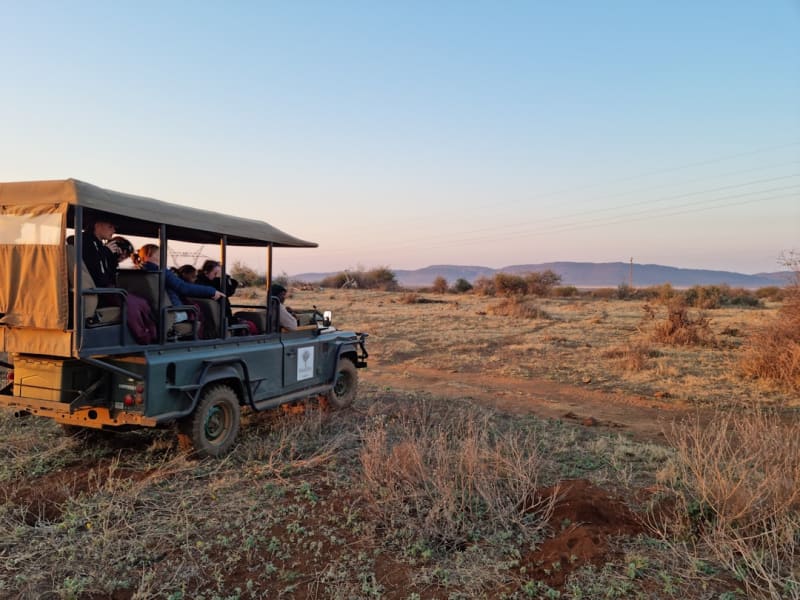
Botswana safari itineraries are often structured. Most activities are guided and organized, which can support solo-traveler safety. You normally meet staff at an airstrip or town transfer point. The team then manages camp arrival, activity times, and wildlife movement around the property.
Remote camps may have age rules because the natural environment brings real risks. Some lodges do not accept young children, while others require private vehicles or special supervision. Ask about these rules before you pay a deposit.
Key features of a safe safari
- Known for: Guided wildlife activities in remote areas with trained staff.
- Best for: Travelers who follow instructions and prefer organized transport.
- Main safety need: Treat every animal as wild, even when it appears calm.
- Travel style: Small camps, air transfers, 4x4 game drives, boats, and walking activities.
Wildlife behavior changes with distance, food, water, and season. An elephant near camp is not tame. A hippo beside a channel can move quickly. A lion resting near a vehicle still deserves space. Your guide reads these signals and decides when to stop, move, or return to camp.
Travelers who want to compare routes can review Botswana safari tours for first-timers before choosing a region. SafariFind connects travelers with verified tour operators, package details, and authentic reviews.
Compare verified Botswana safari packages and operators to match your route with your comfort level.
What Are the Main Botswana Safari Risks in 2026?
The main Botswana safari risks in 2026 are wildlife encounters, remote logistics, illness, road conditions, and urban crime. Each risk is manageable when you use a trained guide, keep personal items secure, plan health needs, and leave enough time for transfers. A safe safari depends on preparation more than luck.
Wildlife encounters
Wild animals are the most important safety issue on safari. Never walk outside camp alone unless staff tell you that it is safe. Do not approach animals, feed them, call to them, or leave a vehicle without permission.
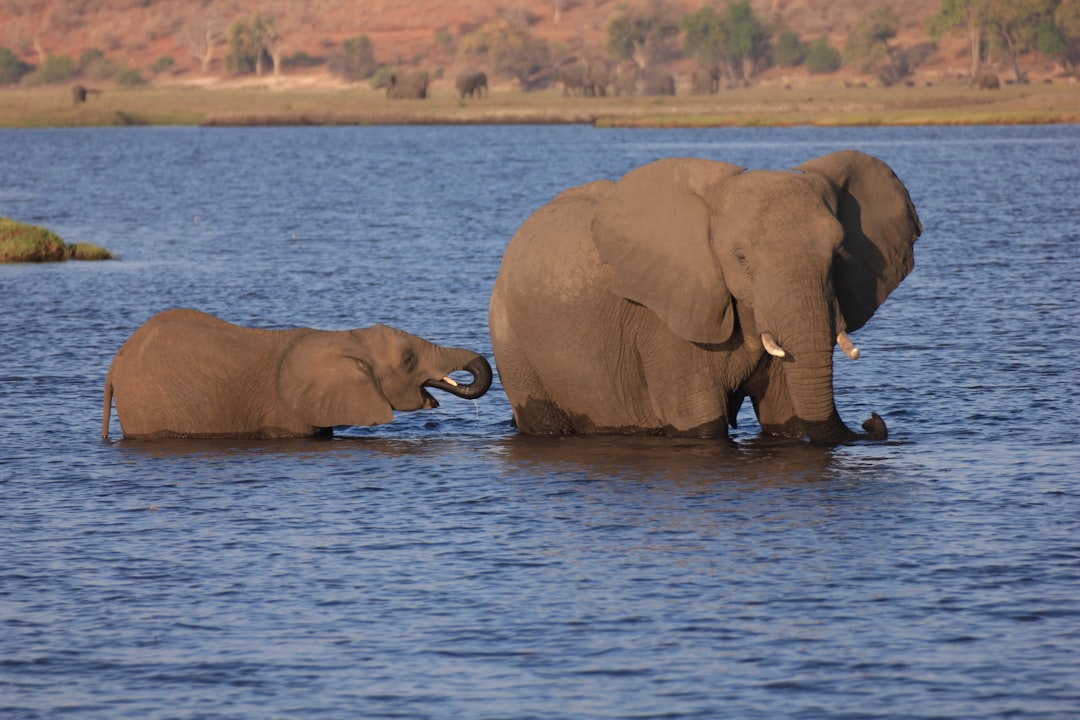
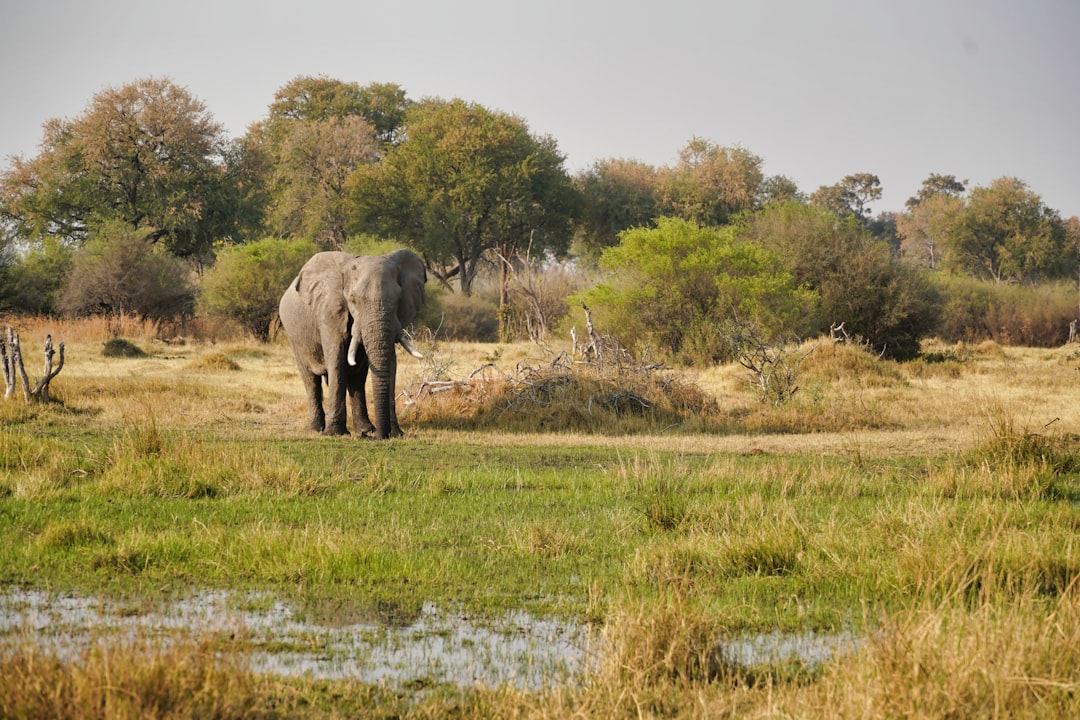
Elephants may react to noise or a blocked path. Hippos can be dangerous near water. Lions, leopards, and wild dogs need a wide buffer. Your guide will choose a safe viewing position and explain when to stay quiet.
Walking safaris need extra care. Wear closed shoes and stay in the group. Walk behind the guide, follow every hand signal, and keep your voice low. Do not use a phone while walking because distraction can make you miss an instruction.
Remote travel and road conditions
Remote safari camps can sit far from towns, clinics, and reliable phone service. Small aircraft transfers may use basic airstrips. Road transfers can take longer than expected after rain, flooding, or rough track conditions.
Build a time buffer into your itinerary. Avoid booking an international flight immediately after a remote camp transfer. Ask your operator what happens if weather delays an air transfer. A good plan includes a backup night near Maun, Kasane, or another departure point when needed.
Health and malaria
Malaria is a health concern in parts of Botswana, so travelers should ask a doctor or travel clinic for current advice. Botswana safety guidance also recommends checking vaccination and malaria precautions before travel. Use insect repellent, wear long sleeves near dusk, and follow the advice of a qualified medical professional.
Heat can also affect travelers. Drink water throughout the day, wear a hat, and protect your skin. Tell camp staff about allergies, medicines, and medical conditions before activities begin.
Crime in towns and cities
Urban areas such as Gaborone and Francistown present more risk of theft, robbery, and occasional violent crime than many safari camps. Keep your phone and passport secure. Use arranged transfers at night and avoid displaying cash or expensive camera gear.
Border regions may also require more care. Ask your operator about local conditions, especially if your trip crosses into another country. Do not assume that a quiet road is safe for an unplanned walk.
SafariFind helps you compare operator reviews before booking. Request a quote from verified Botswana safari operators and check how each company handles transfers, guides, and emergency support.
What Rules Make a Botswana Safari Safer?
The rules that make a Botswana safari safer are simple: obey the guide, remain inside the vehicle when told, secure camp doors, protect documents, and prepare for remote travel. These rules protect you from wildlife and reduce stress during transfers. They also help the whole group enjoy a quieter safari.
Rules inside camps and lodges
Camp staff may escort you between your tent and the dining area after dark. Accept that escort, even when the distance seems short. Animals can move through camp without warning, especially near water or food sources.
Keep tent doors and zips closed. Do not leave food, toiletries, or rubbish outside. Follow instructions about showers, bathrooms, generators, fire areas, and emergency meeting points.
Some camps set age limits because children may find it harder to stay quiet or follow wildlife rules. Families should ask about minimum ages, private vehicles, childminding, and walking activities before booking.
Rules during game drives
- Stay seated unless the guide gives permission to stand or exit.
- Keep hands, arms, and camera equipment inside the vehicle near animals.
- Speak quietly and avoid sudden movements.
- Follow the guide’s instructions during close sightings.
- Tell staff if you feel unwell, overheated, anxious, or motion sick.
Rules for mokoro and boat trips
Mokoro trips take place on waterways where hippos, crocodiles, and other wildlife may live. Stay seated when the poler directs you. Keep your balance and do not lean toward animals or the water. Wear the flotation equipment supplied by the operator when required.
Boat guides understand channels, water levels, and animal behavior. Do not ask a guide to move closer to a hippo or crocodile for a photograph. A clear image is never worth breaking a safety rule.
Rules for responsible photography
Use a quiet voice and avoid flash near animals. Do not crowd a sighting or ask the guide to chase wildlife. Respect other guests, local communities, and camp privacy.
Animal sightings are not guaranteed. You can still have an excellent trip without seeing every species. For planning ideas, read the guide to 12 Botswana safari animals to see on every trip.
Value and safety often connect. A low-cost package may use longer road transfers or fewer support services. Use this guide to compare Botswana safari package value in 2026, including transport, guiding, camp location, and emergency planning.
How Should You Prepare for a Safe Botswana Safari?
Prepare for a safe Botswana safari by checking entry documents, medical advice, transfers, camp rules, and emergency contacts before departure. Pack light but carefully. Confirm what your operator supplies, then keep essential medicine, documents, and one change of clothes in your hand luggage.
Before you leave home
- Check your passport validity and blank pages.
- Ask a travel clinic about malaria prevention and vaccines.
- Share your itinerary with someone at home.
- Buy travel insurance that covers remote evacuation and medical care.
- Save lodge, operator, airline, and emergency contact details offline.
- Ask about luggage weight limits for small aircraft.
U.S. citizens do not need a tourist visa for stays of up to 90 days, according to the cited 2026 travel guidance. Passports should have at least six months of remaining validity. Entry rules can change, so check current official advice before departure.
Families traveling with minors should carry a certified copy of the child’s birth certificate. The same guidance lists a valid passport with at least one blank page for each entry. Keep paper and digital copies in separate places.
What to pack
Pack neutral, light clothing, a warm layer, a hat, sunscreen, insect repellent, closed shoes, and a refillable water bottle. Bring prescription medicine in its original packaging. A headlamp helps in camps, where power may follow set hours.
Carry binoculars and camera batteries, but avoid showing valuable equipment in towns. Keep your passport, cash, and cards in a secure pouch. Your guide can explain when it is safe to use a camera outside the vehicle.
How solo travelers can stay safe
Solo Botswana safari travel is suitable for many visitors because activities are usually guided and organized. Choose an operator with clear airport pickup, named camp contacts, and a written transfer plan. Share your arrival time and ask who will meet you.
Join shared activities when you want company. Choose a private vehicle if you need more control over pace, photography, or comfort. Tell staff if you feel unsure about a walking route or evening movement.
How to choose a safer operator
Review the operator’s safety details before comparing only the headline price. Ask who leads activities, how transfers work, what medical support exists, and how delays are handled. Read authentic traveler reviews for comments about communication and guide quality.
SafariFind lets you compare verified operators and safari packages in one marketplace. Compare safari packages with clear route and operator details before requesting a quote.
Travelers who want lower-cost lodging can also explore Botswana safari lodges beyond luxury. A suitable lodge should match your age group, activity plans, transfer needs, and comfort level.
How Do Season and Location Affect Safety?
Season and location affect safety through heat, rain, water levels, wildlife movement, and transport time. Botswana receives about 300 days of sunshine annually, but rain can change roads and wildlife patterns. Rainfall can also trigger zebra migration, making seasonal planning useful for both safety and viewing.
Dry-season planning
The dry season often brings easier wildlife viewing because animals gather near remaining water sources. Camps can still feel hot during the day and cool at night. Carry water, protect your skin, and follow the guide’s advice during long drives.
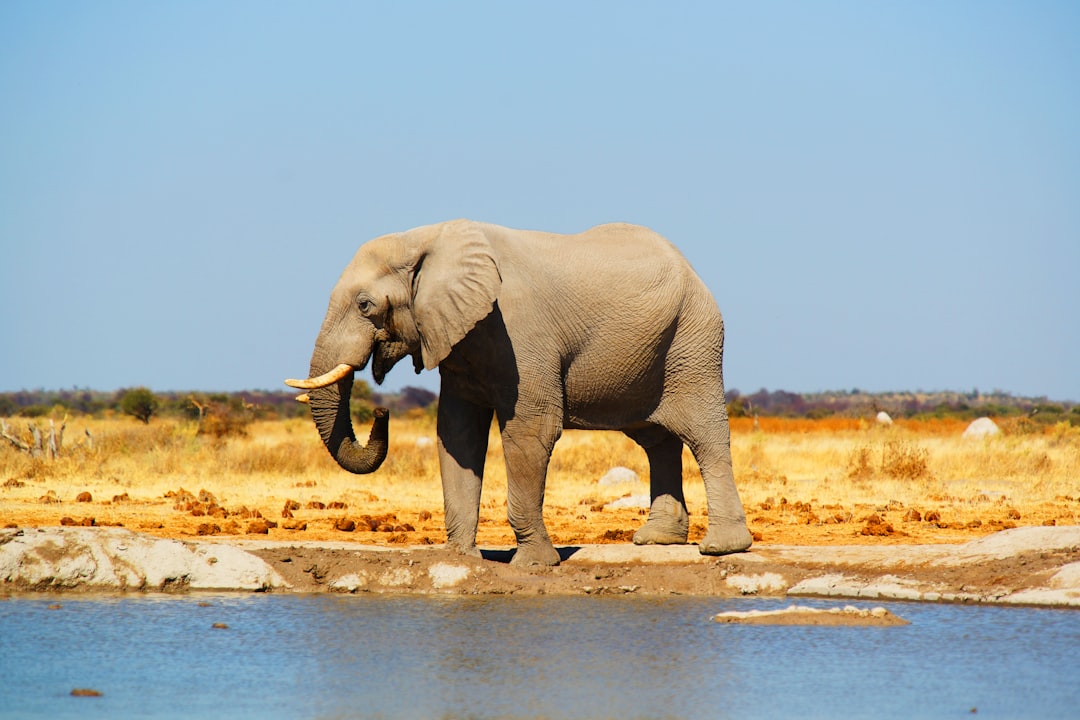
Dry conditions do not remove wildlife risk. Animals may spend more time near waterholes, roads, and camp areas. Keep the same distance and never treat a busy waterhole as a safe place to walk.
Wet-season planning
The wet season can bring storms, muddy roads, and changes to air transfers. Rain also supports fresh plant growth and animal movement. Ask your operator which activities remain available if a road or channel becomes difficult.
Weather delays are a normal part of remote travel. Keep flexible connections and avoid tight same-day international links after a camp stay. Your operator should explain the plan for late arrivals and missed transfers.
Maun, Kasane, and remote camps
Maun is a common safari basecamp for Okavango Delta trips. Kasane is a key gateway for Chobe-area travel. Remote camps offer strong wildlife access, but they also have fewer shops, clinics, and roads nearby.
Plan town time with the same care as camp time. Use arranged transport after dark, keep valuables hidden, and ask local staff for current advice. Travelers staying in Maun can find practical ideas in this guide to things to do in Maun.
Key Takeaways
- Choose guided activities because organized itineraries support solo-traveler safety in Botswana.
- Follow camp escorts after dark because wildlife can move through remote lodge grounds.
- Check health advice before departure because malaria prevention and vaccines need personal medical guidance.
- Carry a passport valid for six months and check the 90-day visa rule for U.S. citizens.
- Allow extra transfer time because remote roads, airstrips, rain, and weather can affect schedules.
Frequently Asked Questions
Is Botswana safari safe in 2026?
Yes, Botswana safari travel is generally safe in 2026 when you use a verified operator and follow guide instructions. Botswana is described as one of Africa’s safest safari destinations, while overall travel risk remains medium because cities and border areas have more crime.
What are the biggest risks on a Botswana safari?
The biggest Botswana safari risks are wildlife encounters, remote travel, malaria, heat, road delays, and theft in towns. Guides manage most wildlife risks, while travelers should secure valuables, follow health advice, and avoid walking alone around camps or after dark.
Is Botswana safe for solo travelers?
Botswana is suitable for many solo travelers because safari activities are usually guided and organized. Choose an operator with arranged airport transfers, clear camp contacts, and a written itinerary. Shared activities can also provide company during game drives and meals.
Is Botswana safe for families with children?
Botswana is family-friendly when you choose a camp with suitable age rules and supervised activities. Some camps restrict children because the natural environment has real risks. Ask about child ages, private vehicles, walking safaris, and childminding before booking.
Do U.S. citizens need a visa for Botswana?
U.S. citizens do not need a tourist visa for stays of up to 90 days, according to cited 2026 travel guidance. Passports should have at least six months of validity remaining. Check current entry rules before travel because requirements can change.
How can I book a safer Botswana safari?
Book through a marketplace that shows verified operators, package details, and authentic traveler reviews. SafariFind connects travelers with verified safari companies, helping you compare routes, request quotes, and check feedback before choosing a Botswana safari.
Conclusion
Botswana is a safe safari destination for most prepared travelers in 2026. The country offers stable conditions and organized wildlife trips, but remote travel demands respect and planning. The most important rule is to follow your guide every time.
Plan health advice before departure, secure valuables in towns, and confirm camp age rules for family travel. U.S. citizens should check the 90-day visa allowance and carry a passport with six months of validity.
Choose a route that matches your comfort level. A guided Okavango Delta stay suits travelers who want organized activities. A Maun-based plan may suit visitors who want more transport options and a practical basecamp.
Read current package details, compare operator reviews, and ask about emergency support before paying. Compare verified safari packages on SafariFind and request a quote from a trusted operator. Safari planning in 2026 is safer when your choices are clear, your documents are ready, and your guide leads the way.
Plan Your Safari with SafariFind
These recommendations use real data from SafariFind, where you can compare operators, browse packages, and read verified traveler reviews before you book.
Recommended Safari Operators from SafariFind
Recommended Safari Packages from SafariFind
What Travelers Say (SafariFind Reviews)
References
- Is Botswana Safe in 2026? Safari Safety Guide & Botswana Safety Index
- Botswana Safe for Tourists in 2026
- Is Botswana Safe for Travel Right Now? 2026 Safety Rating
- Tips When Traveling in Botswana
- Travel Safety Tips for Botswana
- Botswana Safari Destination of the Year 2026
- Is Botswana Safe? Health, Safety and Malaria Advice
- A Seasonal Guide to Planning Your Botswana Safari
Image Alt Text Suggestions
- Guide watching elephants from a safari vehicle in Botswana
- Travelers following a guide during a Botswana walking safari
- Mokoro canoe moving through an Okavango Delta channel
- Safari lodge tent and guide escort in Botswana at sunset
V2Ui.sources
- Is Botswana Safe in 2026? Safari Safety Guide & Botswana Safety Index
- Botswana Safe for Tourists in 2026
- Is Botswana Safe for Travel Right Now? 2026 Safety Rating
- Tips When Traveling in Botswana
- Travel Safety Tips for Botswana
- Botswana Safari Destination of the Year 2026
- Is Botswana Safe? Health, Safety and Malaria Advice
- A Seasonal Guide to Planning Your Botswana Safari
Related to
Ready to start your safari adventure?
Explore curated safari packages and find your perfect African adventure with verified operators.