Is Ethiopia Good for Safari? 2026 Wildlife Trip Verdict
Discover Is Ethiopia Good for Safari? 2026 Wildlife Trip Verdict - Expert guide to safari tourism and wildlife destinations.

Is Ethiopia Good for Safari? 2026 Wildlife Trip Verdict
Last updated: July 2026
Ethiopia offers rare wildlife, dramatic highlands, and fewer crowds than many classic safari destinations.
Is Ethiopia Good for Safari? 2026 Wildlife Trip Verdict: Yes, Ethiopia is good for safari if you want endemic wildlife, mountain hikes, and cultural routes. A 7-day Ethiopia safari in July costs US$1,500–$3,500 per person. July brings dry conditions and strong value, while 14-day tours cover wider wildlife and cultural routes.
At a Glance
- Cost: US$1,500–$3,500 per person for a 7-day July safari
- Best time: July for dry conditions, water-source viewing, and budget value
- Duration: 7 days for a focused trip; 14 days for wider routes
- Best for: Rare wildlife, hiking, highland scenery, and culture
- Wildlife highlights: Gelada baboons, Ethiopian wolves, mountain nyalas, and giant mole-rats
- Safari style: Wildlife drives combined with trekking and cultural travel
Why Is Ethiopia Good for Safari in 2026?
Ethiopia is good for safari in 2026 because it combines rare wildlife with highland landscapes and fewer crowds. The country suits travelers who want more than a standard game drive. Its strongest appeal comes from endemic species, mountain walks, and routes that blend nature with local culture.
Ethiopia offers possible sightings of lion, buffalo, hippo, and zebra. However, the country does not always meet the needs of travelers seeking a traditional East African safari with large plains, many vehicles, and frequent big-game sightings.
Ethiopian wildlife is the main reason to choose this destination. Gelada baboons, Ethiopian wolves, mountain nyalas, and giant mole-rats create a wildlife list that feels different from Kenya or Tanzania. These species give Ethiopia a clear identity for repeat safari travelers.
Known for: Endemic wildlife and highland scenery
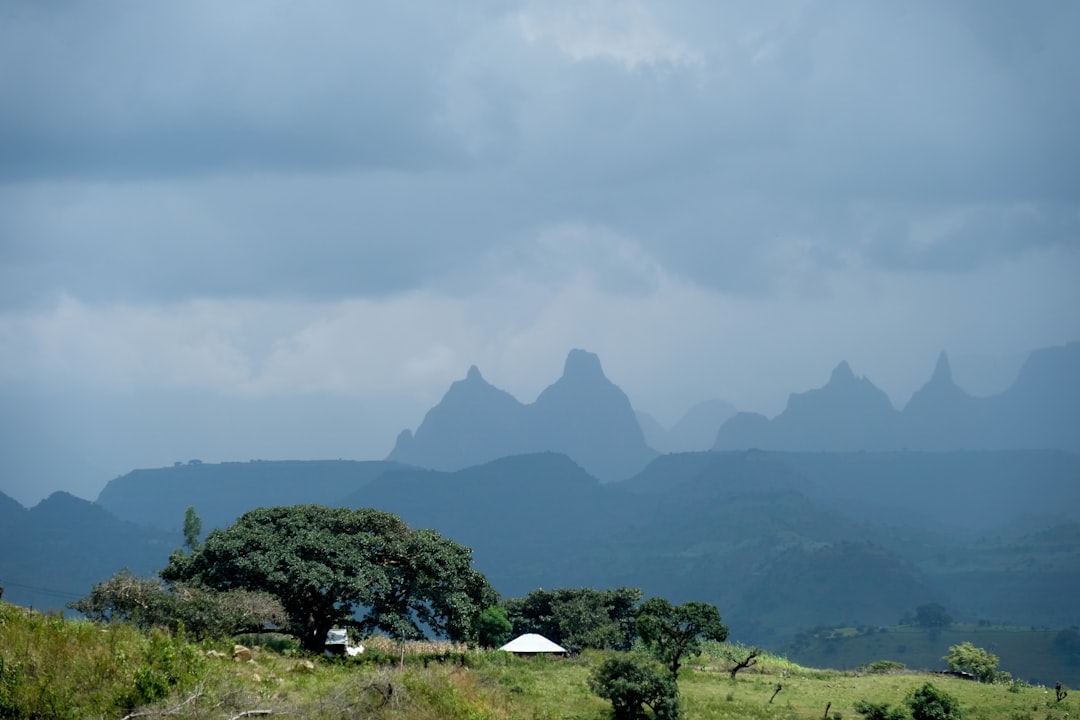
Simien Mountains National Park is known for jagged peaks, deep valleys, steep escarpments, hiking, and endemic wildlife. The park is best for active travelers who enjoy walking between viewpoints and wildlife encounters. A Simien route feels more like a mountain expedition than a classic open-plain safari.
Simien Mountains National Park also adds visual variety to a longer itinerary. Travelers can combine highland hikes with wildlife areas and cultural stops. This mix makes Ethiopia useful for visitors who want a full country experience, rather than a trip focused only on the Big Five.
Fewer crowds are another major advantage in 2026. Ethiopia is a strong choice for travelers who prefer quiet trails and less pressure around wildlife sightings. The experience feels less mass-market, although comfort, road conditions, and wildlife density can vary by route.
SafariFind connects travelers with verified tour operators who can explain route limits before booking. Explore Ethiopia safari packages with clear prices and trip details to find an itinerary that matches your interest in hiking, wildlife, or culture.
Why this verdict matters
The Ethiopia safari decision depends on your expectations. If you want rare species and mountain scenery, Ethiopia is an excellent fit. If you want the highest chance of seeing many large mammals in open plains, another East African destination may suit you better.
Responsible Travel lists wildlife vacations in Ethiopia for 2026 and 2027. That listing confirms continued interest in wildlife routes, while also warning travelers about the difference between Ethiopia and a traditional East African safari.
What Wildlife and Routes Can You Expect?
Ethiopia safari routes focus on unusual species, highland habitats, and mixed travel experiences. A 7-day trip works for one clear region or a focused wildlife route. A 14-day tour gives more time for broader cultural and wildlife travel across the country.
Key wildlife to look for
Gelada baboons are among Ethiopia’s best-known wildlife highlights. Their presence supports the country’s reputation as a destination for species that travelers cannot easily see elsewhere. Ethiopia also offers chances to search for Ethiopian wolves, mountain nyalas, and giant mole-rats.
Ethiopian wolves attract travelers who want a rare and focused wildlife experience. Sightings are never a reason to expect certainty, but the species remains a major draw for wildlife specialists. Your guide should explain the best habitat, walking plan, and realistic sighting conditions before departure.
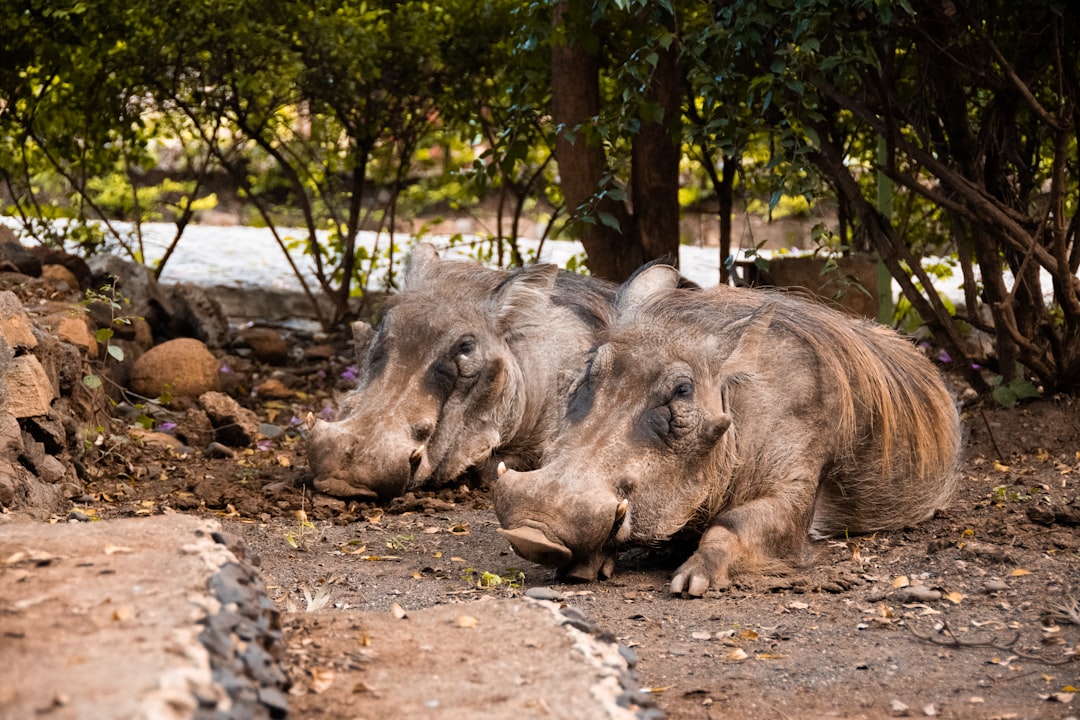
Lions, buffalo, hippos, and zebras are also possible in Ethiopia. These animals add familiar safari appeal, but Ethiopia is not promoted as a simple replacement for the Serengeti or Masai Mara. The country rewards travelers who value variety over a single wildlife checklist.
Highland, park, and cultural routes
Simien Mountains routes combine hiking, dramatic scenery, and endemic wildlife. The terrain includes sharp peaks, deep valleys, and escarpments. Travelers should expect active days, uneven paths, and a stronger focus on walking than on long vehicle drives.
Awash National Park appears in 2026 and 2027 Ethiopia tour listings. A short Awash itinerary can suit travelers with limited time, while longer trips can connect wildlife areas with highland and cultural stops.
Ethiopia’s cultural routes are an important part of the experience. Fourteen-day tours offer broader cultural and wildlife routes than a short safari. They suit travelers who want to slow down, add regional variety, and avoid spending every day inside a vehicle.
Travel listings cover Ethiopia wildlife trips in both 2026 and 2027. This gives travelers more planning choices, but each itinerary still needs careful review. Check the exact parks, travel days, guide support, accommodation, and included activities before paying a deposit.
How Ethiopia compares with a classic safari
A classic East African safari often centers on open plains, large herds, and frequent game drives. Ethiopia offers a different balance. Its strongest features are rare species, mountain landscapes, hiking, and cultural depth.
This difference is not a weakness. It simply means Ethiopia works best for a specific traveler. Choose it when you want discovery and contrast. Choose another destination when your top goal is a high volume of large mammals in open savanna.
How Much Does an Ethiopia Safari Cost in 2026?
A 7-day Ethiopia safari in July costs US$1,500–$3,500 per person, based on the current 2026 pricing summary. July offers dry conditions, better water-source wildlife viewing, and budget value. Your final cost depends on route length, accommodation, transport, guide service, and included activities.
Price range: US$1,500–$3,500 for seven days
The July price range gives travelers a useful starting point. The lower end may suit visitors who accept simpler lodging, shared travel, or a tighter route. The higher end may reflect more comfort, private transport, longer transfers, or stronger guide support.
Fourteen-day tours need a separate quote because they cover broader cultural and wildlife routes. Do not double the seven-day price without checking the itinerary. Extra travel days, domestic transport, park costs, and accommodation changes can affect the total.
SafariFind helps travelers compare verified operators, package details, and authentic reviews. Request a quote from verified Ethiopia safari operators when you need a clear price for a private or longer route.
What to check before booking
- Route: Confirm every park, town, and travel day.
- Wildlife plan: Ask where guides search for target species.
- Transport: Check whether the package uses private or shared vehicles.
- Accommodation: Confirm the lodge, camp, room type, and meal plan.
- Activities: Check whether hikes, walks, park fees, and cultural visits are included.
- Reviews: Read recent traveler feedback before choosing an operator.
Best for: Value-seeking wildlife travelers
July is best for travelers who want a dry-season trip with lower price potential. Water-source viewing can help wildlife searches, while dry roads may make some routes easier to plan. Still, July does not guarantee a specific animal sighting or a fixed price for every operator.
Travelers can also consider the wider July–September season. Read the guide to Ethiopia safari dry-season routes from July to September 2026 before selecting dates.
Pricing should never be the only decision. A low-cost package may cut time on the road, use basic lodging, or limit guide support. A higher quote may offer a private vehicle and a better route. Compare the full plan, not just the headline number.
How Should You Plan an Ethiopia Safari?
Plan an Ethiopia safari by choosing your wildlife goals, travel pace, and route first. Start with seven days for one focused region. Choose 14 days when you want wider wildlife coverage, highland hikes, and cultural travel. Then compare operators, reviews, transport, and included costs.
Step 1: Decide what you want to see
Make a short wildlife list before contacting operators. You may want Ethiopian wolves, gelada baboons, mountain nyalas, or giant mole-rats. You may also want lion, buffalo, hippo, or zebra. A clear list helps your operator suggest a realistic route.
Next, decide whether hiking matters. Simien Mountains National Park suits travelers who want active days and dramatic scenery. It may not suit visitors who want only vehicle-based game viewing. Tell your operator about fitness, walking comfort, and preferred daily activity.
Step 2: Choose seven or fourteen days
A 7-day Ethiopia safari is a focused introduction. It can work well for first-time visitors with limited leave or a wider Ethiopia holiday. A 14-day tour creates more space for long transfers, several wildlife areas, and cultural routes.
First-time travelers can use this 7-day Ethiopia safari planning guide for first-time visitors to shape a practical schedule. Keep travel days realistic. A packed plan can reduce the time available for wildlife viewing.
Step 3: Check travel health and entry rules
Travel health advice depends on your nationality, route, and medical history. Canadian travelers can review Ethiopia vaccination guidance for Canadians in 2026 before booking. Other nationalities should seek advice from a qualified travel clinic.
Visa rules also depend on nationality. Australian citizens can read the current Ethiopia visa guide for Australian citizens in 2026. Check official entry rules again before departure because travel requirements can change.
Step 4: Choose a trusted operator
Kingdom Ethiopia Tours had a 5.0/5 rating from 25 reviews as of July 23, 2026. Its review breakdown included 24 five-star reviews and one four-star review. This is a useful trust signal, but travelers should still check the exact route and package terms.
SafariFind connects travelers with verified tour operators and authentic reviews. Compare the operator’s experience, communication, vehicle plan, and cancellation terms. Ask direct questions before you request a final quote.
Best practices for the trip
- Carry layered clothing for changing highland temperatures.
- Use sturdy shoes for Simien hiking routes.
- Ask guides about safe wildlife distances and walking rules.
- Keep your schedule flexible for long road transfers.
- Respect local communities, sites, and wildlife areas.
- Save all booking, insurance, and emergency contact details offline.
Key Takeaways
- Choose July for dry conditions, water-source viewing, and stronger budget value.
- Budget US$1,500–$3,500 per person for a 7-day July Ethiopia safari.
- Book 14 days when you want broader cultural and wildlife routes.
- Prioritize Simien Mountains for hiking, escarpments, and endemic highland wildlife.
- Compare verified operators and recent reviews before paying for a 2026 safari.
Frequently Asked Questions
Is Ethiopia good for safari in 2026?
Yes, Ethiopia is good for safari in 2026 if you want rare wildlife, dramatic highlands, hiking, and fewer crowds. It is less suitable for travelers who want a classic East African safari focused on large herds and frequent open-plains game drives.
How much does an Ethiopia safari cost in 2026?
A 7-day Ethiopia safari in July costs US$1,500–$3,500 per person. The final price depends on accommodation, transport, guide service, route length, and included park or activity costs.
What animals can you see on an Ethiopia safari?
Ethiopia offers possible sightings of gelada baboons, Ethiopian wolves, mountain nyalas, giant mole-rats, lion, buffalo, hippo, and zebra. Sightings depend on the route, season, habitat, and time spent searching.
What is the best month for an Ethiopia safari?
July is a strong month for an Ethiopia safari because it offers dry conditions, water-source wildlife viewing, and budget value. Travelers can also compare July–September dry-season routes when planning a 2026 trip.
Is Ethiopia better for hiking or game drives?
Ethiopia is especially strong for travelers who want hiking combined with wildlife viewing. Simien Mountains National Park offers dramatic scenery, mountain walks, and endemic wildlife, while other areas support vehicle-based wildlife searches.
How do I book a reliable Ethiopia safari?
Book by comparing verified operators, complete itineraries, current prices, and authentic traveler reviews. SafariFind helps you compare Ethiopia packages and operators, request quotes, and choose a 2026 trip that fits your wildlife and hiking goals.
Conclusion: Is Ethiopia Worth Visiting for Safari?
Ethiopia is a strong 2026 safari choice for rare wildlife, mountain scenery, hiking, and cultural travel. A 7-day July trip costs US$1,500–$3,500 per person, while a 14-day route offers more space for wider wildlife and cultural experiences.
Choose Ethiopia if gelada baboons, Ethiopian wolves, mountain nyalas, and highland landscapes interest you. Add Simien Mountains National Park if you want dramatic hikes and endemic wildlife. Choose another East African destination if your main goal is a classic plains safari with large herds and frequent game drives.
Good planning makes the difference. Set your wildlife goals, compare route lengths, check health and entry guidance, and review every included cost. Use recent operator feedback to judge communication and service. Kingdom Ethiopia Tours, for example, held a 5.0/5 rating from 25 reviews as of July 23, 2026.
Compare verified Ethiopia safari packages for a July 2026 wildlife trip on SafariFind. Request quotes, read authentic reviews, and choose a route that matches your pace. Ethiopia’s wildlife travel market continues into 2026 and 2027, giving curious travelers fresh ways to explore the country.
Plan Your Safari with SafariFind
These recommendations use real data from SafariFind, where you can compare operators, browse packages, and read verified traveler reviews before you book.
Recommended Safari Operators from SafariFind
Recommended Safari Packages from SafariFind
What Travelers Say (SafariFind Reviews)
References
- Is Ethiopia Good for Safari? 2026 Parks, Prices and Wildlife — SafariFind
- Ethiopia Safari Hidden Wildlife Gems — Safari Deal
- Wildlife Vacations in Ethiopia in 2026 and 2027 — Responsible Travel
- Ethiopia Simien Mountains Safari 2026–2027 — African Trek Travel
- Best Ethiopia Safari Tours: 2026–2027 — Chalo Africa
- Awash National Park 3-Day Safari — African Gorilla
- Ethiopia: 5-Day Ultimate Safari Expedition Guided Tour — GetYourGuide
- Reviews of Kingdom Ethiopia Tours — SafariBookings
Sources
- Is Ethiopia Good for Safari? 2026 Parks, Prices and Wildlife — SafariFind
- Ethiopia Safari Hidden Wildlife Gems — Safari Deal
- Wildlife Vacations in Ethiopia in 2026 and 2027 — Responsible Travel
- Ethiopia Simien Mountains Safari 2026–2027 — African Trek Travel
- Best Ethiopia Safari Tours: 2026–2027 — Chalo Africa
- Awash National Park 3-Day Safari — African Gorilla
- Ethiopia: 5-Day Ultimate Safari Expedition Guided Tour — GetYourGuide
- Reviews of Kingdom Ethiopia Tours — SafariBookings
Related to
Ready to start your safari adventure?
Explore curated safari packages and find your perfect African adventure with verified operators.


