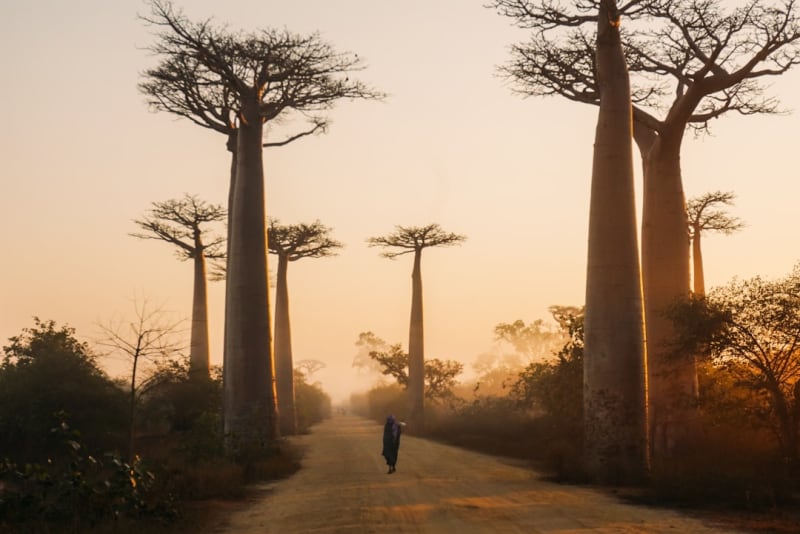
Is Rwanda Safe Now for Safari and Gorilla Trekking in 2026?
Discover Is Rwanda Safe Now for Safari and Gorilla Trekking in 2026? - Expert guide to safari tourism and wildlife destinations.
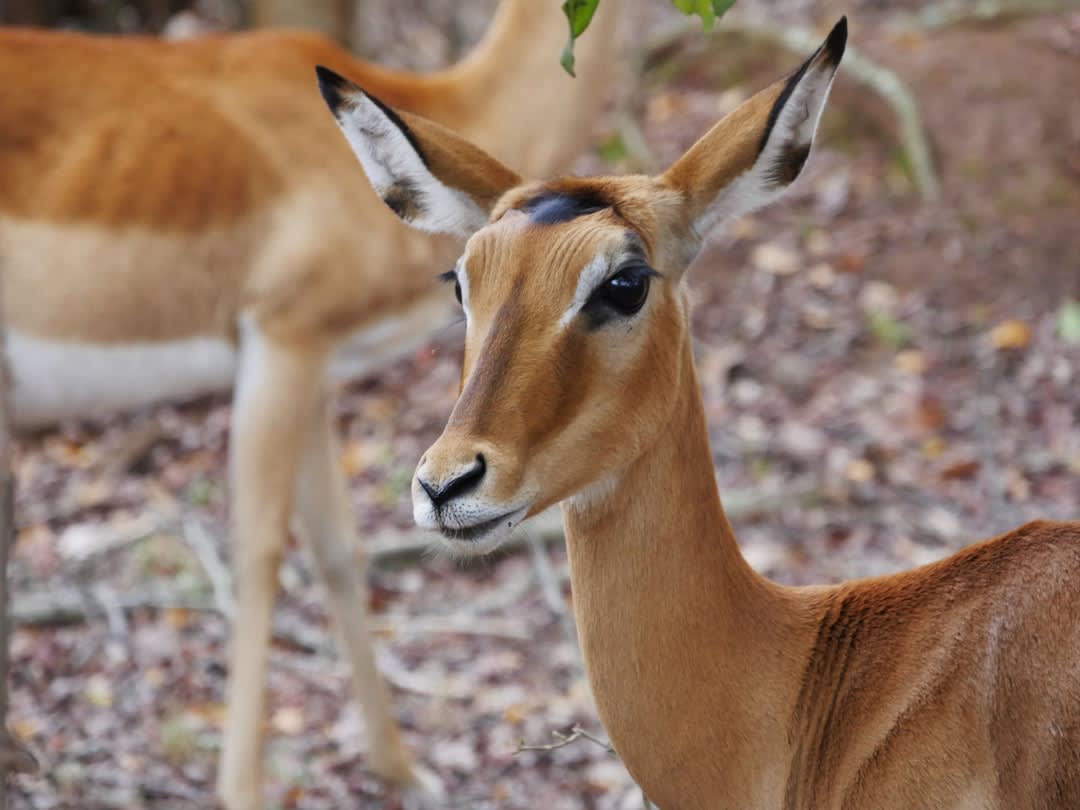
Is Rwanda Safe Now for Safari and Gorilla Trekking in 2026?
Last updated: July 2026
Rwanda is safe for safari and gorilla trekking in 2026 when travelers use approved guides, follow park rules, and review current travel advice. Rwanda offers a high level of public safety, but some institutions still require extra travel review before visits. Price range: no verified package prices were supplied for this guide. Best time: plan around your preferred wildlife and trekking conditions.
Hook: Rwanda is widely described as offering a high level of public safety, yet Stanford still asks travelers to contact Global Risk before visiting.
Rwanda Safety at a Glance
- Safety: Rwanda offers a high level of public safety, according to the BTI 2026 country report.
- Travel review: Stanford advises travelers to contact Global Risk before travel to Rwanda.
- Gorilla trekking: Trekking is supervised and secure when visitors follow park procedures and guide instructions.
- Price range: No current package price was supplied in the research data; compare verified SafariFind listings.
- Best for: Travelers seeking guided gorilla trekking, rainforest walks, and wildlife viewing.
- Wildlife context: Mountain gorillas live in the Virunga Volcanoes at elevations of about 2,200 to 4,300 meters.
Introduction: Is Rwanda Safe Now for Safari and Gorilla Trekking in 2026?
Is Rwanda Safe Now for Safari and Gorilla Trekking in 2026? Yes, Rwanda is safe for most visitors who use licensed tourism services and check current travel guidance before departure. The country has strong security systems, supervised wildlife experiences, and a reputation for orderly travel. However, safety advice is never one-size-fits-all.
Rwanda’s security picture also needs careful reading. The BTI 2026 Rwanda report says authorities have extensive surveillance capacity. It also describes Rwanda’s territory as offering a high level of public safety. Stanford’s travel guidance still groups Rwanda with several countries requiring additional review. It tells travelers to contact Global Risk before any trip to Rwanda.
Quick answer: Rwanda is safe for safari and gorilla trekking in 2026, but travelers should review official advice, use guided tours, and avoid treating general safety ratings as a guarantee. Gorilla trekking takes place in a controlled park setting. Your operator, guide, insurance, health planning, and border route still matter.
This guide separates national safety from trekking safety. It also explains how to plan transport, choose a responsible operator, prepare for mountain conditions, and compare safari packages. SafariFind connects travelers with verified tour operators, package details, and authentic reviews, so you can make a more informed choice.
What Makes Rwanda Safe for Safari and Gorilla Trekking?
Rwanda is safe for safari and gorilla trekking because the country combines strong public security with guided tourism systems. The BTI 2026 report characterizes Rwanda’s territory as offering a high level of public safety. It also says authorities use extensive surveillance capacities to preempt and manage threats inside Rwanda. These facts support a positive safety outlook, but they do not replace personal planning.
Known for: strong public order and guided wildlife trips
Rwanda is known for public order, organized visitor services, and structured wildlife activities. Gorilla trekking is supervised and secure when visitors stay with their assigned group and follow guide instructions. Guides control the pace, explain animal behavior, and help visitors keep a safe distance from gorillas.
Mountain gorillas inhabit the Virunga Volcanoes at elevations of about 2,200 to 4,300 meters. That altitude creates a physical challenge. A trek can involve steep slopes, wet forest paths, uneven ground, and long periods of walking. Fitness and good footwear matter as much as national security.
Why the travel advisory still matters
Stanford’s current travel guidance instructs travelers to contact Global Risk before any travel to Rwanda. The same guidance groups Rwanda with the Democratic Republic of the Congo, Uganda, Burundi, Kenya, South Sudan, Sudan, and Tanzania for additional travel review. This does not mean every tourist route is unsafe. It means travelers should complete a current risk check.
Border regions deserve special care because Rwanda sits near countries with different security conditions. Your risk may change if an itinerary includes cross-border travel, remote roads, or areas outside standard tourism routes. Ask your operator which districts you will visit and how the company handles route changes.
Wildlife safety is different from street safety
Gorilla safety depends on distance, behavior, and guide control. Do not touch a gorilla, use flash photography, shout, or move ahead of the group. Follow every instruction, even when an encounter feels calm. Animals remain wild, and responsible tourism protects both visitors and gorillas.
The Animal Diversity Web notes that all eight countries with wild gorilla populations have laws covering gorilla capture and hunting. It also reports that enforcement has historically been insufficient. This is why visitors should choose legal, conservation-focused tourism and avoid any offer involving direct contact or unapproved access.
Readers ready to plan can Explore Rwanda safari packages with verified operators and compare the services included before requesting a quote.
What Are the Main Safety Considerations in Rwanda?
The main safety considerations in Rwanda are official travel advice, route planning, guide quality, health preparation, and mountain fitness. A safe safari plan uses current information rather than relying only on online reviews or old travel stories. It also leaves room for weather, road conditions, and park instructions.
Check advice before booking and again before flying
Travel guidance can change after an article is published. Check your government’s Rwanda advice and your airline’s travel notices before departure. Stanford’s guidance provides one clear example: travelers should contact Global Risk before travel to Rwanda. Treat this as a prompt for review, not as a reason to ignore the trip or assume everything is risk-free.
Travel insurance should cover medical treatment, emergency transport, trekking activity, and itinerary changes. Read the exclusions. A basic policy may not cover high-altitude hiking or evacuation from a remote forest area.
Choose the right guide and operator
Tour operators shape much of your daily safety. A good operator explains pickup times, road routes, park rules, emergency contacts, and what happens if trekking conditions change. The company should also answer questions about guide training, group size, vehicle standards, and permits.
Use SafariFind to compare tour operators, read authentic traveler reviews, and request quotes. Before booking, review the five checks for Rwanda safari guides in 2026. That checklist can help you ask better questions before paying a deposit.
Prepare for altitude and demanding trails
Mountain gorilla trekking is not a casual forest stroll. Virunga gorilla habitat reaches elevations of about 2,200 to 4,300 meters. You may walk uphill for several hours. Rain can make trails slippery, while heat and humidity can drain energy quickly.
- Wear strong hiking shoes with deep grip.
- Carry water, light snacks, rain protection, and a small first-aid kit.
- Use walking poles if steep ground causes concern.
- Tell the guide about asthma, heart issues, injuries, or limited fitness.
- Follow the guide’s pace instead of trying to keep up with stronger hikers.
Plan health and entry documents
Health preparation is part of travel safety. Ask a travel clinic about routine vaccines, destination risks, and personal medical needs. Requirements can depend on your route and previous countries visited.
Travelers from Austria can review Rwanda vaccine guidance for Austrian travelers in 2026. Belgian citizens can check the separate guide to Rwanda vaccine requirements for Belgian travelers. These resources help you prepare, but a medical professional remains the right source for personal advice.
Understand the difference between Rwanda and nearby parks
Mgahinga Gorilla National Park is in Uganda, not Rwanda. The park was established in 1991 and contains three inactive volcanoes: Mount Muhabura, Mount Gahinga, and Mount Sabyinyo. It contains more than 75 mammal species, including mountain gorillas.
This distinction matters when comparing itineraries. A Rwanda trip and a Uganda trip may involve the same Virunga landscape, but they use different borders, permits, authorities, and transport plans. Ask your operator to name every country and park on your booking.
To compare a specific budget, Compare Rwanda safari package prices and inclusions before selecting a route. The supplied research does not provide verified 2026 package prices, so avoid relying on guessed figures.
How Should You Prepare for a Safe Rwanda Safari?
The safest Rwanda safari plan uses a verified operator, a clear route, suitable insurance, and a realistic trekking schedule. Start with official advice, then match your trip to your health and comfort level. Keep important documents offline and share your itinerary with someone at home.
Getting started: a simple planning order
- Check current government travel advice and complete any required risk review.
- Choose whether you want gorilla trekking, Akagera wildlife viewing, or both.
- Compare verified operators and read recent traveler reviews.
- Confirm permits, transfers, accommodation, insurance, and emergency support.
- Book health appointments and check entry documents early.
- Share flight, hotel, and guide details with a trusted contact.
Best for: careful planners and active travelers
Rwanda is best for travelers who value guided experiences, clear logistics, and close contact with nature. Gorilla trekking suits active visitors who can manage steep forest paths. Akagera suits travelers who want a more traditional game-drive setting and a different wildlife focus.
Gorilla conservation also requires careful visitor behavior. The Smithsonian’s National Zoo describes gorilla care around troop management, outdoor space, indoor space, time of day, and weather. A wild trekking experience is different, but the same lesson applies: animal welfare and natural behavior must come first.
Best practices during the trip
- Keep your passport, insurance details, and emergency numbers secure.
- Use your operator’s planned transport instead of accepting random roadside offers.
- Stay with your group during forest walks and game drives.
- Ask before photographing people, homes, or security locations.
- Keep valuables out of sight in vehicles and public areas.
- Report illness, injury, or safety concerns to your guide immediately.
- Respect park rules even when another visitor ignores them.
How to judge a safari company
A trustworthy operator gives written details before payment. Look for a clear cancellation policy, named accommodation, permit information, transfer times, and a working contact number. Reviews should describe real services, not only praise a guide’s personality.
SafariFind helps travelers compare tour operators and read authentic reviews in one marketplace. You can also review five ways to compare Rwanda safari package value in 2026. Compare what each quote includes, because a lower headline price may exclude permits, transfers, meals, or insurance.
What to pack for gorilla trekking
Pack light layers, waterproof trousers, a rain jacket, gloves, gaiters, and sturdy hiking shoes. Add insect protection, sunscreen, a refillable water bottle, and a small dry bag. Neutral clothing helps you move quietly and keeps attention on the forest.
Do not pack for a guaranteed short trek. Gorilla groups move, and trail conditions change. Your guide decides the safest route and pace. A flexible mindset makes the experience calmer and more enjoyable.
Is Rwanda Safer Than South Africa?
There is no single answer that proves Rwanda is safer than South Africa for every traveler. Safety depends on the city, park, route, transport, accommodation, and current conditions. Rwanda’s BTI 2026 report describes a high level of public safety, while a fair comparison also needs current South Africa data from official sources.
Rwanda and South Africa offer different safari settings. Rwanda is known for guided mountain gorilla trekking and compact travel routes. South Africa offers many private reserves, national parks, and larger urban travel networks. Comparing country labels alone can hide the real risks in your planned itinerary.
| Name | Price | Duration | Rating | Best For |
|---|---|---|---|---|
| Rwanda safari and gorilla trekking | Not supplied in research data | Depends on itinerary | Not supplied | Guided gorilla trekking and rainforest travel |
| South Africa safari | Not supplied in research data | Depends on itinerary | Not supplied | Game drives and private reserves |
| Uganda gorilla trekking | Not supplied in research data | Depends on itinerary | Not supplied | Virunga trekking and volcanic landscapes |
The table avoids invented prices and ratings. SafariFind listings may provide current package details, operator ratings, and traveler reviews. Compare the exact route, not just the country name. Ask where you will sleep, how you will transfer, and who will support you if plans change.
Rwanda’s safety advantage for some visitors is its structured, guided travel model. That advantage does not remove the need for caution. Stanford still advises an additional travel review for Rwanda. A responsible traveler uses both positive safety information and current advisory information.
Key Takeaways
- Check official travel advice before departure and contact Global Risk if required by your institution.
- Choose guided gorilla trekking because supervised groups reduce confusion and support safe wildlife behavior.
- Prepare for elevations from about 2,200 to 4,300 meters in Virunga gorilla habitat.
- Compare permits, transfers, insurance, lodging, and emergency support instead of comparing headline prices alone.
- Verify the country and park on every itinerary because Mgahinga Gorilla National Park is in Uganda.
Frequently Asked Questions
Is Rwanda safe for safari and gorilla trekking in 2026?
Yes, Rwanda is safe for safari and gorilla trekking in 2026 when visitors use approved guides, follow park rules, and check current travel advice. The BTI 2026 report describes Rwanda’s territory as offering a high level of public safety. Stanford still recommends an additional travel review.
Is Rwanda safer than South Africa?
Rwanda cannot be proven safer than South Africa for every traveler or route. Rwanda has a high public safety assessment in the BTI 2026 report, but safety depends on your exact park, city, transport, and current advice. Compare planned itineraries rather than country labels alone.
Is gorilla trekking in Rwanda dangerous?
Gorilla trekking in Rwanda is supervised and secure when visitors stay with their group and follow guide instructions. Gorillas remain wild animals, so never touch, crowd, feed, or provoke them. Mountain gorilla habitat also reaches about 2,200 to 4,300 meters, making fitness important.
What should I check before booking a Rwanda safari?
Check current travel advice, guide quality, permits, route details, insurance, transfers, accommodation, and emergency support. Read recent reviews and confirm what the package includes. Travelers can also review the SafariFind guide to comparing Rwanda safari package value in 2026.
Is Mgahinga Gorilla National Park in Rwanda?
No, Mgahinga Gorilla National Park is in Uganda. The park was established in 1991 and contains Mount Muhabura, Mount Gahinga, and Mount Sabyinyo. It is part of the Virunga landscape and contains more than 75 mammal species, including mountain gorillas.
How can I book a safe Rwanda safari in 2026?
Book through a verified operator, compare package details, and read authentic traveler reviews before paying. SafariFind connects travelers with verified tour operators and Rwanda safari packages. Use the marketplace to request a quote and check what each itinerary includes.
Conclusion: Should You Visit Rwanda in 2026?
Rwanda is safe for safari and gorilla trekking in 2026 when you plan carefully and follow current advice. The country’s BTI 2026 report describes a high level of public safety and strong surveillance capacity. Gorilla trekking adds a controlled, guided structure, but the forest remains demanding and wildlife remains wild.
Use Stanford’s travel review guidance before departure. Confirm your operator, permits, route, insurance, and emergency plan. Prepare for Virunga elevations of about 2,200 to 4,300 meters. Also check whether your itinerary includes Uganda or another neighboring country.
Travelers from Austria and Belgium should review country-specific vaccine and entry guidance before booking. Compare recent package reviews, ask clear questions, and avoid offers that promise direct contact with gorillas. The safest trip is also the most respectful trip.
Compare verified safari packages on SafariFind, request a quote from a verified operator, and read authentic traveler reviews before making your 2026 plans. With current information and a careful itinerary, Rwanda remains a strong choice for responsible wildlife travel in 2026.
Image Alt Text Suggestions
- Mountain gorilla in Rwanda’s Virunga forest during a guided trekking experience
- Rwanda safari vehicle on a wildlife drive in Akagera National Park
- Professional Rwanda gorilla trekking guide leading visitors through rainforest
- Virunga Volcanoes landscape near Rwanda’s mountain gorilla habitat
Plan Your Safari with SafariFind
These recommendations use real data from SafariFind, where you can compare operators, browse packages, and read verified traveler reviews before you book.
Recommended Safari Packages from SafariFind
What Travelers Say (SafariFind Reviews)
References
Sources
Related to
Ready to start your safari adventure?
Explore curated safari packages and find your perfect African adventure with verified operators.