Is Rwanda Safer Than South Africa for Safari in 2026?
Rwanda is safer than South Africa for safaris in 2026. Compare security, wildlife risks, health, and costs. Book verified operators on SafariFind.
Is Rwanda Safer Than South Africa?
Last updated: July 2026
Rwanda is safer than South Africa for safaris in 2026, with lower overall crime rates and well-established security infrastructure. South Africa has moderate risks, especially in urban areas outside safari zones. Both countries offer safe safari experiences when you follow basic precautions and book with verified operators on SafariFind.
At a Glance
- Rwanda safety rating: Safest country in Africa for tourism
- South Africa safety rating: Moderate risk outside safari zones
- Rwanda terrorism threat: Medium-threat location for official U.S. interests
- Best for: Travelers prioritizing safety; gorilla trekking in Rwanda; Big Five safaris in South Africa
- Travel advisory: Avoid border zones in Rwanda (Musanze, Rubavu districts within 10km of DRC)
- Safari incidents: Most preventable through proper wildlife behavior understanding
Rwanda vs. South Africa: Which Safari Destination Is Safer in 2026?
Rwanda is safer than South Africa for safaris in 2026. Rwanda ranks as arguably the safest country in Africa for tourism, with immediate visible security and a relaxed atmosphere in the capital Kigali. South Africa has moderate risks, particularly in urban areas like Johannesburg and Cape Town, though safari zones remain relatively secure.
If safety is your top priority when booking a safari, Rwanda offers stronger overall security infrastructure. However, both countries deliver excellent safari experiences when you take standard precautions. The key difference lies in urban safety—Rwanda's cities are calmer, while South Africa's safari parks are world-class but sit within a country with higher crime rates outside protected areas.
When planning your African safari, understanding these distinctions helps you make an informed choice. SafariFind connects you with verified operators in both countries, so you can read authentic traveler reviews and book with confidence.
Understanding Rwanda's Safety Profile
Why Rwanda Is Considered Africa's Safest Destination
Rwanda has earned a reputation as the safest country in Africa for travelers. The moment you arrive in Kigali, you notice the relaxed atmosphere and visible security presence that makes visitors feel protected. The government maintains strict law enforcement, and tourism infrastructure is well-developed and regulated.
Rwanda's safety stems from strong governance, low corruption, and a commitment to tourism development. Streets in Kigali are clean and orderly. Police are visible but not threatening. Travelers report feeling comfortable walking around during the day and evening, which is rare in many African cities.
Specific Safety Restrictions in Rwanda
While Rwanda is generally safe, the U.S. State Department advises against travel to specific border areas. Do not travel to Musanze District or Rubavu District within 10 kilometers of Rwanda's border with the Democratic Republic of the Congo due to unrest. These restrictions affect less than 5% of Rwanda's tourist destinations.
Kigali, Volcanoes National Park (home to mountain gorillas), and Akagera National Park are all safe for tourists. These major safari and trekking destinations fall well outside restricted zones. The U.S. Department of State has assessed Kigali as a medium-threat location for terrorism directed at official U.S. government interests, but this does not significantly impact regular tourism.
Rwanda's Tourism Security Infrastructure
Rwanda invests heavily in tourism security. Park rangers are well-trained and armed. Safari guides receive extensive safety certifications. Hotels and lodges have security protocols in place. Tourist police operate in major cities and parks specifically to assist visitors.
When you book a safari package through SafariFind with a verified Rwanda operator, you gain access to professional guides who understand wildlife safety and emergency procedures. This professional infrastructure makes Rwanda an exceptionally secure safari destination.
Understanding South Africa's Safety Profile
South Africa's Mixed Safety Landscape
South Africa presents a more complex safety picture than Rwanda. The country offers world-class safari experiences in Kruger National Park and private reserves, but urban areas outside these zones have higher crime rates. The U.S. State Department maintains a travel advisory for South Africa, recommending caution in specific areas.
South Africa's safari operations themselves are excellent and relatively safe. Kruger National Park and private game reserves like Sabi Sands operate with professional staff and strict safety protocols. The danger comes not from the parks but from traveling to and from them through urban centers like Johannesburg.
Regional Differences in South Africa
Travel conditions across South Africa vary significantly by region. Southern Africa, including Botswana and Namibia alongside South Africa, benefits from long-established tourism infrastructure. However, South Africa's urban crime rates exceed those in Rwanda's cities.
The Kruger National Park area itself is secure when you stay within park boundaries and follow ranger instructions. However, getting to Kruger typically involves traveling through Johannesburg or other urban centers. This adds a layer of complexity that Rwanda travelers don't face, since Kigali itself is safe.
Safety Tips for South African Safaris
If you choose South Africa, book airport transfers with your safari operator rather than using public transportation. Stay in established hotels in secure areas. Avoid walking alone at night in cities. Use registered taxis or hotel transport services.
These precautions are standard for any South African visitor and don't diminish the safari experience. Many experienced travelers successfully visit South Africa yearly. The difference is that Rwanda requires fewer precautions overall.
Safari Safety: Wildlife Risks in Both Countries
Understanding Wildlife Behavior and Prevention
Most safari incidents are preventable. They usually occur because travelers misunderstand wildlife behavior, underestimate distances, or don't know what to do in emergencies. Both Rwanda and South Africa have excellent guides who teach proper safety protocols.
In Rwanda, gorilla trekking involves hiking through rainforest to see mountain gorillas. Guides maintain strict distance rules (7 meters minimum). You learn proper behavior before entering gorilla habitat. Incidents are extremely rare because travelers follow these guidelines.
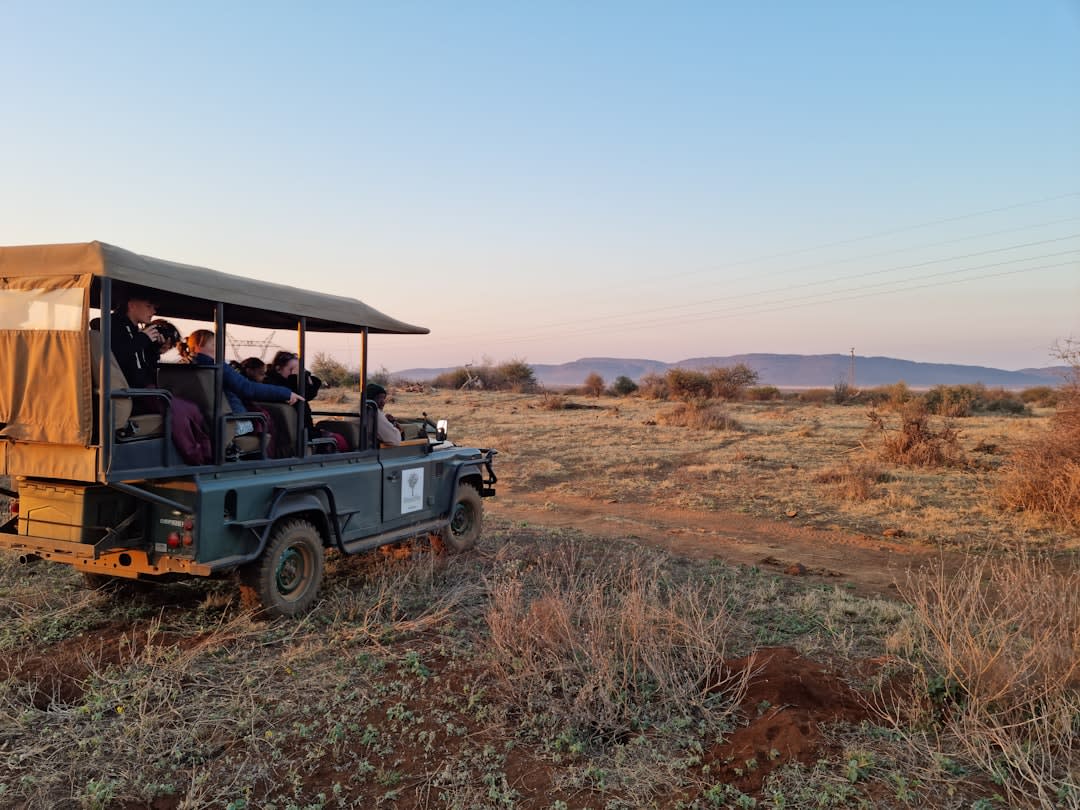
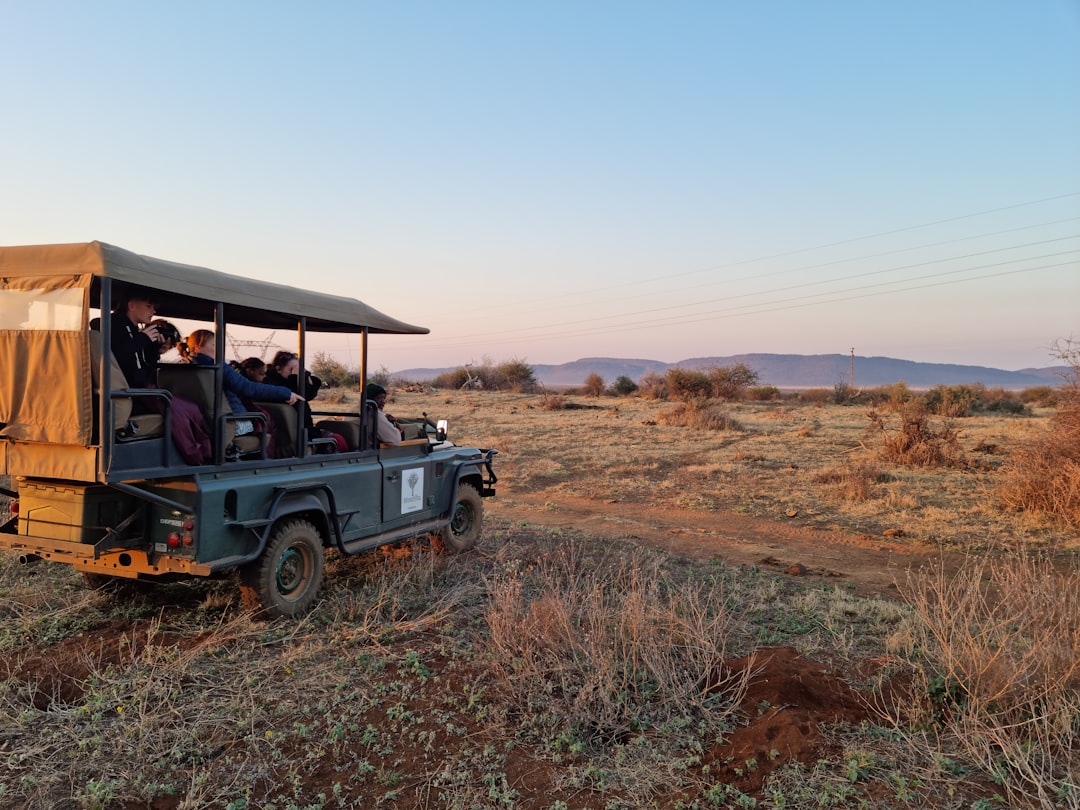
In South Africa's Kruger Park, safari drives keep you safely inside vehicles around lions, leopards, and elephants. Guides are trained in wildlife behavior and know when to maintain distance or move away. The vehicle provides protection while allowing excellent viewing.
Professional Guide Training
Both countries require extensive guide certifications. Guides understand animal behavior, weather patterns, and emergency procedures. When you book through SafariFind with verified operators, you're guaranteed professional staff with proper credentials.
Rwanda's guides speak English fluently and provide cultural context about local traditions alongside wildlife education. South Africa's guides are equally professional and knowledgeable. The quality of guiding is comparable between both countries.
Comparing Security Infrastructure and Tourism Support
Government Support and Tourism Development
Rwanda's government actively promotes tourism and maintains tight security standards. Every major tourist destination has dedicated support. The Rwanda Tourism Board oversees quality and safety standards. Hotels, guides, and operators must meet strict requirements to operate.
South Africa also has tourism infrastructure, but it's more dispersed. The country is larger, and security varies by region. Urban areas require more caution than safari zones. This difference matters when you're traveling between destinations.
Communication and Emergency Services
Rwanda has modern cell networks and reliable internet in tourist areas. Emergency services respond quickly in Kigali and major parks. Hospitals in Kigali meet international standards. Tourist areas have English-speaking staff trained in emergency response.
South Africa has equally modern infrastructure in tourist zones. Kruger Park has emergency response teams. Johannesburg has excellent hospitals. However, communication quality varies more across different regions compared to Rwanda's more uniform coverage.
Insurance and Travel Support
Both countries accept international travel insurance. Medical evacuation services operate in both nations. When you book a SafariFind package, verify that your operator includes evacuation insurance. This protection applies equally in Rwanda and South Africa.
Rwanda's smaller size means faster response times from Kigali-based emergency services. South Africa's vast distances mean emergency response depends on your exact location. This is another advantage for Rwanda travelers prioritizing safety.
Health and Safety Considerations
Vaccinations and Health Requirements
Both Rwanda and South Africa require or recommend certain vaccinations. Yellow fever vaccination is recommended for Rwanda if you're coming from other African countries. Malaria prevention is necessary in both countries, though Rwanda's highland regions have lower malaria risk than South Africa's lowlands.
For detailed vaccination requirements, check our comprehensive guides on vaccinations for Rwanda in 2026 or vaccinations and health rules for Rwanda for French travelers. Consult your doctor before traveling to either destination.
Medical Facilities
Kigali has modern hospitals with English-speaking doctors. Major safari lodges in Rwanda have medical staff on-site. South Africa's medical facilities are excellent, particularly in Johannesburg and near Kruger Park.
Both countries have reliable pharmacies and medical services in tourist areas. However, Rwanda's centralized healthcare system means consistent quality standards nationwide. South Africa's quality varies more by location.
Practical Safety Tips for Your Safari
Before You Travel
Register with your embassy before traveling to either country. Check current travel advisories from your government. Purchase comprehensive travel insurance that includes medical evacuation. Review your operator's safety record on SafariFind by reading authentic traveler reviews.
For Rwanda specifically, avoid the border zones mentioned in travel advisories. For South Africa, research which areas you'll visit and plan accordingly. Both steps take 30 minutes but significantly enhance your safety.
During Your Safari
Listen to your guide's instructions without exception. Stay within designated areas. Don't approach wildlife, even if they appear calm. Keep valuables secure in your room or with you at all times. Use hotel safes for passports and extra cash.
In cities, avoid walking alone at night. Use registered transportation. Stay in established, well-reviewed hotels. These precautions apply equally in both countries and are standard travel practices in Africa.
Choosing Verified Operators
SafariFind helps you find verified tour operators in both Rwanda and South Africa. Read reviews from previous travelers. Check operator ratings and credentials. Verified operators maintain higher safety standards and respond quickly to any issues.
When comparing packages, prioritize operators with 4.5+ star ratings and numerous reviews. These operators have proven track records and transparent operations. Learn how to spot verified vs. risky Rwanda safari operators to make the best choice for your trip.
Cost Comparison and Safari Packages
Rwanda Safari Pricing
Rwanda safaris typically range from $2,500 to $6,000 per person for 7 days, depending on accommodation and activities. Gorilla trekking permits cost $1,500 per person (the world's most expensive wildlife permit). Mountain gorilla experiences justify this premium—you see these endangered animals in their natural habitat with expert guides.
Rwanda's smaller geographic size means shorter travel times and more efficient itineraries. You can combine gorilla trekking in Volcanoes National Park with Big Five safari in Akagera National Park in one trip. This variety adds value to Rwanda packages.
South Africa Safari Pricing
South Africa safaris range from $2,000 to $7,000 per person for 7 days. Kruger Park entry fees are minimal compared to Rwanda's permit costs. However, South Africa packages often include longer driving times between destinations and more accommodation nights in cities.
South Africa's pricing advantage comes from lower permit costs and more budget accommodation options. However, you'll spend more on ground transportation and city hotels. When you factor in all expenses, Rwanda and South Africa pricing is comparable.
Finding the Best Value
Browse verified safari packages on SafariFind to compare Rwanda and South Africa options. Filter by price range, duration, and activities. Read reviews to understand what each package includes. Many travelers find that Rwanda's higher permit costs deliver superior wildlife experiences that justify the expense.
Book 3-6 months in advance to secure better rates in either country. Early booking often saves 15-20% compared to last-minute reservations. SafariFind operators offer flexible booking terms—request quotes to discuss payment plans.
When to Visit: Seasonal Safety Considerations
Rwanda's Best Seasons
Rwanda has two dry seasons: June-September and January-February. These months offer the best wildlife viewing and hiking conditions. Gorilla trekking is excellent year-round, but dry seasons mean less mud and easier trails.
The rainy seasons (March-May and October-December) bring lush landscapes and fewer tourists. Prices drop 20-30% during rainy periods. Safety remains consistent throughout the year—rainfall doesn't increase security risks.
South Africa's Best Seasons
South Africa's dry winter (May-September) offers peak wildlife viewing in Kruger Park. Animals gather around waterholes, making them easier to spot. This season brings cooler temperatures ideal for safari drives.
The summer season (November-March) brings rain, heat, and higher humidity. However, vegetation is lush and bird watching is excellent. Prices drop significantly during summer. Safety remains consistent regardless of season.
Safety Across Seasons
Seasonal changes don't significantly impact safety in either country. Rwanda's rainy season brings occasional landslides in hilly areas, but guides know these risks and avoid dangerous zones. South Africa's summer heat is intense but manageable with proper hydration and sun protection.
Book during your preferred season based on wildlife viewing interests and budget rather than safety concerns. Both countries maintain security standards year-round.
Visa Requirements and Entry Safety
Rwanda Entry Requirements
Most nationalities can enter Rwanda visa-free or receive a visa on arrival. The process is streamlined and straightforward. Border officials are professional and efficient. French citizens enjoy visa-free entry to Rwanda in 2026. Australian citizens can obtain a Rwanda visa on arrival.
Rwanda's airport (Kigali International) is modern and secure. Immigration processing is fast and orderly. Your safari operator typically arranges ground transportation from the airport, eliminating the need to navigate city streets alone.
South Africa Entry Requirements
South Africa requires a valid passport with at least 30 days validity beyond your stay. Most nationalities receive a 90-day visitor visa on arrival. The process is straightforward but slightly more involved than Rwanda's.
South African airports (Johannesburg, Cape Town) are large and busy. Immigration lines can be long during peak hours. Your operator should arrange airport pickup to avoid navigating the airport area independently.
Safety During Entry and Exit
Both countries have professional border security. Standard precautions apply: keep documents organized, declare required items, and follow staff instructions. SafariFind operators handle visa requirements and can advise on specific entry procedures for your nationality.
Key Takeaways
- Rwanda is safer than South Africa overall, ranking as arguably Africa's safest country for tourism, with lower crime rates and well-established security infrastructure.
- Avoid Musanze and Rubavu Districts within 10km of Rwanda's DRC border due to unrest, but these restrictions affect less than 5% of tourist destinations.
- South Africa's safari parks are world-class and secure, but urban areas like Johannesburg have higher crime rates than Rwanda's cities.
- Most safari incidents in both countries are preventable by understanding wildlife behavior, respecting distance guidelines, and following your guide's instructions.
- Book your safari 3-6 months in advance through verified SafariFind operators to save 15-20% and ensure professional guides with proper safety certifications.
Frequently Asked Questions
Is Rwanda safer than South Africa for safaris?
Yes, Rwanda is safer than South Africa overall. Rwanda ranks as arguably the safest country in Africa for tourism, with lower crime rates and well-established security infrastructure. South Africa has moderate risks outside safari zones, particularly in urban areas. Both countries offer safe safari experiences when you follow basic precautions and book with verified operators.
What areas should I avoid in Rwanda?
Avoid Musanze District and Rubavu District within 10 kilometers of Rwanda's border with the Democratic Republic of the Congo due to unrest. These restrictions affect less than 5% of Rwanda's tourist destinations. Major safari areas like Volcanoes National Park and Akagera National Park are completely safe for tourism.
Are safari incidents common in Rwanda or South Africa?
Safari incidents are rare in both countries. Most incidents that do occur are preventable—they happen when travelers misunderstand wildlife behavior, underestimate distances, or don't follow guide instructions. Professional guides in both countries are trained in wildlife safety and emergency procedures, making incidents extremely uncommon when you follow their guidance.
Which country has better medical facilities for tourists?
Both Rwanda and South Africa have good medical facilities in tourist areas. Kigali has modern hospitals with English-speaking doctors, and major lodges have medical staff. South Africa's medical facilities are equally excellent, particularly in Johannesburg and near Kruger Park. Rwanda's centralized healthcare system ensures more consistent quality standards nationwide.
Should I get travel insurance for Rwanda or South Africa safaris?
Yes, purchase comprehensive travel insurance for either destination that includes medical evacuation coverage. Both countries accept international travel insurance. Emergency response teams operate in safari areas of both countries. Your SafariFind operator can recommend insurance providers that cover safari activities and evacuation costs.
How do I find verified safari operators in Rwanda and South Africa?
SafariFind connects you with verified tour operators in both Rwanda and South Africa. Browse packages by destination, read authentic reviews from previous travelers, and compare ratings and prices. Prioritize operators with 4.5+ star ratings and numerous verified reviews. Learn how to spot verified vs. risky Rwanda safari operators to ensure you book with legitimate, professional companies that maintain high safety standards.
What's the best time to visit Rwanda or South Africa for safaris?
Rwanda has two dry seasons (June-September and January-February) with excellent gorilla trekking and hiking conditions. South Africa's dry winter (May-September) offers peak wildlife viewing in Kruger Park. Both countries maintain consistent safety year-round, so choose your season based on wildlife viewing interests and budget rather than safety concerns. Rainy seasons offer lower prices and lush landscapes.
Conclusion
Rwanda is safer than South Africa for safaris in 2026, offering lower overall crime rates and stronger security infrastructure. However, both countries deliver exceptional safari experiences when you take standard precautions and book with verified operators. Rwanda's advantages include a safer urban environment, well-managed tourism infrastructure, and a government committed to visitor safety. South Africa offers world-class safari parks and diverse wildlife experiences, though urban areas require more caution.
Your safety depends primarily on booking with verified operators and following professional guide instructions. Both countries have excellent guides trained in wildlife safety and emergency procedures. Most safari incidents are preventable through proper behavior and awareness.
Ready to plan your African safari? Compare verified safari packages on SafariFind to find the perfect fit for your budget and interests. Whether you choose Rwanda's mountain gorillas and intimate wildlife encounters or South Africa's Kruger Park Big Five safaris, you'll experience Africa's incredible natural beauty with professional support. Request quotes from multiple verified operators, read authentic traveler reviews, and book with confidence. Your dream safari awaits in 2026.
Plan Your Safari with SafariFind
These recommendations use real data from SafariFind, where you can compare operators, browse packages, and read verified traveler reviews before you book.
Recommended Safari Packages from SafariFind
What Travelers Say (SafariFind Reviews)
References
- Travel Advisory: Rwanda May 2026 - U.S. Embassy in Rwanda
- Rwanda Country Security Report - U.S. Department of State
- South Africa Travel Advisory - Travel.State.gov
- South Africa: OECD Tourism Trends and Policies 2026
- 10 of the Safest Places To Visit in Africa in 2026 – SafariBookings
- Africa Safari Safety 2026: Hidden Risks & Tips
- Safest Countries in Africa: Where to Travel in 2026
- Top 9 Safest Cities in Africa 2026
Sources
- Travel Advisory: Rwanda May 2026 - U.S. Embassy in Rwanda(official)
- Rwanda Country Security Report - U.S. Department of State(official)
- South Africa Travel Advisory - Travel.State.gov(official)
- South Africa: OECD Tourism Trends and Policies 2026
- 10 of the Safest Places To Visit in Africa in 2026 – SafariBookings
- Africa Safari Safety 2026: Hidden Risks & Tips
- Safest Countries in Africa: Where to Travel in 2026
Related to
Ready to start your safari adventure?
Explore curated safari packages and find your perfect African adventure with verified operators.