Madagascar Safari Best Time 2026: Month-by-Month Planner
Discover Madagascar Safari Best Time 2026: Month-by-Month Planner - Expert guide to safari tourism and wildlife destinations.
Madagascar Safari Best Time 2026: Monthly Planner
Last updated: July 2026
The Madagascar Safari Best Time 2026: Month-by-Month Planner points to May through October as the best overall travel period. July to September suits whale watching and cool-weather wildlife trips, while October to November is best for baby lemurs. A 10-day Madagascar safari costs about $2,000–$4,500 per person in 2026.
More than 90% of Madagascar’s wildlife is endemic, making each month bring a different nature experience.
At a Glance
- Cost: About $2,000–$4,500 per person for a 10-day safari in 2026
- Best time: May to October for dry weather, wildlife, and road travel
- Peak months: July to September for whale watching and comfortable weather
- Best for baby lemurs: October to November
- Months to avoid: January to March because of cyclones and poor road conditions
- Booking window: Reserve 6 to 9 months ahead for the best choices
Why Is May to October the Best Madagascar Safari Time in 2026?
May to October is the best overall Madagascar safari period in 2026 because the dry season supports easier road travel, hiking, and wildlife viewing. July to September adds strong whale-watching conditions and comfortable weather. This window also works well for travelers who want to combine national parks with beaches.
Overview of the best travel window
Madagascar is the world’s fourth-largest island. It separated from Africa about 88 million years ago, allowing plants and animals to evolve in isolation. That history explains why a Madagascar safari feels different from a mainland African game drive.
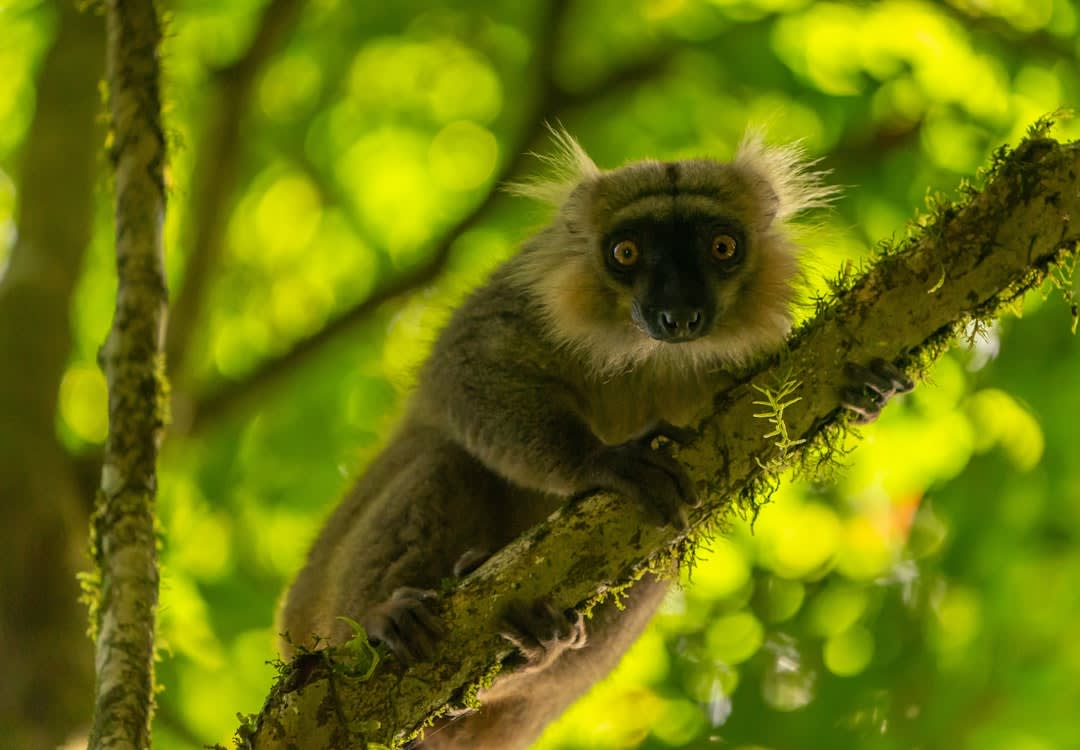
Madagascar is known for lemurs, chameleons, baobabs, rainforest, and unusual coastal habitats. More than 100 lemur species live on the island, and more than 90% of its wildlife is endemic. Therefore, timing your route around one target species can greatly improve your trip.
The dry season usually brings clearer travel conditions across popular safari areas. Roads can still be slow, and distances remain long. However, lower rainfall often makes multi-park routes easier to manage than during the wettest months.
Key features by season
| Name | Price | Duration | Rating | Best For |
|---|---|---|---|---|
| Dry-season safari, May–June | $2,000–$4,500 | 10 days | Choose a verified operator | Hiking, parks, and balanced weather |
| Peak wildlife and whale season, July–September | $2,000–$4,500 | 10 days | Choose a verified operator | Whales, wildlife, and comfortable travel |
| Late-season lemur trip, October–November | Ask for a current quote | 10 days | Choose a verified operator | Baby lemurs and spring wildlife |
| Wet-season nature trip, December–April | Ask for a current quote | Flexible | Choose a verified operator | Chameleons, plants, and lower-season travel |
A 10-day Madagascar safari costs about $2,000–$4,500 per person in 2026. The final rate depends on route, lodge level, transfers, park visits, and operator services. Compare what each package includes before judging the headline price.
Compare Madagascar safari packages for July to September 2026 to match your dates with verified operators, current prices, and authentic traveler reviews.
Why the timing matters
The right month affects more than sunshine. It can shape road access, walking comfort, whale sightings, animal behavior, and the number of available lodges. A traveler focused on whales needs a different plan from a traveler focused on chameleons or baby lemurs.
Madagascar also rewards slower travel. A route may include rainforest, dry forest, highland parks, and coastal areas. These regions do not share one identical climate. Good planning adds realistic travel days instead of packing too many distant parks into one short itinerary.
What Happens in Madagascar Each Month?
Madagascar’s month-by-month safari calendar changes from wet, plant-rich conditions to cooler, drier wildlife travel. May begins the stronger safari season, July to September offers the clearest whale-watching focus, and October to November favors baby lemur sightings. December and January suit chameleons and flora, while January to March brings higher cyclone and road risks.
January
January is a wet-season month with strong interest for chameleons and plant life. Rain can make some roads slower, so choose a flexible itinerary with fewer long transfers. January works best for travelers who value unusual reptiles, forest color, and botanical detail over easy road travel.
February
February remains part of the wetter period. Cyclone risk and poor road conditions make long overland routes less predictable. A short, flexible trip may work with expert local planning, but visitors should confirm transport plans and weather limits before paying a deposit.
March
March still sits within the period most associated with cyclones and difficult roads. Wildlife remains present, but access can matter more than species choice. Travelers who visit in March should build in extra time and avoid a tight schedule between distant parks.
April
April marks a useful transition toward the drier travel season. Rain can still affect some areas, yet conditions often begin to improve. This month suits flexible travelers who want a quieter trip and can accept changing weather across rainforest and coastal regions.
May
May starts the best overall Madagascar safari window. The dry season runs from May to October and supports safari drives, hiking, and beach combinations. May is a strong choice for travelers who want a balanced route without targeting only one seasonal event.
June
June offers dry-season travel with cooler conditions in many highland and inland areas. Hiking routes become more appealing, and park-to-park travel can feel easier than in the wet season. Pack layers because mornings and evenings may feel much cooler than sunny afternoons.
July
July is one of the strongest months for a Madagascar safari in 2026. Whale watching enters its peak period from July to September, and weather is generally comfortable. Book early because popular routes and good lodges can fill well before departure.
Travelers planning a July coast-and-wildlife route can read the detailed guide to Madagascar safari tours during the July 2026 whale-watching peak.
August
August combines dry-season access with strong whale-watching opportunities. It suits couples, families, photographers, and first-time visitors who want comfortable outdoor days. Expect higher demand in popular areas, so compare operator schedules and lodge choices several months ahead.
September
September remains a peak month for whale watching and comfortable weather. It also suits travelers who want hiking and wildlife viewing before the late-season shift. September is often a smart compromise between seasonal highlights and a broad island route.
October
October begins the best period for seeing baby lemurs. That window continues into November. The month also supports wildlife and beach combinations, although local conditions can vary by region. Add rainforest time if young lemurs are the main reason for your visit.
November
November is a strong choice for baby lemur sightings and late-season nature travel. Rain may begin to increase in some areas. Choose an itinerary with local flexibility, and ask whether each road transfer remains practical for your travel dates.
December
December is highlighted for chameleons and flora. The wetter season can create lush landscapes and active plant life. It is less suitable for travelers who want the simplest road conditions, but it can reward visitors with a strong interest in reptiles and forest ecology.
Quick month guide
- January–March: Wet conditions, cyclone risk, and poor roads.
- April: Seasonal transition with flexible travel potential.
- May–June: Dry-season hiking, parks, and balanced routes.
- July–September: Peak whale watching and comfortable weather.
- October–November: Best period for baby lemurs.
- December: Chameleons and flora, with wetter conditions.
How Should You Plan a Madagascar Safari by Season?
Plan a Madagascar safari by choosing your wildlife goal first, then matching the route to weather and road conditions. Select May to October for the easiest overall planning, July to September for whales, October to November for baby lemurs, and December to January for chameleons and flora.
Step 1: Choose your main wildlife goal
Start with one clear priority. Lemurs, whales, chameleons, plants, hiking, and beaches all favor different travel windows. Your priority should decide the month before you choose hotels or book flights.
- Whale watching: Choose July to September.
- Baby lemurs: Choose October to November.
- Chameleons and flora: Consider December to January.
- Hiking and broad wildlife routes: Choose May to September.
- Beach combinations: May to December offers a useful planning window.
Step 2: Match the route to the season
Madagascar is a large island, so travel time matters. A route that looks short on a map may still require long road transfers. Ask your operator how many full days you will spend driving, walking, or changing areas.
Rainforest routes, dry forests, highland areas, and coastal regions can feel very different. Therefore, a good itinerary should explain the weather pattern for each region. Do not rely only on a national average.
Step 3: Book at the right time
Book 6 to 9 months ahead for the best safari choices in 2026. This lead time is especially useful for July to September, when whale watching and comfortable weather increase demand. Early planning also gives you more control over lodge style, room type, and travel pace.
SafariFind connects travelers with verified tour operators. You can compare packages, review operator details, request quotes, and read authentic traveler reviews before choosing a route.
Request a quote from verified Madagascar safari operators for your travel month and compare inclusions before you commit.
Step 4: Check health and entry needs
Entry rules and health advice depend on your passport and travel history. Australian travelers can review the current guide to Madagascar vaccinations and health rules for Australian travelers.
Travelers from Canada can use the updated resource on Madagascar vaccinations and health rules for Canadian citizens. Check official advice close to departure because health rules can change.
Step 5: Set a realistic budget
Use $2,000–$4,500 per person as a 2026 guide for a 10-day Madagascar safari. Ask whether the quote includes park fees, meals, road transfers, internal flights, guides, whale trips, and airport transfers.
Budget and luxury lodges can change the feel of the same route. The guide to Madagascar safari lodges by region in 2026 can help you compare comfort levels before requesting quotes.
Best practices for a smoother trip
- Choose one main wildlife goal and one secondary goal.
- Allow extra time for long road transfers.
- Book peak-season routes 6 to 9 months early.
- Compare package inclusions, not just the headline price.
- Read authentic reviews before selecting an operator.
- Keep one flexible day for weather or transport changes.
These steps help you avoid a common mistake: choosing dates before deciding what you want to see. A clear priority creates a more useful route and a better chance of enjoying each park.
Key Takeaways
- Choose May to October for the best overall dry-season conditions and easier safari planning in 2026.
- Book July to September for peak whale watching and comfortable weather along Madagascar’s coast.
- Travel October to November if baby lemurs are your main wildlife goal.
- Avoid January to March for tight overland routes because cyclones and poor roads can disrupt plans.
- Reserve 6 to 9 months ahead and budget $2,000–$4,500 per person for a 10-day safari.
Frequently Asked Questions
What is the best month for a Madagascar safari in 2026?
July, August, and September are the best months for a Madagascar safari in 2026 if you want comfortable weather and whale watching. May to October is the best overall dry-season window, while October to November is better for baby lemurs.
What is the rainy season in Madagascar?
Madagascar’s wetter period generally runs from December into April, with January to March linked to cyclones and poor road conditions. December and January can still interest travelers focused on chameleons and flora, but flexible planning is important.
When can I see whales in Madagascar?
July to September is the peak whale-watching period in Madagascar. Plan a coastal route during these months, and book early if whale watching is your main reason for visiting. Weather and sightings still depend on local sea conditions.
When is the best time to see baby lemurs?
October to November is the best period for seeing baby lemurs in Madagascar. These months suit travelers who want young animals and late-season wildlife. Add rainforest areas to your itinerary and confirm the best viewing sites with a local operator.
How much does a 10-day Madagascar safari cost in 2026?
A 10-day Madagascar safari costs about $2,000–$4,500 per person in 2026. Prices depend on lodge level, transport, park fees, guides, meals, and route length. Request itemized quotes so you can compare packages fairly.
How far ahead should I book a Madagascar safari?
Book a Madagascar safari 6 to 9 months ahead for the best choice of dates, lodges, and operators. This timing matters most for July to September, when whale watching and comfortable weather create stronger demand. Compare verified operators on SafariFind before booking.
Conclusion: Which Madagascar Safari Dates Should You Choose?
May to October is the best overall time for a Madagascar safari in 2026. Choose July to September for whale watching and comfortable weather, or October to November for baby lemurs. Choose December to January only if chameleons and flora matter more than easy road travel.
A 10-day trip costs about $2,000–$4,500 per person. Start planning 6 to 9 months ahead, especially for peak whale season. Build a route around your main wildlife goal, then compare travel time, lodge style, and package inclusions.
Compare verified safari packages on SafariFind, request quotes from trusted operators, and read authentic traveler reviews before choosing your dates. SafariFind helps you find a safari that fits your budget and interests. With careful planning, 2026 can bring a richer and more focused Madagascar wildlife experience.
Image Alt Text Suggestions
- “Ring-tailed lemur sitting in Madagascar dry forest during the 2026 safari season”
- “Humpback whale near Madagascar coast during July to September peak season”
- “Madagascar chameleon on rainforest foliage in December”
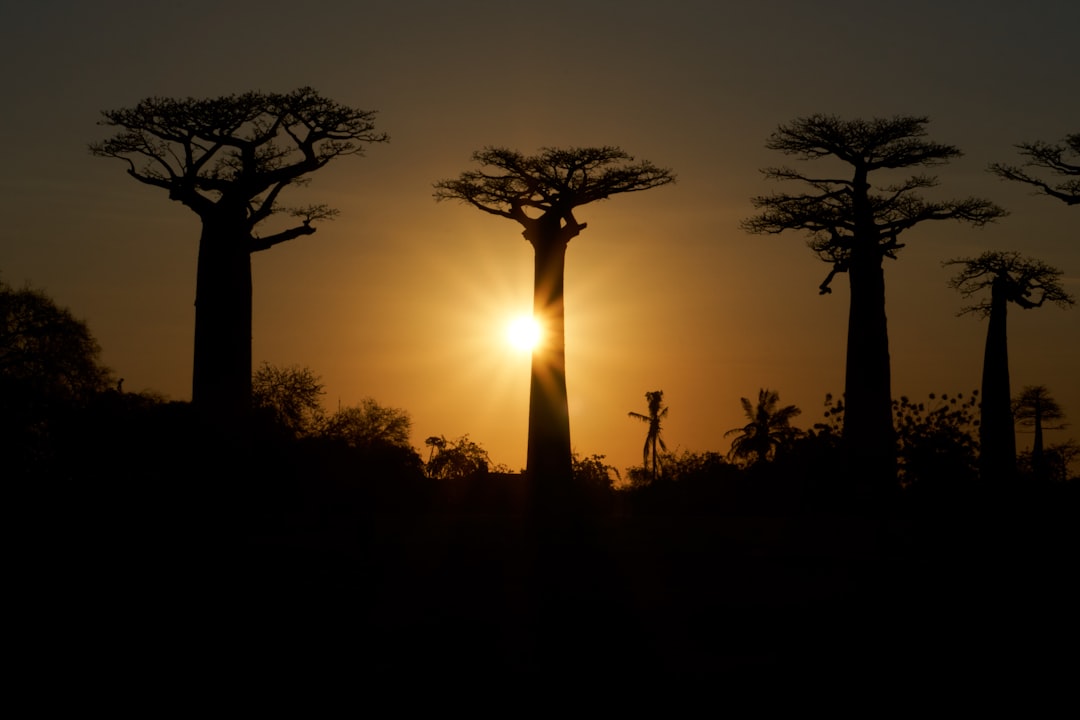
- “Baobab trees at sunset on a Madagascar safari route”
- “Traveler walking through Madagascar rainforest with local safari guide”
Plan Your Safari with SafariFind
These recommendations use real data from SafariFind, where you can compare operators, browse packages, and read verified traveler reviews before you book.
Recommended Safari Operators from SafariFind
Recommended Safari Packages from SafariFind
What Travelers Say (SafariFind Reviews)
References
- The Best Time to Visit Madagascar — Lonely Planet
- Best Time to Visit Madagascar — African Budget Safaris
- Madagascar Safari Safety 2026: Solo Traveler Guide — SafariFind
- Madagascar Travel Guide 2026 — Ingwe Africa Safaris
- Madagascar Safari Guide 2026 — Private Tours Cape Town
- Timing Your Trip: The Best Time to Visit Madagascar — Safari Go
- Best Time to Visit Madagascar — SafariBookings
- Madagascar Tours and Holidays — African Travel Hub
Sources
- The Best Time to Visit Madagascar — Lonely Planet
- Best Time to Visit Madagascar — African Budget Safaris
- Madagascar Safari Safety 2026: Solo Traveler Guide — SafariFind
- Madagascar Travel Guide 2026 — Ingwe Africa Safaris
- Madagascar Safari Guide 2026 — Private Tours Cape Town
- Timing Your Trip: The Best Time to Visit Madagascar — Safari Go
- Best Time to Visit Madagascar — SafariBookings
- Madagascar Tours and Holidays — African Travel Hub
Related to
Ready to start your safari adventure?
Explore curated safari packages and find your perfect African adventure with verified operators.