Malawi Safari in May–October: Peak Wildlife & Daily Costs 2026
Malawi safaris May–October cost $9,000–$12,000 per person for 7–13 days. Peak dry season offers Big Five viewing in Liwonde and Majete reserves without Kenya crowds.
Malawi Safari May–October: Peak Wildlife & Costs
Last updated: July 2026
Malawi safaris from May to October cost $9,000 to $12,000+ per person for 7-13 days, with nightly lodge rates between $250 and $700. This dry season offers peak wildlife viewing in Liwonde and Majete reserves. Book through verified operators on SafariFind to compare packages and read authentic reviews from past travelers.
At a Glance
- Cost per person: $9,000–$12,000+ for 7–13 days (2026)
- Daily lodge rate: $250–$700 per night
- Best time: May–October (dry season, peak wildlife)
- Duration: 7–13 days recommended
- Best for: Wildlife lovers, Big Five seekers, photographers
- Key parks: Liwonde, Majete, Nkhotakota Wildlife Reserve
What Is a Malawi Safari in May–October?
Malawi safaris during the May-to-October dry season represent Africa's best-kept secret for wildlife viewing and value. The dry season brings concentrated animal populations to water sources, making game drives incredibly rewarding. Malawi has quietly emerged as one of Africa's most rewarding safari destinations, thanks to world-class conservation efforts led by African Parks and other organizations.
This peak season combines excellent wildlife viewing with lower costs than Kenya or Tanzania. You get Big Five encounters—lions, leopards, elephants, buffalo, and rhinos—without the crowds. Accommodation ranges from $250 to over $700 per night, depending on lodge quality.
The dry season (May to October) is the peak period for wildlife viewing in Malawi. Due to increased demand, prices for lodges and safari tours may be higher during this time compared to shoulder seasons. However, the investment pays off with consistent sightings and unforgettable experiences.
Malawi offers three main safari regions: Liwonde National Park, Majete Wildlife Reserve, and Nkhotakota Wildlife Reserve. Each park has distinct advantages for different traveler types. Whether you want game drives, walking safaris, or boat tours on Lake Malawi, this country delivers variety.
Many visitors pair their safari with Lake Malawi's island retreats or tea estate tours. This creates a well-rounded African adventure beyond just wildlife viewing. The combination of safaris, cultural experiences, and relaxation makes Malawi unique among safari destinations.
Why Visit Malawi on Safari During Peak Season?
Unbeatable Wildlife Concentration
During the dry season, animals gather at remaining water sources. This concentration makes wildlife spotting far more reliable than in rainy months. You'll see elephants, buffalo, and antelope in numbers that rival East Africa's famous reserves.
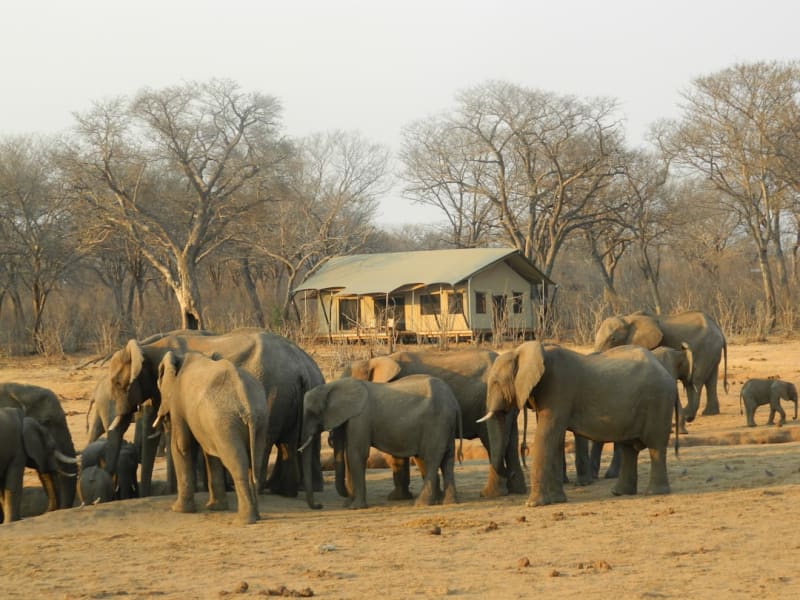
Liwonde National Park stands out for its river-based safaris. The Shire River attracts hippos, crocodiles, and water-dependent species daily. Game drives and boat tours combine to create diverse viewing opportunities.
Leopard Viewing Excellence
South Luangwa (in neighboring Zambia, often combined with Malawi itineraries) claims Africa's highest leopard density—approximately 10 per 100 square kilometers. Malawi's reserves offer similar opportunities for spotting these elusive big cats.
Evening game drives during dry season are particularly rewarding for leopard sightings. The cooler temperatures and reduced vegetation make spotting easier. Photographers prioritize this season for cat encounters.
Comfortable Weather for Game Drives
May through October brings cool, dry weather perfect for safari activities. Daytime temperatures range from 20–25°C (68–77°F), making long game drives comfortable. You avoid the rainy season's muddy roads and reduced visibility.
Early morning drives start around 5:30 AM when animals are most active. The cool air means you can be out for 4–5 hours without overheating. This extended viewing time increases wildlife encounter odds.
Better Value Than Kenya or Tanzania
Malawi safaris cost 15–25% less than comparable Kenya or Tanzania packages. You get similar wildlife viewing and often more personalized service. Lodge standards are high without premium East African pricing. Compare Malawi safari vs Kenya pricing and wildlife density to understand the value difference.
A 7-day Malawi safari typically costs $9,000–$12,000 per person all-inclusive. The same experience in Kenya runs $12,000–$15,000. You save thousands while accessing world-class reserves.
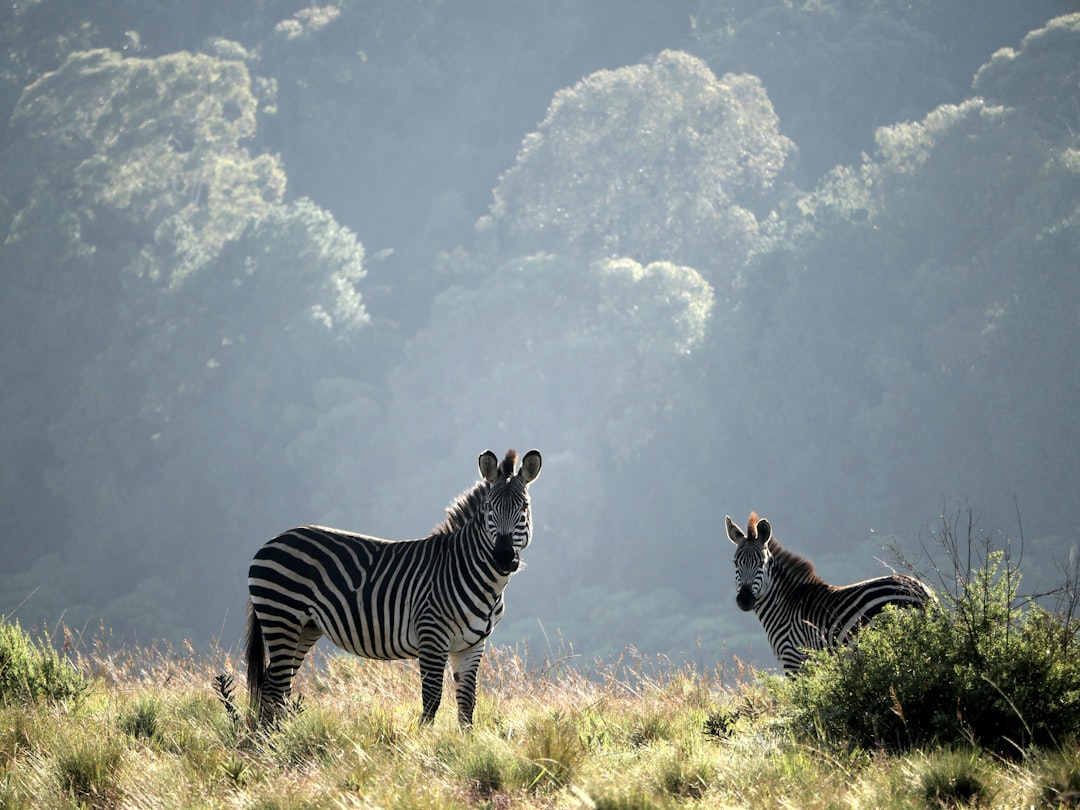
Malawi Safari Daily Costs Breakdown (2026)
Accommodation Pricing by Lodge Category
Malawi lodges range from budget-friendly to ultra-luxury. Budget lodges cost $80–$150 per night but lack amenities. Mid-range lodges ($250–$450 per night) offer excellent value with quality service. Luxury lodges ($500–$700+ per night) provide premium experiences with private guides and gourmet meals.
Most safari packages bundle accommodation, meals, and game drives. You pay per-person rates rather than nightly room rates. This simplifies budgeting and ensures consistent quality.
Per-Person Package Costs (7–13 Days)
| Package Type | Duration | Cost per Person | Includes |
|---|---|---|---|
| Budget Safari | 7 days | $6,500–$8,000 | Shared room, basic lodge, group drives |
| Mid-Range Safari | 7–10 days | $9,000–$12,000 | Private/shared room, quality lodge, daily drives |
| Luxury Safari | 10–13 days | $12,000–$18,000+ | Private room, premium lodge, private guide |
| Ultimate Malawi (Multi-park) | 13 days | $12,192+ | Safaris, tea estates, island retreat |
Daily Meal and Activity Costs
Most packages include all meals and game drives. Extra activities like walking safaris, boat tours, or village visits cost $50–$150 per activity. Alcoholic beverages often aren't included; budget $10–$30 daily for drinks.
Gratuities for guides and staff typically run $10–$20 per person daily. This is customary and appreciated by your safari team.
International Flights and Transfers
Flights from the US to Lilongwe (Malawi's capital) range from $800–$1,400 roundtrip. Domestic flights to safari airstrips add $200–$400. Ground transfers and park fees typically cost $100–$200 total.
Budget an additional $1,200–$1,800 for flights and transfers when calculating total trip cost.
Which Malawi Parks Offer Best Peak-Season Wildlife?
Liwonde National Park: River-Based Safaris
Liwonde National Park is Malawi's premier safari destination. The Shire River runs through the park, attracting dense populations of hippos, crocodiles, elephants, and buffalo. Game drives and boat safaris combine to create diverse experiences.
Liwonde offers both vehicle and walking safaris. Evening boat cruises provide unique perspectives on riverine wildlife. This park suits photographers and wildlife enthusiasts equally well.
Majete Wildlife Reserve: Emerging Conservation Success
Majete Wildlife Reserve represents modern African conservation. African Parks has transformed this reserve into a thriving ecosystem. The reserve now hosts Big Five animals including lions reintroduced in 2017.
Majete is less crowded than Liwonde, offering more intimate safari experiences. Walking safaris are particularly rewarding here. The reserve combines wildlife viewing with conservation story-telling.
Nkhotakota Wildlife Reserve: Elephant Stronghold
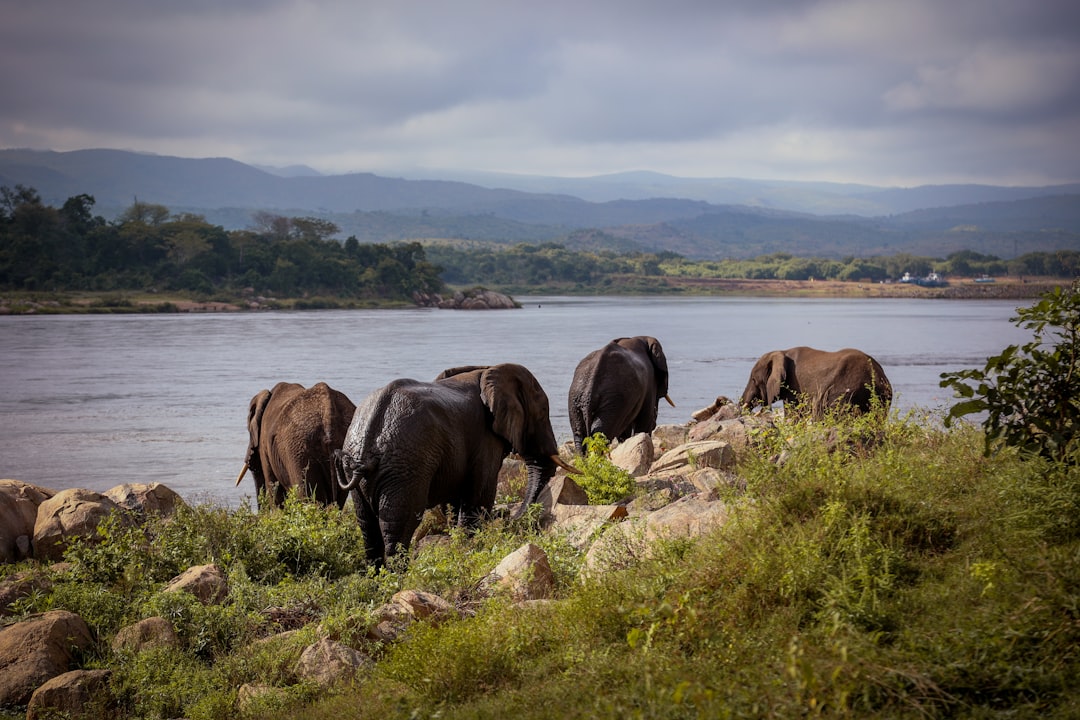
Nkhotakota hosts one of Africa's largest elephant populations. The reserve spans 1,800 square kilometers of diverse habitat. Fewer tourists visit this park, making it ideal for solitude seekers.
Nkhotakota offers excellent walking safaris and off-road game drives. The park is less developed than Liwonde but offers authentic bush experiences.
Best Times Within May–October Peak Season
May–June: Ideal Weather, Fewer Crowds
May and June offer perfect weather with comfortable temperatures (20–25°C). These months fall after the rainy season, so vegetation is still lush. Animal sightings remain excellent as water sources concentrate wildlife.
Fewer tourists visit in May-June compared to July-August. You'll enjoy smaller group sizes and more personalized service. This period offers the best value for peak-season safaris.
July–August: Peak Season Peak
July and August bring the most tourists and highest prices. These months offer peak wildlife viewing and perfect weather. However, expect more safari vehicles and higher lodge rates.
If you must travel in July-August, book 3–6 months ahead to save 15–20% on rates. Early booking is critical during these months.
September–October: Late Season Bargains
September and early October still offer excellent wildlife viewing with fewer tourists. Temperatures rise slightly but remain comfortable. Lodge rates drop as peak season ends.
These months suit budget-conscious travelers seeking peak-season quality at shoulder-season prices. Wildlife remains concentrated at water sources through October.
How to Book Your Malawi Safari in 2026
Step 1: Choose Your Parks and Duration
Decide whether you want a single-park focus or multi-park adventure. Seven days typically covers one park thoroughly. Ten to thirteen days allow multiple parks plus Lake Malawi relaxation.
Consider pairing safaris with tea estate tours or island retreats. The Ultimate Malawi package (13 days, $12,192+) combines all three experiences for a well-rounded trip.
Step 2: Set Your Budget
Mid-range safaris ($9,000–$12,000 per person) offer excellent value. Budget safaris ($6,500–$8,000) suit cost-conscious travelers. Luxury options ($12,000–$18,000+) provide premium experiences.
Remember to budget for flights ($1,200–$1,800) and travel insurance ($150–$300) separately.
Step 3: Compare Verified Operators
Browse verified Malawi safari packages on SafariFind to compare operators, prices, and authentic reviews. SafariFind lists only verified tour operators with transparent pricing and real traveler feedback.
Read reviews from previous travelers to understand guide quality, vehicle condition, and lodge standards. Look for operators with 4.5+ star ratings and 50+ reviews for reliability.
Step 4: Request Quotes and Negotiate
Request quotes from 2–3 operators for comparison. Many operators offer discounts for early bookings (3–6 months ahead). Group discounts apply if traveling with friends or family.
Ask about included versus optional costs. Clarify whether park fees, meals, and activities are included. Transparent pricing prevents surprises later.
Step 5: Book and Prepare
Confirm your booking with a deposit (typically 25–50% of total cost). Finalize details 4–6 weeks before departure. Arrange travel insurance and vaccinations.
Pack appropriate safari gear: neutral-colored clothing, binoculars, camera equipment, and sun protection. Your operator will provide a detailed packing list.
Malawi vs Kenya vs Tanzania: Peak Season Comparison
Choosing between Malawi and East Africa requires understanding the differences. Learn how Malawi compares to Kenya and Tanzania for safari quality and value.
Malawi offers 15–25% lower costs than Kenya or Tanzania. Wildlife viewing quality is comparable, though less famous. You get more personalized service and fewer tourists.
Kenya's Masai Mara and Tanzania's Serengeti remain iconic for the Great Migration (July-October). Malawi offers steady year-round wildlife without seasonal migrations. Both approaches have merit depending on your priorities.
Compare Malawi safaris directly with Tanzania for wildlife density and real daily costs to make an informed decision.
Choose Malawi if you want value, personalization, and emerging conservation stories. Choose Kenya or Tanzania if you prioritize iconic experiences and don't mind higher costs.
Safety and Practical Considerations
Is Malawi Safe for Safari Travel?
Check current Malawi safety data and park security information for 2026 before booking.
Malawi is generally safe for tourists, with lower crime rates than Kenya or South Africa. Safari parks have excellent security and trained guides. Stick to organized tours and avoid traveling alone at night in cities.
Visa and Health Requirements
US citizens receive a 30-day tourist visa on arrival (no pre-application needed). Your passport must be valid for 6 months beyond your travel dates.
Yellow fever vaccination is recommended if arriving from endemic countries. Malaria prophylaxis is essential for most safari areas. Consult your doctor 4–6 weeks before departure for personalized health advice.
Best Physical Fitness Level
Game drives require minimal fitness—you sit in vehicles for 4–5 hours daily. Walking safaris demand moderate fitness and comfortable hiking boots. Most travelers of all ages enjoy Malawi safaris comfortably.
Key Takeaways
- Book your Malawi safari 3–6 months ahead to save 15–20% on May–October peak-season rates and secure preferred lodges.
- Budget $9,000–$12,000 per person for 7–10 day mid-range safaris including accommodation, meals, and game drives in 2026.
- Choose May–June for ideal weather and fewer crowds, or September–October for late-season bargains without sacrificing wildlife viewing quality.
- Compare verified operators on SafariFind to read authentic reviews and request quotes from 2–3 companies before committing to your safari package.
- Pair your safari with Lake Malawi island retreats or tea estate tours to create a comprehensive 10–13 day African adventure beyond just wildlife viewing.
Frequently Asked Questions
How much does a Malawi safari cost per person in 2026?
A mid-range Malawi safari costs $9,000–$12,000 per person for 7–10 days, including accommodation, meals, and daily game drives. Budget safaris run $6,500–$8,000, while luxury options exceed $12,000. International flights add $1,200–$1,800 to your total cost.
What is the best time to visit Malawi for safari?
May to October is peak safari season in Malawi, with May–June offering ideal weather and fewer crowds. July–August brings the most tourists and highest prices. September–October provides late-season bargains with excellent wildlife viewing still available.
Is Malawi cheaper than Kenya or Tanzania for safari?
Yes, Malawi safaris cost 15–25% less than comparable Kenya or Tanzania packages. You get similar Big Five wildlife viewing and often more personalized service. Mid-range Malawi packages ($9,000–$12,000) compare favorably to East African options at $12,000–$15,000.
Which Malawi parks are best for wildlife viewing?
Liwonde National Park excels for river-based safaris with hippos and crocodiles. Majete Wildlife Reserve offers Big Five viewing with emerging conservation success. Nkhotakota Wildlife Reserve provides excellent elephant viewing and walking safaris. All three deliver peak-season wildlife viewing during May–October.
What should I pack for a Malawi safari in May–October?
Pack neutral-colored clothing (khaki, olive, tan), comfortable hiking boots, and a light jacket for cool mornings. Bring binoculars, camera equipment, sunscreen, and a hat. Your safari operator will provide a detailed packing list specific to your lodges and activities.
Do I need vaccinations for a Malawi safari?
Yellow fever vaccination is recommended if arriving from endemic countries. Malaria prophylaxis is essential for safari areas. Consult your doctor 4–6 weeks before travel for personalized health requirements based on your medical history.
How do I find and book a verified Malawi safari operator?
Browse verified Malawi safari operators on SafariFind to compare packages, read authentic traveler reviews, and request quotes directly. SafariFind lists only verified operators with transparent pricing and real customer feedback, helping you choose the best safari experience for your budget and preferences.
Conclusion
Malawi safaris from May to October deliver world-class wildlife viewing at unbeatable value. Peak season costs range from $9,000–$12,000 per person for 7–10 days all-inclusive, with nightly lodge rates between $250–$700. The dry season concentrates animals at water sources, making game drives incredibly rewarding for Big Five sightings and photography.
Liwonde National Park, Majete Wildlife Reserve, and Nkhotakota offer distinct safari experiences suited to different traveler preferences. May–June provides ideal weather and fewer crowds. July–August brings peak wildlife viewing but higher prices. September–October offers late-season bargains without sacrificing quality.
Malawi safaris cost 15–25% less than Kenya or Tanzania while delivering comparable wildlife viewing and superior personalization. The country has quietly emerged as Africa's best-kept safari secret, with world-class conservation efforts transforming reserves into thriving ecosystems.
Ready to plan your Malawi adventure? Compare verified Malawi safari packages on SafariFind to find operators matching your budget and preferences. Request quotes from 2–3 verified operators, read authentic reviews from past travelers, and book 3–6 months ahead to save 15–20% on peak-season rates. Your unforgettable Malawi safari awaits in 2026.
Plan Your Safari with SafariFind
These recommendations use real data from SafariFind, where you can compare operators, browse packages, and read verified traveler reviews before you book.
What Travelers Say (SafariFind Reviews)
References
- Malawi Safari Vacation Packages 2026/2027 – Goway Travel
- Ultimate Malawi | Luxury Personalized Safaris – Scott Dunn
- The Ultimate Malawi Safari Travel Guide 2026 – Crafted Africa
- 10 Best Places to Go on Safari in 2026 – African Safari Blog
- Best-Value African Safaris for Peak Season (June–October 2026) – African Budget Safaris
- Malawi Safari 2026/27 – Far & Wild Travel
- How Much Does a Malawi Safari Cost? – Cedarberg Travel
Sources
- Malawi Safari Vacation Packages 2026/2027
- Ultimate Malawi | Luxury Personalized Safaris – Scott Dunn
- The Ultimate Malawi Safari Travel Guide 2026 – Crafted Africa
- 10 Best Places to Go on Safari in 2026 – African Safari Blog
- Best-Value African Safaris for Peak Season (June–October 2026)
- Malawi Safari 2026/27 – Far & Wild Travel
- How Much Does a Malawi Safari Cost? – Cedarberg Travel
Related to
Ready to start your safari adventure?
Explore curated safari packages and find your perfect African adventure with verified operators.