Mozambique Safari Animals: 12 Species and Where to See Them
Discover Mozambique Safari Animals: 12 Species and Where to See Them - Expert guide to safari tourism and wildlife destinations.

Mozambique Safari Animals: 12 Species and Where to See Them
Last updated: August 2026
Mozambique safari animals include the Big Five, cheetahs, whale sharks, dugongs, and many bird species. See land wildlife in Limpopo and Zinave National Parks, then explore marine life near Tofo and the Bazaruto Archipelago. The best general wildlife season is May to October, while marine trips follow local conditions. SafariFind helps you compare verified operators and safari packages in 2026.
At a Glance
- Wildlife: 12 notable species include lions, elephants, leopards, rhinos, buffalo, cheetahs, hippos, crocodiles, wild dogs, whale sharks, dugongs, and whales
- Best time: May to October for many land-based wildlife trips
- Best parks: Limpopo National Park and Zinave National Park for Big Five viewing
- Marine highlights: Whale sharks near Tofo and marine biodiversity around Mozambique’s coast
- Best for: Big Five safaris, birding, marine wildlife, and bush-to-beach holidays
- Planning date: Advice and travel context are current for August 2026
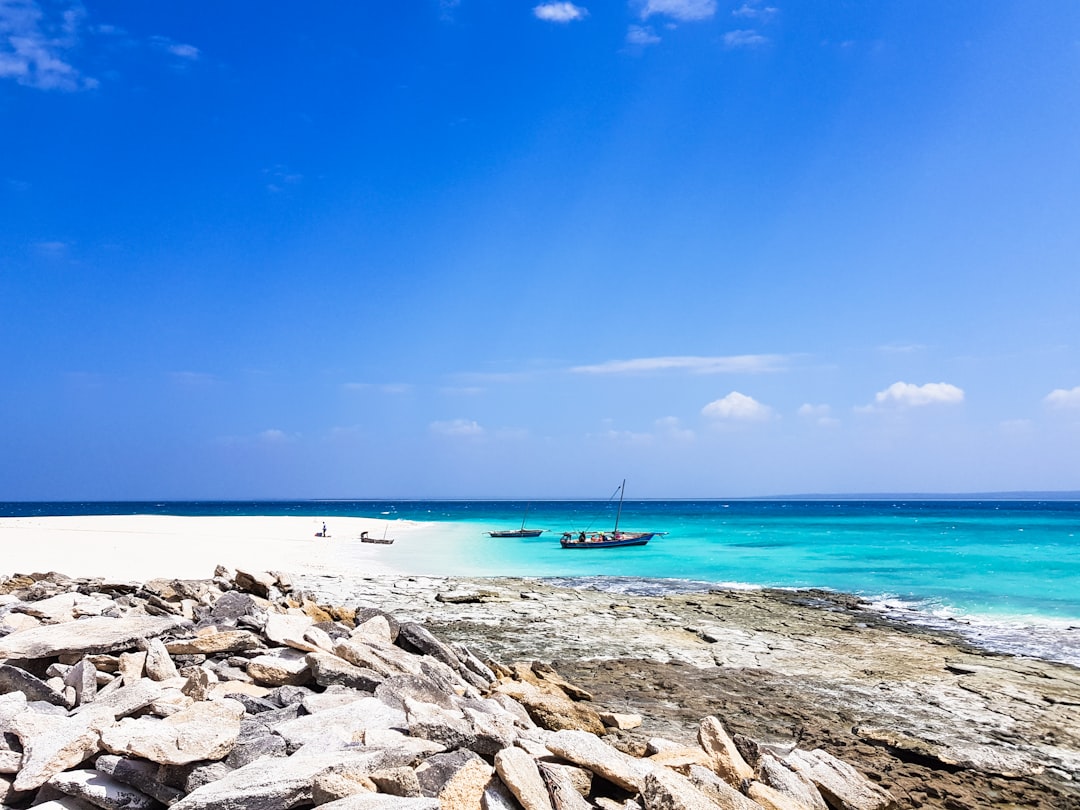
More than one world of wildlife waits in Mozambique: Big Five game lives inland, while whale sharks and dugongs live along the coast.
Mozambique Safari Animals: 12 Species and Where to See Them is a practical guide to planning a wildlife trip in 2026. The country combines inland parks, floodplains, forests, rivers, islands, and warm coastal waters. That mix gives travelers a wider wildlife menu than a standard game drive alone.
Mozambique is best known for its blend of terrestrial and marine biodiversity. Limpopo and Zinave National Parks are described as Big Five destinations, while Tofo is linked with whale shark encounters. Fodor’s also lists whale sharks and cheetahs among the wildlife found in Mozambique.
Quick answer: Visit Limpopo or Zinave for lions, elephants, leopards, rhinos, and buffalo. Choose Tofo for whale sharks, and consider Bazaruto for marine wildlife. May to October is the main dry-season window for many land safaris. Mozambique is best for travelers who want a safari and beach trip in one journey.
This guide explains what each animal is, where to look, and how to plan responsibly. It also separates land wildlife from marine wildlife, because each needs different timing, transport, and guide skills.
What Are Mozambique Safari Animals Known For?
Mozambique safari animals are known for variety across land and sea. The country offers Big Five game in recovering national parks, plus whale sharks, dugongs, and other marine species along the coast. This range makes Mozambique a strong choice for travelers who want game drives, boat trips, snorkeling, or diving on one holiday.
1. Lion
Lions are among the headline species on a Mozambique safari. Limpopo National Park and Zinave National Park are identified as places where visitors can see Africa’s Big Five, which includes lions. Look across open grassland, woodland edges, and river areas during early morning or late afternoon drives.
2. African elephant
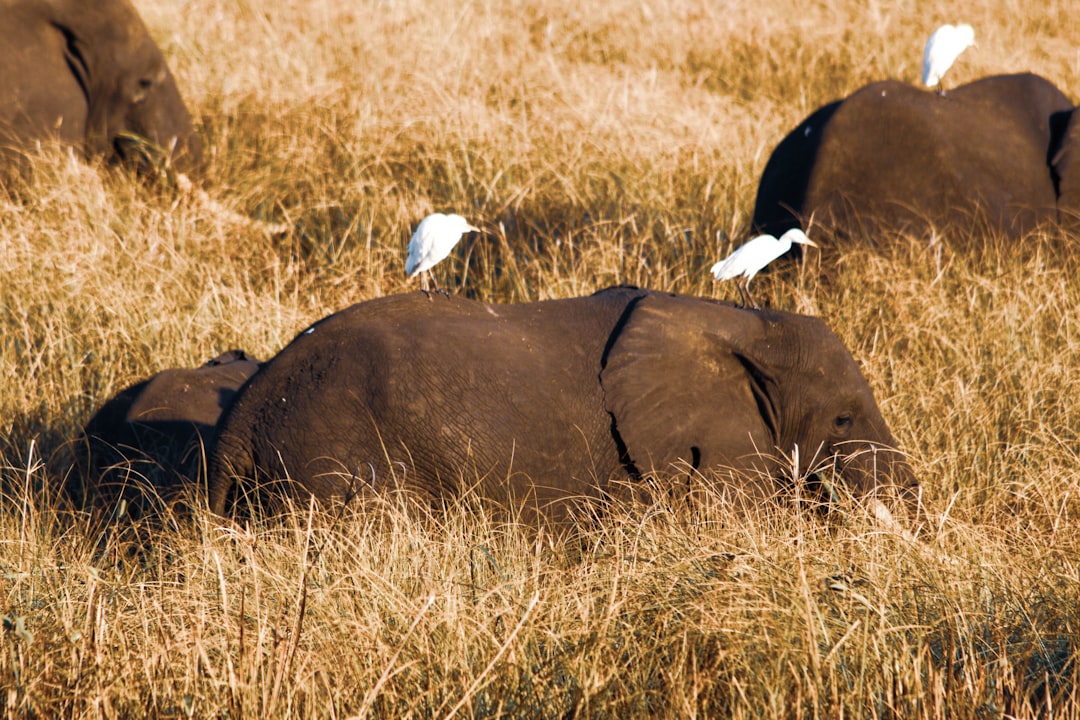
African elephants are another key Big Five species. Game drives may focus on tracks, dung, feeding areas, and water sources before locating a herd. Keep a safe distance and follow the guide’s instructions. Elephants need space, especially near water or when young calves travel with the group.
3. Leopard
Leopards are secretive cats that reward patient wildlife watching. A U.S. Fish and Wildlife Service document identifies a leopard capture location at or near Maravia in Tete, Mozambique. The record confirms leopard presence in the country, but sightings remain less predictable than sightings of larger, more open-country animals.
4. Rhinoceros
Rhinoceroses complete the Big Five list alongside lions, elephants, leopards, and buffalo. Limpopo and Zinave are the two parks highlighted for Big Five viewing in the supplied research. Ask operators about current sightings, conservation work, and park conditions before booking. Wildlife movement changes from season to season.
5. African buffalo
African buffalo often travel in herds and form part of the Big Five experience. Water and fresh grazing can shape their movements. A trained guide can read tracks and herd behavior while keeping the vehicle at a respectful distance. Buffalo viewing works well for travelers who enjoy slow, detailed game drives.
6. Cheetah
Cheetahs are listed among the wildlife found in Mozambique by Fodor’s Travel Guide. Their slim build and speed make them a popular safari target, yet sightings are never guaranteed. Open plains and quiet observation help. A guide should avoid chasing the animal or crowding it with other vehicles.
Travelers who want more detail on park locations can compare the destinations in this guide to six Mozambique safari parks. Compare Mozambique safari packages when you know whether Big Five viewing or marine wildlife matters most.
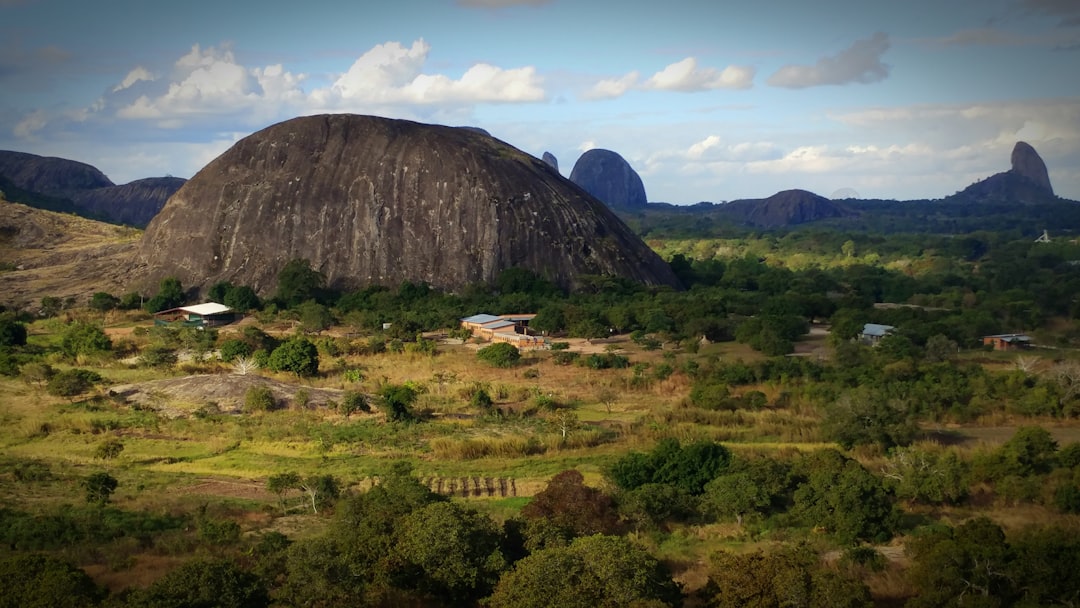
Which Other Wildlife Can You See in Mozambique?
Mozambique offers more than six famous safari species. Hippos and crocodiles add river drama, while wild dogs bring a rare predator encounter. Along the coast, whale sharks and dugongs create a different type of wildlife experience. Birdwatchers also benefit from the country’s wide mix of habitats and coastal wetlands.
7. Hippopotamus
Hippopotamuses are river and wetland animals that spend much of the day in water. Look for groups near calm channels, lakes, and floodplains. Never approach a hippo on foot. Boat guides and game rangers understand safe viewing distances and can explain why a quiet riverbank does not always mean a safe one.
8. Nile crocodile
Nile crocodiles live in rivers, pools, and other wetlands. They often rest beside the water or float with only their eyes visible. Their presence adds value to river drives and boat safaris. Keep hands, cameras, and loose items inside the boat or vehicle unless a qualified guide gives clear instructions.
9. African wild dog
African wild dogs are social predators known for group behavior and striking coat patterns. Their movements can cover large areas, so sightings depend on current tracking information. Ask your operator whether guides monitor recent tracks. Responsible viewing means allowing the pack to move freely without blocking its route.
10. Whale shark
Whale sharks are the largest fish in the sea, and Mozambique’s coast is linked with sightings near Tofo. Fodor’s also lists whale sharks among animals found in Mozambique. These gentle filter feeders create a marine safari rather than a traditional game-drive experience. Use a trained boat or dive operator.
11. Dugong
Dugongs are large marine mammals related to manatees. They are known for slow swimming and gentle behavior. Seagrass habitats support dugongs, but seeing one takes luck and careful planning. Choose operators that follow local wildlife rules, avoid close approaches, and never touch or feed marine animals.
12. Humpback whale
Humpback whales are a major coastal wildlife interest during seasonal movements. Whale watching requires calm behavior, a skilled boat crew, and enough distance for the animals to surface naturally. Confirm the season and departure point before booking. A beach extension can add marine viewing after inland game drives.
Birdlife and smaller species
Mozambique’s birdlife adds another layer to a safari. Wetlands, woodland, grassland, and coastal habitats attract different birds. Carry binoculars and ask for a bird-focused guide if birds matter to you. Smaller animals, reptiles, and antelope also make the long pauses between major sightings worthwhile.
| Name | Price | Duration | Rating | Best For |
|---|---|---|---|---|
| Limpopo National Park safari | Request current quote | Choose a package | Compare verified reviews | Big Five and game drives |
| Zinave National Park safari | Request current quote | Choose a package | Compare verified reviews | Recovering park and wilderness |
| Tofo marine wildlife trip | Request current quote | Day trip or extension | Compare verified reviews | Whale sharks and ocean wildlife |
| Bazaruto coastal safari | Request current quote | Choose a package | Compare verified reviews | Island, beach, and marine life |
Prices are not supplied in the current research data, so this guide does not invent a 2026 price range. Compare tour operators and request quotes based on park access, lodge type, transport, and marine activities.
How Should You Plan a Mozambique Wildlife Safari?
The best Mozambique safari plan matches the animal list to the right habitat. Use inland parks for Big Five game drives, Tofo for whale sharks, and coastal islands for a bush-to-beach trip. May to October is the main dry-season window highlighted for wildlife viewing in the supplied research.
Choose your main wildlife goal
Big Five travelers should start with Limpopo or Zinave. These parks are the clearest choices in the research for lion, elephant, leopard, rhino, and buffalo viewing. Zinave is also described as recovering after severe impacts from Mozambique’s civil war. That history makes conservation progress part of the travel story.
Marine wildlife travelers should focus on Tofo and the Bazaruto Archipelago. Tofo is specifically linked with whale sharks in the supplied research. Dugong trips need patience because these animals move slowly through marine habitats and can remain difficult to locate.
Mixed-interest travelers should allow enough time for travel between inland and coastal areas. A rushed itinerary can reduce time in the field. Read this 10-day Mozambique safari and beach plan before choosing a route.
Pick the right season
May to October is the recommended general window for many land-based wildlife trips. Drier conditions can make some animals easier to find near water, while thinner vegetation can improve views. Conditions differ by park and coast, so check local advice before you travel.
August 2026 travelers can also review three Mozambique safari and beach routes for August. Seasonal marine sightings do not always match inland game viewing. Therefore, confirm both parts of a combined itinerary.
Use responsible wildlife practices
- Keep a safe distance from elephants, hippos, buffalo, and predators.
- Never touch, feed, or chase wildlife.
- Use quiet voices near animals and limit sudden movement.
- Choose guides who explain park rules before each activity.
- Support protected areas and local conservation work through park fees.
- Carry binoculars, sun protection, closed shoes, and a light jacket.
Safety planning matters because each park has different roads, borders, weather, and local conditions. Read the Mozambique safari safety guide for 2026 before departure. Also ask your operator about transfers, emergency contacts, insurance, and medical support.
What to ask before booking
- Which park or marine area does the package visit?
- How many nights are spent in the wildlife area?
- Does the price include park fees, transfers, and activities?
- How does the operator handle wildlife encounters?
- Can previous travelers’ authentic reviews be verified?
SafariFind connects travelers with verified tour operators and authentic traveler reviews. Compare the inclusions in writing, then request a quote that matches your animal priorities, dates, and comfort level.
How Can You Make the Most of Mozambique Safari Animals?
The strongest wildlife experience comes from slowing down and watching behavior. A lion resting, a dugong surfacing, or a crocodile waiting beside a river can be more memorable than a rushed checklist. Build each day around habitat, light, travel time, and the skills of your guide.
Use a simple wildlife checklist
- Big Five: lion, elephant, leopard, rhino, and buffalo.
- Predators: cheetah and African wild dog.
- Wetland species: hippo and Nile crocodile.
- Marine species: whale shark, dugong, and humpback whale.
- Birdlife: woodland, wetland, grassland, and coastal birds.
Do not judge a safari only by the number of large animals seen. Tracks, calls, feeding signs, and habitat knowledge add depth. A good guide can explain why a species uses one area and avoids another.
Plan for changing conditions
Wildlife sightings are never guaranteed, even in a strong season. Roads, rain, water levels, animal movement, and park rules can change daily. Ask your operator for a realistic plan instead of a promise to see every animal on your list.
Marine trips need extra care. Follow the boat crew’s instructions, use approved equipment, and allow animals to control the encounter. This approach protects wildlife and gives you a calmer experience.
Connect safari and beach time
Mozambique is well suited to a bush-to-beach holiday because it combines inland and marine biodiversity. Start with several game drives, then move to the coast for snorkeling, diving, whale shark trips, or quiet beach time.
The best route depends on your airport, park choice, travel dates, and budget. A verified operator can explain transfer times and activity limits before you pay. SafariFind’s catalog helps you compare packages, operators, and review signals in one place.
Image alt text suggestions:
- “Lion resting beside open woodland in Mozambique’s Limpopo National Park”
- “Whale shark swimming near Tofo on Mozambique’s coast”
- “Dugong moving through shallow seagrass habitat in Mozambique”
- “Elephant herd near a water source during a Mozambique game drive”
- “Safari vehicle viewing buffalo in a Mozambique national park”
Key Takeaways
- Choose Limpopo or Zinave for the best-supported Big Five focus in Mozambique.
- Visit between May and October for the main dry-season wildlife window.
- Add Tofo if whale sharks are a priority, because the area is linked with whale shark encounters.
- Protect dugongs and whale sharks by using trained marine operators and keeping a respectful distance.
- Compare routes before booking because inland game drives and coastal trips need different transport and timing.
Frequently Asked Questions
What animals can you see on safari in Mozambique?
Mozambique safari animals include lions, elephants, leopards, rhinos, buffalo, cheetahs, hippos, crocodiles, wild dogs, whale sharks, dugongs, and whales. Limpopo and Zinave suit Big Five trips, while Tofo and coastal areas suit marine wildlife trips.
Where can you see the Big Five in Mozambique?
Limpopo National Park and Zinave National Park are described as places where visitors can see Africa’s Big Five. The Big Five are lions, elephants, leopards, rhinos, and buffalo. Ask about current sightings before booking, because wildlife moves across large areas.
When is the best time for a Mozambique safari?
May to October is the main recommended window for many Mozambique land safaris. Drier conditions can improve access and visibility in some areas. Marine wildlife follows different patterns, so confirm Tofo or Bazaruto conditions for your exact travel dates.
Can you see whale sharks in Mozambique?
You can look for whale sharks near Tofo, which is linked with whale shark encounters in the supplied research. Whale sharks are marine animals, so choose a trained boat or dive operator and follow all wildlife viewing rules.
Are dugongs found in Mozambique?
Dugongs are marine mammals related to manatees and known for slow swimming and gentle behavior. Coastal trips may focus on suitable marine habitats, but sightings are not guaranteed. Use a responsible operator that avoids touching, feeding, or chasing wildlife.
How do you book a Mozambique wildlife safari in 2026?
Book by comparing park access, dates, transport, lodge style, activities, and verified reviews. SafariFind connects travelers with verified tour operators, so you can compare safari packages and request quotes for Limpopo, Zinave, Tofo, or Bazaruto.
Conclusion
Mozambique safari animals give travelers two strong experiences in one country: Big Five game inland and marine wildlife along the coast. Limpopo and Zinave are the main parks highlighted for Big Five viewing. Tofo is a leading choice for whale shark interest, while dugongs add a rare and gentle marine encounter.
Plan for May to October if your priority is a land-based wildlife safari. Add coastal time when you want whale sharks, diving, snorkeling, or a quieter beach finish. Confirm current access, safety advice, transport, and marine conditions before you book.
SafariFind connects you with verified tour operators and authentic traveler reviews. Compare verified Mozambique safari packages on SafariFind, review the inclusions, and request a quote that fits your 2026 route. A careful plan will help you enjoy Mozambique’s wildlife while supporting responsible travel in August 2026 and beyond.
Plan Your Safari with SafariFind
These recommendations use real data from SafariFind, where you can compare operators, browse packages, and read verified traveler reviews before you book.
What Travelers Say (SafariFind Reviews)
References
- U.S. Fish and Wildlife Service: Leopard capture location near Maravia, Tete, Mozambique
- International Fund for Animal Welfare: 12 of the Most Fascinating Animals and Wildlife in Africa
- SafariFind: Mozambique Safari Animals: 12 Species to See in 2026
- Fodor’s Travel Guide: 12 Incredible Animals You’ll See in Mozambique
- SafariTalk: Coutada 11 and Mozambique wildlife habitats
- Discover Africa: What Animals Can You Expect to See on Safari in Africa?
- Trafalgar: Online safaris and wildlife conservation
- Earth’s Endangered Species: Endangered Species of Mozambique
V2Ui.sources
- U.S. Fish and Wildlife Service: Leopard capture location near Maravia, Tete, Mozambique(official)
- International Fund for Animal Welfare: 12 of the Most Fascinating Animals and Wildlife in Africa
- SafariFind: Mozambique Safari Animals: 12 Species to See in 2026
- Fodor’s Travel Guide: 12 Incredible Animals You’ll See in Mozambique
- SafariTalk: Coutada 11 and Mozambique wildlife habitats
- Discover Africa: What Animals Can You Expect to See on Safari in Africa?
- Trafalgar: Online safaris and wildlife conservation
- Earth’s Endangered Species: Endangered Species of Mozambique
Related to
Ready to start your safari adventure?
Explore curated safari packages and find your perfect African adventure with verified operators.


