Mozambique Safari Hunting 2026: Legal Status, Parks & Operator Ethics
Mozambique hunting is legal and regulated in 2026. Learn permit requirements, ethical operators, hunting parks, and conservation impact for your safari.

Mozambique Safari Hunting 2026: Legal Status & Ethics
Last updated: July 2026
Hunting is legal and regulated in Mozambique as of 2026, supporting conservation and local communities through sustainable practices. Trophy hunting requires proper licensing, firearms permits, and ethical operator selection. Book through verified SafariFind operators to ensure your hunt meets international standards and benefits wildlife protection.
At a Glance
- Legal Status: Hunting is legal and government-regulated in Mozambique
- Minimum Caliber: .375 magnum (9.3mm) for dangerous game
- Firearms Allowed: Maximum three rifles with 100 rounds per firearm
- Best Time: May to November for optimal hunting conditions
- Cost Range: $5,000-$15,000+ depending on species and duration
- Best For: Experienced hunters seeking ethical trophy hunting with conservation impact
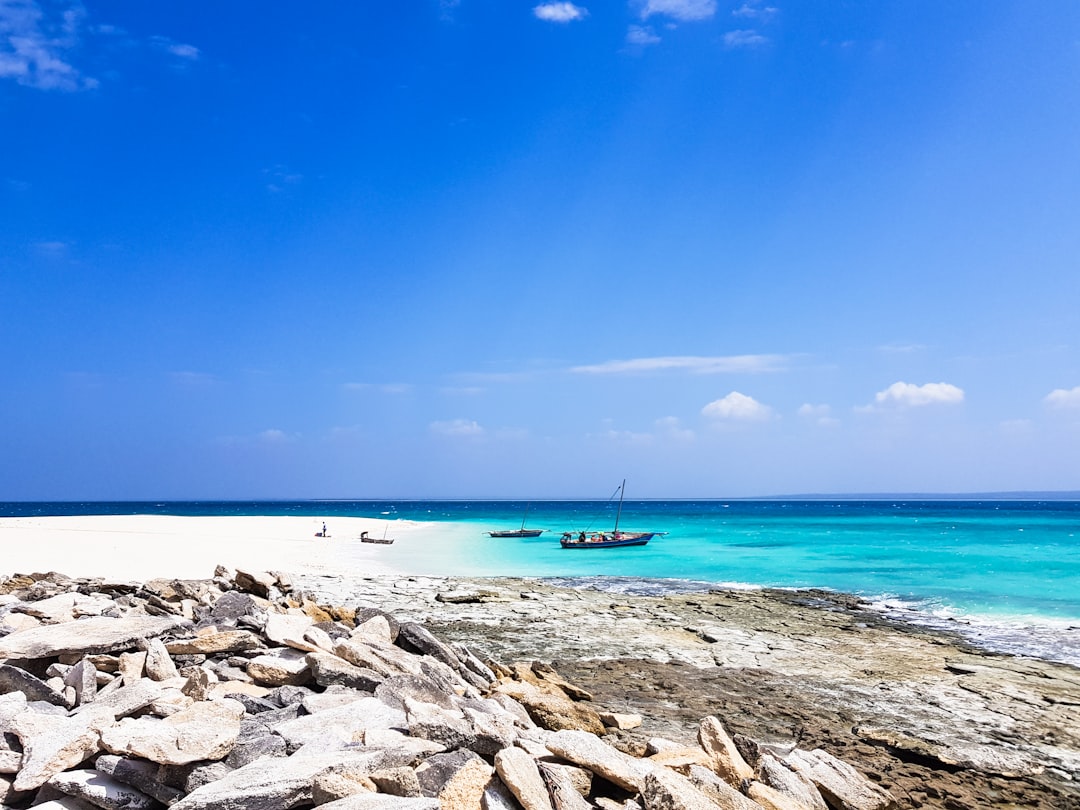
What Is Mozambique Safari Hunting in 2026?
Mozambique safari hunting is a legal, regulated activity that combines wildlife pursuit with conservation impact. Trophy hunting in Mozambique generates income for local communities and promotes wildlife protection through sustainable practices. The industry operates under strict government oversight to ensure both animal welfare and community benefits.
Hunting in Mozambique differs from other African destinations because it directly supports rural development. When you book an ethical hunt, your fees fund local employment, school construction, and medical clinics in remote areas. This creates a powerful incentive for communities to protect wildlife habitats.
The legal framework protects both hunters and animals. Mozambique requires hunters to work with licensed outfitters, follow specific caliber regulations, and respect seasonal restrictions. This structure ensures sustainable populations and ethical practices across all hunting zones.
Many travelers confuse Mozambique safari hunting with general wildlife tourism. However, hunting safaris offer different experiences—you pursue specific animals, spend more time in the field, and contribute directly to conservation funding. Understanding these differences helps you choose the right adventure for your goals.
Legal Status of Hunting in Mozambique 2026
Trophy hunting is legal in Mozambique and is regulated by the government. The industry operates under a licensing system that controls which species can be hunted, when, and in which areas. This regulatory approach protects wildlife populations while generating sustainable income.
Government Regulations and Permits
Mozambique's government issues hunting permits through designated wildlife authorities. Each permit specifies the species, hunting area, and season dates. Hunters must obtain these permits before arriving in the country. Working with licensed outfitters streamlines this process and ensures compliance with all regulations.
The permit system works alongside quota management. Officials set annual limits on how many animals can be harvested from each population. This prevents overhunting and maintains healthy wildlife numbers across hunting concessions. Quotas are adjusted based on population surveys and conservation assessments.
Firearms and Equipment Requirements
The minimum caliber for hunting dangerous thick-skinned animals is a .375 magnum (9.3mm). This requirement ensures hunters can ethically harvest large game without excessive suffering. Smaller calibers are permitted for plains game species under specific conditions.
Each hunter can bring a maximum of three firearms to Mozambique with 100 rounds of ammunition per firearm. Airlines typically restrict ammunition shipments to 11 pounds total. Plan your ammunition carefully and coordinate with your outfitter to avoid import issues.
No automatic, semi-automatic, or military-grade firearms are permitted. Only bolt-action rifles and shotguns are legal for hunting. This restriction aligns with international hunting standards and Mozambique's conservation priorities.
Licensing and Outfitter Requirements
Licensed outfitters must meet strict operational standards. They maintain hunting concessions through government contracts and are subject to annual inspections. This system ensures only reputable operators conduct hunts and that they invest in conservation efforts.
Outfitters employ local guides, trackers, and camp staff, creating employment in remote regions. Many operators reinvest profits into community projects like schools and clinics. This direct link between hunting and local development distinguishes Mozambique's ethical hunting model.
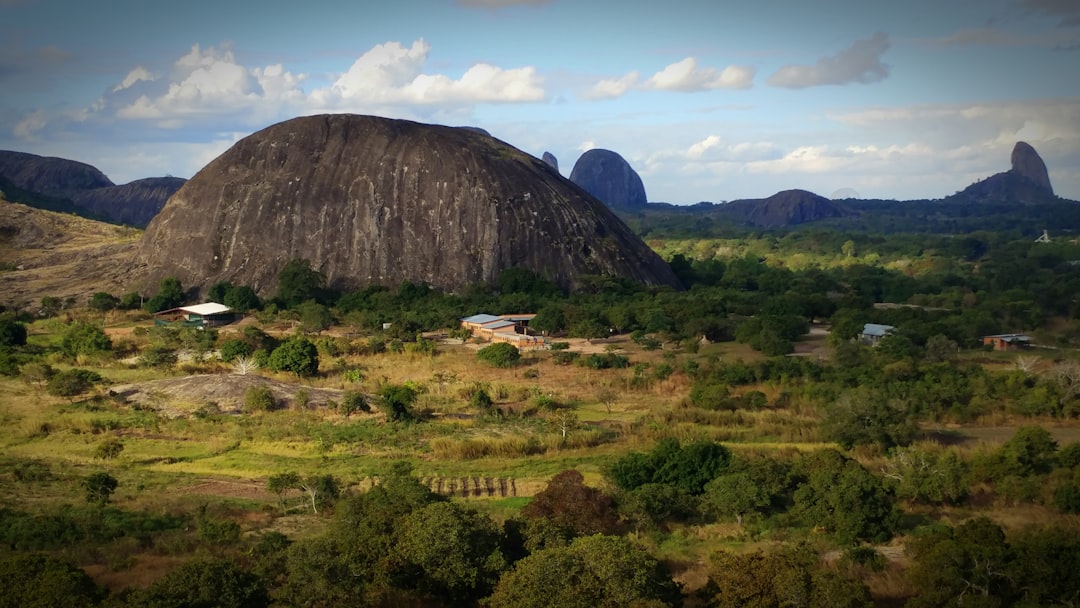
Mozambique Hunting Parks and Concessions
Mozambique offers diverse hunting opportunities across multiple concessions and wildlife areas. Each region features different species, landscapes, and hunting experiences. Understanding the main hunting zones helps you select the right destination for your safari.
Major Hunting Concessions
The Zambezi Valley region is one of Mozambique's premier hunting destinations. It features extensive concessions with abundant buffalo, elephant, and leopard populations. The terrain combines open plains and dense bush, offering varied hunting experiences for different skill levels.
Niassa Province in northern Mozambique contains vast hunting areas with pristine wildlife habitat. This remote region supports significant populations of dangerous game and plains species. Hunts here offer authentic African wilderness experiences with minimal tourist development.
The Coutada system organizes hunting concessions throughout southern and central Mozambique. Licensed operators manage these areas under long-term contracts with the government. Each concession has specific quota allocations and seasonal hunting windows.
Species Available for Hunting
Buffalo represent the most popular trophy species in Mozambique. These powerful animals require skill, patience, and courage to hunt ethically. Buffalo hunts typically last 10-14 days and cost $8,000-$12,000 depending on the outfitter and concession.
Elephant hunting opportunities exist in select concessions but require special permits and higher budgets. Leopard hunting is available year-round in many areas and appeals to hunters seeking Africa's most challenging cat. Plains game including kudu, impala, and warthog provide additional hunting options.
The Niassa Province offers the widest species diversity, including elephant, buffalo, leopard, and plains game in a single concession. This variety appeals to hunters wanting multiple trophy opportunities during one safari.
When comparing Mozambique hunting with other African destinations, consider that Zanzibar vs Mozambique safaris offer different experiences—Zanzibar focuses on beach relaxation and island wildlife, while Mozambique provides land-based hunting and conservation-focused adventure.
Operator Ethics and Responsible Hunting Practices
Ethical operators form the foundation of sustainable hunting in Mozambique. Responsible outfitters prioritize animal welfare, community benefits, and long-term conservation. Choosing the right operator determines whether your hunt supports wildlife protection or causes harm.
What Makes an Ethical Hunting Operator
Genuine operators employ locally—not just as staff, but as guides, managers, and trainees. This commitment to community employment ensures your hunting fees directly benefit rural families. Look for operators who can show proof of local employment and investment in regional development.
Ethical operators maintain strict quotas and never exceed sustainable harvest limits. They conduct regular wildlife surveys to monitor population health. This scientific approach ensures hunts remain sustainable for future generations and future hunters.
Transparent pricing is another ethical hallmark. Reputable operators clearly explain what fees include, where money goes, and how much reaches conservation and community projects. Hidden costs or vague financial structures signal potential problems.
Conservation Impact of Hunting Safaris
Trophy hunting generates conservation funding that protects vast wildlife areas. When communities earn income from living wildlife through hunting fees, they have economic incentive to prevent poaching and habitat destruction. This creates a powerful conservation model that protects entire ecosystems.
Hunting safaris support anti-poaching patrols and ranger programs. Outfitter fees fund rangers who protect wildlife from illegal hunting. Without this revenue, many African countries lack resources to combat poaching effectively.
This collaborative approach strengthens the ethical foundation of hunting by building alliances between hunters, communities, and conservationists. It transforms a hunting safari into a direct act of humanitarian aid, creating goodwill and conservation outcomes simultaneously.
Red Flags to Avoid
Avoid operators offering suspiciously low prices. Ethical hunting requires investment in guides, equipment, and community support. Prices below $5,000 for multi-day hunts typically indicate corner-cutting on safety or ethics.
Be wary of operators who cannot provide references from past hunters or conservation organizations. Established, ethical operators maintain detailed client reviews and conservation partnerships. Request contact information for previous hunters and verify their experiences independently.
Operators who show no community investment or refuse to discuss conservation practices are red flags. Ask specifically how much of your fees fund local employment and development projects. Vague answers suggest the operator prioritizes profit over impact.
For more guidance on selecting responsible operators, explore Mozambique Safari Lodges 2026: Budget vs Luxury by Park to understand operator quality standards and accommodation options.
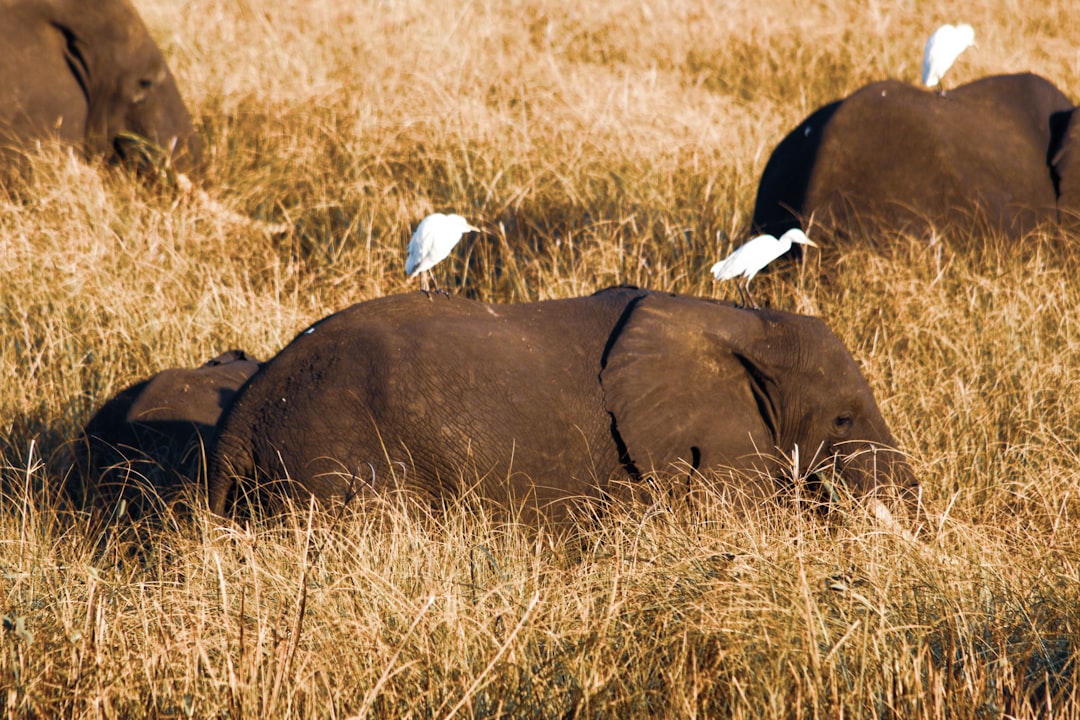
Planning Your Mozambique Hunting Safari
Successful hunting safaris require careful planning, proper documentation, and physical preparation. Understanding visa requirements, health precautions, and gear needs ensures a smooth, legal, and safe experience.
Visa and Documentation Requirements
Visa requirements depend on your citizenship. South African citizens should check Do South Africans Need a Visa for Mozambique 2026? for current entry rules. Many nationalities can obtain visas on arrival, but processing times and requirements change regularly.
You'll need a valid passport with at least six months validity beyond your travel dates. Hunting permits require your passport number, so have it ready when booking. Some outfitters handle visa applications as part of their booking process.
Firearms import requires special permits obtained through your outfitter. Never attempt to import rifles without proper documentation—penalties include confiscation and legal prosecution. Licensed operators manage all firearms paperwork to ensure legal compliance.
Health and Vaccination Preparation
Malaria prevention is essential for hunting in Mozambique. Consult a travel medicine doctor about antimalarial medications suited to your health profile. Prophylaxis should begin before arrival and continue for the recommended period after departure.
Yellow fever vaccination may be required depending on your origin and destination within Mozambique. For detailed guidance, review Vaccinations & Health Rules for Mozambique for Irish Travellers 2026 or consult your doctor about requirements for your nationality.
Bring a comprehensive medical kit including blister treatment, pain relievers, and antibiotic ointment. Hunting involves long days in remote areas far from medical facilities. Pack extra supplies of any prescription medications.
Physical Preparation and Gear
Hunting safaris demand good physical fitness. You'll walk 10-20 kilometers daily in varied terrain, sometimes at altitude, pursuing animals in heat and humidity. Train with cardio exercise and hiking for at least two months before your hunt.
Proper footwear is critical. Bring broken-in hiking boots with ankle support and excellent grip. Mozambique's terrain includes rocky outcrops, river crossings, and dense vegetation. Poor footwear leads to injuries that can ruin your safari.
Clothing should be neutral earth tones—greens, tans, and browns. Avoid bright colors and patterns that scare wildlife. Bring layers because temperatures vary throughout the day. A quality rain jacket protects against sudden storms during the hunting season.
Your outfitter typically provides rifles, ammunition, and basic camp equipment. Confirm what's included before arrival. Most outfitters require you to bring binoculars, a headlamp, toiletries, and personal medications.
Booking Timeline and Costs
Book your Mozambique hunting safari 6-12 months in advance. Popular concessions and experienced outfitters fill quickly during peak seasons. Early booking also allows time for visa processing and physical preparation.
Costs vary based on species, duration, and concession quality. A 10-day buffalo hunt ranges from $8,000-$12,000. Elephant hunts exceed $15,000. Budget additional funds for international flights, travel insurance, and tips for camp staff.
Compare verified operators through SafariFind to review authentic hunter feedback and pricing transparency. Request detailed quotes that itemize trophy fees, daily rates, and community contribution percentages.
Visa Information for Different Nationalities
Visa requirements for Mozambique hunting safaris vary by citizenship. Understanding your specific requirements prevents delays and legal complications.
Swedish citizens can review current entry requirements through Mozambique Visa for Swedish Citizens 2026. Irish travelers should check Mozambique Visa for Irish Citizens 2026 for the latest regulations.
Most Western nationalities can obtain visas on arrival at Mozambique's international airports. Processing typically takes 1-2 hours. Bring passport photos and cash in US dollars or euros for visa fees.
Your outfitter can advise on visa requirements and assist with applications if needed. Many operators have experience with international hunters and understand documentation requirements for various nationalities.
Key Takeaways
- Book your Mozambique hunting safari 6-12 months ahead with verified operators to secure premium concessions and ensure ethical practices.
- Use minimum .375 magnum caliber rifles and bring maximum three firearms with 100 rounds per gun to comply with Mozambique hunting regulations.
- Choose operators who employ local staff, invest in community projects, and maintain strict wildlife quotas to ensure your hunt supports conservation.
- Budget $8,000-$15,000+ for 10-14 day hunts depending on species and concession, with costs directly funding anti-poaching and community development.
- Prepare physically with cardio training, obtain necessary visas and health vaccinations, and consult travel medicine doctors about malaria prevention.
Frequently Asked Questions
Is hunting legal in Mozambique in 2026?
Yes, trophy hunting is legal in Mozambique and is regulated by the government. The industry operates under licensing and quota systems that protect wildlife populations while generating sustainable income for local communities and conservation efforts.
What is the minimum rifle caliber for Mozambique hunting?
The minimum caliber for hunting dangerous thick-skinned animals is a .375 magnum (9.3mm). This requirement ensures ethical harvesting of large game. Smaller calibers are permitted for plains game under specific conditions approved by your outfitter.
How much does a hunting safari in Mozambique cost?
A 10-day buffalo hunt costs $8,000-$12,000, while elephant hunts exceed $15,000. Costs include daily rates, trophy fees, and outfitter services. Budget additional funds for flights, visas, insurance, and tips. Compare verified operators on SafariFind to find transparent pricing that shows how much supports community projects.
What documents do I need to hunt in Mozambique?
You need a valid passport with six months validity, a hunting permit (obtained through your outfitter), and firearms import permits for your rifles. Visa requirements depend on your nationality—check current requirements for your country. Your outfitter handles firearms paperwork to ensure legal compliance.
How do I choose an ethical hunting operator in Mozambique?
Select operators who employ local staff, maintain strict wildlife quotas, and provide transparent pricing showing community investment. Request references from previous hunters and verify conservation partnerships. Avoid operators offering suspiciously low prices or refusing to discuss conservation practices. SafariFind connects you with verified operators who meet international ethical standards.
What vaccinations do I need for Mozambique hunting?
Malaria prevention is essential—consult a travel medicine doctor about antimalarial medications. Yellow fever vaccination may be required depending on your origin and destination. Review vaccination requirements for your nationality and consult your doctor at least four weeks before travel to ensure proper preparation.
Can I bring my own rifle to Mozambique for hunting?
Yes, hunters can bring maximum three firearms with 100 rounds of ammunition per gun. Airlines restrict ammunition to 11 pounds total. You must obtain firearms import permits through your outfitter—never attempt to import rifles without proper documentation. Licensed operators manage all firearms paperwork to ensure legal compliance and safe transport.
Conclusion
Mozambique safari hunting in 2026 offers legal, regulated opportunities to pursue African game while directly supporting conservation and community development. The government's licensing system, quota management, and operator oversight ensure sustainable practices that protect wildlife populations for future generations. Ethical operators employ local communities, invest in development projects, and maintain conservation standards that align with international best practices.
Success requires choosing reputable operators, proper preparation, and understanding legal requirements for firearms, visas, and health precautions. A 10-14 day hunt costs $8,000-$15,000 depending on species and concession quality. This investment generates meaningful conservation impact—your fees fund anti-poaching rangers, wildlife surveys, and community employment in remote regions where alternatives are limited.
The hunting industry demonstrates how wildlife can generate sustainable income for communities living alongside animals. When done ethically, hunting safaris create powerful incentives for habitat protection and anti-poaching efforts that benefit entire ecosystems. This conservation model succeeds where traditional protection efforts alone often fail due to limited government resources.
Ready to plan your Mozambique hunting safari? Compare verified operators on SafariFind to review authentic hunter reviews, transparent pricing, and conservation commitments. Request quotes that detail how your fees support local employment and wildlife protection. SafariFind connects you with ethical outfitters who combine authentic hunting experiences with measurable conservation outcomes.
Plan Your Safari with SafariFind
These recommendations use real data from SafariFind, where you can compare operators, browse packages, and read verified traveler reviews before you book.
What Travelers Say (SafariFind Reviews)
References
- Mozambique Safari Hunting: An Adventure of a Lifetime - Outdoors International
- Mozambique - World Bank Group
- How Mozambique's Hunters Are Fighting Hunger: The 2026 Wild Game Meat - UH.app
- Hunting in Mozambique: Hunting Laws, Travel Information, and Other Attractions - BookYourHunt Blog
- Mozambique Hunting Guide - Chapungu-Kambako Safaris
- Trophy Hunting Industry in Mozambique - BookYourHunt
- Conservation Safari Africa 2026: Ethical & Responsible Safaris - Private Tours Cape Town
Sources
- Mozambique Safari Hunting: An Adventure of a Lifetime
- Mozambique - World Bank Group
- How Mozambique's Hunters Are Fighting Hunger: The 2026 Wild Game Meat
- Hunting in Mozambique: Hunting Laws, Travel Information, and Other Attractions
- Mozambique Hunting Guide - Chapungu-Kambako Safaris
- Trophy Hunting Industry Regulation in Mozambique
- Conservation Safari Africa 2026: Ethical & Responsible Safaris
Related to
Ready to start your safari adventure?
Explore curated safari packages and find your perfect African adventure with verified operators.


