Namibia Safari Cost 2026: Etosha vs Private Reserves
Compare Namibia safari costs in 2026: Etosha National Park from $1,000 for 3 days vs private reserves $3,500–$5,500. Plan your budget with SafariFind.

Namibia Safari Cost 2026: Etosha vs Private Reserves
Last updated: July 2026
A 3-day Etosha National Park safari costs around $1,000 per person in 2026, making it the budget-friendly option for Namibia wildlife viewing. Private reserves offer exclusive experiences but cost significantly more, typically $3,500–$5,500 for 5–7 days. The best time to visit is May through September for optimal wildlife viewing. Compare verified safari packages on SafariFind to find the right fit for your budget and preferences.
At a Glance
- Etosha Cost: $800–$1,200 for 3 days all-inclusive
- Private Reserve Cost: $3,500–$5,500 for 5–7 days all-inclusive
- Best Time to Visit: May–September (dry season, peak wildlife viewing)
- Duration: 3 days minimum for Etosha; 5–7 days recommended for private reserves
- Best For: Budget travelers (Etosha) or luxury seekers (private reserves)
- Wildlife Highlights: Lion, elephant, zebra, giraffe, leopard sightings
What Is Namibia Safari Cost 2026: Etosha vs Private Reserves?
Namibia safari costs in 2026 vary dramatically depending on whether you choose Etosha National Park or exclusive private reserves. Etosha National Park is Namibia's largest wildlife destination and offers affordable safari experiences starting at around $1,000 for three days. Private reserves deliver premium, intimate wildlife encounters but require budgets of $3,500 or more per person. Understanding these cost differences helps you plan a safari that matches your budget and travel style.
Etosha National Park Overview
Etosha National Park covers 22,915 square kilometers in northern Namibia and is known for its vast white salt pan and abundant wildlife. The park attracts visitors year-round but delivers the best game viewing during the dry season from May through September. During these months, animals gather around waterholes, making sightings more frequent and reliable.
A typical 3-day Etosha safari includes accommodation at park lodges, guided game drives, meals, and park entry fees. Costs range from $800 to $1,200 per person depending on lodge quality and operator. Budget options use shared accommodations and basic lodges, while mid-range packages offer private rooms and better amenities.
Private Reserve Experiences
Private reserves in Namibia offer exclusive wildlife viewing on fenced land with lower tourist density than national parks. These reserves provide personalized guiding, flexible game drive schedules, and luxury accommodations. Prices reflect this premium experience, ranging from $3,500 to $5,500 per person for 5–7 days all-inclusive.
Private reserves like Okonjima and Waterberg Plateau deliver specialized experiences such as cheetah tracking and guided walking safaris. These activities justify higher costs for travelers seeking deeper wildlife connections. The experience feels more exclusive because fewer vehicles operate in these areas compared to busy national parks.
Why Choose One Over the Other?
Your choice depends on budget, time, and travel style. Choose Etosha if you want reliable wildlife viewing at lower costs and can work within fixed daily schedules. Select private reserves if you value exclusivity, personalized service, and specialized wildlife experiences like walking safaris or nocturnal game drives.
Many travelers combine both options. You might spend 3 days in Etosha for quantity and affordability, then add 3–4 days in a private reserve for exclusive experiences. This balanced approach costs $2,500–$3,500 total and delivers diverse Namibian safari experiences.
Main Cost Breakdown: Etosha vs Private Reserves in 2026
Breaking down safari costs helps you understand what you pay for and identify hidden expenses. Etosha and private reserves have different pricing structures, accommodation tiers, and meal policies that affect your total budget.
Etosha National Park Pricing Structure
Etosha safari costs in 2026 break down into several components. Accommodation ranges from budget self-catering chalets at $40–$80 per night to comfortable lodge rooms at $120–$180 per night. Guided game drives typically cost $50–$80 per day. Park entry fees add $80 for three days of access.
Meals represent another cost line. Many Etosha packages include breakfasts but require you to pay for lunches and dinners separately. Budget $30–$50 daily for meals not included in your package. Ground transportation between lodges and game drive meeting points may add $20–$40 extra.
A complete 3-day Etosha safari breakdown looks like this: accommodation ($360–$540), game drives ($150–$240), park fees ($80), meals ($90–$150), and transport ($60–$120). Total: $740–$1,050 per person. Adding a 15% contingency buffer brings realistic costs to $850–$1,200.
Private Reserve Pricing Structure
Private reserves charge higher rates because they include more services in their all-inclusive packages. Luxury accommodations in private reserves range from $400–$700 per night, compared to Etosha's $120–$180. This difference reflects higher construction standards, smaller guest numbers, and premium amenities like private plunge pools.
Private reserve packages include all meals, premium beverages, and specialized activities. Game drives happen twice daily with flexibility to follow wildlife sightings longer. Walking safaris, night drives, and wildlife photography sessions add $100–$200 per activity.
A 5-day private reserve safari costs approximately: accommodation ($2,000–$3,500), all meals and drinks ($400–$600), guided activities ($300–$500), and park fees ($100–$200). Total: $2,800–$4,800 per person. Seven-day stays extend this to $3,500–$5,500, offering better daily rates as fixed costs spread across more days.
Comparing the Two Options Side-by-Side
| Factor | Etosha National Park | Private Reserves |
|---|---|---|
| Daily Cost | $250–$400 per person | $560–$800 per person |
| Accommodation Quality | Basic to mid-range | Mid-range to luxury |
| Meals Included | Breakfast only (typically) | All meals and beverages |
| Game Drive Flexibility | Fixed schedules | Flexible, follow wildlife |
| Vehicle Crowding | Multiple vehicles per sighting | Fewer vehicles, exclusive views |
| Special Activities | Standard game drives | Walking safaris, night drives, tracking |
| Best For | Budget travelers, first-timers | Luxury seekers, photographers, repeat visitors |
This comparison shows that Etosha offers 40–50% lower daily costs than private reserves. However, private reserves provide more inclusive services, reducing hidden expenses that Etosha visitors discover during their trip.
Explore detailed Namibia safari packages to understand exactly what each trip includes before booking. SafariFind's verified operators break down all costs transparently so you avoid budget surprises.
What Affects Namibia Safari Costs in 2026?
Several factors influence whether your Etosha or private reserve safari falls at the budget or premium end of the price range. Seasonal demand, accommodation type, group size, and operator reputation all impact final costs.
Seasonal Pricing Variations
Namibia's dry season (May–September) commands higher prices because wildlife viewing is excellent and accommodations fill quickly. Expect to pay 20–30% more during these peak months. Wet season (November–March) offers lower rates because fewer animals congregate around waterholes and vegetation obscures sightings.
Shoulder seasons (April and October) provide a sweet spot with moderate pricing and decent wildlife viewing. You'll save 10–15% compared to peak season while enjoying reasonable animal sightings. Booking during shoulder seasons lets budget travelers access private reserves more affordably.
Accommodation Tier Differences
Etosha lodges range dramatically in quality and price. Self-catering chalets cost $40–$80 nightly and require you to prepare meals. Basic lodges with rooms and communal facilities run $80–$120 per night. Mid-range lodges with private bathrooms and restaurant service cost $120–$180. Premium lodges with amenities like pools and fine dining reach $200+.
Private reserve accommodations follow similar patterns but start higher. Standard safari lodges cost $400–$500 nightly. Luxury lodges with premium finishes, private guides, and exclusive access exceed $600 per night. Ultra-luxury properties like high-end game lodges may charge $800–$1,000 nightly, reserved for travelers with unlimited budgets.
Group Size and Shared Costs
Traveling in groups reduces per-person costs significantly. Solo travelers pay the highest rates because operators spread fixed costs across one person. Couples reduce costs by 15–20%. Groups of four or more enjoy 20–30% discounts as vehicle rental and guide fees divide among more people.
Many operators offer group discounts automatically. However, requesting custom group rates during off-season can unlock additional savings. Solo travelers should consider joining group safaris to reduce costs and enjoy social experiences with other travelers.
Operator Reputation and Ratings
Established operators with excellent reviews typically charge 10–20% more than newer or lesser-known companies. However, premium pricing often reflects superior service, safety standards, and wildlife knowledge. Reading authentic reviews on SafariFind helps you identify operators offering genuine value rather than just low prices.
Budget operators may cut corners on guide training, vehicle maintenance, or meal quality to hit lower price points. Mid-range operators balance cost and quality effectively. Premium operators justify higher costs through exceptional service and exclusive experiences.
Practical Guide: Planning Your Namibia Safari Budget
Planning a Namibia safari requires more than comparing daily rates. You need to account for international flights, visa costs, travel insurance, and miscellaneous expenses that inflate your total budget beyond the safari package price.
Getting Started: Pre-Safari Expenses
International flights to Windhoek, Namibia's capital, typically cost $800–$1,500 from Europe or North America in 2026. Domestic flights within Namibia to reach safari areas add $200–$400. Travel insurance covering safari activities runs $150–$300 for two weeks of coverage.
Check visa requirements for your nationality, as some travelers need visas while others qualify for visa-free entry. Visa processing costs range from free to $150 depending on your citizenship. Budget these expenses separately from your safari package.
Hidden Costs to Include
Many safari budgets overlook expenses that accumulate quickly. Tips for guides and drivers are customary in Namibia, typically $10–$20 per day per guide. Soft drinks and alcohol beyond what's included cost $5–$10 daily. Personal care items, souvenirs, and activities outside your package add $100–$300 for a week-long trip.
Photography equipment rentals, if you want professional cameras, cost $50–$100 daily. Laundry services at lodges charge $3–$5 per item. Park entrance fees for side visits to attractions like Fish River Canyon or Sossusvlei add $80–$150. Emergency medical evacuation insurance, highly recommended for remote areas, costs $50–$100.
Building Your Complete Budget
For a realistic Namibia safari budget, add costs in this order: international flights ($1,000–$1,500), domestic transport ($200–$400), visa and insurance ($300–$450), safari package ($800–$5,500 depending on choice), pre-safari expenses ($200), hidden costs ($300–$500), and contingency buffer (10–15% of total).
A budget Etosha safari for one person totals roughly $3,200–$4,500. A mid-range private reserve safari costs $4,500–$6,500. Luxury private reserve experiences exceed $7,000 when including flights and all incidentals. Couples traveling together reduce per-person costs by 15–25% through shared transportation and accommodation.
Money-Saving Strategies
Book 3–6 months in advance to secure lower rates before peak season fills lodges. Traveling during shoulder seasons (April, October) saves 15–20% on accommodations and activities. Consider combining Etosha with one private reserve visit rather than choosing one exclusively—this balances cost and experience effectively.
Booking multi-day packages saves more than day-by-day reservations because operators offer package discounts. Joining group safaris reduces vehicle costs significantly. Eating at lodge restaurants instead of external dining saves money while supporting your accommodation provider.
Compare verified safari tour options on SafariFind to identify best-value packages that deliver quality experiences within your budget. Request quotes from multiple operators to leverage competition and negotiate better rates.
What to Expect: Wildlife and Experiences at Each Destination
Understanding what wildlife and experiences each destination delivers helps justify the cost difference and ensures you choose the right safari for your interests.
Etosha National Park Wildlife
Etosha National Park hosts over 114 mammal species and 340 bird species, making it one of Africa's most diverse ecosystems. The park's famous white salt pan creates a stark, otherworldly landscape that photographers love. During dry season (May–September), the pan attracts massive animal congregations as wildlife travels between waterholes.
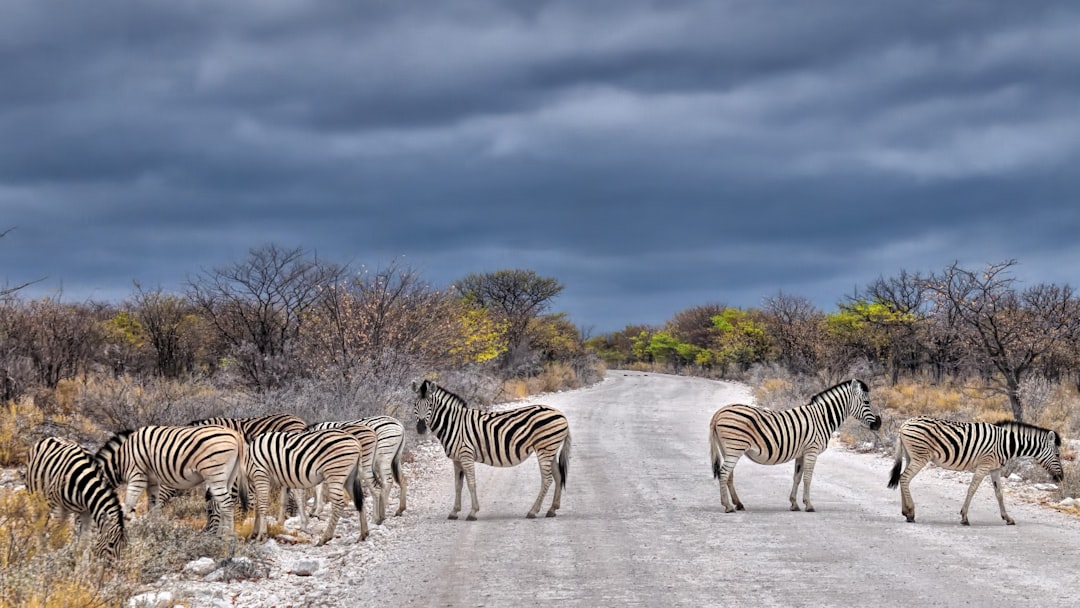
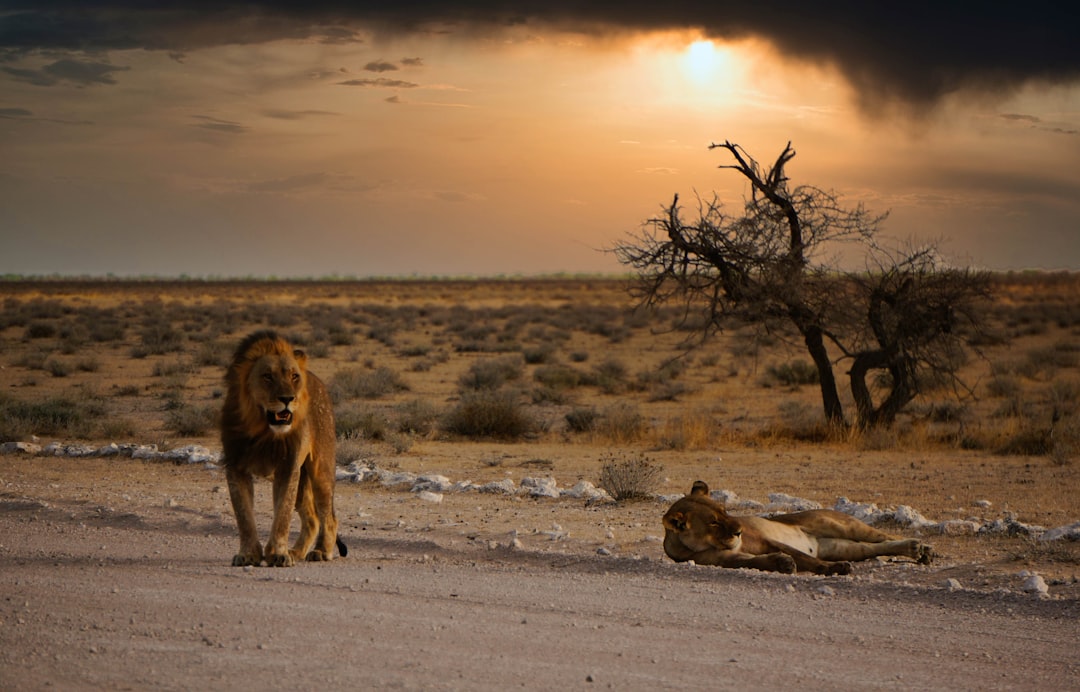
Lion sightings are frequent in Etosha, particularly near waterholes where predators hunt. Elephant herds numbering 50+ individuals are common. Zebra, giraffe, wildebeest, and impala create picturesque scenes. Leopards and cheetahs appear occasionally, requiring patience and luck. Birdwatching is exceptional, with flamingos, eagles, and ostriches commonly observed.
Etosha's game drives follow set routes and schedules, with multiple vehicles often converging on animal sightings. This creates a social atmosphere where you share experiences with other travelers, but it reduces exclusivity. Morning and evening drives maximize sightings as animals are most active during cooler hours.
Private Reserve Experiences
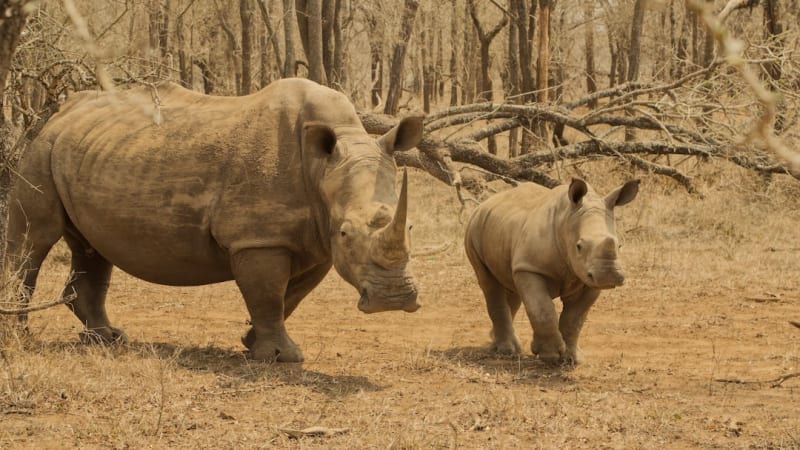
Private reserves deliver more intimate wildlife encounters through smaller guest numbers and flexible game drive schedules. Okonjima, a renowned private reserve, specializes in cheetah and leopard tracking with expert guides who follow individual animals over days or weeks. Waterberg Plateau offers walking safaris through dramatic rocky terrain with diverse wildlife including black rhino.
Private reserves employ highly trained guides with deep knowledge of individual animal behaviors and territorial patterns. When guides spot wildlife, they can follow animals for extended periods without worrying about vehicle congestion. This flexibility leads to extraordinary sightings that Etosha's fixed schedules cannot replicate.
Walking safaris, available only in private reserves, immerse you in the bush environment. You experience wildlife on foot with guides carrying rifles for safety. This intimate contact with nature creates memories that vehicle-based game drives cannot match. Night drives reveal nocturnal species like porcupines, hyenas, and smaller predators invisible during day safaris.
Photography and Wildlife Enthusiasts
Photographers consistently prefer private reserves because flexible schedules allow extended sightings during optimal lighting. Guides position vehicles for ideal photography angles without rushing to other waterholes. The lower vehicle density means fewer photobombing vehicles in background shots.
Etosha remains excellent for wildlife photography, especially during peak season when animal concentrations are high. However, shared waterholes mean crowded vehicle clusters. Patient photographers who arrive early or visit during shoulder seasons capture better images with fewer competitors.
Key Takeaways
- Book Etosha safaris 3–6 months ahead to save 15–20% on peak season rates and secure preferred lodge accommodations during May–September.
- Choose Etosha National Park ($800–$1,200 for 3 days) if you want affordable wildlife viewing, or select private reserves ($3,500–$5,500 for 5–7 days) for exclusive, personalized experiences with expert guides.
- Travel during shoulder seasons (April, October) to reduce costs by 15–20% while enjoying reasonable wildlife viewing and avoiding peak-season crowds.
- Join group safaris to reduce per-person vehicle costs by 20–30% compared to solo travel, and request group discounts from operators during booking.
- Budget 15–20% extra for hidden costs like guide tips ($10–$20 daily), meals outside packages, and side activities to avoid financial surprises during your safari.
Frequently Asked Questions
How much does a 3-day Etosha safari cost in 2026?
A 3-day Etosha safari costs approximately $800–$1,200 per person all-inclusive in 2026. This price includes accommodation at park lodges, guided game drives, park entry fees, and typically breakfast. Lunches and dinners often cost extra at $30–$50 daily. Budget operators charge $800–$950, while mid-range operators ask $1,000–$1,200 for better lodge quality and service.
What is the price difference between Etosha and private reserves?
Etosha costs $250–$400 daily, while private reserves charge $560–$800 daily—roughly 2–3 times more expensive. However, private reserves include all meals, beverages, and specialized activities, whereas Etosha requires separate meal payments. The premium reflects luxury accommodations, exclusive wildlife access, and expert guiding. For 5–7 days, expect to spend $2,800–$4,800 at private reserves versus $1,250–$1,700 at Etosha.
Is it better to visit Etosha or a private reserve?
Choose Etosha if you prioritize affordability, want reliable wildlife viewing, and prefer fixed schedules. Select private reserves if you value exclusivity, personalized service, and specialized activities like walking safaris. Many travelers combine both—spending 3 days at Etosha, then 4 days at a private reserve—for a balanced experience costing $2,500–$3,500 total. Review detailed package breakdowns on SafariFind to compare what's included at each destination.
What is the best time to visit for the lowest safari costs?
Shoulder seasons (April and October) offer the best cost savings—expect 10–15% discounts compared to peak season (May–September). Wet season (November–March) provides the steepest discounts (20–30% off) but delivers weaker wildlife viewing because animals disperse with available water. For value, visit in April or October when prices are reasonable and wildlife sightings remain good.
Are there hidden costs I should budget for on a Namibia safari?
Yes, budget $300–$500 extra for hidden costs. Guide tips ($10–$20 daily), meals not included in packages ($30–$50 daily), drinks beyond what's provided ($5–$10 daily), and activities outside your package add up quickly. Photography equipment rentals, laundry, and side trips to attractions like Fish River Canyon cost $100–$300 total. International flights ($1,000–$1,500) and travel insurance ($150–$300) are major pre-safari expenses to include in your overall budget.
How do I find the best safari deals for 2026?
Book 3–6 months in advance before peak season fills accommodations and prices increase. Travel during shoulder seasons (April, October) for natural discounts. Join group safaris to reduce per-person costs by 20–30%. Request custom quotes from multiple operators and use SafariFind's verified package listings to compare prices, read authentic traveler reviews, and identify operators offering genuine value. Combining Etosha with a shorter private reserve stay often costs less than either destination alone while delivering superior experiences.
Conclusion
Namibia safari costs in 2026 range from budget-friendly Etosha experiences at $800–$1,200 for 3 days to exclusive private reserve safaris exceeding $5,500 for 7 days. Your choice depends on budget, time available, and whether you prioritize affordability or luxury. Etosha delivers reliable wildlife viewing and social safari atmosphere. Private reserves offer personalized experiences, expert guides, and exclusive wildlife access that justify premium pricing for many travelers.
The best strategy combines both destinations. Spend 3 days in Etosha ($1,000–$1,200) for iconic wildlife viewing and great value, then add 4 days at a private reserve ($2,200–$3,200) for exclusive experiences. This balanced approach totals $3,200–$4,400 and delivers the full spectrum of Namibian safari experiences without committing to either extreme.
Before booking, verify what's included in each package. Does the price cover all meals? Are park fees included? Are activities like night drives or walking safaris extra? SafariFind's verified operators provide transparent pricing so you understand exactly what you're paying for. Compare safari packages on SafariFind to find verified operators with authentic traveler reviews, request quotes from multiple companies, and book during shoulder season for maximum savings. Your Namibia safari awaits—start planning today for an unforgettable 2026 adventure.
Plan Your Safari with SafariFind
These recommendations use real data from SafariFind, where you can compare operators, browse packages, and read verified traveler reviews before you book.
Recommended Safari Packages from SafariFind
What Travelers Say (SafariFind Reviews)
References
- BBC News – Namibia country profile
- Lonely Planet – Namibia travel guide
- Wikivoyage – Namibia travel guide
- Wikipedia – Namibia
- African Budget Safaris – 3-day Etosha safari pricing
- Siyabona Africa – Namibia safari tours and lodging guide
- Discover Africa – Namibia facts and safari packages
- World Travellers – Namibia safari and nature reserves
Sources
- BBC News – Namibia country profile
- Lonely Planet – Namibia travel guide
- Wikivoyage – Namibia travel guide
- Wikipedia – Namibia
- African Budget Safaris – 3-day Etosha safari pricing
- Siyabona Africa – Namibia safari tours and lodging guide
- Discover Africa – Namibia facts and safari packages
- World Travellers – Namibia safari and nature reserves
Related to
Ready to start your safari adventure?
Explore curated safari packages and find your perfect African adventure with verified operators.