Namibia Self Drive Safari: 8 Wildlife Rules for 2026
Discover Namibia Self Drive Safari: 8 Wildlife Rules for 2026 - Expert guide to safari tourism and wildlife destinations.
Namibia Self Drive Safari: 8 Wildlife Rules for 2026
Last updated: August 2026
A Namibia self drive safari gives you control over scenic routes, wildlife stops, and daily travel pace. Namibia is known for light traffic, well-maintained roads, Etosha wildlife, red dunes, and desert-adapted animals . No single verified price applies to every trip, so compare inclusions and request a quote. August to December 2026 departures are available, although some dates are already full .
At a Glance
- Cost: No universal verified price; request an itemized 2026 quote.
- Best time: August to December 2026 has listed safari departures .
- Duration: A 12-day self-drive itinerary is listed for departures from August 26, 2026 .
- Best for: Independent travelers who want flexible routes and wildlife stops.
- Wildlife highlights: Elephants, lions, cheetahs, and desert-adapted species .
- Top wildlife area: Etosha National Park, including elephant viewing opportunities .
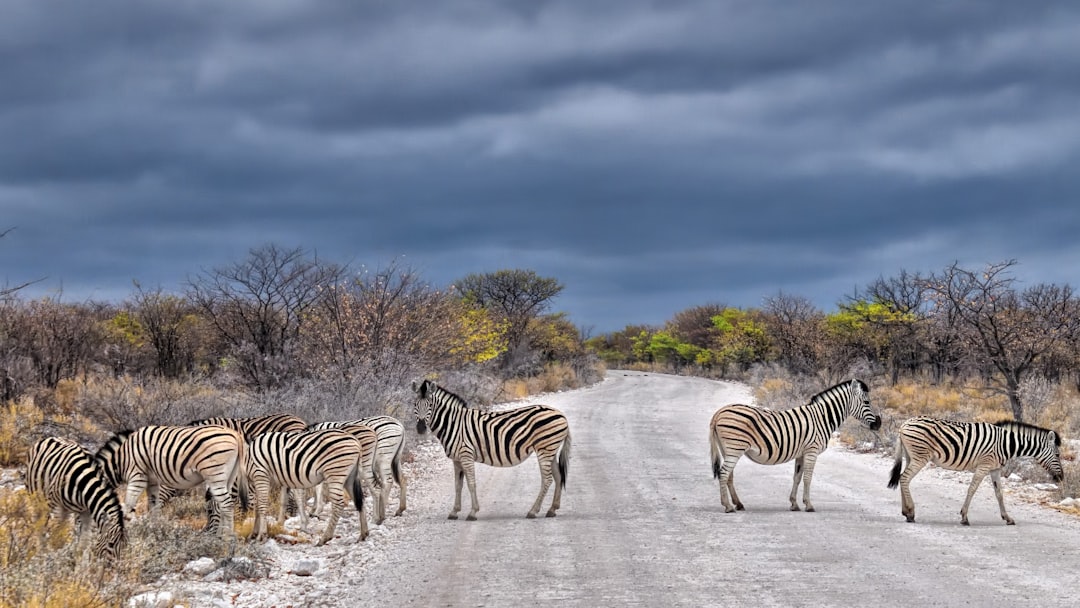
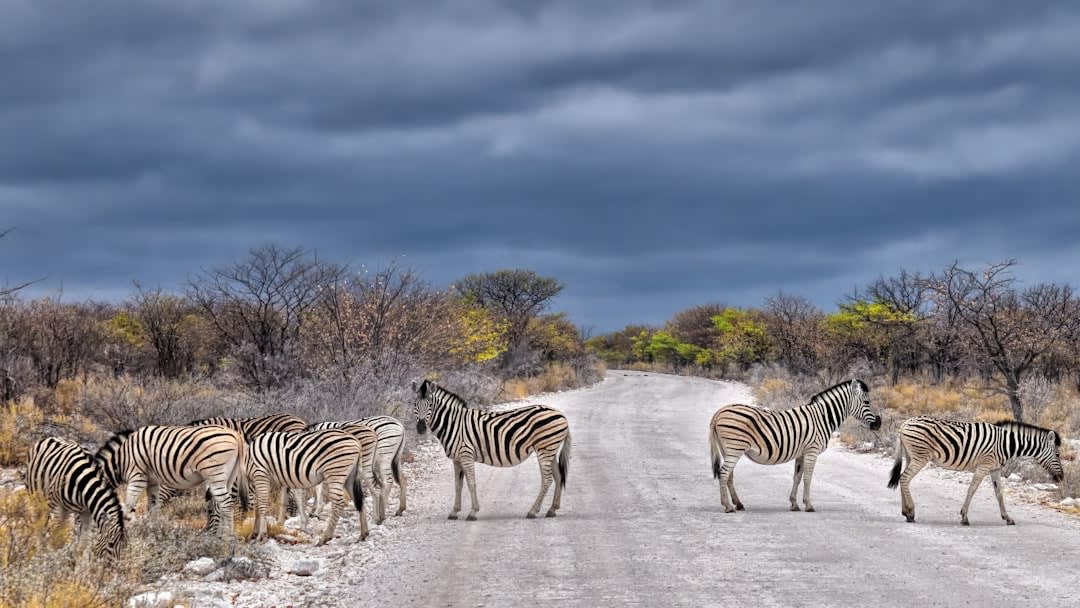
Namibia self drive safari travel is a flexible way to explore wildlife, deserts, and long scenic roads in 2026. Namibia suits independent travelers because traffic is light and many roads are well maintained. The country also offers strong chances to see big-game wildlife from a private vehicle .
Namibia is not a trip where you should rush between attractions. Distances are long, fuel stops can be far apart, and wildlife needs space. A good plan balances driving time with water, fuel, campsites, and safe viewing.
Quick answer: A Namibia self drive safari is best for travelers who value freedom and careful planning. Use a reliable vehicle, stay inside during animal encounters, avoid night driving outside major towns, refuel often, and camp only in approved areas. Etosha is a key wildlife stop, while August through December has listed 2026 departures .
This guide explains eight rules that protect you, other visitors, and Namibia’s wildlife. It also covers route planning, camping, luxury options, costs, and how verified operators can help.
What Is a Namibia Self Drive Safari in 2026?
A Namibia self drive safari is an independent wildlife trip where you drive between parks, camps, and scenic areas yourself. Namibia is suited to this style because it has relatively light traffic, well-maintained roads, dramatic scenery, and opportunities to see big-game wildlife . You choose the pace, stops, and daily route.
Overview of the experience
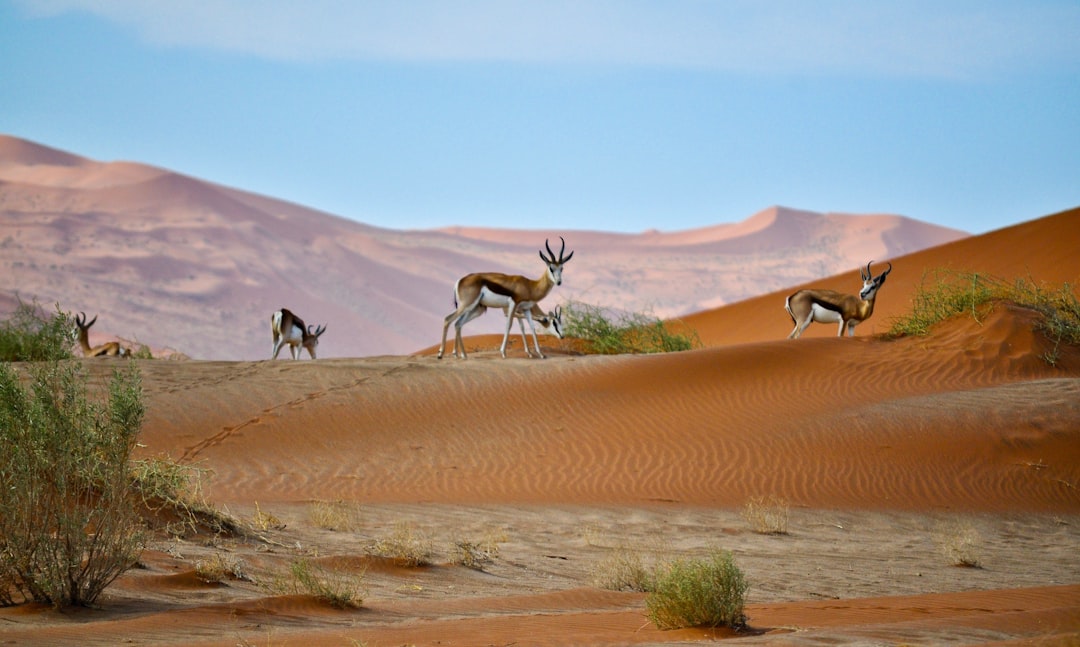
Namibia offers more than one type of safari landscape. Etosha National Park is a major wildlife area, while other routes feature open plains, desert scenery, and red dunes. The country’s wildlife includes elephants, lions, cheetahs, and species adapted to dry conditions .
Etosha National Park is especially important for wildlife encounters. Visitors may see elephants and other animals near water sources, but every sighting requires patience. Your vehicle becomes a safe viewing platform when you follow park rules and keep a respectful distance .
Key features
- Flexible travel: Namibia lets travelers explore at their own pace .
- Wildlife viewing: Etosha provides a prominent setting for animal encounters .
- Scenic driving: Roads pass through wide landscapes and striking desert areas .
- Independent planning: You manage fuel, water, driving hours, campsites, and stops.
- Choice of comfort: You can compare camping, lodge, and safari namibia luxus-style travel plans.
Independent travel does not mean careless travel. Namibia’s wide roads can create a false sense of speed and safety. Road conditions, animals, livestock, weather, and fatigue all affect your journey. Therefore, build extra time into each day and avoid treating every route as a race.
SafariFind connects travelers with verified tour operators that can arrange vehicles, camps, guides, and lodge stays. Compare Namibia self-drive safari packages and request a verified quote before you commit to a route.
Why the rules matter
Wildlife rules protect both animals and people. A close elephant encounter can feel exciting, but sudden movement or noise may stress the animal. Staying in the vehicle and keeping your arms and objects inside the windows are core safety steps .
Good behavior also improves the experience for other visitors. A quiet vehicle gives animals time to act naturally. It also helps you notice small details, such as a cheetah moving across open ground or an elephant approaching a water point.
What Are the 8 Wildlife Rules for Namibia?
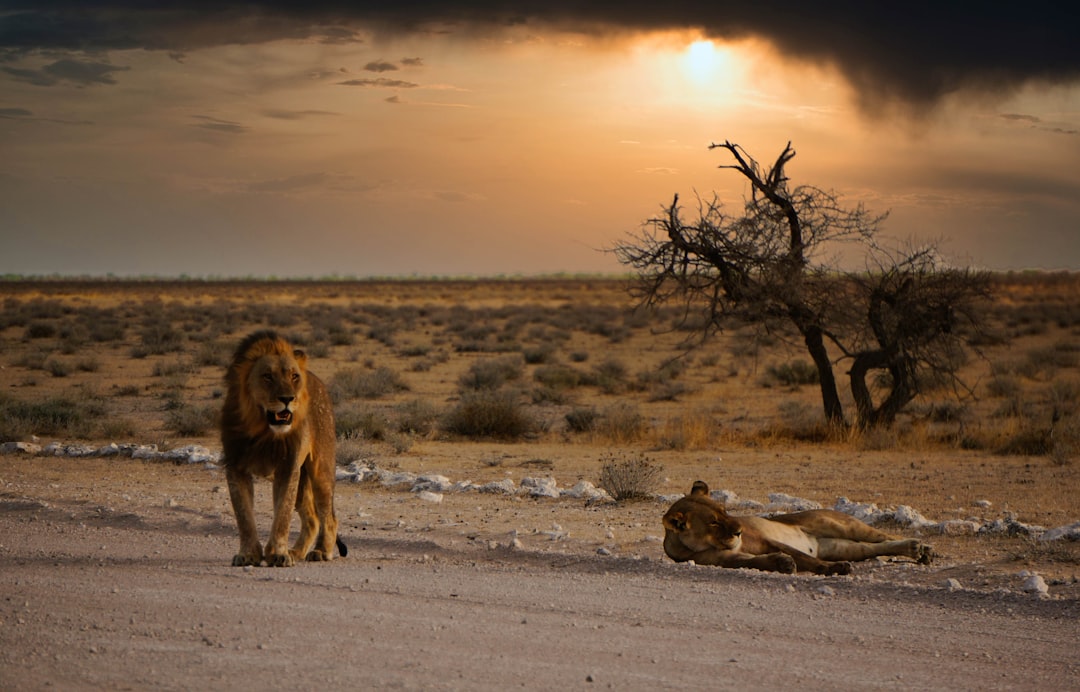
The eight wildlife rules are simple: stay inside the vehicle, keep windows and limbs safe, give animals space, avoid night driving, control speed, carry water, refuel often, and camp responsibly. These rules reduce risk while helping visitors enjoy wildlife without changing animal behavior .
Rule 1: Stay inside your vehicle
Stay inside the vehicle whenever you watch wildlife from a roadside or viewing area. Do not step out for a better photograph unless an authorized site clearly allows it. Self-drivers are specifically advised to remain inside and avoid extending arms or objects through windows .
Elephants deserve extra space. Their size can make them seem slow, but they can react quickly when they feel blocked or threatened. Keep the engine ready, leave a clear path, and wait rather than trying to push past.
Rule 2: Keep your body and objects inside
Keep arms, heads, cameras, phones, and other objects inside the vehicle. A long lens or selfie stick can change an animal’s response. It can also create a direct safety risk for you and your passengers .
Use the vehicle’s open window only when it does not bring you closer to the animal. Turn off loud music, speak quietly, and avoid sudden movements. These small choices support calm wildlife viewing.
Rule 3: Give wildlife space
Give animals room to cross, feed, rest, and move away. Etosha wildlife encounters can happen near roads and water points, but an animal’s presence does not give you permission to block its route . Stop at a safe distance and let the animal decide what happens next.
Never surround an animal with several vehicles. Avoid chasing a rare sighting from one location to another. Patient viewing usually creates better photographs and a more natural experience.
Rule 4: Avoid driving at night
Avoid driving at night outside major towns. Livestock and wildlife may enter roads after dark, and poor visibility leaves less time to react . Plan to reach your campsite or lodge before nightfall.
Night driving also increases fatigue. If a delay affects your plan, contact your accommodation and change the route. A shorter day is safer than forcing a long final drive.
Rule 5: Control your speed
Follow posted speed limits and adjust your speed to road conditions. Safari Consultants reports that many road accidents in Namibia result from driving too fast or becoming complacent . Loose gravel, animals, livestock, and sudden turns all require attention.
Slow driving improves more than safety. It lets you scan the roadside, spot tracks, and enjoy the landscape. Keep both hands ready and take breaks before fatigue affects your focus.
Rule 6: Carry water every day
Carry enough drinking water for every driving day. Safari guidance advises travelers to carry water because services can be widely spaced . Water supports basic comfort and gives you a buffer if a delay changes your route.
Store water where every passenger can reach it. Add a simple daily check before leaving: water, fuel, phone, map, spare tire, and campsite booking.
Rule 7: Refuel at every practical station
Refuel whenever you reach a petrol station. Do not wait for the tank to become nearly empty, especially on long routes between towns and wildlife areas . A full tank gives you more route choice and reduces stress.
Record your fuel level at each stop. Ask the station staff about the next reliable fuel point, then compare their advice with your planned route. This habit matters when roads cover large distances.
Rule 8: Camp without harming the site
Use designated campsites, remove all waste, avoid creating new fire pits, and extinguish fires fully before leaving . These steps protect dry habitats and reduce risks for animals and future visitors.
Keep food and rubbish secure. Do not feed wildlife. Leave the campsite as you found it, or cleaner. Responsible camping is part of a safe Namibia self drive safari.
For a wider planning checklist, read the guide to six Namibia self-drive cross-border checks for 2026. It is useful if your journey includes nearby countries or a border crossing.
How Should You Plan the Main Details?
Plan a Namibia self drive safari around fuel, water, road time, wildlife areas, and overnight stops. Start with a route that matches your driving comfort, then check campsite or lodge availability. August through December 2026 departures appear in current research, and some departures are already marked full .
Choose the right route pace
Build each day around one main travel goal. For example, a day can focus on reaching Etosha, checking into camp, and enjoying an afternoon wildlife drive. Another day can allow more time near a water point rather than adding another long transfer.
A 12-day Namibia self-drive itinerary has a listed departure from August 26, 2026 . This is a useful planning reference, not a rule for every traveler. Your best duration depends on arrival times, road choices, rest days, and the number of wildlife areas you want to visit.
Compare camping and lodge comfort
Camping usually gives you a closer connection to the landscape and can suit travelers who enjoy daily routines. Lodge travel adds a fixed bed and more comfort after long drives. Both styles require safe wildlife habits around camps and accommodation.
Luxury travel does not remove wildlife rules. A high-end lodge or private vehicle still needs quiet viewing, safe distances, and careful driving. Travelers searching for “safari namibia luxus” should compare room type, vehicle use, guide service, meals, transfers, and park access rather than judging by a label alone.
Understand what the price includes
No verified source in the current research gives one standard 2026 price for every Namibia self drive safari. Prices depend on vehicle type, accommodation, camping gear, park fees, fuel, meals, flights, insurance, and support. Ask for each item in writing before you compare offers.
Some self-drive plans may include vehicle hire but exclude fuel and meals. Others may include campsites or lodges but leave route changes to you. A low headline price is not useful if it omits equipment, deposits, or emergency support.
| Name | Price | Duration | Rating | Best For |
|---|---|---|---|---|
| Self-drive camping plan | Request verified 2026 quote | Flexible; 12-day example listed | Not provided | Independent travelers |
| Lodge-based self-drive plan | Request itemized quote | Flexible | Not provided | Comfort-focused couples |
| Luxury guided or supported plan | Request itemized quote | Flexible | Not provided | Travelers seeking premium service |
SafariFind lets you compare operators, package inclusions, and authentic traveler reviews in one place. Compare verified Namibia safari operators with current reviews and ask each operator to separate vehicle, accommodation, fuel, and support costs.
Before booking, review what Namibia safari package prices include in 2026. You can also compare the differences between self-drive and car-hire safari packages before choosing your travel style.
Check availability early
August to December 2026 departures appear in the research, with some dates marked full . Availability matters because campsites, vehicles, and lodge rooms can sell at different speeds. Confirm every overnight stop before you pay a deposit.
How Do You Start a Safe Namibia Self Drive Safari?
Start by matching your route to your vehicle, driving skill, and comfort with remote travel. Confirm the road plan, fuel points, water needs, accommodation, and emergency contacts. Then review wildlife rules with every passenger before the first park drive.
Use a simple pre-departure checklist
- Confirm the vehicle type, insurance, spare tire, and recovery support.
- Save campsite, lodge, park, and operator contact details offline.
- Plan fuel stops and refill at every practical petrol station .
- Carry drinking water for each travel day .
- Check sunset timing and arrive before dark outside major towns .
- Review the rules for staying inside and giving animals space .
- Pack waste bags and use only approved campsites and fire areas .
Prepare for wildlife viewing
Wildlife viewing works best when you slow down and observe. Stop safely, keep the vehicle quiet, and leave space for animals to move. Elephants, lions, cheetahs, and desert-adapted species can behave in ways that change quickly .
Do not plan your day around finding one specific animal. Instead, allow time at water points and on approved roads. This approach lowers pressure on wildlife and makes the trip less stressful for you.
Choose campsites with care
Designated campsites provide a clear place to sleep, cook, and manage waste. Follow local camping rules, remove rubbish, avoid new fire pits, and put out every fire before departure . Keep your camp orderly throughout the evening.
Read six Namibia self-drive campsites worth booking in 2026 when you build your overnight plan. Check the booking terms and location before setting out.
Know when to ask for help
Self-drive travel gives you freedom, but support can make remote travel easier. A verified operator may arrange a suitable vehicle, route notes, camps, lodge rooms, or a backup plan. This option helps first-time visitors who want independence without managing every detail alone.
SafariFind reviews can help you compare communication, trip planning, and operator service. Look for clear inclusions and current traveler feedback. Ask questions before booking, especially about recovery support and what happens after a vehicle problem.
For another comparison point, read the 2026 Namibia self-drive operator comparison guide. Use it alongside direct quotes and verified reviews.
Key Takeaways
- Stay inside the vehicle during wildlife encounters to reduce risk, especially near elephants .
- Finish driving before dark outside major towns because livestock and wildlife may enter roads .
- Refuel at every petrol station and carry water for each travel day .
- Use designated campsites, remove every piece of waste, and extinguish fires fully .
- Check August to December 2026 availability early because some listed departures are already full .
Frequently Asked Questions
What is a Namibia self drive safari?
A Namibia self drive safari is a wildlife trip where you drive your own route between parks, camps, and lodges. Namibia suits this style because traffic is relatively light, roads are well maintained, and travelers can explore at their own pace .
Is Namibia safe for a self drive safari?
Namibia is suitable for a self-drive safari when travelers follow road and wildlife safety rules. Stay inside the vehicle, keep animals at a safe distance, avoid night driving outside major towns, control speed, carry water, and refuel often .
When is the best time for a Namibia self drive safari in 2026?
August through December 2026 has listed Namibia safari departures in the current research . Availability varies, and some departures are marked full. Check wildlife goals, road plans, campsite space, and operator availability before selecting dates.
How much does a Namibia self drive safari cost?
No single verified 2026 price applies to every Namibia self drive safari. The total depends on the vehicle, accommodation, camping gear, fuel, meals, park fees, insurance, and support. Request an itemized quote so you can compare equal inclusions.
Can I see elephants on a Namibia self drive safari?
Yes, Etosha National Park is a prominent location for wildlife encounters, including elephant sightings . Stay inside your vehicle, keep arms and objects inside, give elephants space, and never block their route.
Is a luxury safari in Namibia better than self-drive camping?
A luxury safari in Namibia offers more comfort, while self-drive camping offers more control over pace and stops. Compare beds, vehicles, guides, meals, park access, fuel, and support. The best choice depends on your comfort needs and driving experience.
How can I book a Namibia self drive safari with SafariFind?
SafariFind connects travelers with verified tour operators, safari packages, and authentic reviews. Compare package inclusions, read traveler feedback, and request a quote before booking your 2026 Namibia self drive safari.
Conclusion: Plan Your 2026 Namibia Self Drive Safari
A Namibia self drive safari is a strong choice for independent travelers who want flexible wildlife viewing and wide-open scenery. Namibia’s light traffic, maintained roads, and diverse wildlife support self-drive travel, but safe habits remain essential .
Start with Etosha for a major wildlife focus. Keep your body and belongings inside the vehicle, give animals room, avoid night driving, and slow down on every road. Carry water, refuel often, and use designated campsites with care .
As of August 2026, listed departures run from August through December, while some dates are already full . No universal package price is verified, so compare complete inclusions instead of headline rates.
Compare verified Namibia self drive safari packages and request your 2026 quote. SafariFind helps you compare operators and read authentic reviews, so you can choose a safer, clearer plan for travel in 2026.
Image Alt Text Suggestions
- Elephant standing beside a road during a Namibia self drive safari in Etosha National Park
- Namibia safari vehicle parked safely near wildlife viewing area
- Self-drive safari campsite in Namibia with designated fire area
- Namibian desert road with 4x4 vehicle and red dunes in the distance
About This Guide
This guide was prepared for SafariFind readers using current 2026 research and destination guidance. SafariFind focuses on verified safari packages, tour operators, and authentic traveler reviews. Always confirm park rules, road conditions, vehicle terms, and booking details with your operator before departure.
Plan Your Safari with SafariFind
These recommendations use real data from SafariFind, where you can compare operators, browse packages, and read verified traveler reviews before you book.
Recommended Safari Packages from SafariFind
What Travelers Say (SafariFind Reviews)
References
- Namibia Vacations and Safaris 2026 & 2027 | Audley Travel US
- The Best Countries for Safari in 2026 | Holiday.com
- Understanding Legalities for Safari Tour in Africa | Leaflove Safari
- 10 Important Tips for Self-Driving in Namibia | Drive South Africa
- Namibia Self Drive Safari: 12-Day Namibia Tour | African Budget Safaris
- Namibia Self-Drive Guide | Safari.co.za
- Our Advice for Self-Driving Holidays in Namibia | Safari Consultants
- Our Experts Guide to Self Drive Safaris in Namibia | Safari Frank
V2Ui.sources
- Namibia Vacations and Safaris 2026 & 2027 | Audley Travel US
- The Best Countries for Safari in 2026 | Holiday.com
- Understanding Legalities for Safari Tour in Africa | Leaflove Safari
- 10 Important Tips for Self-Driving in Namibia | Drive South Africa
- Namibia Self Drive Safari: 12-Day Namibia Tour | African Budget Safaris
- Namibia Self-Drive Guide | Safari.co.za
- Our Advice for Self-Driving Holidays in Namibia | Safari Consultants
- Our Experts Guide to Self Drive Safaris in Namibia | Safari Frank
Related to
Ready to start your safari adventure?
Explore curated safari packages and find your perfect African adventure with verified operators.


