Namibia Self Drive Safari: How to Handle Fuel and Water
Discover Namibia Self Drive Safari: How to Handle Fuel and Water - Expert guide to safari tourism and wildlife destinations.

Namibia Self Drive Safari: Fuel and Water Planning
Last updated: August 2026
A remote road, a half-full tank, and a hot afternoon can change your whole safari plan.
A Namibia self drive safari needs early fuel stops, extra drinking water, and a high-clearance vehicle. Remote roads near Fish River Canyon, Lüderitz, the Tiras Mountains, Etosha, Sossusvlei, and the Skeleton Coast have long stretches without services. In 2026, plan supplies before each remote drive and request a current trip quote because no single fixed price covers every route, vehicle, campsite, and lodge.
At a Glance
- Fuel: Refuel whenever possible, especially before remote southern routes.
- Water: Carry extra water for long drives without shops or fuel stations.
- Vehicle: Choose high clearance for Etosha, Sossusvlei, and the Skeleton Coast.
- Safety: Slow down on gravel roads and avoid driving after dark.
- Best for: Independent travelers, couples, families, and campers who plan carefully.
- Cost: No fixed 2026 price; vehicle hire, fuel, water, campsites, and lodges set the total.
Introduction: Why Fuel and Water Matter
Namibia self drive safari planning starts with fuel, water, and safe route choices. Namibia gives you wide-open roads, quiet camps, desert views, and close wildlife encounters. It also gives you long distances between services. Fuel stations are sparse in remote parts of the country, so advance planning is essential.
Namibia is not a place where you should wait for the fuel warning light. Southern routes toward Fish River Canyon, Lüderitz, and the Tiras Mountains need early refuelling whenever a station is available. Water needs the same care because remote drives can last for hours without a shop.
Quick answer: Refuel at every reliable station and carry extra water before entering remote Namibia. Use a high-clearance vehicle, check its spare tyres, and slow down on gravel. Plan each day around fuel range, road conditions, wildlife, and daylight. These simple steps make a Namibia self drive safari safer and calmer in 2026.
This guide explains what to carry, when to stop, and how to build a practical supply plan. It also covers vehicle checks, wildlife areas, camping, luxury stays, and emergency choices. For seasonal route ideas, read the Best Time for Namibia Safari month-by-month guide.
What Is a Namibia Self Drive Safari?
A Namibia self drive safari is an independent journey where you control the route, vehicle, stops, and daily pace. You may camp beside a national park, sleep in a rooftop tent, or combine wilderness lodges with scenic drives. The format offers freedom, but you must manage fuel, water, tyres, food, and time.
Overview
Namibia is known for vast desert landscapes, gravel roads, wildlife areas, and long travel distances. A self-drive route can connect Windhoek with Etosha, Sossusvlei, Swakopmund, the Skeleton Coast, Lüderitz, or Fish River Canyon. Each area has different road surfaces and service gaps.
High-clearance vehicles are especially useful in Etosha, Sossusvlei, and along the Skeleton Coast. A higher vehicle improves comfort and clearance on rough tracks. It also gives you a better view over scrub and uneven ground.
Key features
- Independent travel: You choose departure times and photo stops.
- Remote driving: You may travel for long periods without shops or fuel stations.
- Flexible lodging: Rooftop tents suit campers, while lodges suit travelers seeking more comfort.
- Wildlife viewing: Etosha self-drives let you search for animals while following park rules.
- Route control: You can add scenic detours and reduce rushed travel days.
Rooftop-tent vehicles are common among travelers camping in national parks or staying near wilderness areas. They combine transport and sleeping space. However, camping still requires careful water storage, food planning, and secure packing.
Known for: Namibia self drive safari trips are known for independence, desert scenery, and remote wildlife routes. Best for: travelers who enjoy planning, driving, photography, and flexible days. If you want route inspiration, compare the seven scenic Namibia self-drive detours for 2026.
SafariFind connects travelers with verified tour operators and authentic traveler reviews. Compare Namibia self drive safari packages and request a quote from verified operators before you choose your vehicle and route.
How Should You Plan Fuel for a Namibia Self Drive Safari?
Plan fuel around the next confirmed station, not the distance shown on a map. Refuel whenever possible, then leave with a full tank before remote roads. This approach matters most in southern Namibia and on routes toward Fish River Canyon, Lüderitz, and the Tiras Mountains.
Key fuel details
Fuel stations are sparse in remote areas of Namibia. A route can look short on paper but still take much longer on gravel, sand, or rough roads. Wind, road repairs, tyre problems, wildlife, and photo stops can all increase travel time.
Southern Namibia needs special care because wide spaces separate service points. Refuel early before heading toward Fish River Canyon, Lüderitz, or the Tiras Mountains. Do not assume that the next town will have an open station or the fuel type your rental vehicle needs.
Fuel planning is a daily task. Each evening, check tomorrow’s route, the next known station, and your vehicle’s fuel level. Ask your rental company or lodge about current road conditions and station access. Keep your tank as full as practical before a remote section.
Vehicle equipment to confirm
Many Windhoek rental companies provide emergency kits and two spare tyres. Some also provide satellite phones. Confirm this equipment before signing your rental agreement. Ask how to use the jack, tyre tools, compressor, fuel gauge, and emergency communication device.
- Check the fuel tank size and expected fuel range.
- Ask whether the vehicle uses petrol or diesel.
- Confirm the location of the spare tyres.
- Check whether the rental includes a compressor and repair kit.
- Ask about fuel cans and whether the company permits them.
- Record the emergency number and roadside support process.
Never treat a reserve container as permission to skip fuel stops. Fuel cans need safe storage, firm lids, and protection from heat. Keep them away from flames, cooking areas, and direct sun. Follow the rental company’s safety rules at all times.
Why driving speed changes fuel planning
Speed is a major cause of road accidents in Namibia, especially on gravel and dirt roads. Rocks, sand drifts, potholes, and animals can appear without warning. Fast driving also reduces your time to react and can make the vehicle harder to control.
Drive at a speed that matches the road surface, visibility, tyres, and weather. Slower travel may extend the day, so include extra time in your route. A calm schedule protects both fuel reserves and passengers.
For a wider budget view, read eight Namibia self-drive costs beyond car hire. Compare Namibia safari packages by route, duration, and inclusions when you want to weigh self-drive against guided travel.
How Much Water Should You Carry on a Namibia Safari?
Carry extra water before every remote drive because long stretches may have no shop or service stop. Water should cover drinking, basic cooking, hand washing, and an emergency delay. Keep daily drinking water separate from reserve water, so you know what remains available.
Important water considerations
Remote drives in Namibia require extra water supplies. Travelers may spend many hours inside a vehicle without a nearby shop. Keep water within easy reach, rather than buried under luggage or camping gear.
Water needs rise during hot weather, long drives, physical activity, and camping. Children, older travelers, and people unused to dry heat need close attention. Plan a reserve for unexpected delays, tyre repairs, road closures, or a missed turn.
A simple packing system makes water easier to manage. Store the main supply in strong containers. Keep one smaller bottle for each passenger in the vehicle cabin. Mark the reserve containers clearly and check the level every morning.
Water system for campers
- Carry sealed drinking water for the route ahead.
- Keep a separate supply for cooking and washing.
- Use hard containers that will not split on rough roads.
- Secure every container so it cannot move during braking.
- Refill at reliable points before entering remote areas.
- Keep water shaded and away from hot vehicle surfaces.
Camping adds extra water needs. You may need water for tea, simple meals, cleaning plates, brushing teeth, and washing hands. A rooftop tent does not remove these needs. It only gives you a sleeping platform.
Water and wildlife areas
Etosha self-drives often involve long periods in the vehicle while you search for wildlife. Keep water and snacks near the front seats, where you can reach them safely. Do not leave the vehicle in unsafe places or approach animals on foot.
Stay inside the vehicle when observing wildlife unless park rules identify a safe, permitted area. Do not feed or disturb animals. Secure food and rubbish because smells can attract wildlife around camps.
Driving after dark is discouraged because wildlife and livestock become harder to see. It also makes road hazards more difficult to spot. Set a firm arrival time and turn back when daylight is fading, rather than forcing the final kilometres.
Safari Namibia Luxus travelers also need a supply plan. A luxury lodge may provide meals and water, but the drive between properties still needs preparation. Read Safari Namibia Luxus: seven luxury lodges worth comparing in 2026 for ideas that combine comfort with remote landscapes.
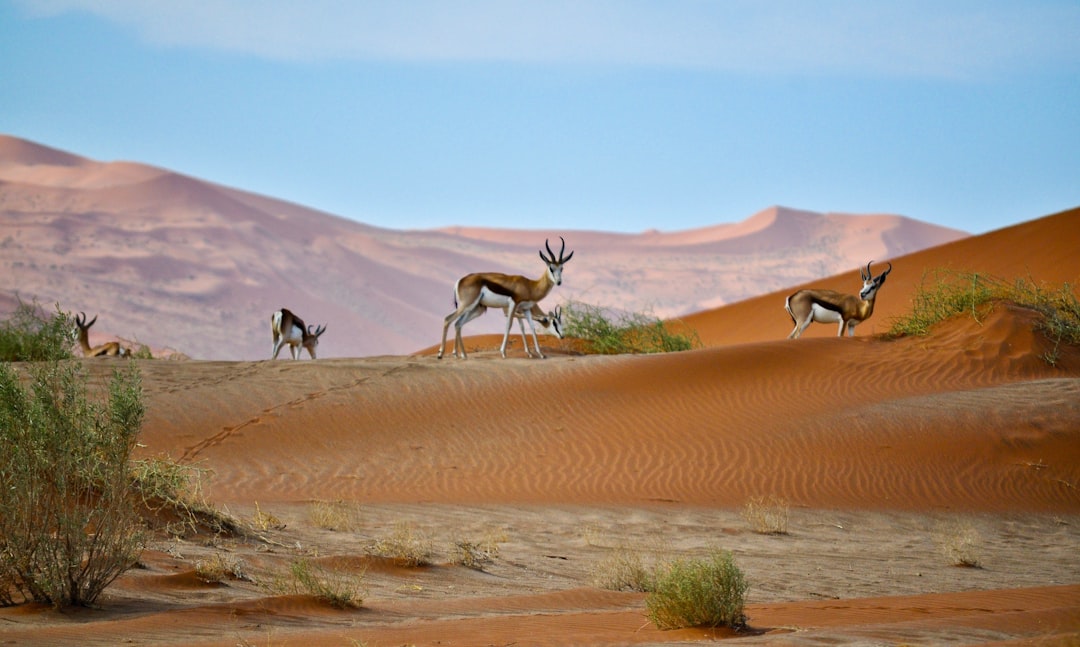
What Is the Best Practical Guide for Fuel and Water?
The best method is a repeatable daily check: review the route, fill the tank, count water, inspect the vehicle, and leave early. This routine reduces stress and helps you handle long gravel roads. It also gives you time to stop before darkness or fatigue affects your choices.
Before collecting the vehicle
- Inspect the vehicle in daylight, inside and outside.
- Photograph existing damage before leaving the rental depot.
- Confirm fuel type, tank size, and fuel range.
- Locate the jack, spare tyres, compressor, and emergency kit.
- Ask how to contact roadside support.
- Check whether a satellite phone is included.
- Learn how to change a tyre and check tyre pressure.
Many Windhoek rental companies offer two spare tyres, emergency kits, and sometimes satellite phones. Do not assume these items come with every vehicle. List each item on the handover form and ask for a demonstration if needed.
Daily departure routine
Start each driving day with a full or near-full tank whenever a station is available. Count the water containers and move cabin bottles within reach. Check tyres, oil, coolant, lights, and visible damage before leaving.
- Fuel: identify the next reliable refuelling point.
- Water: confirm drinking and reserve supplies.
- Road: check gravel, sand, weather, and closure updates.
- Time: set a daylight arrival target.
- Wildlife: slow down near animals, livestock, and park roads.
- Communication: keep emergency numbers and offline maps ready.
What to do during a remote drive
Keep your speed low enough to stop for rocks, potholes, sand, livestock, and wildlife. Speed causes many road accidents in Namibia, especially on rough roads. Take breaks before fatigue builds, and never let a scenic viewpoint push you past your daylight limit.
Use fuel and water checks at each major stop. Write down the fuel level, remaining water, next destination, and departure time. This small record helps couples and families make decisions together.
What to do if supplies run low
Turn back early if your fuel or water reserve becomes unsafe. Do not continue simply because the destination appears close. Contact your rental company, lodge, park office, or emergency service when communication is available.
Stay with the vehicle if you face a breakdown in a remote area. Make yourself visible, conserve water, and avoid walking long distances in heat. A satellite phone can help when the rental company provides one.
For a complete vehicle and campsite checklist, use the 2026 Namibia car hire and campsite plan. Also review the ten rules for safer Namibia wildlife drives before departure.
Route comparison
The table below shows how fuel and water planning changes by trip style. It does not give a fixed price because rental terms, route length, and lodge choices differ. Confirm current inclusions with a verified operator before booking.
| Name | Price | Duration | Rating | Best For |
|---|---|---|---|---|
| Camping self-drive route | No fixed 2026 price | Flexible | Compare reviews | Independent campers |
| Etosha-focused safari | No fixed 2026 price | Flexible | Compare reviews | Wildlife-focused travelers |
| Southern Namibia route | No fixed 2026 price | Flexible | Compare reviews | Desert and canyon travelers |
| Safari Namibia Luxus route | No fixed 2026 price | Flexible | Compare reviews | Lodge-based luxury travelers |
Want a clear budget limit? Compare Namibia safari options with current prices and request quotes from verified operators before you commit to a vehicle, campsite, or luxury lodge.
How Can You Prepare for Different Namibia Routes?
Each Namibia route needs a different supply plan. Etosha focuses on wildlife and park roads, while the south brings greater service gaps. Sossusvlei and the Skeleton Coast demand suitable vehicles and careful timing. Match your fuel, water, tyres, and lodging plan to the route.
Etosha National Park
Etosha is best for travelers who want wildlife viewing from a self-drive vehicle. Keep water and snacks in the front seats because shops may not be nearby during long game drives. Stay inside the vehicle around wildlife and follow park instructions.
Fuel planning still matters inside and around the park. Fill the tank before entering a long game-drive area, then check your route before leaving camp. Start early, drive slowly, and leave enough daylight for the return journey.
Sossusvlei and the Namib Desert
Sossusvlei is a key reason to choose high clearance. High-clearance vehicles are especially useful around Sossusvlei and other rough routes. Sand, heat, and soft surfaces can increase strain on both the vehicle and passengers.
Carry extra water and avoid arriving with only the amount needed for the planned drive. A simple delay can change the schedule. Store water securely and protect it from direct heat.
Fish River Canyon, Lüderitz, and the Tiras Mountains
Southern Namibia needs early refuelling because stations are few and far between. Fill up before heading toward Fish River Canyon, Lüderitz, or the Tiras Mountains. Ask locally about the next dependable station before leaving a town.
These routes reward a slower pace. Keep a reserve for detours, rough surfaces, and delayed arrivals. Plan lodging ahead when the route includes long remote sections.
Skeleton Coast and coastal routes
The Skeleton Coast needs a vehicle suited to rough conditions and a strong plan for communication. High-clearance vehicles improve comfort and safety along this coast. Coastal weather can also change the feel of a drive, so ask about current road conditions.
Self-drive versus guided travel
Self-drive is best for travelers who want control and accept daily planning. A guided safari suits travelers who prefer an experienced driver to manage navigation, wildlife viewing, fuel timing, and road choices. Both styles can include camping, lodges, or a mix of the two.
SafariFind helps you compare verified tour operators, package details, and authentic reviews. Use the marketplace to compare self-drive support with guided Namibia safari tours. The seven Namibia safari packages to compare in 2026 can help you see how different travel styles fit your plans.
Key Takeaways
- Refuel early before routes toward Fish River Canyon, Lüderitz, and the Tiras Mountains to reduce service risk.
- Carry extra water for remote drives, long game drives, cooking, and unexpected delays.
- Choose high clearance for Etosha, Sossusvlei, and the Skeleton Coast to improve comfort and safety.
- Slow down on gravel because speed is a major cause of Namibia road accidents.
- Finish driving before dark because wildlife and livestock are harder to see at night.
Frequently Asked Questions
What is a Namibia self drive safari?
A Namibia self drive safari is an independent trip where you drive a rental vehicle between parks, deserts, coastlines, campsites, and lodges. You manage the route, fuel, water, safety checks, and daily timing. The format suits travelers who want freedom and can plan carefully.
How often should I refuel on a Namibia self drive safari?
Refuel whenever a reliable fuel station is available, especially before remote southern routes. Fuel stations are sparse in parts of Namibia, so do not wait for the warning light. Fill up early before heading toward Fish River Canyon, Lüderitz, or the Tiras Mountains.
How much water should I carry on a Namibia self drive safari?
Carry extra water for drinking, cooking, washing, and emergency delays. The exact amount depends on passengers, weather, route length, and lodging. Keep drinking water in the cabin and store reserve water securely. Remote drives may have no nearby shop or service point.
Do I need a 4x4 for a Namibia self drive safari?
A high-clearance vehicle is especially useful for Etosha, Sossusvlei, and the Skeleton Coast. The best vehicle depends on your route, road conditions, camping needs, and rental terms. Confirm clearance, spare tyres, emergency equipment, and roadside support before booking.
Is it safe to drive in Namibia after dark?
Driving after dark is discouraged because wildlife and livestock are harder to see. Gravel roads also contain hazards such as rocks, potholes, and sand drifts. Set a daylight arrival time, reduce speed, and turn back early if the route takes longer than planned.
Where can I book a Namibia self drive safari in 2026?
SafariFind connects travelers with verified tour operators, safari packages, and authentic reviews. Compare package details, ask questions about fuel and water support, and request a quote before booking. This helps you choose a self-drive or guided trip that matches your route and comfort level.
Conclusion: Build a Safer 2026 Safari Plan
A Namibia self drive safari is safer and more enjoyable when fuel and water guide your route. Refuel whenever possible, especially in southern Namibia. Carry extra water before remote drives. Choose high clearance for Etosha, Sossusvlei, and the Skeleton Coast. Slow down on gravel and finish driving before dark.
As of August 2026, no single price fits every Namibia trip. Vehicle type, camping equipment, route, fuel use, campsites, and luxury lodges shape the total. Compare a camping plan with a lodge-based Safari Namibia Luxus route before deciding.
Use verified operator information and real traveler reviews to check what each package includes. Compare verified safari packages on SafariFind and request your 2026 Namibia quote. With a full tank, secure water, and a realistic daily schedule, you can explore Namibia with greater confidence throughout 2026 and beyond.
Image Alt Text Suggestions
- Rental 4x4 vehicle with rooftop tent parked beside a Namibia desert road
- Traveler checking fuel and water supplies before a Namibia self-drive safari
- Water containers secured inside a high-clearance safari vehicle in Namibia
- Namibia self-drive vehicle watching wildlife from inside Etosha National Park
- Fuel station stop before a remote road toward Fish River Canyon
Plan Your Safari with SafariFind
These recommendations use real data from SafariFind, where you can compare operators, browse packages, and read verified traveler reviews before you book.
Recommended Safari Packages from SafariFind
What Travelers Say (SafariFind Reviews)
References
- How to Plan a Self-Drive Safari in Namibia
- Our Experts Guide to Self Drive Safaris in Namibia
- Namibia Self-Drive Guide and Safety Tips
- A Guide to Namibia Self Drive Safari in Etosha National Park
- Namibia Self-Drive Safaris: Ultimate Road Trip Adventures
- Namibia Self Drive Tips, Safety and Information for Visitors
- Self-Driving Safari in Southern Africa: Itinerary and Planning
- Namibia Packing List for a Self Drive Safari and Camping Trip
V2Ui.sources
- How to plan a self-drive safari in Namibia
- Our Experts Guide to Self Drive Safaris in Namibia
- Namibia Self-Drive Guide and Safety Tips
- A Guide to Namibia Self Drive Safari in Etosha National Park
- Namibia Self-Drive Safaris: Ultimate Road Trip Adventures
- Namibia Self Drive Tips, Safety and Information for Visitors
- Self-Driving Safari in Southern Africa: Itinerary and Planning
- Namibia Packing List for a Self Drive Safari and Camping Trip
Related to
Ready to start your safari adventure?
Explore curated safari packages and find your perfect African adventure with verified operators.