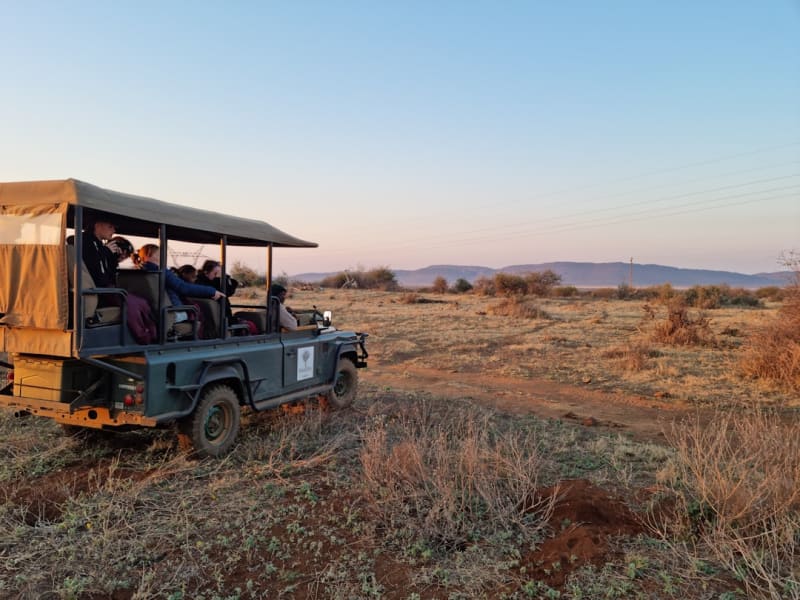
Pinterest Affiliate Marketing for Travel Creators in 2026
Learn how to build a profitable Pinterest affiliate strategy that drives safari bookings and high-ticket travel sales. Real tactics, honest numbers, and how to join programs that actually pay.

Pinterest Affiliate Marketing for Travel Creators in 2026
Pinterest isn't just for home décor and recipe collections anymore—it's become one of the most powerful platforms for travel creators to drive bookings and earn real money through affiliate marketing.
Here's the reality: travel searches on Pinterest exceed 1 billion annually, with over 10 billion travel saves recorded in a single year. That's not background noise. That's opportunity. And yet most travel content creators treat Pinterest like an afterthought, if they use it at all.
The difference between creators earning $500 a month and $5,000 a month on travel affiliate marketing often comes down to one thing: they understand where their audience is making decisions, not just dreaming.
In 2026, Pinterest affiliate strategy has matured. The platform rewards specificity, consistency, and genuinely useful content. And if you're in travel, the commission potential is higher than most creators realize—especially when you focus on high-ticket bookings instead of low-margin gear.
This guide walks you through the exact strategy that works right now, with concrete numbers and honest talk about what actually converts.
Why Pinterest Works for Travel Affiliate Marketing
Pinterest is fundamentally different from Instagram or TikTok. While those platforms reward entertainment and trend-chasing, Pinterest rewards utility and search intent.
When someone pins "Iceland packing list," they're not scrolling mindlessly. They've already decided to go to Iceland. They're in the decision phase—comparing what to bring, what to book, which tour operator to use. This is the highest-intent moment in the traveler's journey.
That intent shift matters for your affiliate earnings. A creator focused on awareness-level content ("10 Beautiful Destinations You Must See") reaches more people but converts fewer. A creator focused on decision-level content ("Iceland in Winter: Best Tours, What to Pack, Budget Breakdown") reaches fewer people but converts many more into paying customers.
In 2026, high-earning travel affiliates have moved away from awareness content entirely. They invest in:
- Destination guides paired with specific tour operators
- Packing lists with gear and luggage recommendations
- Comparisons of booking platforms and travel insurance
- Budget breakdowns by season and region
- Reviews of travel credit cards and booking strategies
Pinterest's search volume supports this shift. Searches for "packing guide" increased 480% year-over-year, and "travel vision board" saw a 210% jump. Users aren't just dreaming—they're actively preparing.
The High-Ticket Travel Affiliate Opportunity
Most travel creators focus on low-ticket affiliate programs: Amazon affiliate links on luggage, booking.com commissions on hotel stays, or credit card referrals. These programs pay, but the revenue share is thin.
A $2,000 safari booking through a typical booking affiliate program might earn you $20–$40. The same booking through a dedicated safari affiliate program with a 30% revenue share could earn you $150 or more.
That's not a marginal difference. That's the difference between affiliate marketing feeling like a side hustle and feeling like a real income stream.
The catch? High-ticket affiliate programs require trust. No one books a $5,000 safari based on a random pin. They need to see your expertise, your credibility, and your genuine experience with the destination or operator.
This is why authenticity and specificity are no longer optional in 2026. They're the price of entry.
How to Structure Your Pinterest Affiliate Strategy
Step 1: Choose Your Niche Within Travel
"Travel blogger" is too broad for Pinterest affiliate marketing. You need specificity.
Instead of "travel," focus on:
- Safari and African destinations (high-ticket, underserved niche)
- Budget travel by region (Southeast Asia, Central America, Eastern Europe)
- Adventure travel (hiking, climbing, water sports)
- Luxury travel (resorts, private tours, exclusive experiences)
- Solo travel for a specific demographic (women, over 40, LGBTQ+)
- Slow travel and digital nomad life
Specificity serves two purposes: (1) it's easier to rank on Pinterest for a specific query, and (2) it's easier to build authority and trust with a defined audience.
If you focus on African safaris, for example, you can become the creator people trust for safari bookings. That authority translates to higher conversion rates and access to better affiliate programs.
Step 2: Build Decision-Focused Content
Your Pinterest strategy should center on blog posts and guides that address the traveler's actual questions at the decision stage:
- "Safari Budget Breakdown: How Much a $5,000 Trip Actually Costs"
- "Best Time to Visit Tanzania: Month-by-Month Guide"
- "Safari Operator Comparison: Small Group vs. Private Tours"
- "What to Pack for a Safari: Gear Checklist by Season"
- "How to Book a Safari: Step-by-Step Guide for First-Timers"
Each of these posts naturally invites affiliate recommendations—tour operators, gear, booking platforms, travel insurance. But the content comes first. The affiliate links are the supporting detail, not the main event.
This approach also has incredible evergreen value. A well-written, SEO-optimized guide on "What to Pack for Kenya" will drive traffic for years. It's not trend-dependent like Instagram Reels or TikTok videos.
Step 3: Design Multiple Pins Per Post
Most creators make one pin per blog post. That's leaving money on the table.
Create 3–5 different pin designs for each guide, each emphasizing a different angle:
- Pin 1: The budget angle ("Safari for $2,000")
- Pin 2: The planning angle ("Safari Planning Checklist")
- Pin 3: The comparison angle ("Safari Types Explained")
- Pin 4: The gear angle ("Essential Safari Gear")
- Pin 5: The destination angle ("Why Kenya Over Tanzania")
Different people save different pins. A budget-conscious traveler might skip the luxury comparison but save the cost breakdown. By creating multiple entry points, you increase the total reach of each post.
Video pins are worth special attention: they receive 2–3x more impressions than static images. A 30–60 second video showing safari wildlife, packing techniques, or a destination tour walkthrough can dramatically outperform a static image pin.
Step 4: Optimize Pins for Pinterest Search
Pinterest operates like a visual search engine. Your pins need to be discoverable.
When creating pins:
- Use keyword-rich descriptions: "Safari Packing List for Kenya: What to Bring" works better than "Pack for Safari"
- Include text on the pin itself: Travelers should know what the pin is about in one glance
- Use clear, high-contrast design: Pinterest's algorithm favors pins that stand out in the feed
- Maintain consistent branding: Fonts, color schemes, and layouts should feel cohesive across your pins
- Link to evergreen content: Avoid pinning time-sensitive posts; they underperform as they age
Your pin descriptions should also include relevant hashtags and disclosures. Pinterest requires that affiliate pins include #ad or #sponsored in the description. This isn't just compliance—it also builds trust. Transparent creators convert better.
Step 5: Pin Consistently and Track Performance
Consistency matters more than volume. Pinning 1–2 excellent pins several times a week outperforms sporadic posting of high-volume low-quality pins.
Schedule pins during peak hours when your audience is active. Use Pinterest Analytics or tools like Tailwind to identify when your audience engages most. Most travel creators see strong engagement in early morning (6–8 AM) and early evening (6–8 PM) across multiple time zones.
Track performance obsessively. Monitor:
- Pin impressions and outbound clicks
- Click-through rate by pin design
- Which blog posts drive the most referral traffic
- Conversion rates from Pinterest traffic (use UTM parameters or affiliate dashboard analytics)
This data tells you what's working. Double down on high-performing pins. Redesign or archive pins that underperform.
Choosing Affiliate Programs That Actually Pay
The affiliate programs you join will make or break your earnings. A $50 commission per booking feels good until you realize you could have earned $150 on the same booking.
When evaluating programs, ask:
- What's the actual payout structure? Is it a flat rate, percentage of revenue, or cost-per-action? (Revenue share models pay significantly more than CPA models for high-ticket bookings.)
- What's the cookie duration? If someone clicks your link but books three weeks later, does the program credit you? Travel bookings often have long decision cycles.
- Are there reporting and tracking tools? You need real-time visibility into clicks, conversions, and earnings. Opacity is a red flag.
- What's the payout threshold and frequency? Some programs require $500 minimum balance before paying out. Others pay weekly. Low thresholds matter when you're starting out.
- Is there actual support? Can you reach a real person if there's an issue? Will they help you optimize your strategy?
For travel creators, the best programs often aren't the biggest names. Global booking platforms like Booking.com or Expedia have massive reach but thin margins. Specialized programs—dedicated safari operators, luxury travel networks, regional tour companies—often offer 20–40% revenue share.
This is where the SafariFind Partner Program stands out. Safari is a high-ticket niche: most bookings range from $1,500–$10,000+. SafariFind offers a 30% revenue share on every booking, which means a $3,000 safari referral earns you around $150. The program has a low payout threshold, real-time analytics, and approval within 12 hours. For travel creators focused on African destinations, it's a natural fit.
Building Authority and Trust on Pinterest
In 2026, audiences are skeptical of polished, AI-generated content. They're drawn to authentic storytelling and genuine expertise.
If you're recommending a safari operator, people want to know: Have you actually been there? Did you book with them? What was your experience?
Your Pinterest strategy should reflect this. Share:
- Personal photos from your travels (not stock images)
- Honest reviews of destinations and operators
- Detailed breakdowns of your own trip costs and experiences
- Lessons learned from travel mistakes
- Local insights from places you've spent significant time
Over time, this builds social proof. People see that you've actually done the thing you're recommending. That credibility translates to higher click-through rates and higher conversion rates on affiliate links.
Mobile-First Content for On-the-Go Creators
Most travel creators work from the road. Your Pinterest strategy needs to be mobile-friendly to maintain.
This means:
- Using scheduling tools (like Tailwind) to batch-create and schedule pins in advance
- Designing pins on mobile-friendly tools (Canva's mobile app works well)
- Keeping affiliate links trackable and short (use your affiliate platform's link shortening if available)
- Monitoring analytics on mobile dashboards so you can stay responsive even while traveling
Many high-earning travel creators schedule 2–3 weeks of pins in advance, then monitor performance and make adjustments in real time. This balance between consistency and flexibility is key.
Scaling Beyond Pinterest
Pinterest is powerful, but it shouldn't be your only channel. Successful travel affiliates diversify their traffic sources.
As you grow on Pinterest, expand into:
- SEO-optimized blog posts (Pinterest drives traffic, but Google search drives long-term, consistent traffic)
- Email marketing (capture emails from your blog; email subscribers have higher lifetime value)
- YouTube (long-form destination guides and tour reviews perform exceptionally well)
- Instagram Reels (short-form travel content for a different audience)
The goal is to own your audience across multiple platforms. Pinterest brings them in; email keeps them coming back; YouTube builds deeper trust.
Getting Started: The SafariFind Partner Program as Your First High-Ticket Opportunity
If you're starting your Pinterest affiliate strategy, picking the right first program matters. A program with low barriers to entry, transparent tracking, and genuinely high commissions will keep you motivated and show you that affiliate marketing actually works.
The SafariFind Partner Program is built for this moment. It's free to join, approval takes 12 hours, and you get access to trackable links and real-time analytics immediately. The 30% revenue share on safari bookings is significantly higher than most travel affiliate programs, and the niche is underserved—meaning less competition for your content.
You don't need a massive audience to start earning. A single $5,000 safari booking earns you around $250. Five bookings a month is $1,250 in revenue share. That's meaningful income from a single affiliate program.
Start with one high-ticket program. Build authority around that niche (African safaris, for example). Then expand into complementary programs (adventure travel, luxury resorts, travel insurance) as your audience grows.
Common Mistakes to Avoid
Mistake 1: Joining too many affiliate programs at once. You'll lose focus and spread your content too thin. Start with 1–2 programs you genuinely believe in, then expand.
Mistake 2: Prioritizing volume over quality. Ten pins of mediocre quality underperform one pin of exceptional quality. Pinterest rewards pins that users actually save and click.
Mistake 3: Promoting products you haven't used. Audiences can smell inauthenticity. Only recommend things you've actually experienced or would genuinely use yourself.
Mistake 4: Ignoring analytics. If a pin gets zero clicks, you need to know why. Redesign it, rewrite the description, or archive it. Continuous testing is the only way to improve.
Mistake 5: Forgetting about disclosure. Always include #ad or #sponsored in your pin description. It's legally required and it builds trust with your audience.
Mistake 6: Expecting immediate results. Pinterest affiliate marketing takes 2–3 months to show real results. You're competing with established creators. Consistency and patience matter.
The Path Forward
Pinterest affiliate marketing for travel is not a get-rich-quick scheme. It's a sustainable, high-leverage way to monetize your expertise and your audience.
The creators earning $3,000–$5,000+ per month on travel affiliate marketing aren't doing anything magical. They're:
- Creating genuinely useful, decision-focused content
- Optimizing that content for search (both Pinterest and Google)
- Joining affiliate programs with meaningful commissions
- Building trust through authenticity and transparency
- Tracking performance obsessively and iterating
- Staying consistent over months, not weeks
If you're ready to start, begin here: Pick one travel niche you have genuine expertise in. Write one comprehensive guide on a decision-stage topic. Create 3–5 pins promoting that guide. Join the SafariFind Partner Program (or a comparable high-ticket program in your niche). Schedule pins consistently for the next 90 days. Track what works. Iterate.
That's the entire playbook. The difference between creators who succeed and those who don't isn't strategy—it's execution.
Frequently Asked Questions
How much can travel creators earn with Pinterest affiliate marketing?
Earnings vary widely depending on your niche, audience size, and affiliate programs. Low-ticket programs (Amazon affiliate, Booking.com) typically pay $10–$50 per booking. High-ticket programs (dedicated safari operators, luxury travel networks) pay $100–$500+ per booking. A creator with moderate Pinterest traffic (5,000–10,000 monthly views) focused on high-ticket travel can realistically earn $500–$2,000 per month. Top performers with large audiences and multiple affiliate programs earn $5,000–$15,000+ monthly. Revenue share models (like SafariFind's 30% structure) pay significantly more than flat-rate or CPA models for high-ticket bookings.
How long does it take to see results from Pinterest affiliate marketing?
Most creators see meaningful traffic and conversions within 2–3 months of consistent pinning. Pinterest's algorithm takes time to understand your content and surface it to relevant audiences. Expect slow growth in months 1–2, acceleration in months 3–6, and significant momentum by month 6–12. The evergreen nature of travel content means pins continue to drive traffic for years after publication, so early effort compounds over time.
Do I need a large audience to succeed with travel affiliate marketing on Pinterest?
No. You don't need millions of followers. High-ticket affiliate programs rely on conversion rate, not volume. A creator with 10,000 highly engaged Pinterest followers focused on safari bookings can earn more than a creator with 100,000 followers recommending low-ticket products. What matters is audience intent, trust, and relevance. A smaller, focused audience is far more valuable than a large, scattered one.
What's the difference between awareness and decision-stage content on Pinterest?
Awareness-stage content answers 'Where should I go?' (destination inspiration). Decision-stage content answers 'How do I book this?' (guides, comparisons, reviews, packing lists, budget breakdowns). Pinterest users in the decision stage have higher intent and are actively spending money. In 2026, high-earning travel affiliates focus almost exclusively on decision-stage content because it converts much better, even though it reaches smaller audiences.
How do I choose which affiliate programs to join?
Look for programs with: (1) meaningful commission structure (30%+ revenue share for high-ticket items), (2) long cookie duration (travel bookings often have extended decision cycles), (3) real-time analytics and tracking, (4) low payout thresholds, and (5) actual creator support. Avoid programs with opaque terms or no reporting tools. For travel creators, specialized programs (safari operators, regional tour companies, luxury travel networks) often pay better than massive platforms like Expedia.
Can I link directly to affiliate products in Pinterest pins?
It depends on your affiliate program's terms and Pinterest's current policies. Some programs allow direct product links; others require you to link to a blog post or landing page. High-performing travel affiliates typically link to comprehensive blog posts or guides rather than direct product pages. This approach builds trust, allows you to include multiple affiliate recommendations in one place, and improves SEO. Check your program's terms and test both approaches to see what converts better for your audience.
How do I disclose affiliate links on Pinterest?
Pinterest requires affiliate pins to include #ad or #sponsored in the pin description. This is both a legal requirement (FTC disclosure) and a trust-building practice. Transparent disclosure actually increases conversions because audiences trust creators who are upfront about monetization. Never use shortened links to hide affiliate URLs—this violates Pinterest's policies and erodes trust.
What makes safari and African travel such a good affiliate niche?
Safari bookings are high-ticket ($1,500–$10,000+ per person), which means commissions are substantial. The niche is underserved compared to mainstream travel destinations, meaning less competition for content. Audiences actively searching for safari information have high purchase intent. And safari experiences are inherently specific and destination-focused, making it easy to build authority and credibility. These factors combine to create exceptional earning potential for travel creators willing to specialize.
Should I use Pinterest ads to boost my affiliate pins?
Pinterest ads can work, but they're optional. Organic Pinterest traffic is highly valuable because it's free and sustainable long-term. New creators should focus on mastering organic strategy first—consistent pinning, good SEO, and quality content. Once you're seeing consistent organic results, Pinterest ads can accelerate growth. For larger budgets, working with a Pinterest account manager to refine keywords and targeting can improve ROI significantly.
How often should I pin, and when is the best time?
Pin 1–2 excellent pins several times a week consistently. Quality matters far more than quantity. Most travel creators see peak engagement in early morning (6–8 AM) and early evening (6–8 PM) across multiple time zones. Use Pinterest Analytics or scheduling tools like Tailwind to identify your specific audience's peak activity times. The key is consistency—regular pinning trains Pinterest's algorithm to promote your content more aggressively.
Ready to start your safari adventure?
Explore curated safari packages and find your perfect African adventure with verified operators.