Rwanda Safari Animals: 12 Species to See in Akagera 2026
Discover Rwanda Safari Animals: 12 Species to See in Akagera 2026 - Expert guide to safari tourism and wildlife destinations.

Rwanda Safari Animals: 12 Species to See in Akagera 2026
Last updated: July 2026
Rwanda Safari Animals: 12 Species to See in Akagera 2026 include lions, leopards, elephants, buffalo, rhinos, giraffes, zebras, hippos, waterbucks, antelope, and more than 500 bird species. Akagera is Rwanda’s only savannah national park. July to September is the dry season and offers clear skies for wildlife viewing. Safari prices depend on the package, lodge, transport, and trip length.
At a Glance
- Location: Akagera National Park in eastern Rwanda
- Cost: No single 2026 price; package rates depend on duration, lodge, transport, and activities
- Best time: July to September 2026 for dry conditions and wildlife photography
- Duration: A short wildlife break or part of a longer Rwanda itinerary
- Best for: Big Five viewing, birding, families, photographers, and first-time safari travelers
- Wildlife highlights: Lions, leopards, elephants, buffalo, rhinos, giraffes, zebras, hippos, antelope, and over 500 bird species
Akagera National Park is one of Africa’s most notable wildlife recovery stories, with lions, elephants, and rhinos now living in Rwanda’s only savannah park.
Rwanda Safari Animals: 12 Species to See in Akagera 2026 are the focus of this guide. You will learn what to look for, where animals live, and how to plan a safer and more rewarding game drive.
Akagera combines open grassland, acacia bush, savannah, and swampy lakes. These different habitats support large mammals and rich birdlife in one compact destination. The park also offers a strong contrast to Rwanda’s mountain gorilla experience.
Quick answer: Akagera is Rwanda’s best destination for savannah wildlife. Visitors can look for the African Big Five, giraffes, zebras, hippos, antelope, and more than 500 bird species. July to September 2026 is the clearest dry-season window. Package prices are not fixed because operators set rates by itinerary and travel style.
What Are Rwanda Safari Animals in Akagera?
Akagera’s safari animals are savannah mammals and wetland wildlife found across eastern Rwanda. The park is known for lions, leopards, elephants, buffalo, rhinos, giraffes, zebras, hippos, antelope, and large bird populations. Akagera’s mix of grassland and lakes gives each species a different place to feed, rest, or hunt.
Why Akagera matters in 2026
Akagera National Park became a major conservation partnership in 2010. The Rwandan Government invited African Parks to work with the Rwanda Development Board. The partnership aimed to strengthen conservation and use tourism to support local economic improvement.
That partnership helps explain why Akagera now stands out on Rwanda safari routes. The park is home to the African Big Five: lions, leopards, elephants, buffalo, and rhinos. National Geographic describes the park as home to nearly 500 species.
Akagera National Park is Rwanda’s only savannah national park. Its landscape includes open grassland, acacia and bush, and swampy lakes. This range of habitats supports both land animals and water-loving species.
Known for:
- Lions: Large predators that form one of Akagera’s headline sightings.
- Leopards: Elusive big cats that reward patient game drives.
- Elephants: Large herbivores that move through woodland and open areas.
- Buffalo: Powerful herd animals linked with the African Big Five.
- Rhinos: Important conservation animals in Akagera’s restored wildlife system.
- Giraffes: Tall browsers that are easy to spot across open grassland.
- Zebras: Striped grazers often associated with open savannah.
- Hippos: Water-loving mammals found around lakes and wetlands.
- Defassa waterbucks: Antelope linked with wet habitats and lake edges.
- Impala and other antelope: Common prey and grazing wildlife across the park.
- Topi and similar grazing antelope: Open-country wildlife to watch during drives.
- Bird species: Akagera has more than 500 bird species, making it strong for birding.
These twelve wildlife groups give travelers a useful viewing checklist. However, no ethical operator can promise every sighting on every drive. Wild animals move freely, and weather, habitat, and time of day shape what you see.
Compare Rwanda safari packages for Akagera wildlife viewing and read verified traveler reviews before choosing an itinerary.
Best for:
Akagera is best for travelers who want a Big Five safari without leaving Rwanda. It also suits families, photographers, bird watchers, and visitors combining a savannah drive with gorilla trekking. Travelers who prefer varied scenery will enjoy the change from forested mountains to open plains and lakes.
SafariFind connects travelers with verified tour operators and authentic reviews. You can use the SafariFind catalog to compare Akagera packages, check trip lengths, and request details before booking.
Which 12 Rwanda Safari Animals Can You See?
The twelve key Rwanda safari animals and wildlife groups in Akagera cover predators, herbivores, wetland mammals, antelope, and birds. The African Big Five receive the most attention, but smaller and less famous animals add depth to each game drive. Look across grassland, woodland, lake edges, and marsh areas.
1. Lions
Lions are among Akagera’s most important predator sightings. They often draw attention because they are one of the African Big Five. Scan open grassland and shaded areas during early drives, when temperatures are lower and wildlife is often more active.
2. Leopards
Leopards are harder to find than lions. Their spotted coats blend with bush and woodland. Keep your eyes on trees, dense cover, and quiet tracks. A skilled guide can help you read fresh tracks, alarm calls, and the behavior of nearby prey.
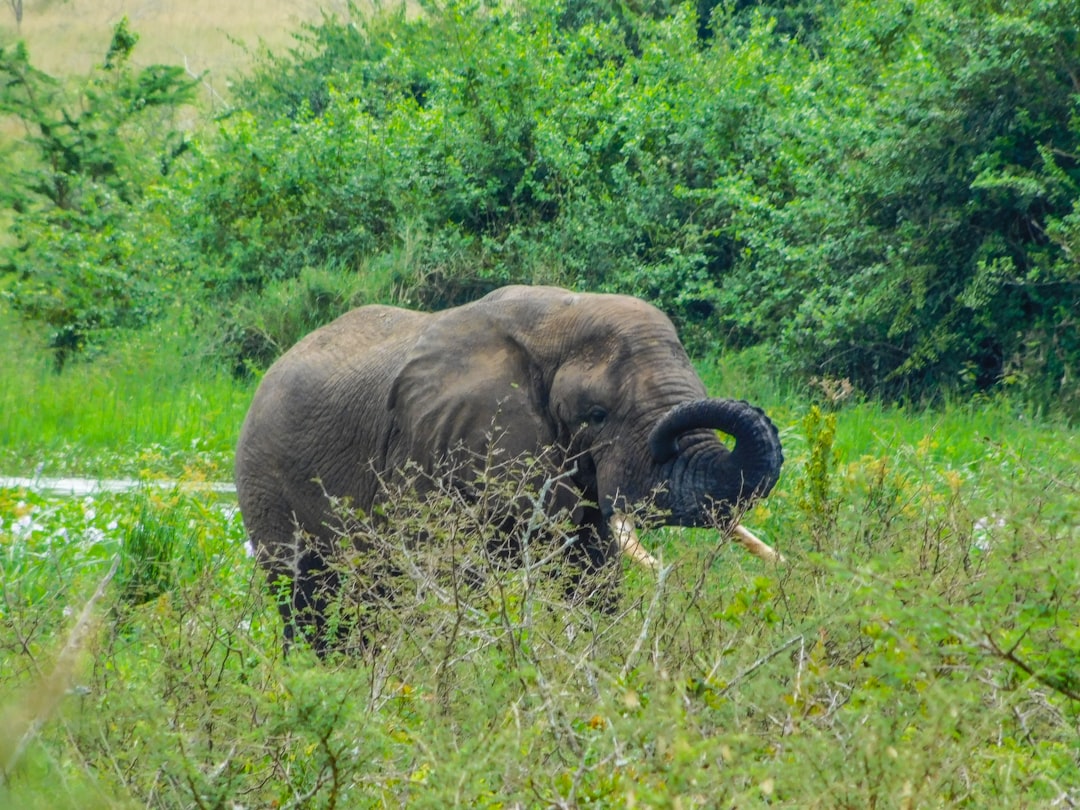
3. Elephants
Elephants are one of Akagera’s defining large mammals. They may appear in woodland, grassland, or near water. Give every elephant group plenty of room. Your guide should control the vehicle’s distance and position throughout the sighting.
4. Buffalo
Buffalo often travel in groups and have a strong presence on the savannah. They are also one of the Big Five. Watch how herds move through grass and shallow wet areas. Never approach buffalo on foot unless an approved activity and trained guide allow it.
5. Rhinos
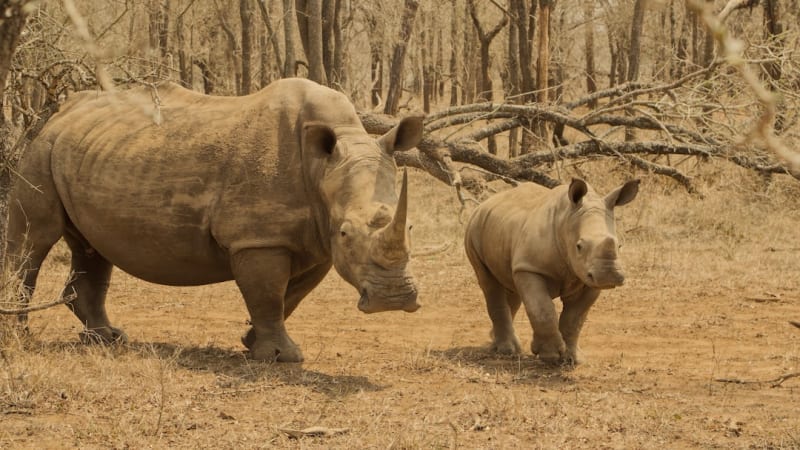
Rhinos are a major conservation highlight in Akagera. White rhinos and other reintroduced wildlife helped restore the park’s large-mammal profile. Visitors should keep quiet, avoid sudden movements, and follow all guide instructions during a rhino sighting.
6. Giraffes
Giraffes are easy to recognize across open grassland. Their height helps them feed on leaves above shorter browsers. Look for their long necks above bushes and trees. Early light can create strong photographs while keeping the scene soft and clear.
7. Zebras
Zebras are open-country grazers and a familiar part of Akagera’s wildlife scene. Their stripes stand out against green or dry grass. Watch for zebra groups near other grazing animals. Mixed herds can help you notice predators that are scanning the same area.
8. Hippos
Hippos connect Akagera’s land and water habitats. Look near lakes and swampy areas, where they spend much of the day in water. Hippos are powerful wild animals. Stay inside the vehicle unless your guide gives clear permission to leave it.
9. Defassa waterbucks
Defassa waterbucks are antelope associated with wet habitats. Their presence shows why Akagera’s lakes and marshes matter. Search lake edges and damp grassland. A guide can help separate waterbucks from other antelope species during a moving vehicle sighting.
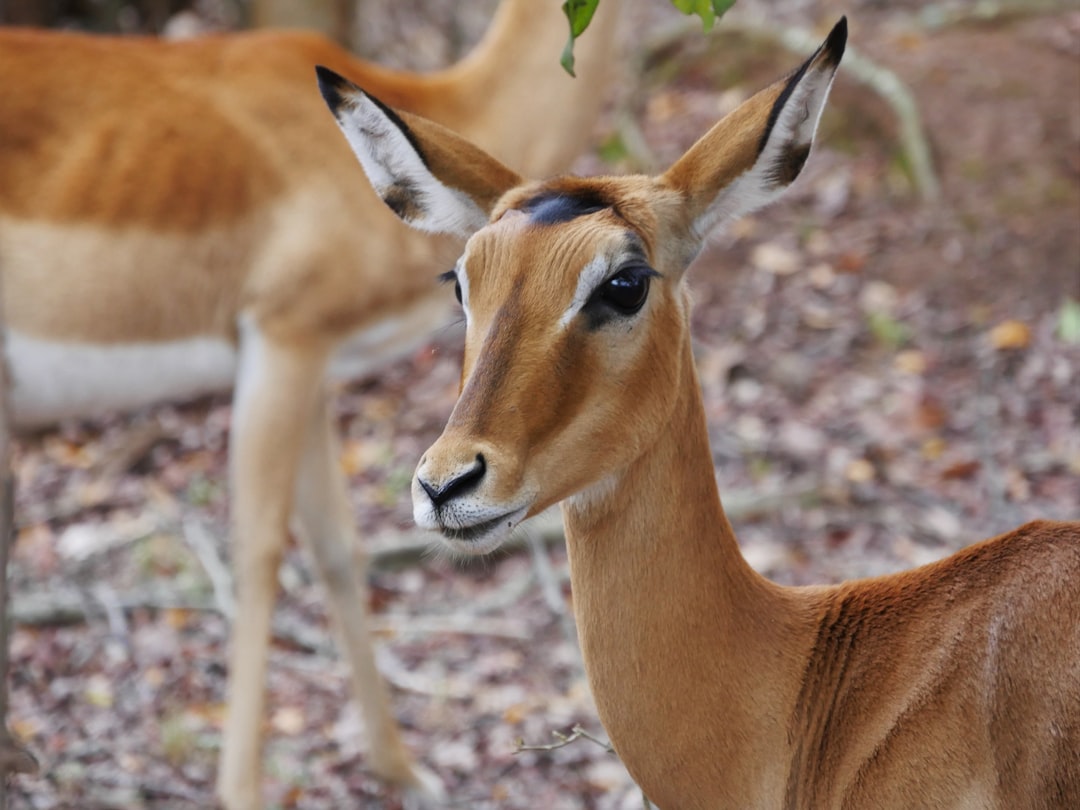
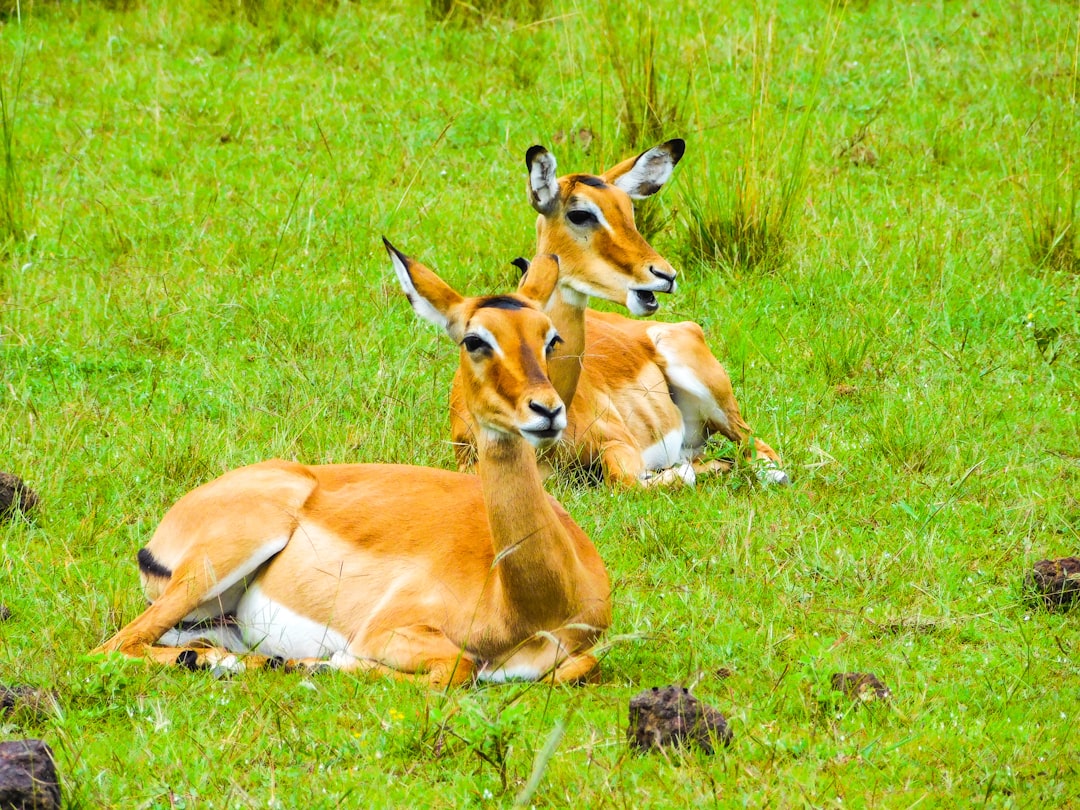
10. Impala and other antelope
Impala and other antelope bring movement to open areas. They graze, browse, and react quickly when predators approach. Antelope sightings also improve your understanding of the food chain. Predators often watch these animals before they make a move.
11. Topi and grazing antelope
Topi and similar grazing antelope add variety to Akagera game drives. These animals prefer open country where they can feed and detect danger. Use binoculars when herds stand far from the track. Small details often reveal more than a quick glance.
12. Akagera’s bird species
Akagera has more than 500 bird species, according to SafariFind research. Birding works well for both experts and beginners. Bring binoculars, listen for calls, and ask your guide to pause near wetlands, woodland, and lake shores.
National Geographic has also named Akagera among its 25 must-visit destinations for 2026. That recognition reflects the park’s wildlife recovery and growing travel appeal. It also means you should plan early during popular travel months.
How to improve your wildlife sightings
- Choose early morning drives for cooler conditions and softer light.
- Carry binoculars for distant animals and small bird species.
- Ask guides about recent sightings before leaving camp.
- Move slowly through woodland and wetland habitats.
- Keep noise low when animals appear close to the vehicle.
When and How Should You Plan an Akagera Safari?
July to September 2026 is Akagera’s dry-season window, with clearer skies and good conditions for wildlife photography. Dry weather can make game viewing easier because animals gather near water and vegetation becomes less dense. However, each day still brings natural changes in animal movement.
Best time to visit:
July, August, and September are the strongest months highlighted in the supplied 2026 research. These months suit travelers who want clear skies, open views, and photography conditions. Pack sun protection, light layers, a hat, and a camera with spare batteries.
Other months may also work for travelers with flexible schedules. Ask your operator about road conditions, recent sightings, and the activities included. A strong itinerary should match your interests instead of promising a fixed animal list.
Getting there:
Akagera is in eastern Rwanda. Most travelers include it within a wider Rwanda trip that may also visit Kigali, Volcanoes National Park, or Nyungwe National Park. Your operator should explain the transfer plan, drive times, vehicle type, and meeting point before you pay.
How long should you stay?
A short Akagera visit can introduce you to Rwanda’s savannah wildlife. A longer Rwanda itinerary gives you more time for repeated game drives and better chances to explore different habitats. Travelers combining wildlife with gorilla trekking can use this Rwanda safari itinerary for seven days of gorillas and Big Five as a planning reference.
Families should ask for private vehicles, flexible drive times, and child-friendly lodge rules. Photographers should ask about window seats, vehicle access, and time spent at sightings. Birders should confirm that the guide has bird knowledge and allows slower observation.
Important planning checks
- Vehicle: Confirm whether the package uses a private or shared safari vehicle.
- Guide: Ask about wildlife experience and bird identification skills.
- Accommodation: Check whether the lodge sits inside or outside the park area.
- Meals: Confirm which meals, drinks, and special diets the price includes.
- Park access: Ask whether entry fees and game drives appear in the quote.
- Health: Review current advice before travel, including the relevant guidance for your nationality.
Canadian travelers can review the latest Rwanda vaccinations and health rules for Canadians in 2026. Australian travelers should check the current Rwanda visa guidance for Australians. Requirements can change, so confirm details with official authorities before departure.
Request a quote from verified Akagera safari operators and compare what each 2026 package includes.
Price range:
No fixed Akagera safari price appears in the supplied verified research. The final cost depends on trip length, lodge level, vehicle type, park activities, transfers, and whether you join a wider Rwanda journey. Compare the full inclusions, not only the headline rate.
SafariFind helps you compare tour operators, package details, and authentic traveler feedback in one marketplace. Before booking, ask for a written quote that lists accommodation, meals, transport, guide services, park fees, and planned activities.
How Can You Watch Rwanda Safari Animals Responsibly?
Responsible wildlife viewing means keeping distance, following guide instructions, and protecting the habitat. Animals must control the encounter. Visitors should never call, feed, chase, or corner wildlife for a photograph. These simple rules protect animals and improve the experience for everyone.
Best practices on game drives
- Stay seated inside the vehicle during close wildlife encounters.
- Keep voices low around predators, elephants, rhinos, and hippos.
- Use a camera without flash when your guide advises it.
- Do not leave food, plastic, or other waste in the park.
- Follow marked tracks and local park rules.
- Give other vehicles space during major sightings.
Good guiding makes a clear difference. Experienced guides read tracks, calls, herd behavior, and habitat changes. They also know when to move on. A short, calm sighting is better than a crowded encounter that disturbs an animal.
What should you pack?
- Neutral-colored clothing for comfortable wildlife viewing.
- Binoculars for birds, leopards, and distant herds.
- Sun protection for open grassland drives.
- A light jacket for cool early-morning departures.
- Reusable water storage to reduce plastic waste.
- Camera batteries, memory cards, and lens protection.
Bird watchers should add a simple field guide or birding app. More than 500 bird species have been reported in Akagera. Wetlands, lake edges, grassland, and woodland each offer different viewing chances.
How to compare safari packages
Start by setting your priorities. Do you want Big Five sightings, birding, photography, family comfort, or the lowest total cost? Then compare vehicles, guide quality, accommodation, and included activities.
Read authentic reviews before you choose. Look for comments about communication, punctual transfers, guide knowledge, vehicle comfort, and how the operator handled wildlife encounters. SafariFind’s marketplace is designed to connect travelers with verified operators and past traveler feedback.
For more planning context, compare the details in this guide to five-day Akagera safari package plans. You can also review the latest Rwanda safari costs by trip style in 2026 before requesting quotes.
Do not judge a package by animal promises alone. A responsible operator explains that sightings are never guaranteed. The best companies focus on sound planning, skilled guides, safe driving, and low-impact tourism.
Simple booking checklist
- Confirm the travel dates and dry-season expectations.
- Ask how many game drives the itinerary includes.
- Check whether the vehicle is private or shared.
- Request the lodge name and room type.
- Ask for all included and excluded costs in writing.
- Read recent reviews before you make a final decision.
Key Takeaways
- Visit Akagera from July to September 2026 for dry-season conditions and clearer photography skies.
- Search for the African Big Five because Akagera is home to lions, leopards, elephants, buffalo, and rhinos.
- Explore lake and wetland habitats to look for hippos, waterbucks, and more than 500 bird species.
- Compare full package inclusions because no single verified 2026 safari price applies to every itinerary.
- Choose a responsible operator that uses trained guides, follows park rules, and shares clear booking details.
Frequently Asked Questions
What Rwanda safari animals can you see in Akagera?
Akagera wildlife includes lions, leopards, elephants, buffalo, rhinos, giraffes, zebras, hippos, Defassa waterbucks, other antelope, and more than 500 bird species. The park’s savannah, grassland, woodland, and wetland habitats support this wide range of wildlife.
Is Akagera National Park good for seeing the Big Five?
Akagera is a Big Five safari destination in Rwanda. The park is home to lions, leopards, elephants, buffalo, and rhinos. Sightings depend on animal movement and conditions, so guides cannot guarantee every species during one game drive.
What is the best time to see wildlife in Akagera?
July to September 2026 is the best-supported dry-season period in the supplied research. These months offer clearer skies and conditions suited to wildlife photography. Animals may also be easier to find near remaining water sources.
How many days do you need in Akagera?
You can visit Akagera during a short wildlife break or include it in a longer Rwanda itinerary. More time allows repeated game drives and broader habitat coverage. A five-day plan can also combine Akagera with other Rwanda travel goals.
How much does a Rwanda safari in Akagera cost in 2026?
There is no single 2026 Akagera safari price because operators set rates by duration, lodge, vehicle, transport, and activities. Request written quotes with all inclusions. Compare the final package value instead of choosing only the lowest headline rate.
How can I book an Akagera wildlife safari?
SafariFind connects travelers with verified tour operators, safari packages, and authentic reviews. Use SafariFind to compare itineraries, check package details, read traveler feedback, and request a quote before booking your 2026 Rwanda safari.
Conclusion
Akagera National Park is Rwanda’s leading destination for savannah wildlife and Big Five viewing. The park gives you a strong chance to search for lions, leopards, elephants, buffalo, rhinos, giraffes, zebras, hippos, waterbucks, antelope, and more than 500 bird species.
Plan your visit for July to September 2026 if you want dry-season conditions and clear photography skies. Choose a longer itinerary if you want repeated drives and more time across grassland, woodland, and wetland habitats.
Check health and visa advice early. Then compare operator experience, vehicle type, accommodation, and package inclusions. Reviews can reveal how well an operator handles guides, transfers, and wildlife encounters.
Compare verified safari packages on SafariFind to find your perfect Akagera safari, read authentic reviews, and request a quote from verified operators. In 2026, careful planning helps you enjoy Rwanda’s wildlife while supporting responsible conservation travel.
Image Alt Text Suggestions
- “Lion resting in Akagera National Park during a Rwanda safari in 2026”
- “Elephant herd crossing open grassland in Akagera National Park Rwanda”
- “Giraffe and zebra on the savannah in Akagera National Park”
- “Hippo near a swampy lake in Akagera National Park Rwanda”
- “Safari vehicle viewing African Big Five wildlife in Akagera National Park”
- “Birdwatching beside a wetland in Akagera National Park Rwanda”
Plan Your Safari with SafariFind
These recommendations use real data from SafariFind, where you can compare operators, browse packages, and read verified traveler reviews before you book.
Recommended Safari Packages from SafariFind
What Travelers Say (SafariFind Reviews)
References
- African Parks: Akagera
- National Geographic: Akagera National Park 2026
- African Tour Operators: Rwanda Safaris and Tours 2026
- Akagera National Park: Rwanda Wildlife Safari Destinations
- SafariFind: Rwanda Safari in July–September 2026
- Trip.com: Akagera National Park Rwanda Travel Guide
- allAfrica: Akagera Named Among the World’s Top 25 Destinations for 2026
- Global Grit and Glam: Akagera National Park Wildlife
Sources
- African Parks: Akagera(official)
- National Geographic: Akagera National Park 2026
- African Tour Operators: Rwanda Safaris and Tours 2026
- Akagera National Park: Rwanda Wildlife Safari Destinations
- SafariFind: Rwanda Safari in July–September 2026
- Trip.com: Akagera National Park Rwanda Travel Guide
- allAfrica: Akagera Named Among the World’s Top 25 Destinations for 2026
- Global Grit and Glam: Akagera National Park Wildlife
Related to
Ready to start your safari adventure?
Explore curated safari packages and find your perfect African adventure with verified operators.