Rwanda Safari Animals: 12 Species to See in Akagera in 2026
Discover Rwanda Safari Animals: 12 Species to See in Akagera in 2026 - Expert guide to safari tourism and wildlife destinations.
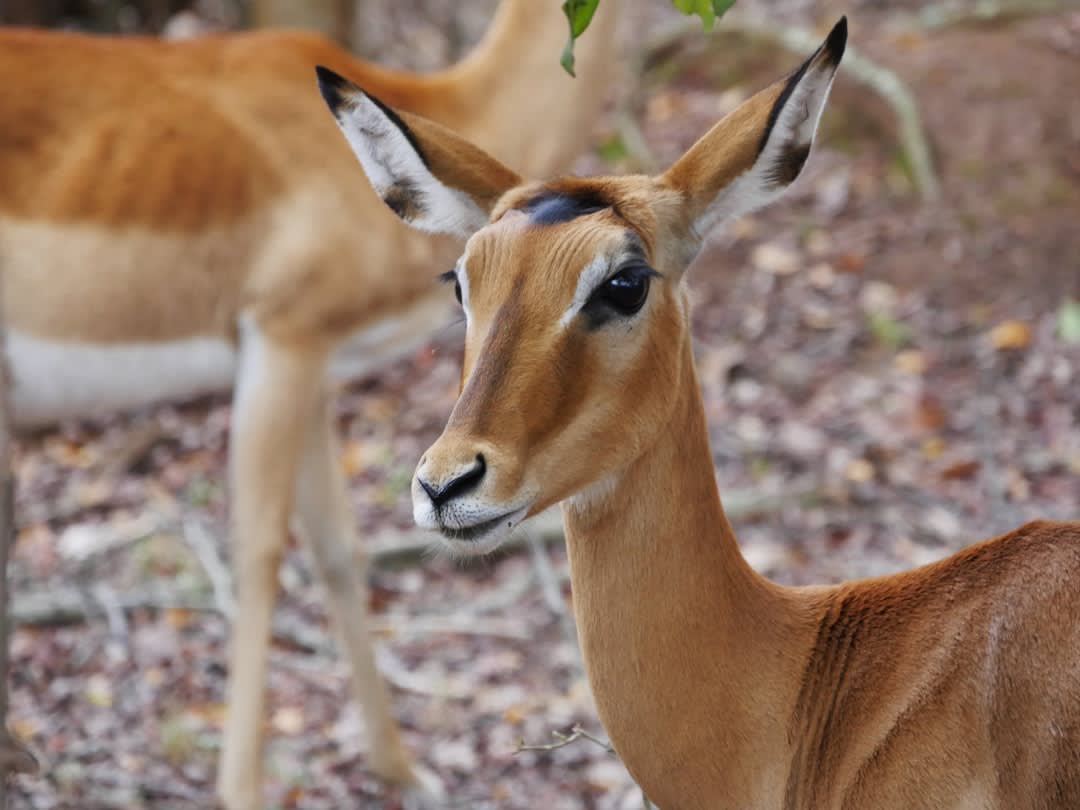
Rwanda Safari Animals: 12 Akagera Species in 2026
Last updated: July 2026
Africa’s Big Five now share Akagera’s savannah with more than 500 bird species.
Rwanda safari animals in Akagera National Park include lions, elephants, white rhinos, buffalo, leopards, giraffes, zebras, hippos, crocodiles, antelope, monkeys, and more than 500 bird species. A 3–4-day Akagera safari costs about $1,500–$3,500 per person in 2026. July to September is the best time for wildlife viewing.
At a Glance
- Cost: About $1,500–$3,500 per person for 3–4 days in 2026
- Best time: July to September for clearer wildlife viewing
- Duration: Three to four days for a focused Akagera safari
- Park size: Approximately 1,122 square kilometres
- Best for: Big Five sightings, birding, families, and first-time safari travellers
- Wildlife highlights: Lions, elephants, white rhinos, buffalo, leopards, giraffes, zebras, and hippos
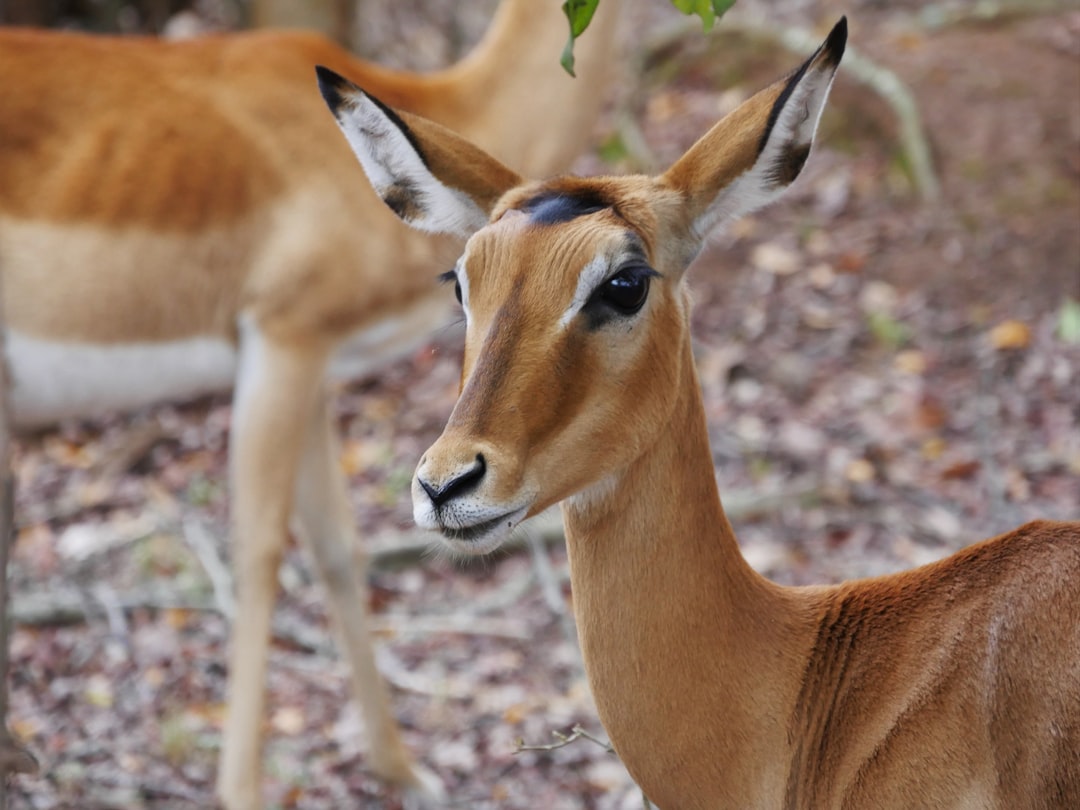
What Are Rwanda Safari Animals in Akagera?
Rwanda Safari Animals: 12 Species to See in Akagera in 2026 describes the main wildlife found in Rwanda’s leading savannah park. Akagera National Park covers approximately 1,122 square kilometres in eastern Rwanda. Its landscape includes open grassland, woodland, lakes, and wetlands. These habitats support large mammals, predators, water animals, and more than 500 bird species .
Akagera National Park is Rwanda’s key destination for classic game drives. The park is home to Africa’s Big Five: lions, elephants, white rhinos, buffalo, and leopards . Giraffes, zebras, hippos, crocodiles, antelope, and many bird species add variety to each drive. Therefore, Akagera works well for travellers who want more than primate trekking.
Akagera National Park is also a major conservation success story. In 2010, the Rwandan Government invited African Parks to partner with the Rwanda Development Board. The partnership supports conservation and uses tourism to help protect the park . Lions, white rhinos, elephants, and giraffes have since been reintroduced to Akagera .
Known for: Big Five and birdlife
Akagera is known for Big Five wildlife, scenic lakes, and strong birding. National Geographic reports that the park is home to nearly 500 species overall . Other research sources list more than 500 bird species . The difference reflects different counting methods, but both figures show Akagera’s rich birdlife.
Akagera is known for wildlife restoration as well as wildlife viewing. Reintroduced animals now form part of the park’s safari story. That history gives each sighting extra meaning. You are not only watching animals; you are seeing the results of long-term habitat protection and careful management.
Why Akagera matters in 2026
Akagera National Park was named among National Geographic’s top destinations for 2026 . The recognition reflects the park’s restored wildlife, varied scenery, and growing appeal. It also means demand may rise during popular travel months. Booking early helps you compare safari styles, vehicle types, and guide services.
Rwanda safari animals are especially important for travellers combining several parks. Akagera offers savannah wildlife, while Volcanoes National Park is known for mountain gorillas. Nyungwe National Park offers forest primate experiences. A combined trip can therefore include game drives, gorilla trekking, and forest walks.
SafariFind connects travellers with verified tour operators and authentic reviews. You can compare Rwanda safari packages for Akagera wildlife in 2026 before choosing a route, budget, and trip length.
Image alt suggestion: “Lion resting on open grassland during a game drive in Akagera National Park, Rwanda.”
Which 12 Rwanda Safari Animals Can You See?
Akagera’s 12 headline species cover predators, giants, grazers, water animals, and birds. The Big Five draw most attention, but smaller species and wetland wildlife make the park more varied. Sightings depend on habitat, weather, guide skill, and time spent in the park.
| Name | Price | Duration | Rating | Best For |
|---|---|---|---|---|
| Lion | Included | Game drive | N/A | Predator viewing |
| Elephant | Included | Game drive | N/A | Large mammals |
| White rhino | Included | Game drive | N/A | Conservation stories |
| African buffalo | Included | Game drive | N/A | Herd viewing |
| Leopard | Included | Game drive | N/A | Rare predator sightings |
| Giraffe | Included | Game drive | N/A | Open plains |
| Zebra | Included | Game drive | N/A | Family photography |
| Hippopotamus | Included | Boat safari | N/A | Lakes and wetlands |
| Crocodile | Included | Boat safari | N/A | Lake wildlife |
| Antelope | Included | Game drive | N/A | Grazing wildlife |
| Monkey | Included | Forest and drive | N/A | Small primates |
| Waterbirds | Included | Boat safari | N/A | Birdwatching |
1. Lion
Lions are among Akagera’s most sought-after Rwanda safari animals. They were reintroduced to the park, adding a major predator to its restored ecosystem . Early drives offer the best chance to find lions resting after night activity. Keep your camera ready near open grassland and woodland edges.
2. Elephant
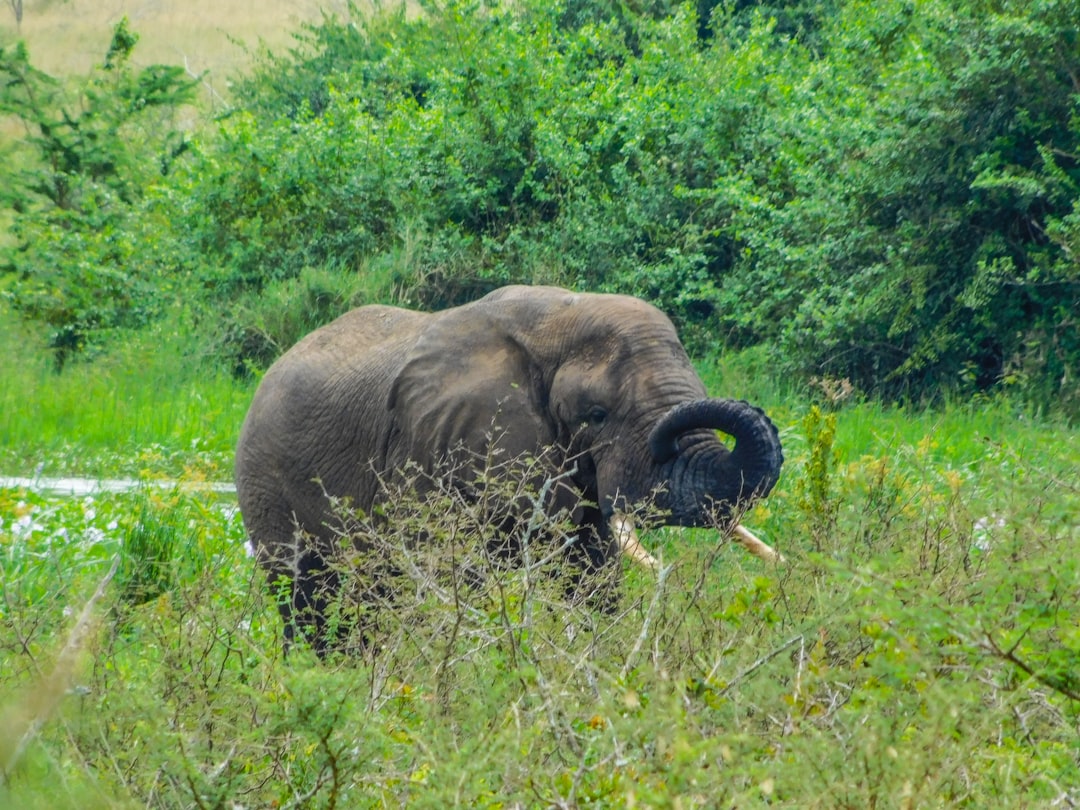
Elephants are another reintroduced species in Akagera . These large mammals often move between woodland, grassland, and water sources. Watch their behaviour rather than only taking photographs. A relaxed herd may feed, dust-bathe, or guide young calves across the road.
3. White rhino
White rhinos are one of Akagera’s conservation highlights. Their return shows how protected areas can rebuild wildlife populations over time. Rhinos are large and powerful, but visitors must keep a safe distance. Follow your guide’s instructions and never ask a driver to block an animal’s path.
4. African buffalo
African buffalo are strong herd animals and part of Akagera’s Big Five. Herds may gather in open areas or near water. Buffalo can look calm, but they are wild animals. Your guide should maintain space and avoid sudden movements.
5. Leopard
Leopards are among the hardest Rwanda safari animals to find. Their spotted coats blend into woodland and tall grass. Guides usually search during quiet morning or late-afternoon drives. A leopard sighting is never guaranteed, so patience matters more than speed.
6. Giraffe
Giraffes are easy to recognise across Akagera’s open habitats. They have been reintroduced to the park and now form part of its restored wildlife community . Their height helps them browse above many other grazers. Look for groups near woodland and open plains.
7. Zebra
Zebras bring movement and contrast to Akagera’s grasslands. Their stripes make strong subjects for wildlife photography, especially in soft morning light. Zebras often share areas with other grazers. A wide view can show how several species use the same landscape.
8. Hippopotamus
Hippos are closely linked to Akagera’s lakes and wetlands. They spend much of the day in water and may appear in large groups. A boat safari gives you a different view from a vehicle drive. Listen for calls, watch the waterline, and keep a respectful distance.
9. Nile crocodile
Nile crocodiles live around Akagera’s waterways. They often lie still along the shore, which makes them easy to miss at first. Boat trips can reveal crocodiles resting near hippos and waterbirds. Never approach a shoreline alone or enter water without official guidance.
10. Antelope
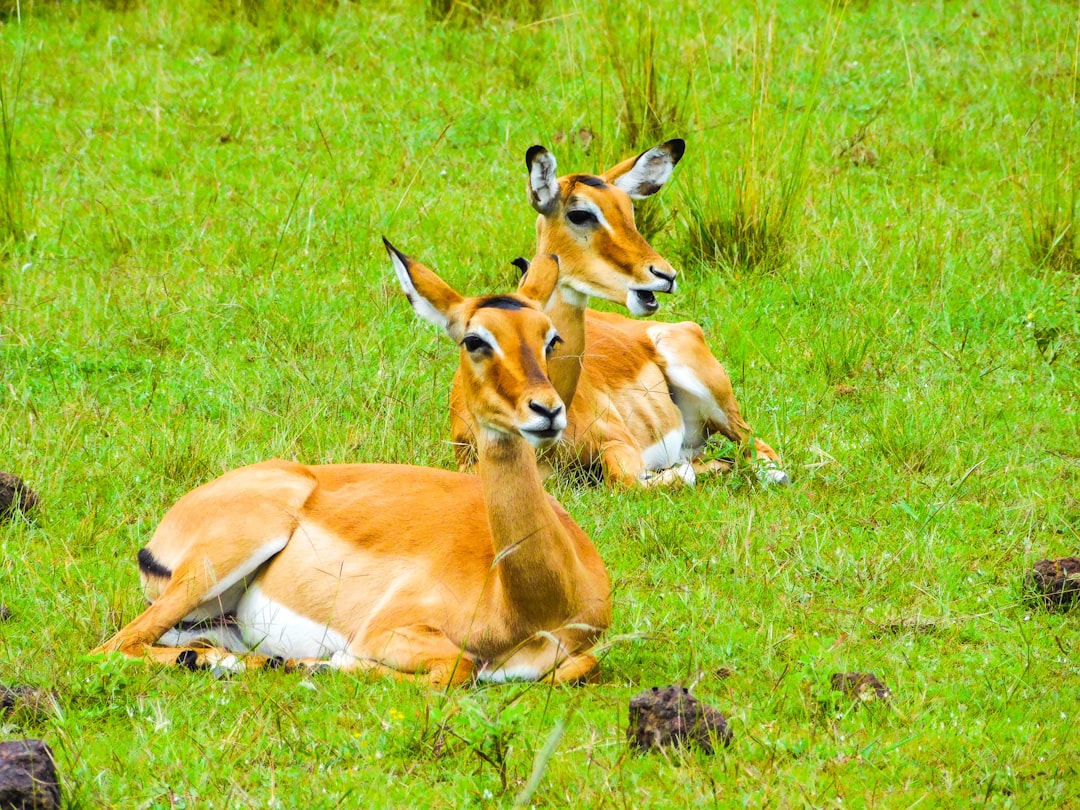
Antelope add important variety to Akagera wildlife viewing. Different antelope species use grassland, woodland, and wet areas in different ways. Their presence also supports predators. Ask your guide to identify each animal rather than grouping every four-legged species as “antelope.”
11. Monkeys
Monkeys can appear near woodland and forest edges. They move quickly, so a short lens and careful watching help. Monkey sightings add a useful link between Akagera and Rwanda’s forest parks. Travellers planning gorilla trekking can read this guide on planning a Rwanda gorilla safari around permits.
12. Waterbirds
Akagera has more than 500 bird species, making it a strong birding destination . Wetlands and lakes attract waterbirds, while woodland supports many other species. Bring binoculars, even on a mammal-focused trip. Birding often fills the quiet moments between large-animal sightings.
Image alt suggestion: “Hippopotamus and waterbirds beside a lake during a boat safari in Akagera National Park.”
When and How Should You Plan an Akagera Safari?
July to September is the best time for viewing Rwanda safari animals in Akagera. These months generally offer better conditions for spotting wildlife, according to current 2026 safari guidance . A three- or four-day trip gives you time for several game drives and a water-based experience.
Best time to visit
July to September is best for travellers who want focused wildlife viewing. Dry-season conditions can make animals easier to find near water and open areas. Morning drives also offer cooler temperatures and active wildlife. However, every season has value for scenery, birding, and quiet travel.
July to September is also a popular travel period. Demand can affect space in camps, vehicles, and guided activities. Start planning several months ahead when your dates are fixed. Ask operators about road conditions, boat schedules, and the best areas for your target species.
How long should you stay?
A 3–4-day Akagera safari is listed at approximately $1,500–$3,500 per person in 2026 . This length allows time for repeated game drives. It also leaves room for a boat safari and slower wildlife watching. One night can work for a short visit, but it limits your search time.
A longer stay helps when leopards or specific birds are your priority. Predators may remain hidden during one drive. Additional drives improve your chances of seeing different habitats and animal behaviour. Families may also prefer a slower plan with fewer long transfers.
What should you pack?
- Use neutral clothing that feels cool and comfortable.
- Carry binoculars for birds and distant wildlife.
- Pack sunscreen, a hat, and a light rain layer.
- Bring a camera with spare batteries or a power bank.
- Choose closed shoes for camp walks and uneven ground.
- Keep medicines and health documents easy to reach.
Health and entry rules depend on your nationality and travel plan. Norwegian travellers can review the latest Rwanda vaccinations and health rules for 2026. Danish visitors can check Rwanda vaccination guidance for Danish travellers.
How to choose a safari operator
Choose a verified operator with clear inclusions, guide details, and recent reviews. Check whether the quote includes transport, park activities, accommodation, meals, and transfers. A low headline price may exclude key costs. Therefore, compare the full trip value, not just the first number.
SafariFind helps travellers compare tour operators, packages, prices, and authentic reviews. If your budget is $1,500–$3,500, you can request quotes from verified Rwanda safari operators within your budget.
International planning also matters. New Zealand travellers can read the current guide to Rwanda visa rules for New Zealand citizens. Always confirm entry details with official authorities before departure.
Image alt suggestion: “Safari vehicle watching giraffes and zebras on a dry-season plain in Akagera, Rwanda.”
What Makes Akagera Different From Other Rwanda Safaris?
Akagera is Rwanda’s savannah safari destination, while Volcanoes and Nyungwe focus on different ecosystems. Akagera gives you game drives, wetlands, and Big Five wildlife. Volcanoes is linked to mountain gorilla trekking. Nyungwe is known for forest primates. Combining parks creates a wider Rwanda wildlife trip.
Akagera compared with a gorilla safari
Akagera is best for classic African safari scenes. You can search for lions, elephants, rhinos, buffalo, leopards, giraffes, and zebras. Gorilla trekking requires a different plan, including permits, forest time, and physical preparation. These experiences work well together, but they should not be treated as the same activity.
Akagera compared with Kenya
Akagera offers a compact safari experience inside a park of approximately 1,122 square kilometres . Kenya offers larger and more varied safari regions. Rwanda can suit travellers who want a focused itinerary with wildlife and primate experiences in one country. Read this comparison of Rwanda and Kenya for safari travel in 2026 before deciding.
Why conservation matters to your visit
African Parks and the Rwanda Development Board have worked together at Akagera since 2010 . The partnership supports conservation and tourism. Reintroduced lions, white rhinos, elephants, and giraffes show the effect of that work . Your visit supports a protected landscape when you use responsible operators and follow park rules.
Responsible wildlife viewing means staying inside the vehicle when required, keeping quiet near animals, and avoiding litter. Never feed wildlife. Do not pressure guides to drive off-road or move too close. These simple choices protect animals and preserve the experience for future visitors.
National Geographic included Akagera among its top destinations for 2026 . That attention may bring more visitors. Choosing a responsible safari helps the park manage growth. It also gives you a calmer, safer, and more respectful way to see Rwanda safari animals.
Image alt suggestion: “White rhino in restored grassland habitat at Akagera National Park, Rwanda, 2026.”
Key Takeaways
- Plan a 3–4-day Akagera safari to allow repeated game drives and a boat activity.
- Travel between July and September for the best wildlife-viewing conditions in 2026 .
- Budget about $1,500–$3,500 per person for a 3–4-day Akagera safari .
- Pack binoculars because Akagera supports more than 500 bird species .
- Choose verified operators and compare inclusions before booking your Rwanda safari.
Frequently Asked Questions
What animals can you see in Akagera National Park?
Akagera National Park is home to lions, elephants, white rhinos, buffalo, leopards, giraffes, zebras, hippos, crocodiles, antelope, monkeys, and more than 500 bird species. The park is also home to Africa’s Big Five .
When is the best time to see Rwanda safari animals?
July to September is the best time to see Rwanda safari animals in Akagera. These months are recommended for wildlife viewing in 2026 because conditions generally make animals easier to find and observe .
How much does an Akagera safari cost in 2026?
A 3–4-day Akagera safari costs about $1,500–$3,500 per person in 2026 . The final quote depends on accommodation, transport, activities, group size, and what the operator includes.
Does Akagera have the Big Five?
Akagera has Africa’s Big Five: lions, elephants, white rhinos, buffalo, and leopards . Sightings are not guaranteed, but repeated drives and a skilled guide improve your chances of finding these animals.
How many days do you need in Akagera?
Three to four days is a practical length for an Akagera safari. This schedule gives you time for several game drives, changing habitats, and a possible boat safari. A shorter visit allows less time to search for rare predators.
Can I combine Akagera with gorilla trekking?
You can combine Akagera with gorilla trekking in Rwanda. Akagera provides savannah wildlife, while Volcanoes National Park provides mountain gorilla experiences. Plan permits, transfers, health needs, and rest days before confirming the full route.
Where can I book a Rwanda safari to see Akagera animals?
You can book through SafariFind, which connects travellers with verified tour operators, safari packages, and authentic reviews. Compare prices and inclusions first, then request a quote for your preferred 2026 dates.
Conclusion
Akagera National Park is Rwanda’s leading destination for Big Five wildlife and birding. The park covers approximately 1,122 square kilometres and supports more than 500 bird species . Its restored populations of lions, elephants, white rhinos, and giraffes make each game drive meaningful .
Plan three or four days if you want a balanced visit. Budget about $1,500–$3,500 per person in 2026 . Travel from July to September for the strongest wildlife-viewing conditions. Add a boat safari if hippos, crocodiles, and waterbirds interest you.
Compare accommodation, transport, guide experience, and included activities before booking. SafariFind lets you read authentic reviews and compare verified operators in one place. Compare verified Rwanda safari packages for Akagera in 2026 and request a trip that matches your budget and interests. As Rwanda’s wildlife restoration continues in 2026, Akagera offers a valuable and memorable safari choice.
Image Alt Text Suggestions
- “Lion resting beside open grassland in Akagera National Park, Rwanda.”
- “Elephant herd walking through restored Akagera savannah habitat.”
- “White rhino grazing near a safari vehicle in Akagera National Park.”
- “Giraffe and zebra standing together on a dry-season plain in Rwanda.”
- “Hippopotamus and waterbirds beside a lake during an Akagera boat safari.”
Plan Your Safari with SafariFind
These recommendations use real data from SafariFind, where you can compare operators, browse packages, and read verified traveler reviews before you book.
Recommended Safari Packages from SafariFind
What Travelers Say (SafariFind Reviews)
References
- Akagera | African Parks
- Akagera National Park 2026: When to visit, where to stay, and what to do | National Geographic
- Rwanda Safaris and Tours 2026
- Akagera National Park | Rwanda Wildlife Safari Destinations
- Rwanda Safari Animals: 12 Species to See in Akagera (2026) | SafariFind
- Rwanda Safari Animals: What You'll See in Akagera | SafariFind
- Luxury Tours Akagera National Park | Jacada Travel
- Rwanda: Akagera National Park Named Among the World's Top 25 Destinations for 2026 | allAfrica
V2Ui.sources
- Akagera | African Parks(official)
- Akagera National Park 2026: When to visit, where to stay, and what to do | National Geographic
- Rwanda Safaris and Tours 2026
- Akagera National Park | Rwanda Wildlife Safari Destinations
- Rwanda Safari Animals: 12 Species to See in Akagera (2026) | SafariFind
- Rwanda Safari Animals: What You'll See in Akagera | SafariFind
- Luxury Tours Akagera National Park | Jacada Travel
- Rwanda: Akagera National Park Named Among the World's Top 25 Destinations for 2026
Related to
Ready to start your safari adventure?
Explore curated safari packages and find your perfect African adventure with verified operators.


