Serengeti Migration Best Time 2026: July Peak vs. Quiet Months
July offers peak Serengeti migration with river crossings but costs 40-60% more. November and February provide peaceful wildlife viewing at lower prices. Choose based on your priorities.
Serengeti Migration Best Time 2026
Last updated: July 2026
July offers peak Serengeti migration viewing with dramatic river crossings, but expect higher prices and crowded lodges. Quieter months like November and February provide excellent wildlife viewing at lower costs. The best time depends on whether you prioritize the migration spectacle or affordable, peaceful safari experiences.
At a Glance
- Peak Season Cost: $600–$800 per day for luxury packages in July
- Shoulder Season Cost: $300–$450 per day in quiet months
- Best Time for Migration: July–October for Mara River crossings
- Quietest Months: November–February with resident wildlife
- Duration: 7–10 days recommended for optimal viewing
- Best for: Adventure seekers (peak), budget travelers (quiet months), photographers (both seasons)
What Is the Serengeti Migration and Why Timing Matters
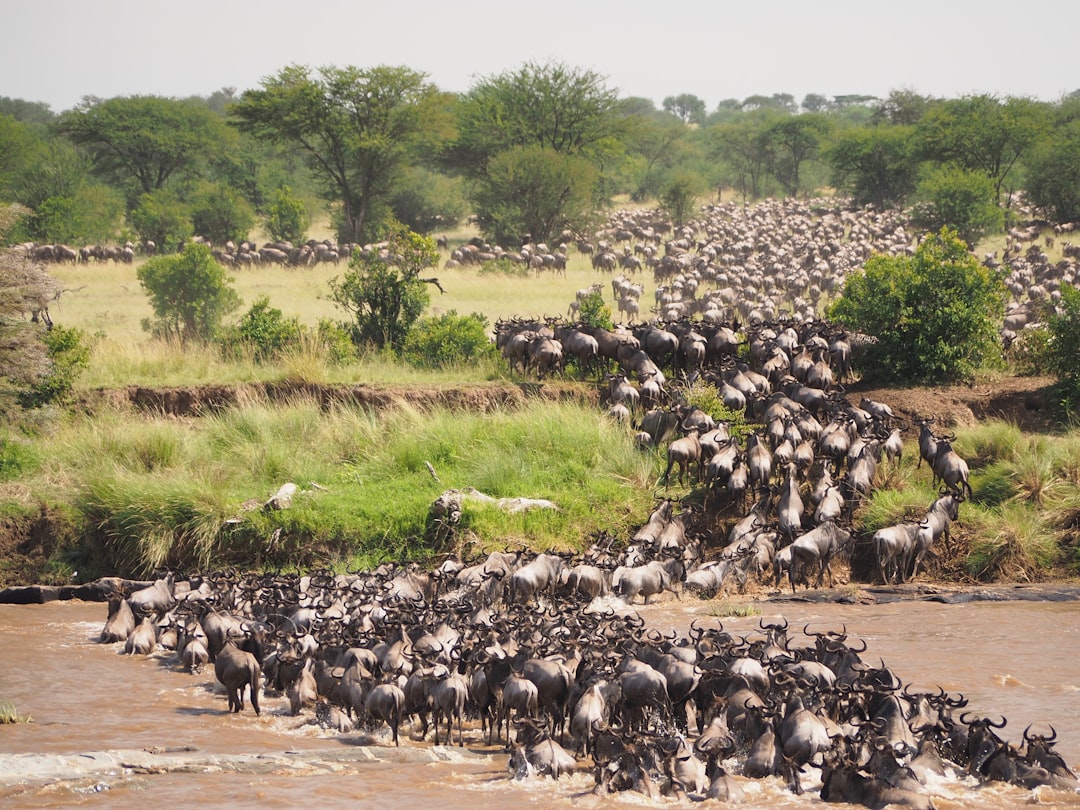
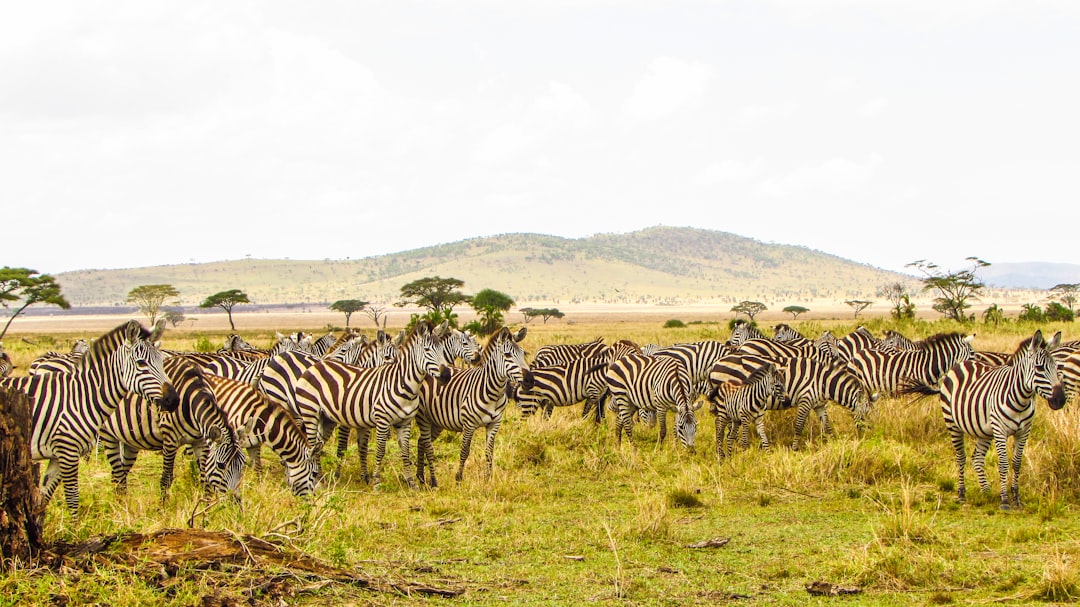
The Serengeti migration is Earth's largest land mammal movement, with over 1.5 million wildebeest, zebras, and gazelles traveling in a clockwise pattern across northern Tanzania and Kenya throughout the year. Timing your visit directly impacts what you'll see, how much you'll pay, and the crowds you'll encounter.
The Great Migration follows a predictable seasonal cycle driven by rainfall patterns. This means different months offer completely different experiences. Choosing the right time for your Serengeti safari depends on your priorities—whether you want the dramatic spectacle of river crossings, affordable prices, or peaceful wilderness solitude.
Understanding the best time for Serengeti wildlife viewing helps you book smarter. You'll know exactly what animals you'll see, what prices to expect, and how to avoid disappointment.
July Peak Season: The Migration Spectacle
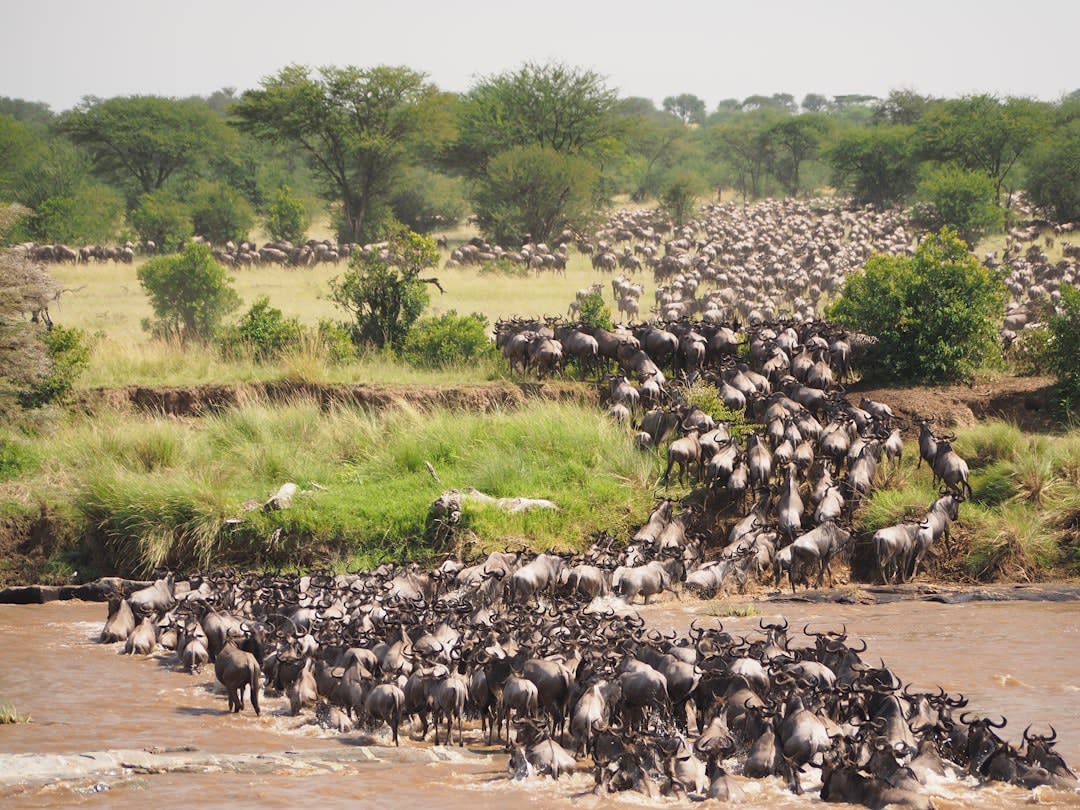
July represents the peak of the Serengeti migration season, particularly for the famous Mara River crossings in the northern Serengeti. This month draws the largest concentrations of wildebeest and zebras, creating one of nature's most dramatic wildlife events. Predators like lions, leopards, and crocodiles position themselves strategically, making July ideal for witnessing intense predator-prey interactions.
Why July Is Peak Season
July marks the peak migration season because the herds move north from the southern plains to the northern Serengeti and Masai Mara. The Mara River crossings happen most frequently during July and August, offering thrilling moments as thousands of wildebeest charge across the water. You'll witness multiple crossings daily, complete with splashing herds and hunting predators.
Weather in July is dry and cool, perfect for safari travel. Visibility is excellent, and animals gather around remaining water sources, making them easier to spot. The grass is short after the dry season, so wildlife viewing is unobstructed.
July Pricing and Availability
Peak season comes with premium pricing. Luxury safari packages cost $600–$800 per day in July, compared to $300–$450 per day during quieter months. Most lodges and camps book 6–12 months in advance, meaning July dates fill quickly. Early booking is essential—ideally 2 to 12 months ahead for the best availability.
Mid-range accommodations still offer good value but require advance planning. Budget safari options are limited during peak season. Expect to pay 40–60% more for flights, accommodations, and guided tours compared to shoulder seasons.
Crowds in July
July attracts the highest number of international visitors. Popular viewpoints along the Mara River can feel busy, especially during morning and evening game drives. If solitude matters to you, July isn't ideal. However, the Serengeti's vast size means you can still find quieter areas with effort and experienced guides.
Large tour groups are common, so book with operators who limit vehicle numbers at sightings. This improves your experience significantly.
Quiet Months: November and February for Peaceful Safari
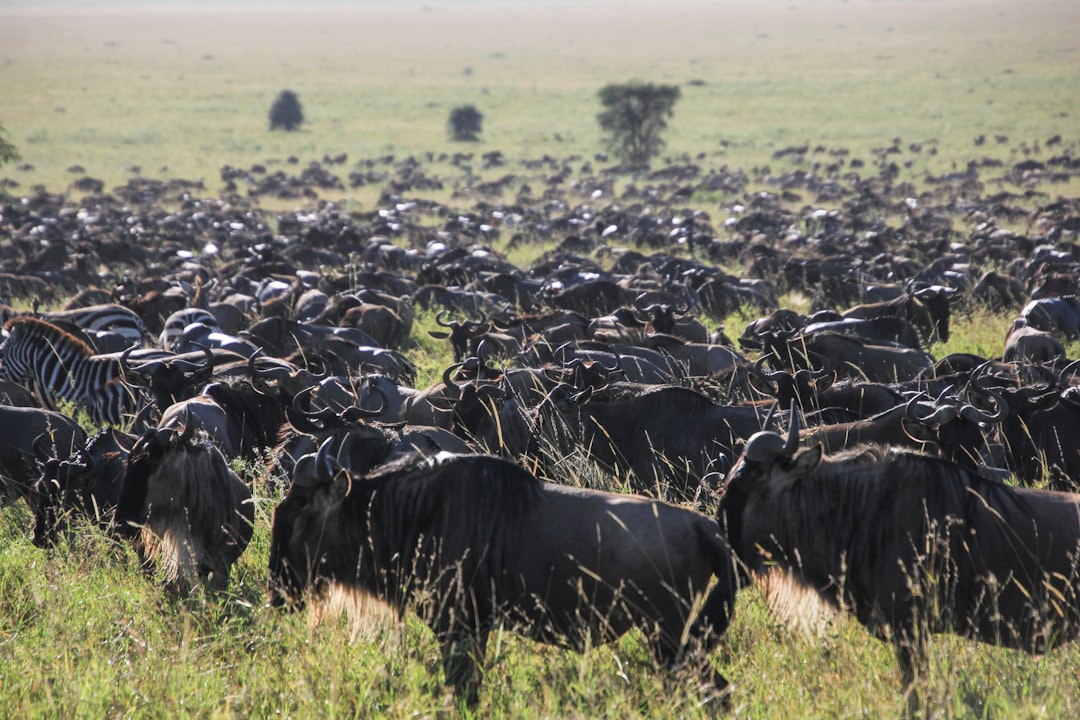
November and February offer dramatically different Serengeti experiences. These quieter months feature resident wildlife populations, affordable pricing, and peaceful landscapes. While you won't witness the Mara River crossings, you'll see abundant lions, leopards, elephants, giraffes, buffalo, and diverse antelope species year-round.
November: The Green Season Begins
November marks the start of the short rainy season, transforming the Serengeti into a lush, green landscape. Vegetation is abundant, and wildlife disperses across the park rather than concentrating around water sources. This means more exploration and less predictable sightings, but also fewer tourists and lower prices.
November temperatures are warm and pleasant. Rain typically falls in afternoon showers, leaving mornings clear for game drives. The landscape's green beauty attracts photographers seeking different aesthetics than the dry season's golden plains.
Wildlife viewing remains excellent. Resident populations of lions, leopards, cheetahs, elephants, buffalo, giraffes, and various antelope species stay throughout the year. You'll see excellent predator action, just without the migration's drama.
February: The Calving Season
February is the southern Serengeti's peak calving season, when thousands of wildebeest calves are born. This creates incredible predator action as lions, leopards, cheetahs, and wild dogs hunt newborn calves and their mothers. It's arguably the best time to see predator-prey interactions outside the Mara River crossings.
February offers warm temperatures and occasional afternoon rains. The southern plains are lush and green, supporting massive herds. Fewer tourists mean more personal attention from guides and intimate wildlife experiences.
Quiet Season Pricing
November and February pricing ranges from $300–$450 per day for mid-range packages, with luxury options at $400–$600 per day. This represents 30–50% savings compared to peak season. Lodges have more availability, and you can often book just 2–4 weeks in advance.
Flight costs drop significantly, and tour operators offer discounts to fill rooms during slower periods. Budget travelers find better deals without sacrificing quality accommodations or experiences.
Shoulder Seasons: June and September-October Balance
Shoulder seasons offer a sweet spot between peak migration action and quiet month affordability. June and September-October provide excellent migration viewing with moderate pricing and fewer crowds than July.
June: Pre-Peak Migration
June marks the beginning of the dry season and the start of northward migration. Herds move from the southern plains toward the central Serengeti. Weather is dry and clear, perfect for game drives. Prices are lower than July but higher than November. Expect $400–$550 per day for mid-range packages.
June offers fewer tourists than peak season but more migration activity than quiet months. It's ideal if you want migration viewing without peak-season crowds and prices.
September-October: Post-Peak Migration
September and October see herds transitioning back south as the rainy season approaches. The northern Serengeti still hosts significant populations, providing excellent viewing opportunities. Prices are moderate at $350–$500 per day, and lodges have availability.
These months offer a good balance of wildlife action, reasonable costs, and manageable crowds. Weather transitions from dry to wetter, but mornings typically remain clear for game drives.
Comparing All Seasons: A Monthly Guide
Understanding the full annual migration cycle helps you choose the perfect timing for your Serengeti safari. Each month offers distinct advantages and trade-offs.
| Month | Migration Activity | Cost per Day | Crowds | Best For |
|---|---|---|---|---|
| January | Southern plains calving | $300–$450 | Low | Budget travelers, calving season |
| February | Calving and predator action | $300–$450 | Low | Wildlife photographers, predator hunters |
| March–May | Rainy season, dispersed herds | $300–$400 | Very low | Budget travelers, green landscape photographers |
| June | Northward migration begins | $400–$550 | Moderate | Migration seekers, shoulder season balance |
| July–August | Peak Mara River crossings | $600–$800 | Very high | Migration enthusiasts, river crossing seekers |
| September–October | Southward migration transition | $350–$500 | Moderate | Migration viewers, balanced experience |
| November–December | Green season, dispersed herds | $300–$450 | Low | Budget travelers, green landscape seekers |
This table shows that July and August offer peak migration viewing but at premium prices with heavy crowds. Quiet months (November, February, March–May) provide budget-friendly options with excellent resident wildlife viewing. Shoulder seasons (June, September–October) balance migration activity with moderate pricing and fewer crowds.
Booking Your Serengeti Safari: Timing and Strategy
Successful safari planning requires understanding when to book alongside when to visit. The best time to book a Serengeti Great Migration Safari is 2 to 12 months in advance, especially for peak migration highlights. This advance booking ensures lodge availability and often secures better rates through early-bird discounts.
Peak Season Booking Strategy (July–August)
For July travel, book 6–12 months ahead. Popular lodges fill quickly, and prices increase as dates approach. Booking early locks in rates before price hikes. Tour operators often offer discounts for 6+ month advance bookings.
If you're flexible, consider booking for June or September-October instead. You'll find better availability, lower prices, and still excellent migration viewing.
Shoulder and Quiet Season Booking
For November, February, and March-May travel, you can book 2–4 months in advance. These months have more availability, allowing shorter booking windows. Many tour operators offer last-minute discounts to fill rooms during slower periods.
Budget travelers benefit from quiet season flexibility. You can often negotiate better rates or find special promotions on accommodations and guided tours.
Using SafariFind to Compare Options
Choosing the right safari operator is as important as timing. SafariFind connects you with verified tour operators offering transparent pricing and authentic reviews from past travelers. You can compare packages across different seasons, read real traveler feedback, and request quotes from multiple operators to find the best value.
Browse verified Serengeti safari packages on SafariFind to see real pricing for different months. This helps you understand actual costs versus generic price ranges and find operators offering the best customer service.
Wildlife Viewing Across Seasons: What You'll Actually See
A common misconception is that you need the migration to see excellent wildlife. Actually, the Serengeti hosts resident populations of lions, leopards, cheetahs, elephants, buffalo, giraffes, and diverse antelope species year-round. Migration adds spectacle, but it's not required for outstanding safari experiences.
Peak Season Wildlife (July–August)
July and August offer the highest concentration of large animals. Massive wildebeest and zebra herds create dramatic scenes. Predator action is intense as lions, leopards, and crocodiles hunt vulnerable migration animals. You'll witness the famous Mara River crossings with thrilling predator-prey interactions.
Peak season provides the best odds of seeing multiple predator kills and large-scale wildlife events. However, concentrated animals also mean concentrated tourists at popular viewpoints.
Quiet Season Wildlife (November, February, March–May)
Quiet months feature dispersed herds, but resident wildlife remains abundant. Lions, leopards, cheetahs, elephants, buffalo, and giraffes stay throughout the year. February's calving season offers spectacular predator action as predators hunt newborn calves.
Quieter landscapes mean more personal wildlife encounters. Guides can spend more time with individual animals rather than rushing between crowded viewpoints. Photography opportunities improve with fewer vehicles and more intimate sightings.
Best Wildlife Viewing Months
February and July offer the best predator action overall. February showcases calving season drama, while July features river crossing intensity. June and September-October provide good migration viewing with moderate crowds. November through May offer excellent resident wildlife with peaceful experiences.
Your "best" month depends on priorities. Want migration drama? Choose July. Prefer peaceful wildlife viewing? Choose November or February. Need balance? Choose June or September-October.
Health, Permits, and Practical Considerations
Beyond timing and wildlife, several practical factors influence your Serengeti safari planning. Understanding health requirements, permits, and logistics ensures smooth travel.
Vaccinations and Health Requirements
Tanzania requires yellow fever vaccination for entry. Consult current vaccination requirements for your nationality before booking. Malaria prevention is essential year-round. Start antimalarial medication 1–2 weeks before arrival.
Drinking water should be bottled or purified. Travel insurance covering medical evacuation is strongly recommended.
Visa Requirements
Most nationalities require a Tanzania visa. Processing times vary, so apply well in advance. Check specific visa requirements for your country before booking flights.
Park Permits and Fees
Serengeti National Park entrance fees are $60 USD per person per day. These are usually included in tour package pricing, but verify with your operator. Vehicle permits and guide fees vary by operator.
Packing Essentials
Pack neutral-colored clothing for game drives (greens, tans, browns). Bring sun protection, insect repellent, and binoculars. A comprehensive safari packing list ensures you have essentials for comfortable, safe travel.
Cost Breakdown: What You'll Actually Pay in 2026
Safari pricing varies dramatically by season, accommodation type, and operator quality. Understanding real costs helps you budget accurately.
Peak Season Costs (July–August)
Luxury packages: $600–$800 per day. Mid-range packages: $400–$550 per day. Budget packages: $250–$350 per day. These daily rates typically include accommodation, meals, and guided game drives. Flights, park fees, and tips are often extra.
A 7-day peak season safari costs $4,200–$5,600 for luxury, $2,800–$3,850 for mid-range, and $1,750–$2,450 for budget options, before flights and fees.
Quiet Season Costs (November, February, March–May)
Luxury packages: $400–$600 per day. Mid-range packages: $300–$450 per day. Budget packages: $150–$250 per day. These represent 30–50% savings compared to peak season.
A 7-day quiet season safari costs $2,800–$4,200 for luxury, $2,100–$3,150 for mid-range, and $1,050–$1,750 for budget options, before flights and fees.
Shoulder Season Costs (June, September–October)
Luxury packages: $500–$700 per day. Mid-range packages: $350–$500 per day. Budget packages: $200–$300 per day. These offer good value with decent migration activity.
Hidden Costs to Budget
International flights: $800–$2,000 from Europe or North America. Park entrance fees: $60 per person per day (often included). Tips for guides and staff: 10–15% of total cost. Travel insurance: $100–$300. Vaccinations and visa fees: $100–$200.
Total real cost for a 7-day mid-range safari typically ranges $3,500–$5,500 including flights, fees, and tips.
Key Takeaways
- Book your Serengeti safari 6–12 months ahead for July travel to secure lodges at peak migration season. Early booking locks in rates before price increases.
- Choose July or August for dramatic Mara River crossings and peak predator action, but expect 40–60% higher costs and crowded viewpoints compared to quiet months.
- Visit November or February for peaceful wildlife viewing with excellent resident populations at 30–50% lower costs than peak season, including the spectacular February calving season.
- Select June or September-October for balanced migration viewing with moderate pricing and fewer crowds, offering the best value for most travelers seeking migration experiences.
- Budget $300–$800 per day depending on season and accommodation type. Quiet months cost $300–$450 daily while peak season reaches $600–$800, plus flights and fees totaling $3,500–$5,500 for complete 7-day safaris.
Frequently Asked Questions
What is the absolute best time to visit the Serengeti for the Great Migration?
July and August offer the peak Mara River crossings with the largest concentrations of wildebeest, zebras, and predators. These months deliver the most dramatic migration action but come with highest prices ($600–$800 per day) and heaviest crowds. If you prioritize migration spectacle over cost and solitude, July is ideal. For balanced migration viewing at better prices, choose June or September-October instead.
Can I see good wildlife without the Great Migration?
Absolutely. The Serengeti hosts resident populations of lions, leopards, cheetahs, elephants, buffalo, giraffes, and diverse antelope species year-round. February's calving season offers spectacular predator action hunting newborn calves. Quiet months deliver peaceful, intimate wildlife experiences with fewer tourists. Migration adds spectacle, but excellent safari experiences happen throughout the year.
How much does a Serengeti safari cost in 2026?
Peak season (July–August) costs $600–$800 per day for luxury packages and $300–$450 for mid-range options. Quiet months (November, February, March–May) cost 30–50% less at $300–$450 per day for luxury and $150–$250 for budget. A complete 7-day safari including flights, fees, and tips typically costs $3,500–$5,500 depending on season and accommodation type.
When should I book my Serengeti safari?
Book 6–12 months in advance for July travel to secure peak season lodges. For shoulder and quiet seasons (June, September-October, November, February), book 2–4 months ahead. Early booking locks in rates before price increases and ensures lodge availability at popular properties. Last-minute bookings work for quiet months but offer limited choices.
Is February or July better for a Serengeti safari?
July offers peak Mara River crossings with dramatic predator-prey action, but costs $600–$800 daily with heavy crowds. February features calving season's intense predator action at $300–$450 daily with peaceful, personal wildlife experiences. February costs 40–50% less and offers better photography opportunities with fewer vehicles. July delivers raw migration spectacle; February provides intimate wildlife experiences at lower cost.
What wildlife can I expect to see in quiet months like November?
November hosts resident lions, leopards, cheetahs, elephants, buffalo, giraffes, and diverse antelope species throughout the year. Herds are dispersed rather than concentrated, requiring more exploration but offering more personal encounters. The landscape is lush and green. Fewer tourists mean guides can spend extended time with individual animals, improving photography and intimate wildlife observation compared to peak season.
How do I find the best Serengeti safari operator for my budget and dates?
SafariFind connects you with verified tour operators offering transparent pricing and authentic traveler reviews. Browse safari packages by season and price, read reviews from past travelers, and request quotes from multiple operators to compare value. This helps you find operators with the best customer service for your specific dates, budget, and preferences.
Conclusion
The best time to visit the Serengeti depends entirely on your priorities. July offers peak migration drama with river crossings and intense predator action, but expect premium pricing at $600–$800 daily and significant crowds. November and February deliver peaceful, affordable wildlife experiences at $300–$450 daily with excellent resident populations and February's spectacular calving season. Shoulder months like June and September-October balance migration activity with moderate pricing and fewer crowds.
In 2026, a complete 7-day Serengeti safari costs $3,500–$5,500 including flights, accommodations, park fees, and tips. Peak season safaris command higher prices but deliver unmatched migration spectacle. Quiet months offer exceptional value with intimate wildlife experiences and peaceful landscapes.
The migration isn't required for outstanding safari experiences. Resident wildlife populations remain year-round, and different seasons showcase different natural dramas—from river crossings in July to calving season in February to peaceful landscape photography in quiet months.
Book 6–12 months ahead for peak season travel, or 2–4 months ahead for shoulder and quiet seasons. Compare verified Serengeti safari packages on SafariFind to find operators with the best customer service, transparent pricing, and authentic reviews. Request quotes from multiple operators to ensure you're getting real value for your budget and dates. Your perfect Serengeti experience awaits—you just need to choose the right timing.
Plan Your Safari with SafariFind
These recommendations use real data from SafariFind, where you can compare operators, browse packages, and read verified traveler reviews before you book.
Recommended Safari Operators from SafariFind
Recommended Safari Packages from SafariFind
What Travelers Say (SafariFind Reviews)
References
- Best Time to Visit Serengeti Tanzania Month by Month Guide
- Serengeti vs Maasai Mara: Which Safari Is More Expensive?
- Best Time to Visit Serengeti: Month-by-Month Guide
- Masai Mara vs Serengeti | Which Safari Is Right for You?
- Best Time to See the Great Migration | Tanzania Safari Serengeti
- Best Time to Visit Northern Serengeti 2026-2027
- What Month Is The Serengeti Migration?
- The Greatest Serengeti Migration Safari: Most Complete Travel Guide (Updated 2026–2027)
Sources
- Best Time to Visit Serengeti Tanzania Month by Month Guide
- Serengeti vs Maasai Mara: Which Safari Is More Expensive?
- Best Time to Visit Serengeti: Month-by-Month Guide
- Masai Mara vs Serengeti | Which Safari Is Right for You?
- Best Time to See the Great Migration | Tanzania Safari Serengeti
- Best Time to Visit Northern Serengeti 2026-2027
- What Month Is The Serengeti Migration?
- The Greatest Serengeti Migration Safari: Most Complete Travel Guide (Updated 2026–2027)
Related to
Ready to start your safari adventure?
Explore curated safari packages and find your perfect African adventure with verified operators.


