Tanzania vs Kenya Safari 2026: Cost, Wildlife & Best Time
Compare Tanzania and Kenya safaris in 2026. Tanzania costs $2,500–$6,000 for the Great Migration. Kenya costs $2,000–$5,000 with easier wildlife spotting. Best time: June–October.
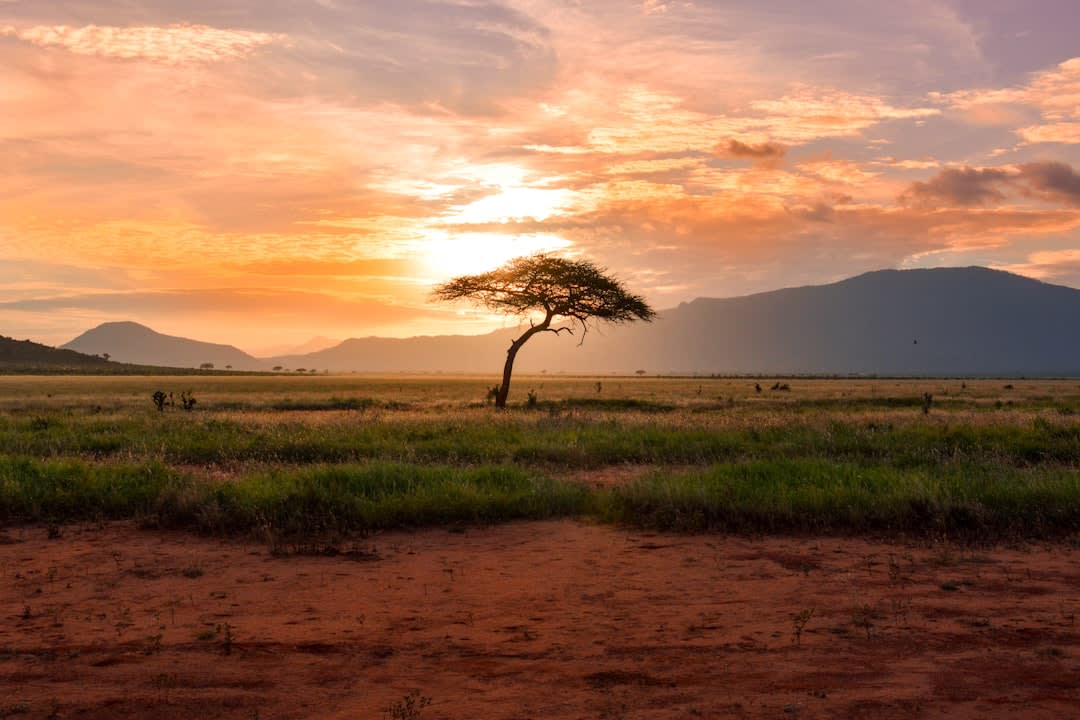
Tanzania vs Kenya Safari 2026
Last updated: July 2026
Tanzania and Kenya both offer world-class safari experiences in 2026, but they differ in cost, wildlife density, and landscape. Tanzania safaris cost $2,500–$6,000 per person for 7 days and feature the Great Migration across the Serengeti. Kenya safaris range from $2,000–$5,000 for 7 days with easier wildlife spotting in compact parks like the Masai Mara. The best time for both is June to October during the dry season. Compare verified operators on SafariFind to find packages that match your budget and interests.
At a Glance
- Tanzania cost: $2,500–$6,000 per person (7 days)
- Kenya cost: $2,000–$5,000 per person (7 days)
- Best time: June to October (dry season)
- Tanzania highlights: Serengeti, Great Migration, Ngorongoro Crater
- Kenya highlights: Masai Mara, easier wildlife viewing, compact ecosystems
- Best for Tanzania: First-time visitors seeking immersive experiences
- Best for Kenya: Travelers with limited time or tighter budgets
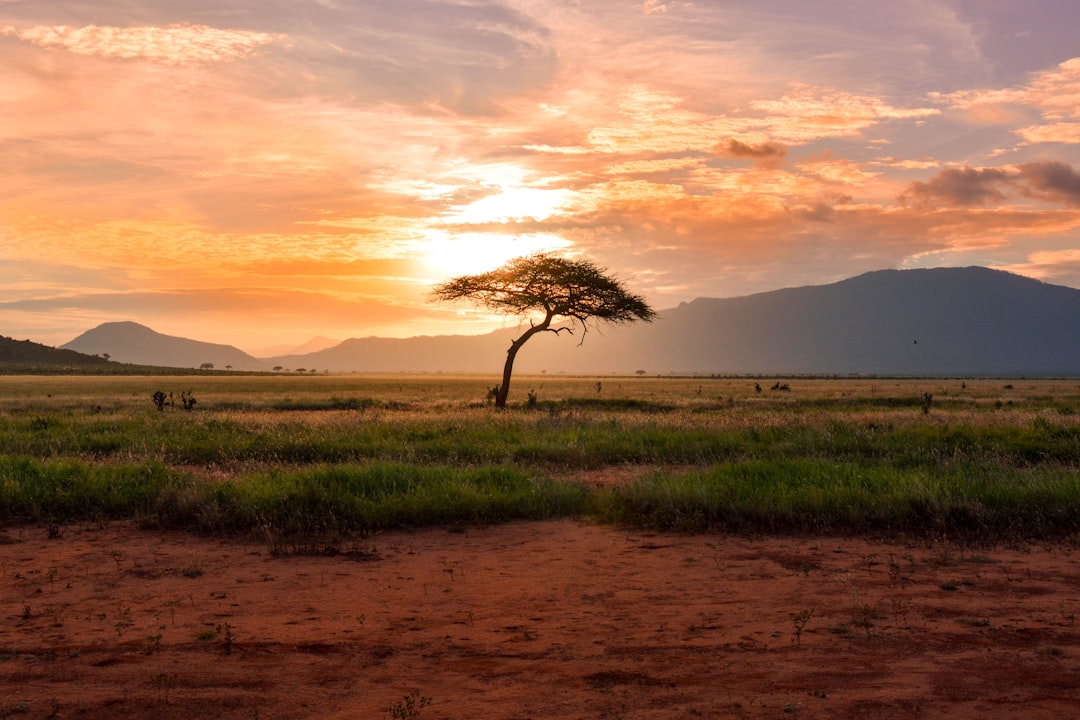
Tanzania vs Kenya Safari 2026: Which Destination Is Right for You?
Choosing between a Tanzania and Kenya safari in 2026 depends on your budget, time available, and wildlife priorities. Tanzania offers vast landscapes and the iconic Great Migration, while Kenya provides high-density wildlife viewing in more compact areas. Both countries deliver unforgettable African experiences, but each has distinct advantages. This guide compares costs, wildlife, seasons, and logistics to help you decide which destination suits your travel style and expectations.
Quick answer: Tanzania costs more but offers deeper wilderness experiences and the Great Migration spectacle. Kenya costs less and provides easier wildlife spotting in shorter timeframes. Both are excellent in June to October. Book through verified operators on SafariFind to compare real packages and read authentic traveler reviews before deciding.
Tanzania Safari: Cost, Wildlife & Experience
Tanzania safaris cost between $2,500 and $6,000 per person for a standard 7-day trip in 2026. This price typically includes accommodation in mid-range lodges, park fees, meals, and a professional guide. Luxury options can exceed $8,000 per person, while budget packages may dip below $2,500. The higher cost reflects the vast distances between parks and the extended travel time required to experience Tanzania's wildlife fully.
The Great Migration and Serengeti National Park
The Serengeti National Park is Tanzania's crown jewel, spanning 14,750 square kilometers across northern Tanzania. The park is most famous for the Great Migration, an annual cycle where 1.5 million wildebeest, zebras, and gazelles move across the Serengeti and into Kenya's Masai Mara between July and October. Witnessing this natural spectacle is a once-in-a-lifetime experience that justifies the higher safari costs.
During the dry season from June to October, wildlife congregates around remaining water sources, making animal sightings more reliable. The migration peaks in July and August, creating dramatic river crossings at the Mara River. If you visit Tanzania specifically to see the Great Migration, plan your trip during these months for the best chance of witnessing this incredible event.
Ngorongoro Crater and Southern Tanzania
The Ngorongoro Crater is another Tanzania highlight, featuring a self-contained ecosystem with over 25,000 large animals living within its 8,300-square-kilometer caldera. The crater offers excellent game viewing without traveling vast distances. Many Tanzania safaris combine Serengeti with Ngorongoro for a complete experience. Southern parks like Selous Game Reserve and Ruaha National Park offer remote, less-crowded alternatives with excellent wildlife diversity.
Tanzania's wide-range wildlife distribution across massive landscapes requires more time but offers deeper wilderness experiences. You'll see fewer tourists and experience a more authentic African safari. However, this also means longer driving distances between sightings and the need for 7–10 days to fully appreciate the parks.
Explore Tanzania safari packages on SafariFind to find verified operators offering Great Migration trips, Ngorongoro experiences, and multi-park combinations that fit your timeline and budget.
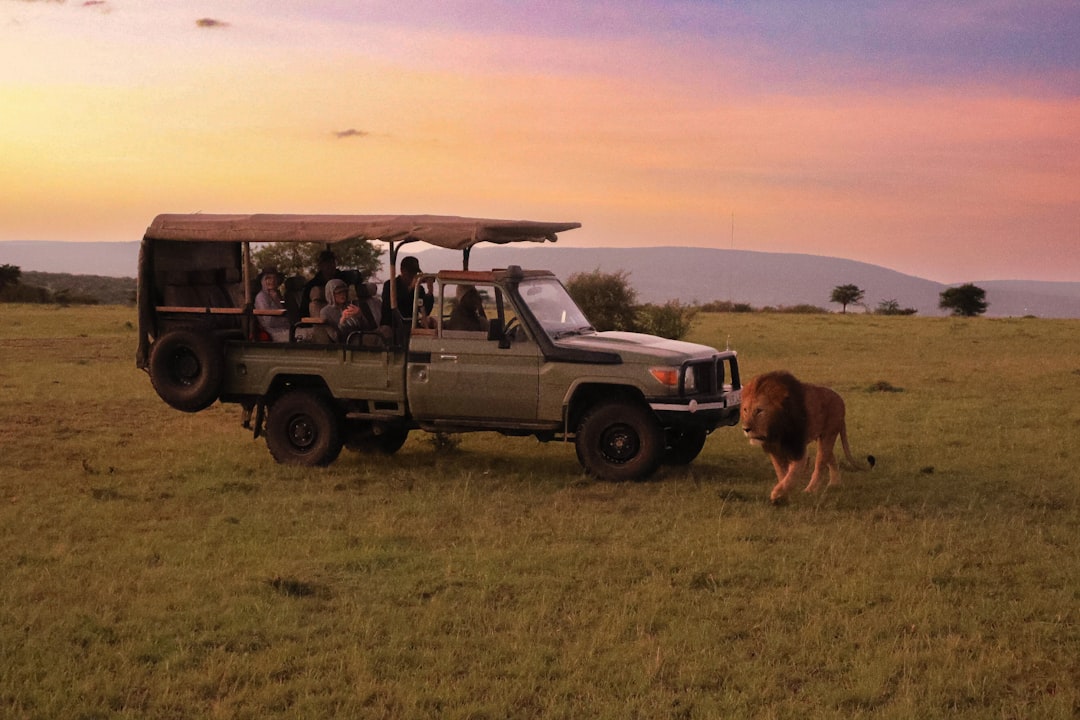
Kenya Safari: Cost, Wildlife & Experience
Kenya safaris cost between $2,000 and $5,000 per person for a 7-day trip in 2026. Kenya is generally more affordable than Tanzania because distances are shorter and infrastructure is more developed. Mid-range lodges and camps offer excellent value, with many all-inclusive packages covering accommodation, meals, guides, and park fees. Kenya's compact safari areas mean you can see diverse wildlife without the extensive travel required in Tanzania.
Masai Mara: Kenya's Wildlife Powerhouse
The Masai Mara National Reserve is Kenya's most famous safari destination, known for high-density wildlife viewing in a relatively compact area. Kenya provides high-density wildlife in compact ecosystems, meaning animals are easier to locate and observe in shorter timeframes. The Mara is home to the Big Five (lions, elephants, buffalo, leopards, and rhinos), plus abundant zebras, giraffes, wildebeest, and over 450 bird species.
The Masai Mara also hosts part of the Great Migration from July to October, though the spectacle is less dramatic than in the Serengeti. If you have limited time—say 3–5 days—Kenya allows you to see world-class wildlife without the extended travel commitments required in Tanzania. Morning and afternoon game drives often yield multiple animal sightings, making Kenya ideal for first-time safari-goers.
Tsavo and Amboseli: Diverse Kenya Experiences
Beyond the Mara, Kenya offers excellent alternatives. Tsavo National Park is one of the world's largest protected areas, famous for its red elephants and diverse predator populations. Amboseli National Park provides stunning views of Mount Kilimanjaro (Tanzania's peak, visible from Kenya) and excellent elephant herds. Many Kenya itineraries combine the Mara with Amboseli or Tsavo for varied landscapes and wildlife experiences.
Kenya's accessibility and affordability make it perfect for travelers with limited budgets or vacation time. The country's well-established tourism infrastructure means more lodge options, easier logistics, and shorter travel times between parks. However, you'll encounter more tourists in popular areas like the Mara during peak season.
Compare Kenya safari packages on SafariFind to find budget-friendly and luxury options in the Masai Mara, Tsavo, and Amboseli with real traveler reviews and verified pricing.
Tanzania vs Kenya: Cost Comparison & Budget Breakdown
When comparing safari costs in 2026, several factors affect the final price: accommodation type, season, park fees, guide quality, and whether flights are included. Below is a breakdown of typical costs for both destinations.
Typical 7-Day Safari Costs
| Category | Tanzania | Kenya | Notes |
|---|---|---|---|
| Budget Safari | $2,500–$3,500 | $2,000–$3,000 | Basic lodges, shared vehicles, mid-range guides |
| Mid-Range Safari | $3,500–$5,000 | $3,000–$4,000 | Good lodges, private or semi-private vehicles, experienced guides |
| Luxury Safari | $5,000–$8,000+ | $4,000–$7,000+ | Premium lodges, private vehicles, expert naturalists |
| Park Fees (7 days) | $300–$500 | $250–$400 | Varies by park; Serengeti is pricier than Masai Mara |
| International Flights | $800–$1,500 | $800–$1,500 | From Europe/US; prices vary by departure city |
Money-Saving Tips for Both Destinations
Book your safari 3–6 months in advance to save 15–20% on peak-season rates. Travel during shoulder seasons (April–May or November–December) for lower prices and fewer tourists. Choose mid-range lodges instead of luxury resorts; they often provide excellent value and authentic experiences. Consider multi-day safaris with fewer park changes to reduce driving and logistics costs.
Tanzania safaris are generally $500–$1,000 more expensive than Kenya for comparable experiences due to longer distances and more remote parks. However, Tanzania's deeper wilderness and Great Migration justify the premium for many travelers. Kenya's affordability makes it ideal for budget-conscious visitors or those with limited vacation time.
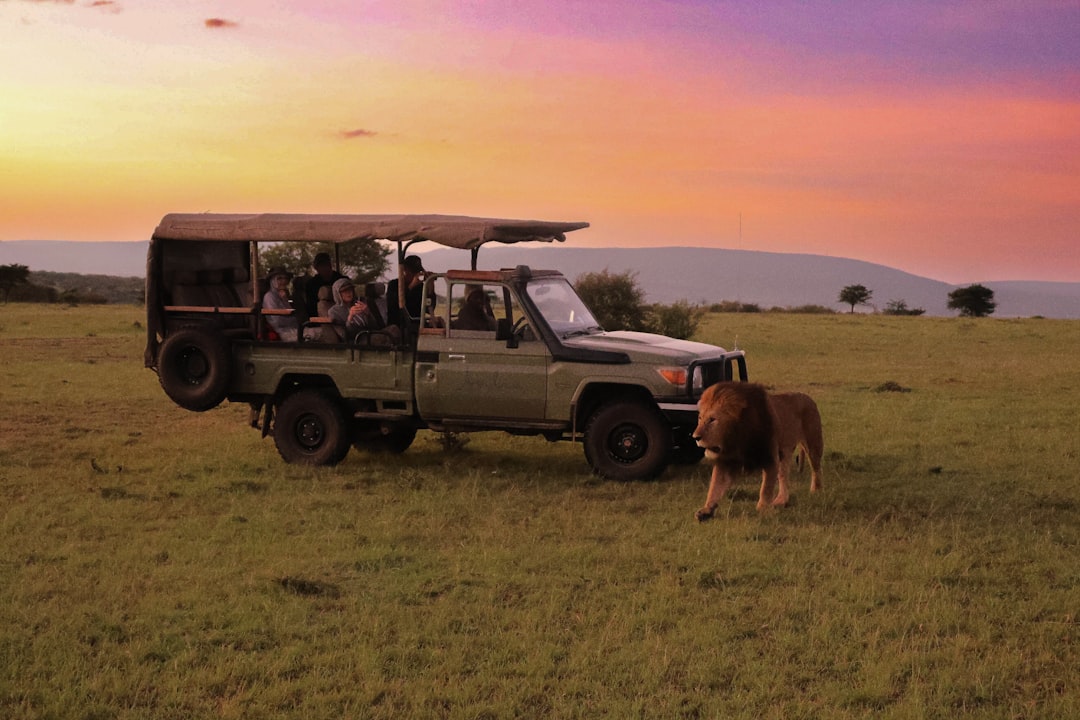
Best Time to Visit: Dry Season vs Wet Season
The best time for both Tanzania and Kenya safaris is the dry season from June to October. During these months, vegetation is sparse, water sources concentrate wildlife, and roads are passable. Weather is cool and comfortable, ideal for long game drives. However, each season offers distinct advantages and trade-offs.
Dry Season (June to October)
The dry season is peak safari time for both countries. Rainfall is minimal, grass is short, and wildlife congregates around water holes and rivers. Animal sightings are most frequent and reliable. The Great Migration reaches the Mara River in July–August, creating dramatic river crossings and predator interactions. Temperatures are pleasant, typically 15–25°C (59–77°F) during mornings and evenings.
The downside: This is peak tourist season, meaning crowded parks, higher prices, and more safari vehicles at wildlife sightings. Book 3–6 months ahead to secure the best lodges and guides. The dry season is best for first-time visitors and those prioritizing wildlife viewing and photography.
Wet Season (November to May)
The wet season (November to May) is less popular but offers unique advantages. Prices drop 20–40%, parks are quieter, and landscapes turn green and lush. Bird watching is excellent, with migratory species arriving. Wildlife is more dispersed but still visible. Temperatures are warmer, 20–28°C (68–82°F).
The wet season is challenging for road access; some roads become impassable, and heavy rains can limit game drives. However, experienced operators still run safaris, and the combination of lower costs and fewer tourists appeals to adventurous travelers. The short rains (November–December) are often better than the long rains (March–May) for safari activities.
Best Time to Visit the Serengeti
Best time to visit Serengeti is July to October for the Great Migration. The migration route shifts seasonally: herds move north from the Serengeti into Kenya's Masai Mara in July–August, then return south in October–November. To witness specific migration events, timing is critical. January to March is also excellent for the southern Serengeti calving season, when hundreds of thousands of wildebeest calves are born.
Wildlife Comparison: What You'll See
Both Tanzania and Kenya host Africa's iconic wildlife, but distribution and viewing ease differ. Tanzania features wider-range wildlife distribution across massive landscapes, while Kenya concentrates animals in compact areas for easier spotting. Both offer the Big Five: lions, elephants, buffalo, leopards, and rhinos.
Tanzania's Wildlife Highlights
- 1.5 million wildebeest in the Great Migration (July–October)
- African elephants: Serengeti and Amboseli regions
- Nile crocodiles: Serengeti River and Mara River crossings
- African wild dogs: Serengeti (rare sighting)
- Cheetahs and leopards: Throughout Serengeti and Ngorongoro
- Hippos and buffalo: Water sources and river valleys
- Over 500 bird species: Including crowned eagles and ostriches
Kenya's Wildlife Highlights
- Lion prides: Masai Mara has one of Africa's highest lion densities
- African elephants: Amboseli (with Kilimanjaro backdrop) and Tsavo
- Reticulated giraffes: Northern Kenya reserves
- African wild dogs: Tsavo and northern reserves
- Black rhinoceros: Protected populations in select reserves
- Over 450 bird species: Including martial eagles and crowned cranes
- Cheetahs: Masai Mara (easier to spot than in Tanzania)
Both destinations deliver exceptional wildlife experiences. Tanzania offers more dramatic natural events (the Great Migration), while Kenya provides easier, more frequent wildlife encounters in a shorter timeframe. Choose Tanzania for immersive wilderness and epic migration moments; choose Kenya for wildlife density and accessibility.
Practical Logistics: Getting There & Visas
Both Tanzania and Kenya have international airports and established tourism infrastructure. However, visa requirements and entry logistics differ slightly for international travelers.
Getting to Tanzania
Most international flights arrive at Julius Nyerere International Airport (Dar es Salaam) or Kilimanjaro International Airport (near Mount Kilimanjaro). From there, domestic flights or road transfers take you to safari parks. The Serengeti and Ngorongoro Crater are accessed via Kilimanjaro or regional airports like Arusha. International flights from Europe and North America typically cost $800–$1,500 return.
Getting to Kenya
Jomo Kenyatta International Airport (Nairobi) is Kenya's main hub, with excellent connections to Europe, Asia, and the Middle East. The Masai Mara is accessed via domestic flights from Nairobi (1 hour) or road transfers (5–6 hours). Kenya's infrastructure is slightly more developed, with more flight options and faster connections to safari destinations.
Visa Requirements
Tanzania requires most international visitors to obtain a visa. You can apply online for an e-visa or on arrival. Processing typically takes 1–2 weeks online. Kenya requires an Electronic Travel Authorization (ETA), which must be secured before departure; visa-on-arrival is not recommended. Allow several weeks for ETA processing. Both countries require a passport valid for at least 6 months beyond your travel dates.
For specific visa requirements based on your nationality, consult official government websites or SafariFind's visa guides. Vaccinations for yellow fever, typhoid, and malaria prevention are recommended for both countries. Review vaccination and health requirements for Tanzania before departure.
Packing Essentials for Your Safari Adventure
Proper packing ensures comfort and maximizes your safari experience. Both Tanzania and Kenya have similar climates and wildlife environments, so packing lists are comparable. Here's what you need for a successful safari trip.
Clothing & Footwear
- Neutral-colored clothing: Khaki, tan, and green blend with landscapes and don't disturb wildlife
- Layers: Early morning and evening game drives are cool (15°C/59°F); midday is warm (25°C/77°F)
- Lightweight long sleeves and pants: Protect against sun and insects
- Sturdy hiking boots: For walking safaris and uneven terrain
- Hat and sunglasses: Essential sun protection
- Rain jacket: Even in dry season, brief showers occur
Health & Safety Items
- Malaria medication: Prescribed by your doctor before travel
- High-SPF sunscreen: Reapply frequently, especially at altitude
- Insect repellent: For mosquitoes and tsetse flies
- First aid kit: Bandages, pain relievers, anti-diarrheal medication
- Prescription medications: In original containers with copies of prescriptions
Photography & Binoculars
- Camera with telephoto lens: For wildlife photography (minimum 200mm)
- Extra memory cards and batteries: Charging opportunities are limited in remote parks
- Binoculars: For spotting distant animals and birds
- Lens cleaning kit: Dust is constant in safari vehicles
Pack light and leave room for purchases. Most lodges provide laundry service, so you can wash clothes during your safari. Check with your verified safari operator for specific packing recommendations based on your itinerary and lodge amenities.
Key Takeaways
- Book your safari 3–6 months ahead to save 15–20% on peak-season rates and secure the best lodges and guides in both Tanzania and Kenya.
- Visit June to October for the dry season, when wildlife viewing is most reliable and the Great Migration reaches its peak in Tanzania's Serengeti.
- Choose Tanzania for the Great Migration spectacle and immersive wilderness; expect $2,500–$6,000 per person for 7 days with deeper, more remote experiences.
- Choose Kenya for budget-friendly safaris with easier wildlife spotting; expect $2,000–$5,000 per person for 7 days with compact parks and accessible viewing.
- Obtain visas and vaccinations early: Tanzania requires an e-visa (1–2 weeks), Kenya requires an ETA (apply before departure), and both countries recommend malaria and yellow fever protection.
Frequently Asked Questions
What is the best safari operators in kenya and tanzania?
The best safari operators in Kenya and Tanzania combine experienced guides, quality lodges, excellent customer service, and authentic wildlife experiences. SafariFind lists verified operators with authentic traveler reviews, ratings, and pricing. Look for operators with 4.5+ star ratings and 50+ reviews from verified travelers. Companies offering personalized itineraries, small group sizes, and knowledgeable guides consistently receive top ratings. Browse verified Tanzania safari operators on SafariFind to compare ratings, reviews, and packages.
How much does a safari in tanzania typically cost?
A 7-day Tanzania safari costs $2,500–$6,000 per person in 2026, depending on accommodation type, season, and included services. Budget safaris ($2,500–$3,500) use basic lodges and shared vehicles. Mid-range safaris ($3,500–$5,000) offer good lodges and private or semi-private vehicles. Luxury safaris ($5,000–$8,000+) provide premium lodges and expert guides. Park fees, meals, and guides are typically included. International flights add $800–$1,500. Book 3–6 months ahead to secure better rates.
What is the best time of year for wildlife viewing in serengeti?
The best time to visit Serengeti is July to October for the Great Migration, when 1.5 million wildebeest and zebras move across the park. July and August peak with dramatic Mara River crossings and predator interactions. January to March is excellent for the southern Serengeti calving season, with hundreds of thousands of wildebeest calves born. June to October overall offers the most reliable wildlife viewing due to sparse vegetation and concentrated water sources. Avoid March to May (long rains) when roads are impassable.
How much does a 7 day trip to tanzania cost?
A complete 7-day Tanzania safari trip costs $3,500–$7,500 per person when combining safari costs, flights, visas, and meals. Safari packages run $2,500–$6,000. International flights add $800–$1,500. Visas are $50–$100. Vaccinations and travel insurance are $200–$500. Mid-range travelers should budget $4,500–$5,500 per person. Luxury travelers should plan $6,500–$8,000+. Booking through verified operators on SafariFind helps you compare all-inclusive packages that bundle accommodations, meals, and guides for better value.
How do I book a multi-day safari in tanzania online?
To book a multi-day Tanzania safari online, visit SafariFind and browse verified operators offering Tanzania packages. Compare prices, durations, itineraries, and traveler reviews. Request quotes from 2–3 operators to compare services and pricing. Confirm what's included: accommodation, meals, guides, park fees, and transportation. Review cancellation policies and payment terms. Most operators request a deposit (25–50%) to secure your booking, with the balance due 30–60 days before departure. SafariFind's verified operators provide transparent pricing and authentic customer reviews to help you book with confidence.
Should I choose tanzania or kenya for my first safari?
For first-time safari-goers, Kenya is often the better choice due to lower costs ($2,000–$5,000 vs. $2,500–$6,000), easier wildlife spotting in compact parks, and shorter travel times. The Masai Mara delivers excellent Big Five sightings in 3–5 days. However, if you have 7+ days and want to witness the Great Migration spectacle, Tanzania's Serengeti is unmatched. Both countries offer exceptional experiences; Kenya suits budget-conscious travelers with limited time, while Tanzania suits those seeking immersive wilderness. Compare verified first-time safari packages on SafariFind to find the right fit for your timeline and interests.
Conclusion: Making Your Tanzania vs Kenya Decision
Tanzania and Kenya are both exceptional safari destinations in 2026, each offering distinct advantages. Tanzania delivers immersive wilderness, the legendary Great Migration, and deeper natural experiences—perfect for travelers with 7+ days and budgets of $2,500–$6,000. Kenya provides excellent wildlife viewing in compact areas, lower costs ($2,000–$5,000), and accessibility for travelers with limited time or tighter budgets.
The best time for both is June to October during the dry season, when wildlife viewing is most reliable. If witnessing 1.5 million wildebeest crossing the Mara River is your dream, Tanzania's Serengeti is essential. If you want maximum wildlife density with minimum travel time and cost, Kenya's Masai Mara delivers exceptional results.
Start planning your safari today: Visit SafariFind to explore verified operators in both countries, compare packages and pricing, and read authentic reviews from past travelers. Book 3–6 months ahead to save 15–20% on peak-season rates and secure the best lodges and guides. Whether you choose Tanzania's wilderness or Kenya's accessibility, SafariFind helps you find the perfect operator and package for your African adventure in 2026.
Plan Your Safari with SafariFind
These recommendations use real data from SafariFind, where you can compare operators, browse packages, and read verified traveler reviews before you book.
Recommended Safari Operators from SafariFind
Recommended Safari Packages from SafariFind
What Travelers Say (SafariFind Reviews)
References
- Official Tanzania Tourism Website — Plan ahead for your Tanzania adventure
- Lonely Planet Tanzania — Best time to visit and travel guide
- BBC News — Tanzania country profile
- Wikipedia — Tanzania overview and facts
- Road Scholar — The Best of Kenya & Tanzania safari and cultural experience
- Sandy Shores Safaris — Kenya vs Tanzania Safari in 2026 comparison
- Ella McKendrick — Kenya Safari Cost 2026 guide
- Kandoo Adventures — Tanzania vs Kenya Safari comparison
Sources
Related to
Ready to start your safari adventure?
Explore curated safari packages and find your perfect African adventure with verified operators.


