Tanzania vs South Africa Safari 2026: Cost, Wildlife & Best Operators
Compare Tanzania ($350–$2,000/day) vs South Africa ($120–$300/day) safaris. Great Migration, wildlife, operators & booking tips for 2026.
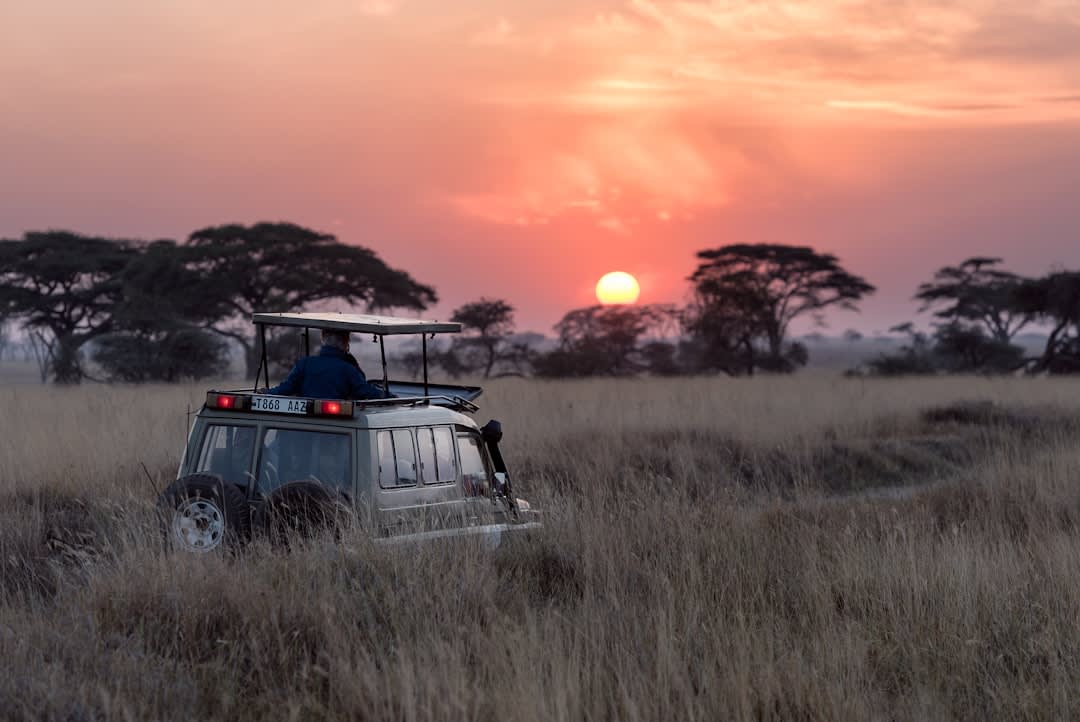
Tanzania vs South Africa Safari 2026
Last updated: July 2026
Tanzania safaris cost $350–$2,000 per day and feature the Great Migration across the Serengeti, while South Africa safaris range $120–$300 per day with easier self-drive options. Tanzania is best for migration viewing; South Africa suits budget travelers and families. Book Tanzania safaris 3–6 months ahead for peak season to compare verified operators on SafariFind.
At a Glance
- Tanzania Cost: $350–$2,000 per person per day
- South Africa Cost: $120–$300 per person per day
- Tanzania Best Time: July–October (Great Migration)
- South Africa Best Time: May–September (dry season)
- Tanzania Duration: 7–12 days recommended
- Best For: Tanzania for wildlife spectacles; South Africa for budgets and families
What Is the Tanzania vs South Africa Safari Comparison?
Tanzania and South Africa offer two distinct safari experiences in 2026. Tanzania safaris cost $350–$2,000 per day and feature the iconic Serengeti Great Migration. South Africa safaris range $120–$300 per day and provide easier self-drive access with established infrastructure. Your choice depends on your budget, wildlife priorities, and travel style.
Tanzania safaris focus on the Northern Circuit: Serengeti, Ngorongoro Crater, and Tarangire. South Africa safaris center on Kruger National Park and private reserves like Sabi Sands. Each destination delivers world-class wildlife viewing but with different costs and experiences.
The key question isn't which is "better"—it's which matches your needs. First-time visitors on tight budgets favor South Africa. Travelers seeking the Great Migration prioritize Tanzania. Both countries offer exceptional guided experiences with verified tour operators available on SafariFind to compare and book.
Tanzania Safari: Cost, Wildlife & Best Timing
Daily Costs and Package Pricing
Tanzania safari costs range from $350–$2,000 per person per day depending on accommodation and season. Budget safaris start at $350/day; mid-range lodges run $800–$1,200/day; luxury camps exceed $1,500/day. A typical 7-day Tanzania safari costs $2,450–$14,000 per person including guides, park fees, and meals.
All-inclusive packages from international operators add flights, visa support, and pre-safari briefings. A 12-night/13-day Tanzania safari through Kilimanjaro Airport costs from $7,235 per person sharing, or $556 per day based on 5 participants per vehicle. Prices drop 15–25% during shoulder seasons (April–May, November–December).
The Great Migration and Peak Season
Tanzania's Serengeti hosts the Great Migration, where 1.5 million wildebeest cross the Mara River between July and October. This spectacle drives peak pricing but guarantees unforgettable wildlife drama. The best time to visit Serengeti for migration is July–October when river crossings peak.
Book your Tanzania safari 3–6 months ahead for July–October departures to secure lodges and guides. Off-season visits (November–June) cost 20–30% less but offer fewer migration sightings. Green season (November–May) delivers lush landscapes, newborn calves, and fewer tourists—ideal for budget-conscious travelers willing to trade migration crowds for solitude.
Wildlife and National Parks
Tanzania's Northern Circuit spans three flagship parks. The Serengeti National Park covers 14,750 square kilometers and hosts the Big Five: lion, leopard, buffalo, elephant, and rhinoceros. The Ngorongoro Crater, a UNESCO World Heritage Site, concentrates 25,000 large animals in a 19-kilometer-wide caldera. Tarangire National Park features massive elephant herds and ancient baobab trees.
Tanzania safaris also include cultural experiences. Visits to Maasai villages cost around $25 per person, while excursions to meet the Hadzabe tribe near Lake Eyasi provide unique insights into traditional lifestyles. These optional activities add depth beyond wildlife viewing.
Optional Activities and Add-Ons
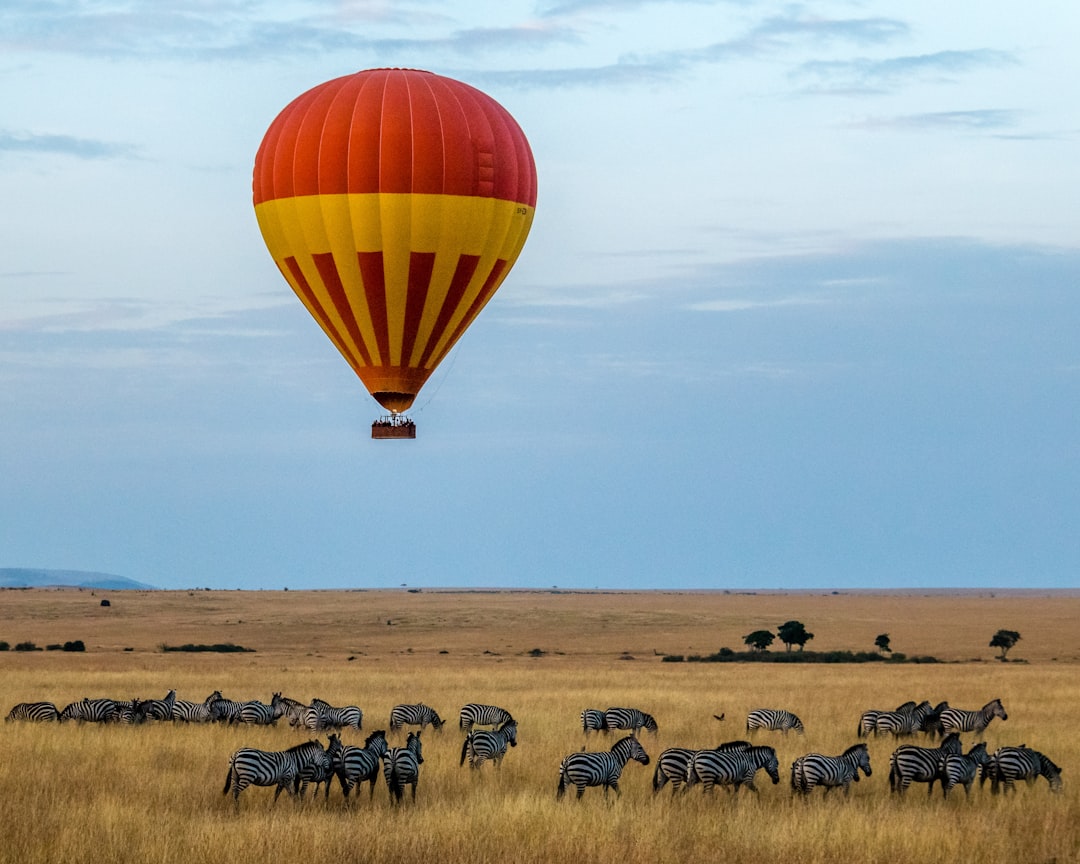
Hot air balloon safaris over the Serengeti cost $450–$550 per person and launch at sunrise for unmatched aerial views. Walking safaris typically cost $50–$100 or are included with lodge packages. Ngorongoro crater descents, cultural village tours, and photography guides add $30–$150 per activity.
Travel insurance covering medical evacuation is highly recommended and costs $100–$300 for comprehensive coverage. Pack neutral clothing, binoculars, and high-SPF sunscreen—essential gear for Tanzania's intense sun and dust.
Ready to explore Tanzania safari options? Browse verified Tanzania safari packages on SafariFind to compare operators, read traveler reviews, and request custom quotes for your 2026 dates.
South Africa Safari: Cost, Wildlife & Best Timing
Daily Costs and Accessibility
South Africa safaris cost $120–$300 per person per day, making them Africa's most budget-friendly option. Budget accommodations start at $120/day; mid-range lodges run $250–$400/day; luxury properties exceed $500/day. A 7-day South Africa safari averages $840–$2,100 per person—significantly cheaper than Tanzania.
South Africa is usually the better choice for first-time safari travelers, families, self-drivers, and budget-conscious visitors. The country has excellent road infrastructure, English-speaking guides, and established tourism networks. Self-drive safaris through Kruger National Park cost only $15–$25 per day for park entry, allowing independent travelers to explore at their own pace.
Kruger National Park and Private Reserves
Kruger National Park spans 19,633 square kilometers and hosts all Big Five species. The park divides into northern (wildlife-dense), central (mixed terrain), and southern (accessible) sections. Private reserves adjacent to Kruger—like Sabi Sands and Timbavati—offer exclusive experiences with 24-hour game drives and off-road tracking.
South Africa delivers consistent wildlife viewing year-round. Kruger's dry season (May–September) concentrates animals near waterholes, ensuring regular Big Five sightings. The wet season (November–March) brings migratory birds and lush vegetation but fewer predator sightings. South Africa is better for travelers prioritizing reliable Big Five encounters and comfortable self-drive options.
Seasonal Timing and Climate
The best time to visit South Africa is May–September (dry season) when temperatures drop to 15–25°C and wildlife congregates near water sources. This period suits families avoiding heat and malaria risk. Shoulder months (April, October) offer good wildlife viewing with fewer tourists and lower prices.
Summer (November–March) brings heat, humidity, and higher malaria risk, but prices drop 25–35%. Birdwatchers favor November–April when migratory species arrive. Unlike Tanzania's migration spectacle, South Africa offers predictable year-round game viewing without seasonal extremes.
Self-Drive vs. Guided Options
Self-drive safaris through Kruger require only a rental car ($40–$80/day) and park entry ($15–$25/day). South Africa's excellent roads and signage make self-driving feasible for confident travelers. You set your own pace, stop whenever wildlife appears, and control your budget completely.
Guided tours through private reserves cost $300–$600/day but include expert tracking, off-road access, and meals. Guides spot predators using radio networks and offer wildlife education unavailable on self-drives. Choose self-drive for independence and budget; choose guided tours for expertise and exclusive experiences.
Discover South Africa's best safari values by comparing verified South Africa safari packages and operators on SafariFind to find tours matching your budget and experience level.
Tanzania vs South Africa: Direct Cost and Wildlife Comparison
Price Comparison Table
Here's how daily costs break down across destinations in 2026:
| Destination | Daily Cost (Budget) | Daily Cost (Mid-Range) | Best For |
|---|---|---|---|
| Tanzania | $350–$600 | $800–$1,200 | Great Migration |
| South Africa | $120–$200 | $250–$400 | Budget & Families |
| Kenya | $300–$500 | $700–$1,000 | Masai Mara Migration |
| Botswana | $450–$700 | $1,000–$1,500 | Luxury & Exclusivity |
Wildlife Viewing Highlights
Tanzania's Serengeti guarantees the world's most dramatic wildlife spectacle: the Great Migration. South Africa's Kruger delivers consistent Big Five sightings without seasonal drama. Tanzania excels at predator action and massive animal movements; South Africa offers relaxed, year-round viewing.
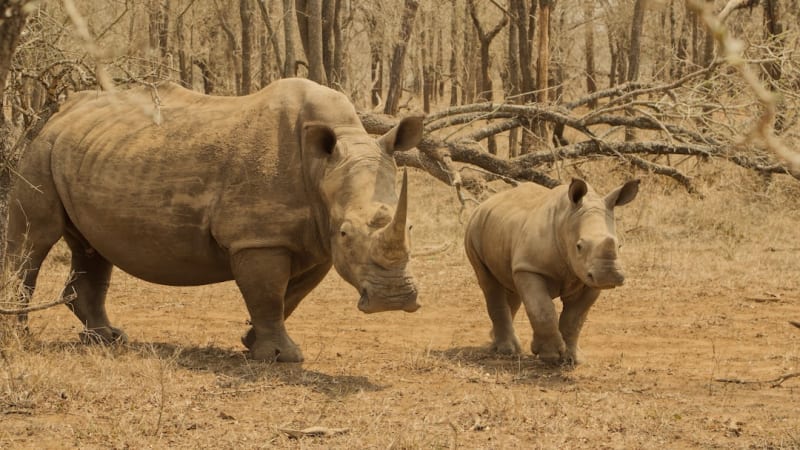
Tanzania's ecosystem includes 1.5 million wildebeest, 250,000 zebras, and countless predators in coordinated annual migration. South Africa's Kruger hosts 145 mammal species, including rare white rhinos and wild dogs, but without the migration's intensity. Choose Tanzania for spectacle; choose South Africa for reliable Big Five encounters and comfort.
Which Destination Suits Your Travel Style?
Choose Tanzania if you: want to witness the Great Migration, prefer immersive wildlife drama, have 7–12 days available, and prioritize wildlife over comfort. Budget $2,450–$14,000 for 7–12 days.
Choose South Africa if you: travel on a tight budget, prefer self-drive flexibility, want reliable Big Five sightings, include families with young children, or have limited time (4–7 days). Budget $840–$2,100 for 7 days.
The answer depends on what you want from the safari, not which country is objectively "best." Botswana delivers the highest-end private-concession safari experience with limited crowds and exceptional guiding, with the highest costs. Tanzania and Kenya offer dramatic migrations; South Africa combines affordability with accessibility.
Best Safari Operators in Tanzania and South Africa 2026
Tanzania's Top Operators
Tanzania safari operators range from budget outfitters to luxury specialists. Mid-range operators like Lawsons Africa offer 12-night/13-day packages from $7,235 per person sharing, including Kilimanjaro Airport transfers and expert guides. These companies balance cost and quality for travelers seeking authentic Serengeti experiences without luxury premiums.
When selecting a Tanzania operator, verify they offer:
- Licensed guides with wildlife expertise and fluent English
- Well-maintained vehicles with pop-up roofs for photography
- Flexible itineraries adjusting to migration patterns
- Transparent pricing with no hidden park fees
- Pre-safari briefings on packing, health, and wildlife behavior
Learn how to choose the right Tanzania safari operator by evaluating credentials, reviews, and customization options.
South Africa's Top Operators
South Africa's established tourism industry offers operators at every price point. Budget companies offer self-drive packages with lodging only ($15–$25/day park fees). Mid-range operators provide guided tours in Kruger and private reserves ($300–$600/day). Luxury specialists offer exclusive concession access and private guides ($1,000+/day).
South African operators excel at family safaris, self-drive support, and multilingual guiding. Many offer flexible booking with partial refunds if wildlife sightings disappoint (rare but available). The tourism infrastructure is mature, with established lodges, road networks, and emergency services—ideal for first-time safari travelers.
Finding Verified Operators
SafariFind connects you with verified tour operators in both countries. Each operator on the platform has:
- Authentic traveler reviews with verified badges
- Transparent pricing and full itinerary details
- Safety certifications and insurance documentation
- Customer service ratings and response times
- Customization options for group sizes and budgets
Compare verified Tanzania and South Africa safari operators to find companies matching your budget, travel dates, and experience preferences. Request quotes from multiple operators to negotiate better rates and identify the best value for your 2026 safari.
Essential Planning: Visas, Health & Packing
Visa Requirements for Tanzania and South Africa
Tanzania requires visas for most international travelers. British, American, and European citizens can apply for tourist visas on arrival ($50–$100 USD) or online in advance ($50 USD). Processing takes 3–5 business days online. South Africa grants visa-free entry to most Western nationalities for up to 90 days.
Do British citizens need a visa for Tanzania? Yes, all nationalities except African Union members require Tanzania visas. Apply online through Tanzania's immigration portal or request your operator handle visa support. South Africa's ease of entry makes it ideal for spontaneous travelers; Tanzania's visa process requires advance planning.
For detailed visa information, review Tanzania visa requirements for your nationality to avoid delays.
Vaccinations and Health Precautions
Recommended vaccinations include yellow fever, typhoid, hepatitis A/B, and tetanus for both countries. Tanzania's Serengeti carries malaria risk below 1,500 meters; South Africa's Kruger region has malaria in certain areas. Consult your doctor 4–6 weeks before travel for personalized health advice.
Antimalarial medications like doxycycline or atovaquone-proguanil are standard for Tanzania. South Africa requires antimalarials only in northern Kruger and Limpopo provinces. Comprehensive travel insurance covering medical evacuation costs $100–$300 and is highly recommended for both countries.
Check Tanzania vaccination requirements specific to your citizenship to ensure compliance and protection.
Packing Essentials for Safari
Pack neutral colors (khaki, olive, beige) to avoid startling wildlife. Bring layers for cool early mornings and hot afternoons. Essential gear includes:
- Binoculars (8x42 magnification ideal)
- High-SPF sunscreen (50+ UVA/UVB)
- Insect repellent with DEET for malaria prevention
- Lightweight, breathable long sleeves and pants
- Closed-toe hiking boots broken in before travel
- Wide-brimmed hat and sunglasses
- Camera and extra batteries (charging limited in remote camps)
- Medications in original packaging with prescriptions
Avoid bright colors, perfumes, and loud fabrics that disturb animals. Pack a small medical kit with blister treatment, antacids, and antihistamines. Most lodges provide laundry service, so pack 5–7 days of clothing for 10-day safaris.
Key Takeaways
- Book Tanzania safaris 3–6 months ahead for July–October peak season to secure lodges and save on early-booking discounts versus last-minute rates.
- South Africa safaris cost 60–75% less than Tanzania ($120–$300 vs. $350–$2,000/day), making them ideal for budget-conscious families and first-time travelers.
- Tanzania's Great Migration between July and October guarantees 1.5 million wildebeest crossings; South Africa offers consistent year-round Big Five viewing without seasonal drama.
- Obtain Tanzania visas online 2–3 weeks before travel ($50 USD) to avoid arrival delays; South Africa grants visa-free entry to most Western nationalities for 90 days.
- Compare verified operators on SafariFind using authentic traveler reviews to identify guides matching your budget, experience level, and wildlife priorities before committing to deposits.
Frequently Asked Questions
How much does a safari in Tanzania typically cost in 2026?
Tanzania safari costs range from $350–$2,000 per person per day depending on accommodation and season. A 7-day safari averages $2,450–$14,000 per person. Budget safaris start at $350/day; mid-range lodges run $800–$1,200/day; luxury camps exceed $1,500/day. All-inclusive packages including flights from international airports cost from $7,235 for 12 nights. Book 3–6 months ahead to secure July–October peak season dates.
What is the best time to visit Serengeti for the Great Migration?
The best time to visit Serengeti is July–October when 1.5 million wildebeest cross the Mara River in dramatic river crossings. Peak migration action occurs July–August. June and November offer fewer crowds with active migration. For detailed migration timing and wildlife patterns, review the complete Serengeti migration guide to plan your visit around specific wildlife events.
Is South Africa or Tanzania better for first-time safari travelers?
South Africa is usually the better choice for first-time safari travelers, families, and budget-conscious visitors. South Africa offers self-drive flexibility, established infrastructure, English-speaking guides, and reliable year-round Big Five sightings at $120–$300/day. Tanzania requires more planning (visas, malaria precautions) and costs $350–$2,000/day but delivers the world-famous Great Migration. Choose South Africa for comfort and ease; choose Tanzania for wildlife drama and spectacle.
Do British citizens need a visa for Tanzania?
Yes, British citizens require Tanzania tourist visas. Apply online in advance ($50 USD, 3–5 business days processing) or obtain a visa on arrival at Kilimanjaro or Dar es Salaam airports ($50–$100 USD cash). South Africa grants British citizens visa-free entry for 90 days. Check Tanzania visa requirements for your nationality at least 4 weeks before travel to avoid delays.
What vaccinations are required for Tanzania and South Africa safaris?
Recommended vaccinations for both countries include yellow fever, typhoid, hepatitis A/B, and tetanus. Consult your doctor 4–6 weeks before travel for personalized medical advice. Tanzania's Serengeti and South Africa's Kruger region carry malaria risk, requiring antimalarial medications like doxycycline. Comprehensive travel insurance covering medical evacuation costs $100–$300 and is highly recommended. Review detailed vaccination requirements for your specific nationality and health profile.
How do I compare and book safaris on SafariFind?
Browse verified safari packages on SafariFind to compare operators, prices, durations, and traveler reviews. Filter by destination (Tanzania vs. South Africa), budget range, travel dates, and group size. Read authentic reviews from verified travelers to assess guide quality, vehicle condition, and customer service. Request custom quotes from multiple operators to negotiate rates and identify the best value. SafariFind's operators are verified for safety, insurance, and customer service ratings—ensuring transparent, trustworthy booking experiences.
Conclusion: Choosing Your 2026 Safari Destination
Tanzania and South Africa deliver world-class safari experiences at vastly different costs and intensities. Tanzania safaris cost $350–$2,000 per day and feature the Great Migration, nature's most dramatic wildlife spectacle occurring July–October. South Africa safaris cost $120–$300 per day and offer reliable Big Five viewing, self-drive flexibility, and family-friendly infrastructure. Neither destination is objectively "best"—your choice depends on budget, time, and wildlife priorities.
For travelers seeking the Great Migration's raw power and willing to invest $2,500–$5,000 for a 7-day experience, Tanzania is mandatory. For budget-conscious families wanting consistent Big Five sightings and self-drive independence, South Africa delivers exceptional value at $840–$2,100 for 7 days. Both countries require advance planning: Tanzania needs visas and malaria precautions; South Africa needs rental cars and lodge reservations.
In 2026, the decision is simple: compare verified safari packages from both countries on SafariFind. Read authentic traveler reviews, request quotes from multiple operators, and choose the destination matching your budget and dreams. Whether you witness the Serengeti's migration or relax in Kruger's bush camps, you'll create memories lasting a lifetime. Start your booking journey today and secure your 2026 safari adventure with confidence.
Plan Your Safari with SafariFind
These recommendations use real data from SafariFind, where you can compare operators, browse packages, and read verified traveler reviews before you book.
Top Safari Operators from SafariFind
Recommended Safari Packages from SafariFind
What Travelers Say (SafariFind Reviews)
References
- Tanzania vs South Africa Safari: Cost, Wildlife & Best Operators 2026 | SafariFind
- Tanzania vs South Africa Safari: Costs, Wildlife & Best Choice | African Budget Safaris
- 10 Best Safari Tours in Tanzania 2026/2027 | TourRadar
- Tanzania Safari Cost 2026 - Everything You Need to Know | Ella McKendrick
- How Much Does a Kenya Tanzania Safari Cost? 2026 | Kenya Tanzania Safari
- Tanzania Wildlife Safari: The Northern Circuit | Lawsons Africa
- South Africa vs Tanzania Safari: Which Country Is Better? | The World Travel Girl
- 13 Best African Safari Tour Companies (2027 Reviews & Guide) | African Safari Magazine
Sources
- Tanzania vs South Africa Safari: Cost, Wildlife & Best Operators 2026
- Tanzania vs South Africa Safari: Costs, Wildlife & Best Choice
- 10 Best Safari Tours in Tanzania 2026/2027
- Tanzania Safari Cost 2026 - Everything You Need to Know
- How Much Does a Kenya Tanzania Safari Cost? 2026
- Tanzania Wildlife Safari: The Northern Circuit
- 13 Best African Safari Tour Companies (2027 Reviews & Guide)
Related to
Ready to start your safari adventure?
Explore curated safari packages and find your perfect African adventure with verified operators.