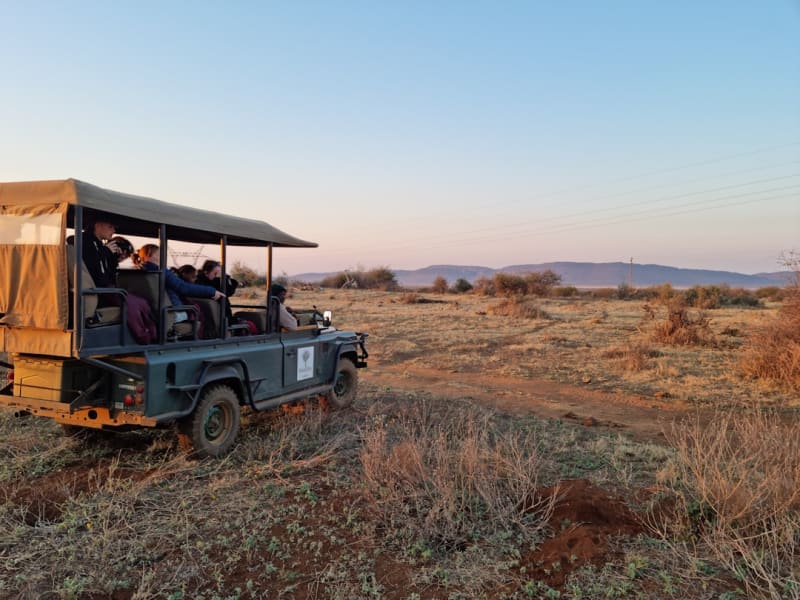
Travel Affiliate Gigs for Creators in 2026: Recurring Income Models That Work
Real travel creators are moving beyond one-off sponsorships to build recurring affiliate income. Here's how to pick the right programs, structure your content, and earn $500–$5,000+ monthly—with a spotlight on the high-ticket African safari niche.
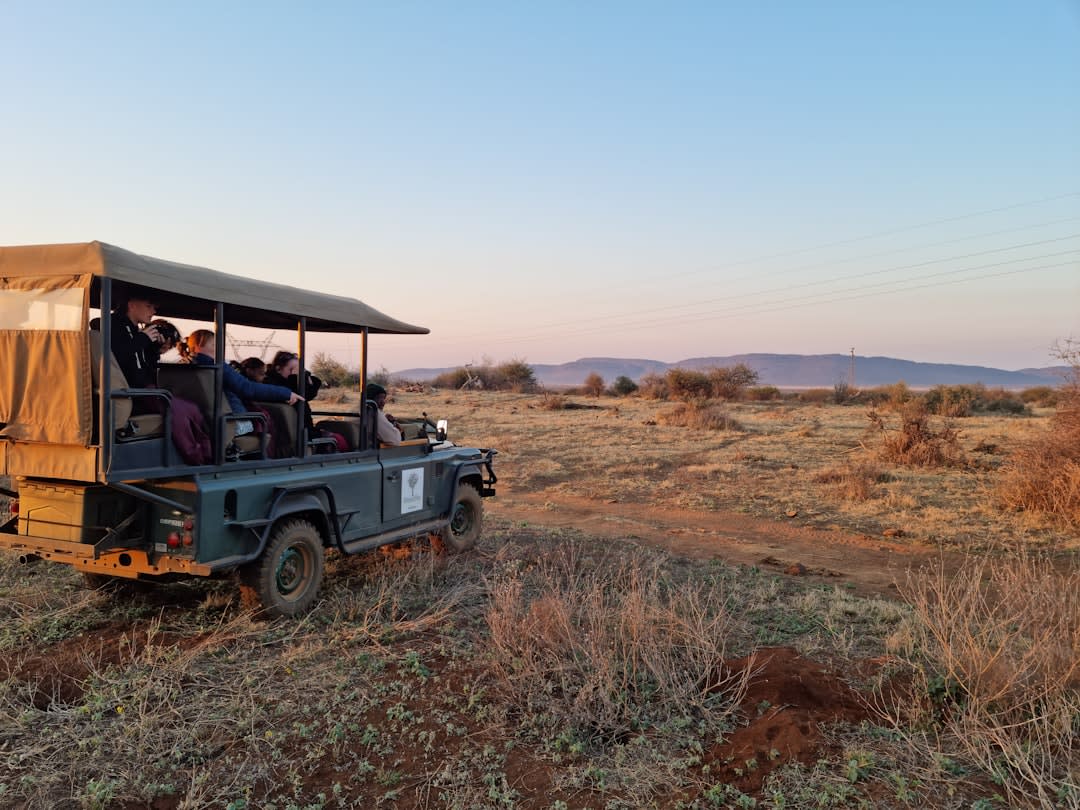
Travel Affiliate Gigs for Creators in 2026: Recurring Income Models That Work
Travel content creation has matured. Sponsorships still pay, but they're unpredictable. What successful creators in 2026 are building instead is recurring affiliate income—revenue that compounds as your audience grows, without renegotiating contracts every quarter.
The shift is real. Travel creators are moving away from awareness-level content ("10 best destinations") and toward decision-stage content ("how to book cheaper flights," "which booking platform has the best cancellation policy," "what to pack for a safari"). This is where affiliate revenue lives.
If you've been hesitant about affiliate marketing because it feels spammy or low-earning, this guide is for you. We'll break down legitimate travel affiliate gigs, show you the income numbers, explain how to structure content that converts, and introduce you to a high-ticket niche that most creators overlook.
What Are Travel Affiliate Gigs, and Why Are They Worth Your Time?
A travel affiliate gig is a partnership where you recommend travel products or services (hotels, flights, tours, insurance, credit cards, or entire trips) and earn a commission when someone books through your link. Unlike sponsorships, you don't pitch a brand once and move on. Your content keeps earning as long as it ranks and attracts readers.
Here's the income reality in 2026:
- Side-hustle level: $500–$2,000/month with 10k–50k monthly audience reach
- Full-time level: $3,000–$15,000+/month with 100k+ monthly reach and diversified programs
- High-ticket specialists: $5,000–$50,000+/month focusing on luxury travel or niche categories like African safaris
The variation depends on three factors: niche selection, audience size, and program choice. A creator with 50k Instagram followers recommending budget hostels might earn $800/month. The same creator recommending luxury safaris could earn $4,000/month on fewer clicks, because the booking values are 10–20x higher.
The Affiliate Marketing Advantage: Why It Beats One-Off Sponsorships
Sponsorship deals are transactional. You create content, get paid $1,000–$5,000, and move on. Affiliate marketing is compounding. Every piece of decision-stage content you publish becomes a long-term asset. A blog post comparing flight booking platforms might earn you $50 this month, $120 next month, and $200 six months from now as it climbs Google rankings.
You also maintain full creative control. There's no brand manager asking you to hit specific talking points. You recommend what you genuinely use, and your audience trusts you more for it.
The flexibility is unmatched. You work when and where you want. Many creators run affiliate programs while traveling full-time, managing everything from a laptop, with income flowing regardless of their location.
Types of Travel Affiliate Programs: Commission Models and Earning Potential
1. Booking Platforms (Accommodation, Flights, Tours)
Programs: Booking.com, Agoda, Expedia, Viator, Omio
Commission structure: 1.5%–8% per completed booking, or a percentage of Booking.com's commission (Booking.com offers 25%–40% of their commission to affiliates).
Why it works: High traffic volume. Millions of travelers search for hotels and flights monthly. Your barrier to entry is low—just a website or social following.
Reality check: Individual commissions are small ($5–$50 per booking), so you need volume. A creator with 100k monthly impressions might earn $300–$800/month from Booking.com alone.
Best for: Creators with large audiences, high-traffic blogs, or YouTube channels. Works well paired with other programs.
2. Travel Community and Membership Programs
Programs: WorldWide, Travel Hacked, Mile Hacker, Girl Boss Abroad
Commission structure: 30% per referral (recurring or one-time, depending on program).
Why it works: Higher commission per conversion. A single referral might earn $10–$30, and some programs offer recurring revenue if the member stays subscribed.
Reality check: Lower conversion rates than booking platforms. You're selling a membership, not a one-click booking. You need engaged, trust-based audience.
Best for: Creators with tight-knit communities, email lists, or loyal social followings.
3. High-Ticket Travel (Luxury, Safaris, Adventure)
Programs: Ultra Luxury Travel Collective, Private Jet & Yacht Affiliates, African safari operators, adventure travel companies
Commission structure: 5%–15% of booking value (sometimes flat fees of $500–$5,000+ per booking).
Why it works: Booking values are massive ($3,000–$50,000+). A single safari booking at $5,000 can pay you $150–$750 depending on the program's structure.
Reality check: Smaller audience, longer sales cycle. You need affluent followers or an email list of serious travelers. Conversion takes weeks or months.
Best for: Creators with luxury-oriented audiences, established blogs with organic search traffic, or email lists of high-net-worth travelers.
How to Structure Your Content for Affiliate Success
Not all content converts. The creators earning $5,000+/month have figured out what does.
Focus on Decision-Stage Content, Not Awareness
In 2026, affiliate revenue concentrates at the moment when travelers shift from dreaming to deciding. They've chosen their destination. Now they're comparing flight platforms, reading reviews, weighing cancellation policies, and checking booking windows.
Awareness content ("10 best destinations in Southeast Asia") gets views but rarely converts. Decision content converts consistently.
Examples of high-converting content:
- "Booking.com vs. Agoda: Which Saves You More on Hotels?"
- "When to Book Flights: A Data-Backed Guide"
- "Travel Insurance Comparison: What Actually Covers Adventure Activities"
- "Best Credit Cards for Travel Rewards in 2026"
- "How to Find Affordable Safari Packages Without Sacrificing Quality"
These posts attract people actively searching for solutions, not just inspiration. Google ranks them, they stay relevant for months, and they convert at 2–5% (vs. 0.1–0.5% for awareness content).
Weave Affiliate Links Naturally Into Useful Content
The best affiliate content doesn't feel like affiliate content. It teaches something valuable first, then mentions products as natural examples.
A fitness creator wearing affiliate workout gear while demonstrating proper exercise form isn't selling—they're just being themselves. A travel creator explaining how to find cheap flights and mentioning their preferred booking platform isn't spammy—they're sharing a tool they use.
Structure that works:
- Solve a problem or answer a question. "How do you find flights three months in advance at the lowest price?"
- Explain the method or principle. "Airlines release seats in waves. Booking 2–3 months early captures the first wave..."
- Mention the tool naturally. "I use Skyscanner and set up price alerts because..."
- Link to your affiliate URL. Clean, trackable, and placed where it makes sense.
Your content should provide value even if readers never click a link. That's what builds trust and, ironically, increases clicks.
Clean Up Your Affiliate Links
Long affiliate URLs with tracking codes scare people. Use a URL shortener (Bitly, TinyURL) or a link-in-bio tool (Linktree, Stan Store) to clean them up. Create unique shortened links for each platform so you can track which channels drive the most clicks and conversions.
Example: Instead of "booking.com/affiliate?partner=xyz&utm_source=blog&utm_medium=content&utm_campaign=flightguide," use "bit.ly/flight-deals-2026."
Disclose Affiliate Relationships—Clearly and Early
Transparency builds trust, and trust builds conversions. It also keeps you compliant with FTC guidelines.
Disclosure best practices:
- Place disclosures before affiliate links, not after
- Use clear language: "I earn money from these links" or "I'm an affiliate partner and earn a commission if you book through this link"
- Include disclosures on every piece of content with affiliate links
- Make disclosures visible without requiring clicks or scrolling
- For videos, include both verbal disclosures and text in descriptions
Many successful creators add trust-building reassurances alongside legal disclosures: "I only recommend products I personally use and genuinely believe in" or "My opinions are honest regardless of affiliate partnerships." This actually increases conversions because it signals integrity.
The Overlooked High-Ticket Niche: African Safaris
Most travel creators focus on budget destinations, hostels, and budget airlines. There's money there, but it's competitive and low-margin.
African safaris represent a different opportunity: high-ticket, underserved, and deeply profitable for affiliates.
Why African Safaris Are a Creator Goldmine
Booking values: $1,000–$15,000+ per safari. A 30% revenue share on a $5,000 safari booking pays you roughly $150. On a $10,000 booking, you earn around $300 per referral.
Lower competition: Most travel content focuses on Europe, Southeast Asia, or beach destinations. Safari content gets far less creator attention, which means less competition for search rankings and audience attention.
High intent audience: People searching for safari information are serious travelers planning major trips. They're not browsing casually. They're ready to book.
Evergreen content: "Best time to visit Kenya," "What to pack for a Tanzania safari," "How to photograph wildlife," and "Budget vs. luxury safari experiences" remain relevant year after year. Your content compounds.
Natural affiliate opportunities: Safari content naturally leads to bookings. You're not forcing recommendations. A detailed guide to the Serengeti naturally concludes with "here's how to book your safari."
How to Get Started with Safari Affiliate Content
Content ideas:
- "Tanzania Safari vs. Kenya Safari: Which Is Right for You?"
- "How Much Does an African Safari Cost? Budget Breakdown for 2026"
- "Best Time to See the Great Migration: Planning Your Safari"
- "Solo Female Travel in Africa: Safety, Costs, and Booking Tips"
- "All-Inclusive Safari Packages: What's Actually Included?"
- "Photography Tips for Wildlife: Gear and Settings for Safari"
Each of these posts attracts high-intent searchers and naturally leads to safari bookings.
SafariFind: A Legitimate African Safari Affiliate Program
If you're interested in entering the safari niche, the SafariFind Partner Program is worth serious consideration.
Why it stands out:
- 30% revenue share on every safari booking you refer (that's 30% of SafariFind's revenue on the booking, not a percentage of the tour price). A $3,000 safari pays you approximately $150. A $10,000 booking pays around $500.
- Free to join. No application fees, no minimum traffic requirements. Approval within 12 hours.
- Creator-friendly tools: Trackable affiliate links, embeddable widgets that match your site's design, real-time analytics, and a low payout threshold so you see earnings quickly.
- High-ticket bookings. SafariFind focuses on quality safari experiences, not budget tours. Average booking values are $3,000–$10,000+, which means meaningful commissions per referral.
- Underserved niche. Most travel affiliates ignore safaris. You won't be competing against 10,000 other creators for the same keywords.
The approval process is fast (12 hours), and you can join the SafariFind Partner Program today. Start with one or two safari guides, see how your audience responds, and scale from there.
Diversification: The Key to Stable Affiliate Income
Relying on a single affiliate program creates volatility. If Booking.com changes commissions or an algorithm update tanks your traffic, income drops overnight.
Successful creators in 2026 diversify across categories:
- Booking platforms (Agoda, Booking.com, Expedia) for volume
- One or two membership programs (WorldWide, Travel Hacked) for recurring revenue
- A high-ticket program (SafariFind, luxury travel operators) for big commissions
- Ancillary products (travel insurance, credit cards, luggage, travel guides) for additional revenue streams
This approach spreads risk. If one program's commission drops, others compensate. It also matches how travel actually unfolds. A reader might book a flight through Booking.com, purchase travel insurance through a separate link, and later book a safari through SafariFind—all from your content.
Tools and Platforms That Make Affiliate Management Easier
Managing multiple affiliate programs used to be a nightmare. In 2026, tools have evolved.
Link management: Bitly, TinyURL, or Linktree centralize your affiliate links and provide click tracking.
Affiliate networks: FlexOffers aggregates hundreds of travel programs in one dashboard, letting you compare commissions, track performance, and manage payouts without logging into 10 different affiliate portals.
Content optimization: Tools like SEMrush and Ahrefs help you identify decision-stage keywords with high search volume and low competition—exactly where affiliate revenue lives.
Analytics: Most affiliate programs (including SafariFind) provide real-time dashboards showing clicks, conversions, and earnings. Use these to identify your best-performing content and double down on what works.
Real Income Numbers: What Creators Are Actually Earning in 2026
Let's get specific, because vague promises don't help.
Scenario 1: A budget travel blog with 30k monthly organic traffic
- Primary program: Booking.com (3% average commission)
- Secondary program: Viator tours (8% commission)
- Conversion rate: 1.5% of traffic clicks an affiliate link; 10% of clickers book
- Average booking value: $400
- Monthly earnings: $180–$250
Scenario 2: A luxury travel YouTube channel with 50k subscribers
- Primary program: SafariFind (30% revenue share, $6,000 average booking)
- Secondary program: Ultra Luxury Travel Collective (12% commission, $25,000 average booking)
- Conversion rate: 2% of viewers click an affiliate link; 8% of clickers book within 90 days
- Traffic: 15k monthly views from YouTube
- Monthly earnings: $2,160–$4,320
Scenario 3: A niche safari blog with 10k monthly organic traffic from high-intent keywords
- Primary program: SafariFind (30% revenue share, $5,000 average booking)
- Secondary programs: Adventure travel operators, travel insurance
- Conversion rate: 3% of traffic clicks an affiliate link; 15% of clickers book within 60 days
- Monthly earnings: $1,125–$2,250
Notice the pattern: higher-ticket programs (SafariFind, luxury travel) and more qualified traffic (people actively searching for safaris) generate higher earnings per visitor. This is why the safari niche is so attractive for creators willing to specialize.
Common Mistakes Creators Make (and How to Avoid Them)
Mistake 1: Recommending Products You Don't Use
Your audience can sense inauthenticity. If you recommend a booking platform you've never used or a safari operator you've never visited, your credibility suffers. Conversions drop. Worse, your audience stops trusting you.
Fix: Only recommend programs and products you genuinely use. If you haven't booked a safari, don't write about it yet. Travel there first, then share your experience.
Mistake 2: Over-Linking and Spammy Placement
A blog post with 10 affiliate links scattered throughout feels promotional, not helpful. Readers bounce. Google penalizes it.
Fix: Limit yourself to 2–3 affiliate links per piece of content. Place them where they naturally fit—where you're recommending a specific tool or service, not randomly.
Mistake 3: Ignoring Mobile Experience
Most of your traffic comes from mobile devices. If your affiliate links break on mobile, if your widgets don't load, or if your content is hard to navigate on small screens, you lose conversions.
Fix: Test everything on mobile. Use mobile-friendly link shorteners. Check that SafariFind widgets (and other embeds) render correctly on all devices.
Mistake 4: Not Tracking Performance
If you don't know which content drives conversions, you can't optimize. You'll keep producing content that doesn't earn.
Fix: Use unique shortened links for each piece of content. Check your affiliate dashboard weekly. Double down on your top performers. Kill underperformers or rewrite them.
Getting Started: Your First 30 Days
Week 1: Audit your existing content. Which pieces get the most organic traffic? Which topics align with travel bookings? Start with those.
Week 2: Research 3–5 affiliate programs in your niche. Read the terms. Check commission rates and cookie duration. Apply to join the SafariFind Partner Program (approval within 12 hours) and one or two booking platforms.
Week 3: Write one high-quality decision-stage post. Focus on a specific problem travelers search for. Include 2–3 affiliate links naturally. Optimize for SEO.
Week 4: Promote that post. Share it in relevant communities, email lists, and social channels. Set up tracking. Check your affiliate dashboard daily to see if conversions come in.
By day 30, you'll have real data. You'll know if your audience converts. You'll see which programs and platforms work best for your niche. From there, you can scale.
Why 2026 Is the Right Time to Start
Travel affiliate marketing has matured. The low-hanging fruit (brand sponsorships, ad networks) is picked. What remains is more stable: recurring affiliate income from decision-stage content that ranks and converts year after year.
AI and algorithm changes have also shifted the playing field. Creators who focus on genuinely useful, decision-stage content (not AI-generated listicles) rank higher and earn more. Trust is infrastructure in 2026. Credibility feeds search algorithms and shapes which sources travelers trust.
The African safari niche is wide open. Most creators ignore it. You won't face the competition you'd face in "budget travel" or "Europe itineraries." A single well-researched safari guide can earn $500–$2,000/month in affiliate revenue for years.
If you've been hesitant about affiliate marketing, the time to start is now. Pick your niche, write one excellent post, and let compounding do the work.
Ready to Earn Recurring Income from Travel Content?
The SafariFind Partner Program is built for creators like you. Join free, get approved in 12 hours, and start earning 30% revenue share on every safari booking you refer.
Join the SafariFind Partner Program Today
You'll get trackable links, real-time analytics, embeddable widgets, and access to a high-ticket niche most creators overlook. Start with one safari guide. Scale from there.
Your audience is already planning their next adventure. Why not earn while helping them find it?
Frequently Asked Questions
How much can travel content creators actually earn with affiliate marketing?
Earnings range widely based on niche, audience size, and program selection. A budget travel creator with 30k monthly traffic might earn $200–$400/month from booking platforms. A creator focused on high-ticket safaris or luxury travel can earn $1,000–$5,000+/month with smaller, more qualified audiences. The highest earners (those earning $10,000+/month) typically diversify across multiple programs and focus on decision-stage content that converts at 2–5% rather than awareness content that converts at 0.1–0.5%.
Do I need a huge audience to make money with travel affiliate programs?
No. A travel blog with 5,000 monthly organic visitors can earn $100–$300/month if that traffic is high-intent (people actively searching for how to book safaris, for example). Conversely, a creator with 100k social followers but low engagement might earn less. What matters is audience quality and relevance, not just size. High-ticket programs like SafariFind reward qualified, engaged audiences over raw numbers.
What's the difference between awareness content and decision-stage content in affiliate marketing?
Awareness content answers 'where should I go?' (e.g., '10 best destinations'). It gets views but rarely converts to bookings. Decision-stage content answers 'how do I book?' or 'which platform is cheapest?' (e.g., 'Booking.com vs. Agoda comparison'). Decision-stage content attracts people actively planning trips, converts at 2–5%, and ranks well in Google. Most affiliate income comes from decision-stage content, not awareness.
Is the African safari niche really less competitive than other travel niches?
Yes. Most travel creators focus on budget destinations, Europe, or Southeast Asia. Safari content gets far less creator attention, which means less competition for search rankings and fewer affiliate creators bidding on safari-related keywords. Additionally, safari bookings are high-ticket ($3,000–$15,000+), so even a small number of conversions generate meaningful income. For a creator willing to specialize, safaris are a goldmine.
How long does it take to earn meaningful affiliate income?
If you publish high-quality decision-stage content today, you might see your first conversion within 30–60 days. However, meaningful income (where affiliate earnings feel like 'real money') typically takes 3–6 months of consistent content publication. This is because Google needs time to rank your content, and readers need time to trust your recommendations. The good news: once content ranks and converts, it keeps earning month after month with minimal additional effort.
What disclosure do I need to make when promoting affiliate links?
You must disclose that you earn money from affiliate links, placed before the link (not after). Use clear language like 'I earn a commission if you book through this link' rather than vague terms like 'I'm compensated.' Include disclosures on every piece of content with affiliate links, and make them visible without requiring clicks or scrolling. For videos, include both verbal and text disclosures. Transparency actually increases conversions because it signals integrity.
Should I join multiple affiliate programs or focus on one?
Diversify. Relying on a single program creates risk—if commissions change or traffic drops, income suffers. A solid strategy includes a high-volume program (Booking.com, Agoda), a membership program (WorldWide, Travel Hacked), and a high-ticket program (SafariFind, luxury travel). This spreads risk and matches how travel planning unfolds: readers book flights, purchase insurance, and reserve safaris from different sources. Diversification creates stable, growing income.
How do I track which affiliate programs and content are actually making money?
Most affiliate programs provide real-time dashboards showing clicks, conversions, and earnings. Use unique shortened links (via Bitly or your affiliate platform) for each piece of content so you can track which posts drive conversions. Review your affiliate dashboard weekly. Identify your top-performing content and topics, then write more like them. Kill or rewrite underperformers. Data-driven iteration is how creators scale affiliate income.
Can I recommend affiliate products I haven't personally used?
Technically yes, but don't. Your audience can sense inauthenticity, and credibility is your most valuable asset in affiliate marketing. If you recommend a booking platform you've never used or a safari operator you've never visited, your audience stops trusting you. Conversions drop. Only recommend programs and products you genuinely use. If you haven't experienced something, don't write about it yet—travel there first, then share your honest experience.
What makes the SafariFind Partner Program different from other travel affiliate programs?
SafariFind offers a 30% revenue share (30% of SafariFind's revenue on each booking, not a percentage of the tour price), which translates to approximately $150 per $3,000 safari and $500 per $10,000 booking. It's free to join with approval in 12 hours, requires no minimum traffic, and provides creator-friendly tools like trackable links, embeddable widgets, and real-time analytics. Most importantly, safaris are a high-ticket, underserved niche—you'll face less competition than in mainstream travel niches.
Ready to start your safari adventure?
Explore curated safari packages and find your perfect African adventure with verified operators.