Uganda Safari Animals: 15 Must-See Species in 2026
Discover Uganda Safari Animals: 15 Must-See Species in 2026 - Expert guide to safari tourism and wildlife destinations.

Uganda Safari Animals: 15 Must-See Species in 2026
Last updated: August 2026
Uganda’s parks support four of Africa’s Big Five and more than 1,000 bird species, making the country one of East Africa’s most varied wildlife destinations.
Uganda safari animals include mountain gorillas in Bwindi, chimpanzees in Kibale, tree-climbing lions in Ishasha, and elephants, hippos, buffalo, and crocodiles in Queen Elizabeth and Murchison Falls. A seven-day safari offers strong wildlife coverage, while gorilla trekking requires a permit. Wildlife viewing is possible year-round, with park choice shaping what you see.
Uganda Safari Animals at a Glance
- Wildlife highlights: Mountain gorillas, chimpanzees, lions, leopards, elephants, buffalo, hippos, crocodiles, giraffes, zebra, and 1,000-plus bird species
- Best parks: Bwindi, Kibale, Queen Elizabeth, Murchison Falls, Ishasha, and Lake Mburo
- Best time to visit: Wildlife viewing is available year-round; choose parks based on target species
- Recommended duration: Seven days for broad wildlife coverage and a gorilla trek
- Gorilla sighting rate: 99% on a seven-day safari when a permit is secured
- Safari price range: Request current package quotes because prices depend on permits, lodges, transport, and dates
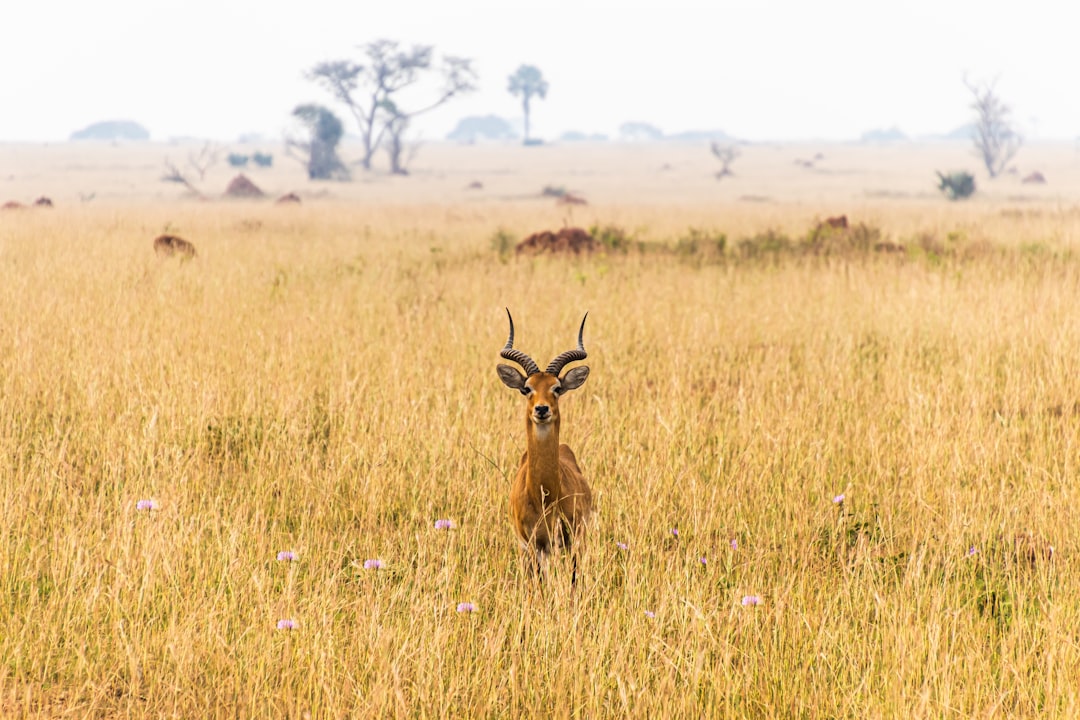
Introduction: What Makes Uganda Safari Animals Special?
Uganda safari animals are spread across forests, wetlands, rivers, and open savannah. This mix lets one trip combine primate trekking, classic game drives, boat safaris, and birdwatching. Bwindi protects mountain gorilla habitat. Kibale is linked with chimpanzees. Ishasha is known for tree-climbing lions. The Nile and Kazinga Channel provide important hippo and crocodile viewing areas.
Uganda is also known as the Pearl of Africa. Its wildlife experience differs from a single-park safari because each region offers a clear specialty. You can track gorillas in the morning, watch elephants beside a channel later, and search for lions on a savannah drive the next day.
Quick answer: The best Uganda safari animals to seek in 2026 are mountain gorillas, chimpanzees, elephants, lions, leopards, hippos, buffalo, crocodiles, giraffes, zebra, impala, eland, warthog, red-tailed monkeys, and shoebills. Plan at least seven days for broad coverage, then match each animal with the right park.
Use this guide to set realistic goals. No itinerary guarantees every species, but park selection improves your chances. Read the 2026 guide to Uganda’s parks, wildlife, and value before choosing your route.
What Are the 15 Must-See Uganda Safari Animals?
Uganda’s 15 must-see safari species cover great apes, Big Five animals, wetland wildlife, antelope, and birds. The strongest plan combines Bwindi or Kibale with Queen Elizabeth, Murchison Falls, or Lake Mburo. Each park adds a different habitat and a different set of wildlife encounters.
1. Mountain gorilla
Mountain gorillas are Uganda’s signature primate. Bwindi is identified as the best park, and sightings are possible year-round. A seven-day safari lists a 99% sighting probability when you have a permit. Gorilla trekking is a guided forest activity, not a standard game drive.
2. Chimpanzee
Chimpanzees are strongly associated with Kibale Forest. Their forest habitat creates a close, active tracking experience. Chimpanzee trekking works well beside gorilla trekking because both activities focus on great apes, but they take place in different regions.
3. African elephant
African elephants are among Uganda’s most dependable large mammals. Sightings are listed at 95–100%, with Queen Elizabeth and Murchison Falls named as leading parks. Look for elephants during game drives and near water, where herds often pause during the heat.
4. Hippopotamus
Hippos are a major reason to add a boat safari. Sightings are listed at 100% when you take a boat trip, especially on the Kazinga Channel or in Murchison Falls. Hippos spend much of the day in water, so a river or channel trip gives the best view.
5. African buffalo
African buffalo are one of Uganda’s four Big Five species. Uganda’s parks also support lions, leopards, elephants, and buffalo, although rhinos are not included in that national Big Five list. Buffalo sightings reach about 95% on a seven-day safari, according to the supplied checklist.
6. Lion
Lions are one of Uganda’s Big Five animals. Ishasha is especially associated with tree-climbing lions, an unusual behavior that makes this area different from many savannah parks. Add Ishasha when lions are a top goal, and allow time for patient game drives.
7. Leopard
Leopards are Uganda’s fourth Big Five predator. They are harder to find than elephants or hippos because they rest in cover and move quietly. Dawn and dusk drives offer useful search periods, but patient guiding matters more than a quick visit.
8. Nile crocodile
Nile crocodiles are linked with Uganda’s rivers and channels. The Nile and Kazinga Channel are identified as key places for hippos and crocodiles. A boat safari gives a low, water-level view and adds a different angle to a normal vehicle drive.
9. Rothschild’s giraffe
Giraffes are among the large mammals travelers seek on Uganda game drives. They fit best into open savannah routes, where their height makes them easier to spot. Ask an operator which northern or western park best matches current sightings.
10. Plains zebra
Plains zebra are especially associated with Lake Mburo’s mixed habitats. Lake Mburo hosts 68 mammal species, including zebra, impala, eland, hippo, buffalo, and warthog. The park adds smaller-scale savannah viewing to a gorilla or chimpanzee itinerary.
11. Impala
Impala are another Lake Mburo highlight. These antelope suit travelers who want varied herbivore viewing, not only predators and primates. Their presence also adds movement and color to open grassland drives.
12. Eland
Eland are large antelope listed among Lake Mburo’s 68 mammal species. Their size can surprise first-time safari travelers. Lake Mburo is therefore useful for adding antelope diversity to a shorter Uganda route.
13. Warthog
Warthogs are included among the mammals found in Lake Mburo. Their compact size and open-country behavior make them a fun find during a game drive. They also show why a good wildlife list should include smaller mammals.
14. Red-tailed monkey
Red-tailed monkeys represent Uganda’s rich forest primate life. Forest parks such as Kibale and Bwindi are the natural focus for primate viewing. Pairing a forest walk with a savannah drive gives your Uganda safari animals list more range.
15. Shoebill
The shoebill is one of Uganda’s most sought-after birds. Uganda has more than 1,000 bird species, so birding can add a major second focus to a mammal safari. Wetlands and boat routes are the best places to ask about specialist bird searches.
Explore Uganda safari packages with verified operators to match your target species with suitable parks and trip lengths.
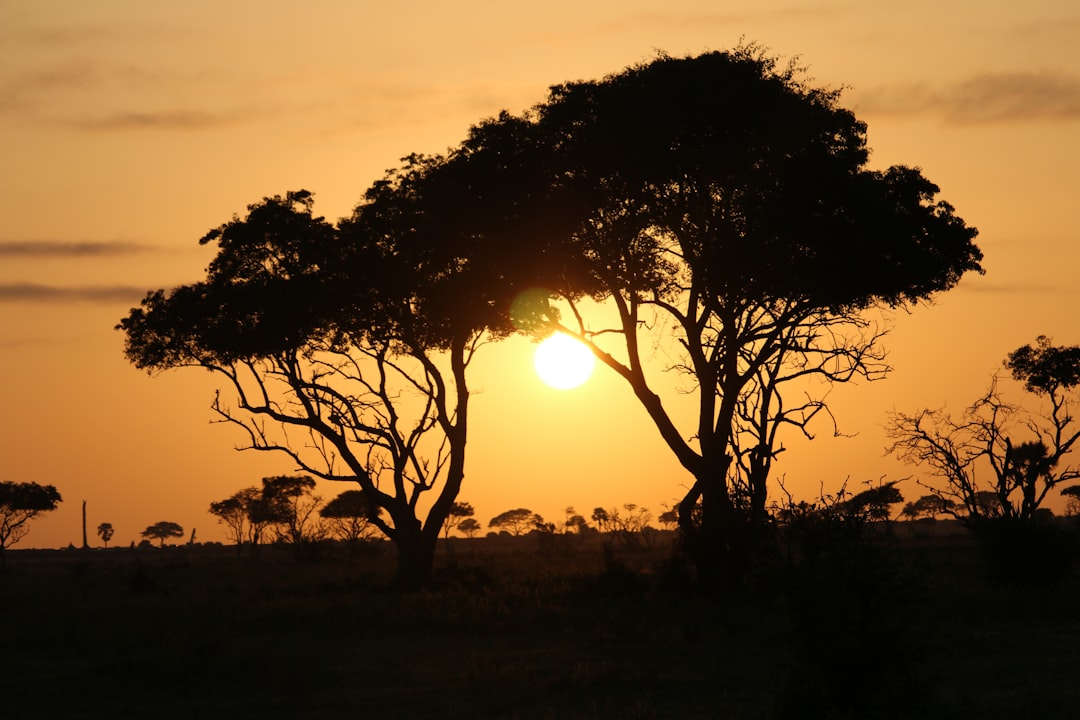
Where Can You See Uganda Safari Animals?
The best Uganda safari park depends on the animal you want to see. Bwindi is the clear choice for mountain gorillas, Kibale suits chimpanzees, Ishasha is linked with tree-climbing lions, and Queen Elizabeth and Murchison Falls offer strong water and savannah viewing. Lake Mburo adds zebra and antelope diversity.
Park-by-park wildlife guide
| Name | Price | Duration | Rating | Best For |
|---|---|---|---|---|
| Bwindi Impenetrable Forest | Quote-based | 1 or more trekking days | Not supplied | Mountain gorillas |
| Kibale Forest | Quote-based | 1 or more tracking days | Not supplied | Chimpanzees and forest primates |
| Queen Elizabeth National Park | Quote-based | 2 or more days | Not supplied | Elephants, hippos, buffalo, and channels |
| Murchison Falls National Park | Quote-based | 2 or more days | Not supplied | Elephants, hippos, crocodiles, and Nile views |
| Lake Mburo National Park | Quote-based | 1 or more days | Not supplied | Zebra, impala, eland, hippo, buffalo, and warthog |
Bwindi and Kibale are forest destinations, so they require walking with trained guides. Queen Elizabeth and Murchison Falls work well for classic game drives and boat trips. Lake Mburo suits travelers who want a shorter park visit with several antelope species in one area.
Boat safaris matter because water changes the viewing angle. Hippos and crocodiles are closely linked with the Nile and Kazinga Channel, while elephants often use wet areas during hot periods. Birders should also plan time for wetlands because Uganda supports more than 1,000 bird species.
Route planning saves time. Uganda’s parks are spread across different regions, so a rushed itinerary can reduce time in the field. Compare the 3-, 5-, and 7-day Uganda safari itineraries to see how park combinations affect wildlife coverage.
How Should You Plan a Uganda Wildlife Safari?
A Uganda wildlife safari starts with three choices: your priority animal, your trip length, and your preferred activity. Choose gorilla or chimpanzee trekking for forest encounters. Choose game drives for elephants, buffalo, lions, leopards, giraffes, and antelope. Add a boat safari for hippos and crocodiles.
Choose your wildlife priority
- Gorillas: Put Bwindi first and secure a permit before confirming dates. Sightings are listed at 99% with a permit on a seven-day safari.
- Chimpanzees: Put Kibale first and allow time for forest tracking.
- Big mammals: Combine Queen Elizabeth or Murchison Falls with game drives.
- Tree-climbing lions: Include Ishasha and avoid a rushed schedule.
- Birds: Add wetlands, rivers, and a bird-focused guide.
Choose the right safari activities
Game drives cover the widest mix of large mammals. Boat safaris improve hippo and crocodile viewing. Forest treks create the best chance of seeing great apes, but they require more walking and flexible timing.
Seven days is a useful planning target for broad wildlife coverage. It allows travelers to combine a forest experience with several savannah or water habitats. Shorter trips can still work, but they should focus on one region instead of trying to visit every major park.
Costs depend on gorilla permits, lodging, flights, park fees, transport, and the number of travelers. Do not rely on one headline figure. Instead, compare what each package includes. The Uganda safari cost guide for 2026 explains the main parts of a trip budget.
Safety and comfort also shape your experience. Choose a verified operator, check the vehicle plan, and confirm how guides handle wildlife viewing. Review the nine Uganda safari safety checks for 2026 before paying a deposit.
Request a quote from verified Uganda safari operators and compare inclusions, park routes, reviews, and permit support before you book.
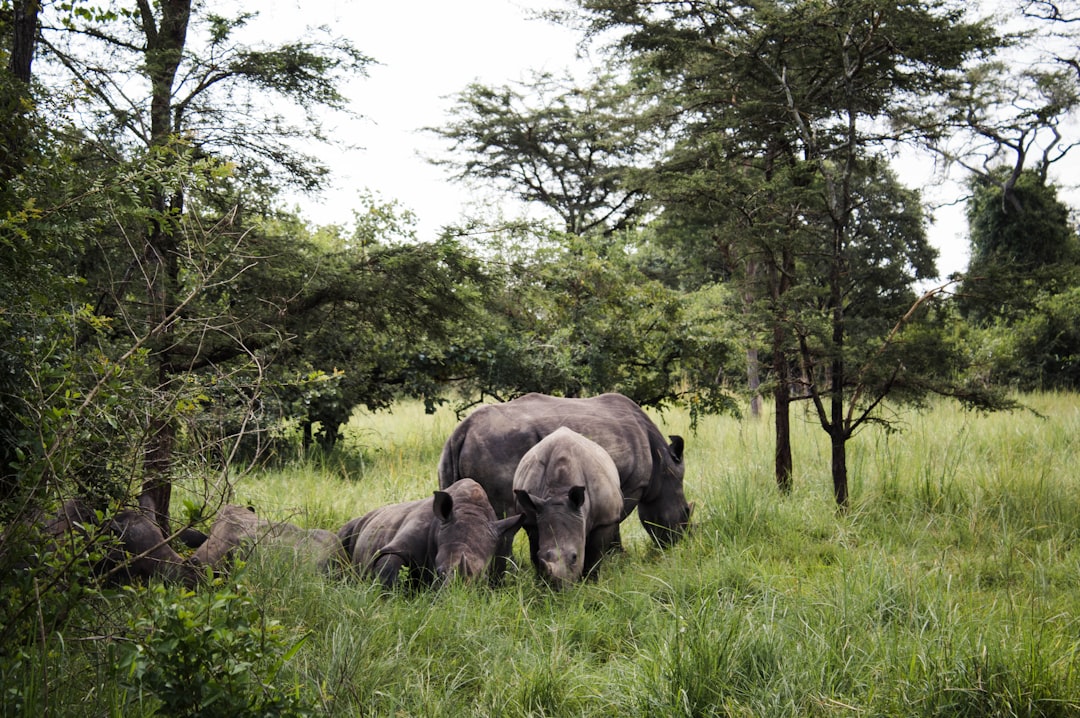
What Are the Best Practices for Seeing Uganda Safari Animals?
The best wildlife practice is to match your expectations with the habitat. Forest trekking is slower and more active than a game drive. Boat safaris focus on water edges. Savanna drives cover more ground, but predators can still stay hidden. A good guide explains animal behavior without disturbing wildlife.
Improve your sightings
- Start drives early when animals are active and light is softer.
- Carry binoculars for distant leopards, birds, and tree-top primates.
- Wear quiet, layered clothing for forest walks and changing weather.
- Follow guide instructions around gorillas, elephants, hippos, and buffalo.
- Keep cameras ready, but watch the animal instead of only the screen.
- Ask for both mammal and bird stops on boat routes.
Responsible viewing protects the same animals travelers come to see. Keep a safe distance, avoid loud calls, and never ask a guide to chase wildlife. Forest trekking also depends on park rules and guide decisions, so follow the instructions given before each walk.
Season choice should support your main goal. Gorilla sightings are described as possible year-round, while the best route depends on the park and activity. Read the Uganda safari weather guide for dry and green seasons before selecting travel dates.
Pack for more than one setting. A forest trek may need sturdy shoes and light layers. A boat safari needs sun protection. A game drive benefits from binoculars, a refillable water bottle, and a camera with a useful zoom. Your operator can confirm the final packing list.
Suggested wildlife combinations
- Great ape route: Bwindi for gorillas and Kibale for chimpanzees.
- Classic wildlife route: Queen Elizabeth and Murchison Falls for elephants, hippos, buffalo, and predators.
- Short variety route: Lake Mburo for zebra, impala, eland, hippo, buffalo, and warthog.
- Mixed specialist route: Ishasha for tree-climbing lions, then a forest or water-based park.
SafariFind connects travelers with verified tour operators and authentic traveler reviews. Compare routes carefully, then ask which Uganda safari animals each package targets.
Key Takeaways
- Choose Bwindi for mountain gorillas and secure a permit for the listed 99% sighting rate on a seven-day safari.
- Book Queen Elizabeth or Murchison Falls for elephants, which have listed sighting rates of 95–100%.
- Add a boat safari on the Kazinga Channel or in Murchison Falls for a listed 100% hippo sighting rate.
- Include Lake Mburo when you want zebra, impala, eland, hippo, buffalo, and warthog in one park.
- Plan seven days when combining forest trekking, game drives, and boat safaris across several regions.
Frequently Asked Questions
What animals can I see on a Uganda safari?
Uganda safari animals include mountain gorillas, chimpanzees, elephants, lions, leopards, hippos, buffalo, crocodiles, giraffes, zebra, impala, eland, warthog, red-tailed monkeys, and shoebills. Uganda also supports more than 1,000 bird species.
Where can I see mountain gorillas in Uganda?
See mountain gorillas in Bwindi Impenetrable Forest or Mgahinga Gorilla National Park. Bwindi is identified as the best park in the supplied checklist, and sightings are possible year-round when you have a permit.
What is the best park for elephants in Uganda?
Queen Elizabeth and Murchison Falls are the best parks for elephants in the supplied 2026 wildlife checklist. Elephant sightings are listed at 95–100%, making them among the most reliable large-animal encounters.
Can I see hippos and crocodiles in Uganda?
Yes, you can see hippos and crocodiles on Uganda boat safaris. The Kazinga Channel and Murchison Falls are key locations, and hippo sightings are listed at 100% when taking a boat safari.
How many days do I need for a Uganda wildlife safari?
Seven days is a strong target for a broad Uganda wildlife safari. That length can combine a forest trek with game drives and a boat safari, while shorter trips should focus on one region.
How do I book a Uganda safari with trusted operators?
Book through SafariFind to compare Uganda safari packages, connect with verified tour operators, and read authentic reviews from previous travelers. You can compare routes, inclusions, and current quotes before choosing a 2026 trip.
Conclusion: Find Your Uganda Wildlife Experience
Uganda safari animals offer one of Africa’s widest mixes of primates, predators, large mammals, wetland species, and birds. Bwindi is the key gorilla destination. Kibale is the chimpanzee choice. Queen Elizabeth and Murchison Falls suit elephants, hippos, buffalo, and boat safaris. Ishasha adds tree-climbing lions, while Lake Mburo adds zebra and antelope diversity.
Choose seven days when you want broad coverage. Choose a shorter route when one priority matters most. Confirm gorilla permits, park transfers, lodge details, and boat activities before you pay. Also compare operator reviews, because service quality shapes every wildlife day.
Compare verified safari packages on SafariFind and find a route built around the Uganda safari animals you most want to see. Request quotes, compare tour operators, and read authentic reviews before your 2026 adventure begins.
Uganda’s wildlife regions continue to offer a rich, varied safari experience in 2026. With careful planning, your trip can join forest trekking, savannah drives, river views, and birdwatching in one clear itinerary.
Image alt text suggestions:
- Mountain gorilla in Bwindi Impenetrable Forest during a Uganda safari in 2026
- Elephant herd beside a waterway in Queen Elizabeth National Park, Uganda
- Hippos and crocodile viewed from a boat on Uganda’s Kazinga Channel
- Tree-climbing lion resting in Ishasha, Uganda
- Plains zebra and impala in Lake Mburo National Park, Uganda
Plan Your Safari with SafariFind
These recommendations use real data from SafariFind, where you can compare operators, browse packages, and read verified traveler reviews before you book.
Recommended Safari Operators from SafariFind
Recommended Safari Packages from SafariFind
What Travelers Say (SafariFind Reviews)
References
- Uganda Wildlife Authority
- What Animals Will I See on a Uganda Safari? Ultimate Checklist 2026
- SafariFind: Uganda Safari Animals, What You’ll See in Each Park in 2026
- TourRadar: 10 Best Safari Tours in Uganda 2026/2027
- Naturalist Journeys: 2026 Uganda Wildlife Mammals Safari and Birding Tour
- NextGen Safaris: What to Expect on a Safari in Uganda
- TripAdvisor: The 15 Best Things to Do in Uganda in 2026
- AfricanMecca Safaris: Best Uganda Parks and Reserves for 2026–2027
V2Ui.sources
- Uganda Wildlife Authority
- What Animals Will I See on a Uganda Safari? Ultimate Checklist 2026
- SafariFind: Uganda Safari Animals, What You’ll See in Each Park in 2026
- TourRadar: 10 Best Safari Tours in Uganda 2026/2027
- Naturalist Journeys: 2026 Uganda Wildlife Mammals Safari and Birding Tour
- NextGen Safaris: What to Expect on a Safari in Uganda
- TripAdvisor: The 15 Best Things to Do in Uganda in 2026
- AfricanMecca Safaris: Best Uganda Parks and Reserves for 2026–2027
Related to
Ready to start your safari adventure?
Explore curated safari packages and find your perfect African adventure with verified operators.


