Uganda Safari Animals: 15 Species to See Beyond Gorillas
Discover Uganda Safari Animals: 15 Species to See Beyond Gorillas - Expert guide to safari tourism and wildlife destinations.

Uganda Safari Animals: 15 Species Beyond Gorillas Guide
Last updated: July 2026
Uganda’s official wildlife checklist includes 342 mammal species, but gorillas are only one part of the story.
Uganda Safari Animals: 15 Species to See Beyond Gorillas include lions, elephants, chimpanzees, hippos, leopards, shoebills, and several monkey species. Uganda is best for travelers who want forests, savannah, wetlands, and primate sightings in one trip. Safari costs depend on route and operator, so compare verified 2026 packages and request quotes before booking.
At a Glance
- Wildlife variety: Uganda records 342 mammal species, including 132 large mammals.
- Best known for: Gorillas, chimpanzees, lions, elephants, hippos, primates, and rich birdlife.
- Recommended duration: Allow 7 to 12 days for a route combining forest, savannah, and wetlands.
- Price range: No single 2026 price applies; route, permits, lodges, transport, and group size set the final cost.
- Best for: Primate fans, first-time safari travelers, birdwatchers, families, and photographers.
- Wildlife highlights: Cheetahs, leopards, servals, chimpanzees, shoebills, zebras, giraffes, and tree-climbing lions.

What Are Uganda Safari Animals Beyond Gorillas?
Uganda Safari Animals: 15 Species to See Beyond Gorillas cover far more than mountain gorillas. Uganda combines tropical forest, open grassland, lakes, rivers, swamps, and remote savannah. This mix creates space for large mammals, small predators, primates, antelope, reptiles, and birds.
Uganda is also a strong choice for travelers who want variety without visiting many countries. One forest area described in the research supports 120 mammals, 51 reptiles, 310 butterfly species, 27 frog species, and more than 350 bird species. Therefore, a forest walk can add much more than a gorilla trek.
The best Uganda safari animals beyond gorillas are lions, elephants, chimpanzees, hippos, leopards, cheetahs, giraffes, zebras, monkeys, and shoebills. Each species suits a different habitat. Savannah drives favor big cats and herbivores, while forest walks favor primates. Wetlands offer hippos, crocodiles, and rare birds.
Uganda’s Wildlife Range
Uganda’s mammal checklist includes 342 species, with 132 classed as large mammals. The list also includes less familiar animals that most visitors do not expect to see. These records include 94 bat species, 70 rat and mouse species, and 33 shrew and otter-shrew species.
Small mammals rarely become the main focus of a classic game drive. However, they show the depth of Uganda’s ecosystems. The country also records eight gerbil species, four elephant-shrew species, and one golden-mole species. A specialist guide can help you notice these animals.
Why Uganda Matters for Wildlife Trips
Uganda is known for linking primate tourism with classic African safari viewing. Chimpanzees, red-tailed monkeys, baboons, and black-and-white colobus monkeys add variety after a gorilla trek. Savannah parks then bring a different pace, with lions, elephants, zebra, giraffe, and antelope.
Uganda is best for travelers who want active days. A trip can include a forest hike, a chimpanzee walk, a boat excursion, and several game drives. It can also suit photographers who want changing backgrounds, from deep green forest to open plains.
Travelers ready to compare routes can explore Uganda safari packages with verified operators and check which itineraries include forest, savannah, or wetland habitats.
Fifteen Species to Put on Your List
- African lion: Lions are among Uganda’s key big cats. Some Uganda safari areas are also linked with rare tree-climbing lion sightings.
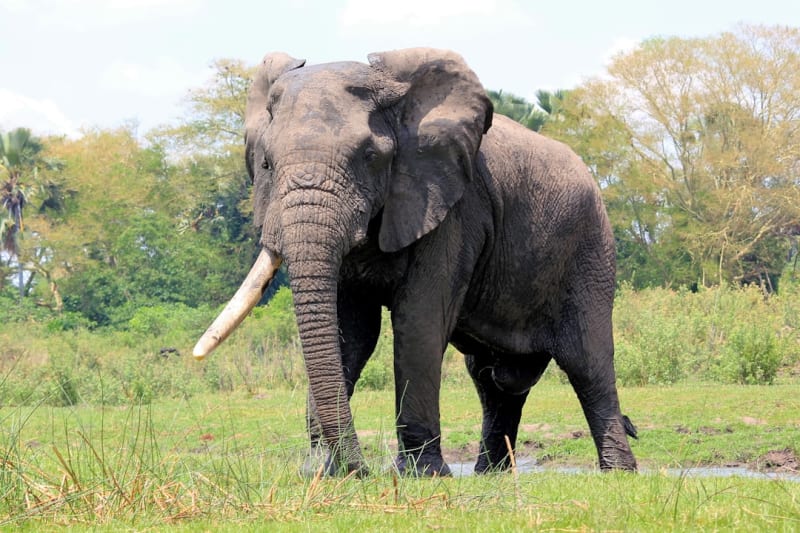
- African elephant: Elephants are major large mammals and an important part of Uganda’s safari appeal.
- Hippopotamus: Hippos are associated with Uganda’s lakes and rivers. Boat activities can offer a useful way to view water-edge wildlife.
- Cheetah: Cheetahs are listed among Uganda’s notable safari animals.
- Leopard: Leopards are present among Uganda’s large predators, although their secretive habits make sightings less predictable.
- Spotted hyena: Hyenas add another predator to Uganda’s wildlife checklist.
- Zebra: Zebras are among the open-country animals visitors may seek during savannah drives.
- Giraffe: Giraffes are a clear target for travelers who want large herbivores beyond elephants and hippos.
- Chimpanzee: Chimpanzees are one of Uganda’s most important primate attractions beyond gorillas.
- Red-tailed monkey: Red-tailed monkeys are among the forest primates recorded on Uganda safari routes.
- Olive baboon: Baboons add an easy-to-recognize primate encounter in suitable forest and savannah habitats.
- Black-and-white colobus monkey: This striking forest monkey is another reason to plan time beyond a gorilla trek.
- Shoebill: The shoebill is a major birding target, especially for visitors interested in Uganda’s wetlands.
- Serval: Servals are small, graceful cats listed among Uganda’s less common predators.
- African wild dog: African wild dogs belong to Uganda’s wider dog-like predator group and are a specialist wildlife interest.
Which Uganda Safari Animals Can You See in Each Habitat?
Uganda’s habitats shape the animal sightings you can expect. Forest routes focus on primates, savannah routes focus on large mammals and predators, and wetlands focus on hippos and specialist birds. A good itinerary combines at least two habitat types instead of treating Uganda as a single wildlife destination.
Forest Wildlife
Forest safaris are best for chimpanzees, red-tailed monkeys, baboons, and black-and-white colobus monkeys. Uganda’s forest areas support 120 mammals and more than 350 bird species in one research description. Visitors should expect walking, thick vegetation, and close attention to calls and movement.
Chimpanzees are the main non-gorilla primate target for many visitors. Their behavior differs from gorillas, so a chimpanzee walk adds a fresh experience. Guides often focus on sound, feeding signs, nests, and movement through the canopy.
Red-tailed monkeys and colobus monkeys can reward slow forest walks. These animals often stay above eye level. A guide’s knowledge helps you scan branches instead of looking only along the trail.
Forest wildlife also includes many animals that travelers do not notice at first. Uganda records 94 bat species, 70 rat and mouse species, and 33 shrew and otter-shrew species. These figures show why night walks and specialist tours can add depth to a standard itinerary.
Savannah Wildlife
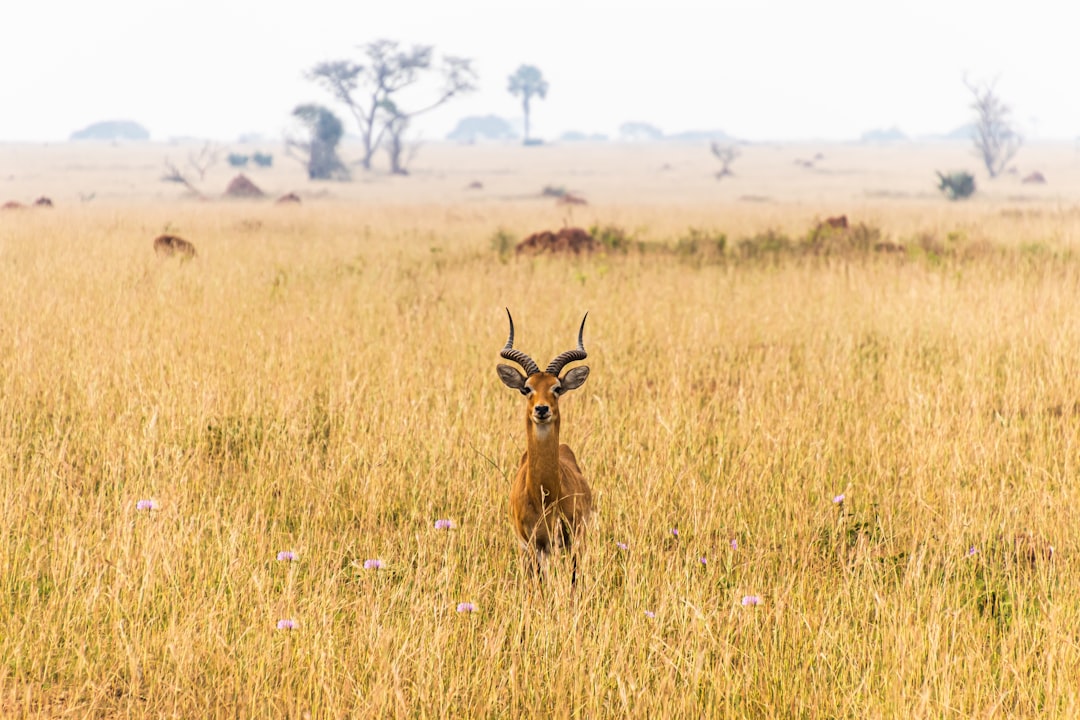
Savannah drives are best for lions, elephants, giraffes, zebras, cheetahs, hyenas, and antelope. Open grassland makes larger animals easier to scan than forest. However, predators still move, rest, and hunt on their own schedule, so several drives improve your chances.
Lions provide one of the classic safari encounters. Uganda is also known for reports of tree-climbing lions in the Ishasha sector of Queen Elizabeth National Park. This behavior is unusual enough to make the area a special target for photographers.
Elephants, giraffes, and zebras create strong group sightings. They also help travelers understand how different species share the same landscape. A skilled guide can explain tracks, feeding patterns, alarm calls, and predator behavior.
Cheetahs, leopards, servals, and hyenas need more patience. These predators are not equal in size or behavior. Servals are small cats, while leopards often stay hidden. Therefore, a quiet vehicle and an early start can matter.
Wetlands and Waterways
Wetlands are best for hippos, crocodiles, water birds, and shoebills. A water-based activity changes the viewing angle and often slows the trip down. Shoebill-focused excursions are especially useful for birdwatchers who want a rare and memorable species beyond Uganda’s mammals.
Hippos are among the most recognizable water animals on a Uganda safari. They often rest in water during the day and feed on land later. Visitors should follow guide instructions because hippos are large, powerful wild animals.
The shoebill is a headline bird for Uganda visitors. Mabamba Swamp is described as a birdwatcher’s destination featuring this sought-after species. A wetland visit can also support a wider bird list, rather than focusing on one target.
Remote Wildlife Areas
Kidepo Valley National Park is in Uganda’s remote northeast, near the borders with South Sudan and Ethiopia. It is widely described as one of the country’s most spectacular and less-visited wild areas. Its remote setting appeals to travelers who want fewer vehicles and a stronger sense of wilderness.
Remote routes require more planning than short park visits. Travel time, road conditions, accommodation, and vehicle support all affect the final plan. Ask operators for a clear route map before you confirm your booking.
How Should You Plan a Uganda Wildlife Safari?
Plan a Uganda wildlife safari around habitats, not only headline species. Start with the animals you want to see, then choose forests, savannah, wetlands, or remote parks. Add enough nights for travel and repeat drives. In 2026, compare inclusions carefully because permits, transport, lodging, and activities differ.
Choose Your Main Wildlife Goal
Start by choosing one main goal and two supporting goals. For example, you may want chimpanzees first, lions second, and shoebills third. This approach helps an operator build a route that fits your time instead of adding every park.
- Choose forest routes for chimpanzees and other primates.
- Choose savannah routes for lions, elephants, zebras, giraffes, and cheetahs.
- Choose wetland routes for hippos, water birds, and shoebills.
- Choose remote routes for a quieter trip and a less visited setting.
Build a Balanced Itinerary
A 7-day trip can focus on one major region and one supporting activity. A 10- to 12-day trip gives you more room for forest, savannah, wetlands, and travel days. Your operator should explain driving time between stops before you pay a deposit.
Uganda’s route choices also affect the trip’s pace. A gorilla permit can anchor the itinerary, but other activities may include chimpanzee tracking, game drives, boat trips, and birding. Read the full package plan rather than relying on the animal list alone.
For a wider planning view, read this guide to Uganda safari packages and route choices for 2026. It can help you match your budget and travel style with a practical route.
Prepare for Health and Entry Rules
Health preparation should happen before your departure date. Travelers should check current medical advice with a qualified clinic and review official entry rules. Requirements can depend on your departure country, transit points, vaccination history, and current regulations.
Swedish travelers can review the current guide to Uganda vaccinations for Swedish travelers in 2026. Irish travelers can use the separate Uganda vaccination guide for Irish travelers. Always confirm the final rules with an official source or medical professional.
Use a Verified Operator
SafariFind connects travelers with verified tour operators and authentic traveler reviews. Compare what each package includes, such as park fees, permits, airport transfers, meals, guide services, and accommodation. Ask for a written quote when two packages look similar.
Useful questions include: How many game drives are included? Which habitat does each night cover? Is the vehicle private or shared? Are park fees included? What happens if a planned activity changes?
To compare packages that match your route and wildlife goals, request quotes from verified Uganda safari operators and review the listed inclusions before booking.
Practice Responsible Wildlife Viewing
Responsible viewing protects both animals and visitors. Keep a safe distance, follow guide instructions, avoid loud calls, and never feed wildlife. Do not ask a driver to chase an animal for a photograph.
Use a quiet camera, carry binoculars, and wear neutral clothing for walks. A small notebook can help you record habitat, behavior, and bird sightings. The best wildlife memories often come from watching patiently rather than searching quickly.
Check Travel Documents
Entry documents are another part of planning. Swedish travelers can read the current Uganda visa guide for Swedish citizens in 2026. Travelers from other countries should check their own entry rules and allow time for any required application.
Key Takeaways
- Start with Uganda’s 342 recorded mammal species to understand the country’s wildlife depth.
- Choose forest routes for chimpanzees, red-tailed monkeys, baboons, and colobus monkeys.
- Add savannah drives for lions, elephants, cheetahs, leopards, giraffes, zebras, and hyenas.
- Include a wetland activity if shoebills and hippos are high on your wildlife list.
- Compare 2026 package inclusions, permits, transport, lodging, and guide services before paying.
Frequently Asked Questions
What are the best Uganda safari animals beyond gorillas?
The best Uganda safari animals beyond gorillas include lions, elephants, chimpanzees, hippos, leopards, cheetahs, giraffes, zebras, shoebills, and several monkey species. Forest, savannah, and wetland routes offer different sightings, so a mixed itinerary creates the widest experience.
How many mammal species does Uganda have?
Uganda’s animal checklist includes 342 mammal species, including 132 large-mammal species. The checklist also records 94 bat species, 70 rat and mouse species, 33 shrew and otter-shrew species, eight gerbil species, four elephant-shrew species, and one golden-mole species.
Can you see lions and elephants in Uganda?
You can look for lions and elephants on Uganda’s savannah safari routes. Lions are also linked with rare tree-climbing behavior in the Ishasha sector of Queen Elizabeth National Park. Several game drives give guides more chances to locate moving or resting animals.
Where can you see chimpanzees in Uganda?
You can see chimpanzees on Uganda’s forest safari routes. Chimpanzees are one of the country’s main primate attractions beyond gorillas. Forest walks may also include red-tailed monkeys, baboons, and black-and-white colobus monkeys.
Is Uganda good for birdwatching?
Uganda is good for birdwatching because one forest area described in the research supports more than 350 bird species. Wetland trips also target the shoebill, a sought-after bird associated with Mabamba Swamp. Ask your operator whether a bird guide is included.
How much does a Uganda wildlife safari cost in 2026?
A Uganda wildlife safari has no single 2026 price because route, permits, lodges, transport, activities, and group size change the total. Compare full inclusions instead of comparing headline prices only. SafariFind helps travelers compare packages and request quotes from verified operators.
Conclusion: See More Than Gorillas in Uganda
Uganda safari animals include 342 recorded mammal species, with 132 large mammals, as well as rich bird and forest life. Gorillas may bring you to Uganda, but lions, elephants, chimpanzees, hippos, shoebills, leopards, giraffes, zebras, and monkeys can shape the rest of the journey.
Choose a forest route for primates, a savannah route for big mammals, and a wetland trip for hippos and shoebills. A 7- to 12-day plan gives you more time to combine habitats, but your operator should confirm travel times and activity details.
Review health and entry guidance before departure. Then compare verified safari packages on SafariFind, read authentic traveler reviews, and request a quote that matches your wildlife list. In 2026, careful planning helps you see more species while keeping the trip clear, safe, and well paced.
Image Alt Text Suggestions
- “Lion resting in Uganda’s savannah during a wildlife game drive”
- “Chimpanzee moving through a Ugandan tropical forest”
- “Shoebill standing in Mabamba Swamp wetlands in Uganda”
- “Elephant herd crossing open grassland on a Uganda safari”
- “Black-and-white colobus monkey in Uganda forest canopy”
Plan Your Safari with SafariFind
These recommendations use real data from SafariFind, where you can compare operators, browse packages, and read verified traveler reviews before you book.
Recommended Safari Operators from SafariFind
Recommended Safari Packages from SafariFind
What Travelers Say (SafariFind Reviews)
References
Sources
Related to
Ready to start your safari adventure?
Explore curated safari packages and find your perfect African adventure with verified operators.