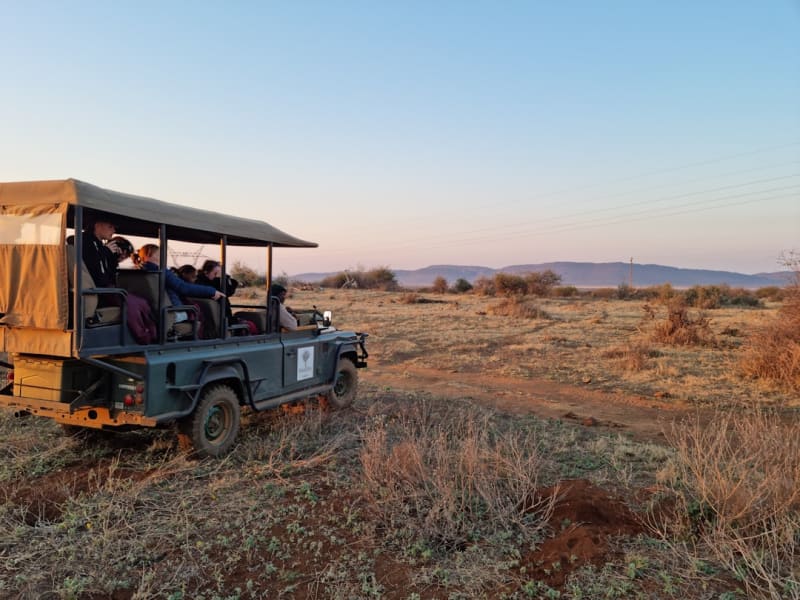
Vaccinations & Health Rules for Eswatini for British Citizens 2026
Yellow fever vaccination is required only if you're arriving from a yellow fever endemic country; hepatitis A and malaria prevention are recommended. Always confirm entry rules with official sources before travel.
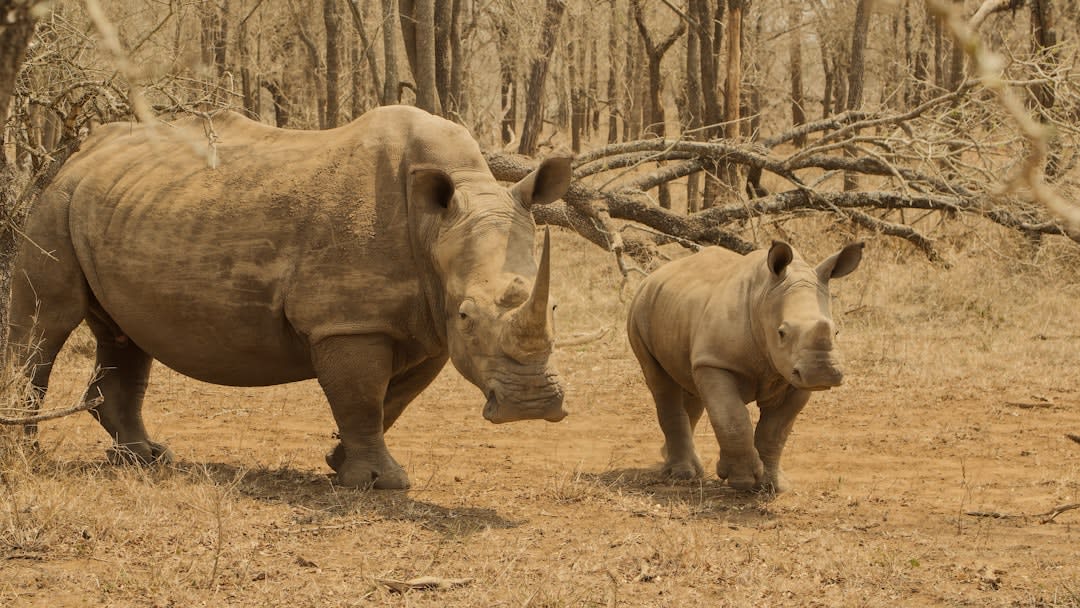
Quick Answer: Vaccine & Health Requirements for UK Travellers to Eswatini
If you're travelling directly from the United Kingdom to Eswatini, yellow fever vaccination is not required for entry. However, if your journey includes a stopover in a yellow fever endemic country (including a transit of more than 12 hours through an airport in such a country), you will need proof of yellow fever vaccination. Hepatitis A and malaria prevention are recommended for most travellers. You should also complete a health screening form on arrival.
| Vaccine/Prevention | Required? | Notes |
|---|---|---|
| Yellow Fever | Only if from endemic country | Valid for life; must be original certificate |
| Hepatitis A | Recommended | For all unvaccinated travellers |
| Malaria Prophylaxis | Recommended (lowveld only) | Eastern side of country; start before travel |
| Tetanus/Polio/Diphtheria | Recommended | Routine immunisations; check UK schedule |
Yellow Fever Certificate Rules for UK Travellers
Eswatini itself is not a yellow fever endemic country, so if you're flying directly from the UK, you don't need proof of yellow fever vaccination to enter. However, the requirement depends on your full travel itinerary.
When Yellow Fever Vaccination Is Required
You must carry proof of yellow fever vaccination (an original International Certificate of Vaccination or Prophylaxis – the "yellow card") if:
- You are arriving from a country listed by the WHO as having a risk of yellow fever virus transmission (including most of West and Central Africa, parts of South America, and some Asian countries)
- You have transited through an airport in a yellow fever endemic country for more than 12 hours, even if you did not leave the airport
- You are aged 9 months or older at the time of travel
Since most UK travellers reach Eswatini via South Africa, confirm whether your route involves any yellow fever endemic countries. If you're uncertain, obtain the vaccination before departure.
Yellow Fever Certificate Validity & Format
The yellow fever certificate is now valid for the lifetime of the vaccinated person. As of July 2016, the World Health Organization removed the 10-year booster requirement, so you do not need a repeat vaccination if you were vaccinated at any point in the past and can produce the original certificate.
Critical: The certificate must be the original physical document. Photocopies, digital photos, or mobile phone images are not accepted at immigration checkpoints. Store your yellow card with your passport, not in checked luggage.
The vaccination must be administered at least 10 days before travel; the certificate is not valid until 10 days after the vaccine is given.
Recommended Vaccinations for Eswatini Travellers
Beyond yellow fever entry requirements, the UK Foreign, Commonwealth & Development Office (FCDO) and CDC recommend the following vaccinations for travellers to Eswatini:
Hepatitis A
Recommended for all unvaccinated travellers of all ages. Hepatitis A is spread through contaminated food and water. The vaccine is given in two doses, with the second dose administered 6–12 months after the first. You should complete the series at least 2 weeks before departure, though the first dose offers some protection.
Tetanus, Polio & Diphtheria (Td/Tdap)
Ensure you are up to date with routine tetanus, polio, and diphtheria immunisations, now given as a single combined vaccine. Check your NHS immunisation records to confirm you have completed the primary series and any boosters due under the UK schedule.
Typhoid
Recommended for most travellers, especially those staying with friends or relatives, visiting smaller cities, or travelling to rural areas. There are two typhoid vaccines available in the UK; consult your travel clinic on timing and type.
Other Routine Vaccinations
Ensure you are up to date with routine childhood and adult vaccinations, including measles, mumps, rubella (MMR), and COVID-19.
Malaria: Risk Areas, Prophylaxis & Prevention
Malaria is present in parts of Eswatini but not in all regions. Your need for malaria prevention depends on where you plan to travel within the country.
Malaria Risk Zones
Malaria transmission occurs in the eastern lowveld and Lubombo Mountains of Eswatini. This includes game reserves such as Hlane Royal National Park and Mkhaya Game Reserve. The western highlands and central regions (including the capital, Mbabane) are generally at lower or no risk.
If you are visiting safari lodges or reserves on the eastern side of the country, discuss malaria prophylaxis with your GP or travel clinic at least 4–6 weeks before departure. Eswatini is also making progress towards malaria elimination; check the latest epidemiological data with your healthcare provider.
Malaria Prophylaxis (Preventive Medication)
The CDC recommends that travellers to malaria risk areas in Eswatini take prescription antimalarial medication. Options include atovaquone-proguanil (Malarone), doxycycline, or mefloquine; your doctor will recommend the most suitable option based on your medical history and the specific areas you'll visit.
Timing is crucial: Depending on the medication, you must start taking antimalarial pills several days before arrival, continue during your stay, and continue for a set period after departure (often 4 weeks). Do not delay this conversation with your GP.
Mosquito Bite Avoidance
Malaria is transmitted by mosquitoes, particularly between dusk and dawn. Reduce your risk by:
- Using insecticide-treated bed nets, especially in risk areas
- Wearing long sleeves and trousers during dawn and dusk
- Using insect repellent containing at least 20% DEET on exposed skin
- Staying in air-conditioned or screened accommodation where possible
Health Documents & Travel Insurance
Health Screening Form on Arrival
Eswatini requires all travellers to complete a health screening form on arrival. The Ministry of Health recommends printing and completing the form before your flight; hand it to a port health officer on arrival at King Mswati III International Airport or land borders. This can help reduce queuing time and ensure a smoother entry process.
Travel Insurance
Comprehensive travel health insurance is essential. Eswatini has basic healthcare in urban areas, but serious accidents, emergencies, and specialised treatment typically require evacuation to South Africa. Your insurance must cover:
- Medical treatment in Eswatini and South Africa
- Emergency medical evacuation to South Africa
- Repatriation to the UK
- Any pre-existing medical conditions you have
Confirm that your provider covers safari activities and remote areas if you plan to visit national parks or game reserves.
UK Passport & Visa Requirements
While not a health requirement, ensure your passport is valid for at least 3 months beyond your planned departure date and has at least 2 blank pages for entry stamps. For visa information, see our guide to Eswatini visas for British citizens, which covers the 30-day visa exemption and extension rules.
Medication Rules & What to Pack
Bringing Medicines into Eswatini
The legal status and regulation of some medicines prescribed or bought in the UK differ in Eswatini. If you are taking prescription medications:
- Carry them in their original, clearly labelled containers
- Bring a copy of your prescription or a letter from your GP explaining what you take and why
- Pack them in your carry-on luggage, not checked baggage
- Check with your airline and the UK Foreign Office for any restricted substances
Some common UK medicines may be unavailable in Eswatini; bring sufficient supplies for your entire trip plus a few extra days.
Health & Safety Kit to Pack
Pack a basic medical kit including:
- Personal prescription medications (in original containers)
- Antimalarial tablets (if prescribed)
- Insect repellent (20% DEET minimum)
- Sunscreen (SPF 30+)
- Antihistamine for insect bites
- Paracetamol and ibuprofen
- Anti-diarrhoea medication (e.g. loperamide)
- Antacid tablets
- Blister plasters and wound dressing
- Any personal medical devices (e.g. EpiPen, inhaler)
Healthcare in Eswatini & Emergency Services
Availability & Quality of Healthcare
Basic healthcare is available in Eswatini's main towns, including Mbabane and Manzini. However, there are frequent shortages of common medicines, and specialised treatment is limited. For serious accidents, emergencies, or conditions requiring specialised care, you will likely need to be evacuated to a private hospital in South Africa.
Emergency Numbers
In a medical emergency in Eswatini, call 977 or 933 and ask for an ambulance.
Private Healthcare & Costs
Private hospitals in Eswatini can arrange medical evacuation to South Africa if you are fully insured or can produce funds in advance. Contact your travel insurance provider immediately if you require emergency treatment. Confirm your insurance policy covers evacuation costs before departure.
HIV/AIDS & Sexual Health
Eswatini has one of the highest HIV prevalence rates globally. As of 2015, approximately 28.8% of adults aged 15 or over were living with HIV, compared to 0.2% in the UK. While the country is making significant progress in epidemic control, take standard precautions to avoid exposure:
- Use condoms consistently and correctly
- Avoid sharing needles or other equipment that may come into contact with blood
- Be cautious with any medical or dental procedures; ensure equipment is sterile
If you believe you have been exposed to HIV, seek post-exposure prophylaxis (PEP) immediately at a local clinic or hospital.
Pre-Travel Health Checklist
At least 8 weeks before your trip:
- Book an appointment with a travel clinic or your GP
- Discuss your full itinerary, including any yellow fever endemic countries you may transit through
- Confirm which vaccinations you need and schedule them (some require multiple doses)
- If visiting eastern Eswatini, discuss malaria prophylaxis
- Check your routine immunisations (tetanus, polio, MMR, COVID-19) are up to date
- Arrange comprehensive travel health insurance
- Review the UK Foreign Office health advice for Eswatini
- Check your passport validity (at least 3 months beyond return; 2 blank pages)
If you are planning a safari, you may also want to research Eswatini national park fees and availability and safari lodge options to confirm the regions you'll visit and adjust your health preparations accordingly.
Key Takeaways
- Yellow fever: Not required if travelling directly from the UK; required if arriving from endemic countries or transiting more than 12 hours through an airport in a yellow fever zone.
- Hepatitis A: Recommended for all travellers; two-dose series starting at least 2 weeks before departure.
- Malaria: Risk in eastern lowveld and Lubombo Mountains; prophylaxis recommended; prevention via insect avoidance essential.
- Routine vaccines: Ensure tetanus, polio, diphtheria, and other routine vaccinations are up to date.
- Travel insurance: Essential; must cover medical treatment, evacuation to South Africa, and repatriation to the UK.
- Health screening: Complete the health declaration form before arrival at the airport or border.
- Healthcare quality: Basic care available locally; serious emergencies require evacuation to South Africa.
Last checked July 2026 — always confirm with official sources before travelling. Requirements change; consult the UK Foreign Office (GOV.UK), your GP or travel clinic, and Eswatini's Ministry of Health for the most current information.
Frequently Asked Questions
Do British citizens need a yellow fever vaccination to enter Eswatini?
No, not if you are travelling directly from the United Kingdom. However, if your journey includes a stopover in a yellow fever endemic country or a transit of more than 12 hours through an airport in such a country, you will need proof of yellow fever vaccination. Check your full itinerary with your travel clinic before departure.
Is the yellow fever certificate valid for life?
Yes. Since July 2016, the yellow fever certificate is valid for the lifetime of the vaccinated person. You no longer need booster vaccinations or a new certificate, provided you can produce the original physical document. Keep the yellow card with your passport, not in checked luggage.
What vaccinations are recommended for Eswatini?
Hepatitis A is recommended for all unvaccinated travellers. Tetanus, polio, and diphtheria vaccinations should be up to date. Typhoid is recommended, especially for those visiting rural areas or staying with friends and family. Ensure routine vaccinations (MMR, COVID-19) are also current.
Do I need malaria prophylaxis for Eswatini?
Malaria prophylaxis is recommended if you are visiting the eastern lowveld and Lubombo Mountains, including game reserves such as Hlane and Mkhaya. The western highlands and central areas have lower risk. Discuss your specific itinerary with your GP at least 4–6 weeks before travel to determine if you need antimalarial medication.
How far in advance should I get vaccinated before travelling to Eswatini?
Book a travel clinic appointment at least 8 weeks before departure. Some vaccines require multiple doses spaced weeks apart. Hepatitis A needs two doses 6–12 months apart, though the first dose offers some protection after 2 weeks. Yellow fever vaccination must be given at least 10 days before travel.
What health documents do I need to carry to Eswatini?
Carry your original yellow fever vaccination certificate (if required), travel insurance documents, a copy of your prescriptions or a GP letter for any medications, and your passport. Complete the health screening form before arrival at the airport or border.
Is travel health insurance mandatory for Eswatini?
Travel health insurance is not legally mandatory but is strongly recommended. Eswatini has basic healthcare in towns, but serious emergencies require evacuation to South Africa, which is expensive. Your insurance must cover medical treatment, evacuation, and repatriation to the UK.
Can I bring UK prescription medicines into Eswatini?
Yes, but carry them in original, clearly labelled containers and bring a copy of your prescription or a letter from your GP. Pack medicines in your carry-on luggage. Some UK medicines may be unavailable in Eswatini, so bring sufficient supplies for your entire trip plus a few extra days.
What is the emergency number for medical help in Eswatini?
Call 977 or 933 and ask for an ambulance. For serious emergencies, contact your travel insurance provider immediately. Private hospitals can arrange evacuation to South Africa if you are insured or can demonstrate funds.
What should I know about HIV/AIDS in Eswatini?
Approximately 28.8% of adults in Eswatini are living with HIV, one of the highest rates globally. Take standard precautions: use condoms, avoid sharing needles, and ensure any medical or dental procedures use sterile equipment. If exposed, seek post-exposure prophylaxis (PEP) immediately.
Do I need a health form to enter Eswatini by air?
Yes. You may need to complete a health form if travelling by air, and you will be asked health-related questions on arrival at the airport or land border. The Ministry of Health recommends printing and completing the form before your flight to reduce waiting time.
What is the passport validity requirement for Eswatini?
Your passport must be valid for at least 3 months after your planned departure date and have at least 2 blank pages for entry stamps. If you are also travelling through South Africa, ensure you have 2 additional blank pages.
Sources
- Eswatini (Swaziland) - Traveler view | Travelers' Health | CDC(official)
- Yellow Fever Vaccine and Malaria Prevention Information by Country | CDC(official)
- Travel Advice | The Kingdom of Eswatini (Swaziland)
- Health - Eswatini travel advice - GOV.UK(official)
- Entry requirements - Eswatini travel advice - GOV.UK(official)
Related to
Ready to start your safari adventure?
Explore curated safari packages and find your perfect African adventure with verified operators.