Wildlife in Burundi: 9 Safari Animals to See in 2026
Discover Wildlife in Burundi: 9 Safari Animals to See in 2026 - Expert guide to safari tourism and wildlife destinations.

Wildlife in Burundi: 9 Safari Animals to See in 2026
Last updated: July 2026
Wildlife in Burundi: 9 Safari Animals to See in 2026 includes chimpanzees, colobus monkeys, baboons, hippos, crocodiles, buffalo, antelopes, and rich birdlife. The best wildlife habitats are Kibira National Park, the Rusizi River, the Ruvubu River, and Lake Tanganyika. Burundi is also reported to cost 40–60% less than similar regional safari trips, although exact package prices depend on the operator and lodge.
At a Glance
- Cost: SafariFind reports Burundi trips can cost 40–60% less than comparable regional safaris; itemized prices are not supplied in the available data
- Best time: Plan around local park access, river conditions, and your target species; confirm current dates with a verified operator
- Duration: A 5-day wildlife program is documented, while 7-day itineraries are also available for comparison
- Key habitats: Kibira National Park, the Ruvubu River, the Rusizi River, and Lake Tanganyika
- Best for: Travelers seeking quieter primate, river, forest, and birdwatching experiences
- Wildlife highlights: Chimpanzees, black and white colobus monkeys, baboons, hippos, crocodiles, buffalo, antelopes, and diverse birds
In 2026, Wildlife in Burundi: 9 Safari Animals to See in 2026 offers a quieter alternative to East Africa’s busiest parks. Kibira National Park covers 40,000 hectares and is described as a chimpanzee sanctuary . The park also supports colobus monkeys and baboons.
Burundi’s wildlife story extends beyond one forest. The Ruvubu River, the Rusizi River, and Lake Tanganyika form major habitats for river animals, primates, fish, and birds . These places give visitors a different kind of safari. You focus less on large crowds and more on careful tracking.
Quick answer: Burundi is best known for chimpanzees, hippos, crocodiles, colobus monkeys, baboons, buffalo, antelopes, and birdlife. Visit Kibira for forest species, Rusizi for hippos and crocodiles, and Lake Tanganyika for water habitats. SafariFind reports prices can run 40–60% below comparable regional trips in 2026, but you should request a current quote.
Use this guide to set realistic expectations. Burundi is not presented here as a classic Big Five destination. Instead, it suits travelers who value forests, rivers, smaller wildlife encounters, and fewer visitors. SafariFind connects travelers with verified tour operators, package details, and authentic reviews, so you can check what each route includes before booking.
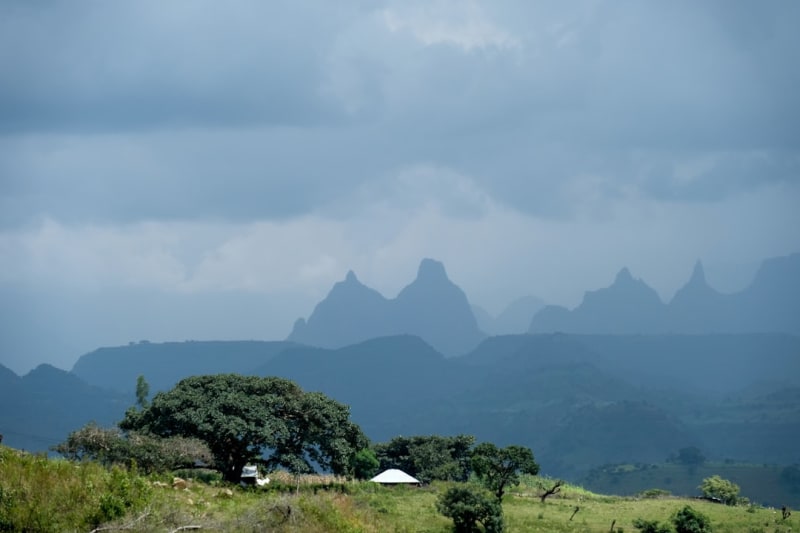
Image alt text suggestion: “Chimpanzee habitat and dense forest in Kibira National Park, Burundi, in 2026.”
What Is Wildlife in Burundi: 9 Safari Animals to See in 2026?
Wildlife in Burundi is a mix of forest primates, river mammals, reptiles, grazing animals, and birds. Kibira National Park is the main forest setting for chimpanzees, colobus monkeys, and baboons. The Rusizi River and Lake Tanganyika are important places to look for hippos and crocodiles. Ruvubu adds another major wildlife habitat.
Burundi matters because it offers variety across compact landscapes. A visitor can move from high forest to open river edges and lakeshore habitats. Each setting changes the animals you may see, the guide skills you need, and the best way to travel.
Known for: forest primates and river wildlife
Kibira National Park is known as a chimpanzee sanctuary. The park spans 40,000 hectares, according to the documented safari program description . Reported wildlife includes chimpanzees, white colobus monkeys, black colobus monkeys, and baboons . These species make forest walks and guided tracking central to the experience.
Rusizi River wildlife is known for hippos and crocodiles. Hippos are reported along the Rusizi River and in the shallower bays of Lake Tanganyika . River visits often work best when you follow local safety rules and stay with trained guides. Do not approach the water’s edge alone.
Why the destination matters
Burundi’s wildlife matters for travelers who want a less crowded safari setting. The available research describes Burundi as a budget-friendly destination with fewer tourists. SafariFind also reports that Burundi safari costs can be 40–60% lower than comparable regional alternatives, although the supplied data does not include itemized prices .
That cost claim needs careful use. A lower destination average does not guarantee a low final bill. Flights, permits, vehicles, guides, lodging, border crossings, and private departures can change the total. Compare inclusions, not just the headline price.
Compare Burundi safari itineraries and prices for 2026 before choosing a route, length, or travel style.
The nine wildlife encounters
- Chimpanzees: The main forest primate highlight in Kibira National Park .
- White colobus monkeys: A reported Kibira species that adds canopy wildlife to forest walks .
- Black colobus monkeys: Another reported Kibira primate for careful forest viewing .
- Baboons: A reported Kibira species that may appear near forest edges and clearings .
- Hippopotamuses: Hippos are reported along the Rusizi River and in shallow Lake Tanganyika bays .
- Crocodiles: Crocodiles are part of Burundi’s river and lakeshore wildlife list .
- Buffalo: Buffalo are included among the wildlife reported for Burundi safari areas .
- Antelopes: Antelopes are reported in Burundi’s wildlife range and may suit open habitat viewing .
- Birds: Burundi offers diverse birdlife across forests, rivers, wetlands, and lake habitats .
Which Safari Animals Can You See in Burundi?
Burundi offers its strongest wildlife contrast between forest, river, and lake habitats. Chimpanzees and colobus monkeys belong on a Kibira plan. Hippos and crocodiles belong on a Rusizi or Lake Tanganyika plan. Buffalo, antelopes, and birds add variety across wider park and wetland routes.
Do not treat every species as guaranteed. Wildlife sightings depend on habitat, weather, guide skill, animal movement, and time in the field. A responsible operator should explain realistic chances. The best itinerary gives you more than one habitat instead of promising one perfect sighting.
Forest animals: chimpanzees, colobus monkeys, and baboons
Chimpanzees are the signature animal for Kibira National Park. The park is described as a chimpanzee sanctuary, with 40,000 hectares of forest habitat . Expect a tracking-focused experience rather than a drive-through game-viewing day. Ask about walking time, group size, fitness needs, and current access rules.
White colobus monkeys and black colobus monkeys are also reported in Kibira . Their lives in the canopy make patience important. Scan branches, listen for calls, and let your guide identify movement. Baboons offer a different viewing style because they may use forest margins and more open ground.
Water animals: hippos and crocodiles
Hippos are reported along the Rusizi River and in shallow bays of Lake Tanganyika . These habitats create a strong contrast with Kibira’s forest. You may spend more time watching water, banks, tracks, and movement than scanning distant plains.
Crocodiles are also associated with Burundi’s river and lake wildlife experiences . Water safety is not optional. Follow guide instructions, avoid swimming in wildlife areas, and keep a safe distance from banks. A good operator explains where viewing is allowed and how the group should move.
Open-country animals and birdlife
Buffalo and antelopes add larger grazing animals to the Burundi safari list . The available research does not provide a reliable species-by-species list or sighting rate. Therefore, ask operators which area they use and what recent guests saw.
Birdwatching strengthens almost every Burundi route. A-Z Animals lists 22 bird species for Burundi, but that figure comes from a non-government source and should be independently verified . Treat the number as a rough research lead, not a final national checklist.
| Name | Price | Duration | Rating | Best For |
|---|---|---|---|---|
| Kibira wildlife route | Quote required | 5-day program documented | Not supplied | Chimpanzees and forest primates |
| Rusizi River route | Quote required | Depends on itinerary | Not supplied | Hippos and crocodiles |
| Lake Tanganyika wildlife route | Quote required | Depends on itinerary | Not supplied | Hippos, water habitats, and birds |
For a wider trip plan, read the guide to Burundi safari lodges worth comparing in 2026. Lodge location can affect early starts, river access, and time spent inside wildlife areas.
Compare Burundi safari costs by lodge and season when your main limit is budget. Use current quotes to check transport, meals, permits, guiding, and accommodation.
How Should You Plan a Burundi Wildlife Safari?
A Burundi wildlife safari should combine at least two habitat types and use a verified local operator. Pair Kibira National Park with Rusizi River or Lake Tanganyika when possible. This plan gives you access to forest primates, water wildlife, and bird habitats instead of relying on one animal encounter.
Start by choosing your priority species. Then ask for a route that matches that goal. A chimpanzee-focused trip needs forest access and walking time. A hippo-focused trip needs safe river or lake viewing. A mixed safari needs more travel planning and a clear schedule.
Getting started: choose your wildlife focus
- Choose chimpanzees first: Ask for a Kibira route with guided forest tracking.
- Choose hippos and crocodiles first: Ask about Rusizi River and Lake Tanganyika access.
- Choose birding first: Request a habitat list, guide experience, and early morning viewing times.
- Choose a mixed trip: Combine forest, river, and lakeshore areas in one itinerary.
- Choose value first: Compare total inclusions rather than relying on the reported 40–60% saving alone .
Best practices for wildlife viewing
Use a trained guide at every wildlife site. Guides help you keep distance, read tracks, and move safely near water. They also know when an animal encounter has become stressful. Ethical viewing protects wildlife and gives you a calmer experience.
Carry light clothing, sturdy walking shoes, binoculars, insect protection, and a small day bag. Keep camera sounds low. Avoid bright flashes near animals. Do not feed wildlife or leave food behind. These simple habits matter during forest walks and river stops.
Safety, access, and booking questions
Burundi travel plans require current route and safety checks. Conditions can change by region, border point, road, or season. Read the 2026 Burundi safari safety guide before confirming transport or combining Burundi with another country.
Ask every operator these questions before payment:
- Which wildlife habitats does the package visit?
- Is a trained guide included for Kibira or river activities?
- What happens if park access or roads change?
- Are permits, meals, lodging, transfers, and activities included?
- Can you share recent, authentic traveler reviews?
- What deposit, cancellation, and emergency support rules apply?
SafariFind helps travelers compare verified tour operators and read authentic reviews. Request a quote for a Burundi wildlife safari in 2026 after you define your target animals and route.
Combining Burundi with Rwanda
Burundi can combine with Rwanda for travelers who want a broader primate journey. The research specifically identifies combining Burundi with Rwanda for gorilla trekking. That addition changes the budget, permits, border plan, and number of travel days.
Keep the wildlife goals separate when planning. Burundi is useful for chimpanzees, colobus monkeys, hippos, crocodiles, and birds. Rwanda may add a different primate experience. Ask operators to show each country’s services and costs as separate line items.
Image alt text suggestion: “Hippos resting beside the Rusizi River during a guided Burundi wildlife tour.”
Why Choose Wildlife in Burundi in 2026?
Burundi is a strong choice for travelers who want varied wildlife habitats, fewer tourists, and potentially lower costs. The destination does not depend on one famous migration event. Instead, it offers forest tracking, river viewing, lakeshore habitats, and birdwatching within one national wildlife story.
Burundi also rewards travelers who enjoy a slower pace. You may spend time listening for primates, watching hippos from a safe point, or scanning wetland edges for birds. This style suits curious visitors more than travelers seeking a guaranteed checklist.
Price range: what the available data shows
SafariFind reports that Burundi safari costs can be 40–60% lower than comparable regional alternatives in 2026 . The supplied research does not provide a fixed dollar range or itemized package prices. Therefore, use the percentage as a comparison signal, not as a guaranteed quote.
Request at least two detailed quotes. Compare vehicle type, guide service, park fees, lodge class, meals, transfers, and border support. A cheaper offer may exclude key services. A higher offer may include private transport and more time in the field.
Best for: specific traveler types
- Primate watchers: Kibira’s reported chimpanzees and colobus monkeys create a clear forest focus .
- First-time Africa travelers: A mixed route can introduce forest, river, and lake wildlife.
- Repeat safari travelers: Burundi offers a different setting from large, famous parks.
- Birdwatchers: Diverse habitats support birding stops, though national species totals need verification .
- Budget-minded travelers: SafariFind reports a possible 40–60% cost advantage over similar regional trips .
- Slow-travel visitors: Forest walks and river watching reward patience and local guiding.
Burundi is less suitable if your only goal is the Big Five or a large migration spectacle. The available facts support a different promise: primates, water wildlife, antelopes, buffalo, birds, and varied habitats. Set that expectation early, and the trip becomes easier to judge fairly.
Burundi also offers a useful comparison point for East African planning. Travelers weighing a larger safari can review this guide to Tanzania versus Kenya safari value in 2026. A smaller destination may suit your travel goals better than a more famous park.
Key Takeaways
- Start with Kibira National Park if chimpanzees are your main goal; the park covers 40,000 hectares .
- Combine forest and river habitats to improve variety across primates, hippos, crocodiles, and birds.
- Compare at least two itemized quotes because no fixed Burundi safari price range appears in the supplied data.
- Check current safety, route, and access rules before traveling in July 2026.
- Request recent reviews and full inclusions from verified operators before paying a deposit.
Frequently Asked Questions
What animals can you see on safari in Burundi?
Burundi safari wildlife includes chimpanzees, white and black colobus monkeys, baboons, hippos, crocodiles, buffalo, antelopes, and diverse birds. Kibira is the key forest habitat, while the Rusizi River and Lake Tanganyika are important places for hippos and crocodiles .
Where can you see chimpanzees in Burundi?
You can look for chimpanzees in Kibira National Park. Kibira covers 40,000 hectares and is described as a chimpanzee sanctuary . Choose a guided forest route, and ask about current access, walking time, permits, and group size before booking.
Can you see hippos in Burundi?
You can see hippos along the Rusizi River and in the shallow bays of Lake Tanganyika. These areas are reported hippo habitats in Burundi . Use a trained guide, keep away from the water’s edge, and follow all local viewing rules.
How much does a Burundi safari cost in 2026?
SafariFind reports that Burundi safari costs can be 40–60% lower than comparable regional alternatives in 2026 . The available data does not give a fixed dollar price. Request itemized quotes that show lodging, transport, guides, meals, permits, and activities.
Is Burundi good for a first safari?
Burundi is good for first-time travelers who want primates, river wildlife, birdlife, and fewer tourists. It is less suited to travelers seeking only Big Five sightings. A verified operator can combine Kibira, Rusizi, Ruvubu, and Lake Tanganyika into a clear route.
How do I book a Burundi wildlife safari?
Book by comparing verified tour operators, current inclusions, safety guidance, and authentic traveler reviews on SafariFind. Define your target animals first, then request a quote for a route that includes the right habitats and travel dates.
Conclusion
Wildlife in Burundi is defined by forest primates, river animals, lake habitats, grazing species, and diverse birdlife. Kibira National Park is the best-known setting for chimpanzees, colobus monkeys, and baboons . Rusizi River and Lake Tanganyika are important for hippos and crocodiles .
In 2026, Burundi suits travelers who want a quieter and potentially lower-cost safari. SafariFind reports possible savings of 40–60% against comparable regional trips, but you still need a detailed quote . Build a route around your target species, confirm safety rules, and compare what each operator includes.
Compare verified Burundi safari packages and request your 2026 quote through SafariFind. Read authentic reviews, compare operators, and choose a trip that matches your wildlife goals. As 2026 continues, careful planning will help you experience Burundi’s forests, rivers, and lakes with confidence.
Plan Your Safari with SafariFind
These recommendations use real data from SafariFind, where you can compare operators, browse packages, and read verified traveler reviews before you book.
Recommended Safari Packages from SafariFind
What Travelers Say (SafariFind Reviews)
References
- Burundi Safari and Tours, Things To Do — Africa Tour Operators
- 5 Days Burundi Impressive Wildlife Safari — Go Volunteer Africa
- Tourism in Burundi — Wikipedia
- Burundi Holidays & Tours — Valiant Safaris Uganda
- Burundi Safari Cost 2026: Real Prices by Lodge & Season — SafariFind
- Quick Guide to Safari Animals: What You’ll See 2026
- Wildlife Comparison: Rwanda vs. Burundi Safari Destinations
- Wildlife in Burundi — A-Z Animals
Sources
- Burundi Safari and Tours, Things To Do
- 5 Days Burundi Impressive Wildlife Safari
- Tourism in Burundi
- Burundi Holidays & Tours
- Burundi Safari Cost 2026: Real Prices by Lodge & Season
- Quick Guide to Safari Animals: What You’ll See 2026
- Wildlife Comparison: Rwanda vs. Burundi Safari Destinations
- Wildlife in Burundi — A-Z Animals
Related to
Ready to start your safari adventure?
Explore curated safari packages and find your perfect African adventure with verified operators.