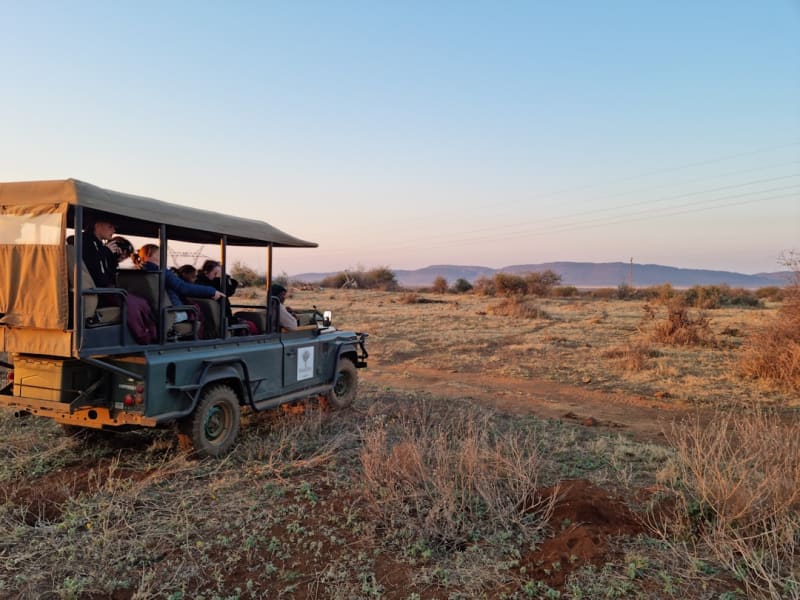
Zambia Safari in October 2026: Walking Routes & Real Daily Costs
Zambia walking safari in October 2026 costs $400–$750/night all-inclusive. Explore South Luangwa's premier trails with expert guides. Book verified operators.

Zambia Safari October 2026: Walking Routes & Daily Costs
Last updated: July 2026
A Zambia walking safari in October 2026 costs $400–$750 per person per night, all-inclusive. October offers peak wildlife viewing with lower rainfall and comfortable temperatures. South Luangwa National Park is the premier destination for walking safaris. Book through verified operators on SafariFind to compare packages and read authentic reviews from past travelers.
At a Glance
- Cost: $400–$750 per person per night (all-inclusive)
- Best time: October for wildlife concentration and dry conditions
- Duration: 4–7 nights recommended
- Best for: Active travelers who prefer walking over vehicle safaris
- Top destination: South Luangwa National Park
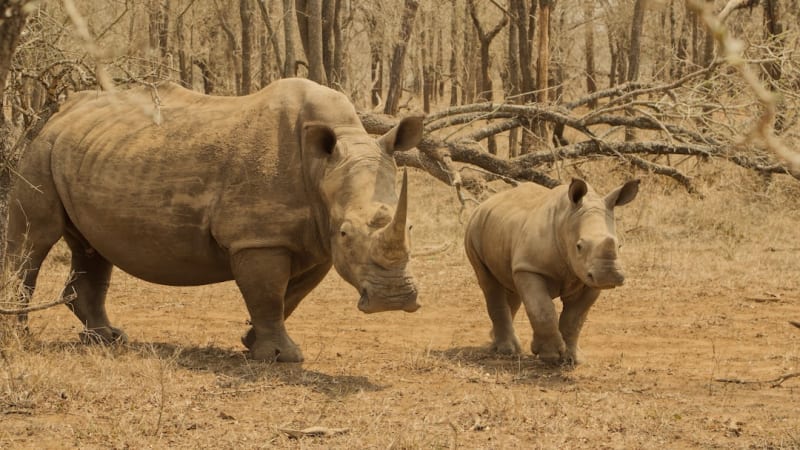
- Wildlife highlights: Lions, elephants, leopards, African wild dogs, hippos
What is a Zambia Walking Safari in October 2026?
A Zambia walking safari in October 2026 is an immersive wildlife experience where you explore national parks on foot with an expert guide. Unlike vehicle-based safaris, walking safaris let you move silently through the bush, spotting animals at closer range and experiencing the landscape on a deeper level. October is ideal because animals gather near water sources, and the weather is cool and dry.
South Luangwa National Park is the premier walking safari destination in Zambia. The park covers 9,050 square kilometers and earned its reputation as the birthplace of African walking safaris under conservationist Norman Carr's pioneering work decades ago. Today, the park hosts numerous walking safari camps that offer authentic bush experiences combined with comfortable accommodation.
Walking safaris in October 2026 typically run 2–4 hours in the early morning or late afternoon, when animals are most active. Your guide carries binoculars, a rifle for safety, and extensive knowledge of animal behavior. You walk at a slow pace, stopping frequently to observe wildlife, take photos, and learn about the ecosystem. The experience is immersive, physical, and rewarding for nature lovers.
These safaris are all-inclusive, meaning your daily cost covers guiding, accommodation in bush camps, all meals, park fees, and walking activities. You won't find hidden charges or surprise expenses. This transparency makes budgeting straightforward and helps you compare operators fairly on SafariFind.
Real Daily Costs Breakdown for October 2026
What's Included in the Daily Rate
A walking safari in South Luangwa or Mana Pools costs roughly $600–$1,200 per person per night, all-inclusive. This covers accommodation in remote bush camps, meals, guided walks, and park fees. The wide range reflects differences in camp luxury level, location, and group size.
Entry-level walking safari camps charge $400–$500 per person per night. These are simple canvas or tented accommodations with basic amenities. You get quality guiding, meals, and activities, but fewer creature comforts. Mid-range camps run $550–$750 per night and offer better bedding, hot showers, and more spacious tents. Luxury options cost $850–$1,200 per night with private camps, fine dining, and exclusive experiences.
Zambia tour costs in 2026 range from $2,495 to $16,573 for journeys of 5 to 12 days. A typical 5-night walking safari package costs $2,000–$3,750 per person (not including international flights). A 7-night multi-park safari combining walking and vehicle game drives runs $3,500–$5,250 per person.
Additional Expenses to Budget
International flights from Europe to Lusaka typically cost $800–$1,400 per person. Domestic flights between Lusaka and South Luangwa add $300–$500 per person. Travel insurance costs $100–$300 for a two-week trip. Visa fees for Zambia are $50–$100 for most nationalities.
Tips for guides and camp staff are customary in Zambia. Budget $10–$20 per day for guides and $5–$10 per day for camp staff. Personal items like sunscreen, insect repellent, and souvenirs may add $100–$300 to your trip.
Explore detailed Zambia safari cost guides on SafariFind to understand all expenses upfront before booking.
Top Walking Routes in Zambia for October 2026
South Luangwa National Park Walking Trails
South Luangwa National Park is the epicenter of walking safaris in Zambia. The park stretches across 9,050 square kilometers of pristine wilderness. Multiple walking routes start from different camps, each offering unique wildlife encounters and scenic views. The Luangwa River runs through the park, creating a natural corridor where animals congregate, especially in October when water becomes scarce elsewhere.
The Mfuwe Lagoon walk is a popular 3–4 hour morning route starting from camps near Mfuwe. You walk through riverine forest and across open plains, spotting elephants, buffalo, and lions. The route passes seasonal lagoons where hippos and crocodiles gather. October offers excellent visibility because vegetation is lower and animals are concentrated near water.
The Nsefu Sector walks are remote and pristine. These routes venture into the heart of the park, away from main lodges. You might encounter elephant herds, packs of African wild dogs, and leopards. The terrain varies from woodland to grassland. These walks are typically 4–5 hours and require good fitness. Guides here are exceptionally knowledgeable about animal behavior and ecology.
Kakuli Camp offers specialized walking routes through dense miombo woodland. These walks focus on smaller wildlife, birdwatching, and tracking. You'll learn to identify animal spoor, understand predator-prey dynamics, and appreciate the finer details of the ecosystem. October is excellent for bird spotting because migrants are present and breeding activity is visible.
Lower Zambezi National Park Walking Safaris
Lower Zambezi National Park covers 4,092 square kilometers along the Zambezi River. Walking safaris here combine river landscapes with wildlife viewing. The park is less crowded than South Luangwa, offering a more exclusive experience. October sees strong wildlife concentrations as water becomes limited away from the river.
Chirundu walks follow the Zambezi River, offering encounters with hippos, crocodiles, and water buffalo. The river creates a dramatic backdrop for photography. Early morning walks reveal nocturnal animals returning to rest, while afternoon walks catch animals coming to drink. The terrain is relatively flat, making these walks suitable for moderate fitness levels.
Sausage Tree walks venture inland from the river into woodland areas. You might spot elephants, lions, and zebras. These walks are typically 4–5 hours and more physically demanding than river walks. October weather is cool, making the longer distances manageable.
Kafue National Park Walking Experiences
Kafue National Park is Zambia's largest protected area at 22,400 square kilometers. Walking safaris here are less common than in South Luangwa, making them feel more exclusive. The park's diverse habitats—from floodplains to woodland—support varied wildlife. October offers exceptional game viewing as animals move toward water sources.
The Busanga Plains walks traverse open grasslands where you'll see large elephant herds, buffalo, and predators. These walks are longer (4–6 hours) and require good fitness. The open terrain means excellent long-distance visibility. Photography opportunities are outstanding.
Why October 2026 is the Best Time for Zambia Walking Safaris
October marks the tail end of the dry season in Zambia. Rainfall has been minimal for three months, and vegetation is lower than in other seasons. This combination creates ideal conditions for walking safaris because you see animals more easily and can move quietly without stepping on wet leaves that would make noise.
Wildlife concentration peaks in October because water becomes increasingly scarce. Animals gather at remaining water sources—rivers, lagoons, and waterholes. This predictability makes encounters more frequent and rewarding. You're likely to see multiple species in a single morning walk.
Temperatures in October average 25–30°C (77–86°F) during the day and 15–18°C (59–64°F) at night. This is warm but not oppressively hot like December or January. Early morning walks are cool and comfortable. You'll need light layers for early starts and evenings but can shed them by midday.
Bird activity peaks in October because many migratory species have arrived. Birdwatchers find exceptional opportunities. Breeding displays are visible among resident species. If ornithology interests you, October is superior to other seasons.
October is shoulder season, meaning prices are lower than peak July-August but higher than November-April. You'll find better availability and slightly discounted rates compared to mid-year. This makes October an excellent value proposition for budget-conscious travelers.
Learn more about Zambia's seven wildlife parks and their seasonal variations to plan your October adventure strategically.
Practical Guide: Planning Your October 2026 Walking Safari
Physical Fitness Requirements
Walking safaris require moderate fitness. You'll walk 3–5 hours daily over uneven terrain. Good cardiovascular fitness helps you enjoy the experience without exhaustion. You don't need to be athletic or train extensively, but regular walking at home for 30–60 minutes helps prepare.
Bring comfortable, broken-in hiking boots with ankle support. The terrain includes rocky ground, fallen logs, and muddy patches. Quality footwear prevents blisters and ankle injuries. Wear neutral colors (khaki, tan, brown, green) that blend with the landscape. Avoid bright colors that spook animals.
What to Pack for October Walks
Pack a daypack with 2–3 liters of water per person. Your guide carries additional water and a first aid kit, but you need personal hydration. Include sun protection: SPF 50+ sunscreen, a wide-brimmed hat, and sunglasses. October sun is intense at midday.
Bring binoculars for wildlife viewing. A camera with a zoom lens captures distant animals. Lightweight, quick-dry clothing is practical for sweat and occasional river crossings. A light rain jacket is wise even in the dry season for unexpected showers. Insect repellent with 20–30% DEET protects against mosquitoes.
Health and Safety Preparation
Consult your doctor 6–8 weeks before travel about malaria prevention. Zambia has malaria risk in all areas. Antimalarial medication is essential. Get vaccinated against yellow fever, typhoid, and hepatitis A. Check current vaccination requirements for Zambia travelers before departure.
Purchase comprehensive travel insurance that covers evacuation. Zambia's medical facilities are limited outside major cities. Evacuation to South Africa or Europe may be necessary for serious illness. Insurance costs $100–$300 and is essential, not optional.
Verify your passport validity—you need at least six months validity beyond your departure date. Check Zambia visa requirements for your nationality and apply well in advance if needed. Processing times vary by country.
Booking Your Walking Safari
Research operators on SafariFind to compare packages, prices, and authentic traveler reviews. Look for operators with experience in October. Read reviews from recent travelers to understand what to expect. SafariFind displays verified ratings and detailed feedback from past guests.
Contact operators directly to ask about group sizes, guide qualifications, and camp amenities. Small groups (4–8 people) offer better wildlife experiences than larger groups. Confirm that October dates are available and ask about early booking discounts.
Book 3–6 months ahead to secure preferred dates and camps. October is increasingly popular, and premium camps fill quickly. Early booking also allows time for visa processing and travel insurance arrangement.
Comparing Walking Safari Camps by Budget Level
| Camp Category | Nightly Cost | Accommodation Style | Best For | Key Features |
|---|---|---|---|---|
| Budget | $400–$500 | Canvas tents, shared facilities | Budget-conscious travelers | Basic comfort, quality guiding, communal meals |
| Mid-Range | $550–$750 | Larger tents, private bathrooms | Most travelers seeking value | Better bedding, hot showers, good food, intimate groups |
| Luxury | $850–$1,200 | Private safari suites, en-suite bathrooms | Premium experience seekers | Fine dining, private guides, exclusive locations, premium amenities |
Budget camps offer excellent value. You get experienced guides and authentic bush experiences without luxury frills. Shared facilities mean you meet other travelers. Food is simple but nourishing. This category suits adventurous travelers comfortable with basic comfort.
Mid-range camps represent the best value for most travelers. You enjoy private bathrooms, better bedding, and quality meals while maintaining reasonable costs. Guides are professional and knowledgeable. Groups are small. This category appeals to travelers seeking comfort without luxury pricing.
Luxury camps provide premium experiences with fine dining, private guides, and exclusive locations. These camps attract travelers prioritizing comfort and exclusivity. The experience is exceptional but costs significantly more. Premium pricing reflects superior amenities and often smaller group sizes.
Understanding Your Walking Safari Experience
A Typical Day Structure
Walking safari days start early. You wake at 5:30–6:00 AM for tea or coffee and light snacks. By 6:30 AM, you're walking with your guide. Early morning is prime wildlife viewing time because animals are active and cool temperatures keep them moving.
Morning walks run 3–4 hours. You return by 10:00 AM for a hearty breakfast. The midday heat makes walking uncomfortable, so you rest until 3:00 PM. This time is ideal for relaxing at camp, reading, journaling, or napping.
Afternoon walks run 3–4 hours, starting around 3:30 PM and finishing by sunset around 6:00 PM. Evening light creates stunning photography conditions. You might encounter nocturnal animals preparing for night. Dinner is served around 7:00–7:30 PM. Evening conversations around the campfire are highlights for many travelers.
What Makes Walking Safaris Different
Walking safaris offer intimacy impossible in vehicles. Your guide moves at animal speed, stopping when creatures appear. You experience the landscape through multiple senses—sounds of birds, smell of vegetation, texture of earth underfoot. This sensory immersion creates deeper connection to nature.
Walking also allows flexibility. Your guide adapts routes based on animal signs and sightings. If a lion pride is nearby, you might adjust your path. If you spot a leopard, you can wait and observe. Vehicle safaris follow fixed routes and schedules, limiting this adaptability.
Physical exertion adds reward. You earn wildlife sightings through effort. Many travelers report that animals seen while walking feel more meaningful than animals spotted from vehicles. The memory lasts longer and impacts you more deeply.
Health and Accommodation Considerations
Malaria Prevention Strategies
Malaria is present throughout Zambia, including South Luangwa and Lower Zambezi. October is the dry season, meaning fewer mosquitoes than rainy months, but risk still exists. Take prescribed antimalarial medication as directed. Common options include atovaquone-proguanil, doxycycline, and mefloquine. Your doctor will recommend the best choice based on your health history.
Prevent mosquito bites by wearing long sleeves and pants during dawn and dusk. Use DEET-based insect repellent on exposed skin. Sleep under mosquito nets—all reputable camps provide treated nets. Some camps have screened tents or rooms, adding protection.
Accommodation Standards in Walking Safari Camps
Budget and mid-range camps provide canvas or fabric tents with beds, blankets, and pillows. Bathrooms are either en-suite or shared facilities. Hot water is heated by solar panels or wood fires. Toilet facilities are basic but clean and well-maintained. These camps prioritize functionality over luxury but maintain hygiene standards.
Luxury camps offer safari suites with solid walls, proper roofs, and en-suite bathrooms with hot showers. Beds are comfortable with quality linens. Some camps have air conditioning or ceiling fans. Electricity is available for device charging. These camps blend comfort with authentic bush experiences.
All reputable camps provide reliable water, basic medical supplies, and communication with outside help. Guides carry satellite phones or radios for emergencies. Learn more about Zambia safari lodge options comparing luxury and budget accommodations to match your comfort preferences.
Wildlife You'll Encounter on October Walks
South Luangwa walking safaris offer encounters with Africa's most iconic species. Lions are present throughout the park. October concentrations mean you have good chances of seeing pride activity. Your guide reads tracks and signs, predicting where lions might rest during the day.
African wild dogs are South Luangwa's specialty. These endangered carnivores hunt in packs with extraordinary coordination. Observing a hunt or pack behavior from close range—something vehicle safaris rarely offer—is unforgettable. October population levels are strong, improving sighting odds.
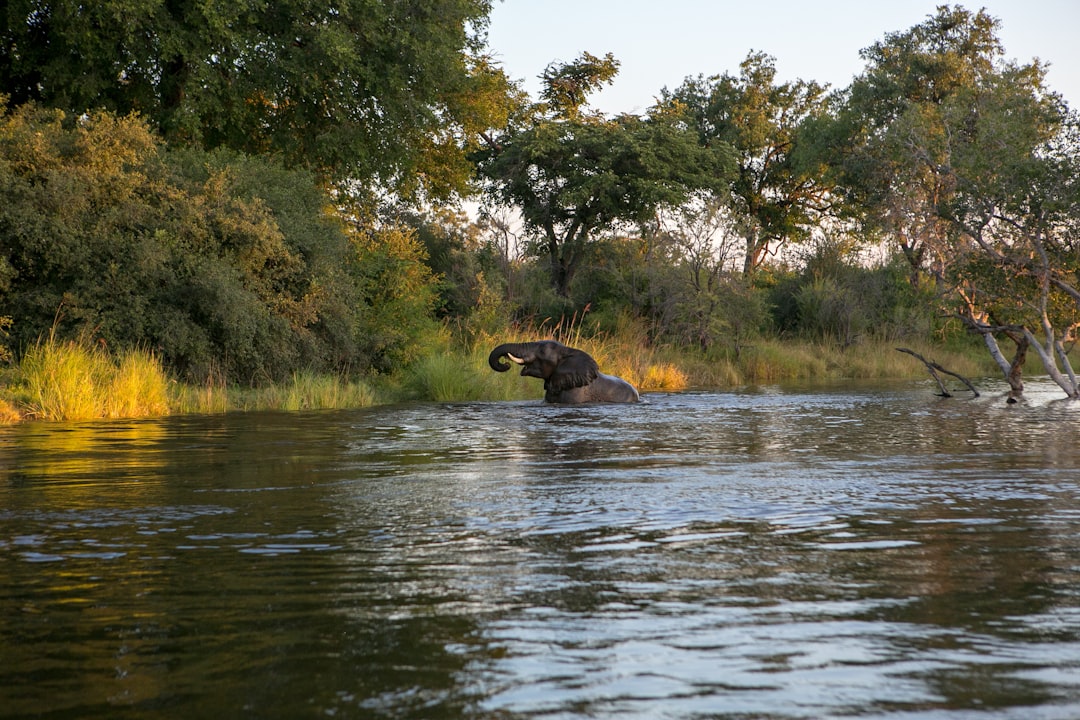
Elephants gather near the Luangwa River in October. You might encounter herds of 20–50 individuals. Walking allows you to observe family dynamics—calves learning from adults, bulls interacting, feeding behavior. The experience differs dramatically from distant vehicle viewing.
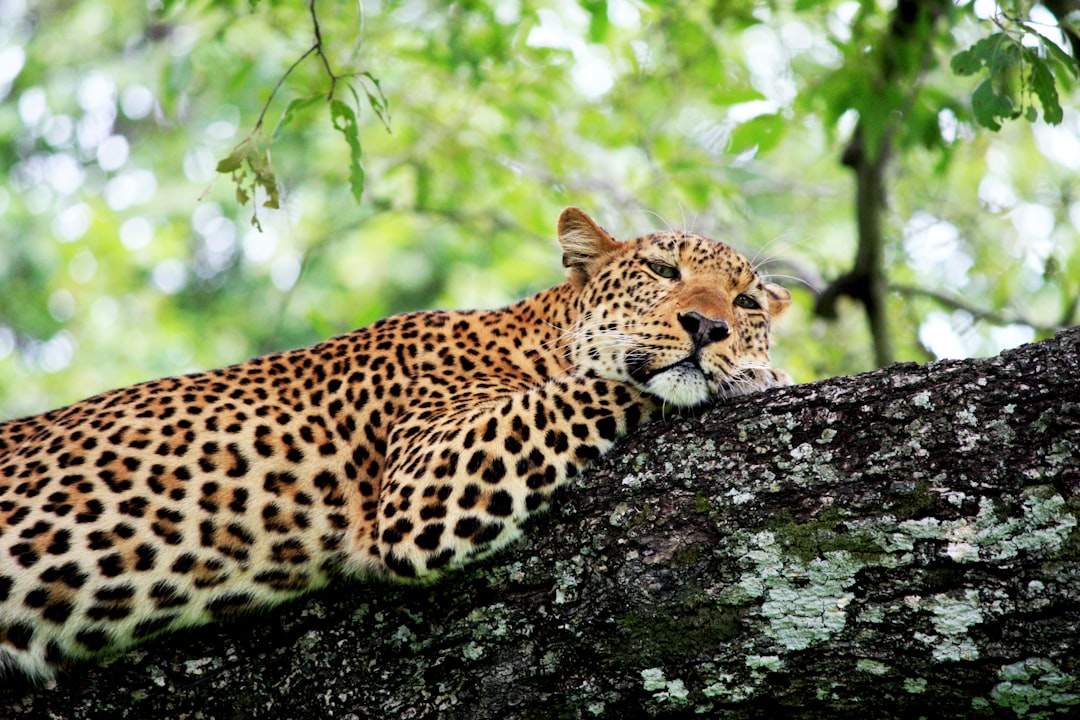
Leopards are elusive but present. Your guide's tracking skills increase encounter chances. October's lower vegetation means better visibility. A leopard sighting from 20 meters away while walking is a career highlight for many safari enthusiasts.
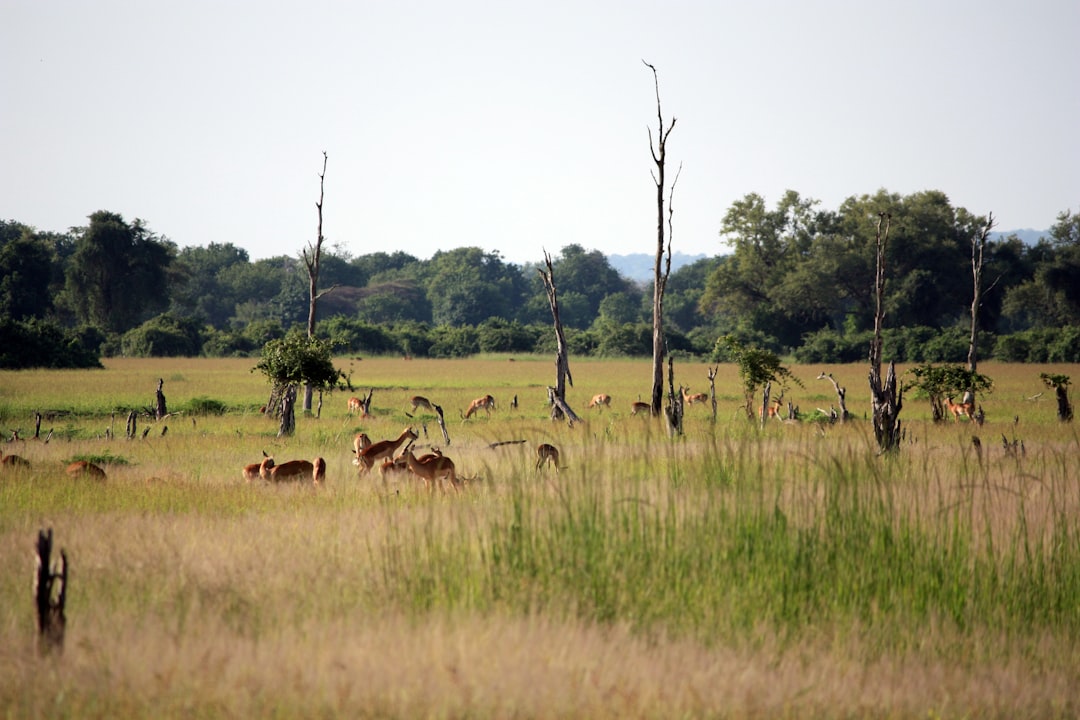
Buffalo, zebras, antelopes (impala, kudu, puku), hippos, and crocodiles are regularly seen. Bird diversity is exceptional—over 400 species occur in South Luangwa. October brings migratory species, expanding the bird list further. Birdwatchers find extraordinary opportunities.
Key Takeaways
- Book your October 2026 walking safari 3–6 months ahead to secure preferred camps and receive early booking discounts of 10–15% on published rates.
- Budget $400–$750 per person per night for all-inclusive walking safari packages covering accommodation, meals, guiding, and park fees in South Luangwa.
- Combine walking safaris with vehicle game drives by booking 7-night multi-park packages ($3,500–$5,250 per person) that blend different safari styles.
- Prepare for walking safaris by training with 30–60 minute daily walks at home and investing in quality hiking boots to prevent blisters on uneven terrain.
- Obtain malaria prevention medication 6–8 weeks before travel and purchase comprehensive travel insurance ($100–$300) covering medical evacuation in remote areas.
Frequently Asked Questions
How much does a walking safari in Zambia cost in October 2026?
A walking safari in South Luangwa or Mana Pools costs roughly $600–$1,200 per person per night, all-inclusive. Budget camps run $400–$500 nightly, mid-range camps cost $550–$750 nightly, and luxury camps range $850–$1,200 nightly. A typical 5-night walking safari package costs $2,000–$3,750 per person, not including international flights. Zambia tour costs in 2026 range from $2,495 to $16,573 for journeys of 5 to 12 days.
Why is October the best time for walking safaris in Zambia?
October offers peak wildlife concentration as water sources become scarce and animals gather at rivers and lagoons. Vegetation is lower from three months of dry conditions, improving visibility. Temperatures average 25–30°C (77–86°F) during the day, making walking comfortable. Migratory birds have arrived, expanding birdwatching opportunities. October is shoulder season, providing better value than peak July-August months while maintaining excellent wildlife viewing conditions.
What physical fitness do I need for a walking safari?
Walking safaris require moderate fitness. You'll walk 3–5 hours daily over uneven terrain. You don't need to be athletic, but regular walking at home for 30–60 minutes helps prepare. Good hiking boots with ankle support are essential. Most travelers in reasonable health can manage walking safaris comfortably. If you have mobility concerns, inform your operator—some camps offer shorter walks or vehicle-based alternatives.
Is malaria a risk during October walking safaris in Zambia?
Yes, malaria risk exists throughout Zambia, including South Luangwa and Lower Zambezi. October is the dry season with fewer mosquitoes than rainy months, but risk remains. Take prescribed antimalarial medication as directed by your doctor. Wear long sleeves and pants during dawn and dusk. Use DEET-based insect repellent. Sleep under treated mosquito nets—all reputable camps provide them. Comprehensive malaria prevention is essential, not optional.
What wildlife will I see on October walks in South Luangwa?
South Luangwa walking safaris offer encounters with lions, African wild dogs, leopards, elephants, buffalo, zebras, hippos, and crocodiles. October wildlife concentrations are strong because animals gather near water sources. Over 400 bird species occur in the park, with migratory species present in October. Your guide's tracking skills increase encounter chances, and walking allows closer observation than vehicle safaris. Sighting odds are highest for elephants, buffalo, and birds; rarer for leopards and wild dogs.
How do I book a walking safari on SafariFind?
Visit SafariFind to browse walking safari packages in South Luangwa, Lower Zambezi, and Kafue National Parks. Compare prices, durations, ratings, and authentic traveler reviews. Contact verified operators directly through SafariFind to ask about October availability, group sizes, guide qualifications, and camp amenities. Request quotes from multiple operators to compare value. Book 3–6 months ahead to secure preferred dates and receive early booking discounts. Read recent reviews to understand what previous travelers experienced.
Conclusion
Zambia walking safaris in October 2026 deliver exceptional wildlife experiences at reasonable costs. South Luangwa National Park stands as the premier destination, offering world-class guiding and abundant wildlife in landscapes designed for walking. October combines ideal weather, peak wildlife concentration, and accessible pricing, making it the optimal month for this adventure.
Your daily costs of $400–$750 per person cover everything—accommodation, meals, expert guides, and park fees. A typical 5-night package runs $2,000–$3,750 per person, with multi-park combinations available for $3,500–$5,250. These prices represent exceptional value for immersive wildlife experiences impossible to replicate elsewhere.
Preparation is straightforward. Get malaria medication and vaccinations 6–8 weeks before departure. Invest in quality hiking boots and pack appropriate clothing. Purchase travel insurance covering evacuation. Train with regular walks to build fitness. Verify visa requirements and passport validity for your nationality.
Book your October 2026 walking safari through SafariFind to access verified operators, compare packages side-by-side, and read authentic reviews from recent travelers. SafariFind's marketplace connects you with experienced tour operators who specialize in walking safaris and understand October conditions intimately. Request quotes from multiple operators to find the package matching your budget and preferences.
Your Zambia walking safari awaits. October 2026 is the ideal time to experience Africa's walking safari heartland. The wildlife, landscape, and guides will create memories lasting a lifetime.
Plan Your Safari with SafariFind
These recommendations use real data from SafariFind, where you can compare operators, browse packages, and read verified traveler reviews before you book.
Recommended Safari Operators from SafariFind
Recommended Safari Packages from SafariFind
What Travelers Say (SafariFind Reviews)
References
- 5 Best Walking Safari Destinations in Africa for 2026 / 2027 – African Safari Home
- Zimbabwe & Zambia Safari: 2026 Cost Guide – Moriti
- Best Zambia Tours and Cruises 2026-2027 – Adventure Life
- Zambia Walking Safari | Luxury Zambia Safaris – Scott Dunn US
- Best Walking Safaris Africa 2026 | South Luangwa, Mana Pools & More – Private Tours Cape Town
- A Guide to Zambia Walking Safaris in 2026/2027 – Jacada Travel
- What Does an African Safari Cost? | 2026 Guidelines – Go2Africa
Sources
- 5 Best Walking Safari Destinations in Africa for 2026 / 2027
- Zimbabwe & Zambia Safari: 2026 Cost Guide
- Best Zambia Tours and Cruises 2026-2027
- Zambia Walking Safari | Luxury Zambia Safaris
- Best Walking Safaris Africa 2026 | South Luangwa, Mana Pools & More
- A Guide to Zambia Walking Safaris in 2026/2027
- What Does an African Safari Cost? | 2026 Guidelines
Related to
Ready to start your safari adventure?
Explore curated safari packages and find your perfect African adventure with verified operators.