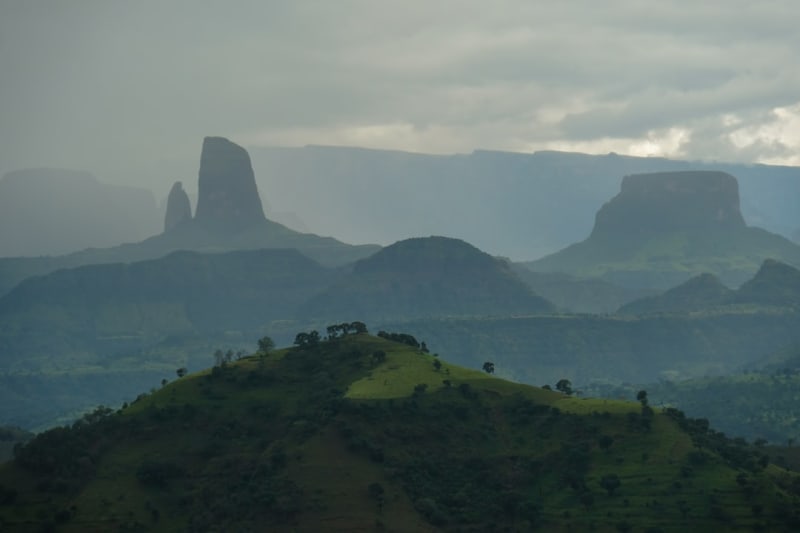
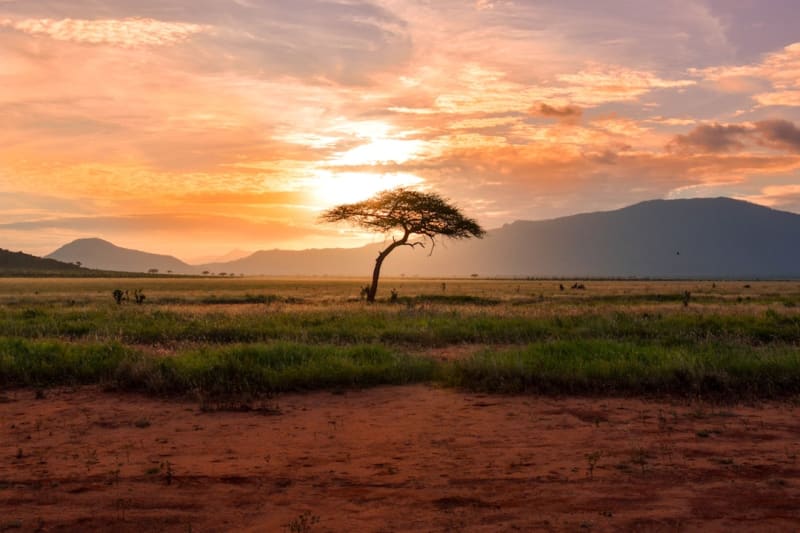
Zanzibar vs Mozambique: Safari, Beach & Cost 2026
Compare Zanzibar beaches ($300–$600/day) vs Mozambique safaris ($5,000–$12,000/week). Choose your 2026 African adventure: luxury relaxation or wildlife exploration.

Zanzibar vs Mozambique: Safari, Beach & Cost
Last updated: July 2026
Zanzibar offers luxury beach resorts at $300–$600 daily with cultural experiences, while Mozambique delivers authentic safaris in Gorongosa National Park for $5,000–$12,000 per 7 days. Combine both destinations for a 10–14 day hybrid trip costing $7,500–$17,000. Choose Zanzibar for relaxation and Mozambique for wildlife adventure.
At a Glance
- Zanzibar Cost: $300–$600 per person daily for beach resorts
- Mozambique Safari Cost: $5,000–$12,000 per person for 7 days
- Hybrid Trip Cost: $7,500–$17,000 for 10–14 days combined
- Best Time to Visit: June–October for safaris; year-round for beaches
- Duration: 5–7 days Zanzibar, 7–10 days Mozambique safari
- Best For: Zanzibar (luxury relaxation, culture); Mozambique (wildlife, adventure)
What is Zanzibar vs Mozambique: Safari, Beach & Cost 2026?
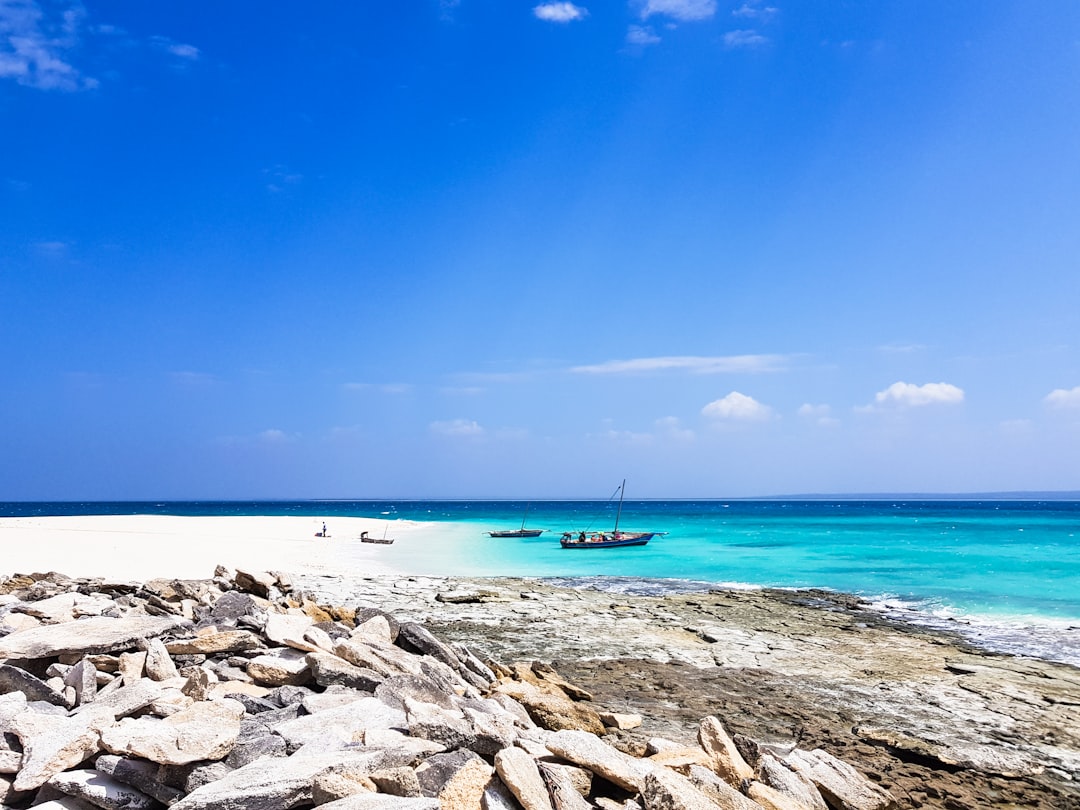
Zanzibar vs Mozambique represents a choice between two distinct East African experiences. Zanzibar is a Tanzanian archipelago famous for pristine beaches, historic Stone Town, and spice markets. Mozambique offers untamed safaris, coastal beauty, and authentic wildlife viewing in parks like Gorongosa. Understanding the differences helps you pick the right destination for your 2026 travel plans.
The primary keyword "Zanzibar vs Mozambique" matters because travelers often compare these destinations when planning African vacations. Each offers unique benefits. Zanzibar excels at luxury relaxation and cultural immersion. Mozambique shines for adventure seekers and wildlife enthusiasts. Many visitors combine both for a complete East African experience.
Key Features of Each Destination
Zanzibar Island combines world-class beaches with rich Swahili culture. You'll find luxury resorts, water sports, and historical sites. The island receives tourists year-round, with peak season from June to October. Accommodation ranges from budget guesthouses to five-star resorts charging $600+ daily.
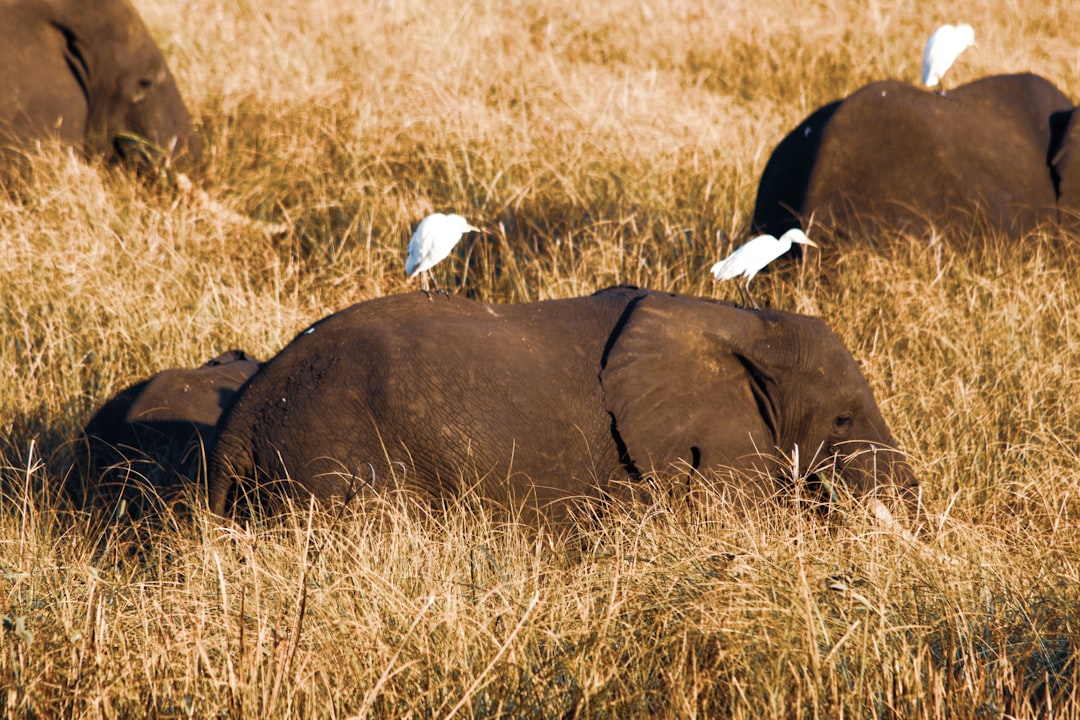
Mozambique safaris deliver genuine wildlife encounters in protected national parks. Gorongosa National Park hosts elephants, lions, buffalo, and over 500 bird species. Safari costs include park fees, professional guides, and game drives. The best wildlife viewing happens during the dry season from June to October when animals gather near water sources.
Why Comparing These Destinations Matters
Your budget determines which destination works best. Zanzibar beach resorts cost $300–$600 daily for mid-range comfort. Mozambique safaris require $5,000–$12,000 for a full week of wildlife viewing. If you have limited funds, Zanzibar offers better value. If you want authentic safari experiences, Mozambique delivers unmatched wildlife encounters.
Time is another critical factor. Zanzibar requires 5–7 days minimum to enjoy beaches and explore Stone Town. Mozambique safaris need 7–10 days for proper wildlife viewing. A combined itinerary works well with 10–14 days total, allowing 5 days in Zanzibar and 7–9 days on safari.
Zanzibar: Beach Paradise and Cultural Hub
Zanzibar Island is a Tanzanian territory known for white sand beaches, turquoise waters, and rich history. The archipelago consists of Unguja (the main island) and Pemba, with Unguja hosting most resorts and tourists. In 2026, Zanzibar attracts hundreds of thousands of visitors seeking beach relaxation combined with cultural exploration.
Accommodation and Daily Costs
Zanzibar beach resorts run $300–$600 daily for comfortable mid-range lodging in 2026. Budget options cost $50–$150 nightly, while luxury five-star resorts exceed $600 per night. All-inclusive packages often bundle meals, water activities, and entertainment. Most visitors spend 5–7 days here to balance beach time with cultural sightseeing.
Popular areas include Nungwi Beach (north), Jambiani Beach (east), and Stone Town (historic center). Each offers different vibes. Nungwi attracts water sports enthusiasts. Jambiani suits couples seeking quiet relaxation. Stone Town provides cultural immersion with narrow streets, historic buildings, and local markets.
Best Time to Visit Zanzibar
Zanzibar enjoys year-round warm weather, but peak season runs June through October. During these months, expect dry conditions, calm seas, and lower humidity. Shoulder seasons (April–May and November–December) offer good weather with fewer tourists and lower prices. The rainy season (March–May and November) brings occasional showers but lush landscapes.
Water temperatures stay warm throughout the year, ranging from 26°C to 29°C. This means swimming is comfortable any month. However, June to October offers the best diving and snorkeling conditions with excellent visibility.
Activities and Experiences
Beyond beaches, Zanzibar offers diverse activities. Visit Stone Town's UNESCO World Heritage site for history and architecture. Explore spice plantations where clove, cinnamon, and nutmeg grow. Take a dhow sailing trip at sunset. Snorkel or dive at Mnemba Atoll to see tropical fish, rays, and coral gardens.
Cultural tours introduce you to local Swahili traditions. Visit fishing villages to meet residents. Explore markets selling fresh produce, seafood, and traditional crafts. These experiences cost $30–$100 per activity, making Zanzibar affordable for cultural exploration.
Mozambique: Safari Adventure and Wildlife Encounters
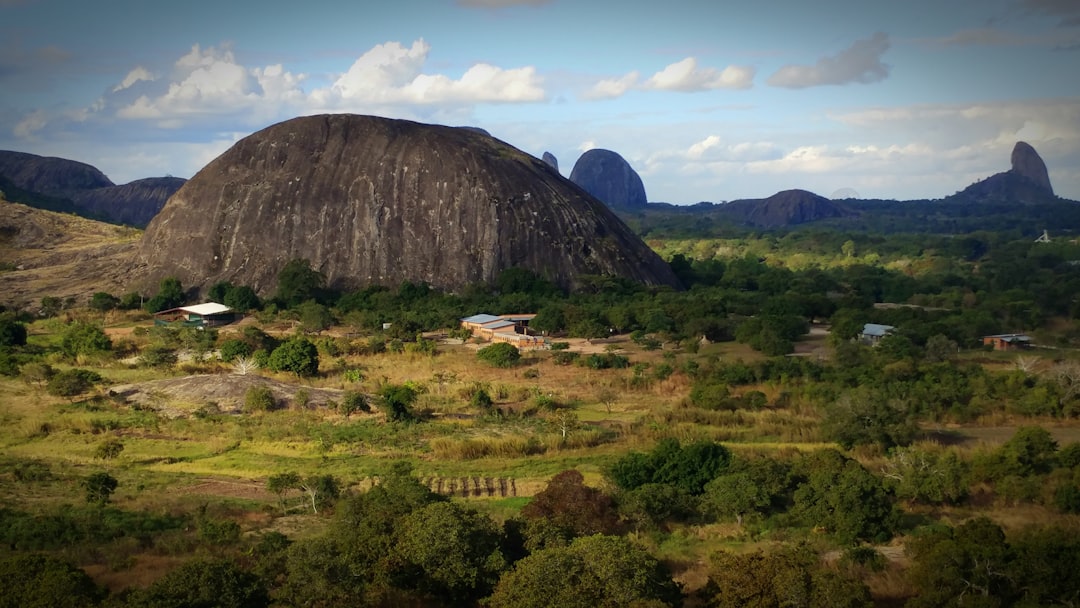
Mozambique safaris offer authentic wildlife viewing in pristine national parks. Gorongosa National Park stands as the flagship destination, protecting diverse ecosystems and large animal populations. Unlike Zanzibar's beach focus, Mozambique delivers adventure-focused experiences for travelers seeking genuine safari encounters.
Safari Costs and What's Included
A 7-day Mozambique safari costs $5,000–$12,000 per person in 2026, depending on lodge tier and season. Mid-range safari lodges cost $250–$400 daily, while luxury properties exceed $500 nightly. These prices typically include accommodation, meals, professional guide services, and game drives. Park entrance fees run $20–$30 daily and are usually included in package costs.
Safari packages often feature twice-daily game drives—early morning and late afternoon—when animals are most active. Night drives offer chances to spot nocturnal species like hyenas, owls, and aardvarks. Walking safaris provide immersive experiences for seeing smaller animals and tracking wildlife.
Gorongosa National Park: The Safari Hub
Gorongosa National Park covers 5,400 square kilometers in central Mozambique. The park hosts over 500 bird species, making it a paradise for birdwatchers. Large mammals include African elephants, lions, buffalo, zebras, and antelope. The park's diverse habitats—grasslands, forests, and wetlands—support rich biodiversity.
The park underwent significant restoration after civil war damage, and wildlife populations have rebounded dramatically. This makes Gorongosa a compelling choice for travelers seeking authentic safari experiences in recovering ecosystems. The park feels less crowded than famous East African reserves, offering more intimate wildlife encounters.
Best Safari Season and Timing
The dry season from June to October offers optimal safari conditions in Mozambique. During these months, vegetation thins, animals concentrate near water sources, and visibility improves. Morning temperatures range from 10–15°C, while afternoons warm to 25°C. Bring layers for early morning game drives.
July and August typically deliver the best wildlife viewing as dry conditions peak. However, these months also bring higher prices and more tourists. May, June, September, and October offer excellent viewing with fewer crowds and lower costs. The rainy season from November to April makes game drives challenging due to muddy roads and thick vegetation.
Visa Requirements for Mozambique
Many nationalities need visas for Mozambique. If you're a South African citizen, you don't need a visa for stays under 30 days. However, citizens of most European and North American countries require visas obtained in advance. Processing typically takes 5–10 business days. For detailed information about your specific citizenship, check the Mozambique visa requirements for your country before booking.
Health precautions are important for Mozambique. Malaria is present in safari regions, so consult a travel doctor about prophylaxis. Yellow fever vaccination is recommended for most travelers. Learn more about health rules and vaccinations for Mozambique to prepare properly.
Cost Comparison: Zanzibar vs Mozambique in 2026
Understanding costs helps you budget correctly for your 2026 trip. Zanzibar and Mozambique have different pricing structures based on accommodation type, season, and included services. Direct comparison shows distinct value propositions for each destination.
Daily Costs Breakdown
| Category | Zanzibar Daily | Mozambique Safari Daily |
|---|---|---|
| Accommodation | $150–$600 | $250–$500 |
| Meals | $30–$80 | $0 (usually included) |
| Activities | $30–$100 | $0 (included in package) |
| Park Fees | N/A | $20–$30 |
| Total Per Day | $210–$780 | $270–$530 |
Zanzibar offers flexibility in spending. Budget travelers find guesthouses for $50–$100 nightly and eat street food for $5–$10 per meal. Mid-range visitors enjoy comfortable resorts at $200–$300 daily. Luxury seekers spend $500–$800+ daily for premium beachfront properties.
Mozambique safari packages bundle most costs, simplifying budgeting. A mid-range 7-day safari costs roughly $7,000–$9,000 total including flights from Zanzibar ($200–$400 roundtrip). Luxury safaris exceed $12,000 for the week. The advantage is predictable all-inclusive pricing without surprise daily expenses.
Combined Zanzibar and Mozambique Itinerary Costs
A hybrid 10–14 day trip combining both destinations costs $7,500–$17,000 per person depending on lodge choices and season. Here's a typical breakdown for two travelers in mid-range comfort:
- 5 days Zanzibar at $250/night = $1,250 per person
- 7 days Mozambique safari at $1,100/night = $7,700 per person
- Internal flights (Dar to Zanzibar, Zanzibar to Mozambique) = $600 total per person
- Visa fees (if applicable) = $50–$150
- Total: $9,600–$9,700 per person
This itinerary maximizes value by pairing beach relaxation with authentic safari adventure. You experience Zanzibar's cultural richness and Mozambique's pristine wildlife. The internal flights add cost but enable seamless transitions between destinations.
Money-Saving Tips
Book safaris during shoulder season (May, June, September, October) to save 15–25% on peak rates. Many operators offer early-bird discounts for bookings made 3–6 months ahead. Group discounts apply if you travel with friends—some lodges reduce per-person costs by 10–15% for groups of four or more.
In Zanzibar, eat at local restaurants instead of tourist-focused establishments. Street food and small eateries serve authentic meals for $3–$8. Visit free attractions like Stone Town's streets and beaches. Book water activities directly with local operators rather than through hotels to negotiate better rates.
Compare verified safari operators on SafariFind to find the best value packages with authentic reviews from previous travelers. Read detailed guest feedback to ensure quality matches price.
Visa and Documentation Requirements
Travel documentation varies based on your citizenship. Understanding visa requirements prevents delays and ensures smooth travel. Both Zanzibar (part of Tanzania) and Mozambique have distinct entry rules.
Zanzibar Entry Requirements
Zanzibar is part of Tanzania, so you need a Tanzanian visa or visa-on-arrival. Most nationalities can obtain a visa on arrival at Zanzibar Airport for $50–$100. Processing takes 15–30 minutes. Alternatively, apply for an e-visa online before travel for convenience.
Your passport must be valid for at least six months beyond your travel dates. No vaccinations are legally required, though yellow fever vaccination is recommended. Travel insurance is highly advisable for medical emergencies and trip cancellations.
Mozambique Visa Requirements
Mozambique visa requirements depend on your nationality. South African citizens enjoy visa-free entry for up to 30 days—an advantage for regional travelers. Citizens of most other countries require visas obtained before arrival. Processing typically takes 5–10 business days through embassies or visa agencies.
Mozambique does not offer visa-on-arrival for most nationalities, so plan ahead. Apply 4–6 weeks before your trip to allow processing time. Your passport must be valid for six months beyond your stay. For specific requirements based on your citizenship, check the detailed Mozambique visa information for your nationality.
Health and Vaccination Precautions
Consult a travel health clinic 4–6 weeks before departure. Malaria prophylaxis is recommended for Mozambique safaris, particularly in Gorongosa National Park. Yellow fever vaccination is advised for both destinations. Typhoid, hepatitis A, and routine vaccinations should be current.
Pack a comprehensive medical kit including antimalarial medication, antihistamines, pain relievers, and any personal prescriptions. Mozambique's safari lodges have basic medical facilities, but serious emergencies require evacuation to Maputo or Dar es Salaam. Travel insurance with medical evacuation coverage is essential.
For comprehensive health guidance, review the detailed health rules and vaccination requirements for Mozambique specific to your situation.
Wildlife and Safari Highlights
Mozambique's wildlife diversity sets it apart from Zanzibar's beach focus. Understanding what animals you'll encounter helps you choose the right destination. Gorongosa National Park hosts impressive megafauna alongside hundreds of bird species.
Mozambique's Safari Animals
Gorongosa National Park protects over 500 bird species, making it exceptional for birdwatchers. Mammals include African elephants, lions, buffalo, zebras, hippos, and various antelope species. Predators like leopards and hyenas are present but rarely seen. The park's recovery program has restored populations dramatically since civil war devastation.
Smaller wildlife includes warthogs, baboons, monkeys, porcupines, and aardvarks. Night drives reveal nocturnal creatures like genets, civets, and owls. During the dry season (June–October), wildlife concentrates near water sources, increasing sighting chances significantly.
For detailed information about Mozambique's safari animals and where to spot them, explore the comprehensive guide to 12 Mozambique safari species and their habitats.
Zanzibar's Marine Life
Zanzibar's underwater world rivals its beaches. Snorkeling and diving reveal tropical fish, sea turtles, rays, and coral gardens. Mnemba Atoll offers the best marine biodiversity with clear waters and abundant fish schools. Whale shark encounters happen seasonally (September–March) in deeper waters.
Beach activities include swimming, paddleboarding, kitesurfing, and sailing. Dhow sunset cruises combine romance with cultural authenticity. These experiences cost $30–$150 depending on duration and group size, making Zanzibar accessible for budget-conscious travelers.
Which Destination Should You Choose?
Your choice depends on travel style, budget, and interests. Both destinations excel in different areas. Zanzibar suits relaxation seekers and culture enthusiasts. Mozambique appeals to wildlife lovers and adventure travelers.
Choose Zanzibar If You Want:
- Relaxation on pristine beaches without intense activity
- Cultural immersion in Swahili traditions and history
- Lower daily costs ($300–$600 vs. $5,000–$12,000 for safaris)
- Shorter trips (5–7 days work well)
- Flexible scheduling without pre-booked packages
- Water sports like diving, snorkeling, and sailing
Choose Mozambique If You Want:
- Authentic safari experiences with genuine wildlife encounters
- Large animal viewing—elephants, lions, and buffalo
- Less crowded parks compared to famous East African reserves
- Adventure-focused activities like guided walks and night drives
- Immersion in pristine ecosystems and nature
- Longer trips to maximize wildlife viewing (7–10 days)
Choose Both If You Can:
A 10–14 day combined itinerary maximizes value and experience. Spend 5 days relaxing in Zanzibar, then 7–9 days on Mozambique safari. This balance satisfies both relaxation and adventure desires. The moderate cost ($7,500–$17,000 per person) often proves cheaper than separate luxury vacations.
Start in Zanzibar for culture and beach time, then transition to Mozambique's wildlife. This sequence builds excitement toward safari adventure. Alternatively, reverse the order by starting with safari intensity, then relaxing in Zanzibar to recover.
Browse verified safari packages combining both destinations on SafariFind. Compare operators, read authentic reviews, and request quotes tailored to your preferences and budget.
Getting There: Transportation and Logistics
Reaching Zanzibar and Mozambique requires planning flights, internal transfers, and connections. Both destinations are accessible via Tanzania's main hub, making logistics straightforward.
Flights to Zanzibar
International flights typically arrive at Zanzibar Airport (ZNZ) or Dar es Salaam (DAR), Tanzania's main international hub. From DAR, take a 1-hour domestic flight to Zanzibar ($100–$200) or a 4-hour ferry ($20–$50). Direct international flights to Zanzibar are limited, so most travelers connect through Dar.
Major airlines serving the route include Ethiopian Airlines, Kenya Airways, Qatar Airways, and Turkish Airlines. Flight times from Europe are 14–16 hours with connections. From the United States, expect 16–20 hours total travel time.
Reaching Mozambique from Zanzibar
From Zanzibar, fly to Mozambique's main airport near Maputo (4 hours) or charter flights to safari lodges (2–3 hours). Domestic flights cost $200–$400 roundtrip. Most safari packages include transportation from your airport to the lodge.
Alternatively, fly from Dar es Salaam to Mozambique, which offers more flight options and sometimes lower fares. Total travel time from Zanzibar to safari lodge is typically 4–6 hours including connections and transfers.
Ground Transportation
In Zanzibar, use taxis, tuk-tuks, or rental cars for exploring. Taxis cost $5–$15 per trip. Organized tours include transportation and guides. Most beach resorts arrange airport pickups for $20–$50.
In Mozambique, safari lodges handle all transportation. Game drives use open-sided vehicles perfect for wildlife photography. Walks between lodge areas are short. Everything is included in safari packages, eliminating surprise transportation costs.
Practical Planning Tips for Your 2026 Trip
Successful travel requires advance planning. These practical tips ensure smooth, enjoyable experiences in both destinations.
Booking Timeline
Start planning 3–6 months ahead for peak season (June–October). Early bookings secure better rates and ensure lodge availability. Off-season (November–May) requires less advance planning but offers lower prices and fewer tourists. For Mozambique safaris, book 4–6 months ahead to reserve preferred lodges.
Visa applications need 4–6 weeks for Mozambique. Complete this early to avoid delays. Zanzibar visa-on-arrival is quick but planning ahead is still wise.
What to Pack
For Zanzibar: lightweight clothing, swimwear, sun protection, insect repellent, and casual evening wear. Modest dress is respectful in Stone Town—cover shoulders and knees when sightseeing.
For Mozambique safari: neutral-colored clothing (khaki, tan, green) for wildlife viewing, layered clothing for early morning drives, sturdy walking shoes, binoculars, camera with good zoom, and sun protection. Bring antimalarial medication prescribed by your doctor.
Both destinations: passport, travel insurance documents, copies of important papers, medications, and any required vaccination certificates.
Best Time to Book
Book flights 6–8 weeks ahead for better fares. Reserve accommodations 3–6 months ahead for peak season. Request quotes from multiple safari operators on SafariFind to compare pricing and services. Read authentic reviews from previous travelers to ensure quality.
Use flight comparison sites like Skyscanner and Kayak to find best fares. Set price alerts 2–3 months before travel. Book accommodations directly with properties or through SafariFind's verified operators for transparent pricing.
Key Takeaways
- Book Zanzibar safaris and Mozambique parks 3–6 months ahead to save 15–20% on peak season rates and secure preferred lodges.
- Combine Zanzibar (5 days, $1,500–$3,000) with Mozambique safari (7 days, $5,000–$12,000) for a complete 10–14 day African experience under $17,000 per person.
- Mozambique safaris cost $5,000–$12,000 for 7 days in 2026, including accommodation, meals, guides, and game drives in Gorongosa National Park.
- Zanzibar beach resorts run $300–$600 daily and require no visa for most nationalities (visa-on-arrival available), while Mozambique requires advance visas for most visitors except South Africans.
- Visit during dry season (June–October) for optimal wildlife viewing in Mozambique and calm seas in Zanzibar, though shoulder months (May, September) offer lower prices with excellent conditions.
Frequently Asked Questions
Do you need a passport to go to Mozambique from South Africa?
Yes, you need a valid passport for Mozambique travel from South Africa. South African citizens enjoy visa-free entry for up to 30 days, but a passport valid for six months beyond your stay is mandatory. Border officials will check your passport, so ensure it's in good condition and not damaged.
Do South Africans need a visa for Mozambique?
No, South African citizens do not need a visa for Mozambique for stays up to 30 days. You can enter with just a valid passport. However, if staying longer than 30 days, you must apply for a visa extension in Mozambique. This is a significant advantage for South African travelers compared to most other nationalities.
How much does a safari and beach holiday cost in 2026?
A combined safari and beach holiday costs $7,500–$17,000 per person for 10–14 days in 2026. A typical split includes 5 days in Zanzibar at $300–$600 daily ($1,500–$3,000 total) and 7 days in Mozambique safari at $5,000–$12,000. Internal flights and visa fees add $600–$200 additional cost per person.
Is Zanzibar or Mozambique better for beaches?
Zanzibar offers superior beaches for relaxation with white sand, calm waters, and developed resort infrastructure. Mozambique has beautiful beaches too, but they're less developed and better suited for adventure travelers. Zanzibar wins for pure beach luxury; Mozambique suits those combining safari with coastal exploration.
What wildlife can you see in Mozambique safaris?
Mozambique's Gorongosa National Park hosts African elephants, lions, buffalo, zebras, hippos, antelope, and over 500 bird species. Nocturnal animals like leopards, hyenas, genets, and civets are present but rarely seen. The park's recovery program has restored populations significantly since 2008. For detailed information about 12 key Mozambique safari species, explore the comprehensive species guide.
Can you hunt on Mozambique safaris?
Hunting regulations in Mozambique are complex and restricted in protected national parks like Gorongosa. Most safari packages focus on wildlife photography and observation rather than hunting. If hunting interests you, research specific concessions and regulations before booking. For detailed information about hunting legality and ethics, check the complete guide to Mozambique safari hunting rules and ethics.
Where should I book my Zanzibar and Mozambique trip?
Compare verified safari operators and beach resorts on SafariFind to find the best packages matching your budget and preferences. Read authentic reviews from previous travelers, request quotes from multiple operators, and compare prices transparently. SafariFind connects you with trusted tour operators offering competitive rates and excellent service in both destinations.
Conclusion
Zanzibar vs Mozambique offers two distinct African experiences suited to different travel styles. Zanzibar delivers luxury beach relaxation and cultural immersion at $300–$600 daily. Mozambique provides authentic safari adventure in Gorongosa National Park for $5,000–$12,000 per 7 days in 2026.
The best choice depends on your interests and budget. Relaxation seekers prefer Zanzibar's pristine beaches and historic Stone Town. Wildlife enthusiasts choose Mozambique's untamed safaris with genuine animal encounters. Budget travelers find Zanzibar more accessible. Adventure seekers value Mozambique's authentic experiences.
Consider combining both destinations for a complete 10–14 day African journey costing $7,500–$17,000 per person. This approach balances beach relaxation with safari adventure, creating unforgettable memories. Start with Zanzibar's cultural richness, then transition to Mozambique's wildlife intensity. Or reverse the order based on your energy levels.
Begin planning your 2026 trip today. Browse verified safari packages and beach resorts on SafariFind. Compare tour operators, read authentic reviews from previous travelers, and request quotes tailored to your preferences. SafariFind's marketplace connects you with trusted operators offering transparent pricing and excellent service. Your perfect African adventure awaits—whether you choose Zanzibar's beaches, Mozambique's safaris, or an unforgettable combination of both.
Plan Your Safari with SafariFind
These recommendations use real data from SafariFind, where you can compare operators, browse packages, and read verified traveler reviews before you book.
Recommended Safari Packages from SafariFind
What Travelers Say (SafariFind Reviews)
References
- Mozambique Safari vs Zanzibar: Which Wins in 2026? | SafariFind
- Tanzania Safari and Zanzibar Beach Holidays 2026 | Get Safari Tours
- Mozambique Safari Parks: 6 Wildlife Areas to Compare in 2026 | SafariFind
- Tofo vs Zanzibar (2026) - Which Is Better for Your Trip? | Tripbase
- Luxury Safari and Mozambique Cost 2026 | Pricing Guide | Mozambique Travel
Sources
Related to
Ready to start your safari adventure?
Explore curated safari packages and find your perfect African adventure with verified operators.