Zimbabwe Safari Animals: Species by Park & Season 2026
Discover Zimbabwe safari animals across Hwange and Mana Pools. See the Big Five, elephants, lions, and leopards. Best viewing July–October. Book verified operators.

Zimbabwe Safari Animals: Species by Park 2026
Last updated: July 2026
Zimbabwe safari animals include the Big Five—lions, elephants, leopards, Cape buffalo, and rhinos—plus giraffes, zebras, and African wild dogs. The best time to see wildlife is July to October in Hwange National Park and May to September in Mana Pools. A 7-day safari costs $2,500–$4,500 per person in 2026. Browse verified packages on SafariFind to find your perfect Zimbabwe safari adventure.
At a Glance
- Cost: $2,500–$4,500 per person for 7 days in 2026
- Best time to visit: July to October (dry season, peak wildlife viewing)
- Duration: 7–14 days recommended
- Getting there: Fly to Harare, drive to Hwange or Mana Pools
- Best for: Wildlife photographers, Big Five hunters, nature lovers
- Top animals: African elephants, lions, leopards, Cape buffalo, giraffes, zebras, African wild dogs
What Are Zimbabwe Safari Animals and Why They Matter
Zimbabwe safari animals are the diverse wildlife species found across the country's national parks and reserves. Zimbabwe hosts over 100 mammal species, including the iconic Big Five and countless other fascinating animals. These creatures draw visitors from around the world to experience authentic African wildlife in their natural habitat.
The country's safari experience is world-class because of its abundant and varied animal populations. African elephants roam freely, lions hunt in prides, and leopards blend into the landscape. You can also spot Cape buffalo herds, graceful giraffes, and endangered African wild dogs. Each species plays a vital role in Zimbabwe's ecosystem and safari appeal.
Understanding which animals live in which parks helps you plan the perfect safari. Different parks offer different wildlife viewing opportunities depending on the season. Hwange National Park is famous for its elephant herds, while Mana Pools excels for big cats and river wildlife. Knowing where to go and when to go maximizes your chances of unforgettable wildlife encounters.
Zimbabwe's safari animals also represent conservation success. The country has worked hard to protect endangered species like African wild dogs and painted wolves. Your safari dollars support wildlife protection and local communities. When you book through verified operators on SafariFind, you ensure your money goes to legitimate conservation efforts.
Zimbabwe's Major Safari Parks and Their Animals
Hwange National Park: Elephant Country
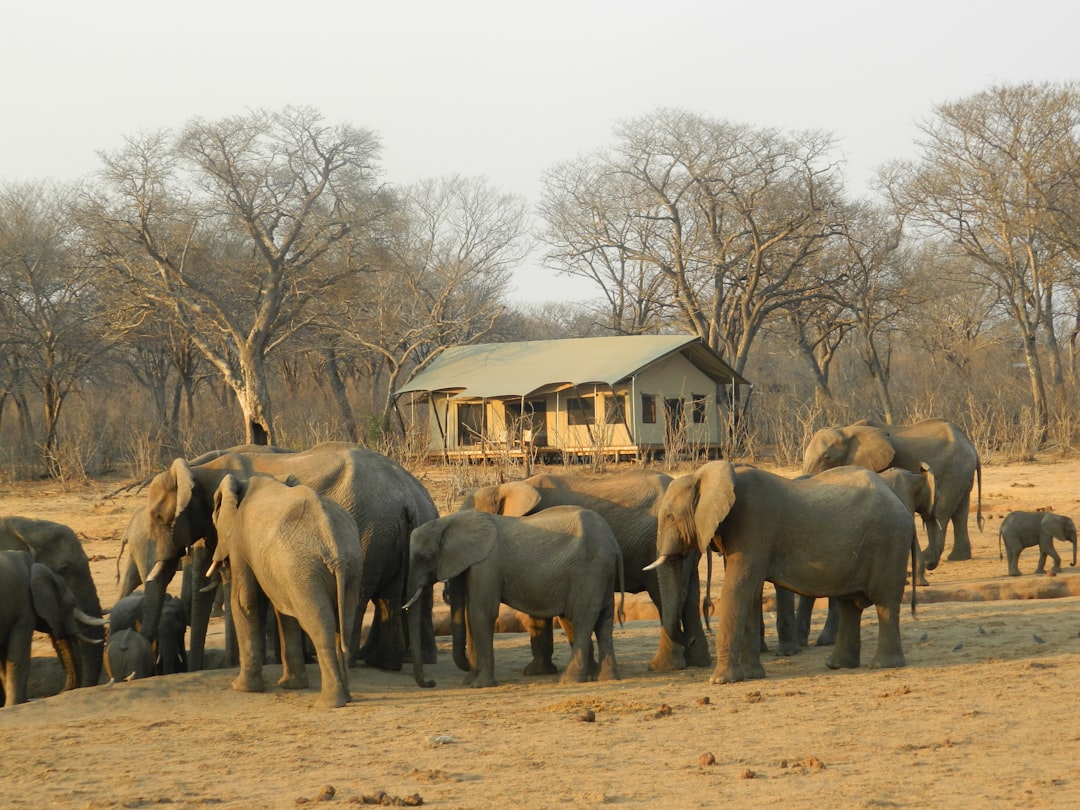
Hwange National Park covers 5,656 square miles and is Zimbabwe's largest national park. It is known worldwide for its massive elephant herds—more than 45,000 elephants live here. The park also hosts lions, leopards, Cape buffalo, giraffes, zebras, hyenas, and African wild dogs. During the dry season (July to October), wildlife congregates around waterholes, making sightings nearly guaranteed.
Hwange National Park offers excellent opportunities to photograph the Big Five in one location. The park's diverse landscape includes grasslands, woodlands, and seasonal ponds. Lions hunt in coordinated prides, and leopards hunt alone at night. You'll also see warthogs, antelopes like kudu and impala, and African fish eagles soaring overhead. The park is split into several zones, each with unique wildlife concentrations.
The best time to visit Hwange is July to October when the dry season drives animals to water sources. In November and December, the green season brings newborn animals and migratory birds. Birdwatchers flock to Hwange during the green season because over 400 bird species live here. Plan your trip based on whether you prioritize big mammals or bird diversity.
Mana Pools National Park: River Wildlife Paradise
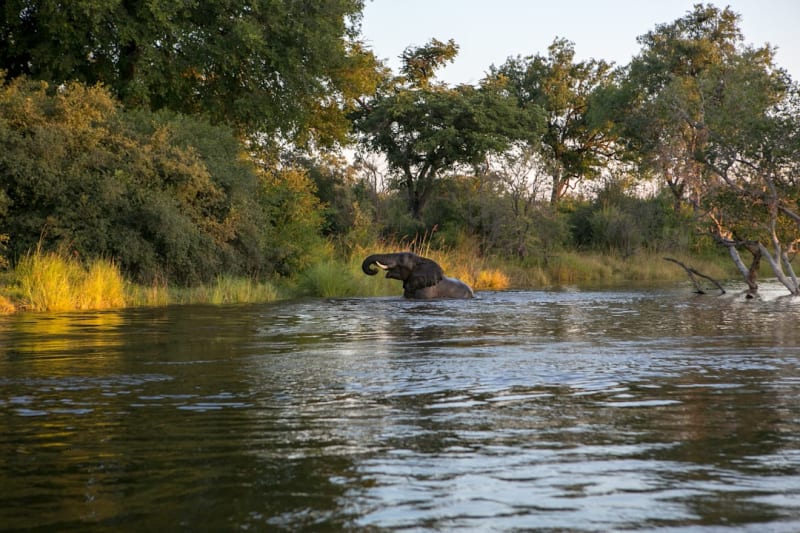
Mana Pools National Park sits along the Zambezi River in northern Zimbabwe and covers 2,196 square miles. The park is famous for its river cruises, where you see hippopotamuses, crocodiles, and water-loving mammals. Big cats—lions and leopards—hunt near the river at dawn and dusk. You'll also spot African wild dogs, elephants, giraffes, and numerous antelope species.
Mana Pools earned UNESCO World Heritage status because of its unique ecosystem and wildlife value. The Zambezi River creates a natural barrier and water source that attracts diverse species. Hippos spend their days in the river and graze at night on floodplain grasses. Crocodiles can reach 16 feet long and rest on riverbanks. Birdwatchers love Mana Pools because over 350 bird species inhabit the park.
The best time to visit Mana Pools is May to September when cooler temperatures make walking safaris enjoyable. During this period, water levels are low, concentrating animals along the river. November to March is the rainy green season when vegetation is lush and newborn animals appear. However, some lodges close during the rainy season, so plan ahead.
Victoria Falls Area: Scenic Wildlife Viewing
Victoria Falls is one of the Seven Natural Wonders of the World and offers unique safari experiences. While the falls themselves are geological features, the surrounding area hosts diverse wildlife. You can spot African elephants, giraffes, zebras, antelopes, and various bird species near the falls. River cruises on the Zambezi River offer encounters with hippos and crocodiles.
Victoria Falls is ideal for combining adventure activities with wildlife viewing. Many safaris include gorge walks, helicopter tours, and river rafting alongside game drives. The area is accessible year-round, though the dry season (July to October) offers the best wildlife viewing. Lodges near Victoria Falls provide comfortable bases for exploring nearby Hwange National Park or Mana Pools.
Zimbabwe Safari Animals by Season: When to See What
Dry Season (July to October): Peak Wildlife Viewing
The dry season is the best time to see Zimbabwe safari animals because wildlife congregates around remaining water sources. During these months, temperatures cool down, making game drives more comfortable. Animals must drink daily, so they visit waterholes predictably. Your chances of seeing the Big Five increase dramatically during this period.
July and August are the coolest months, perfect for active safari-goers who enjoy long game drives. Vegetation is sparse, making animals easier to spot. Lions hunt more frequently as prey animals weaken from dry conditions. Leopards become more visible because they hunt at night and rest in trees during the day. Photographers love the dry season because clear skies and dramatic lighting create stunning wildlife images.
September and October mark the end of the dry season when animals are most concentrated. Waterholes become critical gathering points for entire herds. Young animals born during the rainy season are now strong enough for long migrations. Book your dry season safari 3–6 months in advance to secure the best lodges and guides.
Green Season (November to March): Newborns and Birdwatching
The green season brings rain, lush vegetation, and newborn animals to Zimbabwe's parks. November and December are transition months with scattered showers and emerging green growth. Animals spread out across the landscape instead of concentrating at waterholes, making sightings less predictable. However, this season is exceptional for birdwatching because migratory birds arrive in massive numbers.
January to March is the peak rainy season with abundant water and vegetation. Predators find hunting challenging because prey animals scatter and vegetation obscures views. However, you'll see young animals—baby elephants, lion cubs, and antelope calves—taking their first steps. The landscape is incredibly green and beautiful, perfect for photography with lush backdrops.
The green season is less crowded and more affordable than the dry season. Some lodges offer discounts of 20–30% during these months. Malaria risk increases during the rainy season, so discuss health precautions with your doctor. Learn more about health requirements by reading our guide on vaccinations and health rules for Zimbabwe.
Shoulder Seasons (April to June and September to October)
Shoulder seasons offer a balance between wildlife viewing and comfortable weather. April to June marks the transition from green season to dry season. Temperatures cool gradually, vegetation dries, and animals begin moving toward water sources. Prices drop compared to peak season, and crowds thin out. You'll still see excellent wildlife with more solitude.
September and October are the final dry season months before rains return. Animals are extremely concentrated, offering outstanding viewing opportunities. Temperatures climb above 80°F (27°C), so bring sun protection and stay hydrated. This period is ideal if you want peak wildlife viewing without paying premium prices.
The Big Five and Other Must-See Zimbabwe Safari Animals
African Elephants: The Gentle Giants
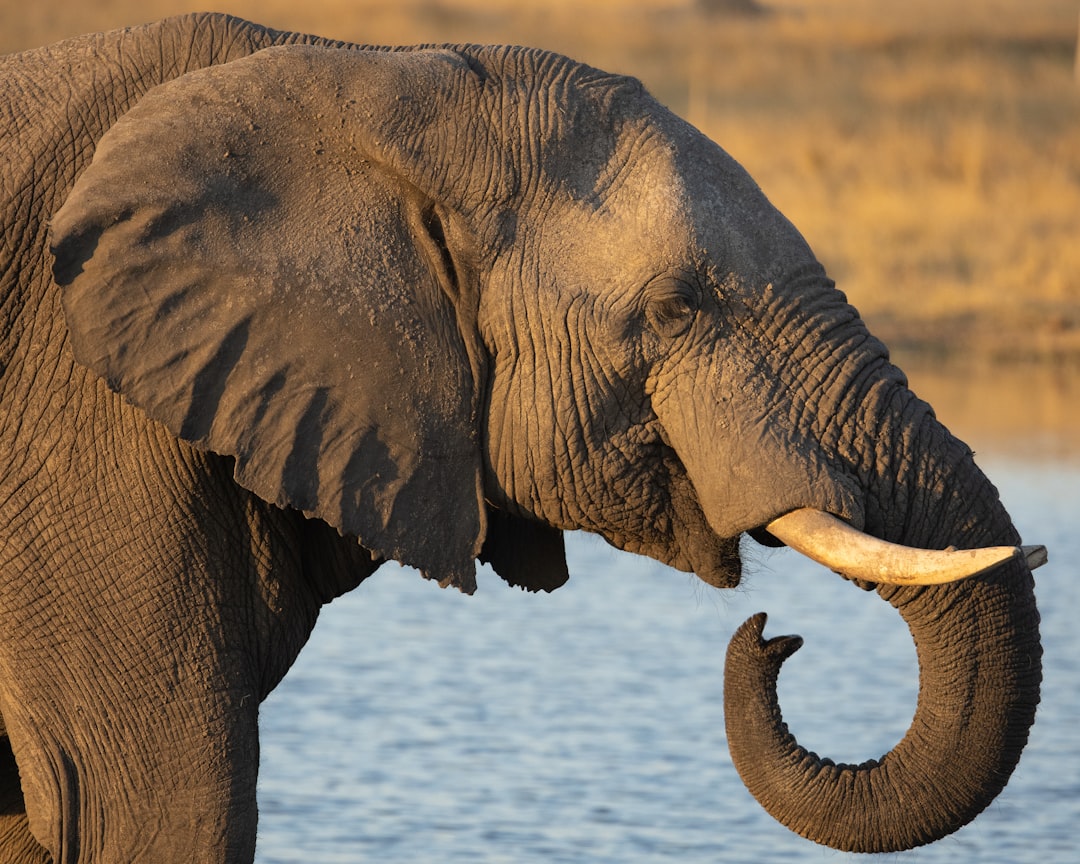
African elephants are Zimbabwe's most iconic safari animal and the largest land mammals on Earth. Hwange National Park hosts over 45,000 elephants—the largest concentration in the world. These intelligent, social animals live in herds led by matriarchs who remember water locations and migration routes across decades.
Elephant herds gather at waterholes during the dry season, offering incredible photography opportunities. Adult males (bulls) can weigh 13,000 pounds and stand 10 feet tall. Females and calves stay together in tight family groups. You'll witness touching moments—mothers teaching calves to use their trunks, families playing in water, and protective behavior toward young animals. Mana Pools and Hwange both offer excellent elephant viewing year-round.
Lions: The Kings of Africa
Lions are Africa's largest carnivores and the Big Five's apex predators. Zimbabwe's lion population numbers around 2,000, with healthy prides in Hwange and Mana Pools. Unlike solitary leopards, lions live in family groups called prides, hunting cooperatively and raising cubs together.
Hearing a lion roar at dawn is one of safari's most thrilling experiences. Male lions roar to mark territory and communicate with pride members across miles. You may see lions sleeping under acacia trees, hunting zebras and buffalo, or relaxing by waterholes. The dry season (July to October) offers the best lion viewing because they concentrate around water sources.
Leopards: The Elusive Hunters
Leopards are the Big Five's most difficult animal to spot because they are solitary, nocturnal, and reclusive. Zimbabwe's leopard population thrives in Hwange and Mana Pools, but seeing one requires patience and experienced guides. Leopards hunt alone, dragging kills into trees to avoid sharing with lions and hyenas. You may see their distinctive rosette-spotted coats in early morning or late afternoon.
Cape Buffalo: The Dangerous Herd
Cape buffalo are massive, unpredictable herbivores weighing up to 1,500 pounds. They live in herds of 10 to 100 animals and are considered one of Africa's most dangerous animals. Buffalo can charge without warning, making them both thrilling and terrifying to encounter on safari. Their curved horns and muscular builds make them formidable opponents for predators.
Black and White Rhinos: Critically Endangered
Zimbabwe's rhino population declined dramatically due to poaching, but conservation efforts continue. Black rhinos are critically endangered, with fewer than 6,000 remaining in Africa. White rhinos are slightly more numerous but still vulnerable. Seeing a rhino on safari is a privilege that supports conservation funding.
Other Must-See Animals
Zimbabwe safari animals extend far beyond the Big Five. African wild dogs are endangered predators that hunt in coordinated packs of 5–15 animals. They have distinctive mottled coats and large, rounded ears. Giraffes reach 18 feet tall and browse acacia tree leaves with their long, prehensile tongues. Zebras live in herds and have unique stripe patterns like human fingerprints.
Hippopotamuses are massive herbivores weighing up to 4,000 pounds that spend days in water. They emerge at dusk to graze on grass, traveling miles from the river. Warthogs, antelopes (kudu, impala, sable), hyenas, and African fish eagles complete Zimbabwe's incredible wildlife roster.
Planning Your Zimbabwe Safari: Practical Considerations
Best Safari Duration and Timing
A 7-day safari is the minimum to experience Zimbabwe's major parks and wildlife properly. This duration allows 3–4 days in Hwange National Park and 2–3 days in Mana Pools or Victoria Falls. If you have 10–14 days, you can explore multiple parks thoroughly and enjoy walking safaris for deeper wildlife encounters.
Book your safari 3–6 months in advance, especially for the dry season (July to October). Peak season packages fill quickly, and early booking secures better lodge choices and guide availability. The green season (November to March) offers 20–30% discounts if you're flexible with timing. Use SafariFind to compare Zimbabwe safari packages and find the best pricing for your dates.
Safari Accommodations: Budget to Luxury
Zimbabwe offers safari lodges ranging from budget tented camps to ultra-luxury resorts. Budget lodges cost $150–$300 per person nightly and provide basic comfort with excellent wildlife viewing. Mid-range lodges ($300–$600 per night) offer better amenities and personalized service. Luxury lodges ($600–$1,500+ per night) provide exceptional food, spa services, and exclusive wildlife experiences.
Your lodge choice affects the overall safari experience. Budget lodges often provide authentic, close-to-nature experiences with knowledgeable guides. Luxury lodges offer premium comfort after long game drives. Read reviews on SafariFind to find lodges matching your budget and preferences. Learn more about your options by exploring our guide to Zimbabwe safari lodges: budget vs. luxury by park.
What to Bring and How to Prepare
Pack neutral-colored clothing (khaki, olive, tan) to blend into the landscape during game drives. Avoid bright colors that startle wildlife. Bring binoculars, a quality camera, and telephoto lens for wildlife photography. Sun protection—hat, sunscreen, sunglasses—is essential because the African sun is intense. Layers are important because mornings are cool and afternoons are hot.
Discuss health precautions with your doctor before traveling. Malaria is present in Zimbabwe, especially during rainy months. Most travelers take antimalarial medication as a preventive measure. Ensure your vaccinations are current and check visa requirements. We provide detailed guidance in our Zimbabwe visa guide for international travelers.
Working with Professional Guides
Experienced safari guides are essential for wildlife viewing success. Professional guides know animal behavior, habitat preferences, and seasonal movement patterns. They can spot distant animals hidden from untrained eyes and explain ecological relationships. Most lodges employ guides with 10–20+ years of experience and extensive wildlife knowledge.
Good guides enhance safety during wildlife encounters. They maintain appropriate distances from animals and recognize danger signs. They also share cultural knowledge about local communities and conservation efforts. Request guides with strong track records on SafariFind by reading operator reviews.
Conservation and Ethical Safari Practices
Zimbabwe's wildlife depends on responsible tourism and conservation funding. When you book safaris through verified operators, your money supports habitat protection and anti-poaching efforts. Many lodges contribute directly to conservation projects and employ local staff, benefiting surrounding communities.
Ethical safari practices include respecting wildlife by maintaining safe distances and minimizing disturbance. Never feed animals or leave the vehicle without guide permission. Follow lodge guidelines for noise levels and photography ethics. Responsible tourism ensures wildlife thrives and safari experiences remain world-class for future generations.
Zimbabwe has made significant conservation strides. The country reduced elephant poaching through intensive anti-poaching patrols and community engagement. African wild dog populations have stabilized in protected areas. Your safari choice directly impacts these conservation successes.
Key Takeaways
- Book your Zimbabwe safari during the dry season (July to October) to maximize Big Five viewing, when animals concentrate at waterholes in Hwange and Mana Pools.
- Plan a minimum 7-day safari itinerary spending 3–4 days in Hwange National Park and 2–3 days in Mana Pools to experience diverse wildlife across multiple ecosystems.
- Reserve your safari 3–6 months in advance during peak season to secure top-rated lodges and experienced guides, saving 15–20% compared to last-minute bookings.
- Budget $2,500–$4,500 per person for a 7-day all-inclusive safari in 2026, including lodge, meals, game drives, and guide services across multiple parks.
- Choose verified safari operators on SafariFind with 4.5+ star ratings and 50+ reviews to ensure ethical wildlife practices, professional guides, and authentic conservation support.
Frequently Asked Questions
What is the best time to see the Big Five in Zimbabwe?
The best time to see Zimbabwe's Big Five is July to October during the dry season. Animals concentrate around waterholes because water is scarce, making sightings nearly guaranteed. Temperatures are cool and comfortable for game drives. Book 3–6 months in advance to secure lodges during this peak season.
How much does a Zimbabwe safari cost in 2026?
A 7-day Zimbabwe safari costs $2,500–$4,500 per person in 2026, including accommodation, meals, and game drives. Budget lodges run $150–$300 nightly, mid-range $300–$600, and luxury $600–$1,500+ per night. Green season (November–March) safaris are 20–30% cheaper. Compare packages on SafariFind to find deals matching your budget.
Which park is best for seeing elephants in Zimbabwe?
Hwange National Park is the world's best destination for seeing African elephants. The park hosts over 45,000 elephants—the largest concentration anywhere. During the dry season (July–October), elephants gather at waterholes, offering incredible viewing and photography opportunities. Mana Pools also has excellent elephant populations along the Zambezi River.
Can I see leopards on a Zimbabwe safari?
Leopards live in Zimbabwe's parks but are difficult to spot because they are solitary and nocturnal. Experienced guides increase your chances by knowing their preferred hunting areas and behavior patterns. Early morning and late afternoon game drives offer the best sightings. Patience and luck play big roles in leopard encounters.
What health precautions do I need for a Zimbabwe safari?
Consult your doctor before traveling to discuss malaria prevention, vaccinations, and travel insurance. Malaria is present, especially during rainy months (November–March). Most travelers take antimalarial medication. Ensure routine vaccinations are current and consider yellow fever vaccination if visiting other African countries. See our detailed health and vaccination guide for Zimbabwe travelers.
What animals can I see in Mana Pools National Park?
Mana Pools hosts lions, leopards, African wild dogs, elephants, giraffes, zebras, hippopotamuses, and crocodiles. The park is famous for river cruises where you see hippos and water-loving mammals. Big cats hunt near the Zambezi River at dawn and dusk. Over 350 bird species make Mana Pools exceptional for birdwatching. Browse verified Mana Pools packages on SafariFind to plan your river safari adventure.
How do I book a reliable Zimbabwe safari operator?
Book through SafariFind's verified operators who have authentic traveler reviews and professional certifications. Compare ratings, review counts, and customer feedback before committing. Request quotes from multiple operators and ask about guide experience, lodge quality, and conservation practices. SafariFind connects you directly with trusted operators offering transparent pricing and excellent service.
Conclusion
Zimbabwe safari animals represent one of Africa's greatest wildlife treasures. The Big Five—African elephants, lions, leopards, Cape buffalo, and rhinos—live alongside giraffes, zebras, African wild dogs, and over 100 other mammal species. Hwange National Park is famous for its 45,000 elephants, while Mana Pools offers river-based wildlife viewing and big cat hunting.
The dry season (July to October) is the best time to visit, when animals concentrate at waterholes and viewing is nearly guaranteed. A 7-day safari costs $2,500–$4,500 per person in 2026 and includes lodge, meals, and professional guides. Book 3–6 months in advance to secure top-rated lodges and experienced guides during peak season.
Your safari choice supports wildlife conservation and local communities. Choose verified operators on SafariFind with strong ratings and authentic reviews to ensure ethical practices and professional service. Compare packages, read traveler feedback, and request quotes from multiple operators to find your perfect Zimbabwe safari. Start planning your adventure today and experience Africa's most iconic wildlife in their natural habitat.
Plan Your Safari with SafariFind
These recommendations use real data from SafariFind, where you can compare operators, browse packages, and read verified traveler reviews before you book.
Recommended Safari Operators from SafariFind
Recommended Safari Packages from SafariFind
What Travelers Say (SafariFind Reviews)
References
- Safari Guide: Mana Pools National Park – Journeys with Purpose
- Zimbabwe Safari Animals: 12 Species to See – SafariFind
- Zimbabwe Safari & Tours – Eclipse Travel
- Zimbabwe Big Five Safari Guide – Zimbabwe Travel Hub
- Zimbabwe Wildlife Tour Packages 2026 – Gorilla Tracking
- Hwange National Park Animals – Hideaways Africa
- Discover Zimbabwe: A Year-Round African Wildlife Safari Destination – Natural Habitat Adventures
- Safari en Zimbabwe: Where to See Animals in the Wild – Wildlife Nomads
Sources
- Safari Guide: Mana Pools National Park
- Zimbabwe Safari Animals: 12 Species to See
- Zimbabwe Safari & Tours
- Zimbabwe Big Five Safari Guide: Where To Find Each Animal
- Zimbabwe Wildlife Tour Packages 2026: Best Safari Parks & Costs
- Hwange National Park Animals
- Discover Zimbabwe: A Year-Round African Wildlife Safari Destination
- Safari en Zimbabwe: Where to See Animals in the Wild
Related to
Ready to start your safari adventure?
Explore curated safari packages and find your perfect African adventure with verified operators.