Zimbabwe Safari Safety 2026: 9 Rules for Safer Game Drives
Discover Zimbabwe Safari Safety 2026: 9 Rules for Safer Game Drives - Expert guide to safari tourism and wildlife destinations.
Zimbabwe Safari Safety 2026: 9 Rules for Game Drives
Last updated: July 2026
Zimbabwe Safari Safety 2026 is strong in tourist areas when travelers follow trained guides, protect against sun and heat, secure lodge rooms, and avoid walking alone after dark. The safest game drive plan uses a professional guide, bottled or lodge-provided refillable water, suitable clothing, and the correct travel documents. July offers cold open-vehicle mornings and warmer midday conditions.
At a Glance
- Safety status: Zimbabwe is widely regarded as a safe safari destination in 2026, especially in tourist areas.
- Wildlife rule: Stay with your professional guide and never approach animals or wander alone in the bush.
- Best time for cool-weather planning: July mornings can feel cold on open vehicles; midday is often comfortable in a T-shirt.
- Water: Drink bottled water or use lodge-provided refillable containers.
- Lodge security: Lock rooms when away, store valuables in a safe, and avoid walking alone after dark.
- Travel documents: Submit visa applications at least 30 days before travel and carry required vehicle papers.
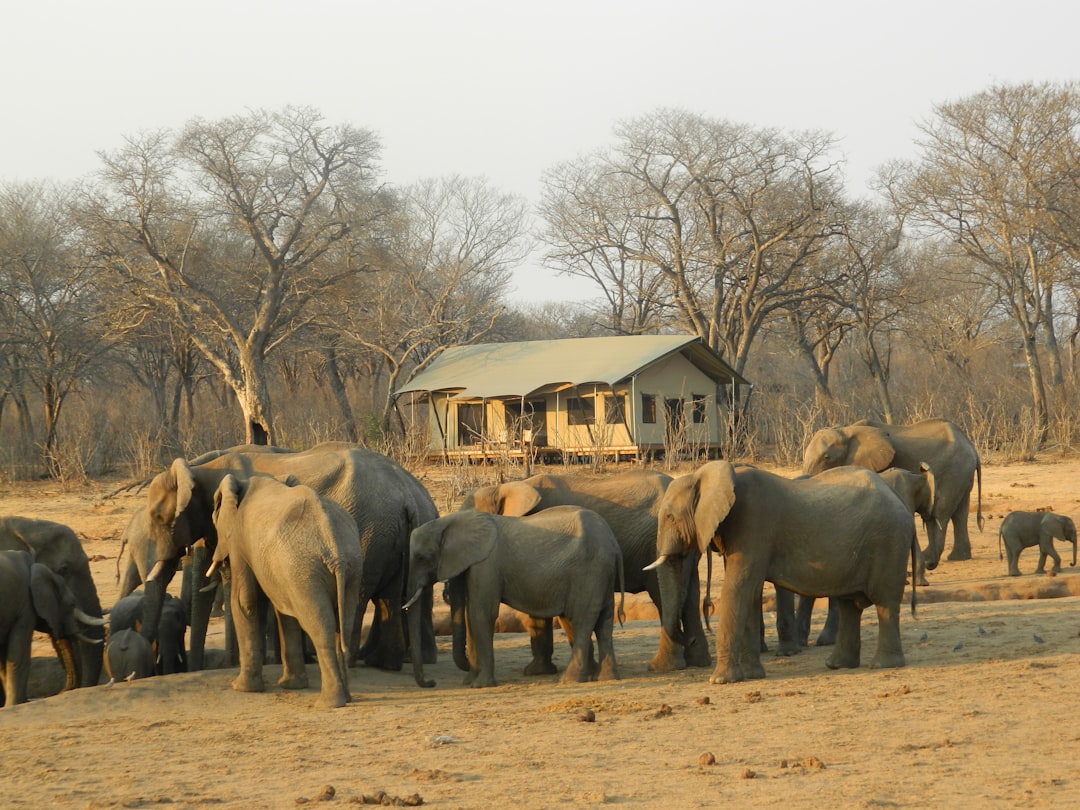
One trained guide, one clear safety briefing, and one calm response can prevent many safari problems.
Zimbabwe Safari Safety 2026: 9 Rules for Safer Game Drives explains how to stay safe around wildlife, at safari lodges, and on the road. Zimbabwe is widely regarded as a safe safari destination, particularly for travelers seeking wildlife experiences. However, a safari still takes place in wild areas. Animals move freely, roads can be rough, and weather can change during the day.
Zimbabwe Safari Safety 2026 is not about fear. It is about simple habits that protect you and the animals. This guide covers nine rules, from staying with your guide to carrying the right documents. It also explains water, health, clothing, lodge security, and drone permits.
Quick answer: Zimbabwe safari game drives are safe when you follow your guide, keep a safe distance from wildlife, remain inside the vehicle when instructed, and respect lodge rules. In 2026, travelers should also plan visas early, bring sun protection, drink safe water, and avoid independent walks after dark.
Use this article before booking and again during your trip. Then compare the guide standards, safety details, and guest feedback offered by different safari companies.
What Is Zimbabwe Safari Safety 2026: 9 Rules for Safer Game Drives?
Zimbabwe safari safety is a set of practical rules for wildlife viewing, lodge stays, road travel, and personal health. The nine rules below reduce avoidable risks without taking away the thrill of seeing wild animals in their natural habitat. A professional guide remains the most important part of this safety plan.
Rule 1: Stay with your professional guide
Professional guides understand animal behavior, safe viewing distances, and local conditions. Stay with your guide during wildlife viewing. Never approach animals, leave the group without permission, or wander independently in the bush. These rules apply during a vehicle stop, a walking activity, and any transfer near a wildlife area.
Guides also help you read warning signs. An animal that looks calm may still feel threatened. A nearby elephant, buffalo, lion, or hippo can react quickly. Your guide knows when to stop, when to move, and when silence matters.
Rule 2: Follow every vehicle instruction
Remain seated when your guide tells you to stay inside the vehicle. Keep arms, hands, cameras, and phones inside when animals are close. Do not stand suddenly or shout to attract attention. Small movements can change how an animal reads the vehicle and its passengers.
Game drives often include quiet moments. Use them well. Turn off loud music, keep voices low, and listen for your guide’s instructions. Children should sit beside an adult and receive the same rules before the drive begins.
Rule 3: Keep a safe distance from wildlife
Safe wildlife viewing depends on distance, patience, and respect. Never ask a driver to move closer simply for a better photograph. A good image is not worth stressing an animal or placing passengers at risk.
Zimbabwe safari safety also protects wildlife. Do not feed animals, call to them, block their path, or use a flash when your guide says it may disturb them. Let animals decide how close they want to come.
Known for: Zimbabwe is known for guided wildlife viewing in areas where professional teams manage vehicle and guest safety. Best for: travelers who want close nature experiences with clear rules and expert support.
Compare Zimbabwe safari packages with trained guides and clear trip details before you choose an itinerary.
What Are the Main Zimbabwe Safari Safety Risks?
The main Zimbabwe safari safety risks involve wildlife, heat, water, darkness, travel documents, and poor preparation. You can manage most of these risks with a short checklist. The key is to prepare before the first game drive, rather than waiting for a problem to appear.
Rule 4: Protect yourself from sun, heat, and cold
July family safari guidance recommends layers because open-vehicle mornings can be cold, while midday temperatures may feel comfortable in a T-shirt. Pack a warm layer for early drives. Add sunscreen, a hat, and insect repellent for daytime comfort.
Sun protection matters even when the air feels cool. Wear light clothing that covers your shoulders and legs. Drink water throughout the day. Tell your guide if you feel dizzy, weak, or unwell. A short break is safer than trying to push through heat.
Rule 5: Drink safe water and manage food hygiene
Use bottled water or lodge-provided refillable water containers instead of relying on tap water. Carry water in the vehicle, especially during long drives. Ask staff where to refill before leaving camp or lodge.
Typhoid can spread through contaminated water, milk, food, or food and drink handlers. Immunization is described as effective, and the illness is treatable with antibiotics. Ask a qualified health professional about vaccines and travel health before departure.
Wash your hands before meals and after outdoor activities. Keep personal medicine in your day bag. Tell your guide or lodge manager about allergies, medical needs, or food limits before activities begin.
Rule 6: Secure your lodge room and avoid night walks alone
Lock your room whenever you leave it. Store passports, cash, electronics, and other valuables in the lodge safe. Avoid walking alone after dark. These lodge safety steps are part of standard Zimbabwe safari planning.
Ask lodge staff how to move between rooms, dining areas, and vehicles after sunset. Use an escort when the lodge requires one. Do not assume a short path is safe because it looks familiar during daylight.
Safari lodges often sit near unfenced wildlife areas. That setting creates the special atmosphere many travelers want. It also means you should follow the lodge’s movement rules every time, even when you cannot see an animal nearby.
Rule 7: Keep permits and travel documents ready
Submit Zimbabwe visa applications at least 30 days before travel. Travelers who arrive without required drone permits may have their drones confiscated at the airport. Check the latest requirements before departure, especially if you plan to carry a drone.
Drivers should carry regular vehicle documents. These include a driving license and a temporary import permit for a foreign-registered vehicle. Keep paper and digital copies where possible, but protect originals from water and damage.
Zimbabwe safari safety begins before you reach the park gate. A missing document can delay a trip, create stress, or stop an activity. Ask your operator which documents apply to your route and transport plan.
For wider planning, read the guide to Zimbabwe safari cost by park and season in 2026. It helps you review trip details before you request a quote.
How Do You Apply Zimbabwe Safari Safety Rules on Game Drives?
Apply Zimbabwe safari safety rules by preparing a small day bag, listening during the briefing, and repeating the rules before each activity. Conditions change between morning and afternoon drives. Your guide’s current advice always takes priority over a general checklist.
Rule 8: Pack a simple, useful day bag
A good game-drive bag keeps safety items close without adding clutter. Pack these basics:
- Refillable lodge water or bottled water.
- Sunscreen, a wide-brimmed hat, and sunglasses.
- A warm layer for July morning drives.
- Insect repellent and any prescribed medicine.
- Phone, camera, spare battery, and small personal items.
- Copies of key documents stored securely.
Choose neutral, comfortable clothing for vehicle viewing. Avoid loose items that can fall from the vehicle. Keep camera straps, bags, and clothing inside when wildlife approaches.
Rule 9: Listen, stay calm, and report problems early
Calm behavior helps the group respond well. If you feel sick, cold, overheated, or frightened, tell your guide at once. Do not hide a problem to protect the schedule. Guides can change the route, stop the vehicle, or contact lodge staff.
Do not run from wildlife. Do not leave the vehicle without permission. Do not split from your group. Instead, follow the guide’s voice and movements. A calm group gives the guide better control during an unexpected encounter.
Use this pre-drive safety checklist
- Attend the full safety briefing.
- Ask where to sit and when you may stand.
- Check that your water, hat, layer, and medicine are ready.
- Confirm the return time and meeting point.
- Keep your phone on silent during wildlife viewing.
- Tell the guide about health needs or mobility limits.
- Follow all instructions when the vehicle stops.
SafariFind connects travelers with verified tour operators and authentic reviews. Request a quote from verified Zimbabwe safari operators and compare their safety details before booking.
Season also affects comfort and packing. The Zimbabwe safari park-by-park calendar for 2026 can help you match dates with weather, wildlife goals, and clothing needs.
How to choose a safer safari company
Look for clear information about guide training, vehicle standards, emergency contacts, lodge access, and group size. Ask who leads each game drive. Ask how the operator handles medical needs, delays, and changing road conditions.
Read authentic traveler reviews before you book. Pay attention to comments about guide communication, safety briefings, vehicle care, and how staff handled unexpected events. A low price does not explain the full value of a safari if basic support is unclear.
For more operator research, review Zimbabwe safari companies ranked for 2026. Use the details to prepare focused questions for each operator.
Key Takeaways
- Stay with your professional guide during every wildlife activity to avoid unsafe approaches and solo walks.
- Carry bottled or lodge-provided refillable water on each drive to reduce water-related health risks.
- Pack layers for July because open vehicles can feel cold in the morning and warmer at midday.
- Submit visa applications at least 30 days before travel and check drone permits before arriving.
- Lock lodge rooms and avoid solo walks after dark to protect valuables and reduce nighttime risk.
Frequently Asked Questions
Is Zimbabwe safe for a safari in 2026?
Zimbabwe is widely regarded as a safe safari destination in 2026, especially in tourist areas. Travelers should follow professional guide instructions, respect wildlife distances, secure lodge rooms, and use sensible health and travel preparation.
What is the most important Zimbabwe safari safety rule?
The most important rule is to stay with your professional guide during wildlife viewing. Never approach animals or wander independently in the bush. Guides understand animal behavior and choose safer distances for viewing and photography.
Can I walk around a Zimbabwe safari lodge at night?
Do not walk alone after dark at a Zimbabwe safari lodge. Ask lodge staff whether you need an escort between your room and shared areas. Lock your room when away and store valuables in the lodge safe.
What should I pack for a July Zimbabwe game drive?
Pack warm layers for cold open-vehicle mornings, plus light clothing for comfortable midday conditions. Sunscreen, a hat, insect repellent, and safe drinking water are also useful. Keep medication and personal documents in your day bag.
Do I need a visa or drone permit for Zimbabwe?
Submit Zimbabwe visa applications at least 30 days before travel. Drone travelers should confirm the correct permits before arrival because entering without required permits may lead to drone confiscation at the airport.
How can I book a safer Zimbabwe safari?
SafariFind helps travelers compare verified tour operators, safari packages, and authentic traveler reviews. Review guide details, ask safety questions, and request a clear itinerary before booking your 2026 trip.
Conclusion: Plan a Safer Zimbabwe Safari in 2026
Zimbabwe safari safety is strongest when travelers combine professional guidance with simple daily habits. Stay with your guide, keep a safe distance from wildlife, remain calm, drink safe water, protect yourself from sun and cold, and follow lodge rules after dark. These steps support both your safety and responsible wildlife tourism.
Plan visa applications at least 30 days ahead. Pack layers for July mornings, and confirm drone permits before you fly. Also, ask operators about guide training, vehicle procedures, emergency support, and lodge access before you pay.
Use SafariFind to compare verified operators, read authentic reviews, and match an itinerary with your comfort needs. Compare verified Zimbabwe safari packages for your 2026 game drive and request the details that matter most to you. With careful planning, Zimbabwe offers a safe, rewarding wildlife journey in 2026.
Plan Your Safari with SafariFind
These recommendations use real data from SafariFind, where you can compare operators, browse packages, and read verified traveler reviews before you book.
Recommended Safari Operators from SafariFind
Recommended Safari Packages from SafariFind
What Travelers Say (SafariFind Reviews)
References
- Zimbabwe Safari Safety 2026: Is It Safe Now?
- Zimbabwe Health and Safety Tips For A Hunting Safari In 2026
- Zimbabwe Travel Advice 2026: Visas, Currency & Safari Expert Tips
- Africa Safari Safety 2026: Hidden Risks & Tips
- Is It Safe to Go on Safari in South Africa in 2026?
- Zimbabwe Safari 2026: Pro Tips, Safety & Victoria Falls
- Is Zimbabwe Safe to Visit | Zimbabwe Safari Safety
- A Guide to Your Zimbabwe Family Safari: July 2026
Image Alt Text Suggestions
- Professional Zimbabwe safari guide watching elephants from a game-drive vehicle
- Travelers wearing warm layers on a July Zimbabwe morning game drive
- Safari lodge room safe and locked door in Zimbabwe
- Refillable water container prepared for a Zimbabwe safari vehicle
Sources
- Zimbabwe Safari Safety 2026: Is It Safe Now?
- Zimbabwe Health and Safety Tips For A Hunting Safari In 2026
- Zimbabwe Travel Advice 2026: Visas, Currency & Safari Expert Tips
- Africa Safari Safety 2026: Hidden Risks & Tips
- Is It Safe to Go on Safari in South Africa in 2026?
- Zimbabwe Safari 2026: Pro Tips, Safety & Victoria Falls
- Is Zimbabwe Safe to Visit | Zimbabwe Safari Safety
- A Guide to Your Zimbabwe Family Safari: July 2026
Related to
Ready to start your safari adventure?
Explore curated safari packages and find your perfect African adventure with verified operators.