Loading SafariFind...
Loading SafariFind...
Loading SafariFind...
South Africa's premier safari destination features vast Kruger National Park, exclusive private reserves, and iconic Cape Town, offering world-class wildlife viewing and diverse African experiences.
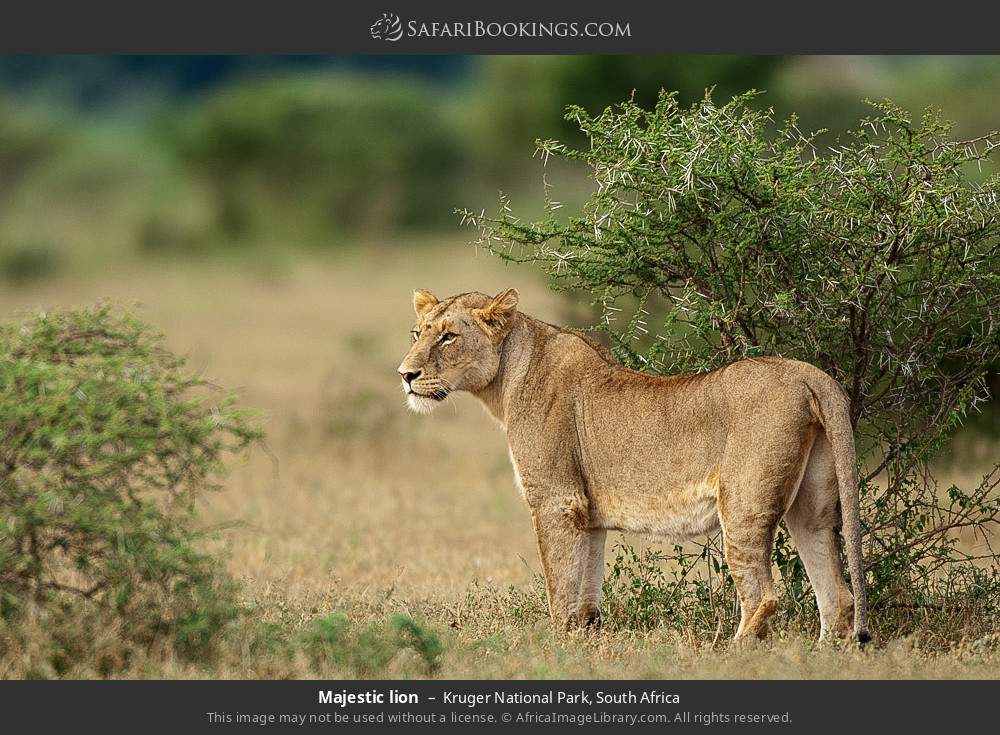
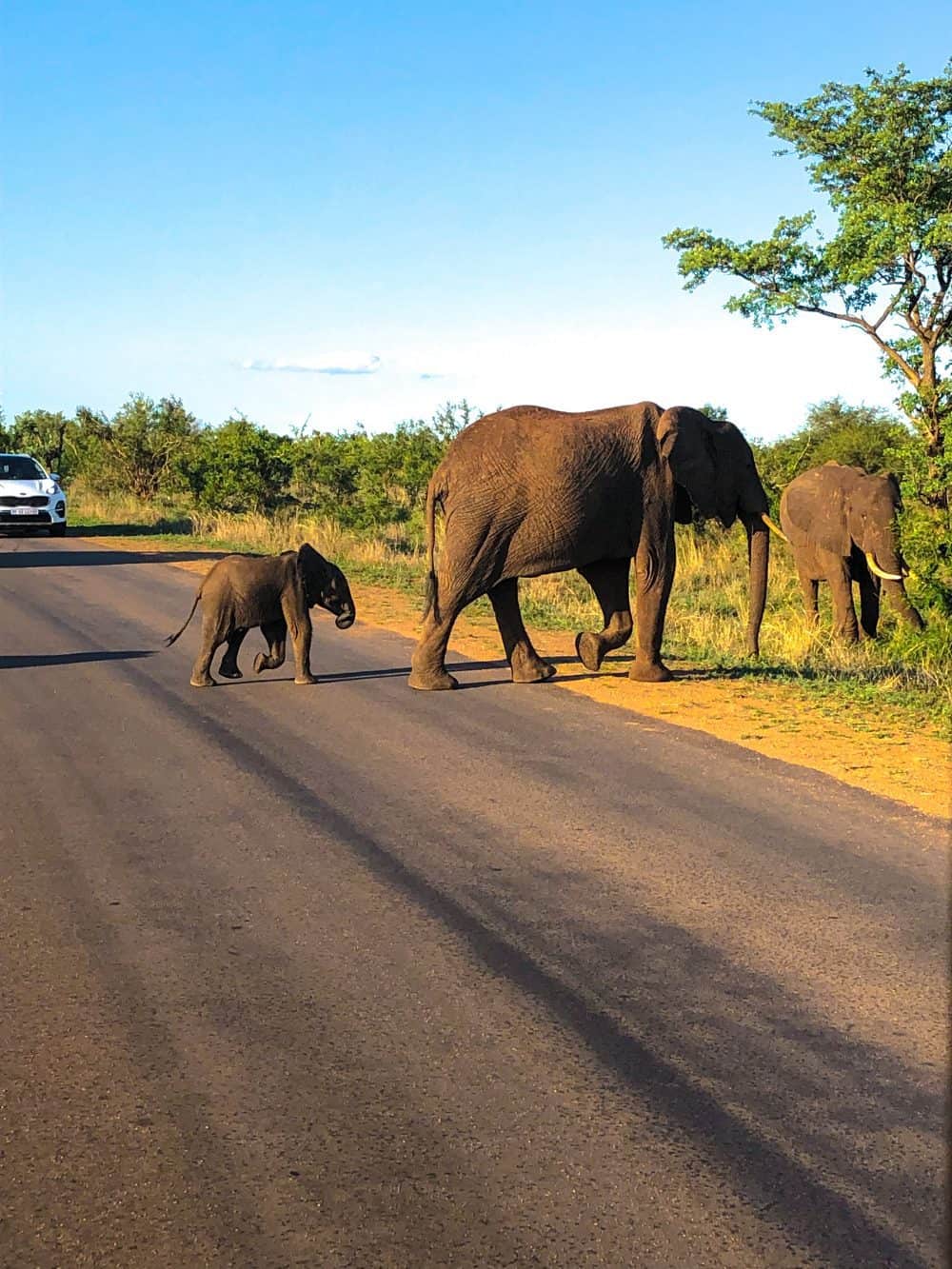
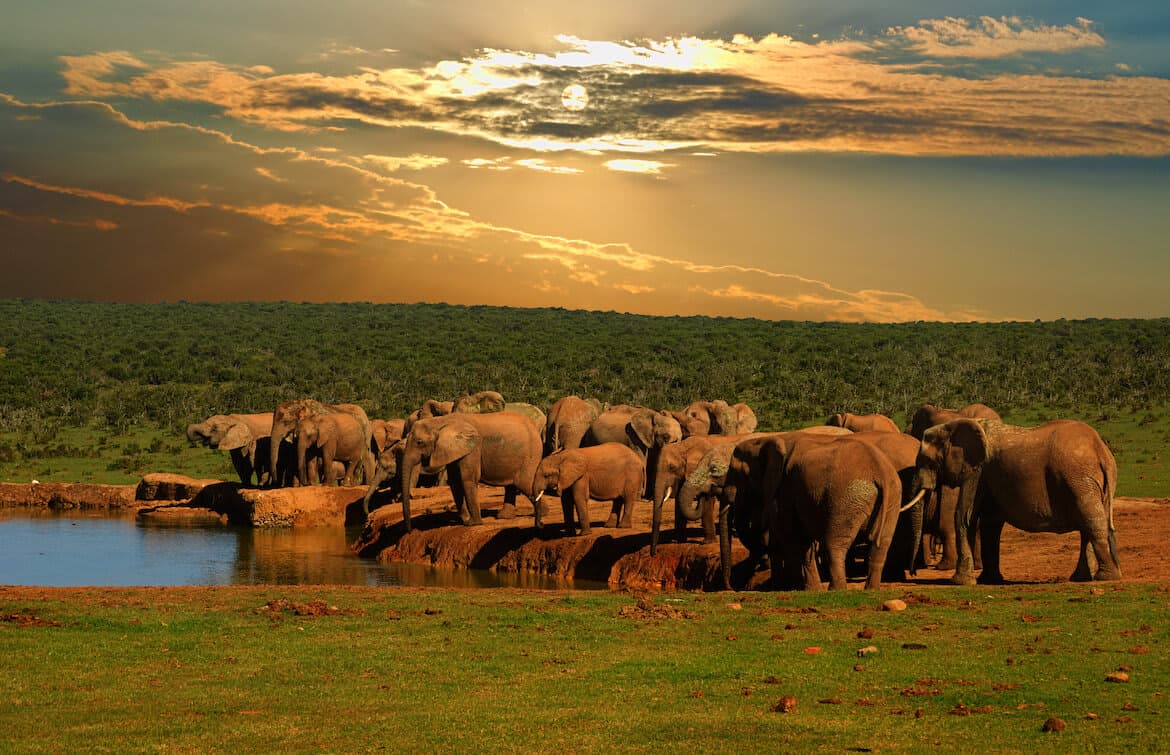
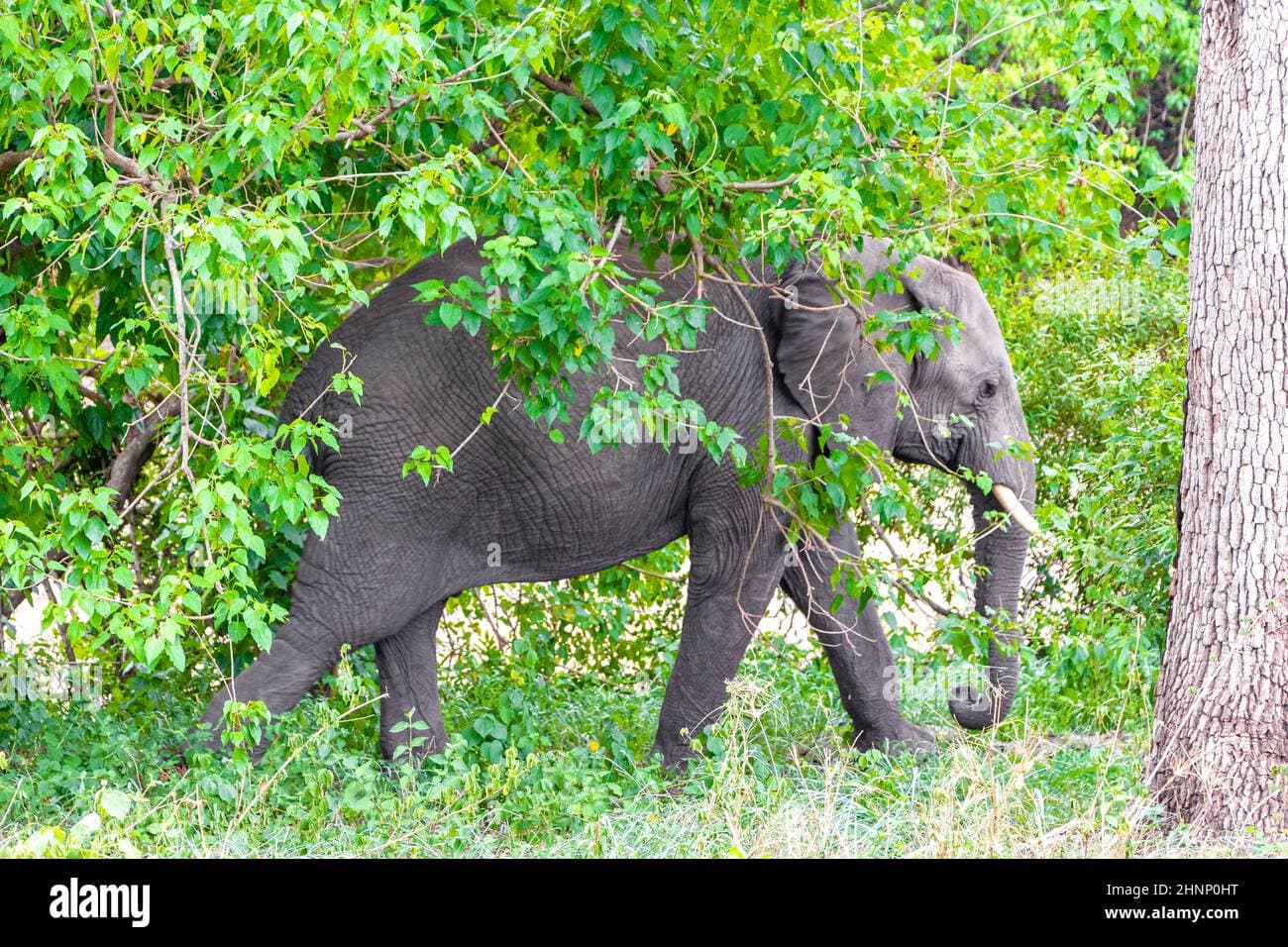
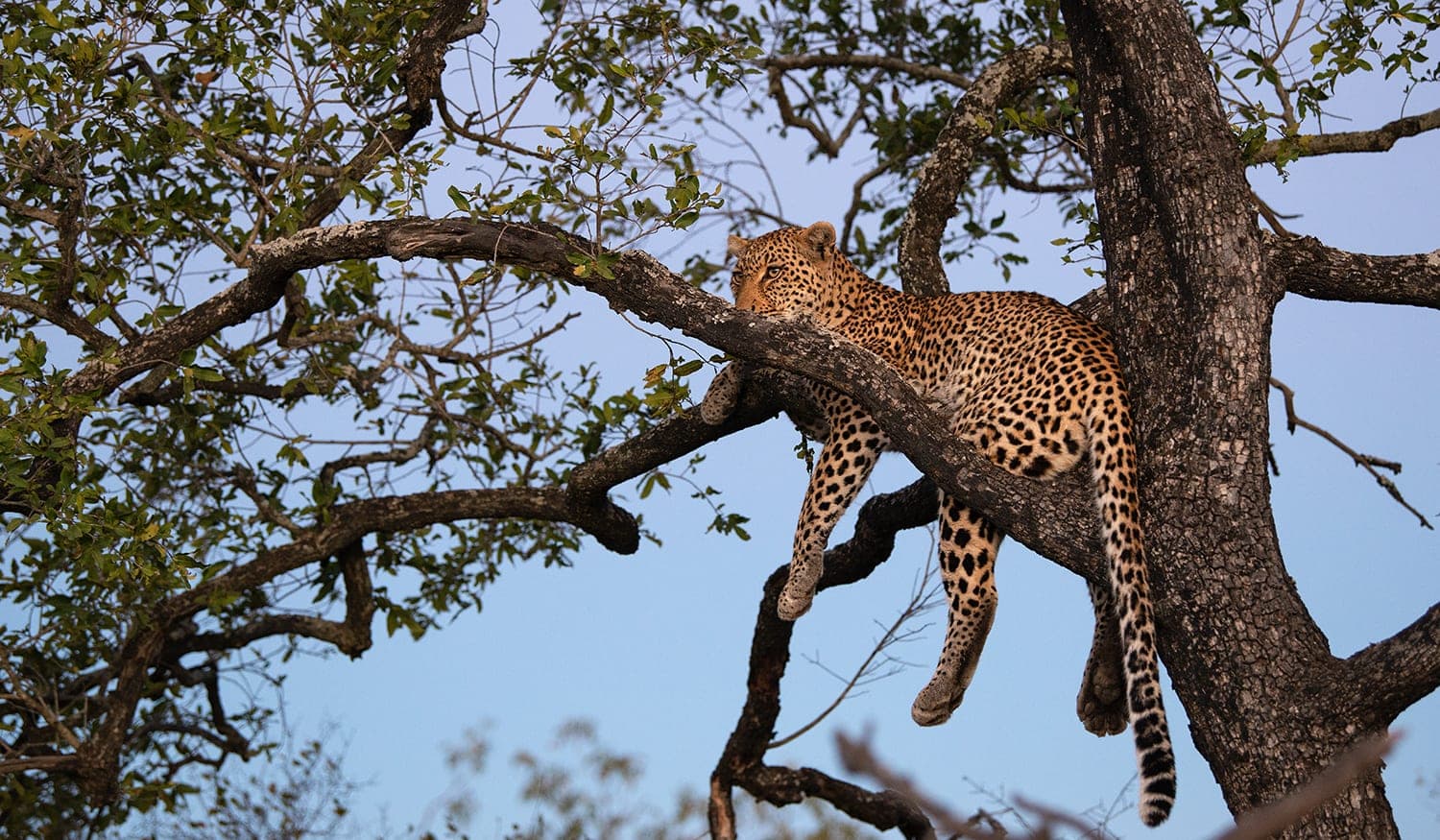
South Africa stands as one of Africa's premier safari destinations, offering an extraordinary blend of world-class wildlife viewing, diverse ecosystems, and exceptional tourism infrastructure. The country's vast Kruger National Park, spanning nearly 20,000 square kilometers, represents one of the continent's most iconic attractions, hosting an abundance of wildlife including the complete Big Five and numerous other species. Beyond Kruger, South Africa boasts an extensive network of private game reserves such as Sabi Sand, MalaMala, and Phinda, which provide exclusive, high-end safari experiences with exceptional wildlife viewing opportunities and habituated leopards that allow for intimate encounters. The country's geographic diversity extends far beyond its wildlife areas, featuring the dramatic Blyde River Canyon, the third-largest canyon on Earth, and the jagged peaks of the Drakensberg Mountains that pierce the South African skyline. Cape Town, the nation's most vibrant urban center, pulses with cultural energy and is framed by pristine white sandy beaches, offering visitors a perfect complement to their safari adventures. The combination of abundant wildlife, luxury accommodations, excellent road infrastructure, and diverse attractions makes South Africa an accessible yet thrilling safari destination suitable for both first-time and experienced safari enthusiasts. Whether exploring the vast wilderness of Kruger, enjoying the exclusivity of private reserves, or experiencing the urban sophistication of Cape Town, South Africa delivers unforgettable safari experiences that rival any destination on the African continent.
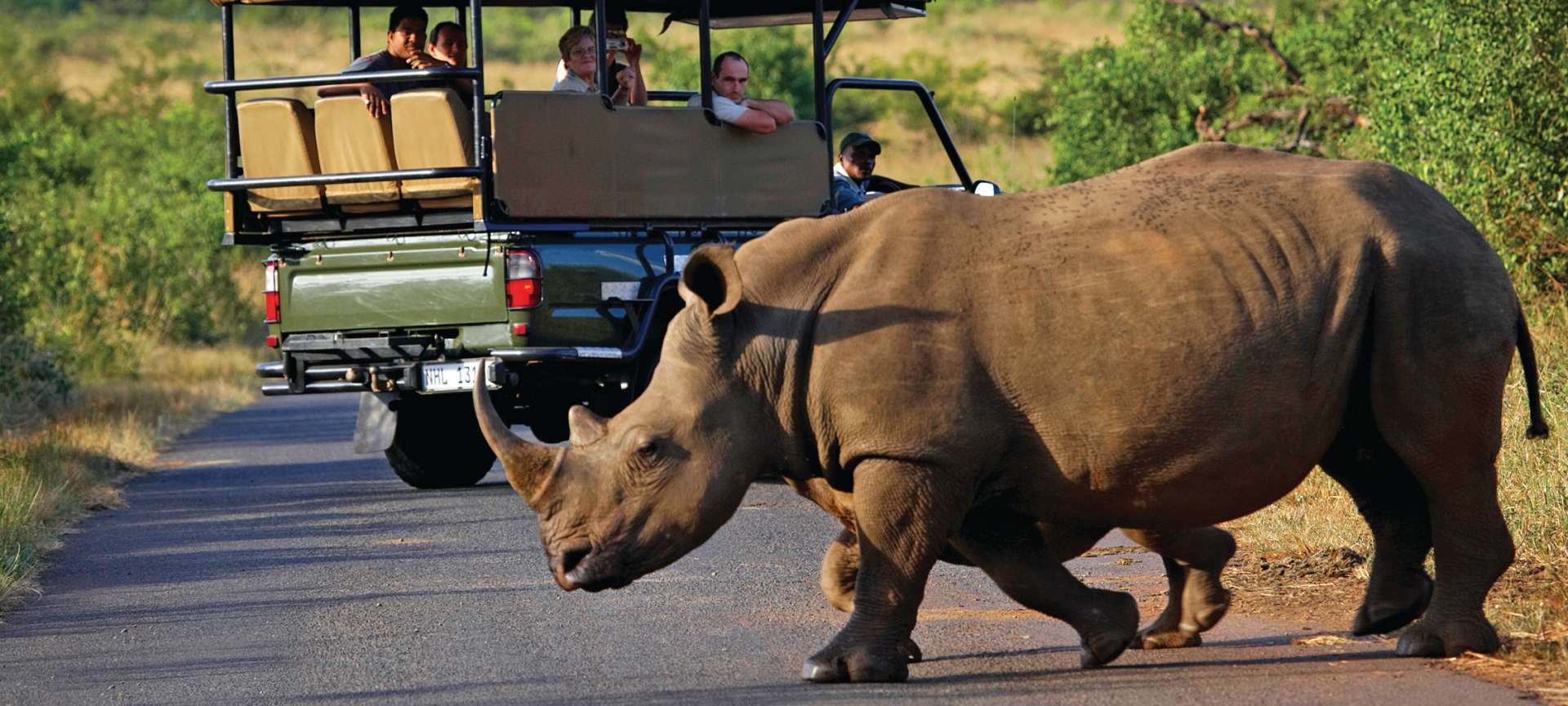
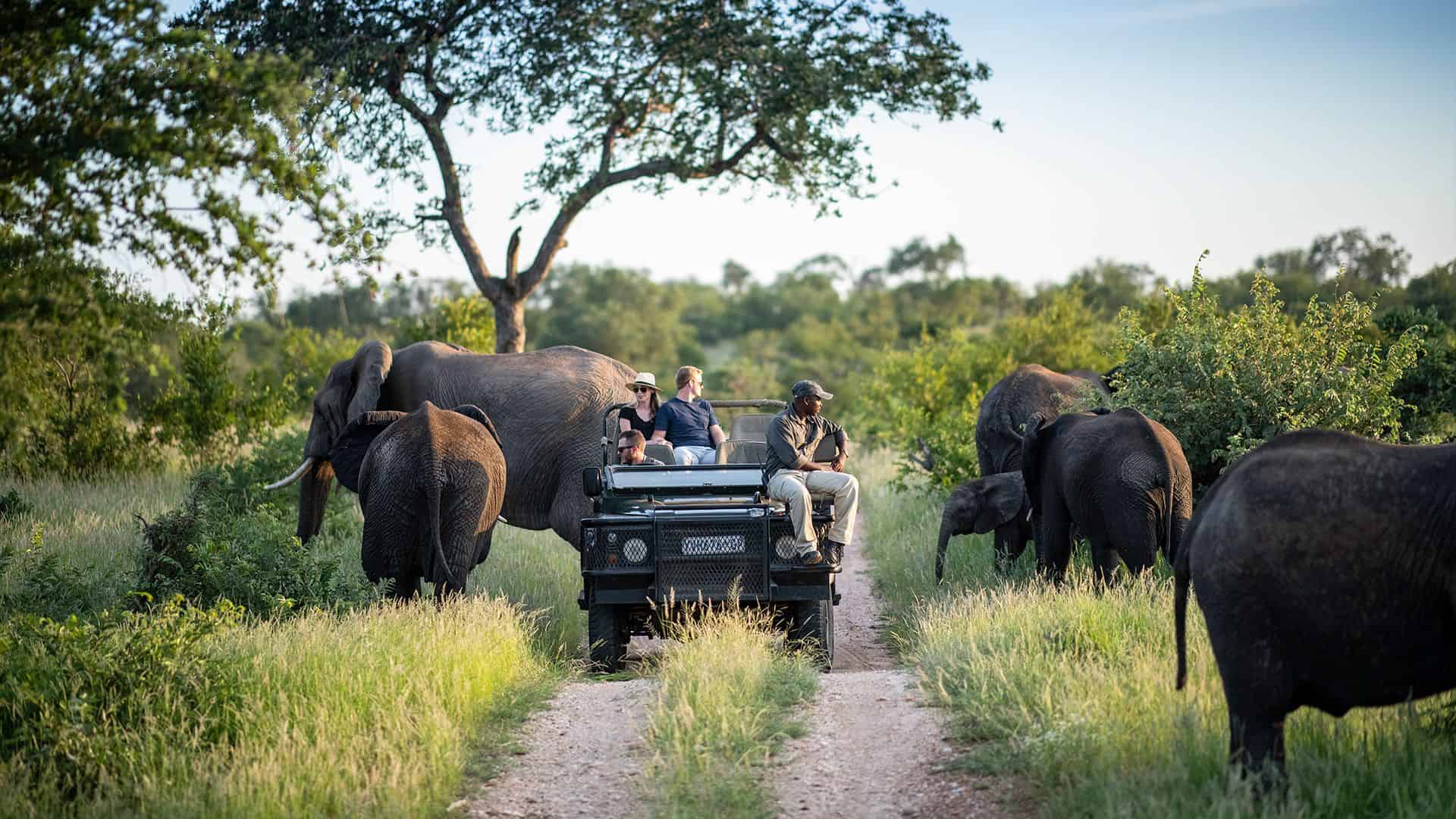
South Africa's safari tourism is distinguished by its remarkable combination of world-class wildlife viewing, luxury accommodations, and exceptional guide expertise. The country's most iconic experience is the Big Five safari, where visitors have excellent opportunities to encounter lions, leopards, elephants, buffalo, and rhinoceros in their natural habitats. Kruger National Park offers the most accessible Big Five experience with its vast size and diverse wildlife populations, while private reserves like Sabi Sand and MalaMala provide more exclusive encounters with habituated leopards that allow for intimate wildlife observation. The country's private game reserves represent the pinnacle of luxury safari experiences, offering small-group or private game drives in open vehicles with expert guides who provide deep ecological knowledge and wildlife behavior insights. Beyond traditional game drives, South Africa offers diverse safari activities including guided walking safaris, night drives for nocturnal wildlife viewing, and boating safaris on rivers and wetlands. The combination of safari experiences with urban exploration in Cape Town creates a unique holiday package where visitors can enjoy world-class wildlife viewing followed by cosmopolitan city experiences, fine dining, wine tasting in nearby valleys, and beach relaxation. South Africa's tourism infrastructure is exceptionally well-developed, with excellent roads, reliable electricity, quality accommodations ranging from budget-friendly to ultra-luxury, and English-speaking guides throughout the country. The country's malaria-free private reserves in the Eastern Cape provide excellent wildlife viewing without health concerns, making them ideal for families and those seeking to avoid antimalarial medications.
Book safari tours well in advance, especially during peak season (October to March) when parks become crowded. Pack neutral-colored clothing for game drives to avoid disturbing wildlife, along with a warm jacket for cold early morning drives. Bring high SPF sunscreen, sunglasses, and a hat for protection against intense African sun. Carry binoculars and a quality camera with a telephoto lens for wildlife photography. Respect wildlife by maintaining safe distances and following guide instructions. Arrive at least 15 minutes early for scheduled game drives. Bring cash in South African Rand for tips and small purchases, though major credit cards are widely accepted. Download offline maps and travel apps before departure. Stay hydrated during game drives and activities. Inform your lodge or tour operator of any dietary restrictions in advance. Consider purchasing comprehensive travel insurance that covers medical evacuation. Learn basic Zulu or Xhosa phrases to enhance interactions with local guides and staff. Respect local customs and ask permission before photographing people.
January: Fair wildlife viewing in Kruger, excellent for birdwatching, very hot temperatures, crowded during school holidays. February: Fair wildlife viewing, continued hot weather, fewer visitors after school holidays end. March: Good wildlife viewing as vegetation begins to thin, temperatures cooling, low visitor numbers. April: Good wildlife viewing, mild pleasant weather, low season begins. May: Excellent wildlife viewing begins, dry season starts, mild temperatures, few visitors. June: Excellent wildlife viewing, cold mornings and nights, dry conditions, low season. July: Excellent wildlife viewing, coldest month, dry season peak, low visitor numbers. August: Excellent wildlife viewing, cold early mornings, dry season continues, few visitors. September: Excellent wildlife viewing, warming temperatures, end of dry season, low visitor numbers. October: Good wildlife viewing, warm weather, high season begins, parks become crowded. November: Fair wildlife viewing, hot temperatures, rains begin, moderate crowds. December: Fair wildlife viewing, very hot, rainy season, crowded during school holidays. For Cape Town: November to March offers warm, dry weather perfect for beach activities and city exploration, while May to September brings cooler, wetter conditions but fewer tourists.
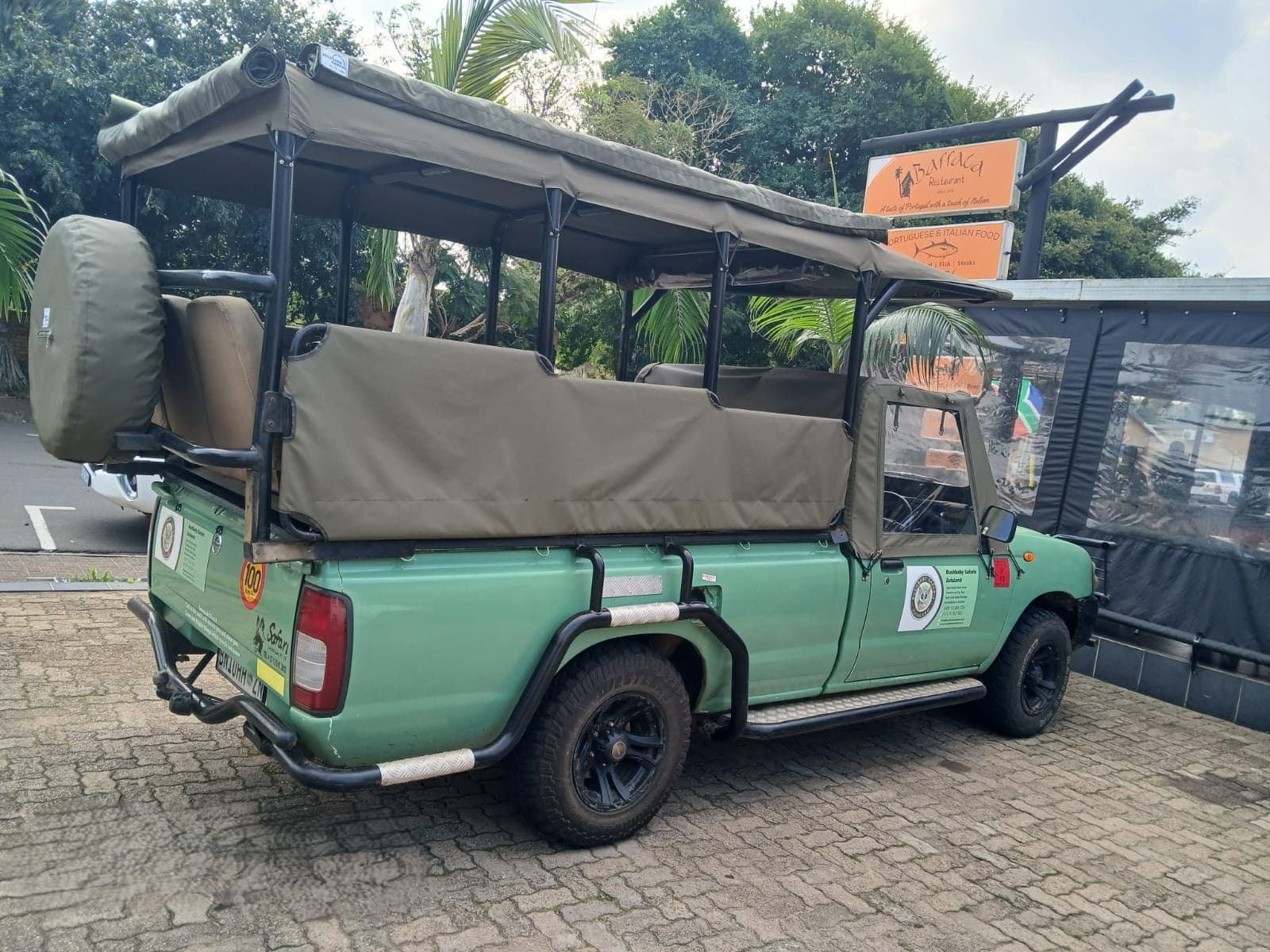
South Africa has excellent road infrastructure with well-maintained highways connecting major cities and safari destinations. The primary international gateway is O.R. Tambo International Airport (JNB) in Johannesburg, which serves as the air transport hub for southern Africa. Domestic flights connect Johannesburg to Cape Town, Durban, and regional airports near Kruger National Park, including Kruger Mpumalanga International Airport (MQP) and Skukuza Airport within the park. Domestic airlines include SA Airlink, Fly Safair, CemAir, and Federal Airlines, offering scheduled and chartered flights to safari destinations. Self-drive safaris are popular due to excellent road conditions and facilities, though most visitors arrange transportation through tour operators who provide airport pickups and transfers. Within safari lodges and parks, game drives are conducted in open or pop-top vehicles with experienced guides. Public transportation includes buses and minibuses connecting major cities, though these are less suitable for safari tourists. Car rental is available at major airports and cities for self-drive options. Most safari packages include all transportation as part of the tour arrangement.
national park
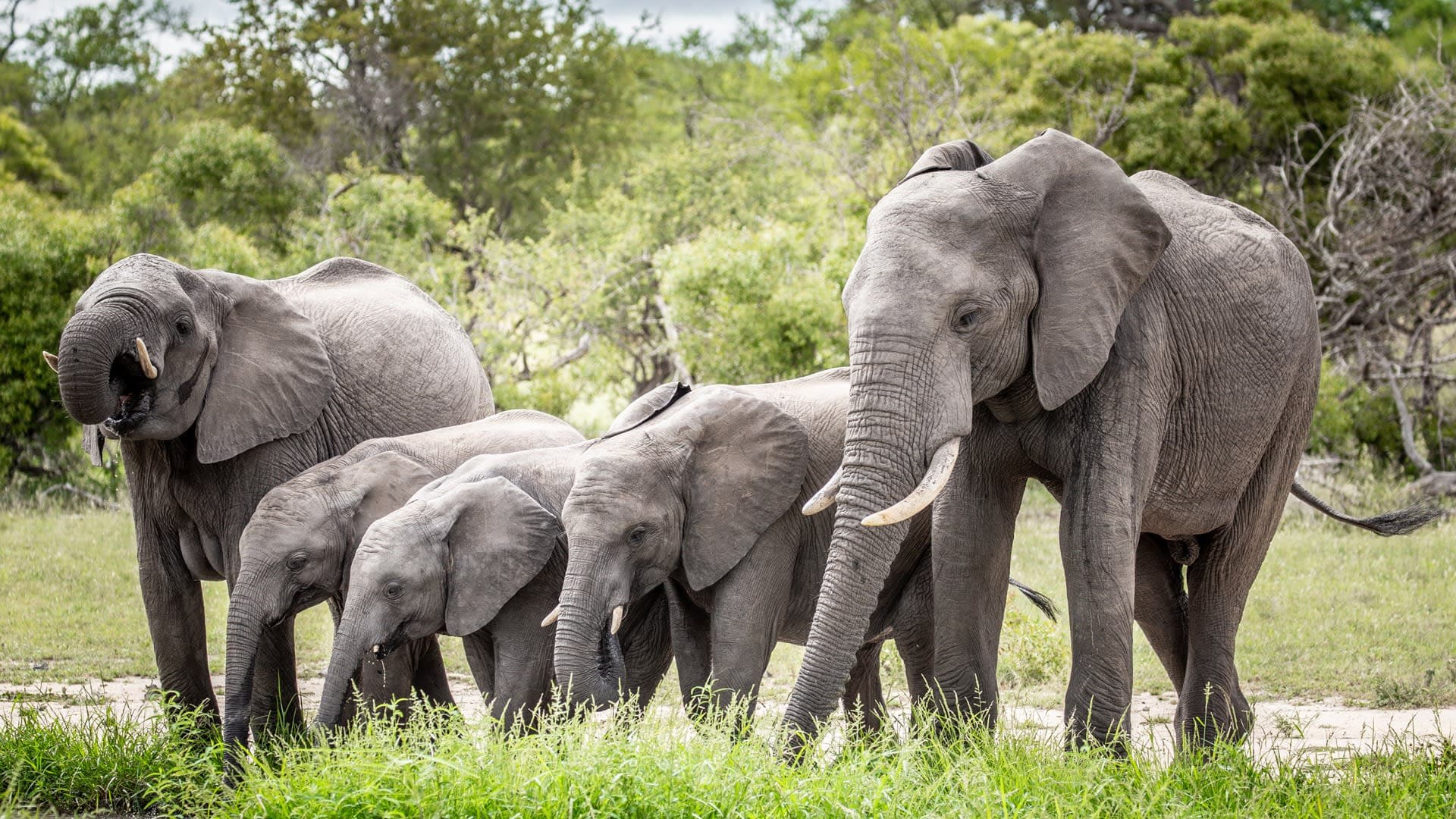
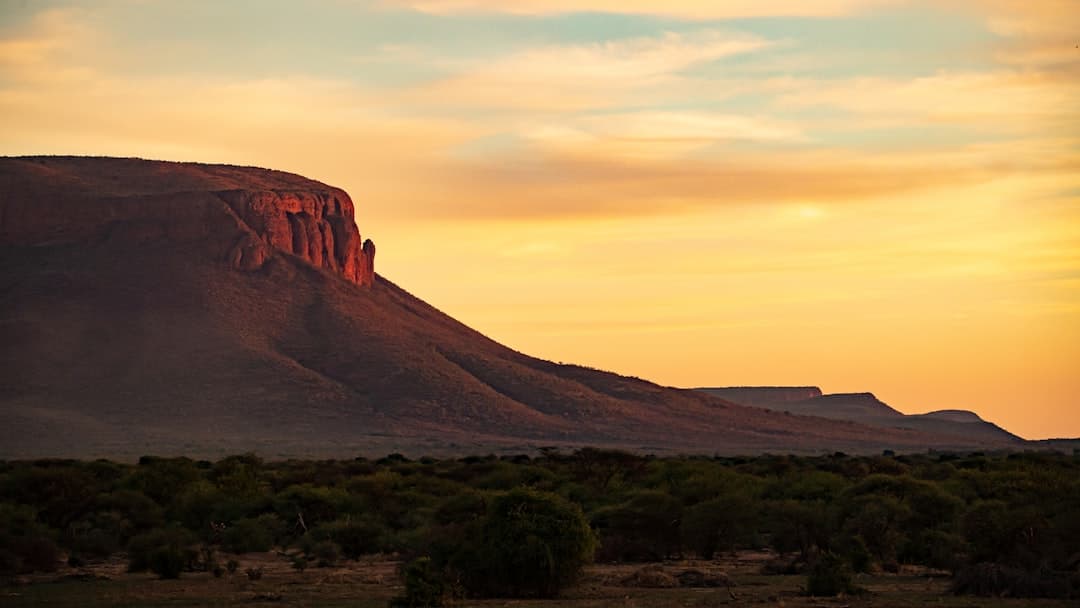
<p># Marakele National Park Nestled along the Waterberg massif in northeast South Africa's Limpopo Province, Marakele National Park encompasses nearly 57,000 acres of spectacular wilderness. This scenic reserve combines arid plains with mountain slopes and marshlands, creating a diverse ecosystem that supports an impressive array of wildlife including the Big Five: lion, leopard, elephant, rhino, and buffalo, alongside giraffe, zebra, kudu, and spotted hyena. Marakele's most distinctive feature is its role as home to the world's largest breeding colony of endangered Cape Vultures, with 800 breeding pairs. The park's strategic location between dry western and wetter eastern regions makes it exceptional for bird watching and raptor sightings. As a malaria-free reserve, Marakele welcomes families and offers intimate safari experiences. Visitors can enjoy off-road game drives and guided walking safaris with skilled trackers, encountering habituated wildlife at close range. The combination of abundant game, stunning mountain scenery, and exclusive access makes Marakele an unparalleled African safari destination.</p>
national park
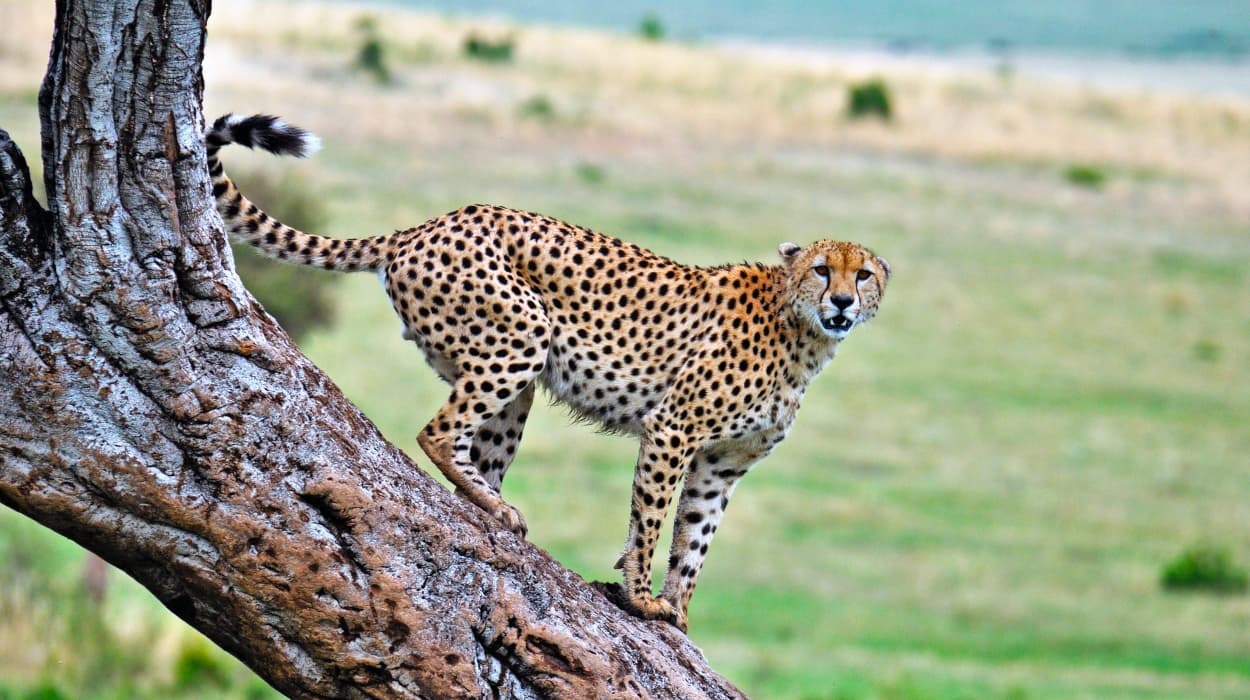
<p># Mapungubwe National Park Nestled in Limpopo Province where South Africa meets Botswana and Zimbabwe, Mapungubwe National Park spans approximately 280 square kilometers. This UNESCO World Heritage Site captivates visitors with its extraordinary blend of ancient history and pristine wilderness. The park is home to diverse wildlife including lions, African bush elephants, hippopotamuses, southern white rhinoceros, African leopards, cheetahs, African wild dogs, and over twenty other mammal species. Its dramatic landscapes of savannah, riverine forests, and sandstone formations create ideal habitats for abundant birdlife. Mapungubwe's most compelling feature is Mapungubwe Hill, site of Southern Africa's first kingdom established between 1200 and 1290 AD. Archaeological discoveries reveal this was a prosperous ancient community whose cultural landscape earned World Heritage inscription in 2003. Visitors experience unforgettable encounters with iconic African wildlife while exploring the archaeological remains of this remarkable Iron Age settlement. Whether seeking wildlife observation, serene landscapes, or cultural immersion, Mapungubwe offers an extraordinary destination connecting natural beauty with profound historical significance.</p>
Capital
Pretoria (Executive), Cape Town (Legislative), Bloemfontein (Judicial)
Continent
Africa
Population
60,142,978
Area
1,221,037 km²
Currency
South African Rand (ZAR)
Languages
Zulu, Xhosa, Sotho, Tswana, Venda, Tsonga, Swati, Ndebele, Afrikaans, English
Timezone
South Africa Standard Time (SAST) UTC+2
South Africa's premier safari destination features vast Kruger National Park, exclusive private reserves, and iconic Cape Town, offering world-class wildlife viewing and diverse African experiences.
South Africa stands as one of Africa's premier safari destinations, offering an extraordinary blend of world-class wildlife viewing, diverse ecosystems, and exceptional tourism infrastructure. The country's vast Kruger National Park, spanning nearly 20,000 square kilometers, represents one of the continent's most iconic attractions, hosting an abundance of wildlife including the complete Big Five and numerous other species. Beyond Kruger, South Africa boasts an extensive network of private game reserves such as Sabi Sand, MalaMala, and Phinda, which provide exclusive, high-end safari experiences with exceptional wildlife viewing opportunities and habituated leopards that allow for intimate encounters. The country's geographic diversity extends far beyond its wildlife areas, featuring the dramatic Blyde River Canyon, the third-largest canyon on Earth, and the jagged peaks of the Drakensberg Mountains that pierce the South African skyline. Cape Town, the nation's most vibrant urban center, pulses with cultural energy and is framed by pristine white sandy beaches, offering visitors a perfect complement to their safari adventures. The combination of abundant wildlife, luxury accommodations, excellent road infrastructure, and diverse attractions makes South Africa an accessible yet thrilling safari destination suitable for both first-time and experienced safari enthusiasts. Whether exploring the vast wilderness of Kruger, enjoying the exclusivity of private reserves, or experiencing the urban sophistication of Cape Town, South Africa delivers unforgettable safari experiences that rival any destination on the African continent.
South Africa's safari tourism is distinguished by its remarkable combination of world-class wildlife viewing, luxury accommodations, and exceptional guide expertise. The country's most iconic experience is the Big Five safari, where visitors have excellent opportunities to encounter lions, leopards, elephants, buffalo, and rhinoceros in their natural habitats. Kruger National Park offers the most accessible Big Five experience with its vast size and diverse wildlife populations, while private reserves like Sabi Sand and MalaMala provide more exclusive encounters with habituated leopards that allow for intimate wildlife observation. The country's private game reserves represent the pinnacle of luxury safari experiences, offering small-group or private game drives in open vehicles with expert guides who provide deep ecological knowledge and wildlife behavior insights. Beyond traditional game drives, South Africa offers diverse safari activities including guided walking safaris, night drives for nocturnal wildlife viewing, and boating safaris on rivers and wetlands. The combination of safari experiences with urban exploration in Cape Town creates a unique holiday package where visitors can enjoy world-class wildlife viewing followed by cosmopolitan city experiences, fine dining, wine tasting in nearby valleys, and beach relaxation. South Africa's tourism infrastructure is exceptionally well-developed, with excellent roads, reliable electricity, quality accommodations ranging from budget-friendly to ultra-luxury, and English-speaking guides throughout the country. The country's malaria-free private reserves in the Eastern Cape provide excellent wildlife viewing without health concerns, making them ideal for families and those seeking to avoid antimalarial medications.
Book safari tours well in advance, especially during peak season (October to March) when parks become crowded. Pack neutral-colored clothing for game drives to avoid disturbing wildlife, along with a warm jacket for cold early morning drives. Bring high SPF sunscreen, sunglasses, and a hat for protection against intense African sun. Carry binoculars and a quality camera with a telephoto lens for wildlife photography. Respect wildlife by maintaining safe distances and following guide instructions. Arrive at least 15 minutes early for scheduled game drives. Bring cash in South African Rand for tips and small purchases, though major credit cards are widely accepted. Download offline maps and travel apps before departure. Stay hydrated during game drives and activities. Inform your lodge or tour operator of any dietary restrictions in advance. Consider purchasing comprehensive travel insurance that covers medical evacuation. Learn basic Zulu or Xhosa phrases to enhance interactions with local guides and staff. Respect local customs and ask permission before photographing people.
January: Fair wildlife viewing in Kruger, excellent for birdwatching, very hot temperatures, crowded during school holidays. February: Fair wildlife viewing, continued hot weather, fewer visitors after school holidays end. March: Good wildlife viewing as vegetation begins to thin, temperatures cooling, low visitor numbers. April: Good wildlife viewing, mild pleasant weather, low season begins. May: Excellent wildlife viewing begins, dry season starts, mild temperatures, few visitors. June: Excellent wildlife viewing, cold mornings and nights, dry conditions, low season. July: Excellent wildlife viewing, coldest month, dry season peak, low visitor numbers. August: Excellent wildlife viewing, cold early mornings, dry season continues, few visitors. September: Excellent wildlife viewing, warming temperatures, end of dry season, low visitor numbers. October: Good wildlife viewing, warm weather, high season begins, parks become crowded. November: Fair wildlife viewing, hot temperatures, rains begin, moderate crowds. December: Fair wildlife viewing, very hot, rainy season, crowded during school holidays. For Cape Town: November to March offers warm, dry weather perfect for beach activities and city exploration, while May to September brings cooler, wetter conditions but fewer tourists.
South Africa has excellent road infrastructure with well-maintained highways connecting major cities and safari destinations. The primary international gateway is O.R. Tambo International Airport (JNB) in Johannesburg, which serves as the air transport hub for southern Africa. Domestic flights connect Johannesburg to Cape Town, Durban, and regional airports near Kruger National Park, including Kruger Mpumalanga International Airport (MQP) and Skukuza Airport within the park. Domestic airlines include SA Airlink, Fly Safair, CemAir, and Federal Airlines, offering scheduled and chartered flights to safari destinations. Self-drive safaris are popular due to excellent road conditions and facilities, though most visitors arrange transportation through tour operators who provide airport pickups and transfers. Within safari lodges and parks, game drives are conducted in open or pop-top vehicles with experienced guides. Public transportation includes buses and minibuses connecting major cities, though these are less suitable for safari tourists. Car rental is available at major airports and cities for self-drive options. Most safari packages include all transportation as part of the tour arrangement.
national park
<p># Marakele National Park Nestled along the Waterberg massif in northeast South Africa's Limpopo Province, Marakele National Park encompasses nearly 57,000 acres of spectacular wilderness. This scenic reserve combines arid plains with mountain slopes and marshlands, creating a diverse ecosystem that supports an impressive array of wildlife including the Big Five: lion, leopard, elephant, rhino, and buffalo, alongside giraffe, zebra, kudu, and spotted hyena. Marakele's most distinctive feature is its role as home to the world's largest breeding colony of endangered Cape Vultures, with 800 breeding pairs. The park's strategic location between dry western and wetter eastern regions makes it exceptional for bird watching and raptor sightings. As a malaria-free reserve, Marakele welcomes families and offers intimate safari experiences. Visitors can enjoy off-road game drives and guided walking safaris with skilled trackers, encountering habituated wildlife at close range. The combination of abundant game, stunning mountain scenery, and exclusive access makes Marakele an unparalleled African safari destination.</p>
national park
<p># Mapungubwe National Park Nestled in Limpopo Province where South Africa meets Botswana and Zimbabwe, Mapungubwe National Park spans approximately 280 square kilometers. This UNESCO World Heritage Site captivates visitors with its extraordinary blend of ancient history and pristine wilderness. The park is home to diverse wildlife including lions, African bush elephants, hippopotamuses, southern white rhinoceros, African leopards, cheetahs, African wild dogs, and over twenty other mammal species. Its dramatic landscapes of savannah, riverine forests, and sandstone formations create ideal habitats for abundant birdlife. Mapungubwe's most compelling feature is Mapungubwe Hill, site of Southern Africa's first kingdom established between 1200 and 1290 AD. Archaeological discoveries reveal this was a prosperous ancient community whose cultural landscape earned World Heritage inscription in 2003. Visitors experience unforgettable encounters with iconic African wildlife while exploring the archaeological remains of this remarkable Iron Age settlement. Whether seeking wildlife observation, serene landscapes, or cultural immersion, Mapungubwe offers an extraordinary destination connecting natural beauty with profound historical significance.</p>
Capital
Pretoria (Executive), Cape Town (Legislative), Bloemfontein (Judicial)
Continent
Africa
Population
60,142,978
Area
1,221,037 km²
Currency
South African Rand (ZAR)
Languages
Zulu, Xhosa, Sotho, Tswana, Venda, Tsonga, Swati, Ndebele, Afrikaans, English
Timezone
South Africa Standard Time (SAST) UTC+2
The optimal safari season in South Africa varies by region. For Kruger National Park and surrounding reserves in the east, May to September represents the best wildlife viewing period. During these winter months, the dry season creates ideal conditions as vegetation thins considerably, forcing wildlife to congregate around waterholes and rivers, making animals significantly easier to spot. Days are predominantly sunny with temperatures around 27°C (81°F), though early mornings and nights are cold, requiring warm clothing for game drives. For Cape Town and the Western Cape region, the best season is November to March, when the dry summer months provide warm, pleasant weather with temperatures around 24°C (75°F) and minimal rainfall, perfect for enjoying the city's beaches and coastal attractions. The seasons are reversed between these two regions, so visitors should plan accordingly based on their specific destination.
South Africa experiences two distinct seasons that vary by region. The winter season runs from May to September, while summer spans October to April. In Kruger National Park and surrounding eastern regions, winter is predominantly sunny with mild daytime temperatures averaging around 27°C (81°F), though early mornings and nights are notably cold. Most annual rainfall in this region occurs during the hot summer months as short afternoon showers that rarely interfere with safari activities. The Cape Town region experiences the opposite seasonal pattern, with winter bringing rainfall and summer providing warm, dry conditions. Summer temperatures in Cape Town average around 24°C (75°F) with minimal precipitation. The country's climate is generally temperate, with regional variations influenced by altitude and proximity to the ocean. Coastal areas benefit from maritime influences, while inland regions experience more extreme temperature variations. December, January, and February can be very hot in some areas, particularly in the Kgalagadi region, which becomes extremely hot during these months.
Visa Information
Most international visitors do not require a visa for South Africa and will receive a 90-day entry permit upon arrival. Citizens from the majority of countries are exempt from visa requirements, though travelers should verify their specific country's status on the South African Department of Home Affairs website. All foreign visitors must carry a valid passport with at least six months of validity remaining from the date of entry. A return or onward ticket is required for all visitors. Minors traveling with only one or no biological parents may require additional documentation, including an unabridged birth certificate and consent letters from absent parents. Travelers should consult their local South African embassy or high commission for current requirements, as regulations can change. Official government travel advisories are available from Australia, Canada, EU member states, Ireland, New Zealand, United Kingdom, and United States government websites.
💉Health Requirements
Malaria is present in certain regions of South Africa, particularly in Kruger National Park and surrounding areas, so antimalarial prophylaxis is recommended for travelers visiting these regions. Consult a travel medicine specialist at least four to six weeks before departure to determine the appropriate malaria prevention strategy. Yellow fever vaccination is not required for entry into South Africa unless arriving from endemic countries. However, routine vaccinations should be current, including measles, mumps, rubella, diphtheria, tetanus, pertussis, and polio. Hepatitis A and B vaccinations are recommended for most travelers. Typhoid vaccination may be considered depending on travel plans. Travelers should ensure comprehensive travel insurance covering medical evacuation. Medical facilities in major cities and safari lodges are generally good, but remote areas may have limited healthcare access. Tap water is safe to drink in most urban areas and established lodges, though bottled water is recommended in remote regions. Insect repellent containing DEET is essential for malaria prevention, along with long sleeves and pants during dawn and dusk when mosquitoes are most active.
The optimal safari season in South Africa varies by region. For Kruger National Park and surrounding reserves in the east, May to September represents the best wildlife viewing period. During these winter months, the dry season creates ideal conditions as vegetation thins considerably, forcing wildlife to congregate around waterholes and rivers, making animals significantly easier to spot. Days are predominantly sunny with temperatures around 27°C (81°F), though early mornings and nights are cold, requiring warm clothing for game drives. For Cape Town and the Western Cape region, the best season is November to March, when the dry summer months provide warm, pleasant weather with temperatures around 24°C (75°F) and minimal rainfall, perfect for enjoying the city's beaches and coastal attractions. The seasons are reversed between these two regions, so visitors should plan accordingly based on their specific destination.
South Africa experiences two distinct seasons that vary by region. The winter season runs from May to September, while summer spans October to April. In Kruger National Park and surrounding eastern regions, winter is predominantly sunny with mild daytime temperatures averaging around 27°C (81°F), though early mornings and nights are notably cold. Most annual rainfall in this region occurs during the hot summer months as short afternoon showers that rarely interfere with safari activities. The Cape Town region experiences the opposite seasonal pattern, with winter bringing rainfall and summer providing warm, dry conditions. Summer temperatures in Cape Town average around 24°C (75°F) with minimal precipitation. The country's climate is generally temperate, with regional variations influenced by altitude and proximity to the ocean. Coastal areas benefit from maritime influences, while inland regions experience more extreme temperature variations. December, January, and February can be very hot in some areas, particularly in the Kgalagadi region, which becomes extremely hot during these months.
Visa Information
Most international visitors do not require a visa for South Africa and will receive a 90-day entry permit upon arrival. Citizens from the majority of countries are exempt from visa requirements, though travelers should verify their specific country's status on the South African Department of Home Affairs website. All foreign visitors must carry a valid passport with at least six months of validity remaining from the date of entry. A return or onward ticket is required for all visitors. Minors traveling with only one or no biological parents may require additional documentation, including an unabridged birth certificate and consent letters from absent parents. Travelers should consult their local South African embassy or high commission for current requirements, as regulations can change. Official government travel advisories are available from Australia, Canada, EU member states, Ireland, New Zealand, United Kingdom, and United States government websites.
💉Health Requirements
Malaria is present in certain regions of South Africa, particularly in Kruger National Park and surrounding areas, so antimalarial prophylaxis is recommended for travelers visiting these regions. Consult a travel medicine specialist at least four to six weeks before departure to determine the appropriate malaria prevention strategy. Yellow fever vaccination is not required for entry into South Africa unless arriving from endemic countries. However, routine vaccinations should be current, including measles, mumps, rubella, diphtheria, tetanus, pertussis, and polio. Hepatitis A and B vaccinations are recommended for most travelers. Typhoid vaccination may be considered depending on travel plans. Travelers should ensure comprehensive travel insurance covering medical evacuation. Medical facilities in major cities and safari lodges are generally good, but remote areas may have limited healthcare access. Tap water is safe to drink in most urban areas and established lodges, though bottled water is recommended in remote regions. Insect repellent containing DEET is essential for malaria prevention, along with long sleeves and pants during dawn and dusk when mosquitoes are most active.