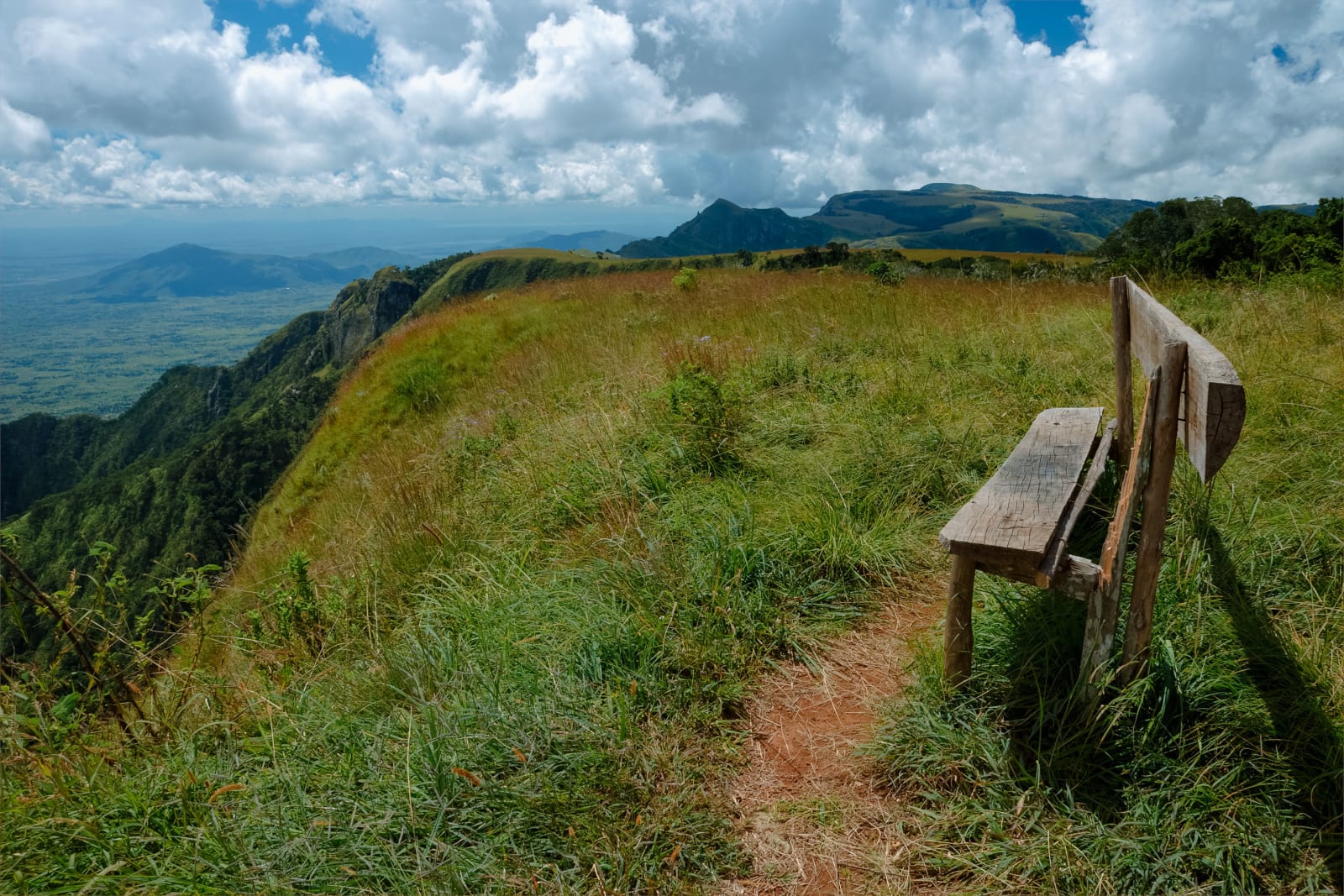
 1 / 5
1 / 5🇲🇼 Malawi
Zomba Plateau
Size
130 km²
Elevation
1,800 m
Ideal stay
3 days
Loading SafariFind...
1 / 5Size
130 km²
Elevation
1,800 m
Ideal stay
3 days
Nearest airport
Lilongwe International Airport (LLW), approximately 200 km north; Blantyre International Airport (BLZ), approximately 100 km south
Nearest town: <a href="/destinations/lilongwe">Lilongwe</a>, the capital city, 200 km north; Blantyre, Malawi's second-largest city, 100 km south; Zomba town immediately adjacent to plateau base
Daily costs for Zomba Plateau visits average $85 per person including accommodation, meals, and guided activities, though luxury options exceed this [2]. Park entry fees vary by lodge and guide service; budget $2,500+ per person for multi-day trips incorporating professional ornithological guides like Ms. Tiwonge Mzumara-Gawa or Dr. John Wilson [1]. Compare verified operator packages on SafariFind to find options matching your budget.
May to November (dry season) is optimal, with temperatures ranging 15-28°C, clear skies, and excellent visibility for hiking and bird spotting [3]. This period offers the most comfortable trekking conditions and easiest wildlife observation. December to April brings rain and muddy trails but features lush vegetation and blooming orchid species (200+ varieties); visit during this season for botanical enthusiasts willing to accept challenging conditions.
Zomba Plateau hosts over 420 bird species including Lilian's Lovebirds, Brown and Grey-headed parrots, Augur buzzards, long-crested eagles, bar-tailed trogons, and Denham's bustards [1][2]. Mammals include baboons (common on lower slopes), leopards (rarely seen), and side-striped jackals. Giant butterflies are abundant throughout the plateau, and the area supports vulnerable species like the White-winged Apalis that are subjects of active conservation research [1].
Access Zomba Plateau via Lilongwe International Airport (200 km north, 4-5 hour drive) or Blantyre International Airport (100 km south, 2-3 hour drive). Zomba town is immediately adjacent to the plateau base with established road access. 4WD vehicles are recommended during the rainy season (December-April) when roads become muddy.
Yes, Zomba Plateau is suitable for families; the plateau offers moderate hiking difficulty, accessible guided walks, and cultural experiences like visiting Zomba crafts market and the 1891-established National Herbarium & Botanical Garden [1]. Younger children (under 8) may find full-day hikes challenging; shorter walks and backyard birding with Dr. John Wilson near the National Herbarium are better options. Ensure children have proper footwear, sun protection, and malaria prophylaxis.
Three days minimum allows time for plateau hikes, guided birding, National Herbarium visits, and acclimatization to 1,800-meter elevation [2]. Five to seven days enables deeper exploration including Lake Chilwa excursions, ornithological research walks with expert guides, and combination trips linking Zomba Plateau with Mount Mulanje or Liwonde National Park. Two-day visits are possible but limit activities to plateau walks and nearby attractions.
Ku Chawe Inn offers accommodation on the plateau with meals and access to guided activities [1]. Zomba Forest Lodge provides forest-based accommodation for guided walks and plateau exploration. Budget options are limited; luxury accommodation is deficient according to some sources [2]. Most visitors base themselves in Zomba town (adjacent to plateau) and take day trips, or combine plateau stays with nearby destinations like Liwonde National Park.
Zomba Plateau is exceptional for birders and nature enthusiasts, offering 420+ bird species, expert ornithological guides including Malawi's first female ornithologist, and a unique montane ecosystem distinct from lowland safaris [1][3]. The plateau's dramatic 1,800-meter elevation, panoramic viewpoints, and cooler climate create an ecological island experience. It is particularly valuable for specialized birding trips, botanical studies, and multi-destination <a href="/destinations/malawi">Malawi</a> itineraries combining highland and lowland experiences.
Guides are strongly recommended, especially for birding where expert ornithological knowledge (like Ms. Tiwonge Mzumara-Gawa's species identification and conservation expertise) significantly enhances sightings and experience [1]. Self-guided hiking on marked trails is possible, but professional guides unlock the plateau's ecological significance and increase wildlife observation success. Dr. John Wilson's backyard birding and conservation work demonstrate the value of expert local knowledge.
Compare safari packages, read verified traveler reviews, and book through trusted operators on SafariFind.com. This lets you compare prices from multiple verified operators, read authentic reviews, and find itineraries matching your budget, group size, and interests—whether you prioritize birding with expert ornithologists, family-friendly hiking, or botanical exploration. SafariFind simplifies the booking process and ensures you work with established, verified safari companies.
© 2026 SafariFind. Alle Rechte vorbehalten.
