Etosha National Park: A Comprehensive Visitor's Guide
Overview and Location
Etosha National Park stands as one of Africa's largest and most significant wildlife sanctuaries, located in northwestern Namibia. Established as a game reserve in March 1907 under German colonial administration, the park was officially designated as Etosha National Park in 1967. Today, it encompasses approximately 22,270 square kilometers (8,600 square miles), making it a destination of continental importance for wildlife conservation and tourism.
The park's name, "Etosha," translates to "Great White Place"—a reference to the iconic Etosha Pan, a vast salt flat that dominates the landscape. This remarkable geological feature covers 4,760 square kilometers, comprising approximately 23 percent of the park's total area. The pan's stark, ghostly appearance creates one of Africa's most distinctive natural landscapes and serves as the focal point for wildlife viewing throughout the park.
Wildlife and Natural Features
Mammal Diversity
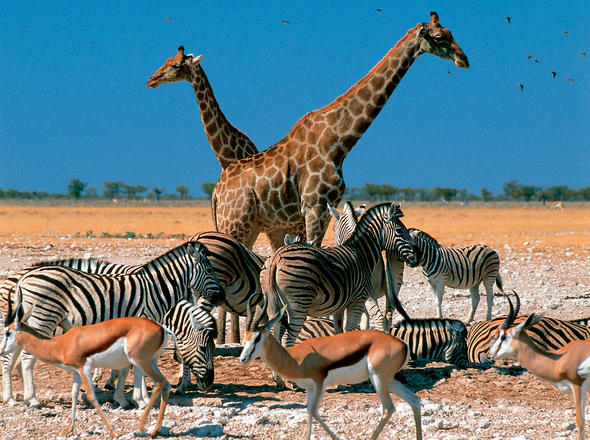
Etosha National Park is home to hundreds of species of mammals, reptiles, and birds, making it a paradise for wildlife enthusiasts. The park supports populations of four of Africa's Big Five—lion, leopard, elephant, and rhinoceros—though notably absent are buffalo. Visitors can expect to encounter herds of zebras, wildebeest, antelopes in various species, and the park's famous white elephants, which derive their pale appearance from the mineral-rich dust of the pan.
The park plays a critical role in black rhinoceros conservation, though poaching remains a significant threat. Recent conservation efforts continue to protect these endangered species within the park's boundaries.
Avian Species
Bird enthusiasts will find Etosha particularly rewarding, with hundreds of bird species documented throughout the park. The diverse habitats—from woodlands to grasslands to the pan itself—support everything from large raptors to colorful smaller species, making it an ornithologist's dream destination.
The Etosha Pan
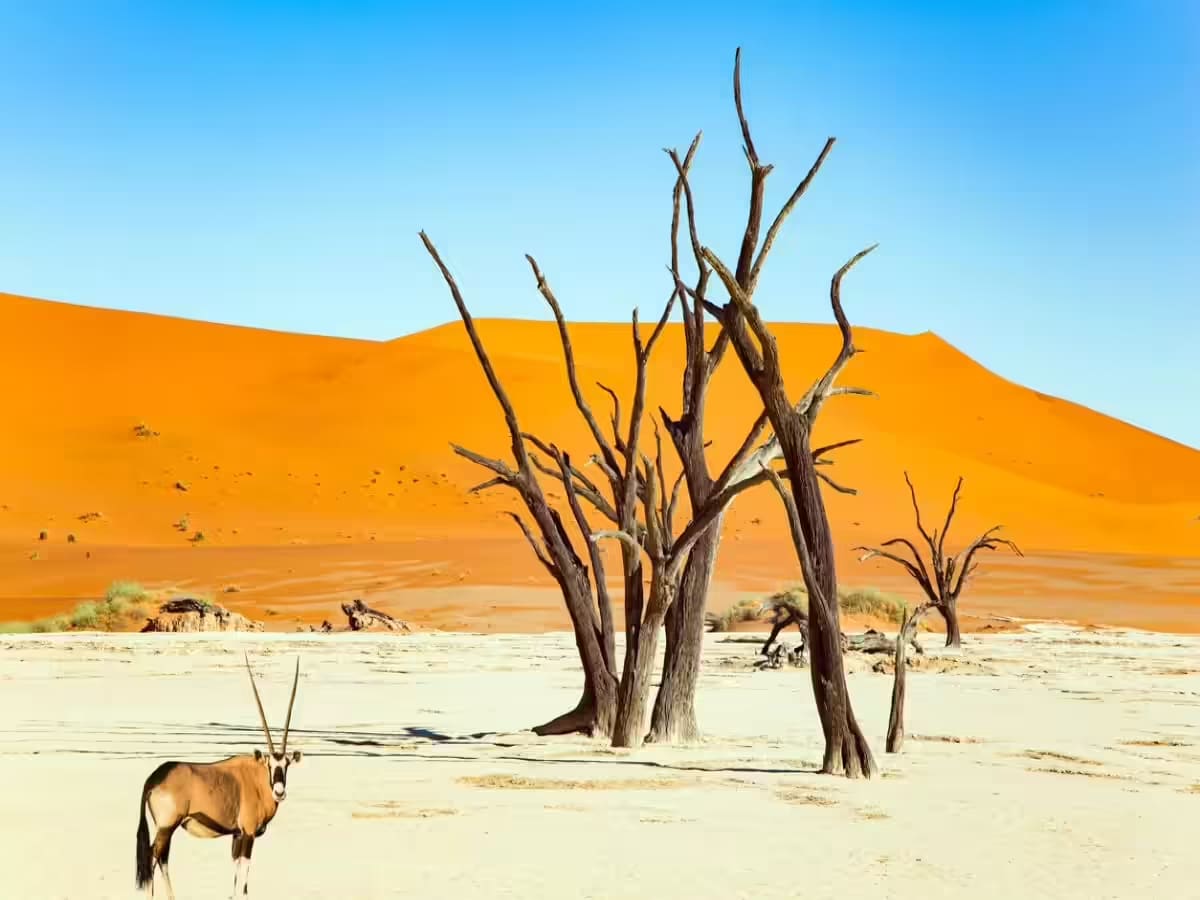
The pan itself is a natural wonder. During the dry season, this vast salt flat attracts enormous concentrations of wildlife, particularly around the park's numerous waterholes. When seasonal rains fill portions of the pan, it transforms into a shallow lake, attracting flamingos and other water birds in spectacular numbers. The contrast between the barren white expanse and the vibrant wildlife activity creates unforgettable visual experiences.
Best Time to Visit
The optimal visiting period depends on your wildlife viewing preferences. The dry season, typically from May through September, offers the most concentrated and rewarding game viewing. During these months, wildlife congregates around waterholes, making animal sightings virtually guaranteed and photography opportunities exceptional.
The rainy season, from November through March, transforms the landscape into lush greenery and attracts different species and migratory birds. However, vegetation density can make wildlife spotting more challenging. The shoulder seasons of April and October offer pleasant weather and moderate wildlife activity.
For optimal planning, consider that the park receives approximately 200,000 visitors annually, with peak seasons naturally attracting larger crowds. Visit during the dry season for maximum wildlife encounters, or during shoulder seasons for a balance of good viewing and fewer tourists.
Activities and Experiences
Self-Drive Safaris
Etosha is uniquely accessible for self-drive safaris, allowing independent travelers to explore the park at their own pace. Well-maintained roads connect various sections, and numerous waterholes provide excellent vantage points for wildlife observation. This flexibility allows visitors to spend extended periods at particularly active viewing areas.
Guided Game Drives
Professional guided safaris offer expert interpretation of wildlife behavior and ecology. Experienced guides can identify species quickly, explain animal interactions, and navigate to locations with recent sightings, enhancing the overall experience substantially.
Waterhole Viewing
The park's numerous waterholes serve as natural gathering points where diverse species congregate, particularly during dry season months. Okaukuejo, a major visitor hub, features excellent waterhole viewing facilities and has operated as a key research and visitor station since early conservation efforts established it as an outpost.
Museum and Cultural Sites
The Namutoni Museum provides historical context about the park's military heritage and conservation history, enriching visitors' understanding of Etosha's development as a protected area. This cultural component complements wildlife viewing experiences.
Park Facilities
Etosha offers a variety of accommodation options ranging from comfortable lodges to camping facilities, catering to different budgets and preferences. The park maintains visitor-friendly infrastructure including restaurants, shops, and fuel stations at key locations.
Getting There
Etosha National Park is located in northwestern Namibia and is most commonly accessed via Windhoek, the capital city. The journey typically takes 5-6 hours by road. International visitors should arrange flights to Windhoek's international airport, followed by either a rental car for self-drive exploration or arranged transport through tour operators.
Several entry gates provide access to different sections of the park, with the Andersson Gate being the most commonly used southern entrance. Planning your route based on your accommodation location ensures efficient park access.
Practical Information
Entry Requirements
Visitors must obtain valid park entrance permits, available at all park gates. International visitors should ensure their passports are valid for at least six months beyond their travel dates. Check current visa requirements for Namibia before planning your trip.
Health and Safety
Consult your physician regarding malaria prophylaxis, as the park is located in a malaria-endemic region. Pack comprehensive travel insurance and ensure vaccinations are current. While wildlife viewing is generally safe when proper precautions are observed, maintain appropriate distances from animals and follow park guidelines strictly.
What to Bring
Binoculars for enhanced wildlife viewing
Camera with telephoto lens for wildlife photography
Sun protection (sunscreen, hat, sunglasses)
Lightweight, neutral-colored clothing for game drives
Insect repellent containing DEET
Sufficient fuel and water for self-drive safaris
Field guides for mammal and bird identification
Visitor Information
The Ministry of Environment and Tourism, Namibia governs the park and maintains current information on conditions, regulations, and facilities. Advance booking of accommodations is highly recommended, particularly during peak season. Contact official park authorities for real-time information on road conditions, wildlife sightings, and any seasonal closures.
Etosha National Park represents one of Africa's premier wildlife destinations, offering unparalleled opportunities to observe diverse species in their natural habitat. Whether you choose self-drive exploration or guided experiences, the park's vast landscapes and abundant wildlife promise an unforgettable African adventure.