Kyambura Wildlife Reserve: A Comprehensive Travel Guide
Overview and Location
Kyambura Wildlife Reserve stands as one of Uganda's most distinctive protected areas, covering approximately 156 square kilometers of pristine wilderness. Established in 1962 as a Controlled Hunting Area and formally upgraded to wildlife reserve status in 1965, this reserve has undergone significant conservation efforts to become the thriving ecosystem it is today. The reserve is officially managed by the Uganda Wildlife Authority as part of the larger Queen Elizabeth Conservation Area.
Located in the northeastern corner of Queen Elizabeth National Park, Kyambura Wildlife Reserve sits immediately south of Lake George and east of the Kazinga Channel. The reserve's position creates a natural buffer zone for the northeastern portion of Queen Elizabeth National Park, with the Kyambura Gorge and Kazinga Channel forming natural barriers that allow independent management of the area. Positioned at elevations ranging from 915 to 1,110 meters above sea level, the reserve occupies a unique ecological niche within Uganda's protected area system.
Wildlife and Natural Features
Primate Population
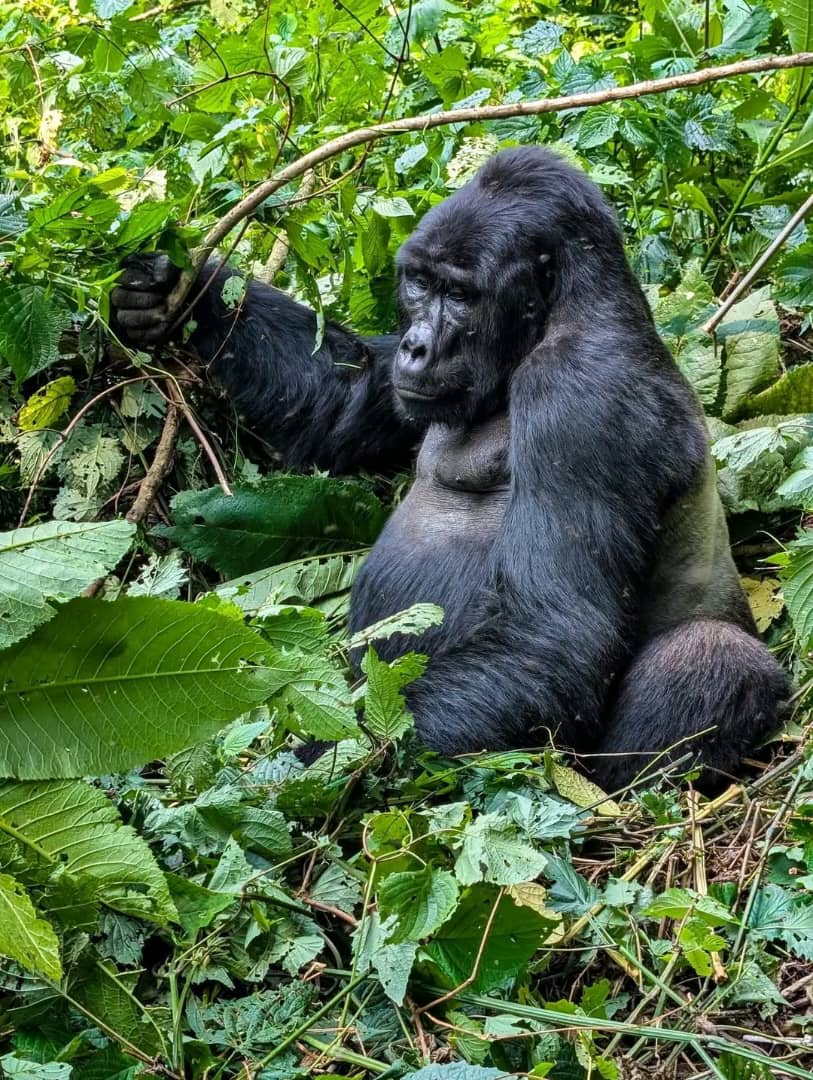
Kyambura Wildlife Reserve has earned the affectionate nickname "Valley of the Apes" due to its exceptional concentration of primate species. The reserve is particularly renowned for its chimpanzee population, which serves as the primary draw for many visitors. Beyond chimpanzees, the gorge and surrounding forests host diverse monkey species, baboons, and other primates that thrive in this protected habitat. The presence of the Kyambura Gorge creates ideal conditions for these primate populations, offering shelter, water sources, and abundant vegetation.
Diverse Wildlife
The reserve supports a remarkable variety of fauna beyond primates. Giant forest hogs, an impressive and rarely seen species, inhabit the reserve's forested areas. The reserve functions as a critical water source for animals from Queen Elizabeth National Park, drawing wildlife to its riverine areas. This role as a regional water source enhances wildlife viewing opportunities, particularly during dry seasons when animals congregate around available water sources.
Avian Biodiversity
Birdwatchers will find Kyambura Wildlife Reserve exceptionally rewarding, with approximately 332 bird species recorded throughout the reserve. Notable species include:
African Skimmer
African Broadbill
Pink-backed Pelican
Martial Eagle
Verreaux's Eagle Owl
Papyrus Canary
Lesser Flamingo
White-tailed Lark
Various falcon species
The reserve's savanna-forest transition zones and riparian habitats provide ideal feeding and nesting grounds for these bird species, making it an excellent birding destination during any season.
Ecosystem Features
The Kyambura Gorge represents the reserve's most distinctive geographical feature, carved by the Kyambura River which flows through the landscape. This gorge creates a microclimate that supports tropical rainforest vegetation, contrasting with the surrounding savanna ecosystems. The river serves as a vital water source not only for reserve wildlife but also for animals from adjacent Queen Elizabeth National Park, making it strategically important for the entire conservation area.
Best Time to Visit
While Kyambura Wildlife Reserve can be visited year-round, the dry seasons offer optimal conditions for wildlife viewing and hiking. The dry seasons typically occur from December to February and June to August, when reduced rainfall makes trails more accessible and animals congregate around water sources.
During the rainy seasons (March to May and September to November), the landscape becomes lush and verdant, though some trails may become challenging. However, bird watching remains excellent during these periods as migrant species arrive and resident birds are more active.
For chimpanzee trekking specifically, early morning hours provide the best opportunities for sightings, as chimpanzees are most active during dawn and dusk periods. Guides typically organize treks to begin before sunrise for optimal results.
Activities and Experiences
Chimpanzee Trekking
Chimpanzee trekking represents the primary activity and main attraction at Kyambura Wildlife Reserve. Experienced guides lead visitors on carefully planned treks through the gorge and forest habitats where chimpanzee populations reside. These guided expeditions require moderate physical fitness and can last several hours as guides locate and track chimpanzee groups. The experience of observing these remarkable primates in their natural habitat provides unforgettable wildlife encounters and profound insights into primate behavior and ecology.
Guided Nature and Forest Walks
Beyond chimpanzee trekking, guided nature walks through various reserve ecosystems offer comprehensive wildlife viewing opportunities. Professional guides provide interpretation of flora, fauna, and ecological relationships throughout the reserve. Forest walks in the gorge area reveal the reserve's rich biodiversity while allowing visitors to experience the diverse habitats that support the reserve's wildlife populations.
Bird Watching
The reserve's approximately 332 bird species make it an exceptional destination for ornithologists and casual bird enthusiasts alike. The savanna-forest interface and riparian habitats attract numerous species throughout the year. Early morning walks prove most productive for bird observation, when species are most vocal and active.
Photography and Wildlife Observation
The reserve's diverse landscapes and abundant wildlife provide excellent opportunities for nature and wildlife photography. The dramatic Kyambura Gorge, tropical forest canopy, and open savanna areas offer varied photographic subjects and compositions.
Getting There
Kyambura Wildlife Reserve is situated approximately 30 kilometers from Queen Elizabeth National Park's headquarters, making it accessible as part of a broader Queen Elizabeth Conservation Area visit. The reserve lies in southwestern Uganda, a region well-served by Uganda's transportation networks.
Most visitors access the reserve by vehicle from Fort Portal or other nearby towns, following established routes through Queen Elizabeth National Park. The journey typically takes several hours depending on starting point and road conditions. During rainy seasons, some roads may become challenging, making four-wheel-drive vehicles advisable.
Alternatively, visitors can arrange access through Queen Elizabeth National Park headquarters, which can coordinate transportation and guide services to the reserve. Organized safari operators throughout Uganda offer packages that include Kyambura Wildlife Reserve visits as part of comprehensive conservation area tours.
Practical Information
Reserve Management
The Uganda Wildlife Authority manages Kyambura Wildlife Reserve as part of the larger Queen Elizabeth Conservation Area. The reserve maintains high conservation standards, with 93.50% of the area under protected status. Recent boundary assessments (2024) confirmed the officially recognized boundaries, ensuring proper management and protection of this important ecosystem.
Visitor Services
Visitors should arrange visits through Uganda Wildlife Authority representatives or authorized tour operators. Professional guides are mandatory for all activities, particularly chimpanzee trekking, ensuring both visitor safety and wildlife protection. Guides provide expertise in wildlife tracking, ecological interpretation, and cultural information about surrounding communities.
Conservation Status
Kyambura Wildlife Reserve holds significant conservation importance as a confirmed Key Biodiversity Area, recognized under global criteria for its exceptional primate populations and avian diversity. The reserve's designation as a Ramsar Site (through its connection to Lake George) underscores its international conservation value, particularly for wetland ecosystems and waterbird populations.
Visitor Preparation
Visitors should prepare for moderate physical activity, particularly during chimpanzee treks that involve hiking through varied terrain. Appropriate footwear, sun protection, insect repellent, and lightweight, breathable clothing are essential. Early morning starts are typical for wildlife viewing activities, requiring visitors to plan accommodation near the reserve.
Kyambura Wildlife Reserve offers a unique and rewarding African wildlife experience, combining exceptional primate viewing opportunities with outstanding birding and pristine natural landscapes. Whether you seek chimpanzee encounters, avian diversity, or immersive nature experiences, this reserve delivers authentic conservation-focused tourism in one of Uganda's most biodiverse regions.