 1 / 2
1 / 2🇿🇲 Zambia
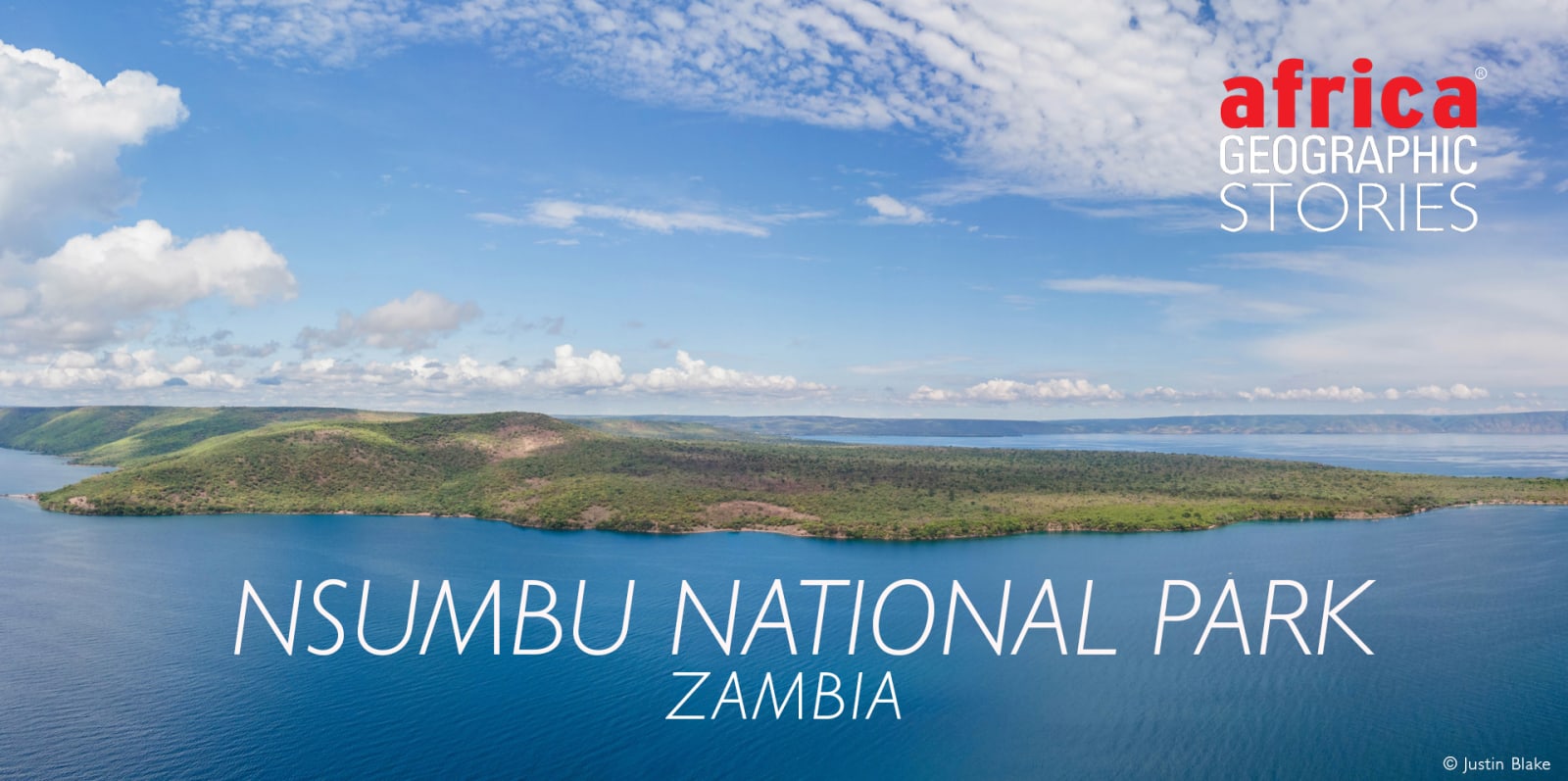
Nsumbu National Park
Size
2,026 km²
Ideal stay
3 days
Established
1985
Nearest airport
Loading SafariFind...
1 / 2Size
2,026 km²
Ideal stay
3 days
Established
1985
Nearest airport
Chisala Airstrip, inside Nsumbu National Park; Kasama Airport, followed by road and boat transfers
Nearest town: Mpulungu — Lake Tanganyika port and boat-transfer point for Nsumbu
Published park-entry and average daily safari prices were not provided in the available sources, and costs vary because Nsumbu requires remote road, boat, or charter-flight logistics. A typical package may include accommodation, meals, guiding, activities, transfers, and conservation or park fees, so travellers should request an itemised quote before booking.
The best time to visit Nsumbu National Park is July through October, when dry conditions bring wildlife closer to Lake Tanganyika and thinner vegetation improves game viewing. November through April is wetter and greener, with stronger conditions for fishing and birdwatching but potentially more difficult roads.
Nsumbu supports elephants, buffalo, roan, sable, eland, hartebeest, puku, bushbuck, warthog, blue duiker, sitatunga, spotted hyena, zebra, impala, waterbuck, reedbuck, hippos, and crocodiles. Lions were reintroduced in 2024, while leopards are present but rare; Nsumbu should not yet be marketed as a reliable Big Five destination.
Travellers can drive from Lusaka in about two days, including a final gravel-road section. Other options include travelling to Mpulungu for a speedboat or ferry, flying to Kasama for a road-and-boat transfer, or taking a private charter directly to Chisala Airstrip inside the park.
Nsumbu can suit families with older children who enjoy remote travel, boating, fishing, and wildlife. Families should confirm lodge age rules and activity limits before booking because boat trips, walking activities, long transfers, and encounters with hippos or crocodiles require close supervision.
Three days is a practical minimum for combining game drives with a boat activity and time on Lake Tanganyika. A longer stay allows more wildlife drives, fishing, walking, river excursions, and flexibility if remote-road or weather conditions delay transfers.
Accommodation is limited, with lodges and basic campsites in or near the park. Ndole Bay Lodge, north of the park on Lake Tanganyika, offers beachfront chalets and camping plus fishing, diving, snorkelling, boat cruises, and park trips.
Nsumbu is worth visiting for travellers who value solitude, Lake Tanganyika activities, and a conservation landscape recovering from severe poaching. It offers a different experience from Zambia’s busier safari areas, although wildlife numbers remain lower and access is more difficult.
A guide is strongly recommended for Nsumbu because the park is remote, roads can be difficult, and boat and walking activities require local safety knowledge. Self-drivers should be fully self-sufficient and arrange reliable navigation, recovery equipment, accommodation, and activity permits in advance.
You can compare safari packages, read verified traveler reviews, and book through trusted operators on SafariFind.com. This lets you compare prices and find the best itinerary for your budget and interests.
© 2026 SafariFind. All rights reserved.
