Complete Guide to Volcanoes National Park, Rwanda
Overview and Location
Volcanoes National Park, known locally as Parc National des Volcans, stands as Africa's first and oldest national park, established in 1925 by Belgian colonial authorities. This historic designation reflects the park's pioneering role in African conservation efforts. Located in northwestern Rwanda near the village of Musanze (formerly Ruhengeri), the park encompasses 160 square kilometers (62 square miles) of pristine rainforest nestled within the towering, mist-shrouded Virunga Mountains.
The park's strategic location places it just 2 hours by smooth road from Rwanda's capital, Kigali, making it exceptionally accessible for international visitors. Its proximity to Uganda (30 minutes away) and the Democratic Republic of Congo adds to its regional significance. The park shares borders with Uganda's Mgahinga Gorilla National Park to the north and the DRC's Virunga National Park to the west.
Quick Facts:
Established: 1925 (Africa's oldest national park)
Size: 160 square kilometers (62 square miles)
Location: Northwestern Rwanda, near Musanze
Distance from Kigali: 2 hours by road
Wildlife and Natural Features
Mountain Gorillas: The Main Attraction
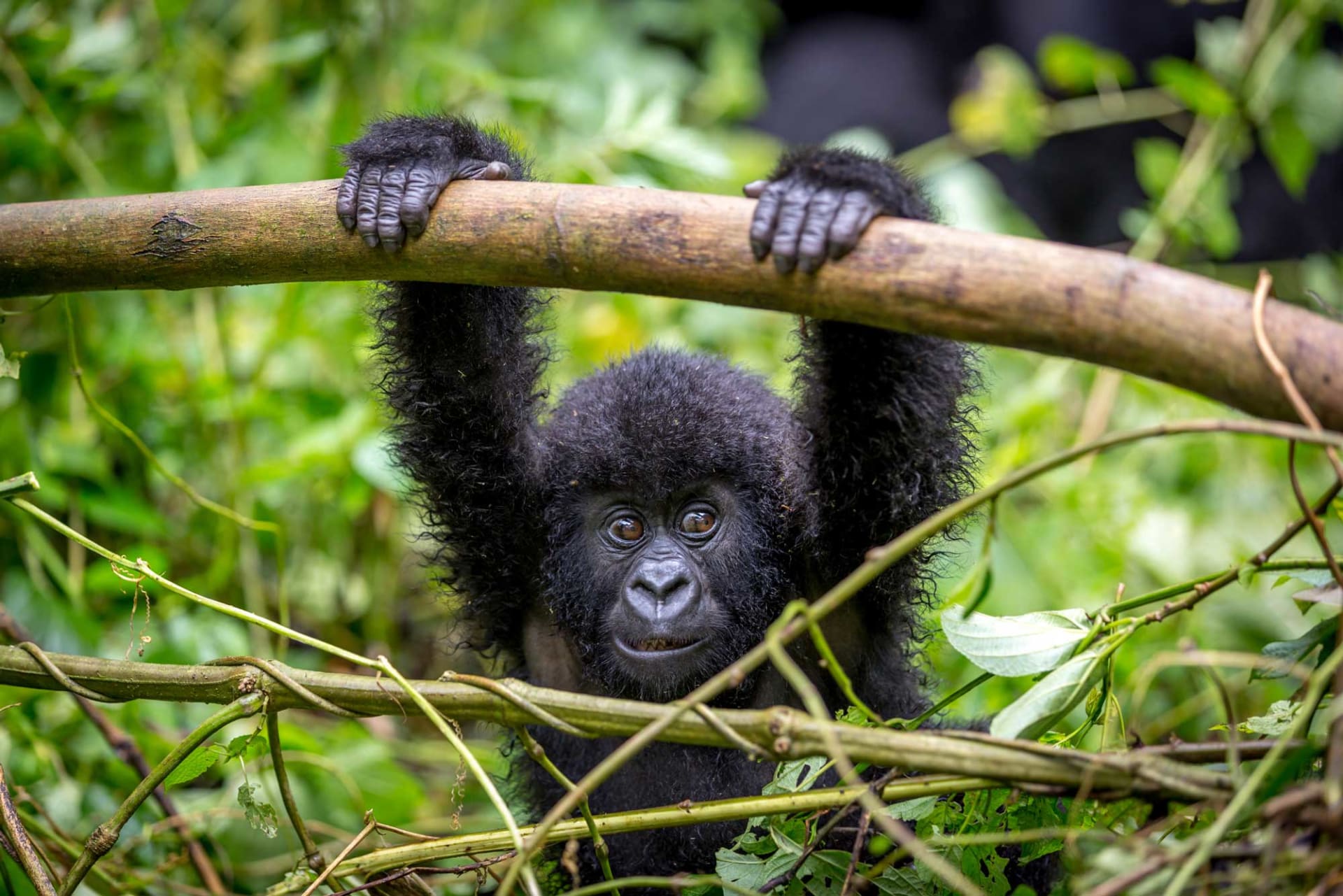
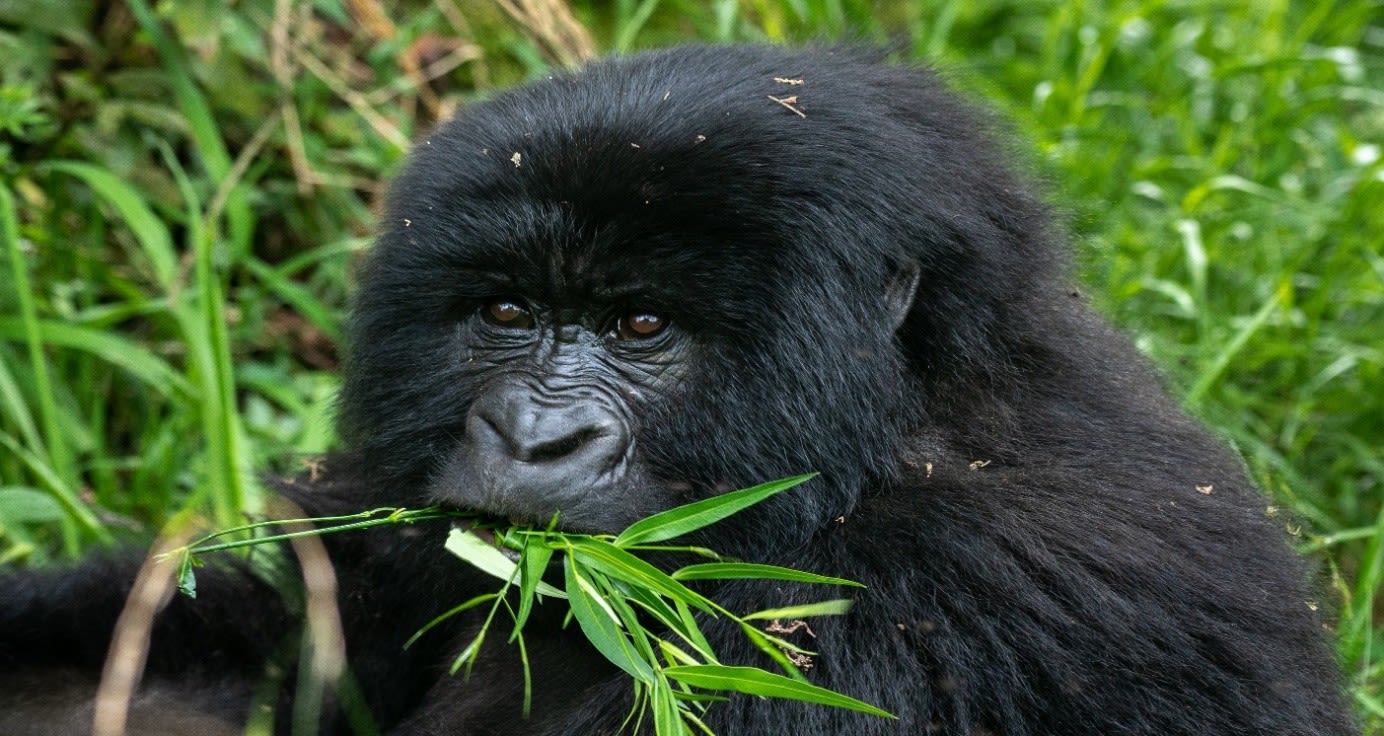
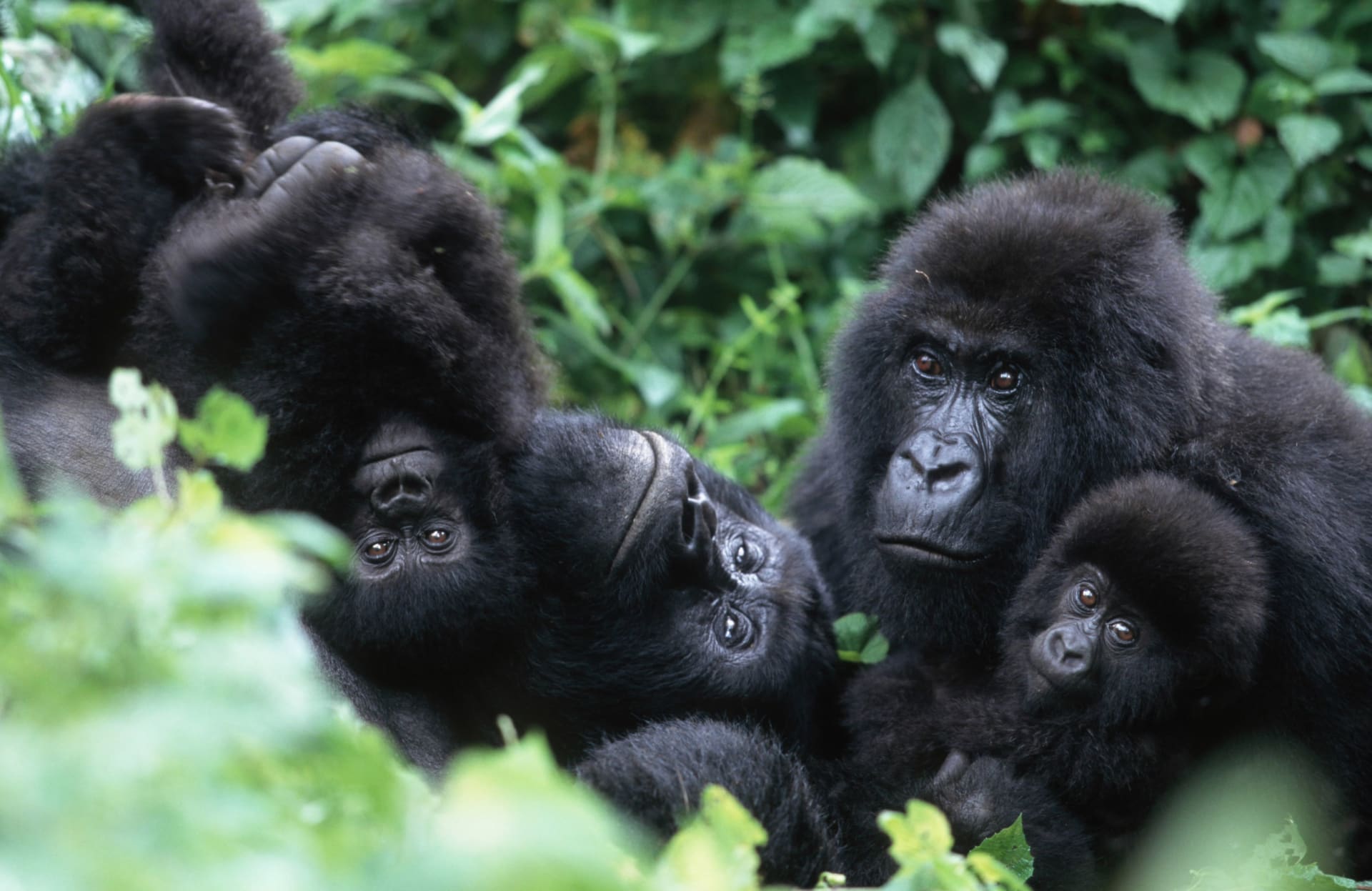
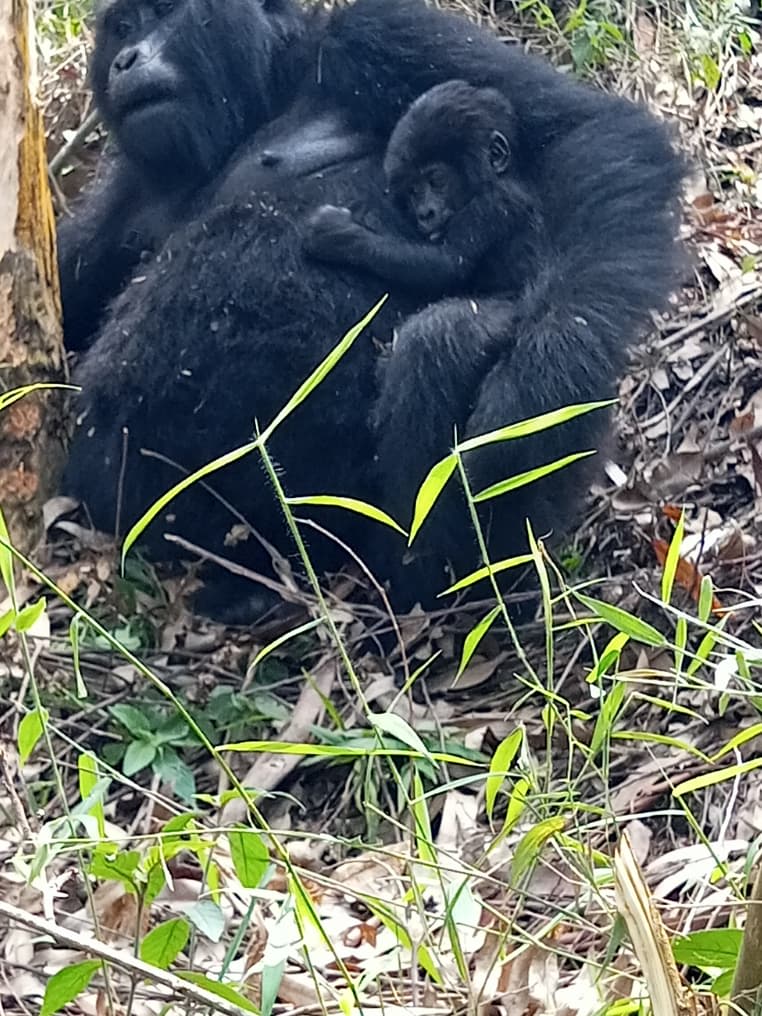
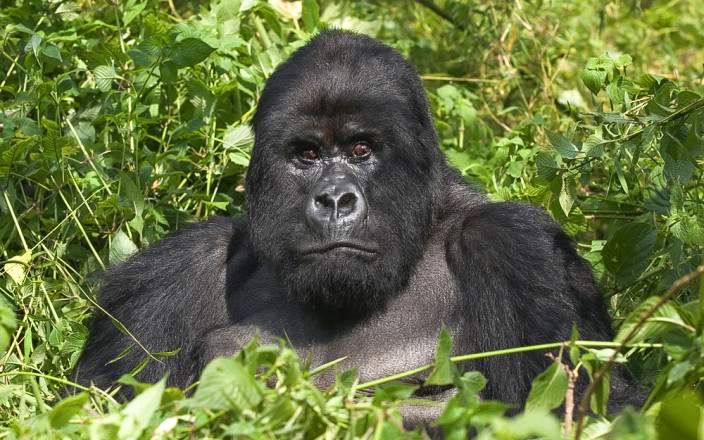
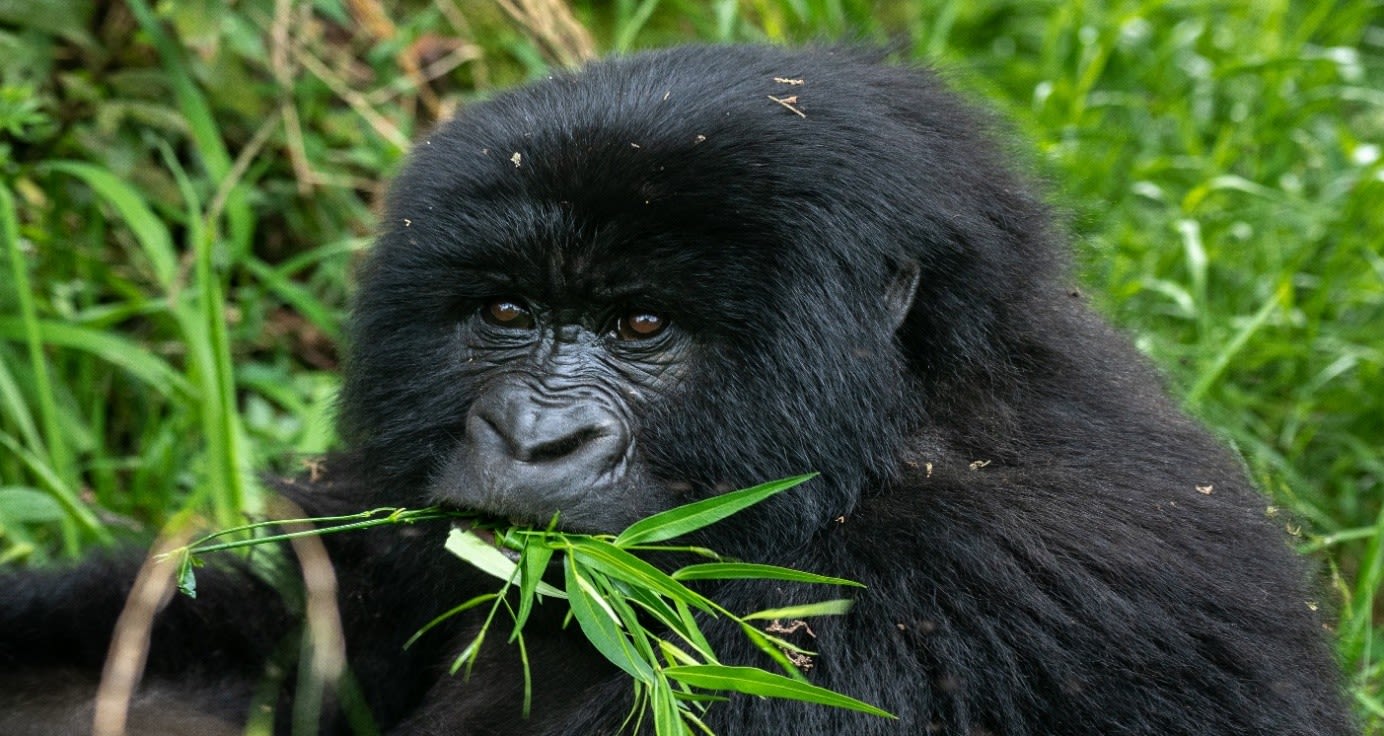
Volcanoes National Park is world-renowned as one of the few places where visitors can encounter endangered mountain gorillas in their natural habitat. These magnificent creatures represent one of Africa's most awe-inspiring wildlife experiences. The park's ancient rainforest provides the perfect sanctuary for these captivating primates, making gorilla trekking the primary reason travelers venture to this remote region.
The Five Volcanoes
The park encompasses five of the eight volcanoes in the Virunga Mountains, each offering unique geographical and ecological characteristics:
Mount Karisimbi: A dormant stratovolcano reaching 14,787 feet (4,507 meters), the highest peak in the park
Mount Bisoke: A dormant stratovolcano with a summit of 12,175 feet (3,711 meters), featuring a crater lake at its peak
Mount Muhabura: Another significant volcanic feature within the park's boundaries
Mount Gahinga: A smaller but equally important volcanic formation
Mount Sabyinyo: Completing the park's volcanic landscape
Additional Wildlife
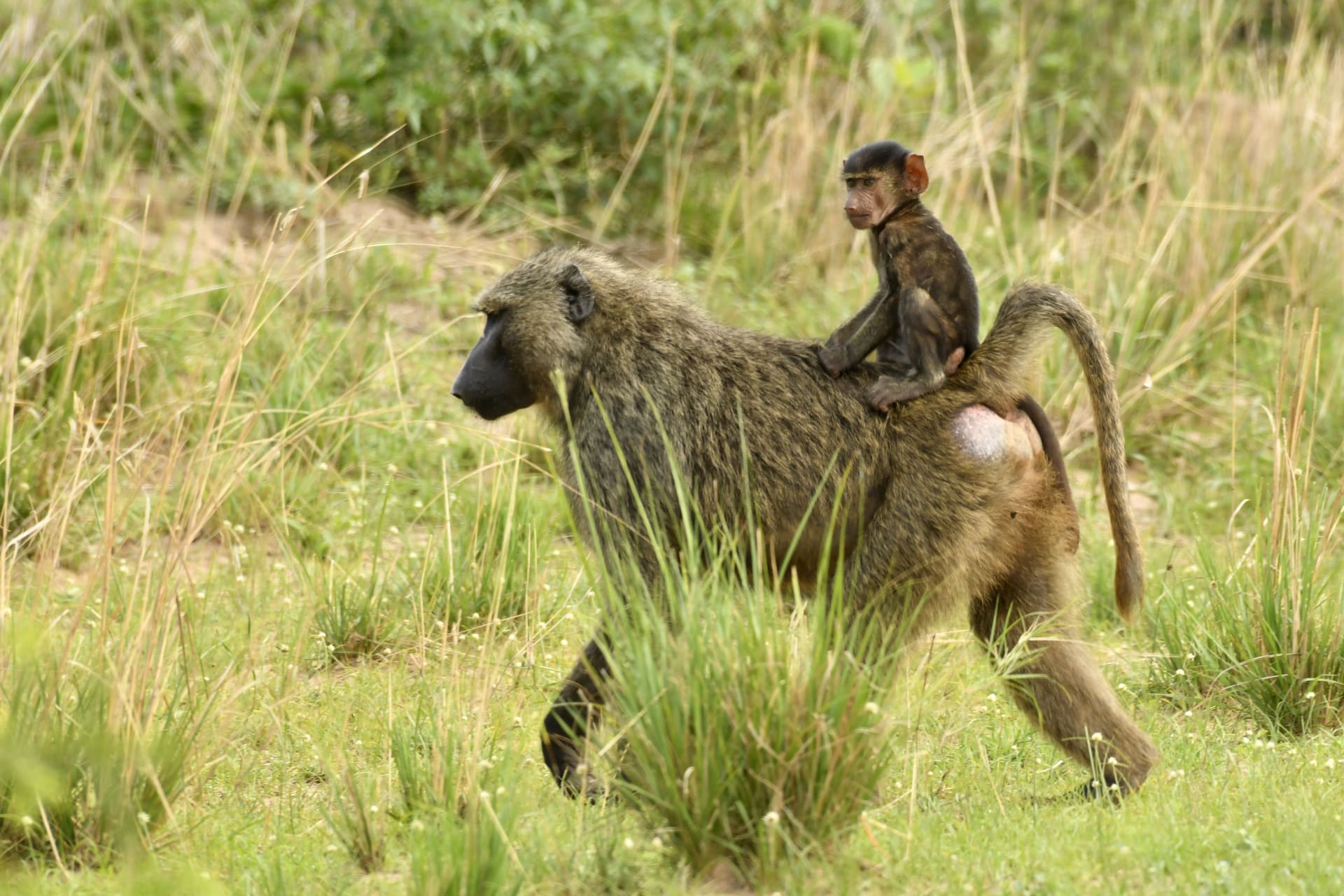
Beyond gorillas, Volcanoes National Park supports diverse wildlife populations. Golden monkeys inhabit the misty forests, representing another primate species of significant conservation importance. The park's varied ecosystems support numerous bird species, making it an excellent destination for birdwatching enthusiasts. The ancient rainforest environment creates ideal habitats for numerous endemic species found nowhere else on Earth.
Best Time to Visit
Volcanoes National Park experiences a tropical highland climate with two primary dry seasons that offer optimal visiting conditions. The dry seasons—occurring from June to September and from December to February—provide the best gorilla trekking opportunities, as trails are more accessible and weather conditions are more favorable.
During the rainy seasons (March to May and October to November), the forest becomes even more lush and verdant, though trekking becomes more challenging due to muddy trails and reduced visibility. However, dedicated visitors may encounter fewer other trekkers during these periods. The park's high altitude and misty conditions persist year-round, so visitors should prepare for cool, damp weather regardless of season.
Activities and Experiences
Gorilla Trekking
Gorilla trekking represents the quintessential Volcanoes experience. Visitors hike through pristine rainforest to locate habituated gorilla families, spending approximately one hour observing these remarkable creatures in their natural environment. This intimate wildlife encounter provides unforgettable memories and contributes directly to gorilla conservation through park fees.
Golden Monkey Tracking
For those interested in primate encounters beyond gorillas, golden monkey tracking offers a complementary experience. These endemic primates display fascinating social behaviors and provide excellent photography opportunities in their forest habitat.
Volcanic Hiking
Adventure seekers can undertake challenging hikes to the park's volcanic peaks. Mount Bisoke's crater lake hike and Mount Karisimbi's multi-day trek offer stunning views and rigorous physical challenges. These expeditions reward climbers with panoramic vistas across the Virunga Mountains and into neighboring countries.
Birdwatching
The park's diverse avian population makes it an excellent birdwatching destination. The misty forests harbor numerous endemic and migratory bird species, attracting ornithologists and casual bird enthusiasts alike.
Getting There
From Kigali
The most convenient route involves traveling by road from Kigali International Airport. The 2-hour journey on well-maintained roads allows visitors to reach the park comfortably. Organized tour operators offer transportation packages that include hotel pickup and drop-off services.
From Uganda
Visitors entering from Uganda can reach the park in approximately 30 minutes by road, making it feasible to combine visits to both countries' gorilla trekking sites.
Transportation Options
Organized tour packages with private transportation
Public transportation from Kigali to Musanze
Self-drive rentals (with local guide recommendations)
Airport transfer services through hotel arrangements
Practical Information
Accommodation
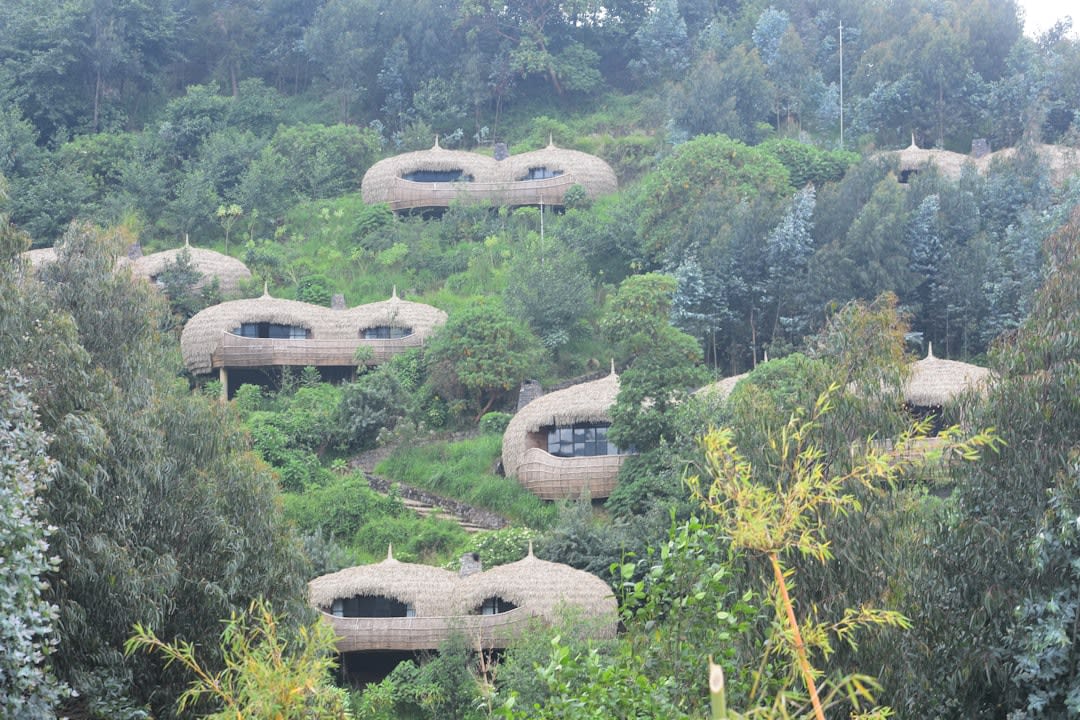
Musanze and surrounding areas offer various accommodation options ranging from luxury eco-lodges to budget guesthouses. Many visitors prefer staying near the park entrance for early morning treks. Advance reservations are strongly recommended, particularly during peak seasons.
Permits and Fees
Gorilla trekking permits are required and should be arranged in advance through the park or authorized tour operators. These permits fund conservation efforts directly. Visitors should confirm current fees through official park channels, as prices may vary based on season and nationality.
Physical Requirements
Gorilla trekking demands moderate to good physical fitness. Trails are steep and muddy, requiring sturdy hiking boots and considerable endurance. Treks typically last 2-6 hours depending on gorilla location. Medical clearance is advisable for those with respiratory or cardiovascular concerns due to the high altitude.
What to Bring
Sturdy, waterproof hiking boots
Layered clothing (cool mornings, warmer afternoons)
Rain jacket and waterproof bag cover
Binoculars for wildlife viewing
Camera with extra batteries
High-SPF sunscreen and insect repellent
Refillable water bottle
Park Expansion
In 2022, the Government of Rwanda announced plans to expand Volcanoes National Park from its current 13,000 hectares (50 square miles) to 23,000 hectares (89 square miles). This expansion will increase park activities across 3,740 hectares while creating a 6,260-hectare buffer zone for sustainable agroforestry, benefiting both conservation and local communities.
Essential Contact Information:
Official park website: volcanoesparkrwanda.org
Location: Musanze, Northwestern Rwanda
Best contact method: Through authorized tour operators or hotel concierge services
Volcanoes National Park represents a unique convergence of natural wonder, wildlife conservation, and adventure. Whether trekking to encounter mountain gorillas, climbing volcanic peaks, or observing endemic bird species, visitors to this historic park contribute to the preservation of Africa's most precious ecosystems while creating memories that last a lifetime.