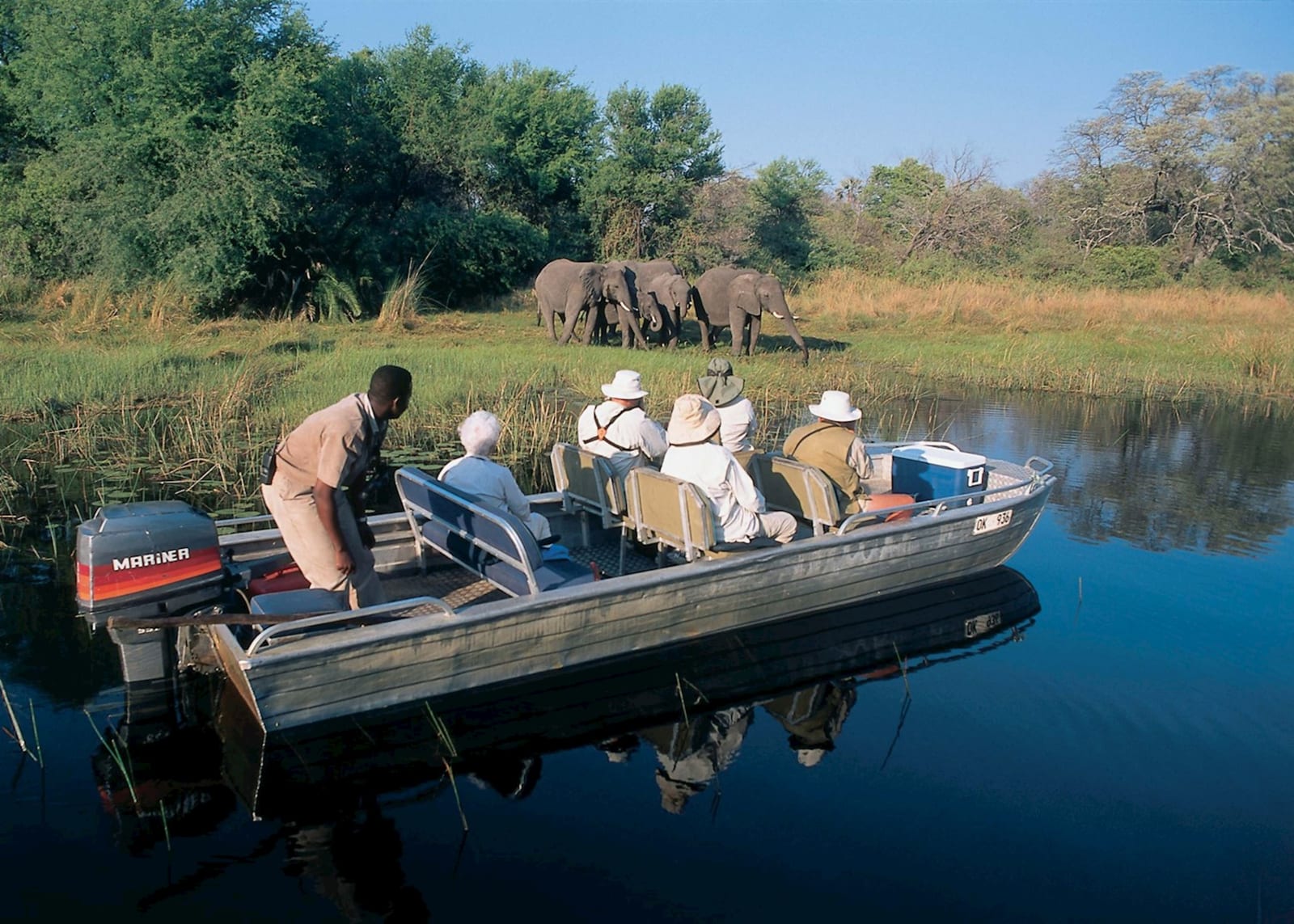
 1 / 3
1 / 3Chief's Island
Size
1,050 km²
Elevation
950 m
Ideal stay
4 days
Established
1970
Nearest airport
Maun International Airport (MUN), 145 km southwest; chartered bush flights to private airstrips on or near Chief's Island take 45 minutes from Maun
About Chief's Island
Best time to visit
Wildlife highlights
Things to do
Getting there
Nearest town: Maun, 145 km to the southwest, serves as the main gateway for Delta access with vehicle hire, supplies, and connecting flights from Johannesburg and Gaborone
Safari packages visiting Chief's Island
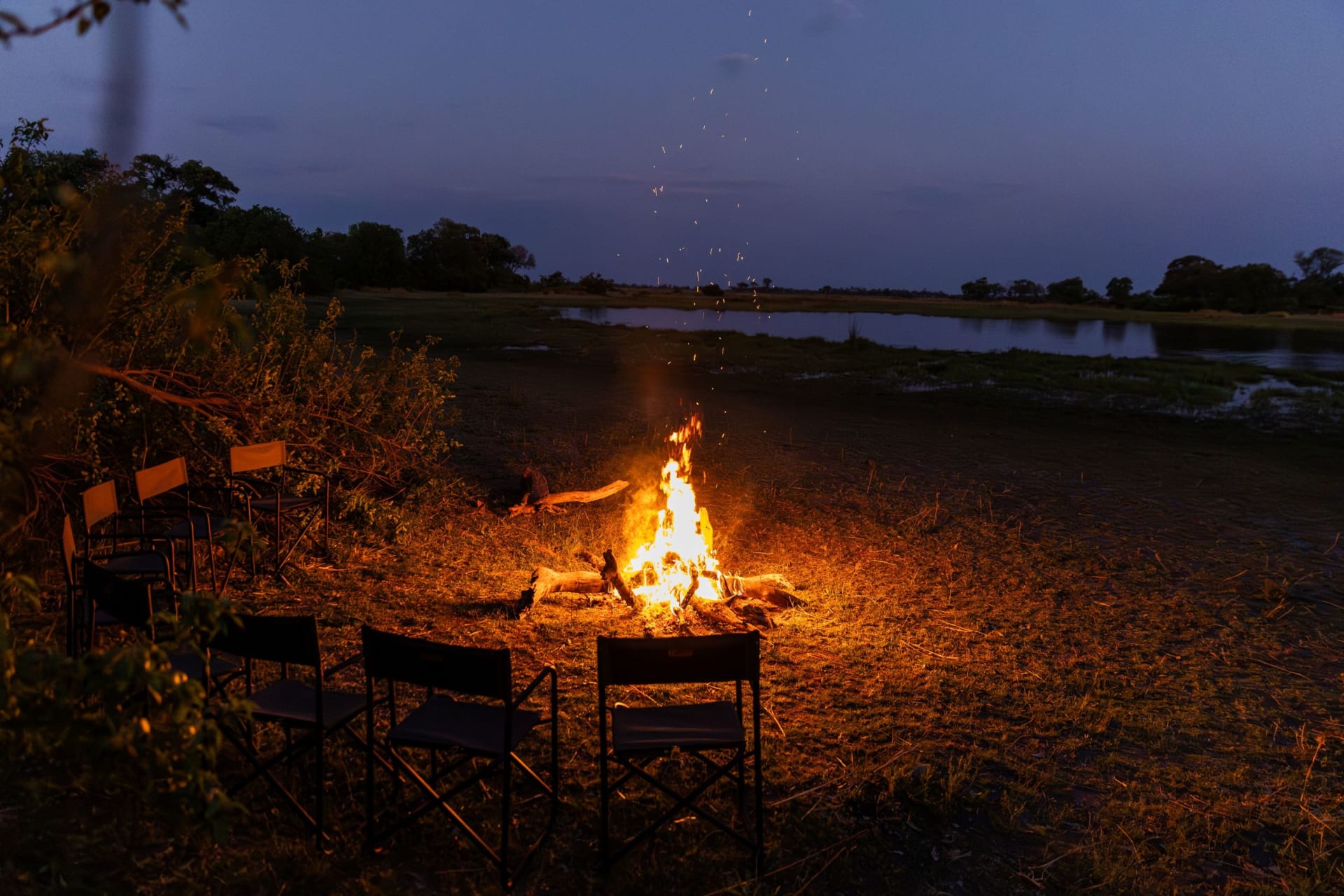 7 días
 Wild Spirit Travel
7-Day Chief’s Island & Moremi Explorer: Boat and Mobile Safari Journey
Desde 2300 US$ por persona
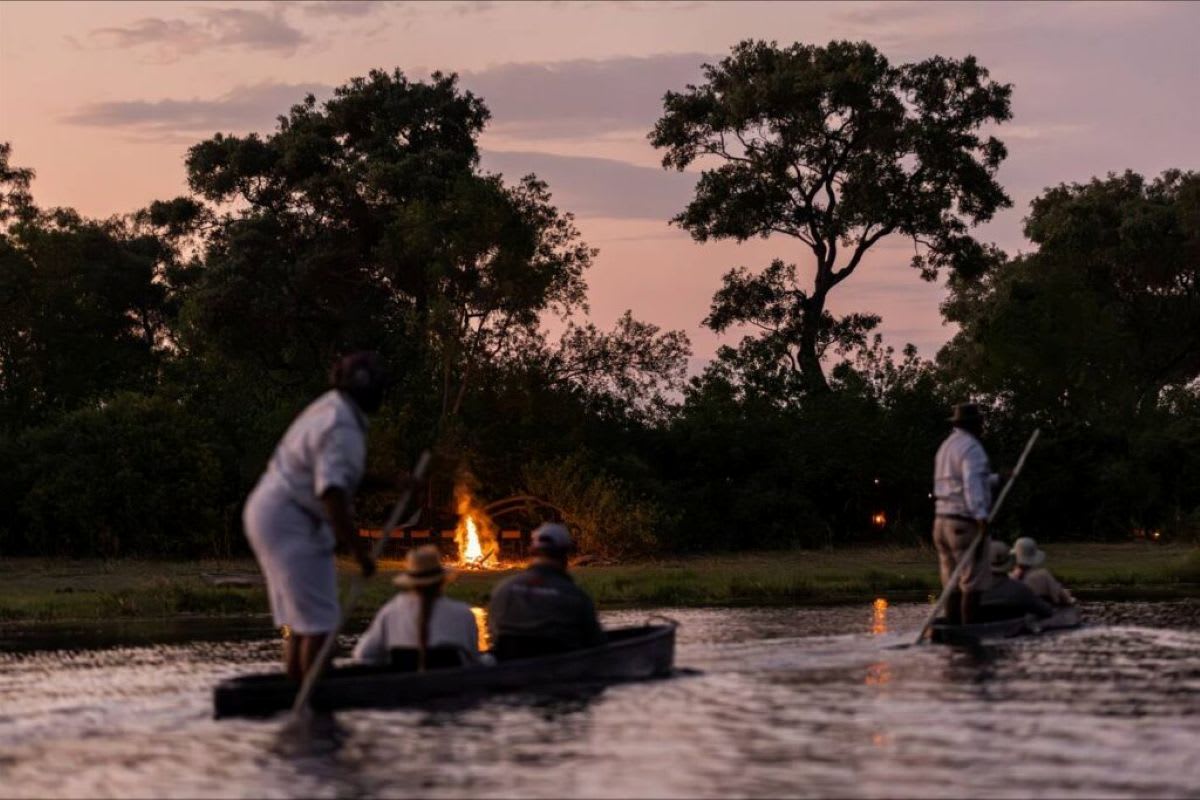 5 díasWild Spirit Travel
5-Day Wild Currents - Mokoro and Motorized Boat Safari
Desde 1730 US$ por persona
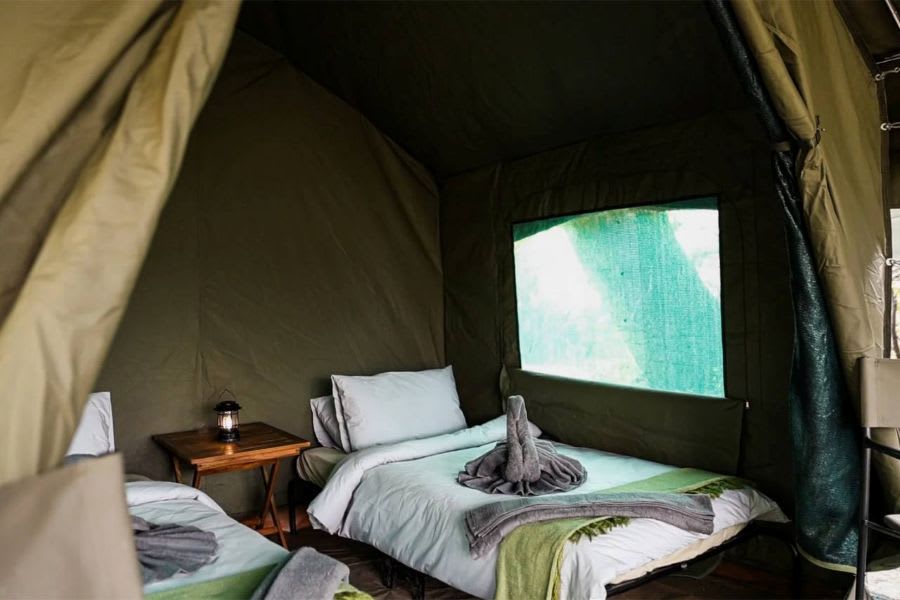 4 díasWild Spirit Travel
4-Day Flowing with the Delta – Motorized Boat Safari in Chief’s Island
Desde 1490 US$ por persona
Frequently asked questions
How much does it cost to visit Chief's Island?
Chief's Island safaris range from $800-$2,500+ per person per day depending on lodge category and season. Luxury camps like Chief's Camp and Mombo charge premium rates (often $2,000+ per person per day), while mid-range options are $800-$1,200 per day. These daily rates typically include accommodation, all meals, twice-daily game drives, and guide services. Park entry is included in lodge pricing. Additional costs include international flights to Botswana ($800-$1,500), domestic flights to Maun ($200-$400), and charter flights to Chief's Island ($300-$600 per person round-trip). A 4-day safari package costs approximately $4,000-$10,000 per person including flights and transfers.
What is the best time to visit Chief's Island?
The best time is the dry season from June to September, when animals concentrate around permanent water sources and vegetation is sparse for optimal game viewing. June to August offer the coolest temperatures (15-20°C mornings) and lowest rainfall. September remains excellent for wildlife but sees increasing heat. The wet season (November to April) is underrated—November-December brings newborn antelope herds attracting predators, lush green landscapes, and dramatic storm photography. February to March offers reduced crowds, though some roads become muddy. October is the hottest month (temperatures exceed 35°C) and marks the transition with unpredictable weather. May is excellent shoulder season with decreasing tourists and water levels rising. Plan around your interests: dry season for reliable Big Five sightings, wet season for landscape and predator action.
What wildlife can you see at Chief's Island?
Chief's Island is home to all five members of the Big Five: lion (multiple resident prides with excellent sighting probability), leopard (high densities, some habituated), African elephant (large breeding herds), African buffalo (massive gatherings near water), and black and white rhinoceros (Botswana's only naturally occurring rhino population). Additionally, expect regular sightings of spotted hyena, African wild dog, cheetah, giraffe, zebra, wildebeest, red lechwe, hippopotamus, and Nile crocodiles. Over 500 bird species have been recorded, including African fish eagles, saddle-billed storks, malachite kingfishers, and slaty egrets. The island supports one of the most complete mammal assemblages in the Delta due to its combination of permanent water and seasonal floodplain habitat.