 1 / 5
1 / 5Selous Game Reserve
Size
50,000 km²
Elevation
200 m
Entry fee
$50
Ideal stay
4 days
About Selous Game Reserve
Mejor época para visitarlo
Fauna destacada
Qué hacer
Safari packages visiting Selous Game Reserve
 3 díasDe confianzaInmediata
 Aquiline Safaris
3-Day Fly-in Fly-out Zanzibar to Nyerere NP
Desde 820 US$ por persona
 2 díasDe confianzaInmediataAquiline Safaris
2-Day Fly-in Fly-out Zanzibar to Nyerere NP
Desde 770 US$ por persona
 2 díasDe confianzaInmediataAquiline Safaris
2-Day Zanzibar to Selous by Boat, Car & Back by Flight
Desde 700 US$ por persona
 3 días
 Fresh Mood Treks
3-Day 3 in One Wildlife, Boat & Guided Walking Safari
Desde 590 US$ por persona
Preguntas frecuentes
What is the difference between Selous Game Reserve and Nyerere National Park?
In 2019, a portion of the Selous Game Reserve was officially established as Nyerere National Park, making it Africa's largest national park. The remaining area continues to operate as Selous Game Reserve. Nyerere National Park focuses on photographic tourism and walking safaris, while Selous Game Reserve encompasses both photographic zones and hunting concessions. The two areas together preserve the historic Selous ecosystem and its wildlife populations.
Is it safe to visit Selous Game Reserve?
Yes, Selous Game Reserve is generally safe for tourists when visited through established operators and lodges. The reserve is remote and relatively undisturbed, with minimal human conflict. However, visitors should follow safety guidelines provided by guides, avoid walking alone outside designated areas, and respect wildlife distances. Travel insurance is recommended, and visitors should check current travel advisories before planning trips.
What wildlife can I expect to see?
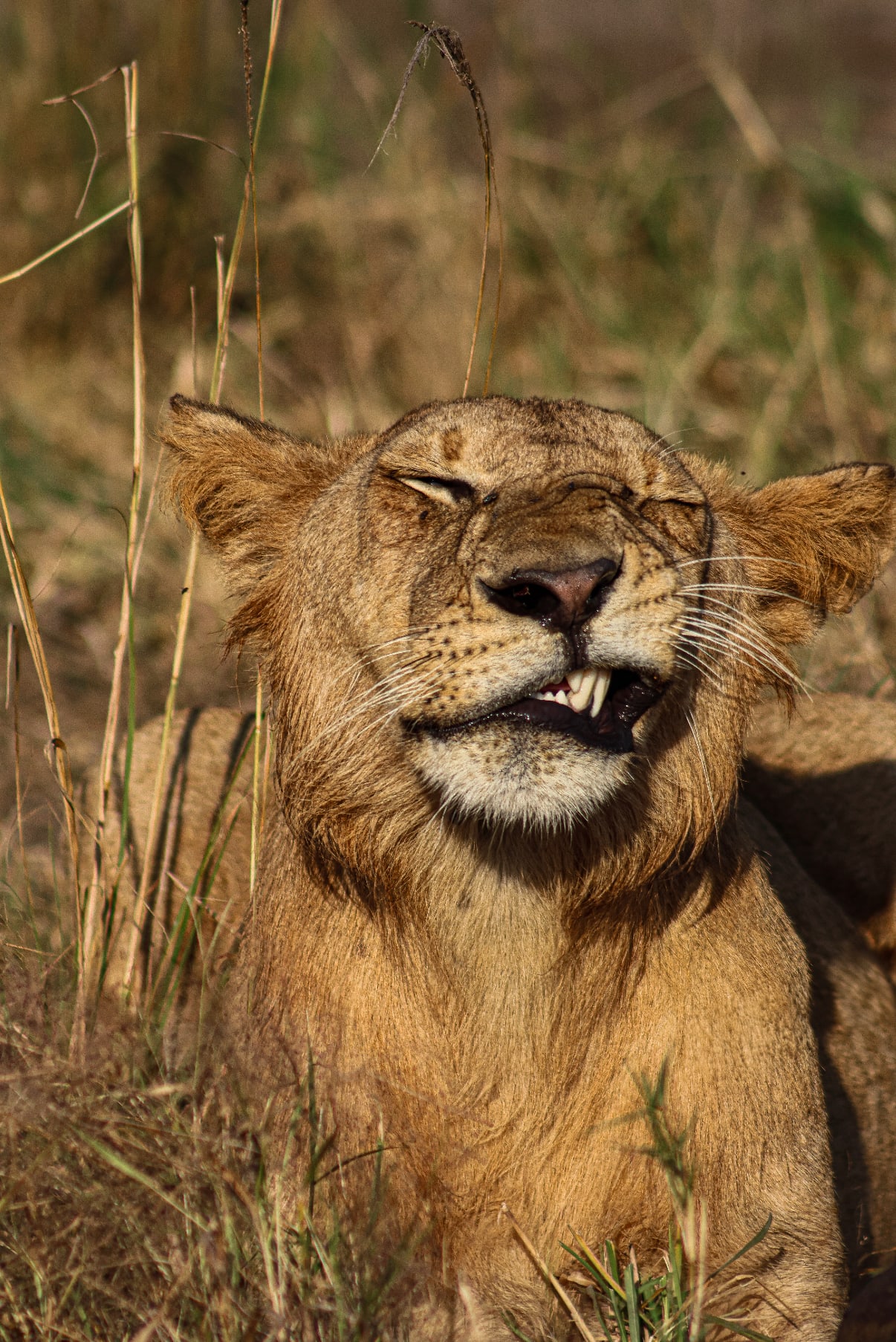
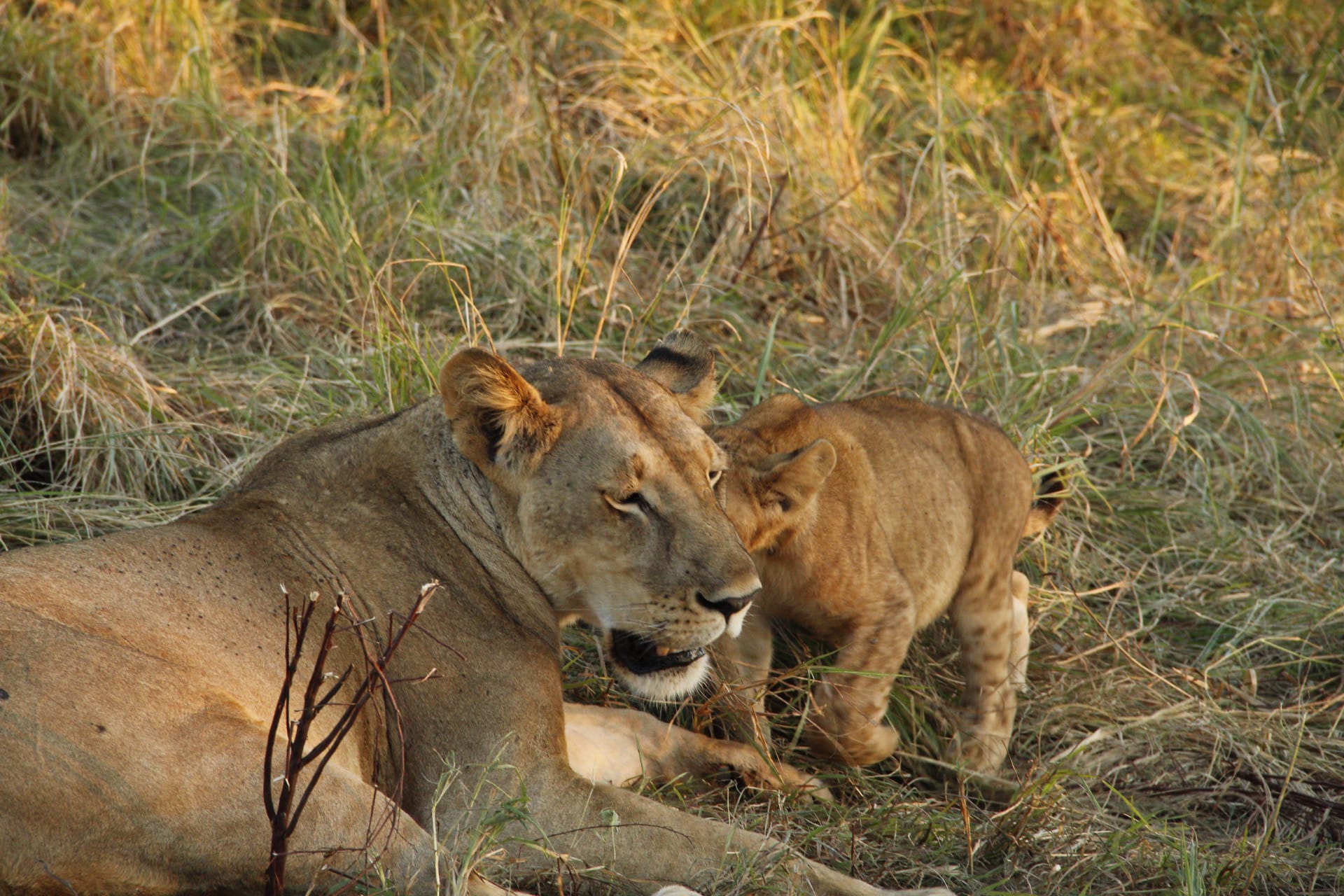
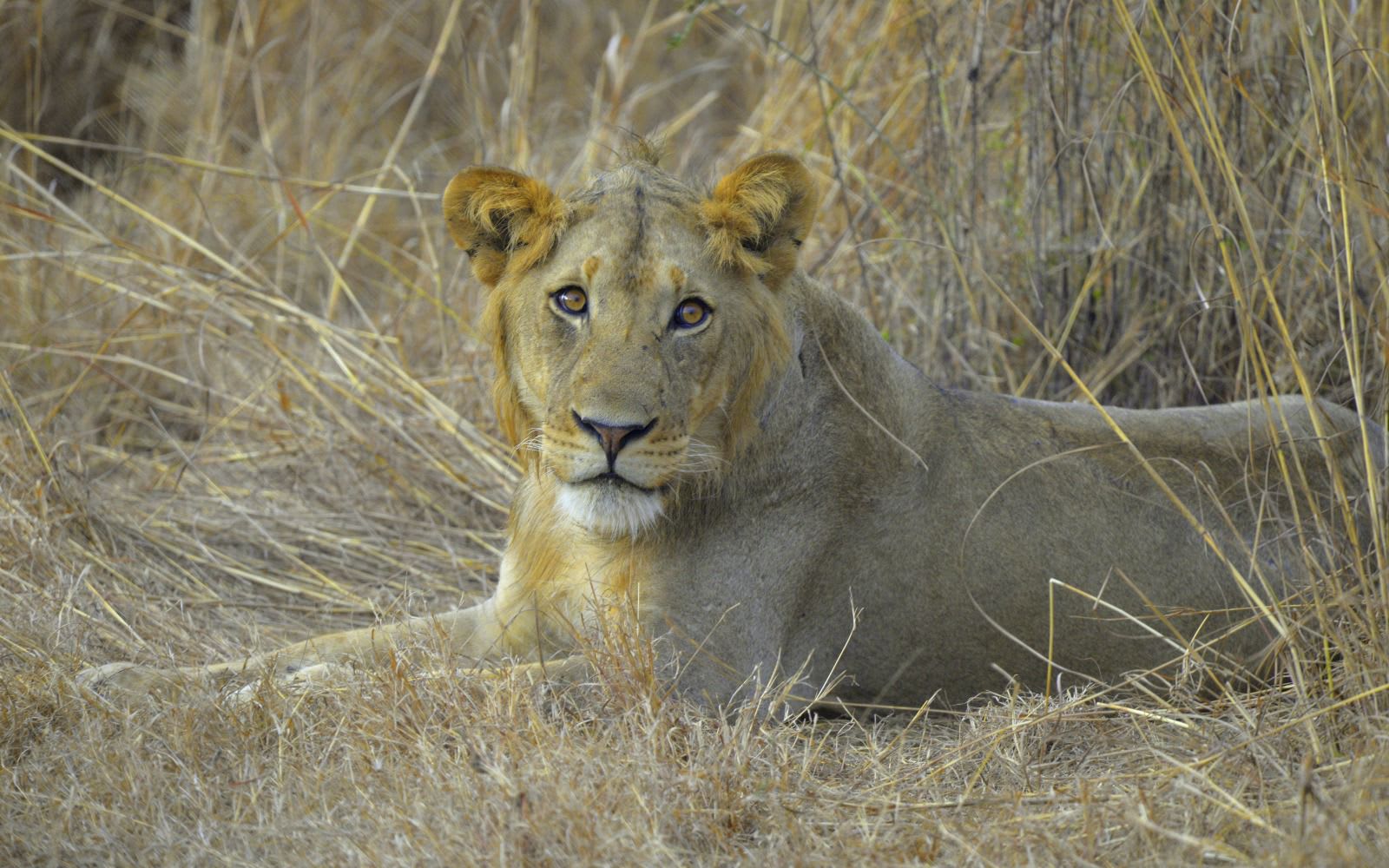
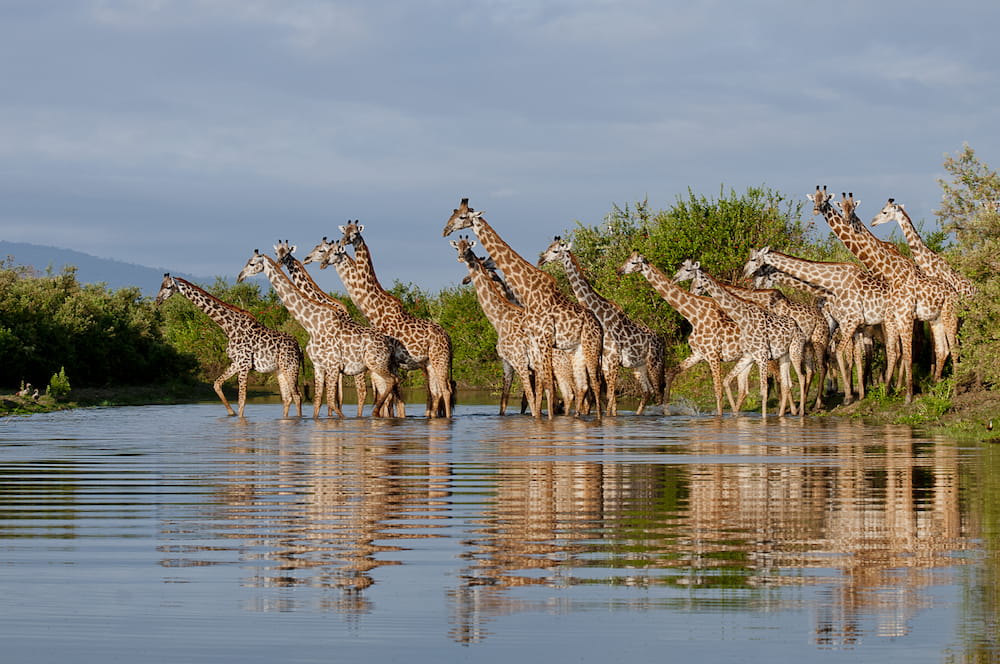
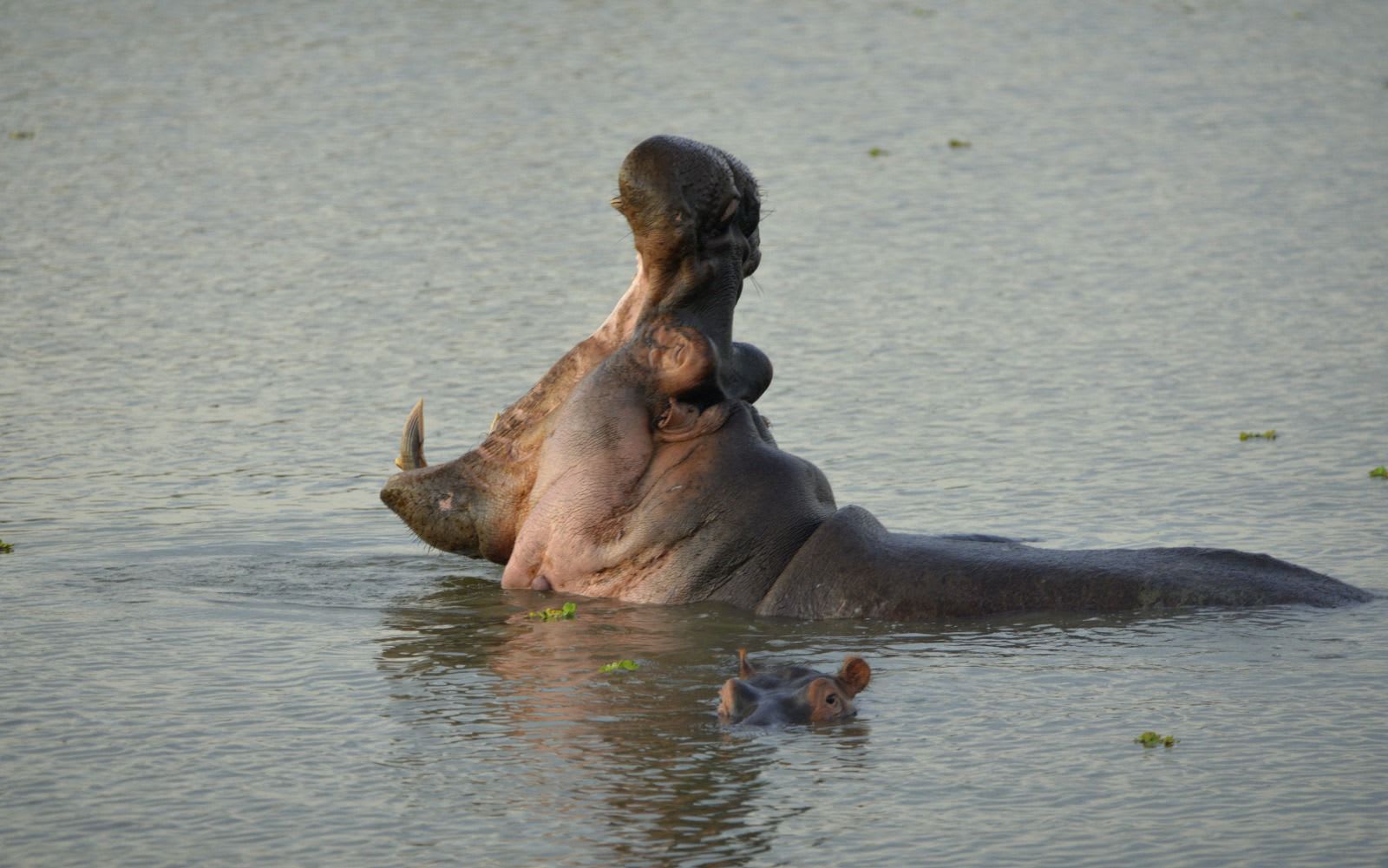
Selous hosts one of Africa's highest concentrations of elephants, plus significant populations of black rhinoceros, lions, cheetahs, giraffes, hippopotamuses, Nile crocodiles, and African wild dogs. The reserve also features over 400 bird species. However, due to the reserve's vast 50,000 square kilometer size, wildlife densities are lower than northern Tanzanian parks, requiring patience and extended safari time for sightings.
How long should I spend in Selous?
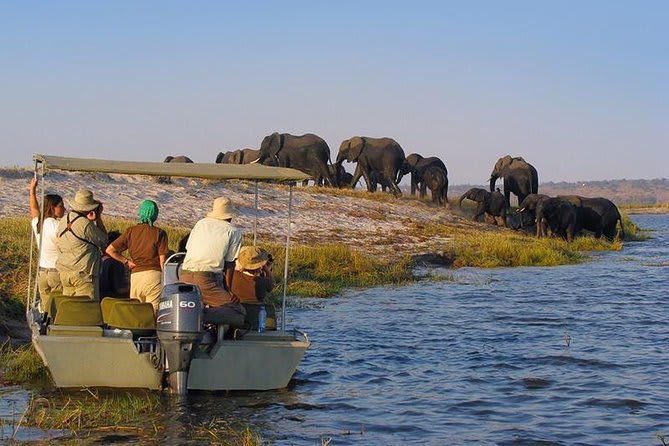
A minimum of 3-4 days is recommended to experience Selous adequately. This allows time for multiple game drives, boating safaris, and walking excursions. Many operators offer 4-7 day packages. Longer stays increase wildlife viewing opportunities and allow exploration of diverse habitats including Miombo woodlands, riverine forests, and grasslands. The reserve's size rewards extended visits.
What are the main habitat types in Selous?
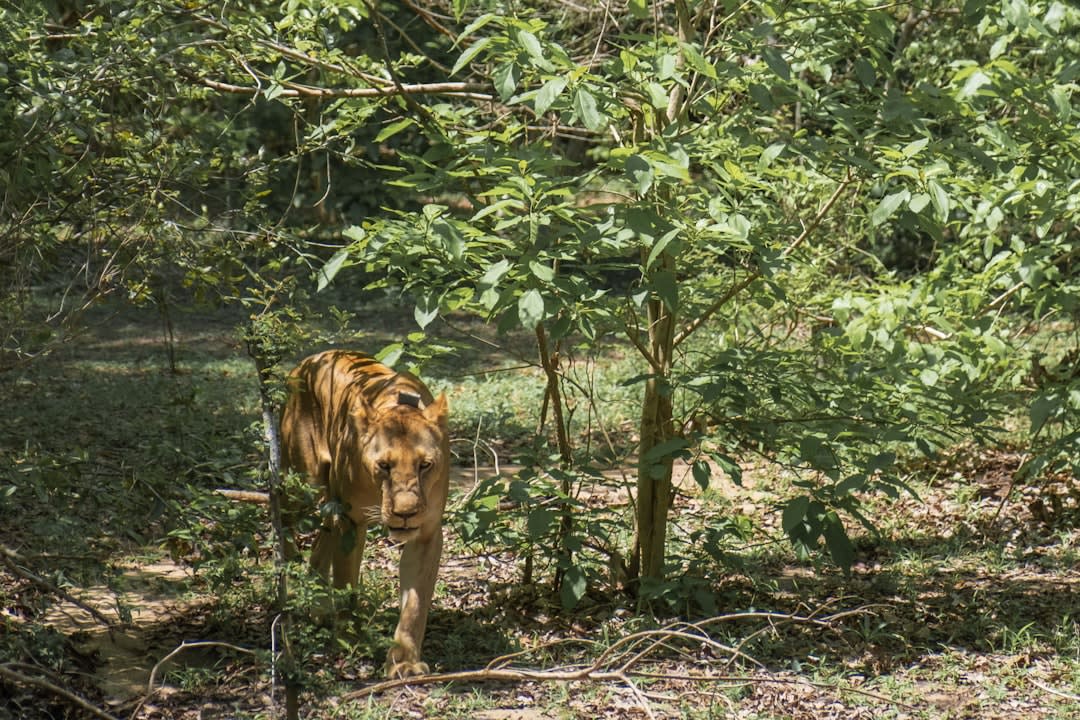
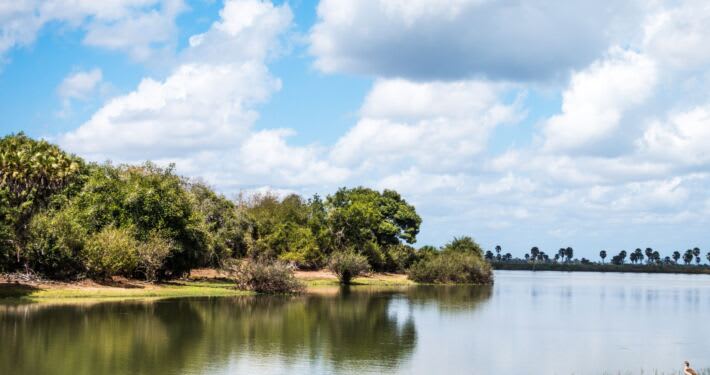
Selous features exceptional habitat diversity including Miombo woodlands (dominant vegetation), open grasslands, rocky acacia-clad hills, gallery forests, ground water forests, swamps, lowland rainforest, wetlands, and riparian zones along the Rufiji River system. This variety supports diverse wildlife species and creates a natural laboratory for ecological research and conservation.