 1 / 5
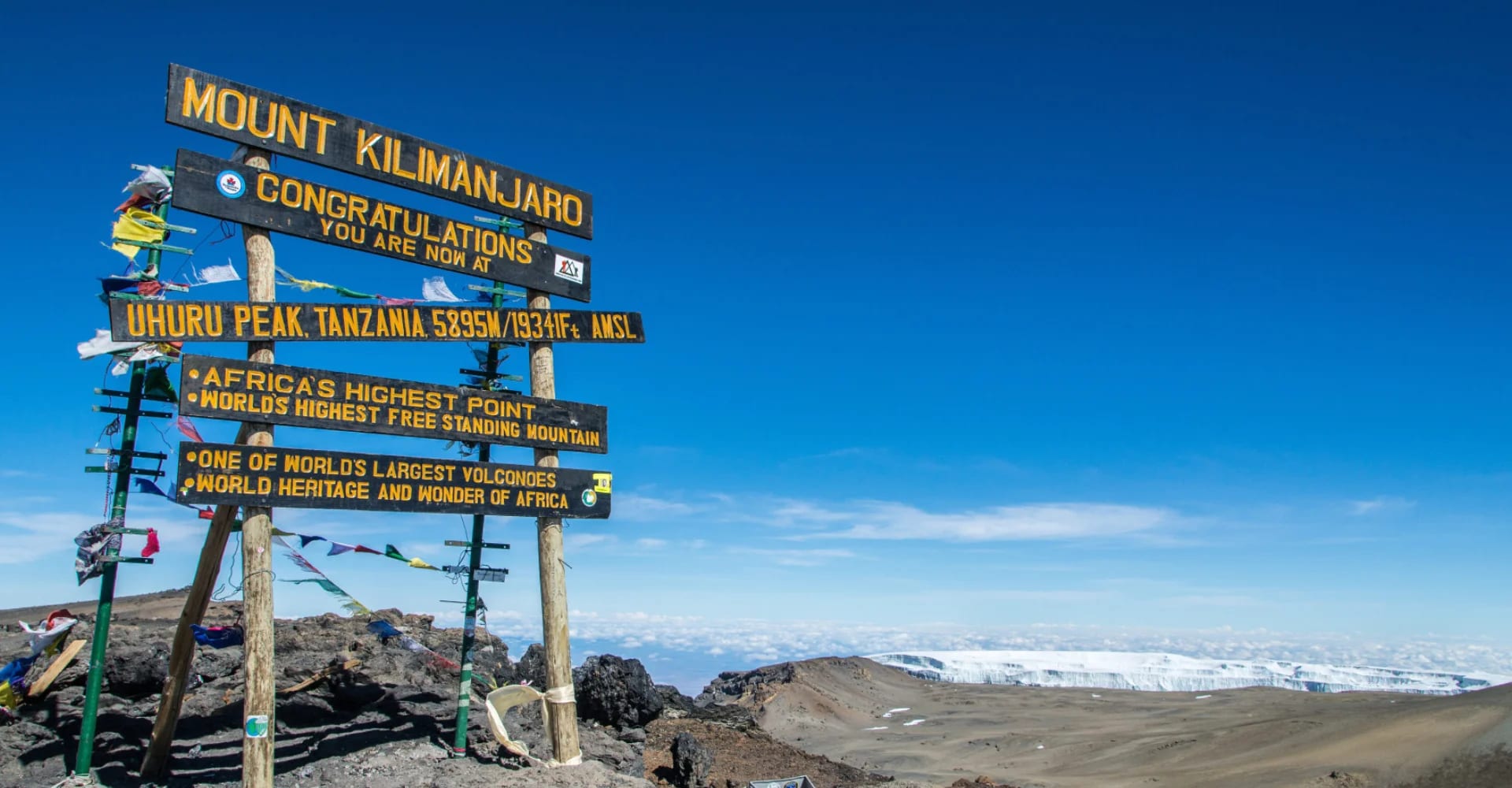
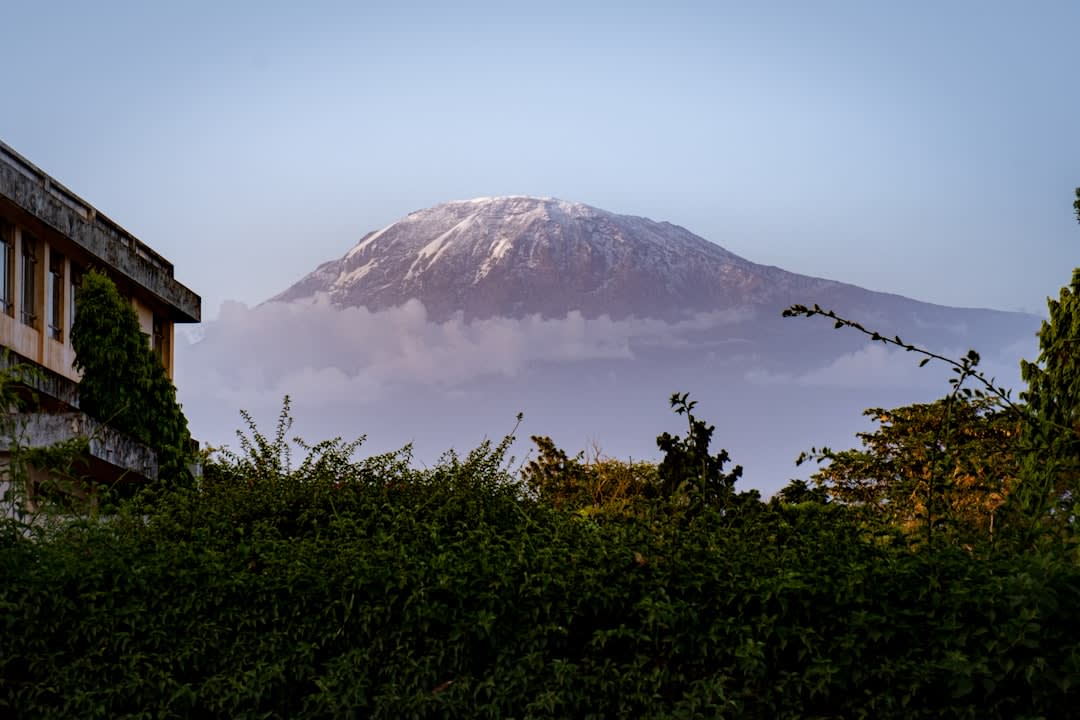
1 / 5Kilimanjaro National Park
Size
1,688 km²
Elevation
5,895 m
Entry fee
$80
Ideal stay
6 days
About Kilimanjaro National Park
Best time to visit
Wildlife highlights
Things to do
Safari packages visiting Kilimanjaro National Park
 5 giorni
 Inno Africa Safaris
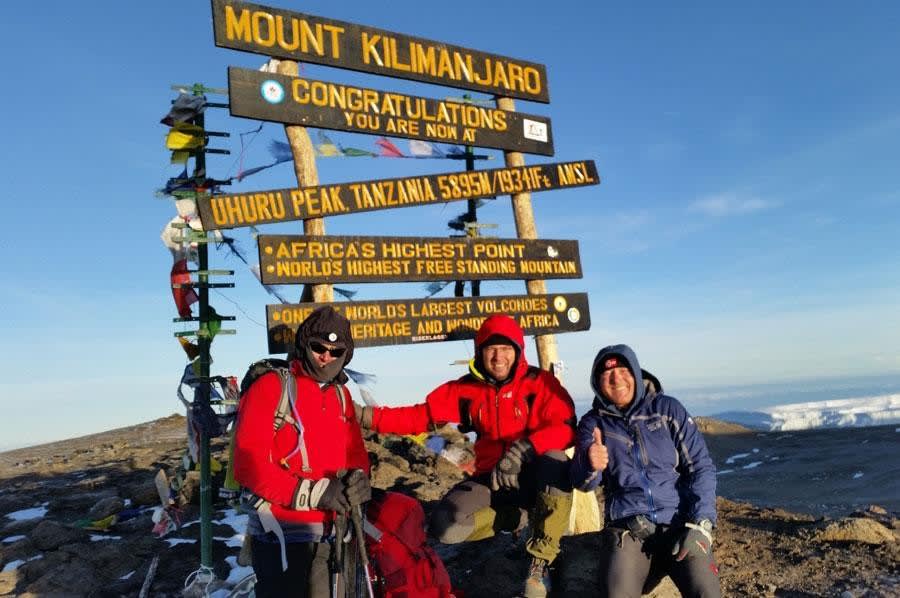
5-Day 5 Days Kilimanjaro trekking via Marangu route
Da 1720 USD a persona
 7 giorni
 Pumba Reisen
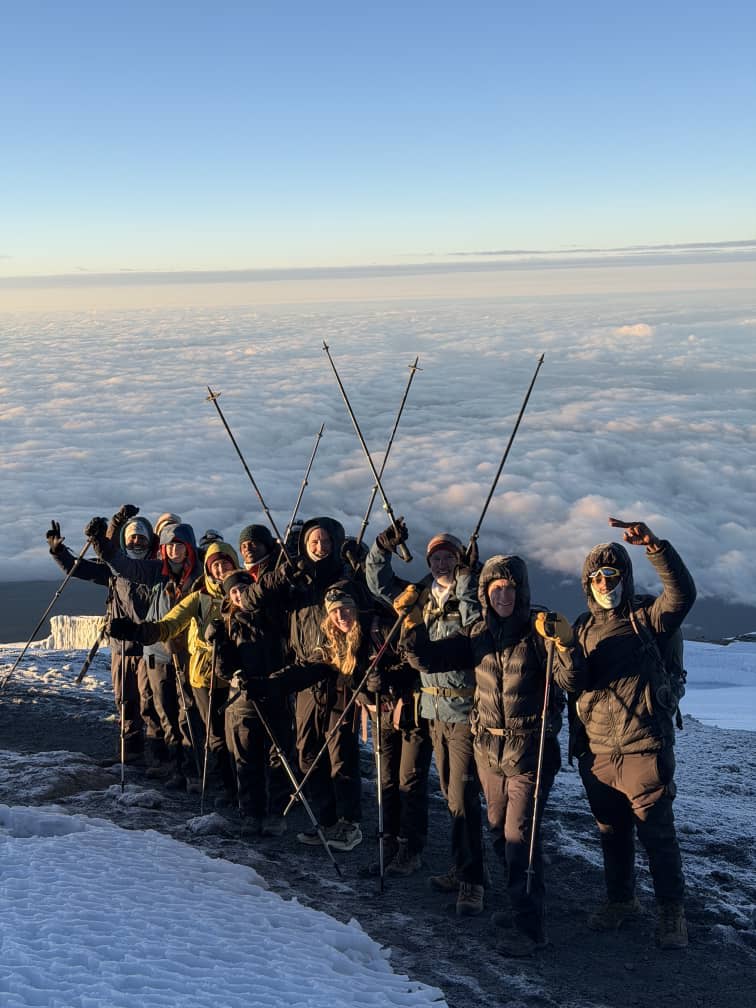
7-Day Kilimanjaro Climb Lemosho Route
Da 3850 USD a persona
 8 giorniPumba Reisen
8-Day Mount Kilimanjaro Climb via the Scenic Lemosho Route
Da 3250 USD a persona
Frequently asked questions
What is the best route for first-time climbers on Mount Kilimanjaro?
The Marangu Route is often recommended for first-time climbers as it is the oldest and most established route with mountain huts for accommodation. However, the Machame Route offers better acclimatization despite being slightly more challenging. Both routes take 5-7 days and provide reasonable success rates. Route selection should consider fitness level, acclimatization preferences, and personal climbing experience.
What are the main health risks when climbing Kilimanjaro?
Altitude sickness (acute mountain sickness) is the primary health concern due to rapid elevation gain. Other risks include dehydration, exhaustion, and cold exposure near the summit. Preventive measures include gradual acclimatization, adequate hydration, proper nutrition, and consulting healthcare providers before climbing. Climbers with pre-existing heart or lung conditions should seek medical clearance.
Do I need special permits or guides to climb Mount Kilimanjaro?
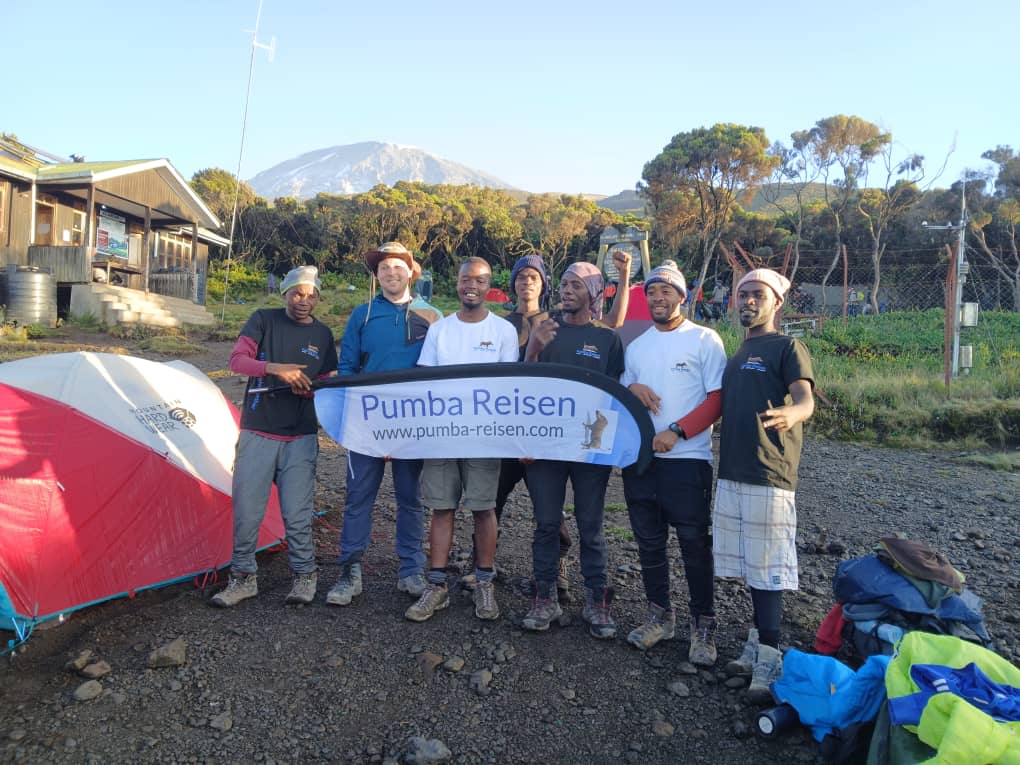
Yes, all climbers must register with the Tanzania National Parks Authority (TANAPA) and hire licensed guides through authorized tour operators. Guides are mandatory for safety and environmental protection. Porters are highly recommended to carry equipment, allowing climbers to focus on acclimatization. All arrangements must be made through registered operators to ensure compliance with park regulations.
What is the success rate for reaching Uhuru Peak?
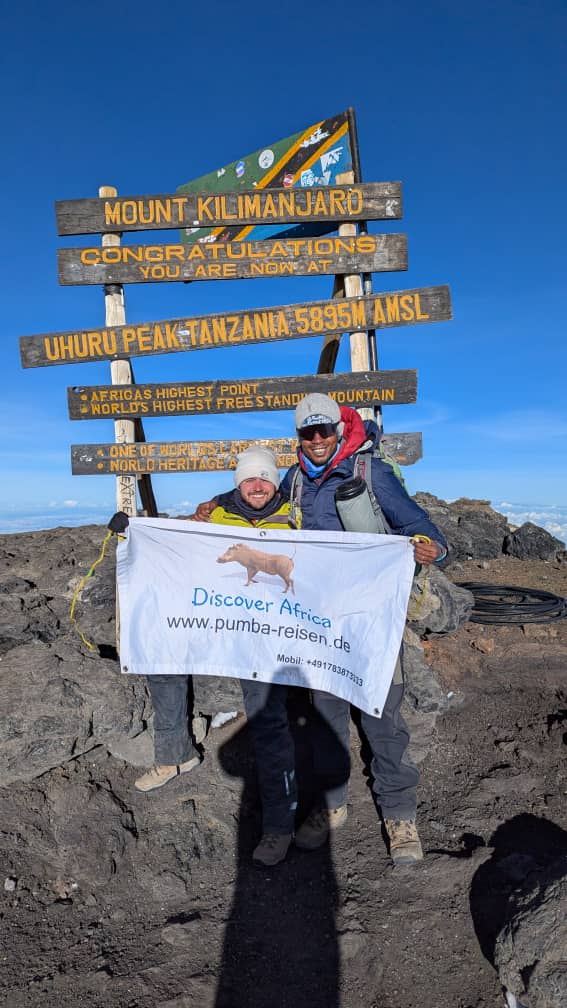
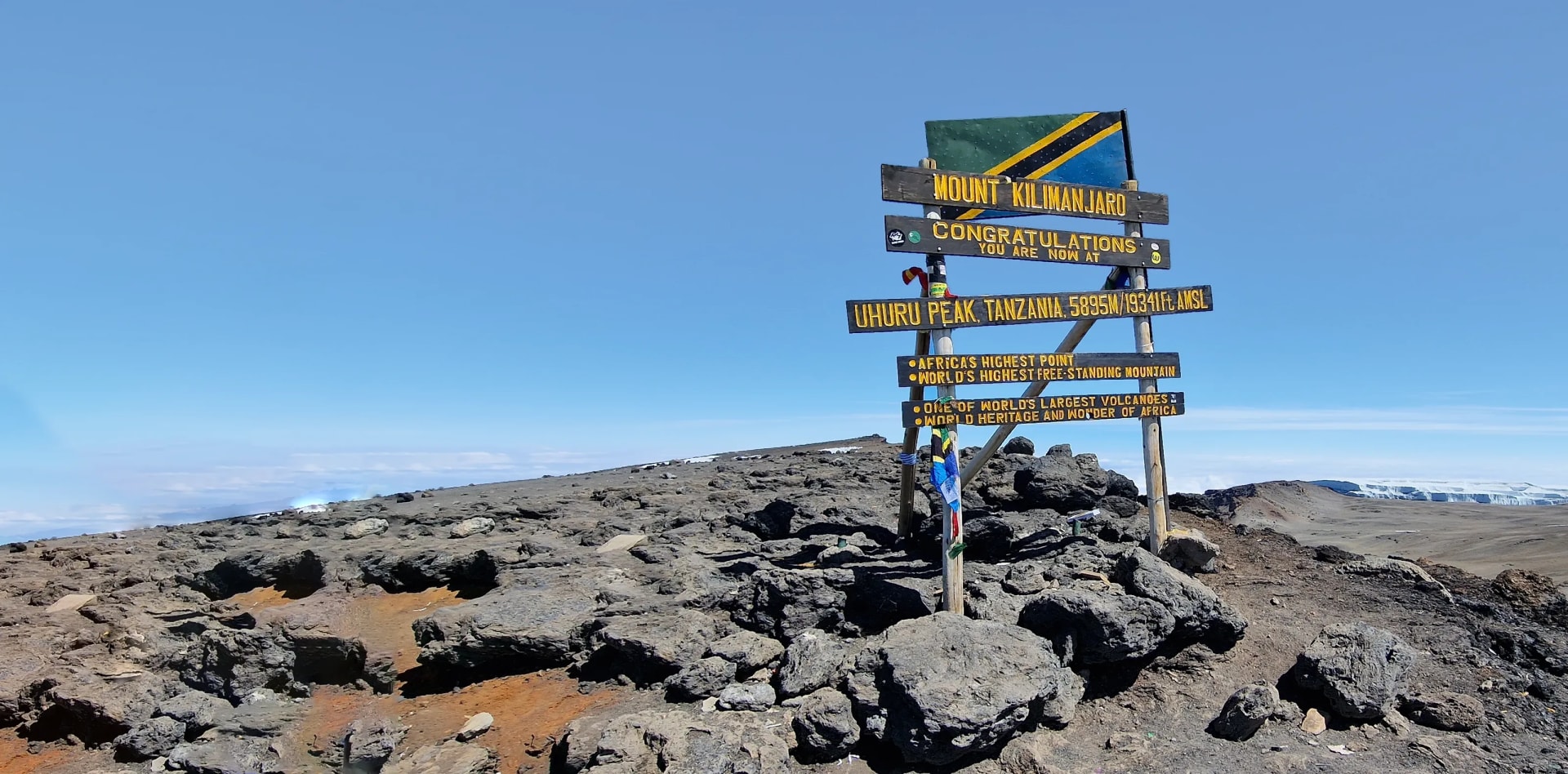
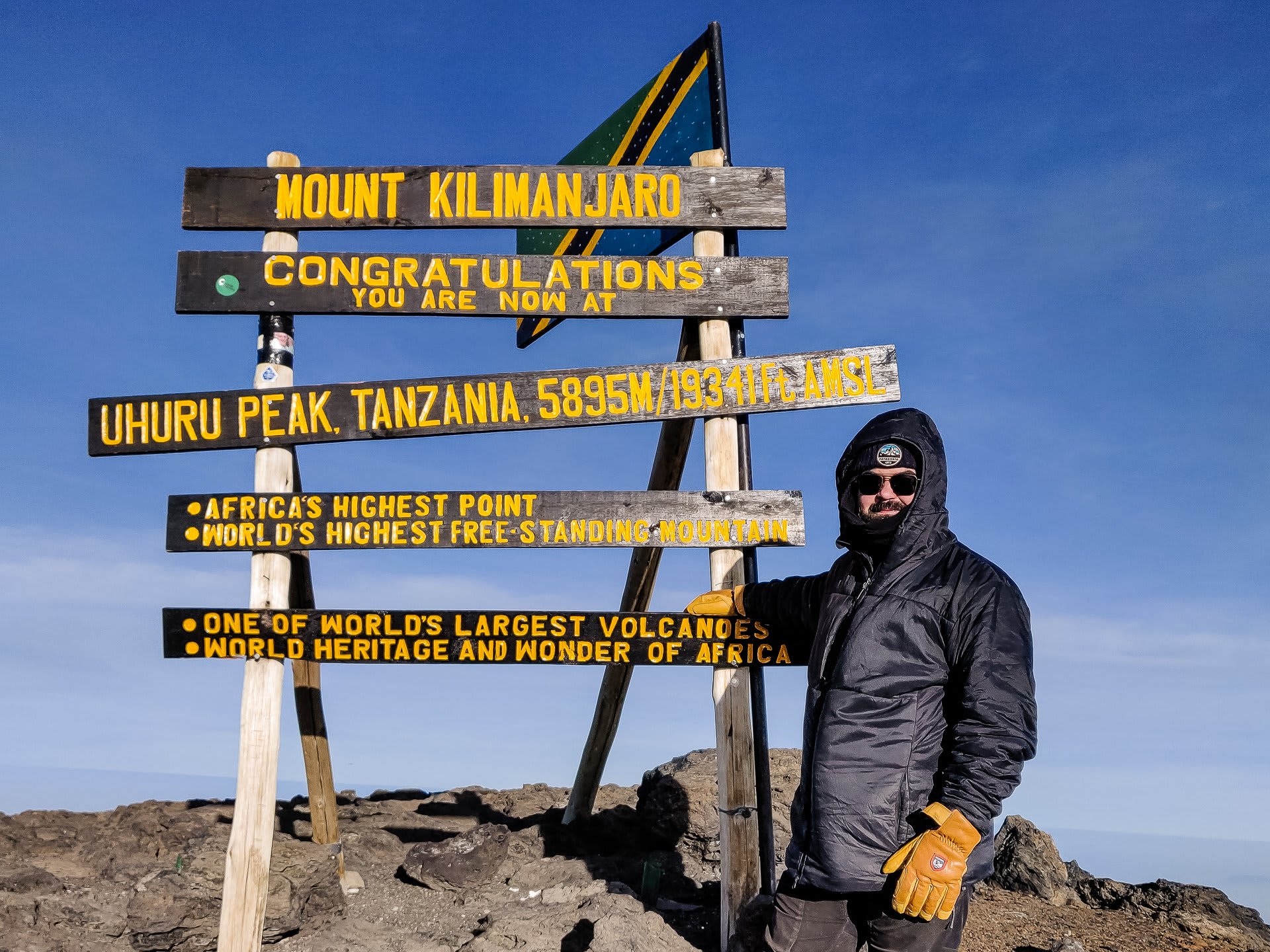
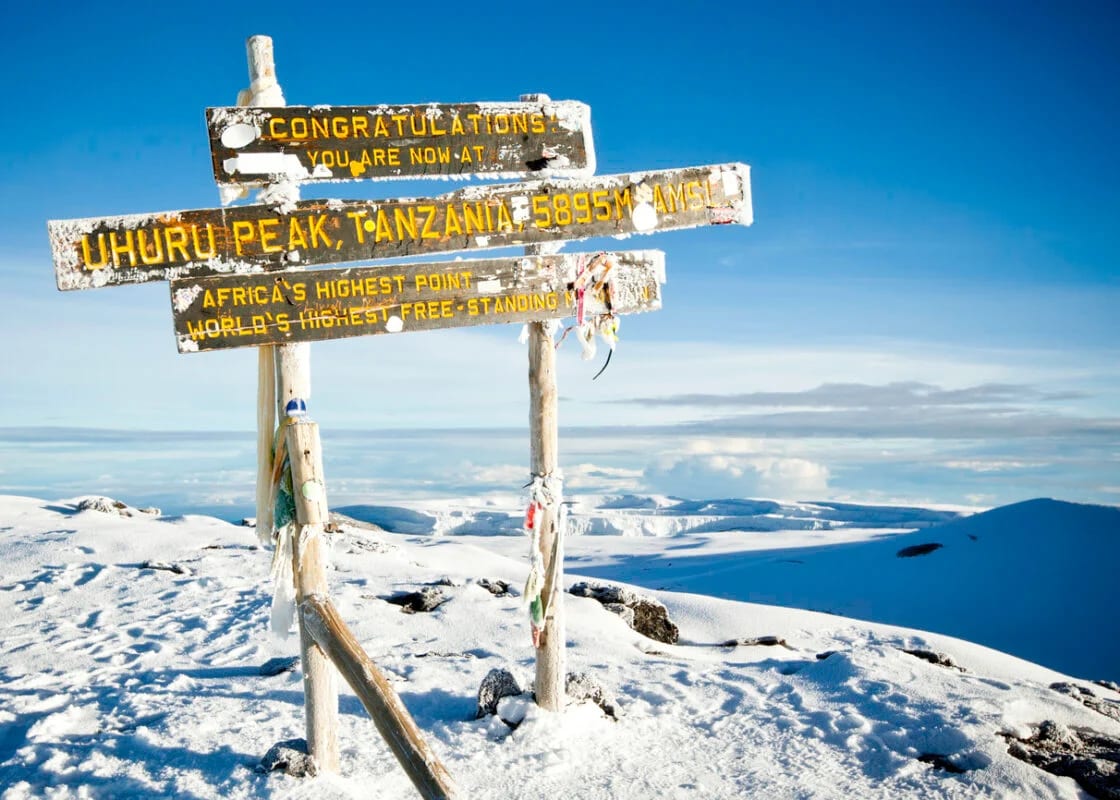
The overall success rate is approximately 65-70%, though it varies by route and individual fitness. Routes with longer acclimatization periods (7-8 days) have higher success rates (80%+) compared to shorter routes (5-6 days) with 50-60% success rates. Proper preparation, gradual acclimatization, and physical conditioning significantly improve summit success.
What ecosystems will I encounter while climbing Kilimanjaro?
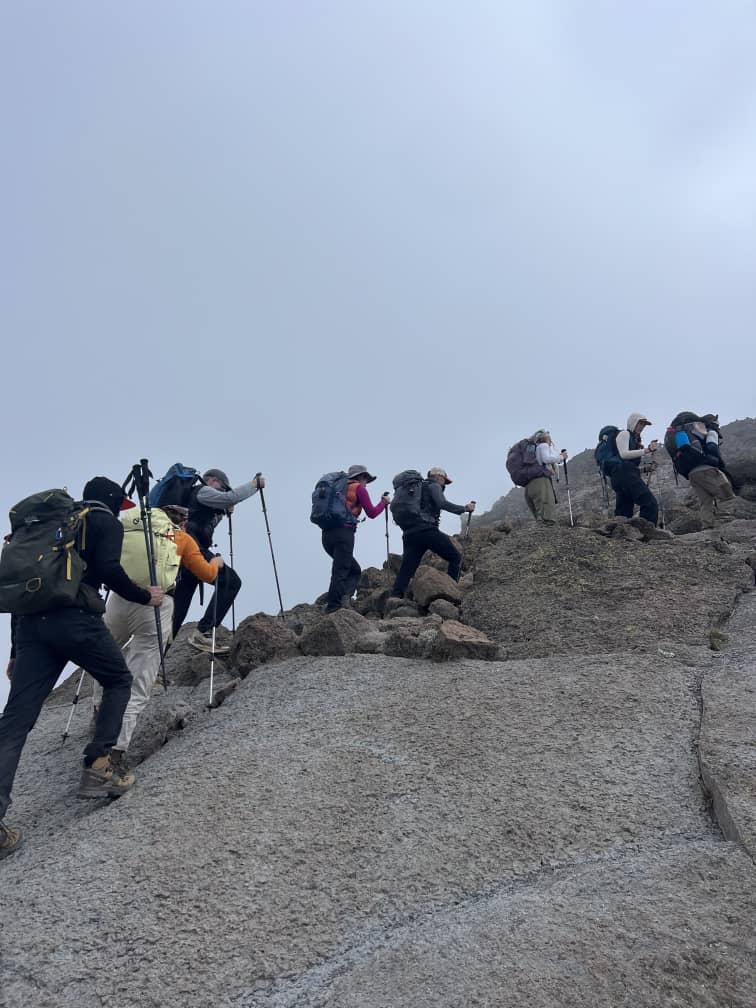
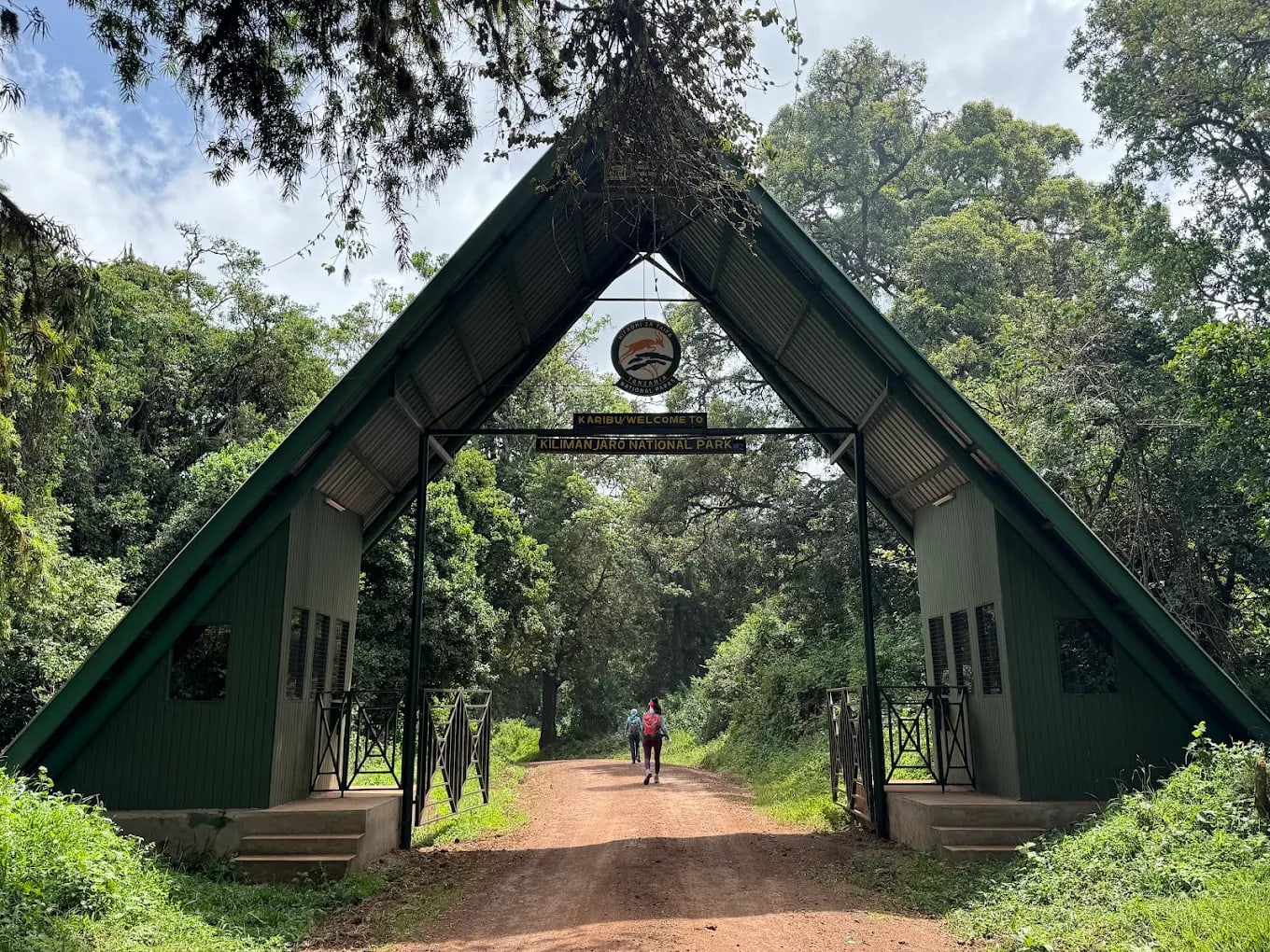
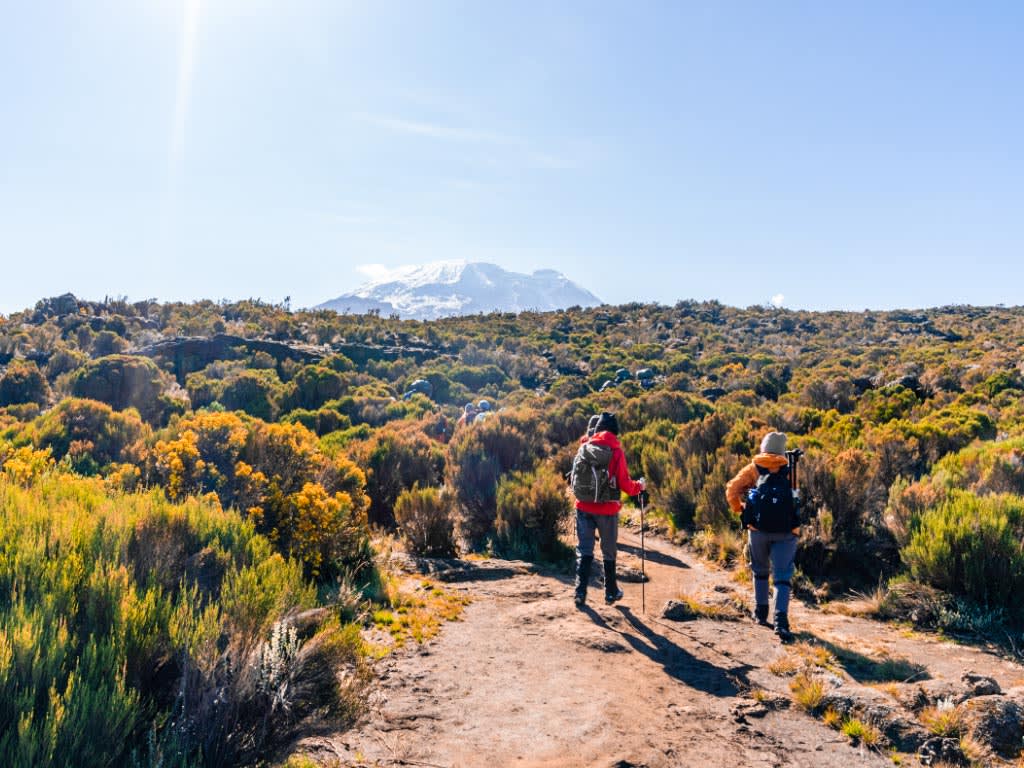
Kilimanjaro features five distinct ecological zones: tropical rainforest (lower slopes), montane forest, heath and moorland, alpine desert, and arctic/nival zone at the summit. Each zone has unique vegetation and wildlife adapted to specific altitude and climate conditions. This remarkable biodiversity within a single mountain makes Kilimanjaro a UNESCO World Heritage Site and natural wonder.