 1 / 3
1 / 3🇰🇪 KenyaUNESCO site
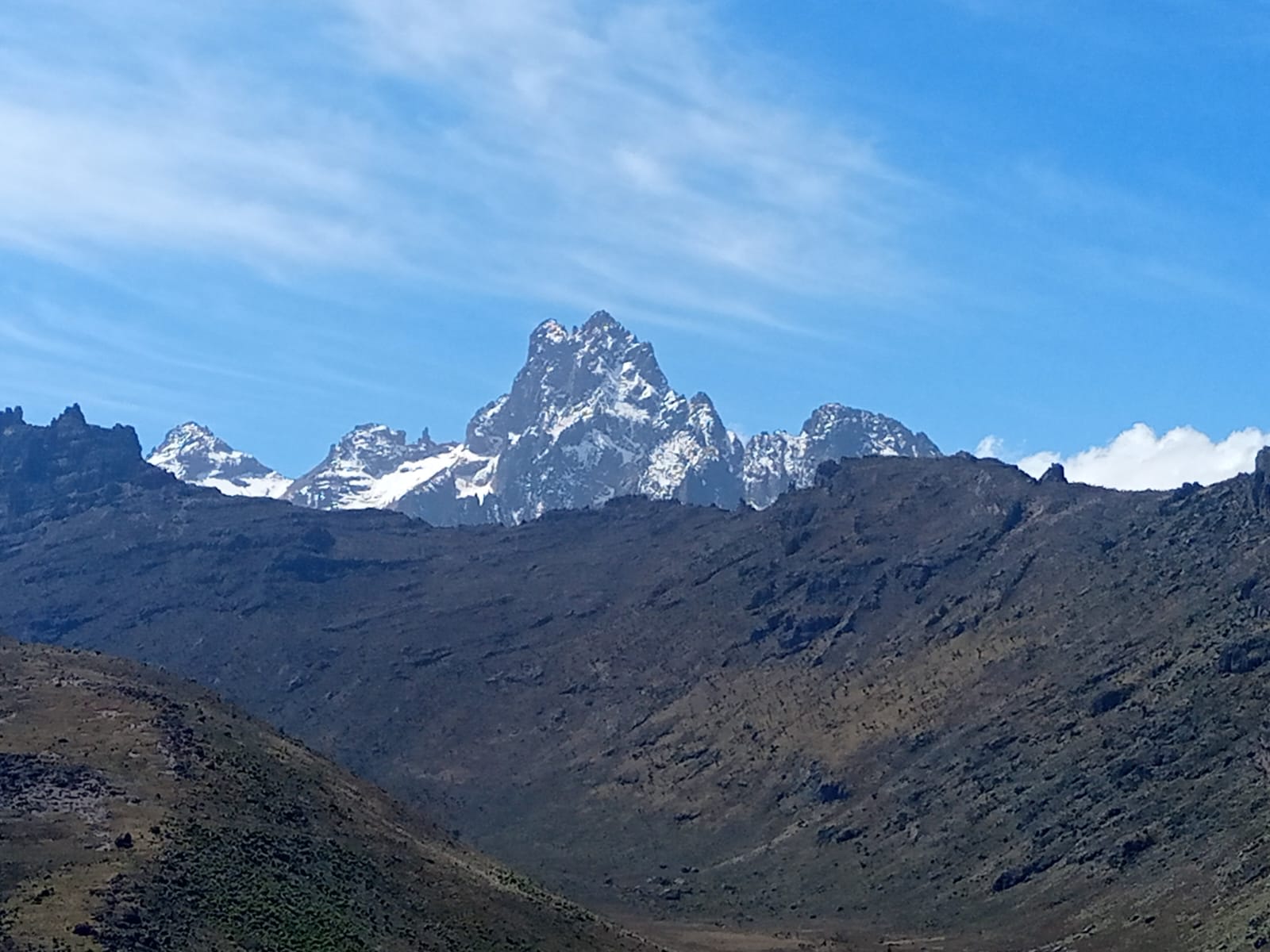
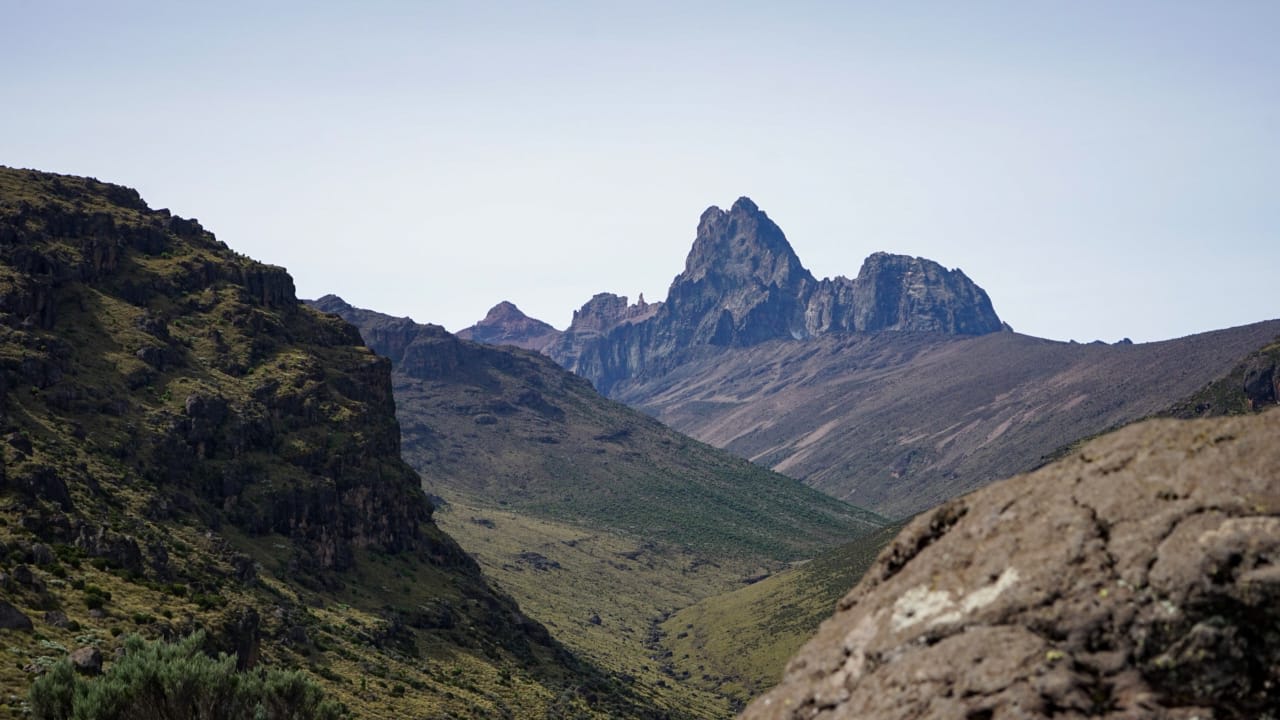
Mount Kenya
Size
715 km²
Elevation
5,199 m
Entry fee
$82
Loading SafariFind...
1 / 3Size
715 km²
Elevation
5,199 m
Entry fee
$82
Ideal stay
5 days
Established
1949
Nearest airport
Jomo Kenyatta International Airport (NBO), Nairobi — 180 km south; 3–4 hour drive to park entrance. Alternative: Nanyuki Airstrip (NYK) — 50 km east for charter flights and quicker access to trekking routes
Nearest town: Nanyuki — 50 km northeast, main gateway town with lodges and outfitters. Nairobi City — 180 km south, major hub for international flights and safari tour operators. Nyeri — 70 km southwest, regional town with accommodation options
 4 giorni
 Mukima Trekings
 Da 1050 USD a persona
 4 giorni
 Expeditions Wild Jungle
Da 1570 USD a persona
 5 giorni
 Malvic Tour And Safaris
 Da 830 USD a persona
4 giorniMalvic Tour And Safaris Da 660 USD a persona
 3 giorni
Da 1030 USD a persona
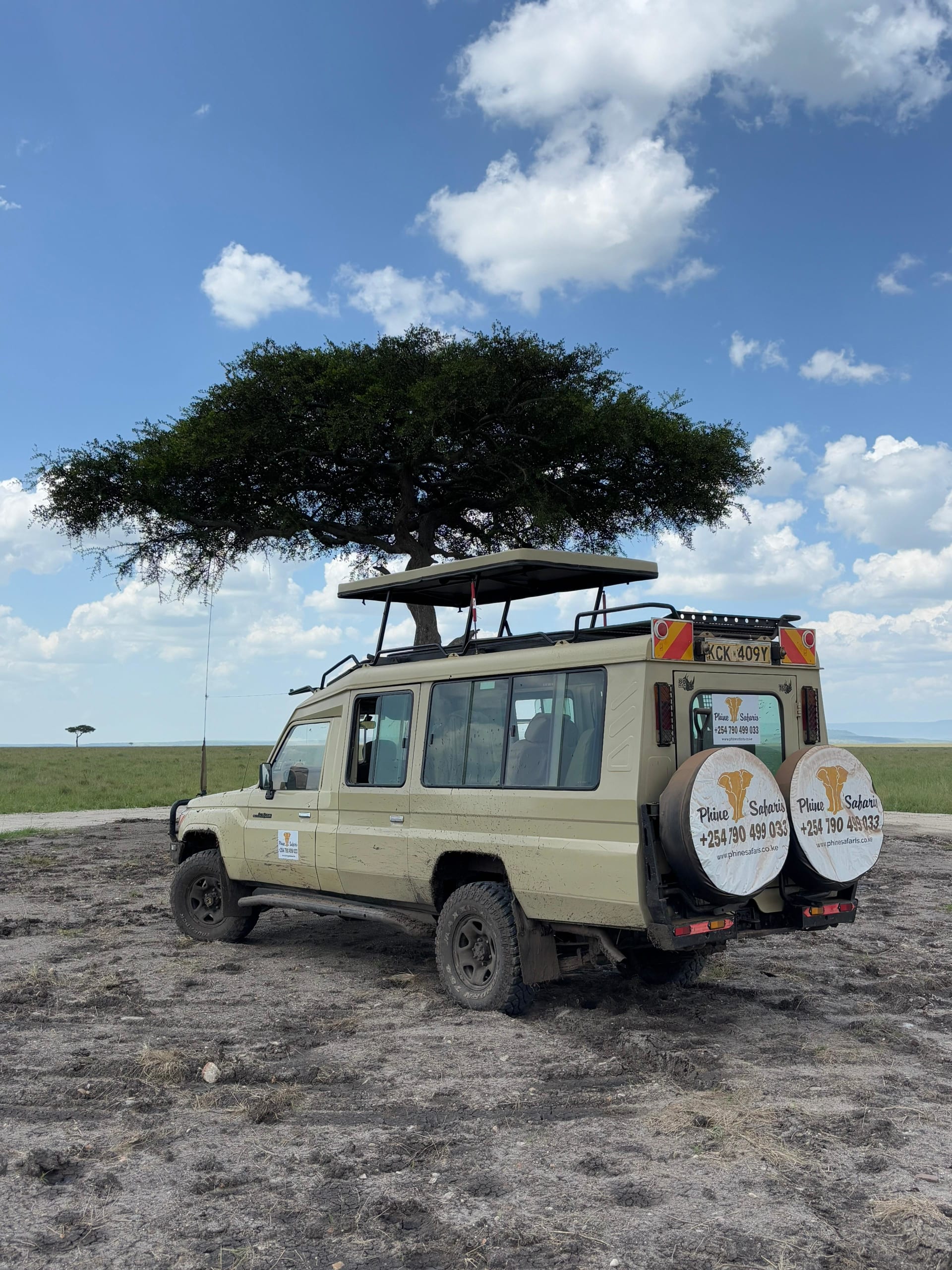 6 giorni
 Phine safaris
Da 1200 USD a persona
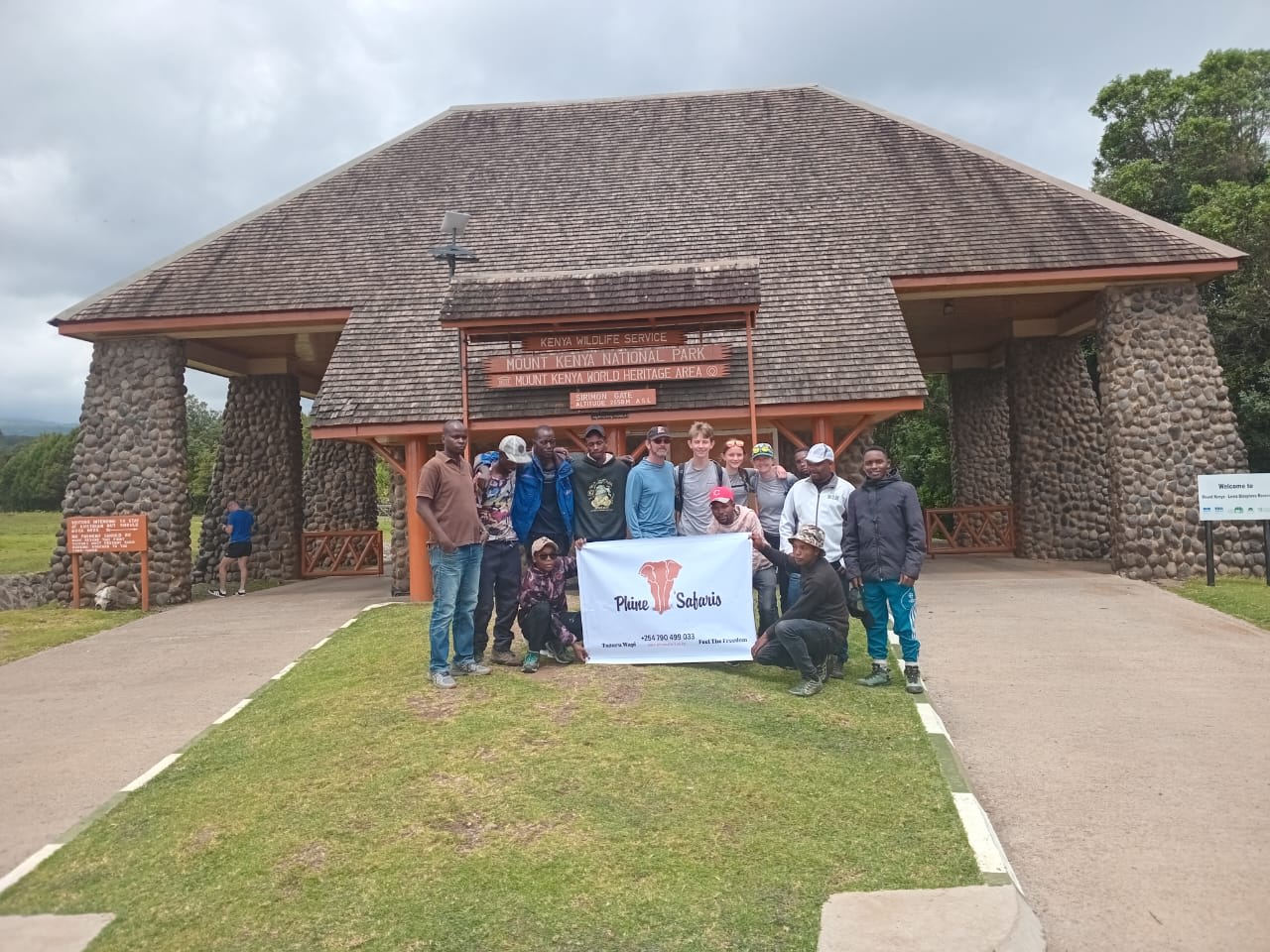 3 giorniPhine safaris
Da 690 USD a persona
Park entry fees are approximately $82 USD per adult per day. Guided trekking expeditions range from $1,200–$2,500 for 4–5 days including guide, accommodation, and meals. Budget safari packages near <a href="/destinations/nairobi-city">Nairobi</a> start at $150–$250 per person per day for game drives and lodging. Compare packages and prices from verified operators on SafariFind.com to find options matching your budget.
June through October (dry season) offers the best weather for trekking and wildlife viewing, with clear skies, stable temperatures (15–28°C), and minimal rainfall. December through February (short dry season) is secondary but still viable. Avoid April–May (long rains) and November when trails become muddy and visibility decreases. Peak climbing season is July–August; September–October offers smaller crowds with equally good conditions.
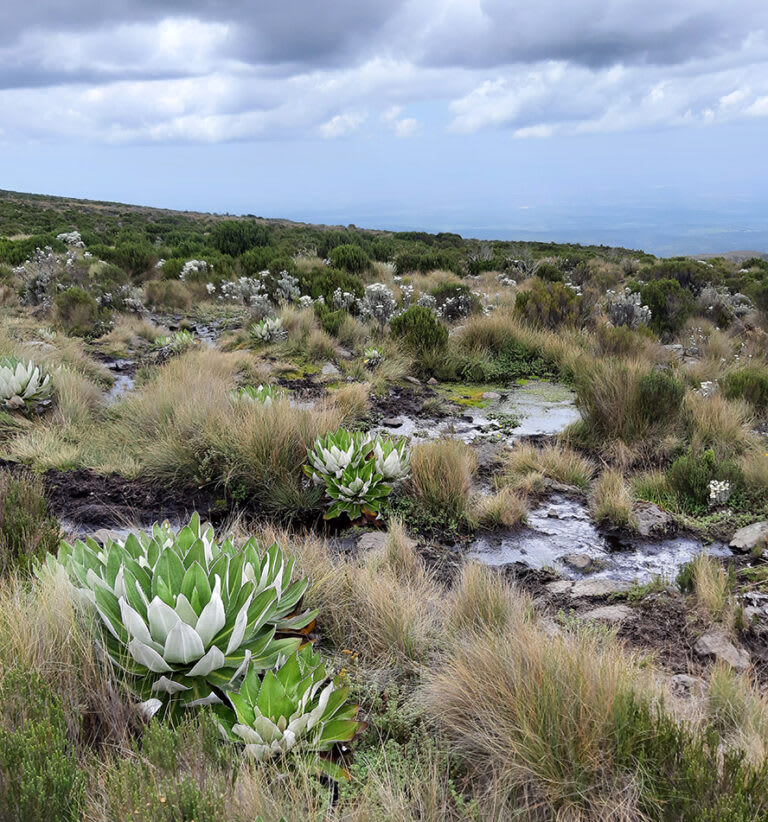
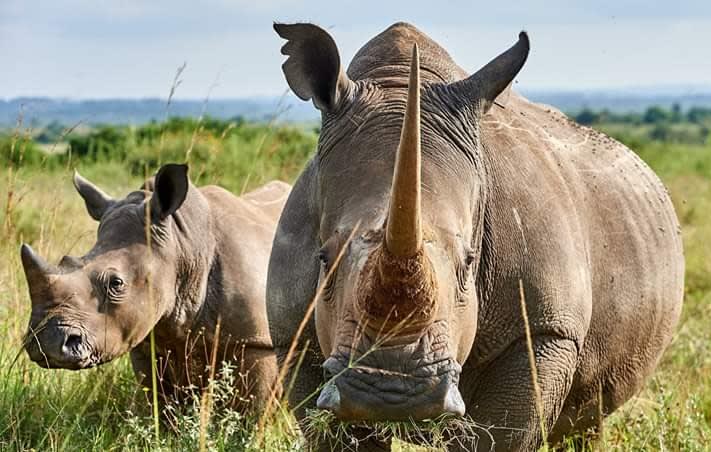
Mount Kenya hosts all Big Five mammals—African elephants, lions, leopards, buffalo, and black rhinos—plus endemic species like bongo antelope and tree hyraxes. Over 130 bird species inhabit the park, including Verreaux's eagles, African fish eagles, and Jackson's francolin. Wildlife varies by elevation: elephants and buffalo roam lower slopes and bamboo zones, while alpine birds and small mammals inhabit moorlands above 3,000 meters.
International flights arrive at Jomo Kenyatta International Airport (NBO) in <a href="/destinations/nairobi-city">Nairobi</a>, 180 km south—a 3–4 hour drive to park gates. Nanyuki Airstrip (NYK), 50 km northeast, offers charter flights and quicker access. From Nairobi, the paved A104 highway leads to Nanyuki; secondary gravel roads access the three main trekking gates (Naro Moru, Sirimon, Chogoria). 4WD vehicles are recommended, especially during rainy seasons.
Mount Kenya trekking above 3,000 meters is suitable for children aged 10+ with prior hiking experience and gradual acclimatization. Lower slopes offer family-friendly game drives and nature walks accessible to younger children. Day trips from <a href="/destinations/nairobi-city">Nairobi</a> work well for families with limited time. Many lodges provide family rooms and child-oriented activities. Consult a pediatrician about altitude exposure; children under 5 should avoid elevations above 2,500 meters.
Three days minimum for lower-slope game drives and forest walks. Four to five days is ideal for Point Lenana trekking (4,985 m) via the Naro Moru Route. Six to seven days accommodates the scenic Chogoria Route or acclimatization for higher summits. Combining Mount Kenya with adjacent <a href="/destinations/maasai-mara">Maasai Mara National Reserve</a> or <a href="/destinations/lewa-conservancy">Lewa Conservancy</a> requires 7–10 days total.
On-park accommodation includes tented camps at intermediate elevations (Shipton's Camp, Teleki Valley Camp) for trekkers. Budget lodges in Nanyuki town (50 km away) cost $30–$80 per night. Mid-range lodges near park gates run $80–$200 nightly. Luxury options like Safari lodges with wildlife viewing cost $200–$400+. Most trekking expeditions include accommodation in basic mountain huts (Mackinder Camp, Point Lenana) at 4,200 meters.
Yes. Mount Kenya uniquely combines alpine trekking on Africa's second-highest peak with lowland Big Five wildlife viewing and cultural immersion with Kikuyu communities—all within one destination. Unlike <a href="/destinations/tanzania">Tanzania</a>'s Kilimanjaro (a single-focus climb), Mount Kenya offers diverse ecosystems, 130+ bird species, and spiritual significance. It ranks as a UNESCO World Heritage Site and provides accessible non-technical routes alongside challenging climbs.
Yes—guides are mandatory for all trekking routes and strongly recommended for game drives. Licensed guides provide safety, wildlife identification, ecological knowledge, and emergency support at high altitudes. Self-drive options exist on lower-slope roads, but guided expeditions (costing $50–$100 daily for a guide) enhance wildlife spotting and cultural learning. All trekking operators provide experienced mountain guides certified by the Kenya Mountain Guides Association.
Compare safari packages, read verified traveler reviews, and book through trusted operators on SafariFind.com. SafariFind lets you filter by budget, trekking difficulty, and inclusions (meals, accommodation, guides), then compare prices from multiple verified operators. You can also contact operators directly via the platform to customize itineraries combining Mount Kenya with <a href="/destinations/maasai-mara">Maasai Mara</a> or other <a href="/destinations/kenya">Kenya</a> destinations.
© 2026 SafariFind. Tutti i diritti riservati.
