How much does it cost to visit Mto Wa Mbu?
A typical Mto Wa Mbu cultural visit costs $150–$300 per person per day, depending on activities and accommodation level. This generally includes guided village walks ($40–$60), homestay experiences ($50–$100), local meals ($15–$25), and nature hikes ($30–$50). Budget lodges cost $30–$60 per night, mid-range lodges $80–$150. Most travelers integrate Mto Wa Mbu into broader northern Tanzania safari packages, which average $200–$400 per day all-inclusive. Compare packages from verified operators on SafariFind to find options matching your budget.
What is the best time to visit Mto Wa Mbu?
Visit during the dry season (June–October) for optimal wildlife viewing and clear skies, with June–July being peak season but also most crowded. Shoulder months (April–May, September–October) offer a balance of good wildlife activity and fewer tourists. The wet season (November–May) brings lush landscapes and excellent birdwatching with lower visitor numbers, though some internal roads may be challenging. December–February is warmest (25–28°C), while June–August is coolest (15–20°C). Avoid April and November when rainfall is heaviest.
What wildlife can you see at Mto Wa Mbu?
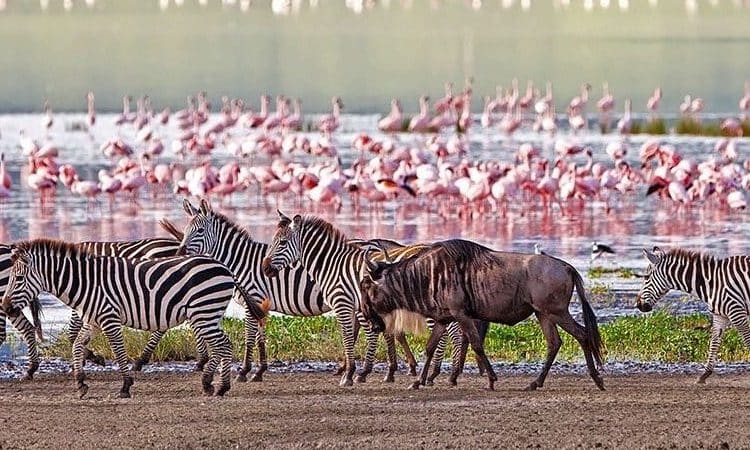
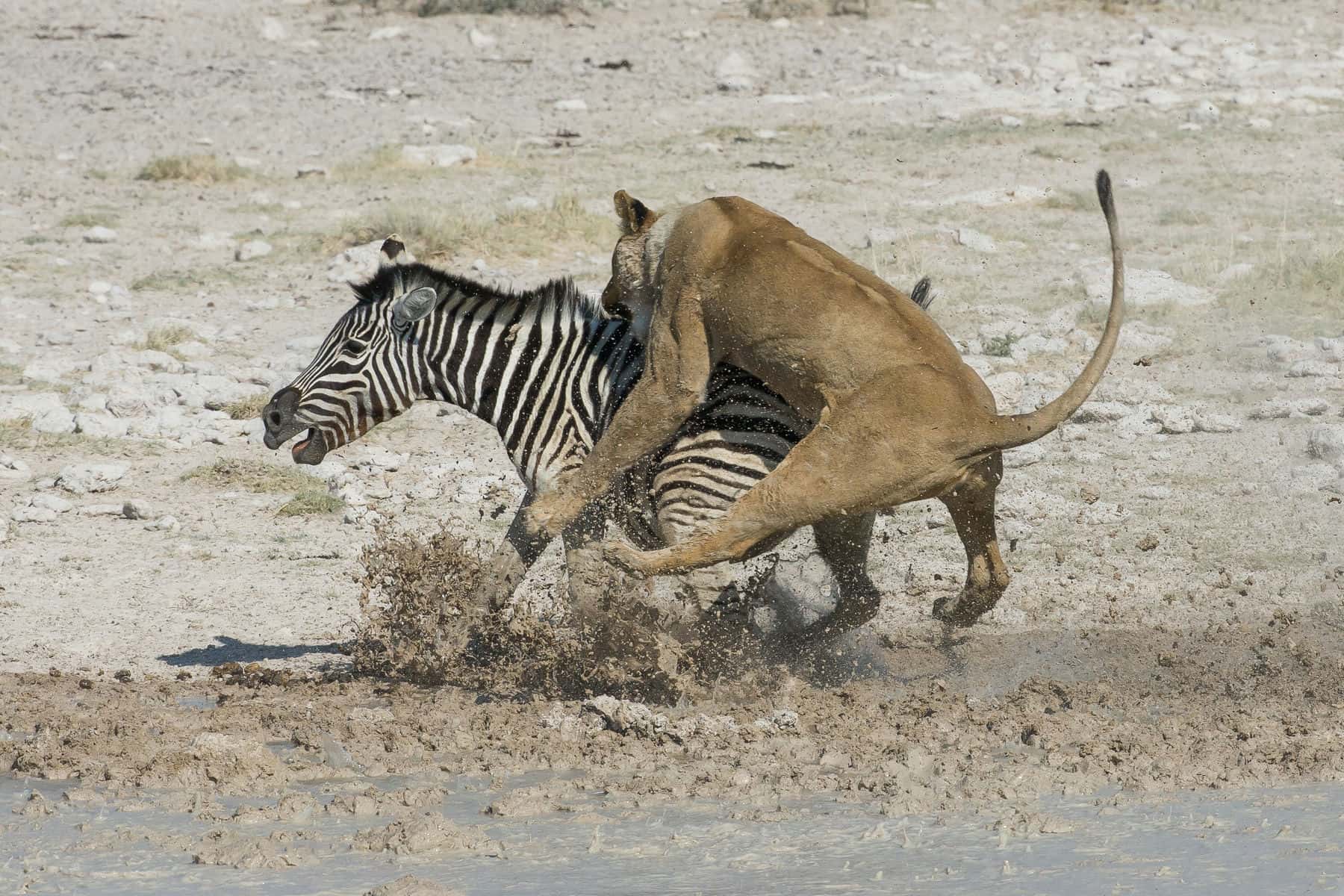
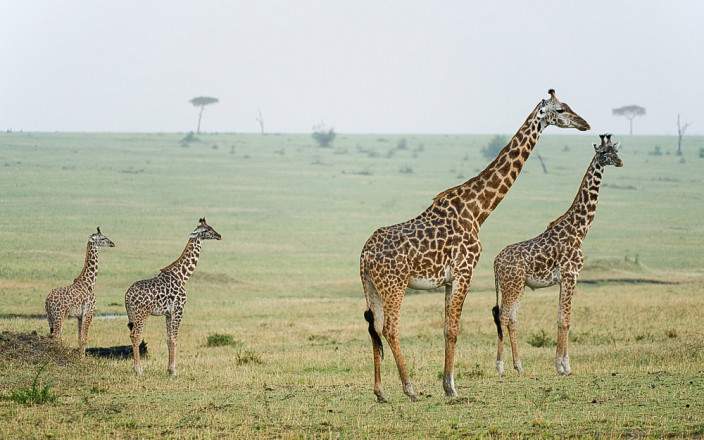
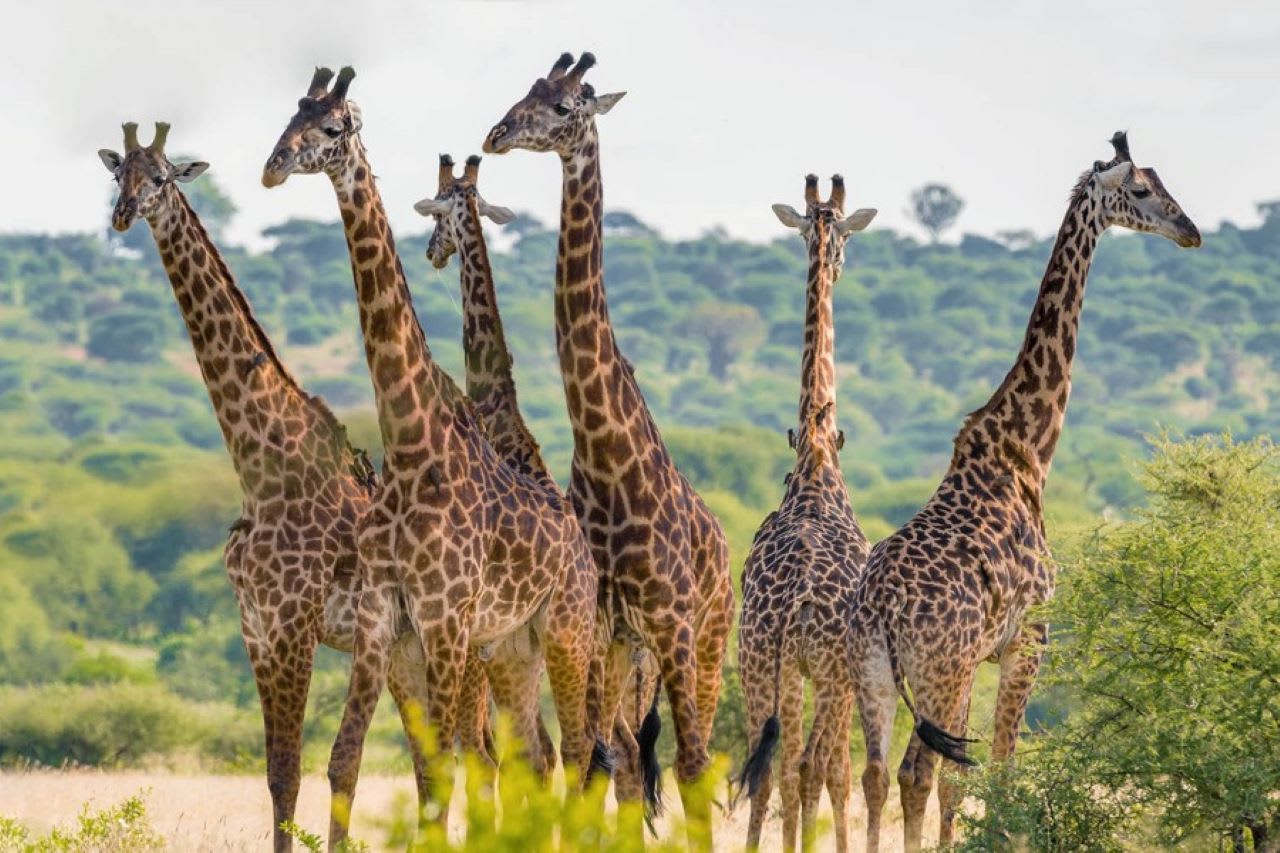
Mto Wa Mbu sits within two wildlife migration corridors, making elephant, hippo, giraffe, wildebeest, zebra, gazelle, baboon, and monkey sightings common during village walks and nature hikes. Over 200 bird species inhabit the riparian forests and agricultural areas, including African fish eagles and crowned cranes. Nearby Lake Manyara and Tarangire National Parks (within 30–50 km) offer Big Five viewing opportunities. Wildlife concentration peaks during the dry season (June–October) when animals gather around water sources.
How do you get to Mto Wa Mbu?
Mto Wa Mbu is located 120 km from Arusha along a well-maintained tarred highway (2–2.5 hours driving). Most visitors fly into Arusha Airport (ARK, 120 km away) or Kilimanjaro International Airport (JRO, 180 km away), then arrange ground transfers via safari operators. Lake Manyara Airstrip (30 km away) accommodates domestic charter flights. Regular bus services connect Arusha to Mto Wa Mbu, though organized safari packages typically include private transfers. Standard 2WD vehicles are suitable for the main road; 4WD is recommended for internal village roads.
Is Mto Wa Mbu good for families with children?
Yes, Mto Wa Mbu is family-friendly with activities suitable for children aged 8 and up. Village walks are low-intensity and educational, homestay experiences teach cultural exchange, and local food tastings introduce kids to Tanzanian cuisine. Nature hikes can be adjusted to shorter distances for younger children. Accommodations range from family lodges to camping sites. Parents should ensure children take malaria prophylaxis, use insect repellent, and stay hydrated at 950m elevation. Confirm with your operator that guides have experience with family groups before booking.
How many days do you need at Mto Wa Mbu?
A minimum of 2 days is recommended to experience village culture, local markets, and a guided nature walk. Three days allows deeper engagement with homestay experiences, birdwatching, and hiking to Rift Valley viewpoints. Most travelers visit as a 1–2 day stopover within a broader northern Tanzania safari circuit visiting Lake Manyara, Tarangire, Ngorongoro, and Serengeti. Single-day visits are possible but feel rushed; longer stays (3–4 days) enable immersive cultural immersion and multiple wildlife corridor explorations.
Where should I stay at Mto Wa Mbu?
Mto Wa Mbu offers diverse accommodation options: budget lodges ($30–$60/night) with basic amenities; mid-range lodges ($80–$150/night) with private bathrooms and dining facilities; and camping sites ($20–$40/night) near natural areas. Homestays with local farming families ($40–$80/night) provide immersive cultural experiences. Most lodges include breakfast; half-board packages (breakfast + dinner) cost $15–$25 additional per person. Choose lodges near the village center for easy access to markets and guides. Ask your operator about family-run properties that directly support local communities.
Is Mto Wa Mbu worth visiting?
Yes, Mto Wa Mbu is highly worthwhile as it offers something most Tanzania safaris lack—authentic cultural immersion alongside wildlife viewing. Over 120 ethnic groups coexist in one village, creating a unique cross-cultural experience. The location at the Great Rift Valley foothills provides dramatic scenery, wildlife corridor access, and proximity to Lake Manyara and Tarangire Parks. Unlike purely wildlife-focused safaris, Mto Wa Mbu adds human dimension to your journey, allowing you to experience how local communities live in the same ecosystem as the animals. It transforms a safari from animal-watching into a holistic African experience.
Do I need a guide at Mto Wa Mbu?
Guides are highly recommended and nearly essential for meaningful visits. Local guides provide cultural context, identify wildlife in corridors, explain Rift Valley geology, and navigate to natural attractions like waterfalls and viewpoints. They also facilitate homestay experiences and market interactions by translating and building rapport with community members. Self-driving is possible on main roads but limits cultural access and wildlife spotting. Guides cost $30–$50 per day and are worth the investment for safety, education, and supporting local employment. Most safari packages include guide services.
How do I book a safari to Mto Wa Mbu?
You can compare safari packages including Mto Wa Mbu cultural tours, read verified traveler reviews, and book through trusted operators on SafariFind.com. SafariFind lets you compare prices, itineraries, and accommodation options across multiple verified operators, helping you find the best package for your budget and interests. Most operators offer 2–4 day northern Tanzania circuits combining Mto Wa Mbu with Lake Manyara, Tarangire, Ngorongoro, and Serengeti. Book 4–8 weeks in advance during peak season (June–October) to secure preferred dates and lodges.
 1 / 3
1 / 3