 1 / 4
1 / 4 1 daysprivate
Loading SafariFind...
1 / 4Walking city tour
Arusha
Year Round
Year-round
| Season | Solo traveler | 2 people | 3 – 4 people | 5 – 6 people | 7+ people | Child rate | Single suppl. |
|---|---|---|---|---|---|---|---|
Year Round Year-round | $170 | $110 | $100 | $90 | $90 | $80 | $30 |
Child rate applies to travelers under 11 years. Single supplement applies to solo travelers taking their own room.
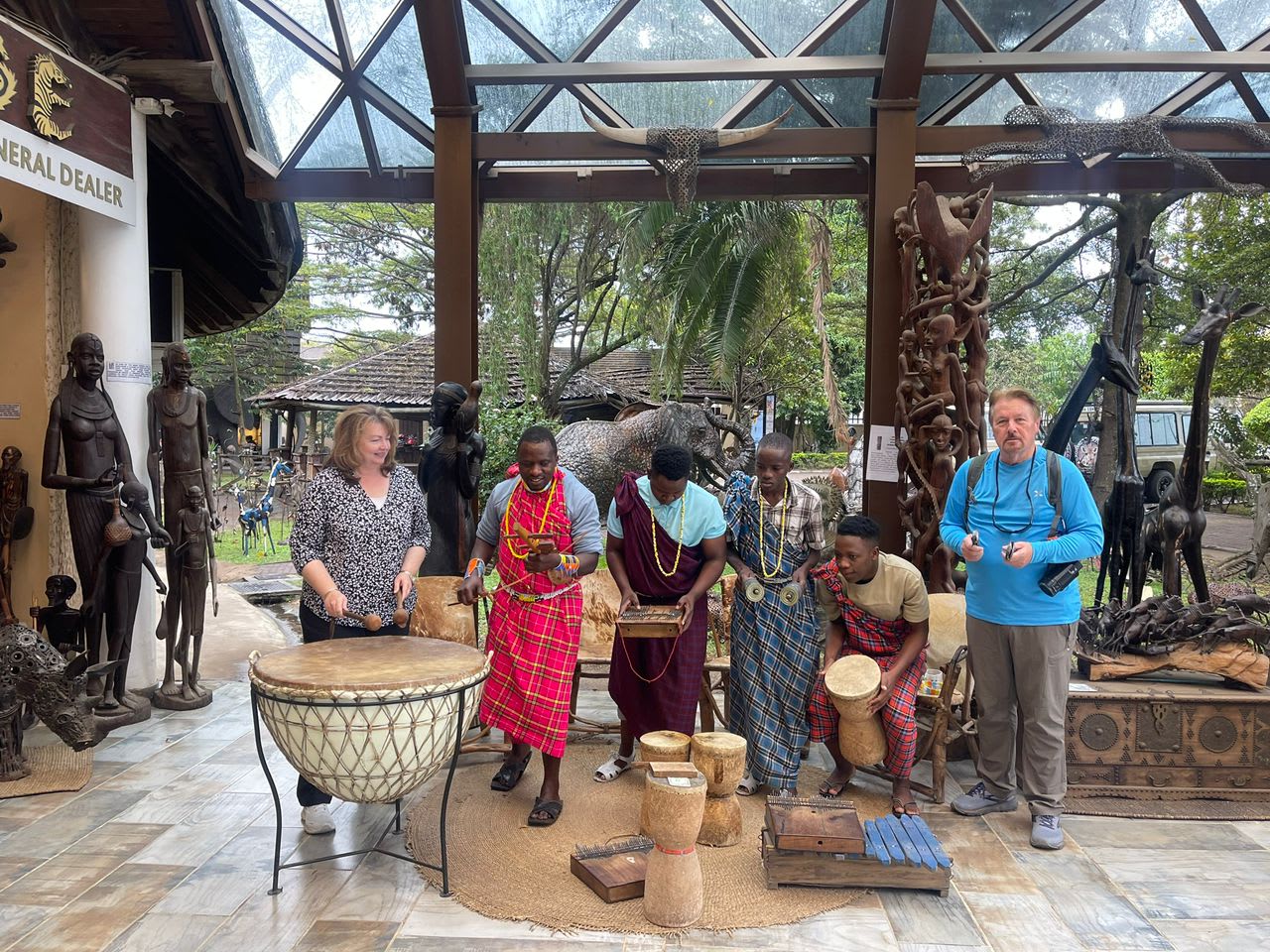
A walking tour of Arusha offers an immersive cultural experience that goes far beyond typical tourist attractions. You'll explore colonial-era architecture, visit bustling local markets where vendors trade spices and traditional goods, and gain authentic insights into how residents live and work. The tour typically includes visits to cultural heritage sites, art galleries, and specialized experiences like the Tanzanite Museum and spices market. You'll have opportunities to interact with locals, taste fresh fruits at markets, and shop for authentic crafts and souvenirs. This experience reveals the intersection of tradition and modernity that defines this important East African city.
Yes, Arusha is absolutely worth a day visit, especially if you're traveling to or from other East African destinations. While many travelers pass through as a gateway to safaris, the city itself offers rich cultural and historical experiences that shouldn't be overlooked. A one-day walking tour is ideal for those with limited time, providing meaningful insights into Tanzanian culture, urban life, and history without requiring a multi-day commitment. It's particularly valuable for travelers arriving early for a safari or departing late, transforming potential downtime into a memorable cultural exploration. You'll support local communities directly while gaining authentic perspectives on contemporary East African life.
For a walking tour in Arusha, comfortable, broken-in walking shoes are essential as you'll be on your feet for several hours. Pack sun protection including a wide-brimmed hat, high-SPF sunscreen, and sunglasses, as the equatorial sun can be intense. Bring a reusable water bottle to stay hydrated throughout the day. Dress modestly and respectfully, particularly when visiting cultural, religious, or heritage sites—lightweight, breathable clothing that covers shoulders and knees is recommended. Include a camera to capture the vibrant markets and architectural highlights. It's also wise to carry cash for purchasing souvenirs at markets, as card payments may be limited in some areas.
An Arusha walking tour typically involves 4 to 6 hours of walking spread throughout the day. The pace is leisurely and designed to accommodate all fitness levels, with regular breaks built in for rest, refreshments, and meaningful interactions with locals. Your guide can adjust the route and walking intensity based on your comfort level and specific interests, so the experience is flexible. The walking isn't strenuous but rather a steady exploration of the city's markets, cultural sites, and historical landmarks. Even if you're not an experienced walker, you should be able to comfortably complete the tour with the breaks provided.
A comprehensive Arusha walking tour typically includes an expert local guide with deep knowledge of the city's history, culture, and hidden gems. Admissions to key cultural sites are usually covered, such as the Tanzanite Museum, Cultural Heritage Centre, and Maasai Market Curios and Crafts. You'll experience local markets firsthand, including opportunities to taste fresh fruits and explore spices at authentic market stalls. Bottled water is provided throughout the day to keep you hydrated. Most tours do not include lunch, so you may want to budget for meals, though your guide can recommend authentic local restaurants. Costs for souvenirs, tips, and gratuities are separate from the tour price.
Yes, shopping at local markets is a significant part of an Arusha walking tour. You'll have dedicated time to browse and purchase authentic crafts, textiles, spices, and souvenirs directly from vendors while learning about the traditional goods and their cultural significance. This hands-on market experience is one of the highlights of the tour, allowing you to support local artisans and traders directly. It's advisable to carry cash for purchases, as card payments may not be accepted everywhere. Your guide can help you navigate the markets, explain the items, and facilitate fair exchanges. Haggling is common practice, and your guide can teach you the appropriate customs for respectful negotiation.
Yes, an Arusha walking tour is designed to be accessible for most fitness levels. The walking pace is leisurely rather than strenuous, with multiple breaks built into the itinerary for rest, refreshments, and social interaction. Your guide can customize the route based on your comfort level and interests, so if you need to move more slowly or skip certain sections, adjustments can be made. While the tour involves several hours of walking, it's not an athletic endeavor but rather a comfortable exploration of the city. Families with older children and seniors can typically participate, though those with significant mobility challenges should discuss options with the tour operator beforehand.
Arusha can be visited year-round for a city walking tour, as it's an urban destination rather than a wildlife safari location. However, the climate does vary seasonally. The dry seasons (June to October and January to February) offer more comfortable walking conditions with lower humidity and less rainfall. The rainy seasons (March to May and November to December) bring lush green landscapes and fewer tourists, though walking in wet conditions may be less pleasant. Since the tour is entirely in the city and not dependent on wildlife viewing or outdoor conditions, your choice can be based on personal preference for weather and crowd levels. Consider timing your visit to coincide with your safari plans if you're combining activities.
Pricing for Arusha walking tours varies by operator, but they typically offer good value as a one-day cultural experience. The tour usually includes your guide, museum and market admissions, and bottled water. However, several costs are not included: lunch is typically not provided, so budget for meals at local restaurants; tips and gratuities for your guide are customary but separate; souvenirs and market purchases are your responsibility; travel insurance, international airfare, and visa fees are not covered. If you plan to visit the Natural History Museum, there's an additional fee (typically around $6) that accepts card payments only. It's wise to carry cash for market purchases and small expenses, as not all vendors accept cards.
Arusha offers authentic cultural experiences that extend far beyond standard tourist attractions. Walking through local markets gives you genuine insight into daily Tanzanian life—you'll witness the energy of vendors, traders, and shoppers, and experience the sensory richness of spice markets and produce stalls. Visits to cultural heritage centers and art galleries reveal the artistic traditions and contemporary creative expressions of the region. The Tanzanite Museum and Maasai Market Curios provide context for local craftsmanship and trade. Most importantly, a knowledgeable local guide can share personal stories, historical context, and insider perspectives on how the city has evolved. You'll interact directly with artisans and vendors rather than viewing culture through a glass window, creating meaningful connections and supporting local communities in a tangible way.
 VISION SAFARI & TOURSARUSHA, Tanzania
© 2026 SafariFind. All rights reserved.