 1 / 91 / 9
Loading SafariFind...
1 / 9Best of Nairobi City Excursion
Nairobi
Meals: Lunch
Year Round
Year-round
| Season | Solo traveler | 2 people | 3 – 4 people | 5 – 6 people | 7+ people | Child rate | Single suppl. |
|---|---|---|---|---|---|---|---|
Year Round Year-round | $420 | $340 | $330 | $260 | $250 | $210 | $100 |
Child rate applies to travelers under 12 years. Single supplement applies to solo travelers taking their own room.
Nairobi National Park is home to a diverse range of wildlife despite its proximity to the city. You can expect to see lions, leopards, giraffes, zebras, buffalo, wildebeest, gazelles, and various antelope species. The park is also excellent for birdwatching, with over 400 bird species recorded. While larger animals like elephants are less common in Nairobi National Park compared to other Kenya reserves, you'll have excellent opportunities to spot predators and herbivores in their natural habitat. The best time for wildlife viewing is early morning when animals are most active.
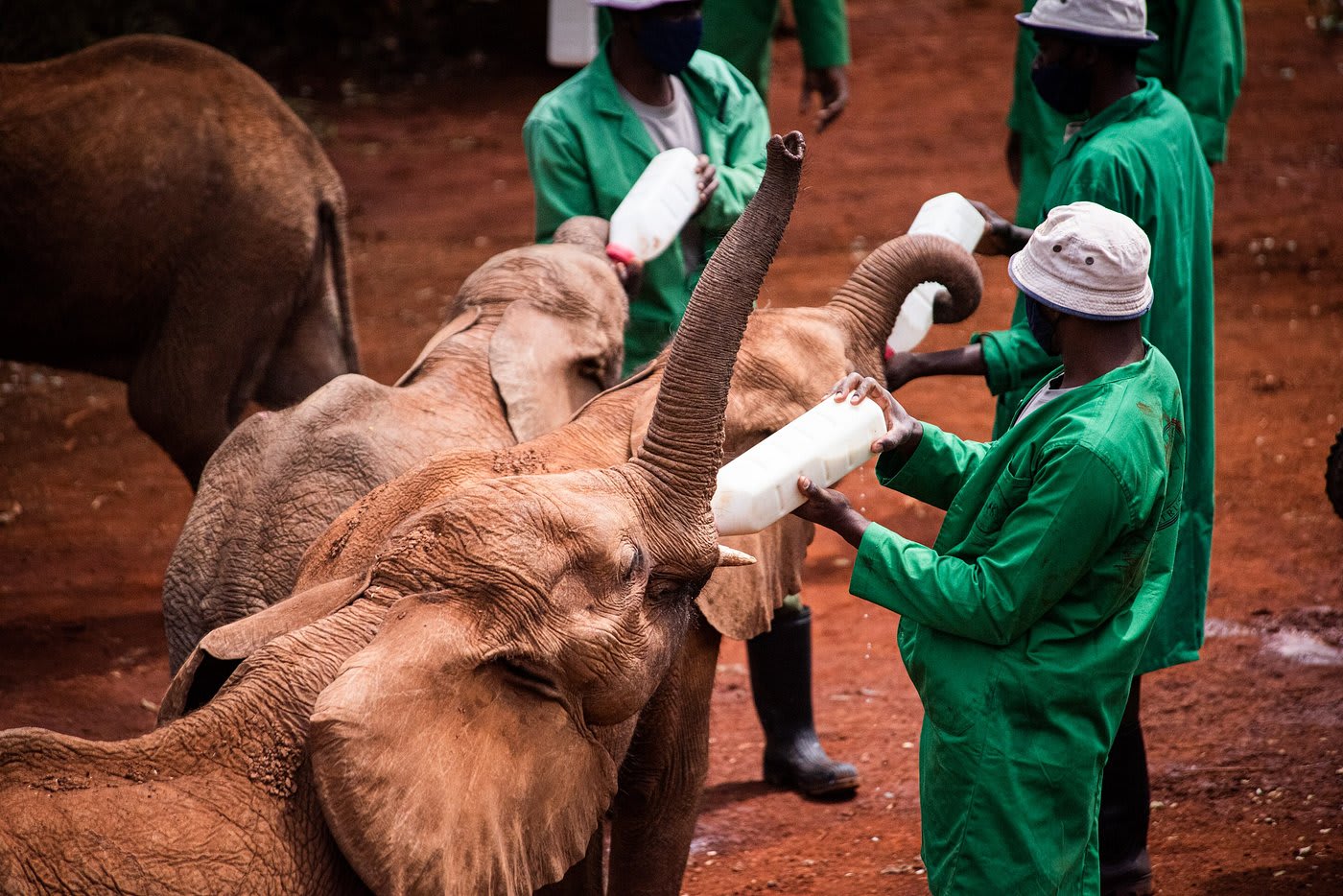
Yes, the Sheldrick Wildlife Trust in Nairobi offers a unique opportunity to interact with rescued baby elephants. Visitors can watch and participate in feeding these orphaned elephants, which is an unforgettable experience. The trust cares for young elephants that have been orphaned due to poaching, human-wildlife conflict, or other circumstances. Feeding times are typically in the afternoon, and you'll learn about the conservation efforts while getting up close with these gentle giants. This is one of Nairobi's most popular wildlife experiences and a meaningful way to support elephant conservation.
The Giraffe Center in Nairobi is a dedicated sanctuary where you can interact with endangered Rothschild giraffes. Visitors can feed these magnificent creatures by hand and even get close enough for a memorable kiss or photo opportunity. The center is both a tourist attraction and a serious conservation facility working to protect this endangered subspecies. Staff members provide educational information about giraffe behavior and conservation efforts. It's an intimate experience that allows you to appreciate these animals up close while supporting important wildlife protection work.
For a one-day Nairobi safari, pack light but practical items. Bring neutral-colored clothing (khaki, tan, or olive) to blend in with the environment—avoid bright colors that might disturb wildlife. Include a wide-brimmed hat, sunglasses, and high-SPF sunscreen for protection from the equatorial sun. Wear comfortable, closed-toe walking shoes suitable for game drives and walking around attractions. Bring a camera with a good zoom lens, binoculars for wildlife viewing, and a light jacket or sweater for early morning game drives when it can be cool. Don't forget your passport for park entry and any required identification. A small daypack is useful for carrying water and personal items during the day.
A comprehensive one-day Nairobi safari tour is an efficiently planned experience that typically runs from early morning to late afternoon or early evening. You'll start with an early morning game drive in Nairobi National Park (the best time for wildlife viewing), followed by visits to attractions like the Sheldrick Wildlife Trust and the Giraffe Center, lunch at a local restaurant, and possibly some cultural shopping or additional sightseeing. A full day allows you to experience multiple highlights without feeling rushed, though it's a packed itinerary. Starting early (usually around 6-7 AM) and finishing around 5-6 PM is typical for maximizing wildlife viewing opportunities and experiencing the best of what Nairobi has to offer.
A private 4x4 vehicle is highly recommended for a Nairobi safari experience. The 4x4 provides several advantages: it allows flexible positioning for optimal wildlife viewing and photography, offers better comfort during game drives, and gives you the freedom to stop and observe animals without being constrained by a group schedule. The elevated seating in a safari vehicle also provides better sightlines for spotting wildlife. Additionally, the sturdy suspension handles the park's varied terrain well. A private vehicle with a professional guide ensures a personalized experience tailored to your interests, whether you're focused on photography, bird watching, or general wildlife viewing. This setup is far superior to crowded minibus tours for both comfort and wildlife encounters.
A comprehensive Nairobi day safari package usually includes several key components to ensure a seamless experience. Standard inclusions typically cover all park entrance fees (saving you the hassle of separate bookings), use of a private 4x4 safari vehicle throughout the day, a professional English-speaking guide with expertise in local wildlife and culture, bottled water during game drives to keep you hydrated, airport transfers to/from your hotel, lunch at a quality restaurant, and applicable government taxes. These inclusions mean most of your day is organized and paid for upfront. However, items like alcoholic beverages, tips for your guide, travel insurance, and personal expenses are usually separate. Always confirm what's included when booking to avoid surprises.
Nairobi can be visited year-round, but certain times offer better wildlife viewing conditions. The dry seasons—June to October and January to February—are generally considered best because animals congregate around water sources, making them easier to spot, and vegetation is less dense for better visibility. These periods also have more stable weather for game drives. The wet seasons (March to May and November to December) bring lush landscapes and fewer tourists, but wildlife can be more dispersed and harder to locate. That said, Nairobi National Park has permanent water sources, so wildlife viewing is possible throughout the year. Early morning game drives (starting around 6-7 AM) are consistently the best time of day for wildlife activity regardless of season, as animals are most active during cooler hours.
Visa requirements for Kenya depend on your nationality and are determined by the Kenyan government. Many nationalities can obtain a visa on arrival at Jomo Kenyatta International Airport in Nairobi, while others can apply for an e-visa online before travel. Some countries' citizens may be exempt from visa requirements for short stays. It's essential to check the official Kenya Immigration website or your country's Kenyan embassy for current requirements well before your trip, as regulations can change. Ensure your passport is valid for at least six months beyond your travel dates. Additionally, you may need proof of yellow fever vaccination depending on where you're traveling from. Plan ahead and allow sufficient time for visa processing if required.
Nairobi offers rich cultural experiences that complement wildlife viewing. The Kazuri Beads cooperative is a popular destination where you can watch artisans create beautiful beaded jewelry and purchase authentic Kenyan crafts while supporting local communities. The Carnivore Restaurant is an iconic Nairobi dining experience featuring traditional African cuisine and game meats in a lively atmosphere. You can also explore local markets, visit cultural centers, and interact with different Kenyan ethnic groups. The Nairobi National Museum provides insights into Kenya's history, culture, and natural heritage. These cultural activities offer a well-rounded understanding of Kenya beyond just wildlife, allowing you to appreciate the people, traditions, and creativity of the region. Combining wildlife experiences with cultural immersion creates a truly comprehensive Nairobi experience.
 Expeditions Wild JungleKaren, Kenya5.0(9 reviews)
© 2026 SafariFind. All rights reserved.