 1 / 7
1 / 7 1 daysprivate
1-Day Kilimanjaro Day Hike Expedition
byMaasailand Adventure & Awareness
Highlights
- Spectacular views across the Shira Plateau and surrounding plains
Loading SafariFind...
1 / 7byMaasailand Adventure & Awareness
Transfer from Arusha to Londorossi Gate to Shira 1 Camp then transfer back to Arusha
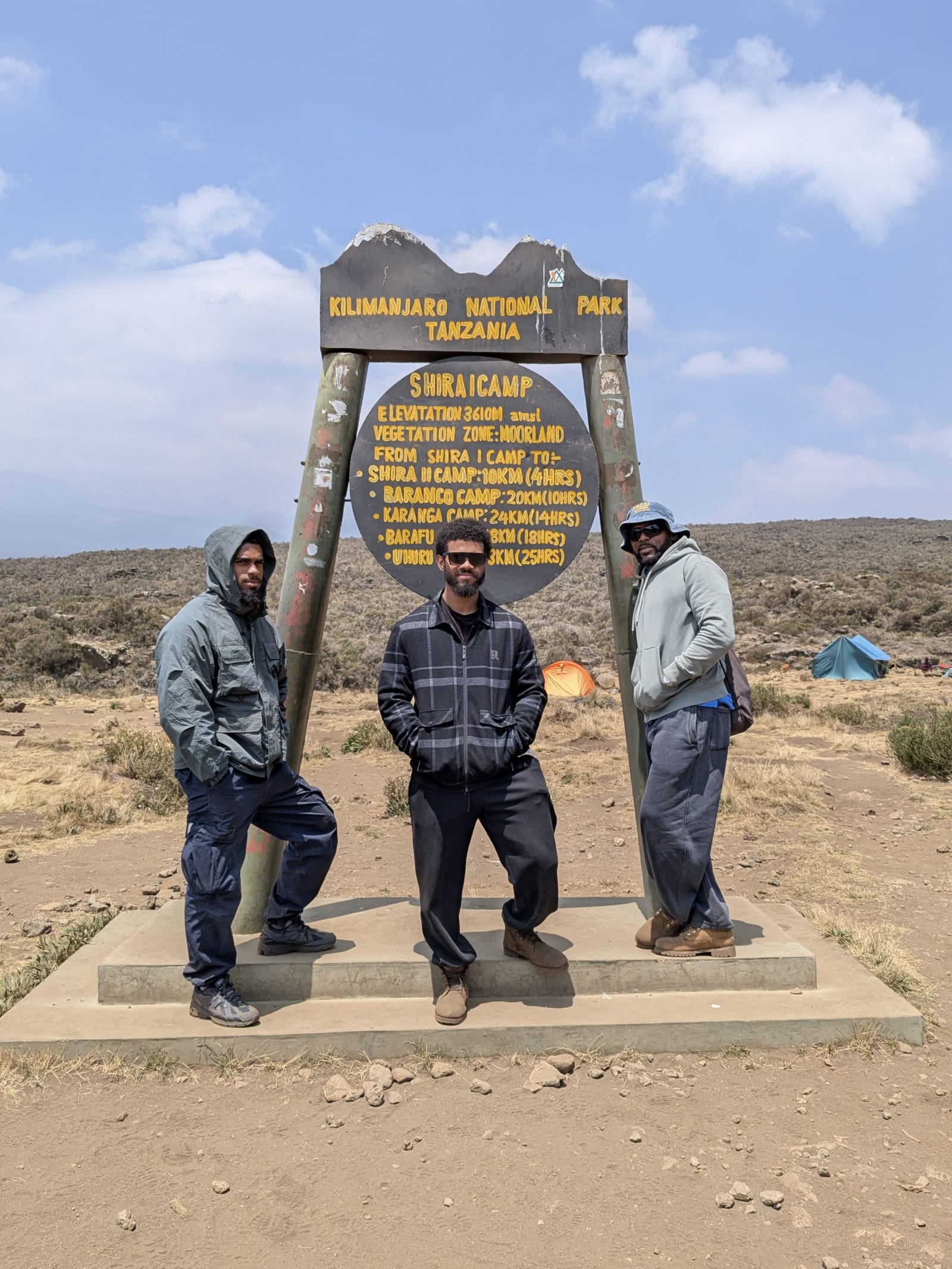
Shira Plateau
Meals: Lunch
Year Round
Year-round
| Season | Solo traveler | 2 people | 3 – 4 people | 5 – 6 people | 7+ people | Child rate | Single suppl. |
|---|---|---|---|---|---|---|---|
Year Round Year-round | $740 | $500 | $450 | $420 | $400 | $350 | $150 |
Child rate applies to travelers under 12 years. Single supplement applies to solo travelers taking their own room.
The Shira Plateau is a vast, high-altitude landscape on Mount Kilimanjaro formed by ancient volcanic activity. It's characterized by wide-open terrain with sparse vegetation and stunning panoramic views. On a day hike to this plateau, you'll experience dramatic transitions from lush montane forest at lower elevations to expansive alpine meadows. On clear days, you can see Kibo Peak, Kilimanjaro's highest summit, rising majestically above the plateau. The plateau offers a unique perspective of Kilimanjaro's diverse ecosystems and is known for its otherworldly beauty and sense of isolation in the African wilderness.
A day hike from Moram Barrier to the Shira Plateau typically takes one full day to complete, including the ascent, time at the plateau, and descent back to the starting point. The exact duration depends on your fitness level, acclimatization, and the specific route taken. The hike involves a gradual ascent through changing vegetation zones, starting in montane forest and ascending to high-altitude terrain. Most hikers should expect 6-8 hours of active hiking time, though your professional guide will pace the trek appropriately and may adjust timing based on group conditions and weather.
A day hike on Kilimanjaro showcases the mountain's remarkable biodiversity across different elevation zones. In the lower montane forest section, you'll see lush vegetation, unique alpine plants, and abundant birdlife including various endemic species. As you ascend toward the Shira Plateau, the forest gradually transitions to open moorland and alpine meadows with hardy, specialized plants adapted to high altitude. Wildlife you might encounter includes monkeys, small mammals, and numerous bird species. The higher elevations feature sparse vegetation with giant groundsels and other high-altitude adapted plants. A professional guide will help you identify species and explain the ecological zones you're passing through.
A 1-day Kilimanjaro day hike can be suitable for people with moderate fitness levels, though it does involve significant elevation gain and altitude exposure. Unlike multi-day summit attempts, a day hike doesn't require acclimatization overnight, making it more accessible. However, you should have reasonable cardiovascular fitness and be comfortable walking for several hours at increasing altitude. The gradual pace and professional guidance help manage the physical demands. If you have concerns about your fitness level, it's best to consult with your guide beforehand. Starting early, maintaining a steady pace, staying hydrated, and listening to your body are key to enjoying the experience safely.
For a Kilimanjaro day hike, pack layers since temperature drops significantly with elevation gain—bring a warm fleece or down jacket, waterproof rain jacket, and base layers. Wear sturdy hiking boots with good ankle support and bring extra socks. Essential items include a wide-brimmed hat, sunglasses, high-SPF sunscreen, and a headlamp or flashlight. Bring a backpack (20-30 liters) with snacks, though a lunchbox is typically provided. Pack at least 2-3 liters of water capacity, though mineral water is included. Wear moisture-wicking clothing and avoid cotton. Consider trekking poles to reduce knee strain on descent. Bring any personal medications, a basic first-aid kit, and a camera. Check weather forecasts and adjust accordingly, as conditions can change rapidly at high altitude.
The best times for a Kilimanjaro day hike are during the dry seasons: June to October (long dry season) and January to February (short dry season). These periods offer the clearest visibility for views of Kibo Peak and the surrounding landscape, with stable weather and lower rainfall. June to October is generally considered the peak season with the most reliable conditions. December to March can be wet with afternoon rain showers, which may obscure views and make trails muddy. April to May is the rainy season and is least ideal for hiking. Avoid the rainy seasons if possible, as poor visibility and slippery trails reduce the experience. Even during dry seasons, mountain weather can be unpredictable, so be prepared for rapid changes.
Yes, all visitors hiking Mount Kilimanjaro must pay park entrance fees to enter Kilimanjaro National Park. These fees are included in a day hike package, covering your legal access to the mountain and its trails. You'll need a valid passport and may require a visa to enter Tanzania, depending on your nationality—this is your responsibility to arrange beforehand. While a day hike doesn't require overnight camping permits like multi-day treks, you must hike with a professional guide, which is standard on organized packages. Check Tanzania's current visa requirements well in advance of your trip. Travel insurance is recommended but not mandatory, though highly advisable for any mountain activity. Ensure your documents are in order before arriving at the gate.
A typical Kilimanjaro day hike package includes park entrance fees, a professional English-speaking guide, a lunchbox, and mineral drinking water. These essentials cover your legal access to the mountain, expert guidance for safety and interpretation, and basic sustenance. However, packages typically exclude international airfare, travel insurance, visa fees, alcoholic beverages, tips and gratuities for your guide, personal expenses, optional activities, and travel vaccinations. You're responsible for arranging and paying for transportation to Tanzania, obtaining necessary visas, purchasing travel insurance, and covering any medical requirements like vaccinations. Budget separately for tips (typically 10-15% of the package cost), personal items, souvenirs, and any additional meals or drinks beyond what's provided. Review your specific package details to confirm what's included.
Most visitors fly into Kilimanjaro International Airport near Arusha, Tanzania's main hub for Kilimanjaro tourism. From there, transfers are arranged to the Londorossi Gate (also called Londorossi Gate or the western entrance), which is the starting point for hikes to the Shira Plateau. The drive from Arusha to Londorossi Gate typically takes 1.5-2 hours through scenic Tanzanian countryside. Your day hike package usually includes transportation from Arusha to the gate and back. Once at the gate, you'll check in, pay fees, and begin your hike at Moram Barrier, ascending through montane forest toward the Shira Plateau. After completing the hike, you'll be transferred back to Arusha. Arrange your international flights to Kilimanjaro International Airport in advance, as this is not typically included in the hiking package.
The Shira Plateau sits at approximately 3,500-3,800 meters (11,500-12,500 feet) elevation, which is considered high altitude. On a day hike, you ascend relatively quickly without overnight acclimatization, which increases the risk of altitude-related symptoms compared to multi-day treks. Some people may experience mild symptoms like headache, dizziness, or shortness of breath, though serious altitude sickness is less common on day hikes due to the shorter duration. To minimize risk, ascend slowly with your guide's pacing, stay well-hydrated, avoid alcohol, and eat light meals. If you have a history of altitude sickness or health concerns, consult a doctor before attempting the hike. Your professional guide is trained to recognize symptoms and can adjust pace or recommend descent if needed. Most healthy individuals tolerate a day hike well, but listen to your body and communicate with your guide about how you're feeling.
 Maasailand Adventure & AwarenessArusha, Tanzania
© 2026 SafariFind. All rights reserved.