 1 / 31 / 3
Loading SafariFind...
1 / 3Road transfer to Ngorongoro crater
Ngorongoro Crater
Meals: Lunch
High Season
Jun 2026 – Oct 2026
Low Season
Nov 2026 – May 2027
| Season | Solo traveler | 2 people | 3 – 4 people | 5 – 6 people | 7+ people | Child rate | Single suppl. |
|---|---|---|---|---|---|---|---|
High Season Jun 2026 – Oct 2026 | $410 | $280 | $250 | $230 | $220 | $190 | $80 |
Low Season Nov 2026 – May 2027 | $410 |
Child rate applies to travelers under 11 years. Single supplement applies to solo travelers taking their own room.
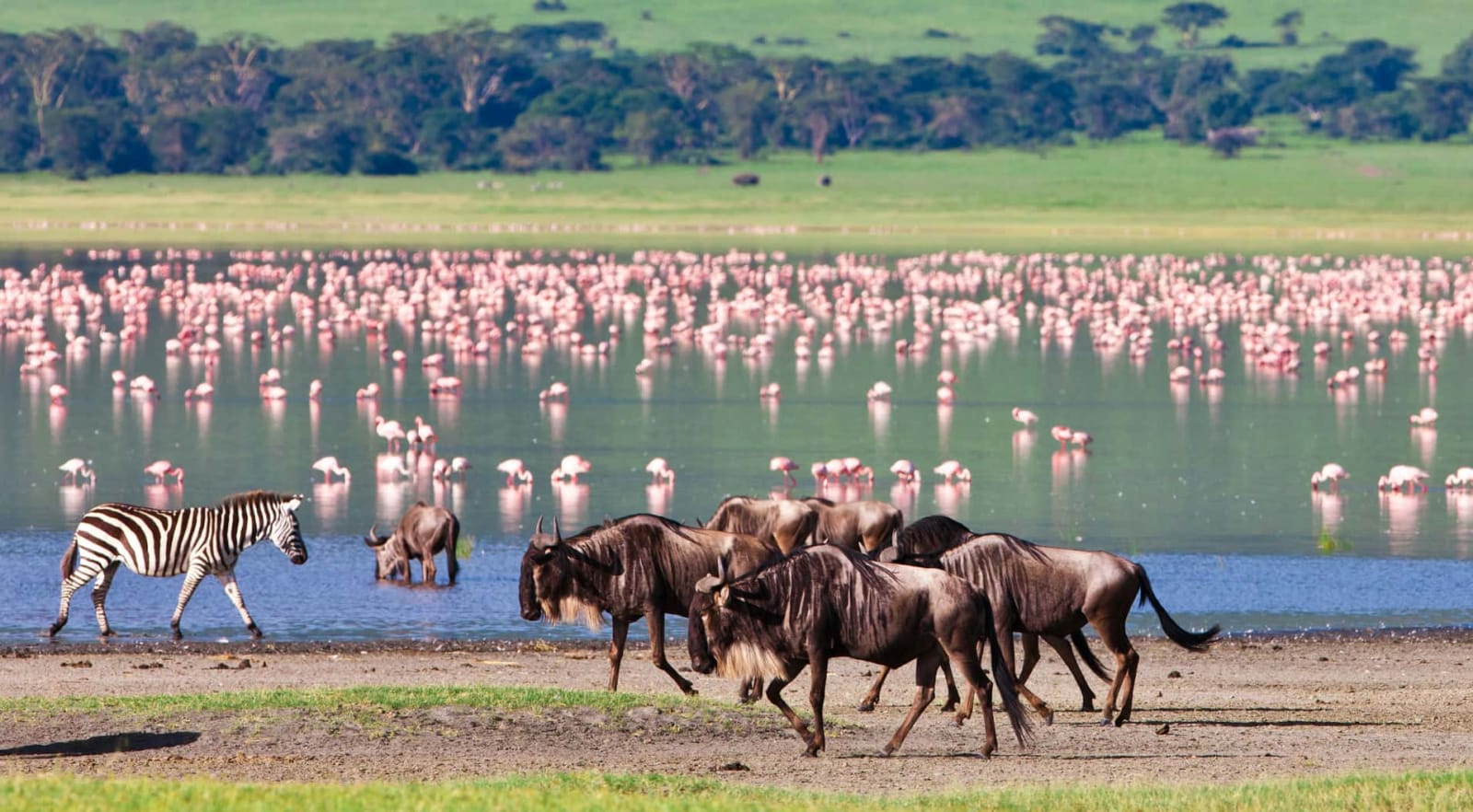
The Ngorongoro Crater is home to an impressive concentration of African wildlife. You can expect to see lions, African elephants, zebras, wildebeest, buffalo, hyenas, and numerous bird species. The crater's enclosed ecosystem creates unusually high animal densities, meaning you'll encounter a diverse range of species in close proximity. Wildlife viewing success depends on seasonal patterns and natural animal behavior, but the crater's unique geography ensures consistent sightings throughout the year.
Yes, one day is sufficient for a meaningful Ngorongoro Crater safari experience. The crater's compact size—spanning 19 kilometers across—and concentrated wildlife populations mean you can see more animals in a single day than many multi-day safaris in other locations. An early morning departure and full-day game drives maximize your wildlife viewing opportunities, allowing you to experience the crater's diverse ecosystem and dramatic landscape without requiring an extended time commitment.
The journey from Arusha to the Ngorongoro Crater takes approximately 2 to 3 hours by vehicle. This travel time allows you to maximize your time on the crater floor for wildlife viewing during the prime daylight hours. Early morning departures are typical for these safaris, ensuring you arrive at the crater ready for optimal game-viewing conditions.
The Ngorongoro Crater is one of the world's largest intact calderas and a UNESCO World Heritage Site. It spans 19 kilometers across with walls rising nearly 600 meters above the crater floor. What makes it truly special is that it functions as a natural amphitheater—an enclosed ecosystem where an entire wildlife community thrives in close proximity. This unique geography creates exceptionally high animal concentrations, dramatic landscapes with lush grasslands, acacia woodlands, and salt lakes, making it one of Africa's most iconic natural formations and premier safari destinations.
The Ngorongoro Crater safari is primarily vehicle-based, involving game drives in a 4x4 pop-up vehicle with minimal walking required. This makes it suitable for most fitness levels, including families and travelers with varying abilities. However, the experience does involve early morning starts and a full day of activity, so reasonable stamina and comfort with extended time in a vehicle are helpful. The pop-up roof design allows for excellent wildlife viewing and photography opportunities while maintaining comfort.
The Ngorongoro Crater offers excellent wildlife viewing year-round due to its enclosed ecosystem and permanent water sources. However, the best viewing typically occurs during the dry seasons: June to October and January to February. During these periods, animals congregate around water sources, increasing sighting frequency. The wet seasons (November to December and March to May) bring lush vegetation and fewer tourists, though some roads may be more challenging. Each season offers distinct advantages, so the 'best time' depends on your priorities regarding wildlife density, weather, and landscape aesthetics.
For a one-day Ngorongoro Crater safari, pack light layers as temperatures vary significantly—mornings and evenings are cool, while midday can be warm. Essential items include: a wide-brimmed hat, sunscreen, sunglasses, comfortable closed-toe hiking shoes, binoculars for wildlife viewing, a camera with extra batteries, and a light jacket or fleece for early morning and evening drives. Bring a small daypack for personal items. Bottled water is provided during game drives, but you may want to carry additional snacks. Neutral-colored clothing helps with wildlife photography and reduces disturbance to animals. Don't forget your passport and any required travel documents.
A typical one-day Ngorongoro Crater safari package includes all park entrance fees to the crater, a professional English-speaking guide with expertise in local wildlife and geology, bottled water throughout your game drives, and transportation in a 4x4 pop-up vehicle designed for optimal wildlife viewing. The guide enhances your experience by identifying animals, explaining ecosystem dynamics, and sharing insights about the crater's unique geography. The pop-up vehicle design allows for excellent visibility and photography opportunities while protecting you from the elements.
Visa requirements for Tanzania depend on your nationality. Most international visitors require a visa, which can be obtained on arrival or in advance from a Tanzanian embassy or consulate. Some countries have visa exemptions or can apply for e-visas online. It's essential to check the current requirements with the Tanzanian immigration authority or your nearest embassy well before your travel date, as regulations can change. Additionally, ensure your passport is valid for at least six months beyond your travel dates. Travel insurance covering medical emergencies is also strongly recommended.
A one-day Ngorongoro Crater safari offers excellent wildlife photography opportunities. The crater's high animal concentrations mean frequent close encounters with iconic African species like lions, elephants, and zebras. The 4x4 pop-up vehicle provides unobstructed views and stable platforms for photography. The dramatic landscape—with volcanic walls, grasslands, and varied lighting throughout the day—creates stunning compositional opportunities. Early morning and late afternoon light are particularly favorable for photography. Your professional guide can position the vehicle to maximize photo opportunities while respecting wildlife and park regulations. The compact crater geography means you'll spend more time photographing animals compared to larger safari areas.
 VISION SAFARI & TOURSARUSHA, Tanzania
© 2026 SafariFind. All rights reserved.
| $280 |
| $250 |
| $230 |
| $220 |
| $190 |
| $80 |